Geomechanics, Streamlined.
© 2026 Geomechanics.io. All rights reserved.
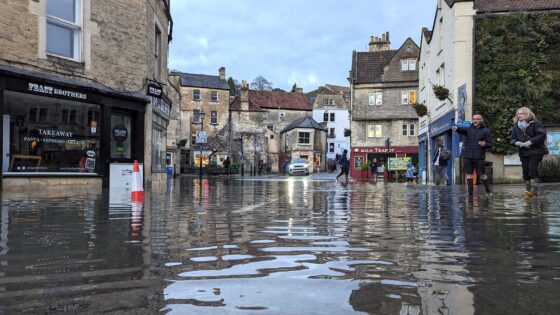
An AI-driven data analysis model has identified up to 1.2M buildings in England located outside existing flood defences and therefore exposed to future flood risk. The model combines Environment Agency flood maps with property location data to pinpoint undefended assets, including homes, critical infrastructure and commercial premises. For civil and geotechnical engineers, the findings signal pressure to prioritise resilience upgrades, reassess design flood levels and drainage capacity, and target nature-based or structural defences to specific high-risk clusters.
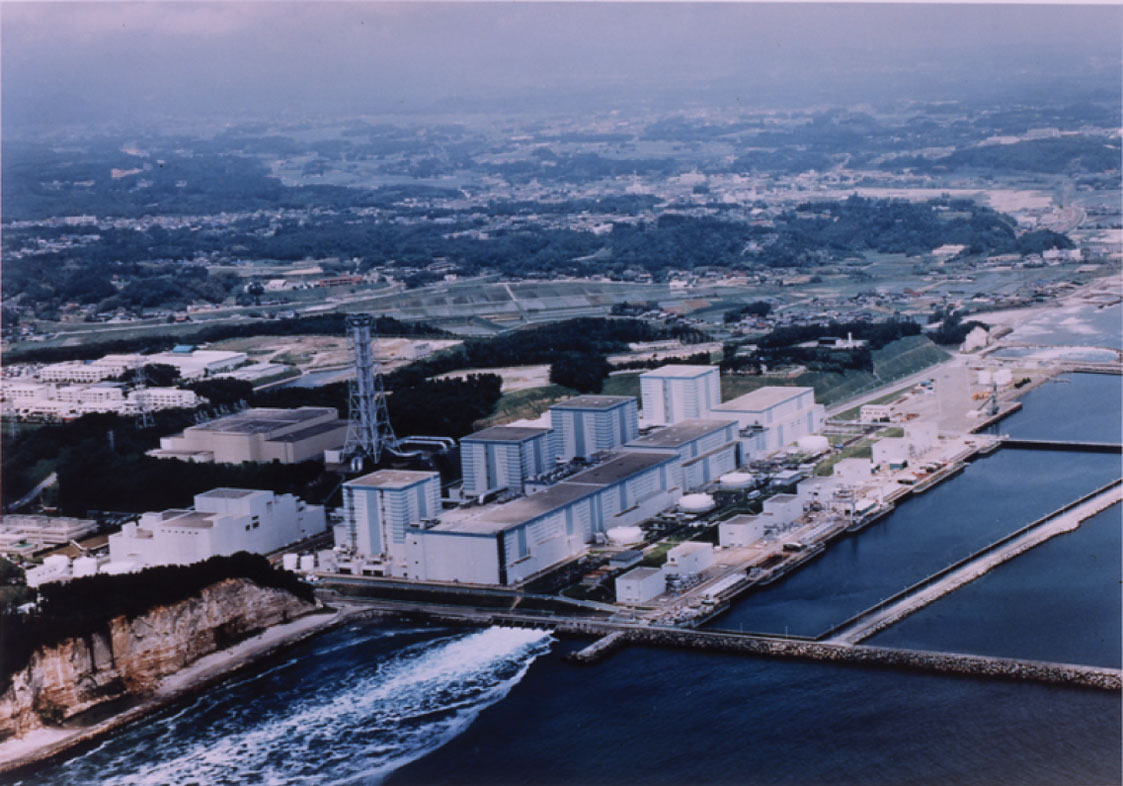
A magnitude 7.7 offshore earthquake struck northern Japan on 20 April 2026, generating initial tsunami waves up to 0.8 m and triggering warnings for possible 3 m run-up along the Pacific coast, rapid evacuations and temporary suspension of Shinkansen sections due to power loss. Inspections at Fukushima Daiichi and Fukushima Daini confirmed no operational abnormalities, with vertical evacuation routes enabling staff to move from seawall zones to elevated safe areas within minutes. For geotechnical and coastal engineers, the event tests post-2011 Tohoku upgrades, exposing ongoing overtopping risk and the need for conservative coastal defence design, redundant power and tightly integrated tsunami warning links.
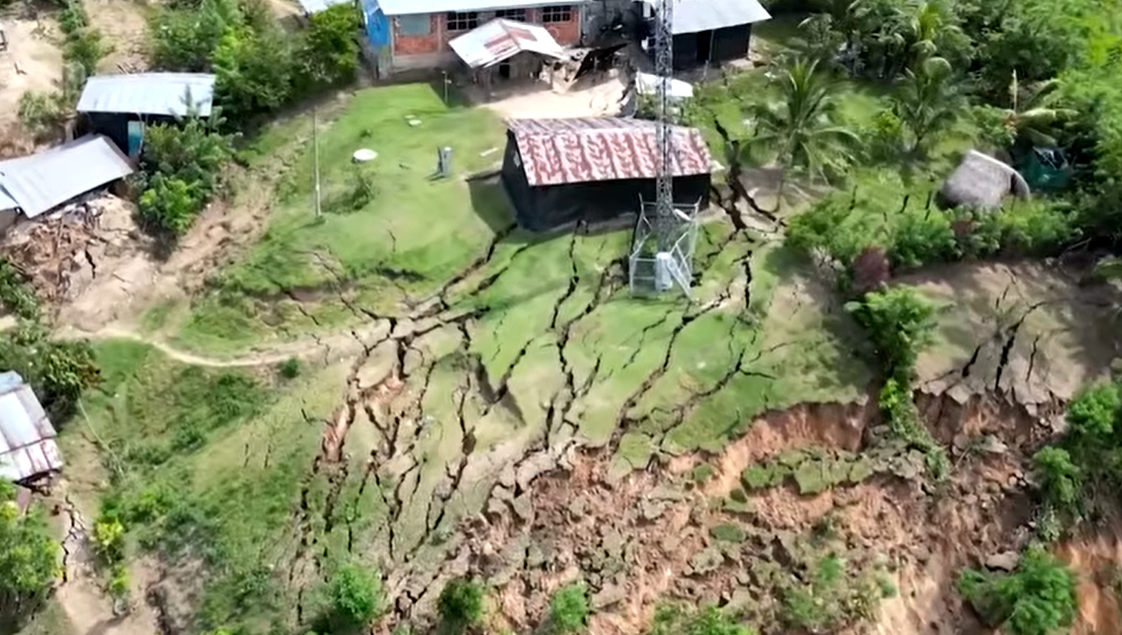
A landslide in northern Peru has forced the evacuation of more than 170 residents after continued ground movement destabilised a hillside settlement, with local authorities warning the slope remains active and at risk of further failure. Civil defence teams report tension cracks and progressive deformation upslope of the initial slip, prompting a red alert and temporary closure of nearby access roads. Geotechnical teams are now monitoring displacement and rainfall, with short-term controls focused on exclusion zones rather than immediate slope stabilisation works.
Completion of a three-year national programme to enhance UK surface water flood forecasting marks a step change in predicting intense, short-duration rainfall events that overwhelm urban drainage and highway networks. The upgraded capability is expected to give local authorities, highways agencies and emergency planners earlier, more location-specific warnings for pluvial flooding than existing river and coastal systems, supporting targeted deployment of temporary defences and road closures. For civil and drainage engineers, this should feed into more dynamic operation of combined sewers, attenuation basins and SuDS, and better calibration of design storms against real-time risk.
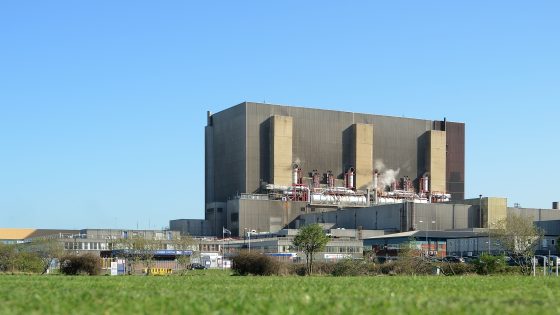
EDF has been granted a six-week extension by the Office for Nuclear Regulation to comply with an improvement notice issued after an incident at the Hartlepool nuclear power plant that left workers hospitalised. The notice concerns shortcomings in safety management and procedural controls during operations at the AGR (advanced gas-cooled reactor) site, where strict radiological and conventional safety regimes are mandatory. Civil and nuclear engineers involved in plant maintenance and modification work can expect tighter scrutiny of method statements, permit-to-work systems and contractor oversight on similar UK nuclear facilities.
Workers at the Fukushima Daiichi and Fukushima Daini nuclear power plants were ordered to evacuate to higher ground on 20 April after offshore seismic activity triggered earthquake and tsunami warnings. Plant operations shifted to emergency protocols, with on-site staff moving from low-lying coastal facilities and seawall areas to designated elevated shelters above projected inundation levels. The incident reinforces the need for robust vertical evacuation routes, redundant power and cooling systems, and clear egress planning for nuclear and other critical coastal infrastructure in tsunami-prone regions.
A Worcestershire vehicle maintenance firm has been fined £30,000 plus £4,325 in costs after a worker was crushed beneath a one-tonne concrete block, sustaining what the court described as “devastating” injuries. The incident involved a precast block used on the company’s site, with inadequate control of lifting and securing operations identified as the core failure. The case signals continued regulatory pressure on small depots and workshops to apply full CDM- and LOLER-level rigour to handling heavy concrete units and temporary yard structures.
The Lifting Equipment Engineers Association has set Thursday 2 July 2026 for the seventh Global Lifting Awareness Day, built around the theme “Not all lifting equipment is created equal.” LEEA plans to use the campaign, run with member companies and sector partners, to push better specification and inspection of cranes, hoists and below-the-hook devices in mining and other heavy industries. The initiative will culminate in a new guidance document aimed at reducing failures linked to substandard or misapplied lifting gear.
Deep borehole investigations for the UK’s geological disposal facility (GDF) for higher-activity radioactive waste are set to begin once the government confirms the first site selection, following a formal letter to the project manager. The programme will involve multi-kilometre boreholes to characterise deep rock formations and groundwater regimes, providing data on long-term containment performance and engineered barrier design. Early site choice will influence drilling logistics, monitoring networks and subsequent underground laboratory planning for the GDF.
Brazil’s Superior Court of Justice has reinstated criminal charges against former Vale CEO Fábio Schvartsman over the 25 January 2019 Brumadinho Córrego do Feijão tailings dam collapse, which killed more than 250 people and erased about US$19 billion from Vale’s market value in a single day. Federal prosecutors cited extensive internal documentation alleging Schvartsman assumed the risk of death by not acting on known instability issues at the upstream tailings structure, overturning a Minas Gerais court’s habeas corpus ruling. The decision restores 16 defendants, including ex‑Vale staff and TÜV SÜD consultants, with over 160 witnesses scheduled and hearings expected to run into next year, keeping corporate accountability for dam safety in sharp focus.
A House of Commons committee warns that accelerating coastal erosion is putting UK transport corridors, utilities and other critical national infrastructure at growing risk, with some assets already within metres of receding cliff lines and undefended shorelines. MPs found current planning rules and fragmented funding streams delay or block schemes such as realignment of coastal roads, relocation of wastewater treatment works and reinforcement of rail embankments. The inquiry calls for a national coastal adaptation strategy, clearer responsibilities between the Environment Agency and local authorities, and long-term funding to prioritise defence, managed retreat or asset abandonment.
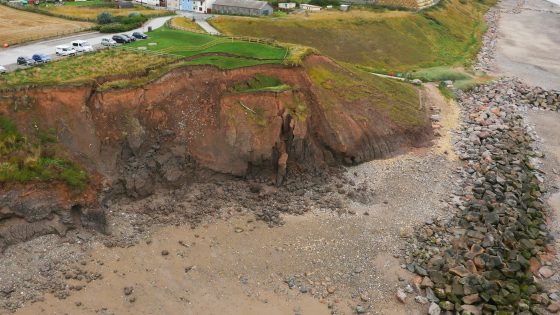
A coastal landslide on the East Devon coast at Branscombe has left multiple timber beach chalets tilted and partially cantilevered over the cliff edge, with foundations exposed after a major cliff recession event reported by the BBC. The failure occurred in weak, highly erodible cliff materials following prolonged wet weather and recent storms, accelerating existing coastal erosion. Local authorities have cordoned off the area and are assessing further instability risks, raising immediate questions over setback distances, slope monitoring, and long-term coastal retreat planning for similar soft-cliff sites.
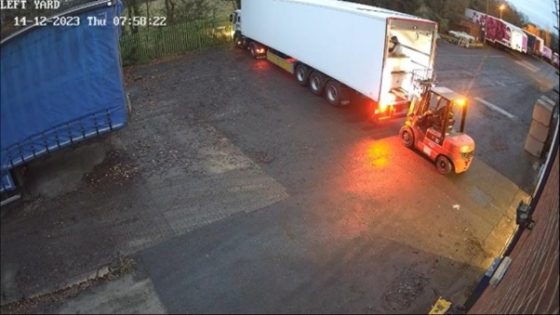
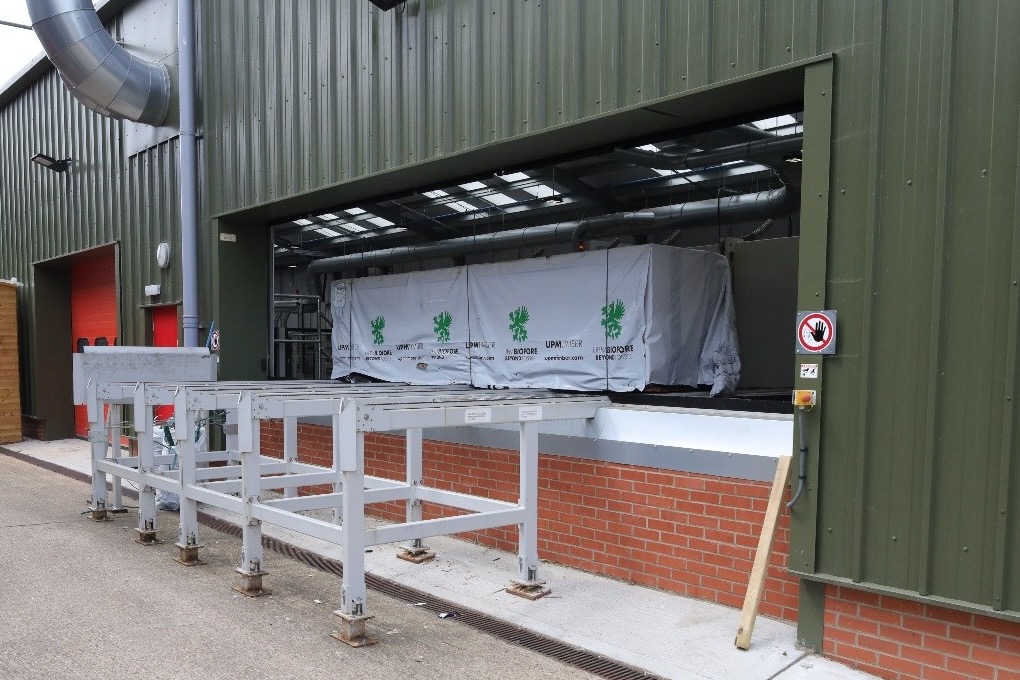
Huws Gray has been fined £2.2m plus full costs at Chelmsford Magistrates’ Court after 56-year-old labourer Paul Coulson was fatally crushed by a three‑tonne pallet of timber on a conveyor at the Herringswell Sawmills site in Suffolk on 22 May 2024. HSE investigators found workers had entered the conveyor framework at least 19 times in five weeks despite warning signage, with no physical guarding or system change implemented until after the incident. Post‑accident measures now include fixed guarding to prevent access, unwrapping pallets before loading, and expanded CCTV coverage of all conveyor angles.
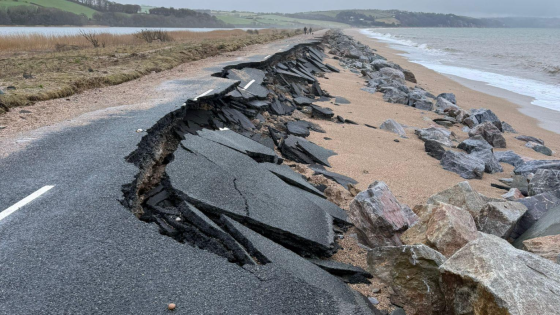
Coastal erosion has destroyed a section of the A379 Slapton line in Devon, severing a key coastal route, but central government has offered only sympathy and no funding or technical commitment to reinstate it. The community, which depends on the road as the primary link between Kingsbridge and Dartmouth, now faces long diversion routes on minor inland roads not designed for current traffic volumes or heavy vehicles. For geotechnical and coastal engineers, the situation signals continued uncertainty over who funds long-term adaptation of low-lying coastal highways exposed to accelerating shoreline retreat.
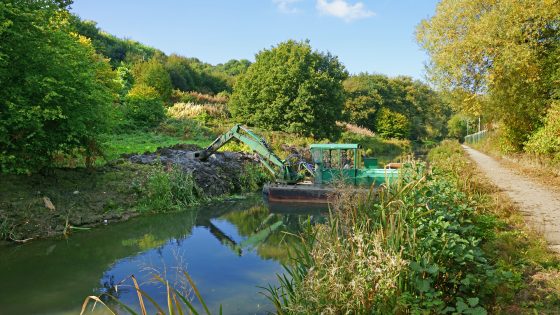
MPs have pressed the environment minister on whether large-scale river dredging will be adopted to reduce rural flooding during extreme rainfall, amid pressure from farming communities hit by repeated winter overflows. The debate centres on whether increasing channel capacity by removing bed sediment and vegetation in rivers such as the Severn and Wye offers better value than upstream storage, washlands and natural flood management. Engineers will need to weigh short-term conveyance gains against impacts on bank stability, habitat loss, maintenance cycles and downstream flood peaks.
Government plans to promote supermarket-sold plug‑in solar panels, with Lidl preparing low-cost balcony units, are drawing strong safety warnings from Hollis energy director Stuart Patience and trade bodies ECA and NFRC. Concerns centre on non-competent DIY installation into unknown domestic circuits, lack of UK-specific product testing, fire risk from PV and potential add‑on battery storage (thermal runaway, unextinguishable high‑rise fires), and extra loading and combustibles on balconies. Critics argue current grid connection rules, building safety regimes and accreditation frameworks for rooftop and façade systems are not configured for mass plug‑in deployment.
A 19-year-old worker at Sheridan Skips Burnley’s Smiths Yard site in Burnley suffered life-changing crush injuries on 12 March 2024 when a reversing telescopic handler, operating without rear-view mirrors, pinned him against a brick wall while he was hand-sorting waste. A Health & Safety Executive investigation found no effective vehicle–pedestrian segregation, no physical barriers or refuges, and routine concurrent yard operations with mobile plant and manual pickers. Sheridan Skips Burnley Limited pleaded guilty to breaching Section 2(1) of the Health and Safety at Work etc. Act 1974 and was fined £24,000 plus £4,777 costs at Blackburn Magistrates’ Court.
New analysis by Ordnance Survey maps how climate-driven flood risk intersects with England’s strategic roads and railways, calling for a “clear, forward-looking understanding” of exposure. Using its national topographic database and elevation models, OS identifies low-lying corridors, embankments and cuttings where overtopping, scour and trackbed saturation could disrupt key routes. The work signals a need to integrate updated flood extents into asset management, drainage design and resilience upgrades for highways structures and rail earthworks.
Fines exceeding £90,000 and a 26‑week suspended prison sentence have been imposed after 218 m² of asbestos-containing materials and debris were illegally disturbed and cleared at a demolition site on Greenheath Road, Cannock. Sohan Group Limited was fined £74,900 for failing to appoint a principal contractor under CDM 2015, while Maize Metals Limited was fined £13,400 for proceeding with demolition despite an asbestos management survey identifying ACMs. Unlicensed contractor Disa Properties’ representative, Ali Raza Baig, received a suspended custodial sentence, five-year director disqualification and curfew for arranging unlicensed asbestos removal.
Two firms have been fined after a cherry picker struck an 11kV overhead powerline at the Willand Biogas anaerobic digestion site in Cullompton, Devon on 1 June 2020, killing 34-year-old Carl Parsons and leaving colleague Luke Madavan with life-changing injuries. Willand O&M Ltd, advised by both its contractor and Western Power Distribution to divert or bury the line, failed to act or install controls such as height restrictors or exclusion zones, and was fined £51,000 plus £28,467 costs. New Wave Marine Ltd, whose risk assessment and supervision were deemed inadequate, was fined £30,000 with £8,000 costs.
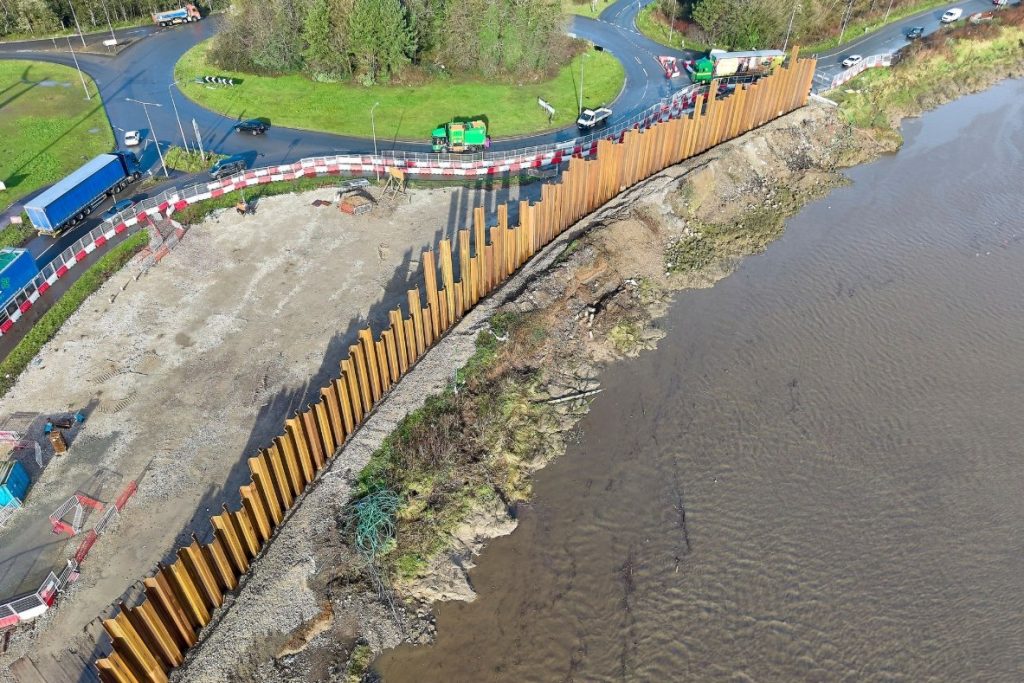
Welsh Government has set a record £85M budget for flood and coastal erosion risk management in 2026/27, its largest single-year allocation for defences. Funding will support schemes under the National Strategy for Flood and Coastal Erosion Risk Management, targeting high-risk communities along major estuaries and exposed coastlines. Designers can expect increased demand for reinforced concrete and rock armour sea walls, upgraded earth embankments, and higher-capacity culverts and outfalls to cope with more intense rainfall and storm surges.
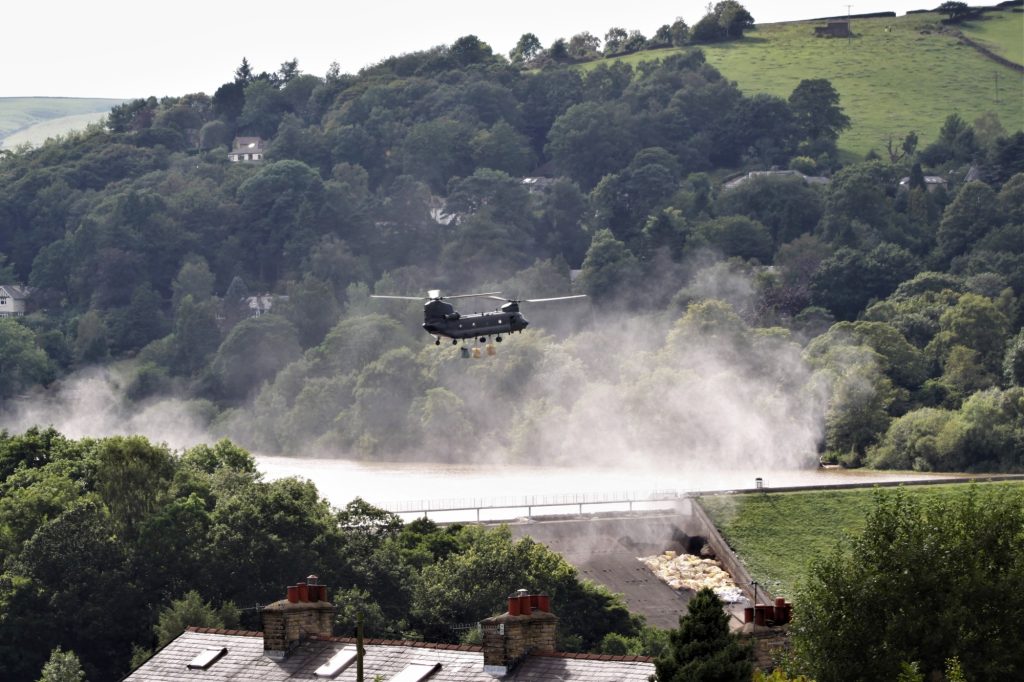
Assessing dam failure risk with WTW takes centre stage in the latest Engineers Collective podcast, focusing on how insurers and engineers jointly quantify breach probabilities and downstream consequences for large embankment and concrete gravity dams. Discussion covers use of probabilistic risk assessment, portfolio-level screening tools and event trees to evaluate failure modes such as overtopping, internal erosion and spillway degradation under extreme rainfall. The episode also examines how updated risk metrics influence capital maintenance planning, emergency drawdown provisions and prioritisation of dam safety upgrades.
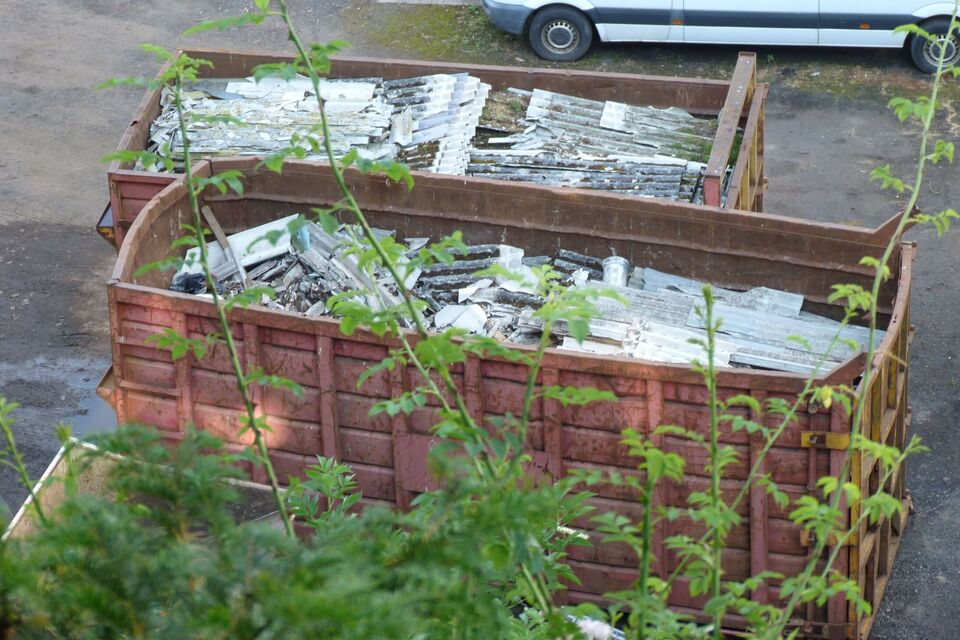
Demolition contractor Reddem Ltd has been fined £4,000, with £4,000 costs and a £1,600 victim surcharge, for operating an illegal asbestos waste site at The Old Gas Works Yard in Wooler, Northumberland, without an environmental permit. Environment Agency and HSE inspections in June 2023 found nine skips with asbestos-containing demolition waste stored in open containers, contrary to requirements for double-bagging and sealed, enclosed skips. More than 40 tonnes of asbestos material were subsequently removed to a permitted facility, signalling continued strict enforcement of asbestos handling and waste permitting rules on demolition projects.
Multiple sinkholes along Summit Avenue near Lewis Street in Phillipsburg, New Jersey have triggered a local state of emergency after one collapse swallowed a loaded dump truck and undermined adjacent properties. Authorities have evacuated several homes, closed the affected road section, and are investigating suspected subsurface voids linked to ageing water or sewer infrastructure beneath the asphalt pavement. Geotechnical teams now face urgent stability assessment, utility leak detection, and staged backfilling or grouting in a constrained urban corridor with active buried services.