Geomechanics.io

  • Free Tools
Sign UpLog In
Built byBoxcut Studio

Geomechanics.io

Geomechanics, Streamlined.

© 2026 Geomechanics.io. All rights reserved.

Geomechanics.io

CMRR-ioGEODB-ioHYDROGEO-ioQCDB-ioFree Tools & CalculatorsBlogLatest Industry News

Industries

MiningConstructionTunnelling

Company

Terms of UsePrivacy PolicyLinkedIn
    Projects
    Failure
    Safety

    Northern Peru landslide evacuation: active slope behaviour and lessons for engineers

    April 22, 2026|

    Reviewed by Joe Ashwell

    Northern Peru landslide evacuation: active slope behaviour and lessons for engineers

    First reported on Geoengineer.org – News

    30 Second Briefing

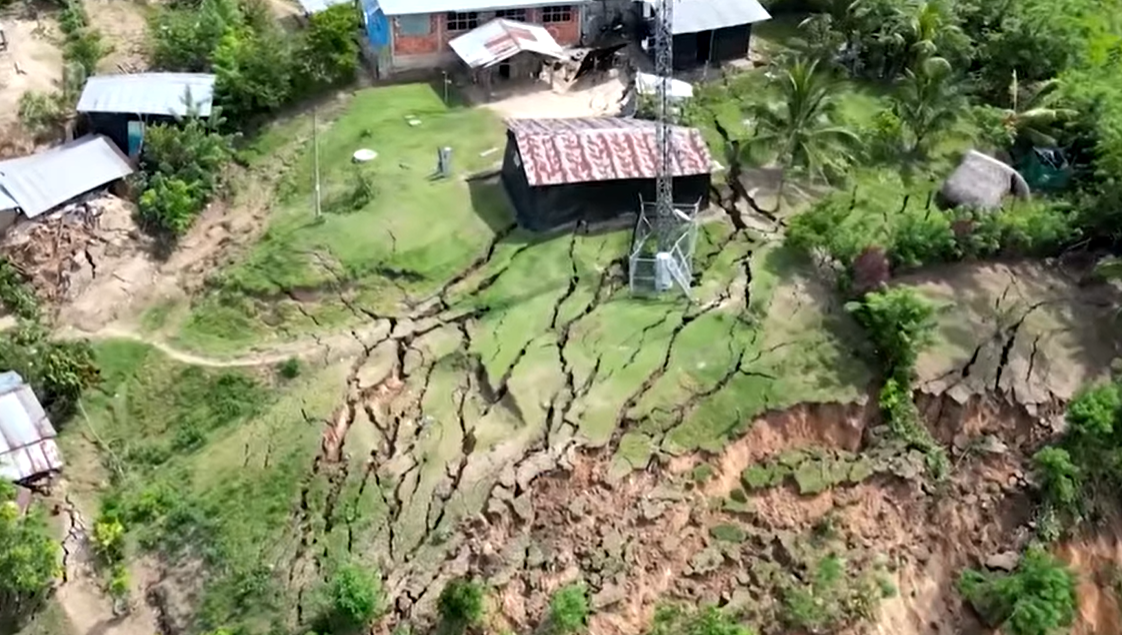
    A landslide in northern Peru has forced the evacuation of more than 170 residents after continued ground movement destabilised a hillside settlement, with local authorities warning the slope remains active and at risk of further failure. Civil defence teams report tension cracks and progressive deformation upslope of the initial slip, prompting a red alert and temporary closure of nearby access roads. Geotechnical teams are now monitoring displacement and rainfall, with short-term controls focused on exclusion zones rather than immediate slope stabilisation works.

    Technical Brief

    • Monitoring priorities include periodic crack gauge readings, photographic logs and visual inspection of upslope drainage paths.
    • Short-term remediation under discussion focuses on surface water diversion and temporary toe protection rather than deep-seated works.
    • Safety management is centred on enforced exclusion perimeters, controlled escorted access for belongings retrieval, and roadblocks at key junctions.

    Our Take

    With more than 170 people evacuated and no specific project or mine named, this incident underlines how non-mining hillside communities in northern Peru can still be exposed to failure mechanisms similar to open-pit or waste-dump slope collapses, which has implications for how operators design and communicate regional emergency-response plans.

    The Safety tag on this Peru failure aligns with other Hazards pieces where early evacuation has limited casualties, suggesting that local authorities in the region may now be more proactive in triggering evacuations once precursory signs of instability are observed.

    Geotechnical Software for Modern Teams

    Centralise site data, logs, and lab results with GEODB-io, CMRR-io, and HYDROGEO-io.

    Cancel at any time.

    • Save and export unlimited calculations
    • Advanced data visualisation
    • Generate professional PDF reports
    • Cloud storage for all your projects

    Prepared by collating external sources, AI-assisted tools, and Geomechanics.io’s proprietary mining database, then reviewed for technical accuracy & edited by our geotechnical team.

    Related Articles
    HSE data: 25 construction deaths in 2025/26 – CDM and site risk lessons for engineers
    Hazards
    1 day ago

    HSE data: 25 construction deaths in 2025/26 – CDM and site risk lessons for engineers

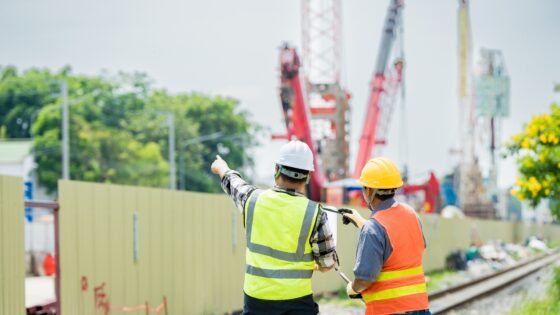
    Construction recorded 25 worker fatalities in 2025/26, the highest of any UK industry, out of 126 workplace deaths reported in provisional Health and Safety Executive (HSE) data. Although detailed causation is not yet published, the figures keep construction disproportionately represented relative to its workforce share, reinforcing the need to control known high-risk activities such as work at height, lifting operations and temporary works. Contractors and clients can expect continued HSE scrutiny on CDM compliance, site supervision quality and design-stage risk elimination.

    England flood damage up 11-fold by 2125: design lessons for flood engineers
    Hazards
    1 day ago

    England flood damage up 11-fold by 2125: design lessons for flood engineers

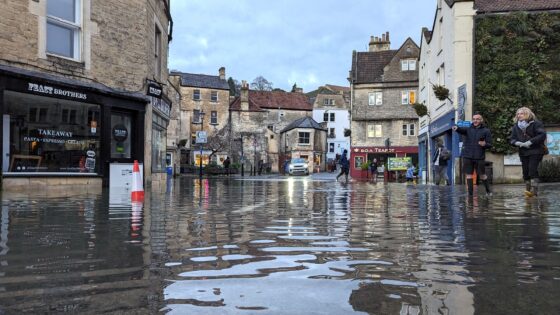
    Flood damage costs in England could be up to 11 times higher by 2125 if current levels of investment in flood defences are not maintained, according to a new Environment Agency assessment. The analysis models long‑term climate change impacts on fluvial and coastal flooding and compares outcomes under sustained versus reduced capital and maintenance spending on embankments, barriers and drainage networks. For civil and geotechnical engineers, the findings signal sustained demand for upgraded floodwalls, raised defences and improved surface water management to keep residual risk within acceptable economic and safety thresholds.

    NCE Floods & Water Awards: 21-category snapshot for flood risk engineers
    Hazards
    2 days ago

    NCE Floods & Water Awards: 21-category snapshot for flood risk engineers

    Entries have opened for New Civil Engineer’s inaugural Floods & Water Awards, featuring 21 categories spanning project delivery, technical innovation and long-term community impact in flood and water management. Categories cover areas such as flood risk schemes, drainage and SuDS, asset resilience, digital tools and data-led decision-making, and organisational or individual contributions. The programme gives geotechnical, civil and water engineers a platform to benchmark approaches to flood defence design, catchment-scale planning and resilience upgrades against UK best practice.

    Related Industries & Products

    Mining

    Geotechnical software solutions for mining operations including CMRR analysis, hydrogeological testing, and data management.

    Construction

    Quality control software for construction companies with material testing, batch tracking, and compliance management.

    CMRR-io

    Streamline coal mine roof stability assessments with our cloud-based CMRR software featuring automated calculations, multi-scenario analysis, and collaborative workflows.

    HYDROGEO-io

    Comprehensive hydrogeological testing platform for managing, analysing, and reporting on packer tests, lugeon values, and hydraulic conductivity assessments.

    GEODB-io

    Centralised geotechnical data management solution for storing, accessing, and analysing all your site investigation and material testing data.

    AllGeotechnicalInfrastructureHazardsEnvironmental