Geomechanics.io

  • Free Tools
Sign UpLog In

    Geomechanics.io

    Geomechanics, Streamlined.

    © 2026 Geomechanics.io. All rights reserved.

    Geomechanics.io

    CMRR-ioGEODB-ioHYDROGEO-ioQCDB-ioFree Tools & CalculatorsBlogLatest Industry News

    Industries

    MiningConstructionTunnelling

    Company

    Terms of UsePrivacy PolicyLinkedIn
    Safety
    Projects

    Iran CO2 plant reopening: nuclear safety and supply-chain lessons for engineers

    April 28, 2026|

    Reviewed by Joe Ashwell

    Iran CO2 plant reopening: nuclear safety and supply-chain lessons for engineers

    First reported on New Civil Engineer

    30 Second Briefing

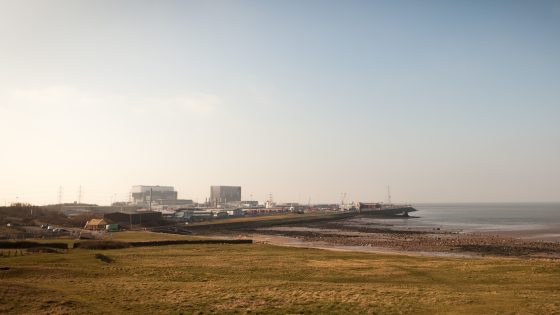
    A disused UK carbon dioxide production plant has been recommissioned by the government to address a CO2 shortage triggered by the Iran conflict, with officials calling the gas “vital” for safe nuclear power station operation. CO2 is required for reactor systems such as coolant circuits, pressurisation and fire suppression, making supply-chain resilience a direct nuclear safety and availability issue. Engineers should expect renewed scrutiny of single-point vulnerabilities in industrial gas logistics and potential retrofits to diversify on-site CO2 storage and backup supply routes.

    Technical Brief

    • Government intervention includes recommissioning a previously mothballed industrial CO₂ plant as a strategic asset.
    • Facility restart implies rapid safety revalidation of pressure systems, storage vessels and process control under UK regulations.
    • Reopening a disused plant typically triggers new COMAH, DSEAR and environmental permit reviews and updates.
    • Nuclear operators will need revised CO₂ stockpile assumptions in safety cases and probabilistic risk assessments.
    • Civil and mechanical upgrades may be required to meet current seismic, blast and containment design standards.
    • Supply-chain contingency planning now has to consider armed-conflict disruption scenarios in safety-critical gas sourcing.

    Geotechnical Software for Modern Teams

    Centralise site data, logs, and lab results with GEODB-io, CMRR-io, and HYDROGEO-io.

    No credit card required.

    • Save and export unlimited calculations
    • Advanced data visualisation
    • Generate professional PDF reports
    • Cloud storage for all your projects

    Prepared by collating external sources, AI-assisted tools, and Geomechanics.io’s proprietary mining database, then reviewed for technical accuracy & edited by our geotechnical team.

    Related Articles
    Melbourne sinkhole investigations: geotechnical lessons for tunnel project teams
    Hazards
    in 2 months

    Melbourne sinkhole investigations: geotechnical lessons for tunnel project teams

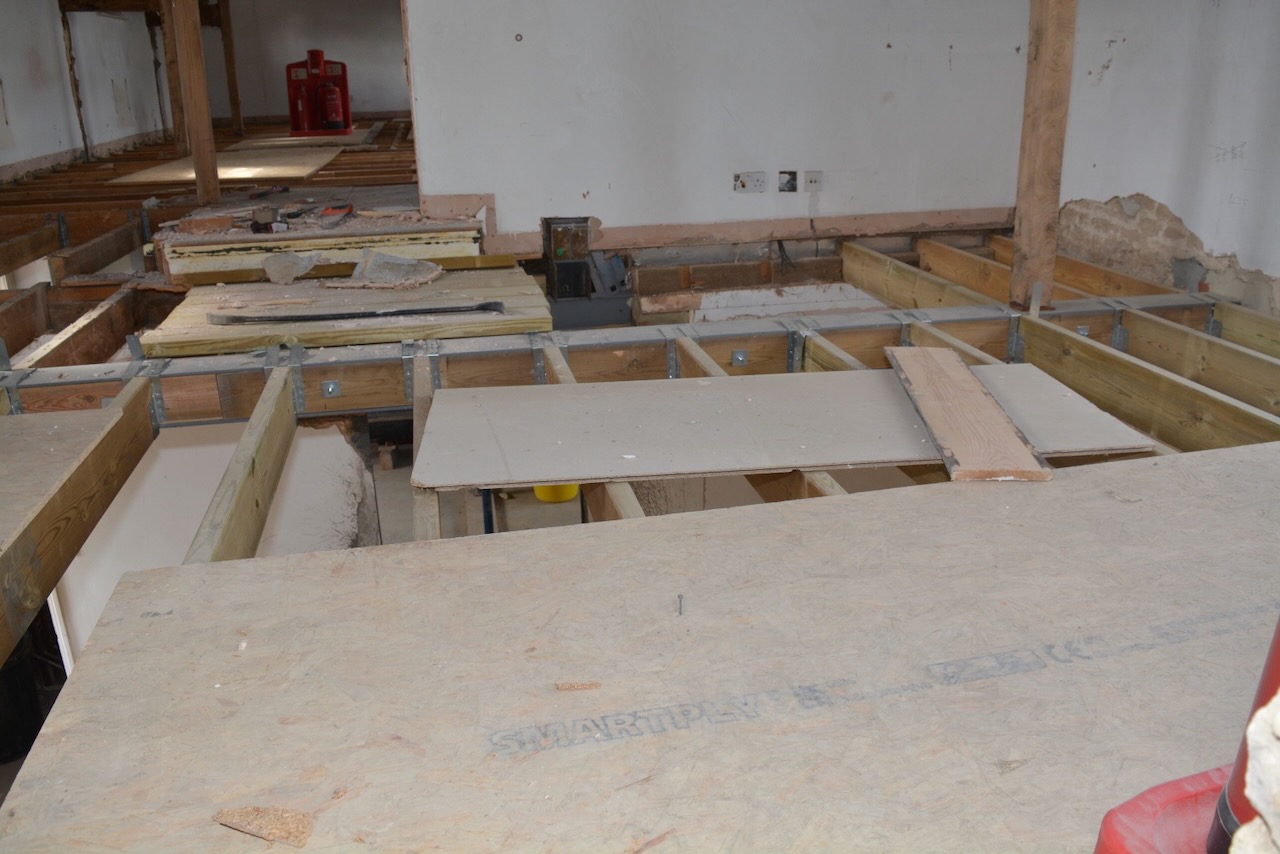
    A sinkhole roughly 8–10 m wide and several metres deep has opened on the AJ Burkitt Reserve sporting oval in Heidelberg, directly adjacent to the North East Link tunnel alignment in Melbourne’s northeast. Victorian Infrastructure Delivery Authority has confirmed the “surface hole” is in the vicinity of active tunnelling operations, leading to a work pause while engineers and emergency crews carry out geotechnical investigations and monitoring. No injuries or structural damage have been reported, but the area remains fully cordoned off pending cause determination and stability assessment.

    Pilbara Ports after Cyclone Narelle: resilience and capacity lessons for engineers
    Hazards
    5 days ago

    Pilbara Ports after Cyclone Narelle: resilience and capacity lessons for engineers

    Pilbara Ports handled 63.7Mt of cargo in March 2026, an 8 per cent drop year-on-year after Cyclone Narelle forced temporary closures at Port Hedland, Dampier and Ashburton. Iron ore exports from Port Hedland, which typically exceed 50Mt per month, were most affected as shipping channels and berths underwent post-cyclone inspections and staggered re-openings under marine safety protocols. The disruption highlights the need for cyclone-resilient berth structures, dredged channel management and robust stockyard capacity planning across Pilbara export supply chains.

    AI model flags 1.2M UK buildings beyond flood defences: design notes for engineers
    Hazards
    6 days ago

    AI model flags 1.2M UK buildings beyond flood defences: design notes for engineers

    An AI-driven data analysis model has identified up to 1.2M buildings in England located outside existing flood defences and therefore exposed to future flood risk. The model combines Environment Agency flood maps with property location data to pinpoint undefended assets, including homes, critical infrastructure and commercial premises. For civil and geotechnical engineers, the findings signal pressure to prioritise resilience upgrades, reassess design flood levels and drainage capacity, and target nature-based or structural defences to specific high-risk clusters.

    Related Industries & Products

    Construction

    Quality control software for construction companies with material testing, batch tracking, and compliance management.

    CMRR-io

    Streamline coal mine roof stability assessments with our cloud-based CMRR software featuring automated calculations, multi-scenario analysis, and collaborative workflows.

    HYDROGEO-io

    Comprehensive hydrogeological testing platform for managing, analysing, and reporting on packer tests, lugeon values, and hydraulic conductivity assessments.

    GEODB-io

    Centralised geotechnical data management solution for storing, accessing, and analysing all your site investigation and material testing data.

    AllGeotechnicalInfrastructureHazardsEnvironmental