Geomechanics.io

  • Free Tools
Sign UpLog In
Safety

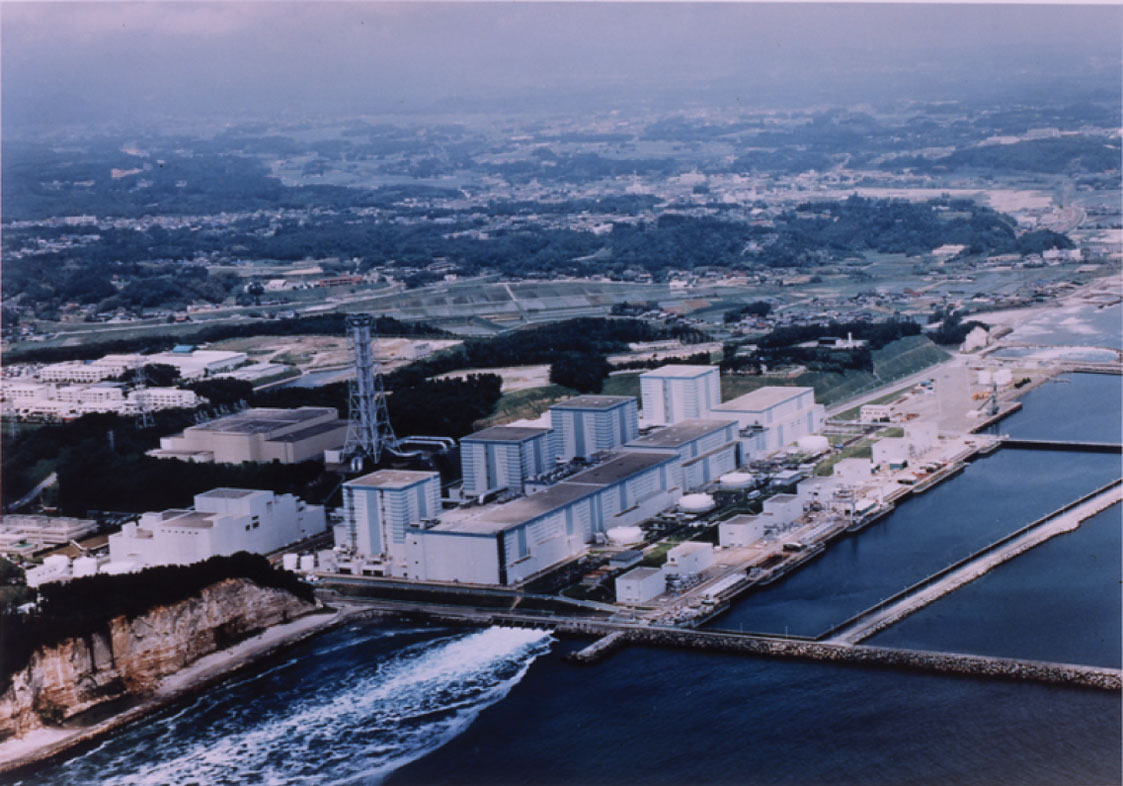
Fukushima nuclear plants evacuation: tsunami design and egress lessons for engineers

April 20, 2026|

Reviewed by Joe Ashwell

Fukushima nuclear plants evacuation: tsunami design and egress lessons for engineers

First reported on New Civil Engineer

30 Second Briefing

Workers at the Fukushima Daiichi and Fukushima Daini nuclear power plants were ordered to evacuate to higher ground on 20 April after offshore seismic activity triggered earthquake and tsunami warnings. Plant operations shifted to emergency protocols, with on-site staff moving from low-lying coastal facilities and seawall areas to designated elevated shelters above projected inundation levels. The incident reinforces the need for robust vertical evacuation routes, redundant power and cooling systems, and clear egress planning for nuclear and other critical coastal infrastructure in tsunami-prone regions.

Technical Brief

  • Movement of staff away from seawall zones reflects residual vulnerability of coastal defence structures to overtopping.
  • Emergency response relied on pre-defined vertical and inland evacuation corridors integrated into existing plant layouts.
  • Coordination with national tsunami warning systems underpins warning lead times for nuclear coastal infrastructure worldwide.

Geotechnical Software for Modern Teams

Centralise site data, logs, and lab results with GEODB-io, CMRR-io, and HYDROGEO-io.

No credit card required.

  • Save and export unlimited calculations
  • Advanced data visualisation
  • Generate professional PDF reports
  • Cloud storage for all your projects

Prepared by collating external sources, AI-assisted tools, and Geomechanics.io’s proprietary mining database, then reviewed for technical accuracy & edited by our geotechnical team.

Related Articles

Melbourne sinkhole investigations: geotechnical lessons for tunnel project teams
Hazards
in 22 days

Melbourne sinkhole investigations: geotechnical lessons for tunnel project teams

A sinkhole roughly 8–10 m wide and several metres deep has opened on the AJ Burkitt Reserve sporting oval in Heidelberg, directly adjacent to the North East Link tunnel alignment in Melbourne’s northeast. Victorian Infrastructure Delivery Authority has confirmed the “surface hole” is in the vicinity of active tunnelling operations, leading to a work pause while engineers and emergency crews carry out geotechnical investigations and monitoring. No injuries or structural damage have been reported, but the area remains fully cordoned off pending cause determination and stability assessment.

South West Water £1.85M fine: disinfection failure lessons for water engineers
Hazards
6 days ago

South West Water £1.85M fine: disinfection failure lessons for water engineers

South West Water has been fined £1.85M at Exeter Magistrates’ Court after a Cryptosporidium contamination at the Hillhead treatment works left tens of thousands of Devon customers without potable tap water in summer 2026. The DWI prosecution centred on failures in disinfection and monitoring barriers required under the Water Supply (Water Quality) Regulations, including inadequate protozoa control and delayed public notification. Other water companies are now ramping up enforcement and risk reviews of treatment works, with particular focus on UV systems, filtration integrity and contingency planning for microbial outbreaks.

Trawsfynydd decommissioning milestone: waste-to-dismantling shift for project teams
Hazards
12 days ago

Trawsfynydd decommissioning milestone: waste-to-dismantling shift for project teams

Completion of the highest activity radioactive waste management programme at the Trawsfynydd nuclear power station in north Wales marks a key decommissioning milestone after roughly 20 years of work. High‑risk materials from the Magnox-era site have now been retrieved, conditioned and placed into shielded intermediate-level waste stores designed for long-term containment and future transfer to a geological disposal facility. The shift away from active waste handling allows decommissioning teams to focus on structural dismantling, civil works on reactor buildings and progressive reduction of radiological hazards on site.

Related Industries & Products

Mining

Geotechnical software solutions for mining operations including CMRR analysis, hydrogeological testing, and data management.

Construction

Quality control software for construction companies with material testing, batch tracking, and compliance management.

CMRR-io

Streamline coal mine roof stability assessments with our cloud-based CMRR software featuring automated calculations, multi-scenario analysis, and collaborative workflows.

HYDROGEO-io

Comprehensive hydrogeological testing platform for managing, analysing, and reporting on packer tests, lugeon values, and hydraulic conductivity assessments.

GEODB-io

Centralised geotechnical data management solution for storing, accessing, and analysing all your site investigation and material testing data.

Geomechanics.io

Geomechanics, Streamlined.

© 2026 Geomechanics.io. All rights reserved.

Geomechanics.io

CMRR-ioGEODB-ioHYDROGEO-ioQCDB-ioFree Tools & CalculatorsBlogLatest Industry News

Industries

MiningConstructionTunnelling

Company

Terms of UsePrivacy PolicyLinkedIn
    AllGeotechnicalInfrastructureHazardsEnvironmental