Geomechanics.io

  • Free Tools
Sign UpLog In
Built byBoxcut Studio

Geomechanics.io

Geomechanics, Streamlined.

© 2026 Geomechanics.io. All rights reserved.

Geomechanics.io

CMRR-ioGEODB-ioHYDROGEO-ioQCDB-ioFree Tools & CalculatorsBlogLatest Industry News

Industries

MiningConstructionTunnelling

Company

Terms of UsePrivacy PolicyLinkedIn
    Projects
    Safety

    UK nuclear waste facility siting: design and risk notes for ground engineers

    May 9, 2026|

    Reviewed by Tom Sullivan

    UK nuclear waste facility siting: design and risk notes for ground engineers

    First reported on New Civil Engineer

    30 Second Briefing

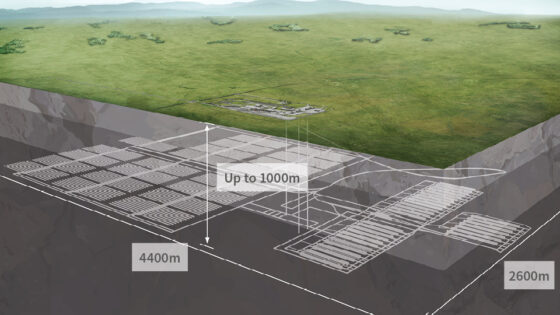
    Government is close to choosing a site for the UK’s deep geological disposal facility (GDF) for higher-activity radioactive waste, with NCE reporting that a decision is expected “soon” after several years of community partnerships and site evaluations. The GDF is planned hundreds of metres below ground in stable rock, using multi‑barrier engineered and geological containment for spent fuel and intermediate-level waste currently stored at Sellafield and other sites. A location decision will trigger detailed site characterisation, including long-term hydrogeological modelling, seismic risk assessment and underground repository design.

    Technical Brief

    • Site selection will lock in host rock type, dictating excavation methods, support systems and repository layout.
    • Choice of coastal versus inland setting will strongly influence groundwater salinity, corrosion design and long-term hydrogeological modelling.
    • Regulatory scrutiny will centre on ALARP demonstrations for construction and operational worker doses under UK nuclear safety law.
    • Emergency planning zones and off-site response arrangements must be integrated with existing local authority resilience frameworks.
    • Long-term institutional control assumptions (monitoring, access shafts, records) will drive closure design and backfilling strategy.
    • Construction sequencing must manage interaction between large underground excavations and surface facilities storing and conditioning waste.

    Geotechnical Software for Modern Teams

    Centralise site data, logs, and lab results with GEODB-io, CMRR-io, and HYDROGEO-io.

    No credit card required.

    • Save and export unlimited calculations
    • Advanced data visualisation
    • Generate professional PDF reports
    • Cloud storage for all your projects

    Prepared by collating external sources, AI-assisted tools, and Geomechanics.io’s proprietary mining database, then reviewed for technical accuracy & edited by our geotechnical team.

    Related Articles
    W G Carter fall death: work-at-height failings and lessons for site engineers
    Hazards
    2 days ago

    W G Carter fall death: work-at-height failings and lessons for site engineers

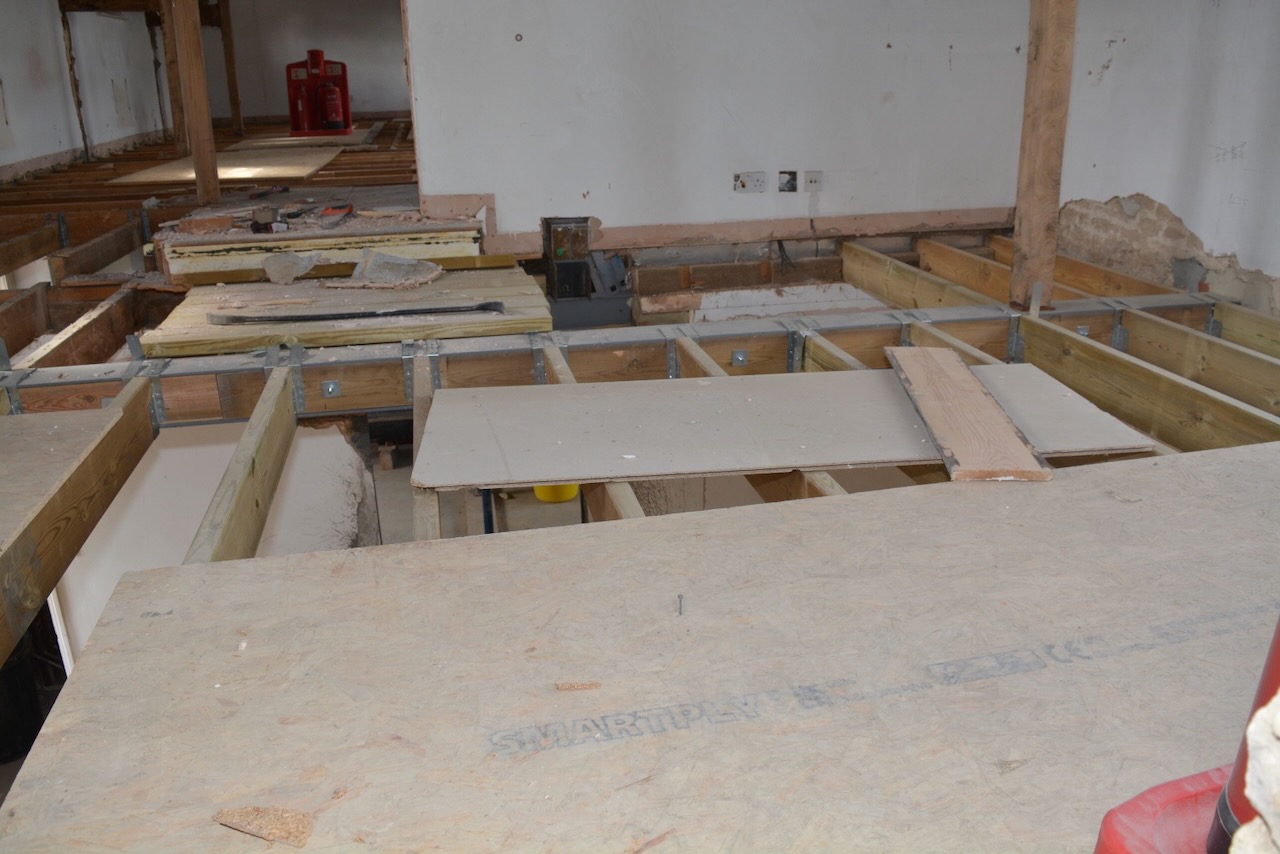
    W G Carter Limited has been fined £120,000 plus £5,247 costs at Bristol Magistrates Court after 59-year-old worker Richard “Felix” Roper died falling from a stripped first floor onto a concrete ground slab at a barn house in Nether Westcote. A joint HSE and Gloucestershire Police investigation found work at height was not properly planned or supervised, with workers allowed onto joists where floorboards and structural supports had been removed while others continued lifting boards. After a Prohibition Notice, the firm switched to installing replacement joists from below using work-at-height equipment and blocking access to the first floor.

    Met passes Grenfell files to CPS: legal and design lessons for fire engineers
    Hazards
    6 days ago

    Met passes Grenfell files to CPS: legal and design lessons for fire engineers

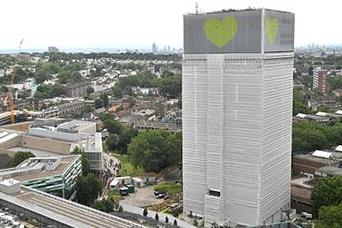
    Metropolitan Police have submitted 20 investigation files on the Grenfell Tower fire to the Crown Prosecution Service, covering 20 companies and organisations and 54 individuals. Potential charges span corporate manslaughter, gross negligence manslaughter, health and safety offences, fraud and fraud-related offences, and misconduct in public office, following work by a 220-strong investigation team. The CPS aims to issue charging decisions by June 2027, the fire’s tenth anniversary, a timetable relevant for dutyholders involved in high-rise cladding, fire safety design and regulatory compliance.

    GAD–ORR climate hazard analysis: resilience and asset risk insights for engineers
    Hazards
    8 days ago

    GAD–ORR climate hazard analysis: resilience and asset risk insights for engineers

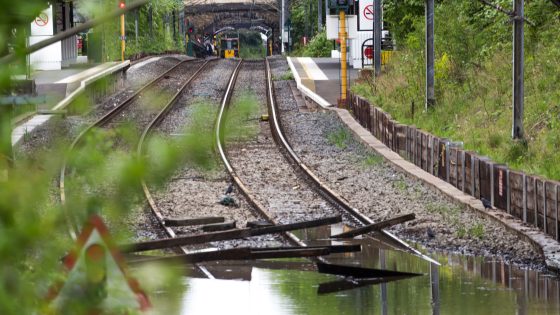
    Government Actuary’s Department actuaries have delivered probabilistic analysis to the Office of Rail and Road on how climate-related hazards such as extreme rainfall, heat and flooding are evolving across UK rail and strategic road assets. Using long‑term climate projections and hazard frequency–severity modelling, the work maps where risks to embankments, cuttings, track buckling and drainage exceedances are likely to increase. The outputs will feed into ORR’s scrutiny of Network Rail and National Highways’ asset management, resilience upgrades and future capital planning.

    Related Industries & Products

    Mining

    Geotechnical software solutions for mining operations including CMRR analysis, hydrogeological testing, and data management.

    Construction

    Quality control software for construction companies with material testing, batch tracking, and compliance management.

    QCDB-io

    Comprehensive quality control database for manufacturing, tunnelling, and civil construction with UCS testing, PSD analysis, and grout mix design management.

    AllGeotechnicalInfrastructureHazardsEnvironmental