Geomechanics, Streamlined.
© 2026 Geomechanics.io. All rights reserved.
Gold’s decoupling from rising US real Treasury yields since March 2022, with front‑month COMEX futures peaking at US$5,318/oz and 10‑year yields touching 5.2%, is driving central banks to keep buying on dips (863 tonnes net in 2025) and reviving gold’s perceived monetary role. Yet S&P data show 2025 global gold exploration budgets of US$6.15 billion still favour near‑mine work (over 50% of spend) and late‑stage projects, leaving grassroots with a record‑low 18%. Select juniors with advanced assets, such as Amarc Resources’ C$20‑million and Banyan Gold’s C$58‑million raises, are attracting institutions, but broad generalist capital remains focused on large, liquid producers.
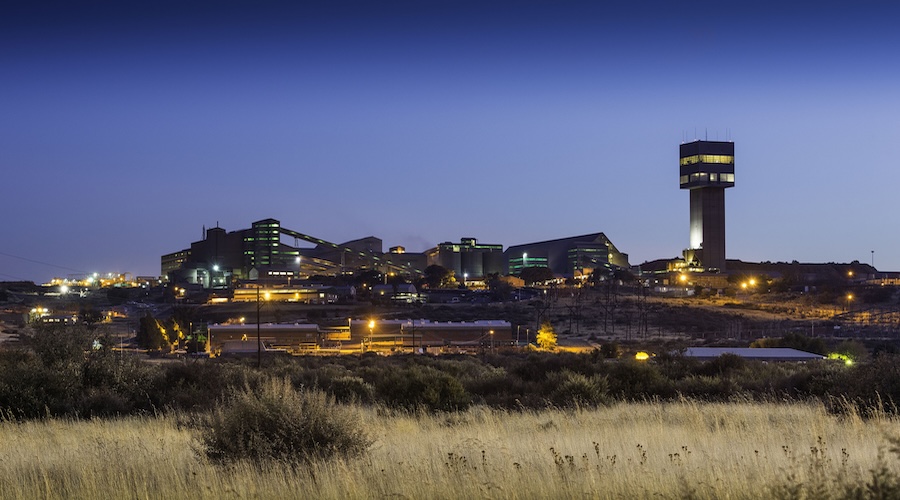
Petra Diamonds is weighing a full sale as part of a strategic review to tackle liquidity pressure following a prolonged diamond-market downturn and operational problems at its Finsch mine in South Africa, with shares dropping almost 20% to 5.4p and market value to about £19.1 million. The move follows its 2025 refinancing and the May 2026 business rescue of Finsch, as weak natural diamond prices and competition from lab-grown stones continue to erode cash flow. Analyst Paul Zimnisky estimates global natural diamond output will fall to roughly 90 million carats this year, the lowest since 1987, potentially tightening supply just as Petra faces near-term funding and restructuring decisions.
A contractor was killed at Codelco’s Radomiro Tomic open-pit copper mine near Calama at about 08:50 local time while performing maintenance in an area associated with a conveyor belt, prompting an immediate site inspection by Chile’s National Geology and Mining Service (Sernageomin). Chile’s disaster agency Senapred reported no secondary emergencies, but authorities have not yet detailed the conveyor’s role or the specific maintenance task. The incident follows a 26 September maintenance fatality at BHP’s Escondida and the July 2025 six-worker death at Codelco’s El Teniente underground mine, intensifying scrutiny of maintenance and conveyor-safety procedures.
Brazil’s Grota do Cirilo lithium complex, Sigma Lithium’s only producing asset with 330,000 tonnes per year concentrate capacity, has halted all mining and processing after Minas Gerais regulator FEAM enforced a federal court order suspending environmental licences. The civil suit by Quilombola federation N’Golo centres on whether the Baú community, mapped 2.7 km from the operation within an 8-km consultation zone, was properly consulted, while Brazil’s National Mining Agency has separately ordered repairs to a damaged east wall in the north pit due to “imminent risk”. Sigma will rely on sales of lithium-bearing tailings, with no restart date and BMO cutting its 2027 output forecast from 278,000 to 207,000 tonnes.
Streaming and royalty finance is shifting into a multibillion‑dollar asset class, with Wheaton Precious Metals paying US$4.3 billion for a silver stream over BHP’s share of the Antamina copper mine and helping fund Generation Mining’s C$1.3‑billion Marathon copper‑palladium build in Ontario. Private equity players such as Appian are structuring combined debt‑plus‑stream packages, then selling de‑risked interests to specialist buyers, as seen in Empress Royalty’s US$62‑million Tongon stream backed by a US$75‑million Appian facility. For project developers, streams priced off 6–7% internal return thresholds can undercut 9–12% debt and avoid equity dilution, but at the cost of long‑term upside on future production and resource growth.
Mountain Province Diamonds will transfer its 49% stake in the Gahcho Kué open-pit diamond mine in Canada’s Northwest Territories to joint-venture partner De Beers, which will assume Mountain Province’s decommissioning, reclamation and environmental clean-up liabilities plus other debts owed to De Beers. Noteholders and lender Dunebridge have granted a six‑month standstill on interest, principal and certain enforcement rights, giving the company time to restructure its balance sheet and seek new funding. The move lands as Petra Diamonds simultaneously launches a strategic review that could include a sale, signalling deepening balance-sheet stress across the natural diamond sector amid competition from lab-grown stones.
Xatśūll First Nation has terminated its 2012 and 2021 protocol and engagement agreements with Spanish Mountain Gold for the Spanish Mountain gold project in BC’s Cariboo region, stating the deals no longer reflect the significantly changed mine proposal or provide a workable framework for collaboration. The Nation emphasised ongoing use of Spanish Mountain for food gathering, medicines, recreation and culturally significant practices, and said it will be “intentional” about any industrial activity there. Spanish Mountain Gold, which recently secured BC Environmental Assessment Office approval to resume a combined provincial–federal EA and is targeting a Detailed Project Description submission in Q1 2027, saw its shares fall 14.7%, leaving a C$135.4 million market capitalisation.
Grid Metals has defined an initial measured resource at the Lucy South deposit on its Falcon West property in Manitoba, totalling 51,500 tonnes at 2.58% Cs₂O and 1.47% Li₂O, including a 15,600‑tonne pollucite zone grading 5.19% Cs₂O and 1.76% Li₂O that ranks as the second-largest Western-developed cesium resource. The shallow deposit, averaging about 20 m depth and amenable to conventional open-pit mining, lies 130 km east of Winnipeg and just 0.5 km north of the Trans‑Canada Highway, with nearby rail and hydro power. Grid owns 85% of the Falcon joint venture with Agnico Eagle’s Avenir Minerals, and further winter drilling is planned to test extensions and support a potential processing plant case.
Greenland Mines has completed its 2026 field season at the Skaergaard project in southeast Greenland, identifying potential vanadium-bearing titanomagnetite, iron and gallium value streams alongside the existing palladium-platinum-gold system. The campaign delivered 4,480 m of HQ diamond core, more than 105 tonnes of bulk material from mapped and channel-sampled mineralised horizons, and Skaergaard now hosts 153.6 million indicated tonnes grading 1.53 g/t palladium, 0.65 g/t gold and 0.12 g/t platinum under S-K 1300. First mining-oriented geotechnical work, high-resolution terrain and geophysical datasets, and baseline environmental studies move the project towards metallurgical flowsheet and infrastructure design.
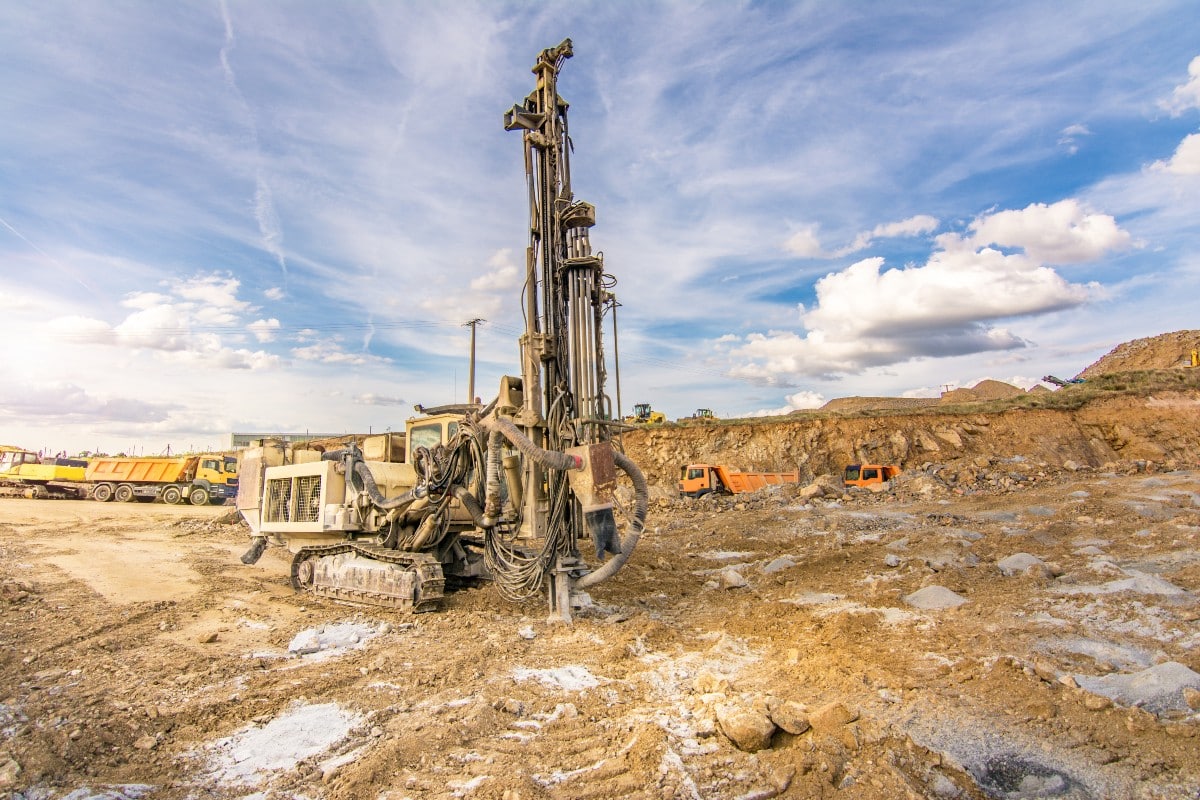
Epiroc has launched the ET55 drill string, replacing the long‑running ST58 system and extending its ET next‑generation family with a fully shoulder‑drive connection from top hammer to bit. The ET55 applies the same design principles as earlier ET systems, using a shoulder drive interface along the entire string to improve energy transfer and reduce thread wear compared with conventional threaded couplings. For mine operators running top‑hammer production drilling, the unified shoulder drive geometry should simplify string configuration and potentially extend service life in abrasive ground.
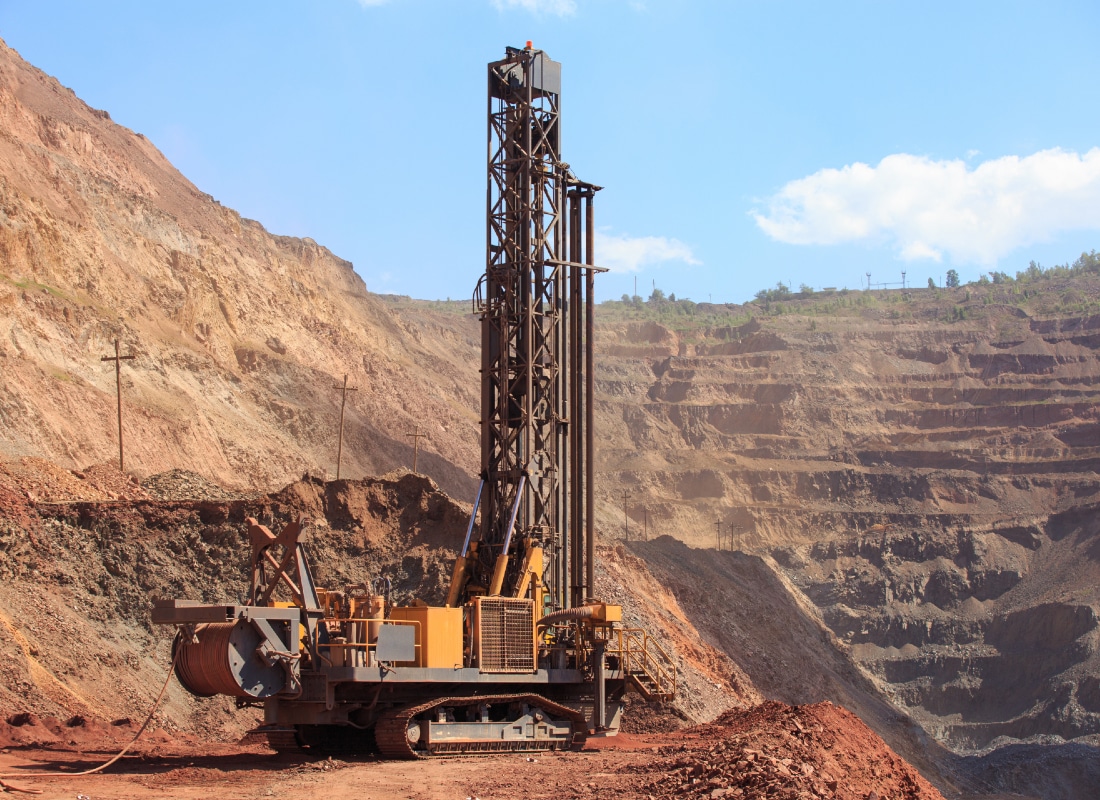
Dyno Nobel has prototyped a fully autonomous, end-to-end blasthole inspection and loading system that removes personnel from the drill and blast bench, one of mining’s last highly manual and safety‑critical activities. Developed over five years of intensive R&D and unveiled to investors in New York, the technology autonomously orchestrates hole condition inspection, explosives loading and initiation sequencing. For mine operators, this points to tighter control of powder factors and timing, more consistent bench conditions, and reduced exposure of crews around loaded patterns.
Redpath Africa Operations Executive Pieter Oosthuysen argues that Africa’s mining growth depends on building local technical capability and systems, not just sinking new shafts into high-grade orebodies. He points to integrating digital mine planning tools with mechanised development fleets and rigorous safety management to lift productivity in deep, labour-intensive operations common across the continent. For geotechnical and mining teams, the message is a shift towards long-term skills development, data-driven decision-making and closer OEM–contractor collaboration on complex underground projects.
The sixth ACT Major Projects Conference in Canberra will run over two days, bringing together the ACT Chief Minister, Deputy Chief Minister and senior figures from government, contractors and infrastructure operators to examine the territory’s pipeline of road, rail and civil works. Organised by Expotrade, the forum is positioned around upcoming major projects in the Australian Capital Territory, including urban transport and precinct-scale developments. For engineers and project managers, the event offers early visibility of future tenders, delivery models and likely staging for large public infrastructure packages.
GBM Konect has released Konect 2, a complete rebuild of its 15‑year‑old Australian field data capture and mobile mapping platform used on infrastructure sites and remote corridors with poor connectivity. The new version is designed to synchronise geospatial and asset data from tablets and phones to central systems once coverage is restored, reducing manual re‑entry and gaps between as‑built field records and office GIS/asset databases. For civil and road projects, this targets more reliable inspection, defect logging and construction QA data directly from the workfront.
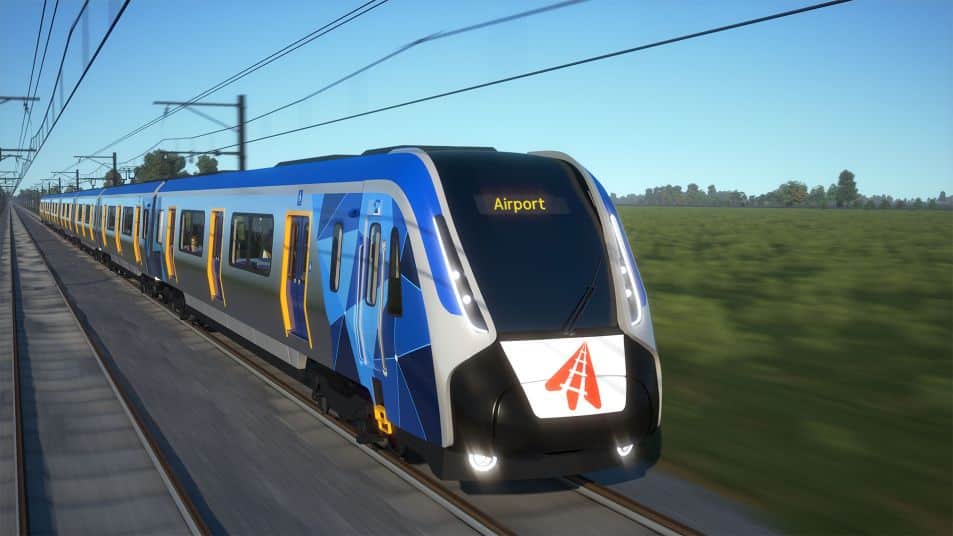
Initial works on stage two of the $12 billion Melbourne Airport Rail will soon begin on a 7.4‑kilometre section from Albion to Keilor East, including a new Keilor East station. The line will connect directly into the Metro Tunnel and use the same high‑capacity signalling system as the Sunbury–Cranbourne/Pakenham corridor, enabling through‑running airport services. For designers and contractors, key tasks will centre on rail alignment through established suburbs, station interface works, and integration of signalling and power with existing metropolitan assets.
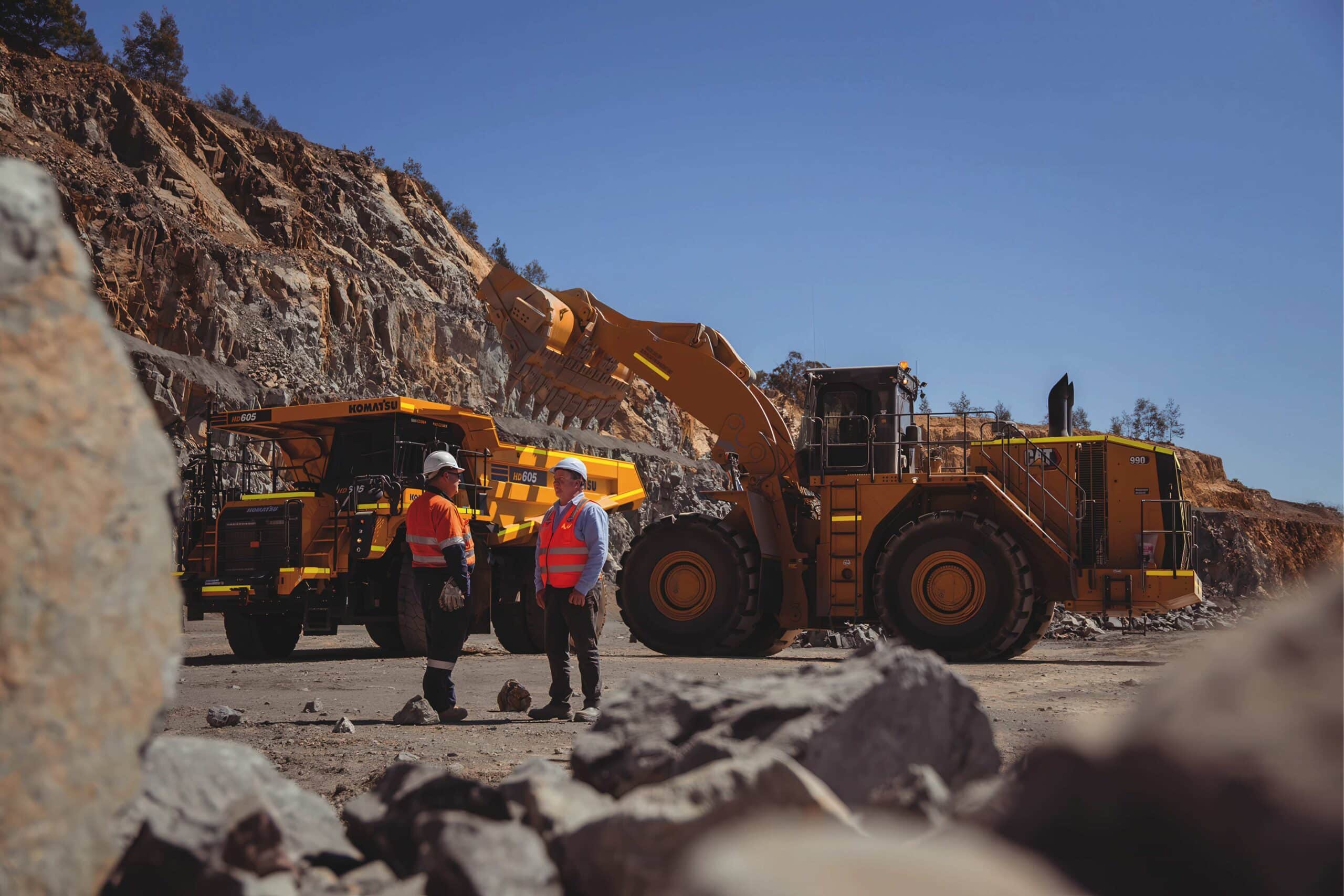
Gunlake Quarries has expanded its New South Wales fleet with seven Komatsu HD605 rigid dump trucks to service higher production across its hard rock operations. The HD605 units, typically configured for around 60-tonne payloads with high-impact body liners and retarder braking suited to steep quarry haul roads, are being integrated into existing load-and-haul circuits alongside Gunlake’s concrete batching supply chain. For quarry and civil contractors, the move signals continued investment in high-capacity off-highway haulage to support aggregate supply into regional road and infrastructure projects.
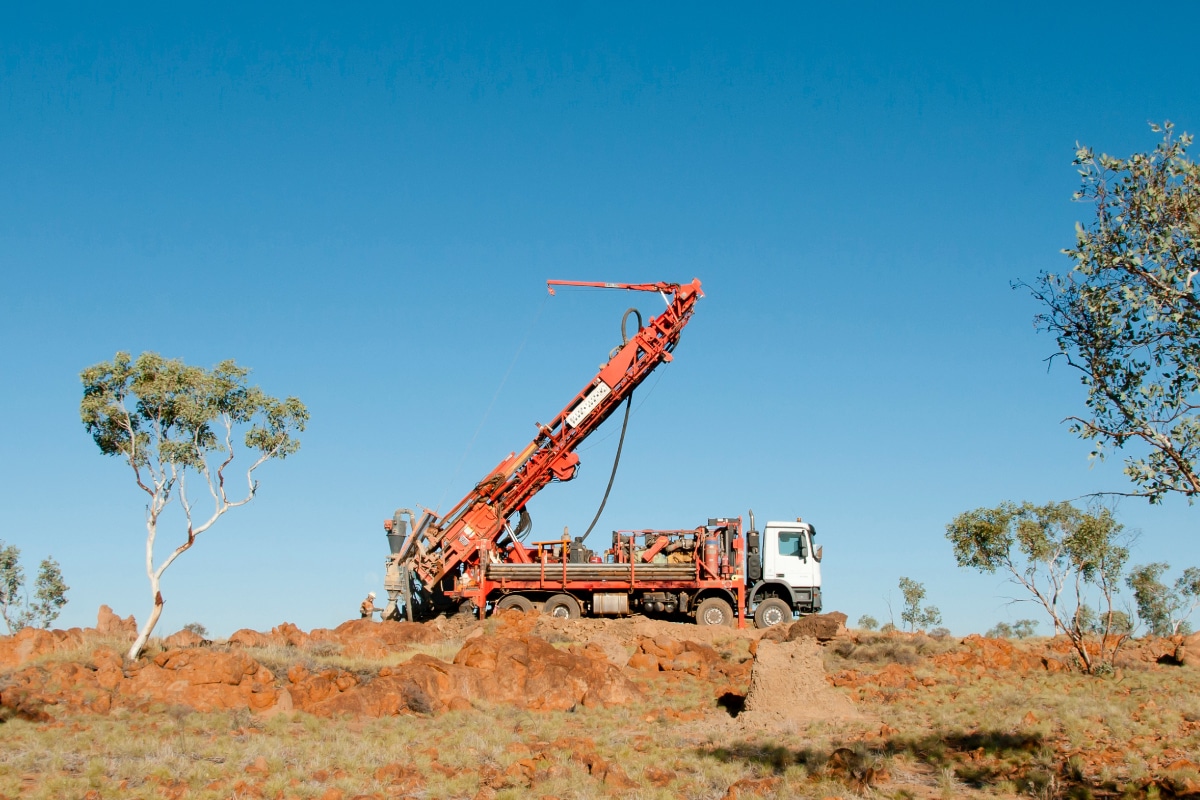
Kantra Copper has intersected 70m at 1.18 per cent copper and 0.24g/t gold from 507m downhole in underground hole 26KVUG0949, extending mineralisation below the current Nugent resource envelope at the Kanmantoo copper mine in South Australia. The company cautions that the interval is not true width due to drill angle, so further step-out and infill drilling plus updated geometry modelling will be needed before resource tonnages and mine design can be revised.
Renascor Resources has signed a Native Title Mining Agreement with the Arabana Aboriginal Corporation for its Marree graphite project in South Australia, clearing a key regulatory hurdle before drilling and other on-ground exploration can start. The NTMA sets out processes for cultural heritage clearance surveys across the exploration licence area, a prerequisite under South Australian law for activities such as track construction, earthworks and drill pad preparation. For geologists and field engineers, the deal provides greater certainty on access timing and survey requirements when planning early-stage site works.
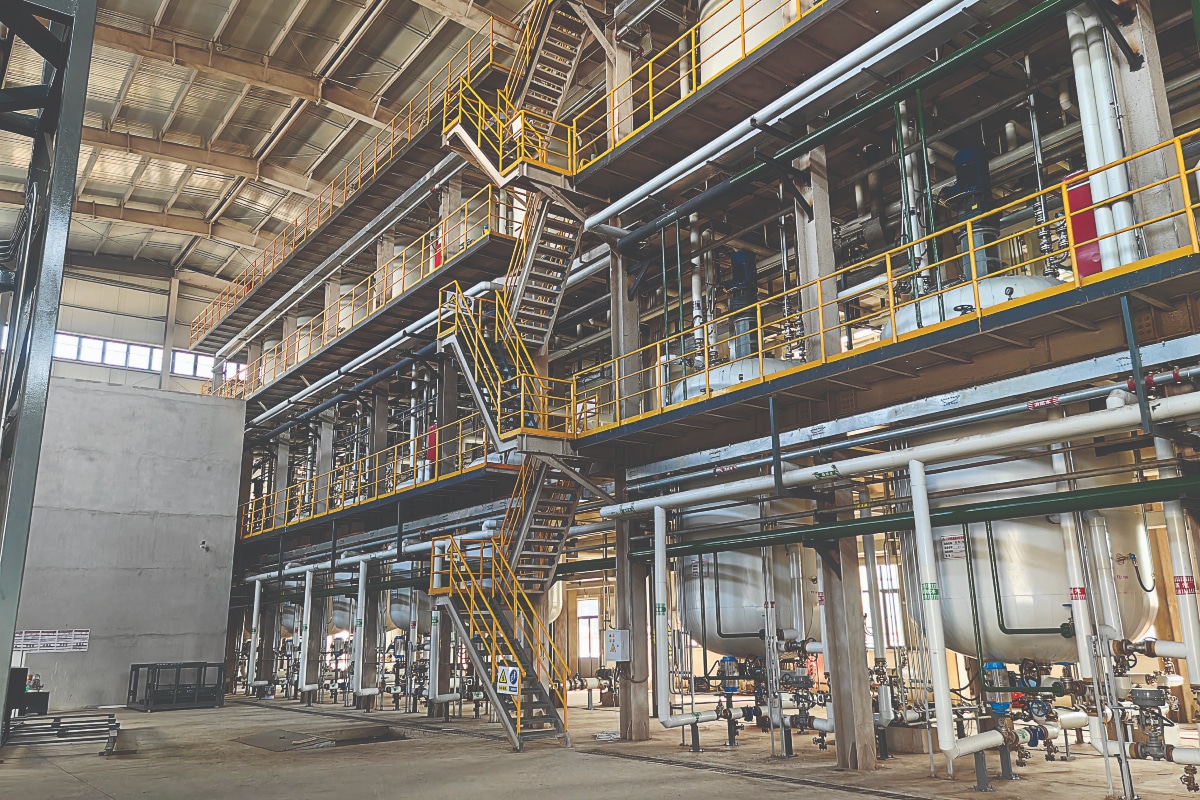
Shandong Zhuocheng, a Chinese lithium reagent producer, is moving downstream into global spodumene processing, targeting higher lithium recoveries from hard-rock ores. The company supplies key flotation and conversion reagents used to upgrade spodumene concentrate into battery-grade lithium carbonate equivalent, positioning itself alongside Australian producers that dominate new spodumene capacity. For process engineers, the shift signals tighter integration between reagent design and plant flowsheets, with potential gains in recovery and impurity control across crushing, flotation and conversion circuits.
Delta Lithium is preparing to drill six new reconnaissance lithium targets across its 2325km² Yinnetharra tenure in Western Australia, following surface mapping and geochemical sampling. The company plans first-pass drilling in Q4 2026 while ongoing work at the nearby Mt Ida project continues to refine the pegmatite geometry and broader geological model. For geologists and drill planners, the expanded target pipeline signals a shift from regional geochem to drill-ready prospects, with potential for multiple spodumene-bearing pegmatite corridors if early holes confirm continuity.
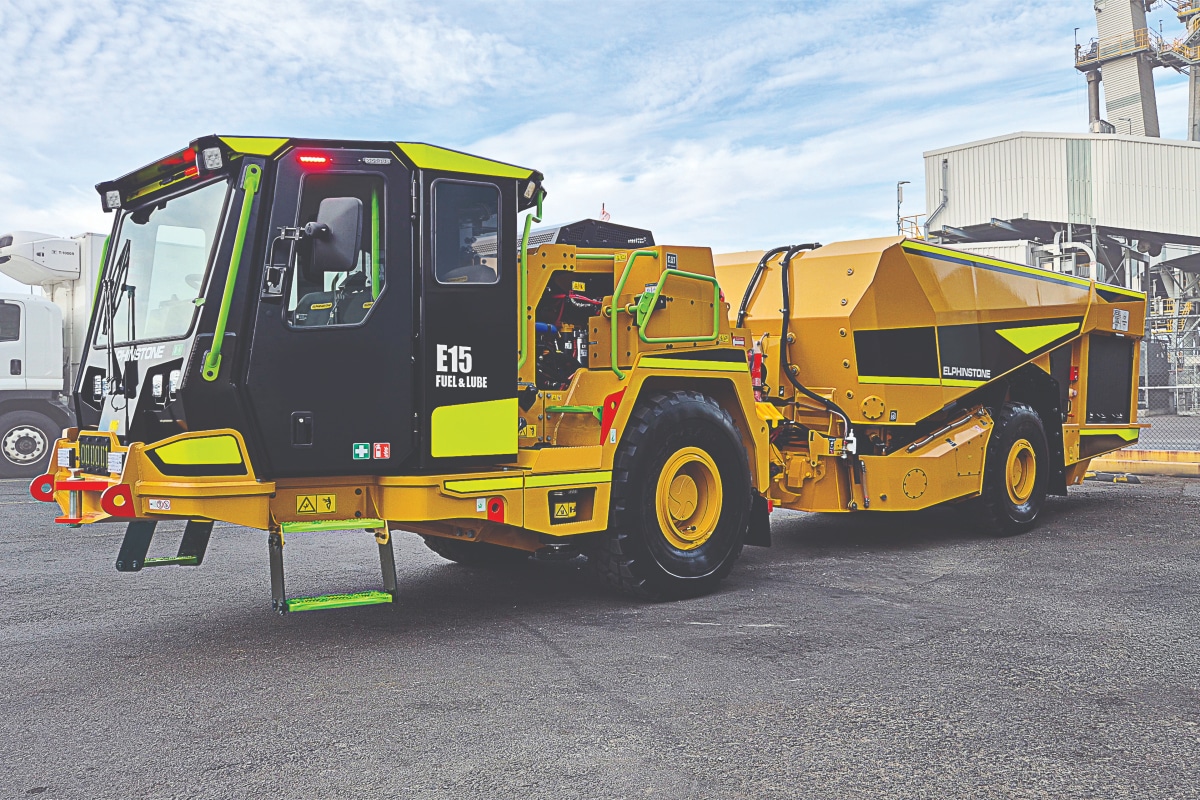
Elphinstone has added the E15 Fuel & Lube to its 15-tonne-class underground support platform, purpose-built for bulk diesel and lubricant transport as well as in-situ servicing in hard-rock mines. The carrier can be configured with dedicated fuel tanks, multiple segregated oil and coolant compartments, and integrated dispensing reels and metering, allowing refuelling and fluid top-ups at the face rather than at fixed workshops. For mine planners, the unit supports shorter service cycles, reduced non-productive travel for production fleets, and tighter control of fluid handling underground.
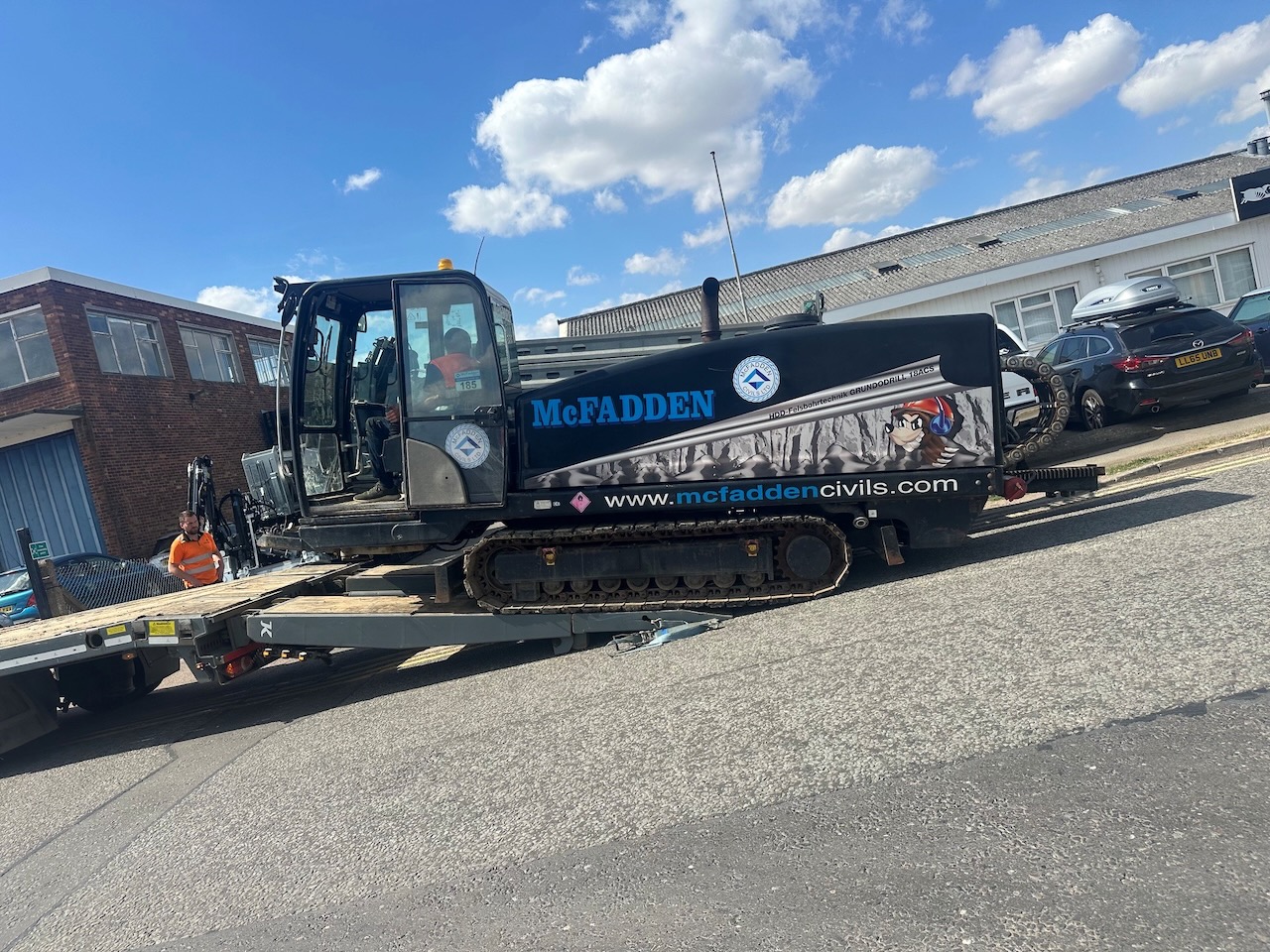
McFadden (Civils) in Northern Ireland has acquired a new Tracto Grundodrill 20ACS HDD rig, trading in its existing Grundodrill 18ACS and 15XPT units now being remarketed by Tracto UK. The 20ACS combines rock drilling and jet drilling on a single, highly automated platform, giving McFadden capacity for larger diameter bores and faster progress in complex mixed ground on water and utilities schemes for clients such as Northern Ireland Water and Irish Water. The full-spec rig was collected from Tracto’s Bedford office, with comprehensive familiarisation training completed before first deployment.
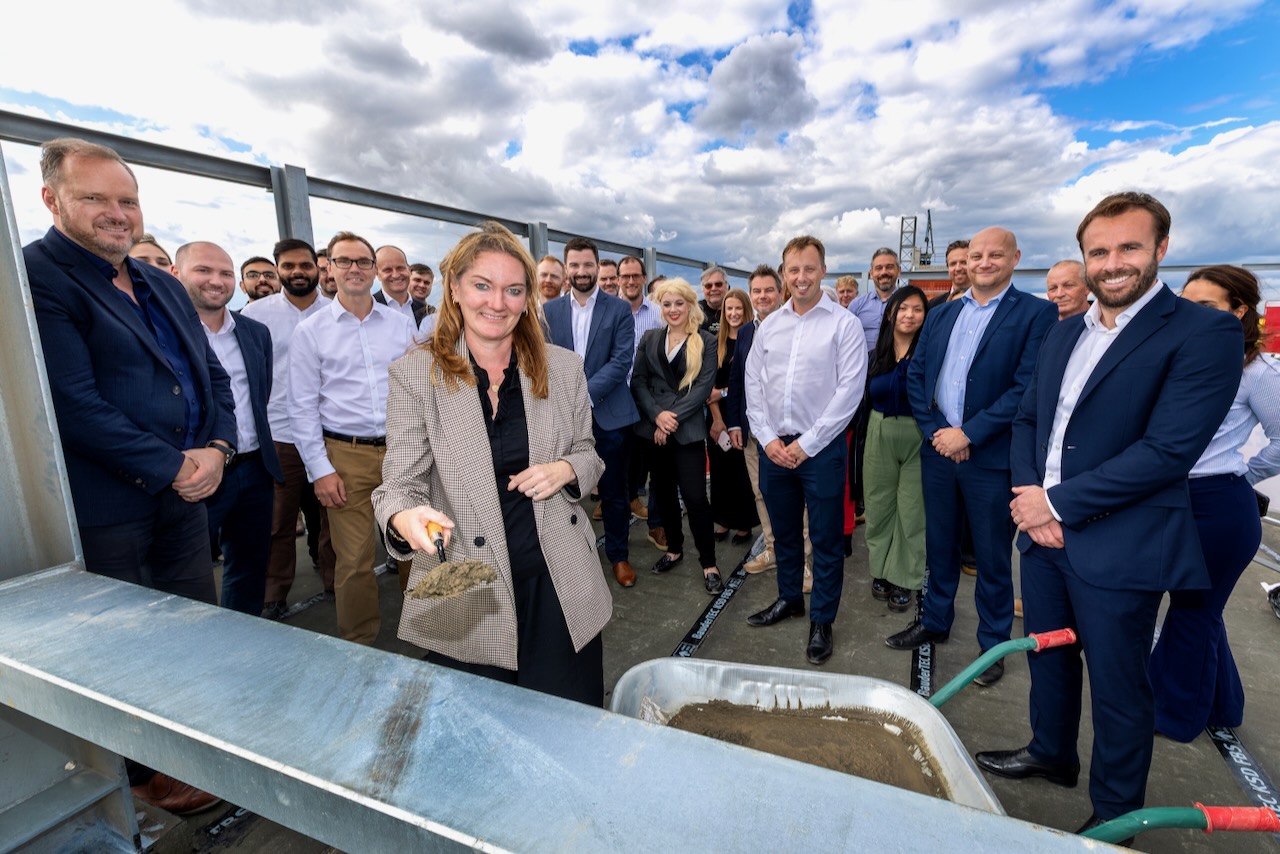
Topping out of the Dirac Building at St John’s Innovation Park in Cambridge marks completion of the six-storey, 85,000 sq ft structural frame by VolkerFitzpatrick, with design and consultancy input from Ramboll, Sheppard Robson, Hoare Lea, Gardiner & Theobald, Stace and Savills. The office scheme targets BREEAM Excellent and features large column-free floorplates, external terraces and a double-height reception to maximise flexibility and daylight. An associated transport hub is being built alongside, signalling higher site density and increased multimodal access for the science and technology campus.
Tilbury Douglas has completed the new 1,209m² single-storey Peterchurch Primary School for Herefordshire Council three weeks ahead of programme, delivering it on the existing site while the old school remained fully operational. Procured via the Procure Partnerships Framework, the phased works covered temporary teaching accommodation, demolition of existing buildings, service diversions, a multi-use games area, landscaping and external works. The contractor committed 50% of supply chain spend to local firms and provided apprenticeships, a T Level placement and pupil-focused STEM and climate education activities.