Met Office red heat warning: rail resilience and track buckling notes for engineers
Reviewed by Tom Sullivan
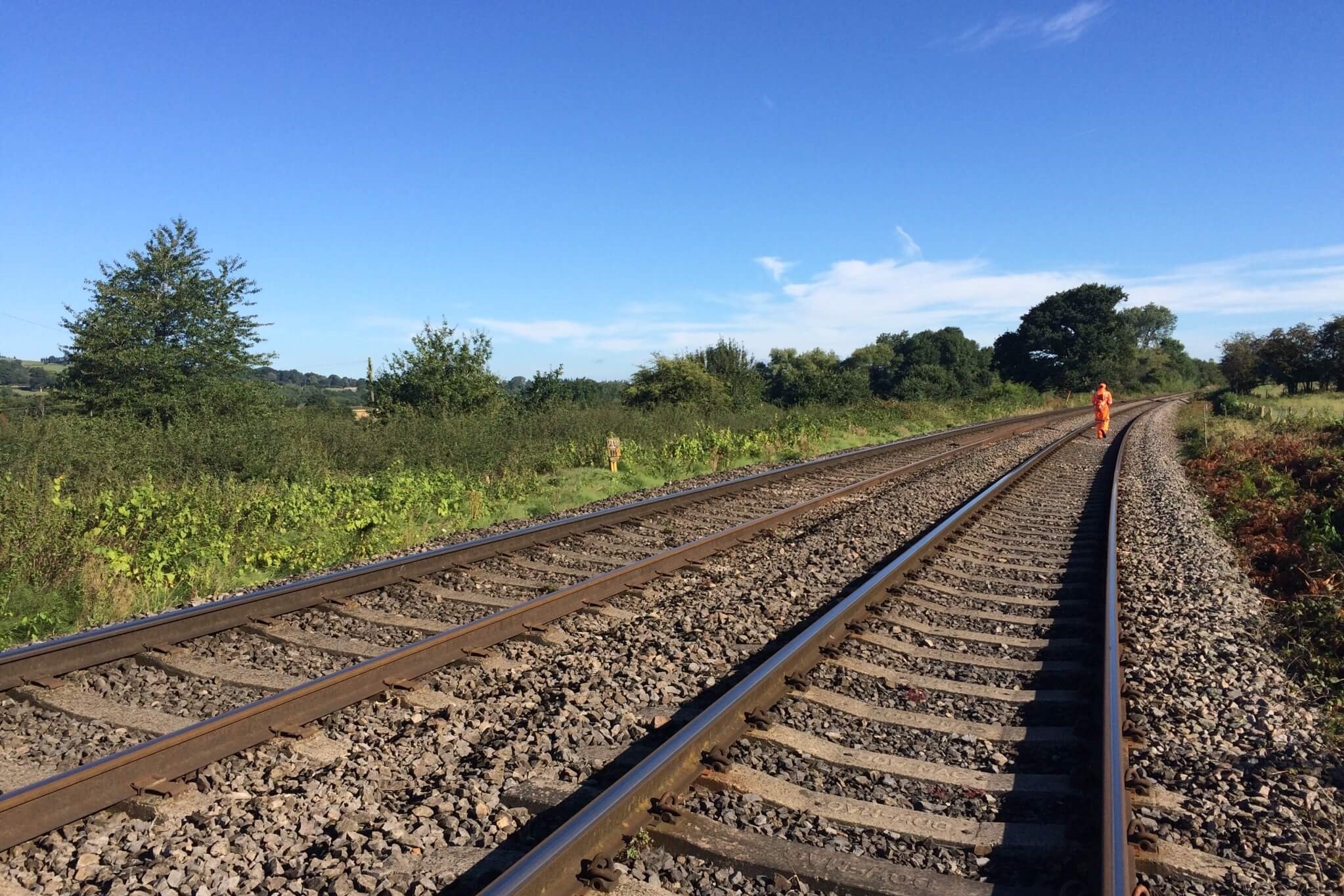
First reported on New Civil Engineer
30 Second Briefing
Rail resilience concerns are intensifying as the Met Office issues a rare red weather warning for extreme heat, prompting multiple UK train operators to advise passengers to avoid non‑essential travel. Prolonged high rail temperatures raise risks of track buckling on continuously welded rail, overhead line sag on 25kV electrified routes, and speed restrictions that can cut line capacity by more than half. The situation is pressuring infrastructure managers to accelerate rail stress management, ballast condition monitoring, and heat‑resilient renewal strategies across key main lines.
Technical Brief
- Operators’ “do not travel” messaging shifts risk control from engineering measures to demand suppression during peak temperatures.
- Heat‑related operational plans typically pre‑define trigger temperatures, inspection frequencies and temporary speed profiles for each route.
- Safety teams must reassess staff exposure limits for trackside work, including walking inspections and overhead line patrols.
- Extreme heat contingency plans need integration with signalling, power supply and control centre fall‑back arrangements.
- Asset managers are pushed to prioritise renewals and maintenance on thermally vulnerable assets identified in route‑wide risk registers.
- For similar red‑warning events, structured after‑action reviews can formalise lessons on thresholds, communications and asset performance.
Our Take
New Civil Engineer’s recent webinar coverage on BIM, CDEs and asset management platforms indicates that many UK infrastructure owners still lack integrated, real-time asset condition data, which limits how precisely they can respond to Met Office extreme weather alerts on a route-by-route basis.
The Heathrow Airport early careers innovation competition run with New Civil Engineer highlights that major UK transport hubs are already testing new resilience concepts, and similar innovation pipelines are likely to be important for rail operators facing more frequent Met Office red warnings.
Prepared by collating external sources, AI-assisted tools, and Geomechanics.io’s proprietary mining database, then reviewed for technical accuracy & edited by our geotechnical team.
Related Articles


Related Industries & Products
Construction
Quality control software for construction companies with material testing, batch tracking, and compliance management.
Mining
Geotechnical software solutions for mining operations including CMRR analysis, hydrogeological testing, and data management.
CMRR-io
Streamline coal mine roof stability assessments with our cloud-based CMRR software featuring automated calculations, multi-scenario analysis, and collaborative workflows.
HYDROGEO-io
Comprehensive hydrogeological testing platform for managing, analysing, and reporting on packer tests, lugeon values, and hydraulic conductivity assessments.
GEODB-io
Centralised geotechnical data management solution for storing, accessing, and analysing all your site investigation and material testing data.