Geomechanics, Streamlined.
© 2026 Geomechanics.io. All rights reserved.
Carnaby Resources’ final assays from its Greater Duchess copper–gold project near Mount Isa, Queensland, returned copper equivalent grades up to 5.4 per cent from two new discoveries just as Evolution Mining moves to acquire the company. The completed drilling programme at Greater Duchess confirms multiple high-grade zones across the new targets, adding to the existing resource footprint and strengthening the geological case for a district-scale system. For mine planners and geotechs, the results sharpen the development rationale Evolution must now evaluate in its acquisition due diligence.
ALLU Group has launched a new concrete bucket for 25–45 tonne excavators that screens and crushes demolition concrete directly at the point of generation, eliminating separate mobile crushers on many sites. The attachment processes material in-situ so oversize can be reduced and reusable aggregate produced immediately for backfill or haul-road maintenance, cutting double-handling and truck movements. For mine and quarry operators, this supports on-bench or pit-edge processing of blasted concrete and waste rock, tightening cycle times and reducing reliance on fixed or contract crushing plants.
Silica Resources Australia will more than double output at its Far North Queensland silica sand operation to over 750,000 tonnes per year within five years, supported by a $30 million injection from the Queensland Critical Minerals Fund managed by Queensland Investment Corporation. First export shipments are scheduled from the Port of Mourilyan later this year to customers across Asia, signalling a step-up in high-purity sand supply for glass and solar-grade applications. The scale-up will require upgraded materials handling, port logistics and process control to maintain consistent particle size and impurity specifications.
AMD Contract Services has taken delivery of Scotland’s first JCB 420X, a 40‑tonne tracked excavator powered by a Cummins L9 dual-certified engine rated at 241kW (323hp) and fitted with a 2.6m³ heavy-duty bucket giving 10% more capacity and 11% higher lifting performance than the 370X. The machine’s wider, longer undercarriage and JCB UX cab with 10-inch touchscreen, storing settings for up to 15 attachments, target stability and rapid tool changes on civil engineering and plant hire work. It joins AMD’s mixed JCB fleet, which already includes e-tech electric mini diggers and dumpers.
The Structural Timber Association has appointed Iain McIlwee as CEO from November, succeeding Andrew Orriss and signalling continuity of sector-focused leadership for structural timber in UK construction. McIlwee previously led the Finishes and Interiors Sector (FIS) from 2018, where he grew membership, set up an e-learning academy and expanded research and policy work, and earlier spent seven years as Chief Executive of the British Woodworking Federation. He also sits on the Industry Competence Steering Group, is treasurer of the Conflict Avoidance Coalition and a non-executive director of SKA Rating, linking STA more closely to competence, dispute-avoidance and sustainability frameworks.
CCL Facades has been appointed to deliver the façade package on Wolverhampton’s Bicycle Works, a 331-home residential scheme where Caddick Construction is main contractor for English Cities Fund (a Homes England, Legal & General and Muse partnership). The appointment consolidates façade and main works under a single corporate group, which should streamline design coordination, interfaces and programme control on the multi-block development. For contractors and designers, the move signals continued use of integrated delivery teams on large urban housing projects to manage façade performance, sequencing and warranty risk.
Asbestos management consultancy Acorn Analytical Services has expanded its contracts team, promoting long-serving staff member David Kelsey to senior contracts manager and elevating Ellis Bastable and Charlie Dalby to contracts managers. Kelsey, one of Acorn’s first full-time employees with nearly 13 years’ service, will oversee the contracts department, manage two contracts managers and ensure nationwide deployment of asbestos analysts. Bastable and Dalby, both former asbestos analysts who gained BOHS P402 surveying qualifications, will now manage client asbestos portfolios, coordinate removal works and arrange analytical support.
ABAX has launched Vision AI, a single or dual in-vehicle camera system with edge processing that uses high-definition video and AI incident detection to capture collision footage and monitor risky driver behaviour in real time. The unit issues in-cab audio alerts for hazards such as harsh braking or distraction, auto-uploads event clips to the cloud without SD cards, and links video to specific trips, drivers and routes to support claims defence, including staged “crash for cash” incidents. The dual-camera option uses event-triggered recording and controlled access to protect driver privacy, with UK contracts including professional installation and free installation of the first unit on qualifying deals.
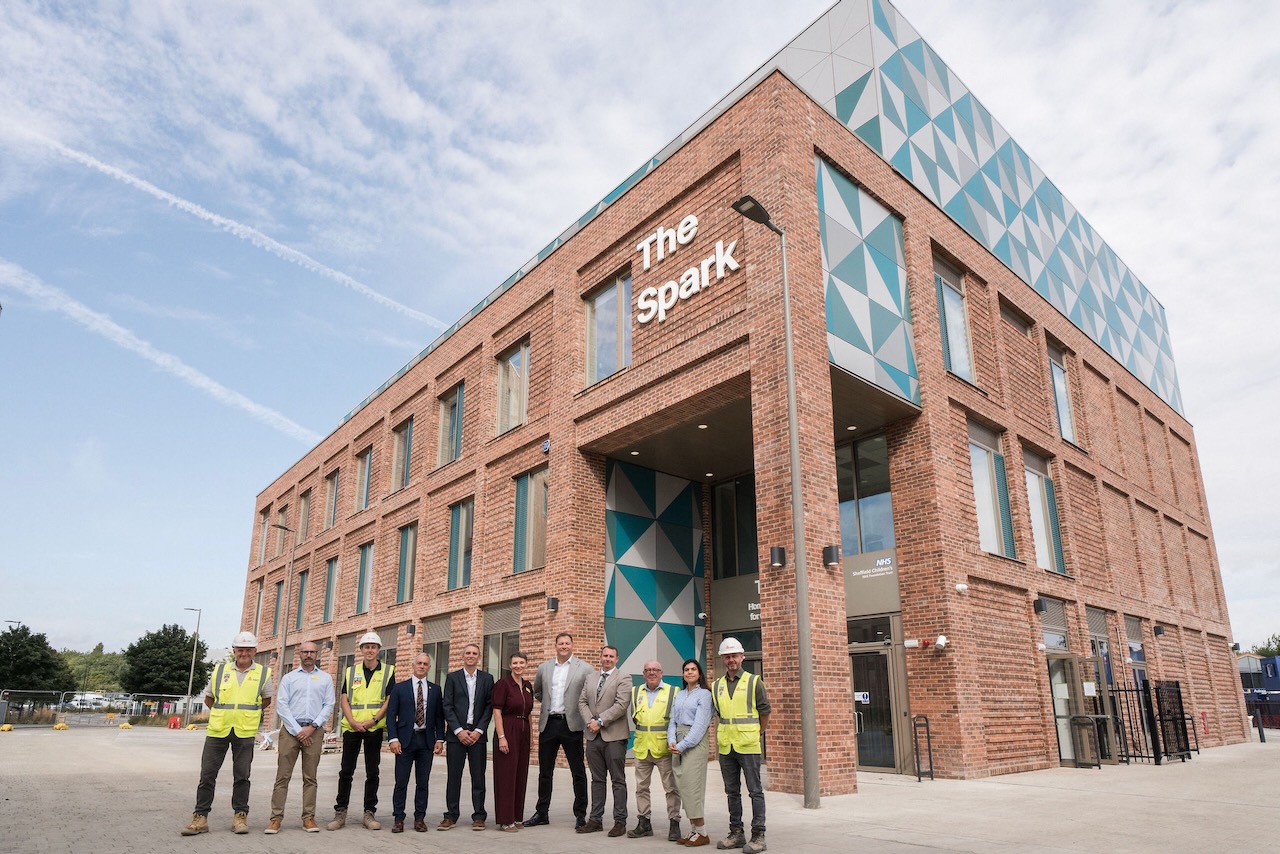
HBC Construction has completed The Spark in Sheffield, a £17m facility that will house the National Centre for Child Health Technology (NCCHT), with operations due to start later this year. The building is designed as a dedicated hub for paediatric health technology research and clinical innovation, consolidating specialist laboratories, clinical spaces and digital health development under one roof. For civil and building engineers, the project signals continued investment in highly serviced, technically complex healthcare infrastructure requiring tight integration of MEP, clinical fit-out and digital systems.
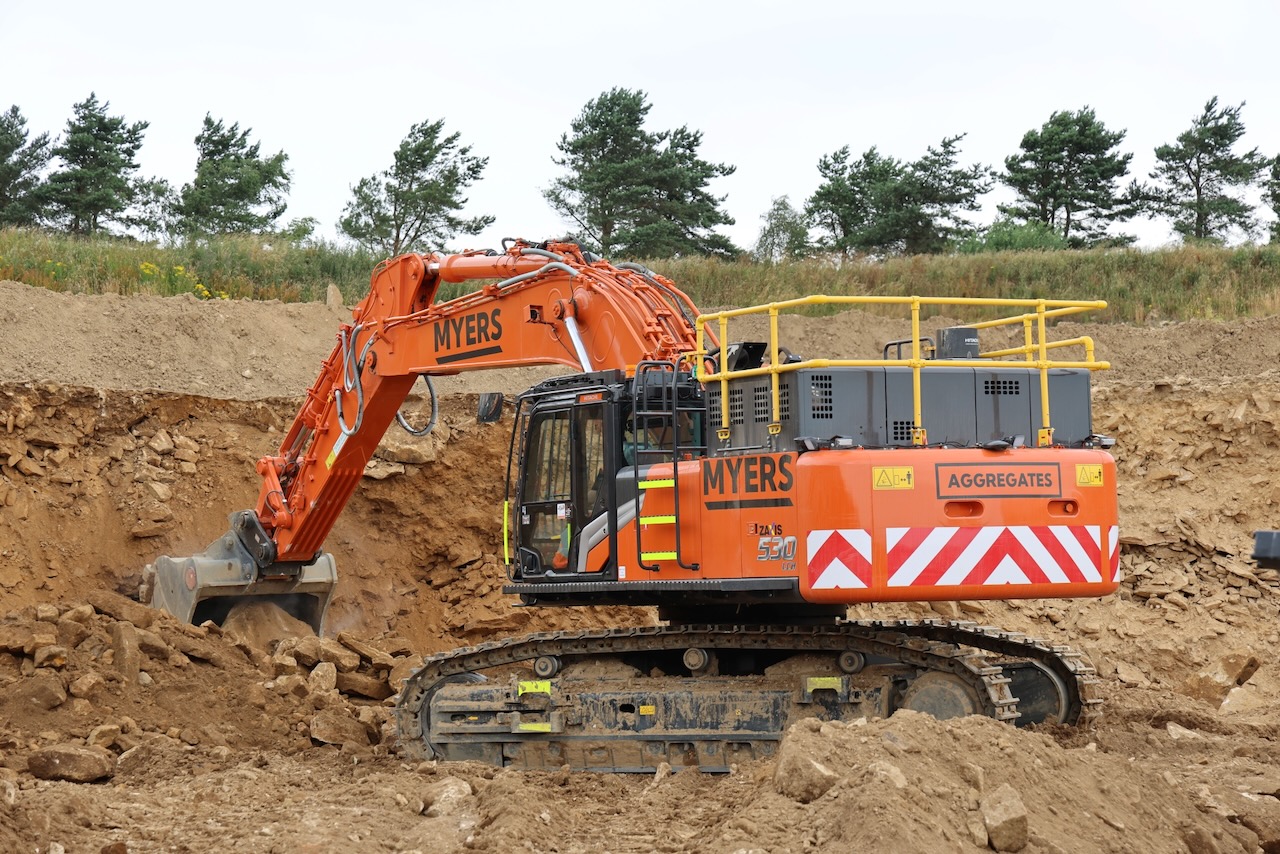
Myers Group has deployed two Hitachi excavators – a heavy ZX530LCH-7 and a mid-sized ZX210LC-7 – at its Johnsons of Wellfield dimensional stone quarry in West Yorkshire, marking the first Hitachi units in its historically mixed fleet. Senior operations manager Ben Strickland reports a “significant reduction in fuel burn”, faster cycle times and better manoeuvrability compared with the outgoing excavators, alongside strong dealer aftersales support. Improved cab ergonomics and operator feedback suggest potential for longer productive shifts and reduced fatigue in primary extraction and aggregate handling.
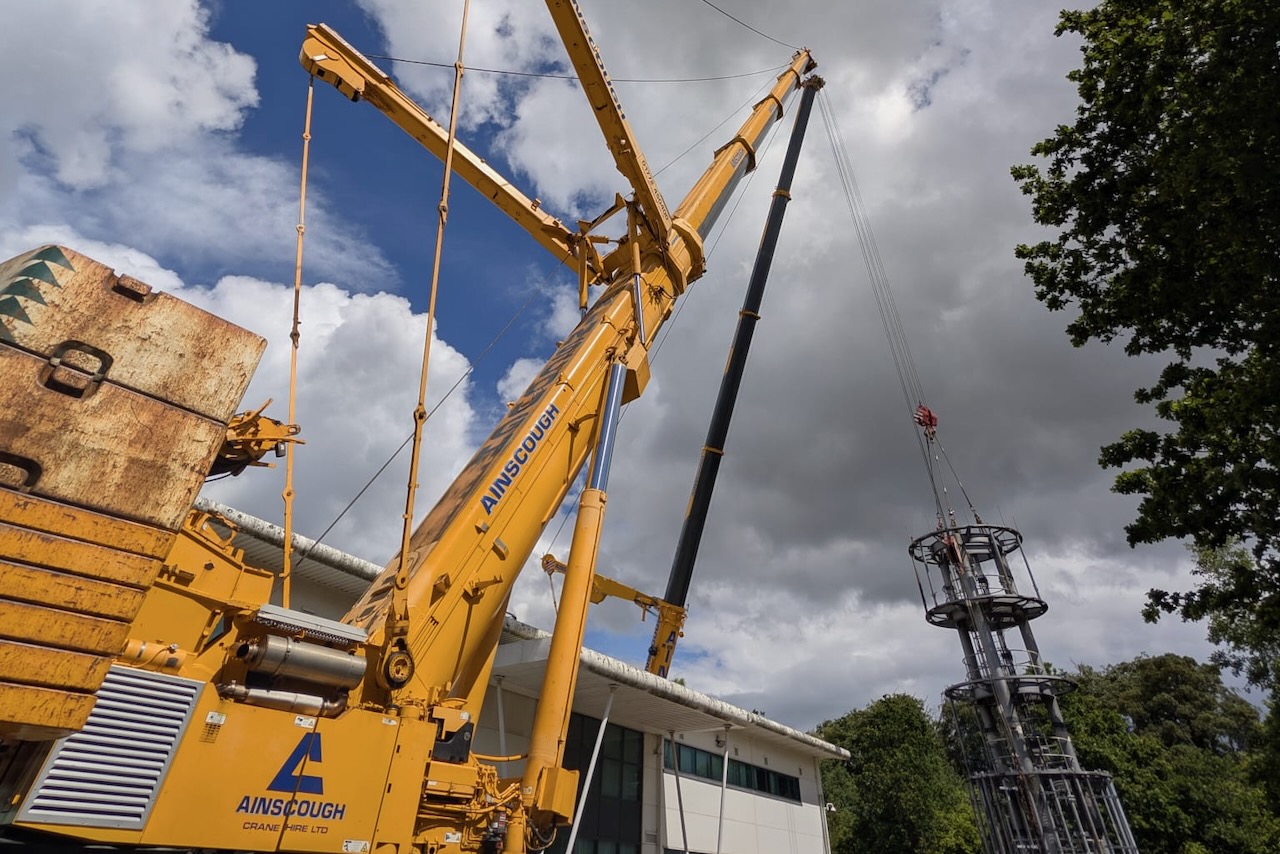
Ainscough Crane Hire has dismantled a 52–53 m, 4 m diameter, ~70 t telecoms mast at a former EE site in Sunderland using a Liebherr LTM1650-8.1 650 t mobile crane as main crane and a Liebherr LTM1500-8.1 500 t unit as tailing crane. Working on an exceptionally confined site with unexpected underground telecoms chambers that invalidated original outrigger positions, the team relied on Liebherr’s VarioBase and VarioBallast systems to reconfigure outrigger spread and ballast radius. The mast was cut and lifted in three ~25 t sections, with detailed lift calculations maintaining 100% safety margins.
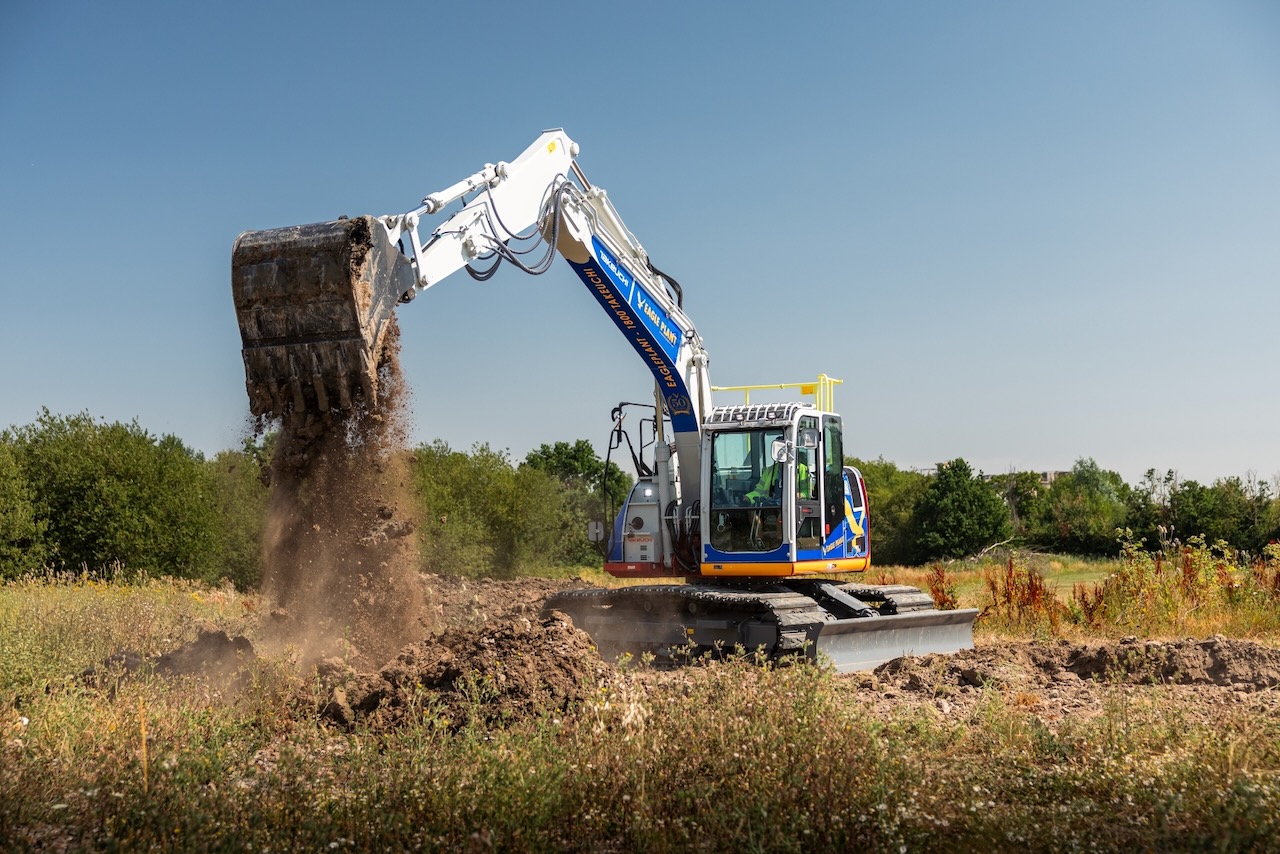
Eagle Plant has added its first 15‑tonne Takeuchi 3‑Series TB3150R excavator, a fixed‑boom, short‑tail model launched at Hillhead, to a UK hire fleet that already includes 600 Takeuchi machines across 23 depots and a cumulative 1,800 units purchased since 1997. The TB3150R is powered by a Yanmar Stage V engine with keyless start and delivers 14% more hydraulic horsepower than the previous TB2150R, improving simultaneous high‑pressure operations. For contractors, the compact 15‑tonne format with higher hydraulic output targets tight urban sites needing heavy digging and lifting capacity.
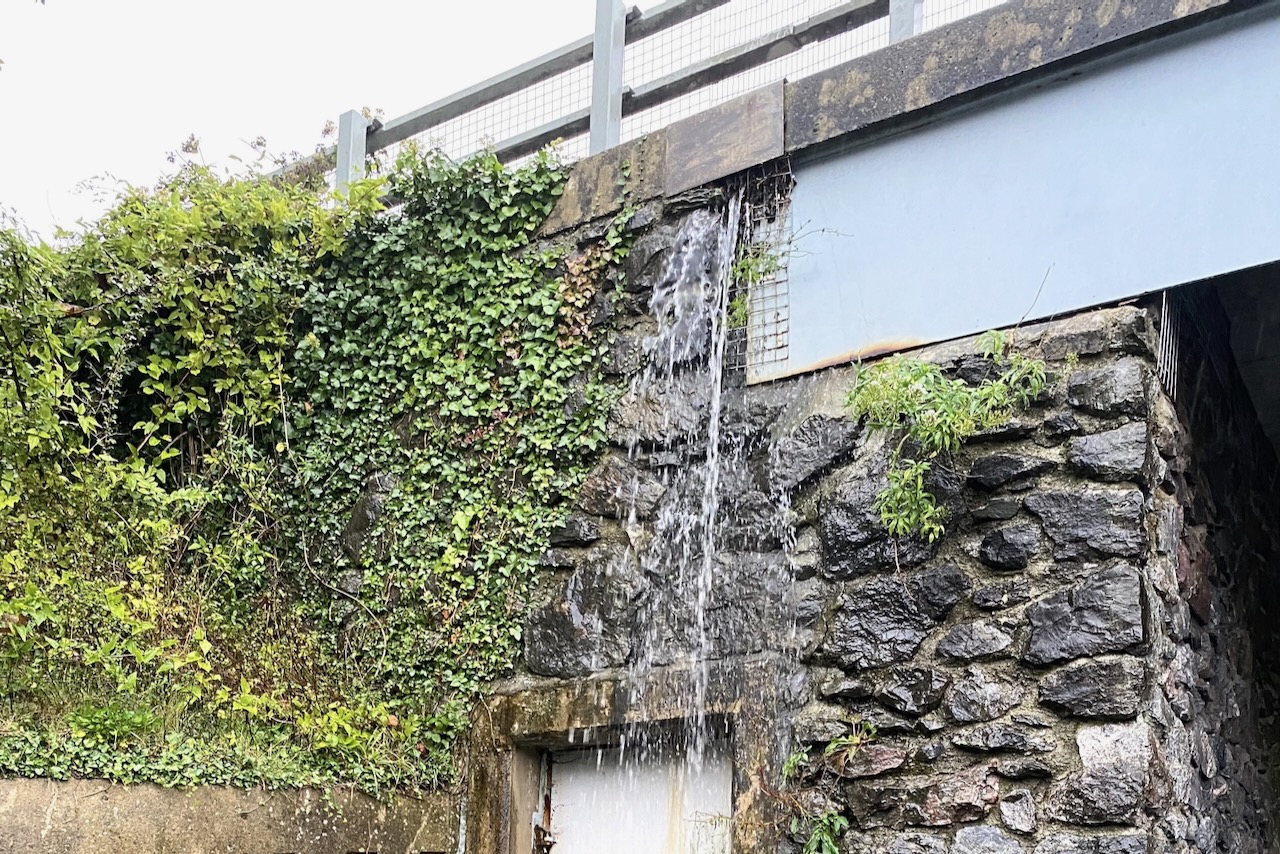
National Highways is investing over £10m in the A38 through Devon to refurbish two ageing viaducts, upgrade pavement layers and improve surface course performance on key dual carriageway sections. Works include new and reprofiled drainage to manage higher-intensity rainfall, plus targeted removal of ash trees affected by dieback to reduce windthrow and root-plate failure risks adjacent to the carriageway. The programme signals sustained structural maintenance on a major south‑west strategic route, with likely phased traffic management and temporary capacity constraints during construction.
Liebherr will return to Vertikal Days on 9–10 September 2026 with a full line-up of mobile cranes, tower crane technologies, component solutions and digital services aimed at lifting and infrastructure contractors. The stand will centre on integrated packages that combine hardware with telematics and planning tools, signalling a push towards more data-driven crane deployment and maintenance. For site engineers, the focus on component division offerings and digital support suggests closer OEM involvement in lifecycle management, from lift planning to condition monitoring.
Lazari has appointed Vert Projects as main contractor for a dMFK-designed refurbishment of the Carreras building at Mornington Crescent, converting the former Carreras Black Cat factory into upgraded office and amenity space with a new 6,458 sq ft reception and lounge and a 5,866 sq ft sixth-floor roof garden. The roof garden will integrate photovoltaic panels, extensive planters, climbers, green walls and a green roof to boost urban greening and biodiversity, while reworking access to connect the structure more directly to the street on all sides. Key design-and-build partners include Gibberd Architects, KPA Electrical, ODH Services, Northvale Construction and Frixos Metalworks, with completion targeted for autumn 2027.
Persimmon has secured Dorset Council approval for 328 “zero‑carbon ready” homes at Chickerell, with 185 units in outline and 143 in detailed consent, including 115 affordable homes for social rent and shared ownership. The scheme incorporates air source heat pumps, roof‑mounted solar panels and EV charging points, and safeguards land for a new primary school plus a new Central Avenue link road to relieve local congestion. Persimmon will also contribute over £2m to local schools, health services, sports pitches, Weymouth Swimming Pool, play facilities and Chesil Beach and Fleet SAC protections.
UK fit-out specialist Structure Tone, part of the US-based STO Building Group, reported gross revenue of £448.8m in 2025, almost triple the £157m recorded the previous year. Profit before tax rose to £12.6m from £1.7m in 2024, signalling a sharp improvement in project margins and workload. For contractors and consultants in commercial interiors and refurbishment, the figures point to strong demand in high-spec office and data-centre fit-outs, with potential pressure on supply chains and specialist trades.
JCB’s Hydromax hydrogen car has set a new FIA world land speed record on the Bonneville Salt Flats, averaging 406.320 mph over two runs (400.623 mph and 412.135 mph) and eclipsing the previous hydrogen internal combustion mark of 185.5 mph set by BMW’s H2R in 2004. The 32‑foot, twin‑engined vehicle uses two production‑based JCB hydrogen digger engines from Foston, Derbyshire, delivering a combined 1,600 bhp and also surpassing the 350.092 mph diesel record of JCB Dieselmax from 2006. For plant and civil contractors, the run provides a high‑load, high‑speed proof of concept for hydrogen ICE powertrains already deployed in JCB construction equipment.
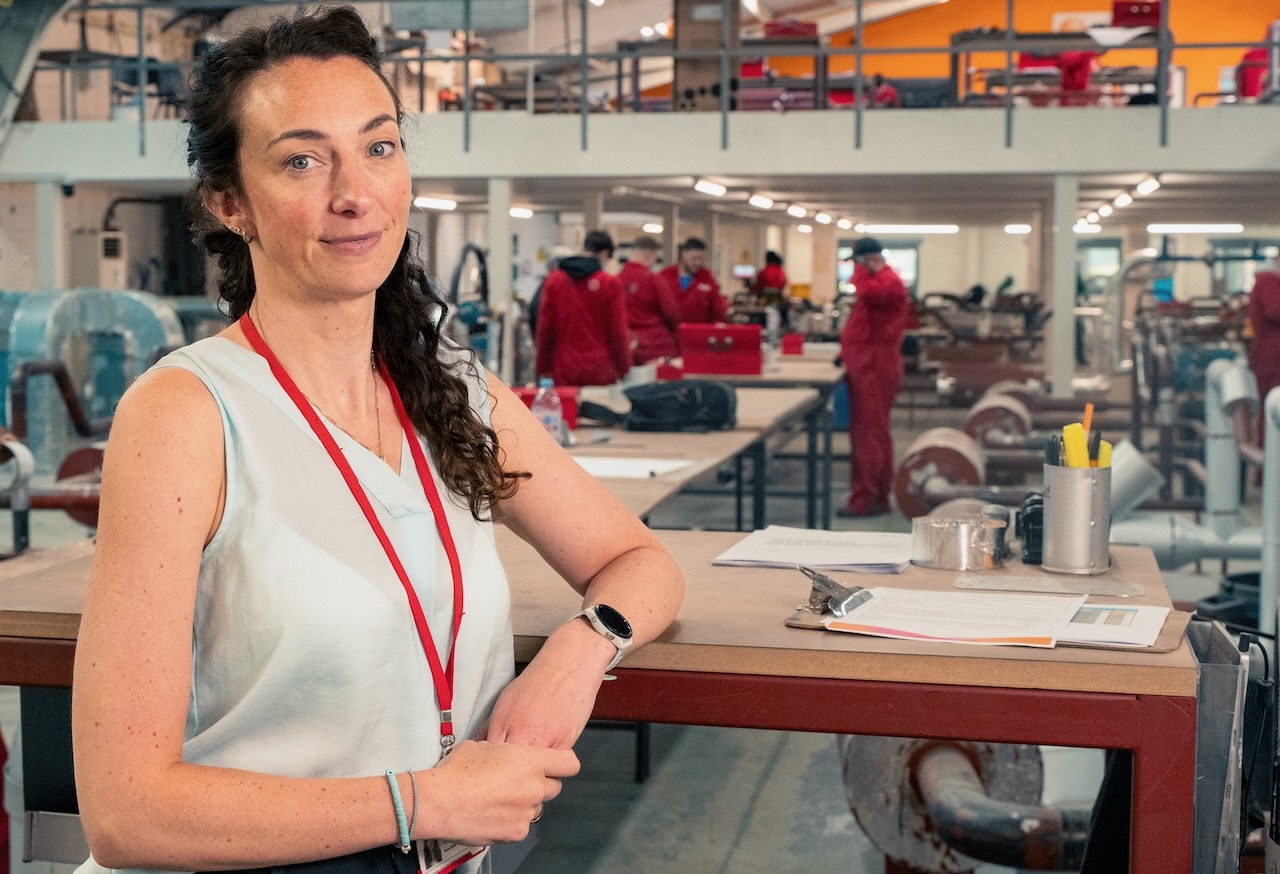
Apprentice enrolments at the Thermal Insulation Contractors Association’s National Training Centre in Darlington have risen to 199 in the current academic year, up from 130 last year and 80 in 2021/22, prompting a further expansion of facilities. TICA has reconfigured part of the building to add a larger theory classroom, smaller classroom, upgraded staff areas and dedicated female changing, following a £250,000 investment in 2024 that created a 434 m² mezzanine for end-point assessments and accreditations. Helen Anderson, deputy CEO, links demand to Net Zero policy drivers and the significant heat loss from uninsulated components such as valves.
Balfour Beatty reported first-half 2026 revenues of £5,563m, up from £5,150m in 2025, with underlying profit from operations rising to £119m from £77m, driven mainly by US buildings and UK power projects. The order book reached £22.9bn, compared with £22.7bn at end-2025 and £19.5bn a year earlier, signalling sustained workload across infrastructure, utilities and transport. Contractors and consultants can read this as continued demand for large-scale civils and grid-related work in the UK and vertical construction in the US.
London’s deputy mayor for transport Seb Dance will give a keynote, “London – adapting transport networks to meet the challenge of a warmer climate”, at the Institution of Civil Engineers’ inaugural Resilient Transport conference. As deputy chair of Transport for London, Dance is expected to address how assets such as deep Tube lines, surface rail and bus corridors can cope with higher peak temperatures, more intense rainfall and flooding. The event signals growing technical focus on retrofit strategies, drainage capacity, and operational resilience for existing urban networks rather than solely new-build schemes.
Completion of three HS2 viaducts on the southern approach to Interchange station in the West Midlands marks a key milestone for the high‑speed rail alignment into the UK’s main parkway hub on the M42/M6 corridor. The structures form part of the grade‑separated approaches carrying twin high‑speed tracks over existing local roads, watercourses and utilities, reducing future interface works near the station box. For geotechnical and civil teams, this locks in finished track levels and embankment tie‑ins, constraining subsequent groundworks, drainage and utility diversions in the Interchange zone.
Marshalls Civils & Drainage has secured a place on Severn Trent Water’s new £6M AMP8 framework to supply precast concrete storm tanks across the utility’s network. The agreement will cover factory-produced units for stormwater storage and attenuation, supporting Severn Trent’s AMP8 capital programme and standardising tank solutions across multiple wastewater and drainage schemes. For civil and drainage designers, this signals wider use of offsite-manufactured precast tanks in UK water projects, with implications for hydraulic design, installation sequencing and site footprint.
Elliott Investment Management has escalated its campaign at Northern Star Resources, lifting its stake to 5.6% (over A$1 billion) and nominating six independent directors, including former Anglo American and AngloGold Ashanti CEO Mark Cutifani and ex-Barrick and Randgold CFO Graham Shuttleworth. The hedge fund argues Northern Star’s 1.5Moz gold sales in FY2026, after two guidance cuts linked to Kalgoorlie operational issues and KCGM mill expansion delays, underperformed record gold prices. Elliott wants a strengthened board to back incoming CEO Suresh Vadnagra and drive a full strategic and operational review.