Queensland Beef Corridors $500M program: pavement design notes for engineers
Reviewed by Joe Ashwell
First reported on Roads & Infrastructure (AU)
30 Second Briefing
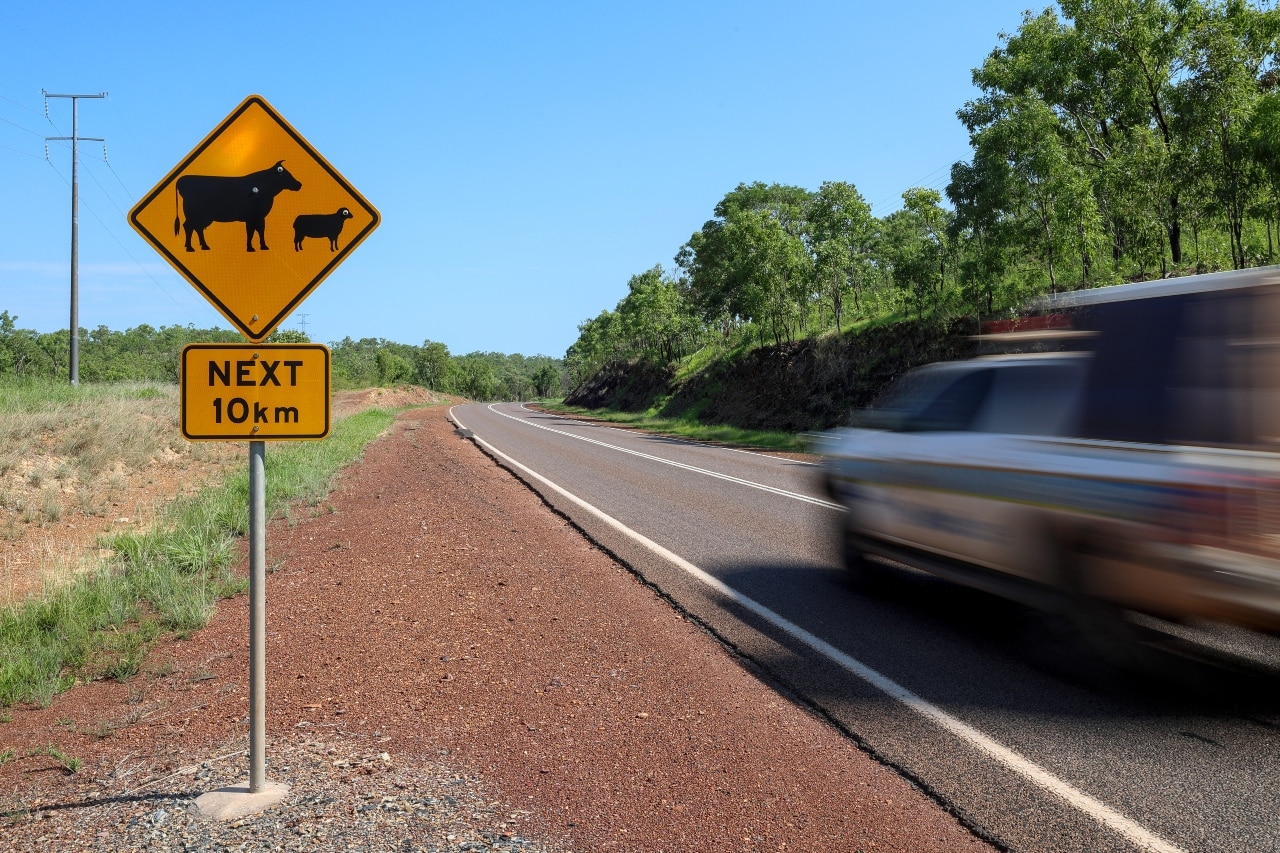
Construction is now underway on two priority road projects under the $500 million Queensland Beef Corridors Program, which will seal 200 kilometres of key freight routes in central and western Queensland. The works target unsealed beef haul roads that currently constrain heavy vehicle access and increase maintenance and crash risk, particularly under wet-season conditions. For pavement and drainage designers, the program signals a pipeline of rural upgrades likely to require robust granular pavements, improved floodways and culvert capacity tailored to high-mass livestock transport.
Technical Brief
- Initial construction packages are defined as “priority projects”, indicating early works on highest-risk segments.
- Works commencement signals transition from planning and design into active delivery and traffic management phases.
- Sealing of existing formations will require staged traffic control to maintain freight access during construction.
- Upgrades are expected to cut reactive maintenance demand on unsealed pavements and associated drainage assets.
- For designers, program scale supports standardised pavement specifications and repeatable construction methodologies across sites.
- Similar rural freight routes could adopt program-style corridor packages to aggregate safety and access benefits.
Our Take
Within our 830 Infrastructure stories, Queensland features frequently for freight and regional access upgrades, so sealing 200 kilometres of beef corridors is likely to intersect with existing mining and agricultural haul routes in central and western Queensland rather than serving purely pastoral traffic.
The $500 million Queensland Beef Corridors Program sits at the upper end of regional road packages in our database, which typically cluster well below this value, signalling that state and federal planners are treating these corridors as strategic freight links rather than routine maintenance jobs.
The emphasis on safety in this Roads & Infrastructure Magazine piece aligns with its earlier “Roads Review: Looking Forward” coverage, where industry leaders highlighted a shift away from headline mega-projects towards programs that improve everyday conditions for road workers and heavy-vehicle operators on dispersed networks.
Prepared by collating external sources, AI-assisted tools, and Geomechanics.io’s proprietary mining database, then reviewed for technical accuracy & edited by our geotechnical team.
Related Articles


Related Industries & Products
Mining
Geotechnical software solutions for mining operations including CMRR analysis, hydrogeological testing, and data management.
Construction
Quality control software for construction companies with material testing, batch tracking, and compliance management.
CMRR-io
Streamline coal mine roof stability assessments with our cloud-based CMRR software featuring automated calculations, multi-scenario analysis, and collaborative workflows.
HYDROGEO-io
Comprehensive hydrogeological testing platform for managing, analysing, and reporting on packer tests, lugeon values, and hydraulic conductivity assessments.
GEODB-io
Centralised geotechnical data management solution for storing, accessing, and analysing all your site investigation and material testing data.