Geomechanics, Streamlined.
© 2026 Geomechanics.io. All rights reserved.
Ivanhoe Mines has increased the Makoko District copper resource in the DRC by 30% to about 12 million tonnes of contained copper, with 42 million tonnes indicated at 2.66% Cu and 612 million tonnes inferred at 1.8% Cu, excluding a further 60,000 metres of 2026 drilling. The company plans a 2027 scoping study and is evaluating shallow open pits combined with underground mining to cut upfront capex and accelerate first production, leveraging infrastructure and expertise from the nearby Kamoa-Kakula complex. Founder Robert Friedland cites a discovery rate of roughly 100 million pounds Cu per 1,000 metres drilled, with mineralisation still open in multiple directions.
EU regulators are preparing a formal statement of objections to MMG’s planned acquisition of Anglo American’s Brazilian nickel business, which includes two ferronickel operations and two greenfield projects, amid concerns MMG could divert ferronickel away from European stainless steel producers. The Hong Kong-listed miner, controlled by China Minmetals, has already triggered a separate investigation by Brazil’s competition authority after a complaint from regional competitor CoreX Holding. Any EU charge sheet would force MMG to propose remedies or risk the deal being blocked, testing Europe’s stance on Chinese control of critical minerals.
Marimaca Copper has intersected 216 metres grading 0.96% copper and 7.2 g/t silver from 466 metres in hole SPRD-15 at Pampa Medina in Chile’s Antofagasta Region, including 62 metres at 2.2% copper and 21.5 g/t silver from 602 metres, extending the copper-silver system 300 metres. Step-out holes such as SPD-13 (222 metres at 0.5% copper from 194 metres) and SPRD-12 (56 metres at 0.95% copper from 748 metres) support continuity of oxide and sulphide mineralisation across a 3 km by 1.5 km footprint. With 30,000 metres of drilling planned in 2026 and Pampa Medina only 28 km from the fully permitted Marimaca oxide project (179 Mt at 0.42% copper, 50,000 t/y cathode over 13 years), the results point to a potentially large sulphide growth option adjacent to near-term heap-leach development.
Zambia’s Lobito Corridor rail scheme, designed to move high-value copper and cobalt from Solwezi, Kansanshi and Ndola to Angola’s Port of Lobito, is bypassing major manganese districts in Luapula and Central Provinces, where ore economics are dominated by bulk haulage costs. Nicholas Vafeas, founder of BluMelt Mineral Consulting, argues that manganese’s low value-to-weight ratio and highly concentrated global refining market mean Zambia’s strategic play lies in upstream production, not processing. He calls for “extraction corridors” via upgraded freight capacity at Kapiri Mposhi and new rail links into manganese belts, rather than a copper-only transit spine.
Rio Tinto has agreed to acquire the Aurukun Bauxite Project in Queensland from Glencore and Mitsubishi Development, adding to its regional bauxite portfolio anchored by the Weipa operations about 200 km north, which produce over 30 million tonnes of bauxite per year. Aurukun remains at Mineral Development Licence stage with no Mining Lease granted, and the Wik Waya Traditional Owners say they were not consulted on the sale. Financial terms were undisclosed and completion depends on Queensland government and other Australian regulatory approvals.
Metso has signed an agreement with Gruvaktiebolaget Viscaria to supply key copper and iron ore process equipment for the restart of the Viscaria mine in Kiruna, Sweden, enabling the project to move into its execution phase. The plant is designed for 120,000 t/y of copper concentrate, positioning Viscaria to become Sweden’s second-largest copper producer. For process and plant engineers, the deal signals imminent demand for detailed flowsheet integration, brownfield tie-ins and Nordic-standard power, water and tailings interfaces.
Viridis Mining and Minerals has placed its first major equipment order for the Colossus Rare Earth Project in Brazil, selecting a residue pressure filtration package from specialist clay filter press manufacturer Dewater Filter Press Srl of Cagli, Italy. The large pressure filter will handle clay-rich rare earth residues, a critical step for achieving low-moisture filter cakes suitable for dry stacking or controlled storage. The order signals Viridis’ move from project development towards an engineered flowsheet and defined tailings and residue management strategy.
KGHM Polska Miedź SA and BHP, via BHP World Exploration Inc, have signed a Memorandum of Understanding to create a formal framework for cooperation on copper-focused exploration and development projects. The MoU initiates structured technical dialogue between the two majors on potential joint work, likely covering greenfield targeting, resource definition drilling and project evaluation. For engineers, the move signals possible future collaboration on large-scale porphyry copper systems, shared geoscience datasets and standardised approaches to resource modelling and project development.
PROK has opened a new idler manufacturing facility in Johannesburg to supply conveyor components for African mining and bulk materials handling operations. The plant will produce PROK’s conveyor idlers and rollers locally, reducing lead times compared with imports and supporting large overland and in-plant conveyor installations. The investment signals a push for regionalised supply of wear-critical components, which could improve availability and lifecycle support for high-capacity conveyor systems in South African and neighbouring mines.
International Council on Mining and Metals CEO Rohitesh Dhawan warns a looming “space race” for global mineral supremacy could sharply accelerate government backing for new mining projects and approvals. Organisers say IMARC 2026 in Melbourne will be a key test of this shift, with Dhawan and other senior international delegations expected to gauge policy support, permitting pipelines and cross-border investment appetite. For project developers and consultants, the event is likely to signal how aggressively governments will pursue critical minerals, infrastructure and ESG frameworks over the next decade.
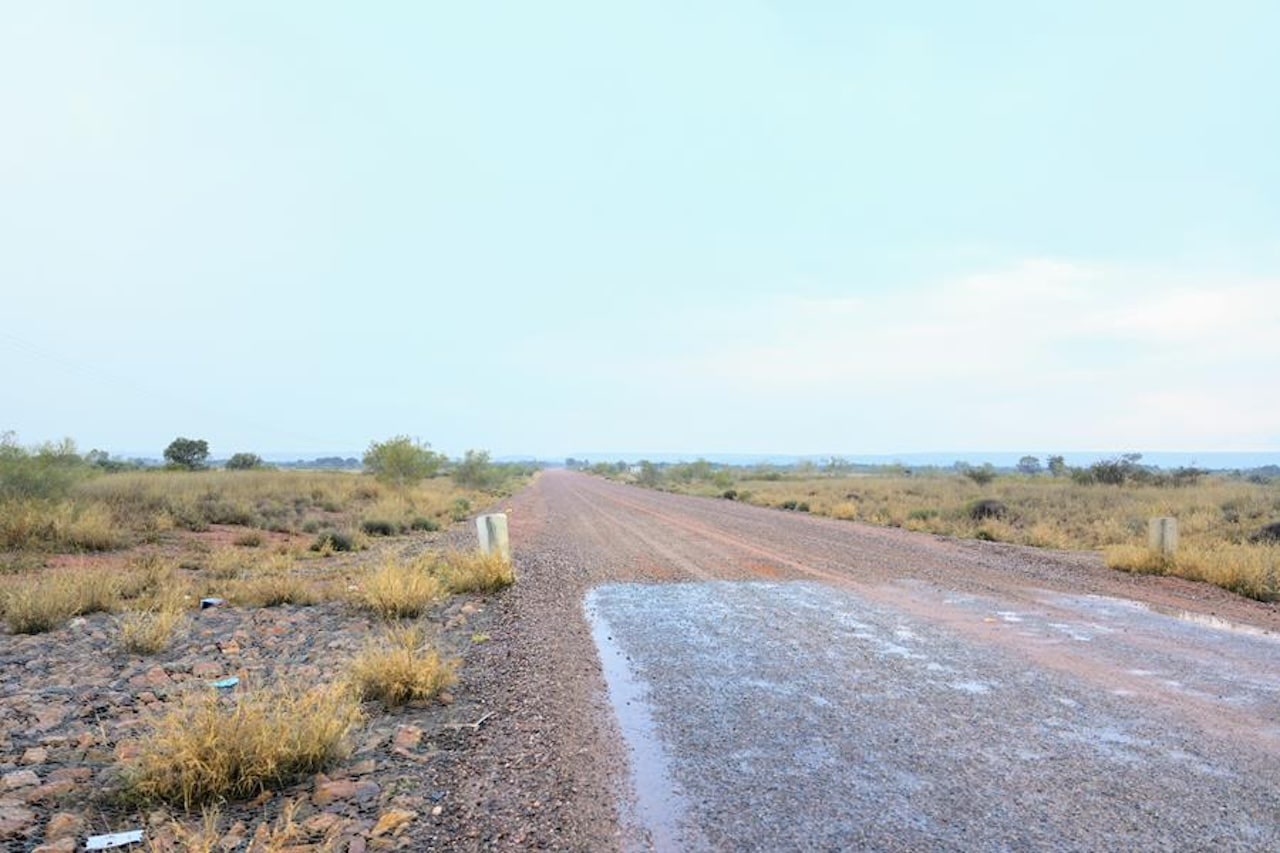
A $37.4 million Northern Territory Government contract has been awarded to Exact Contracting to seal 22.5 kilometres of Santa Teresa Road, the primary link between the Santa Teresa community and Alice Springs. The unsealed section, which services multiple pastoral leases and several freight operators, has been historically prone to flooding and closures, disrupting heavy vehicle access. Pavement design, drainage capacity and flood immunity will be critical, given the road’s role as the main freight and community access corridor in a remote arid environment.
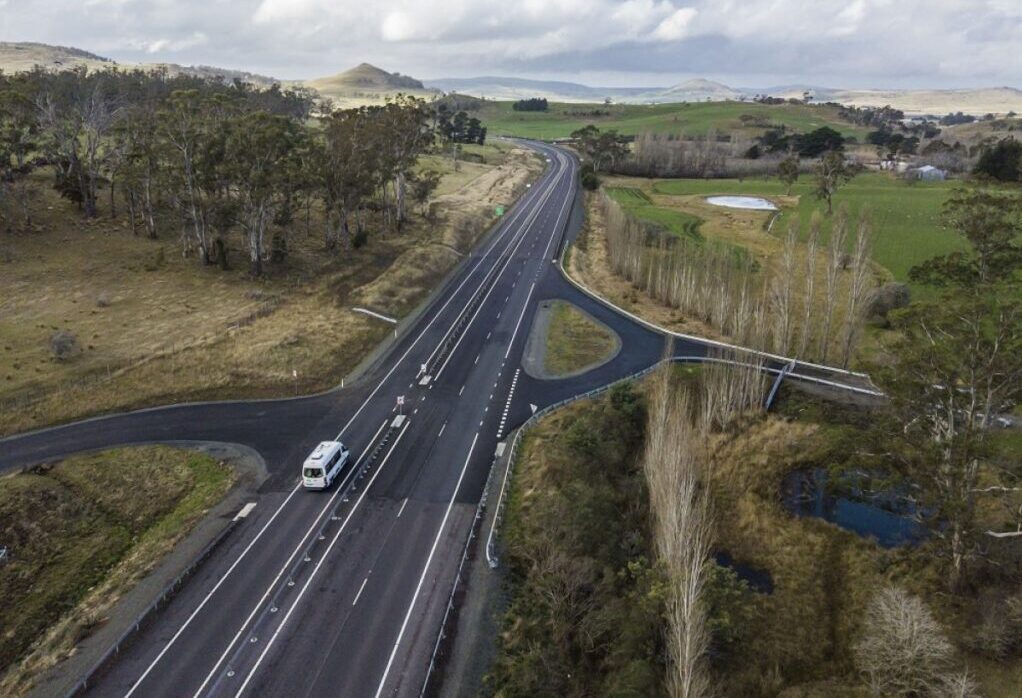
Final stage works on Tasmania’s $605 million Midland Highway upgrade are set to start after securing approvals under Australia’s Environment Protection and Biodiversity Conservation Act 1999. The project covers about 181 kilometres between Hobart and Launceston, a key freight and tourist corridor carrying heavy road freighters and local traffic. With the Protected Matters Management Plan now cleared, designers and contractors must tightly manage construction impacts on listed species and habitats while delivering final geometry, pavement and safety upgrades.
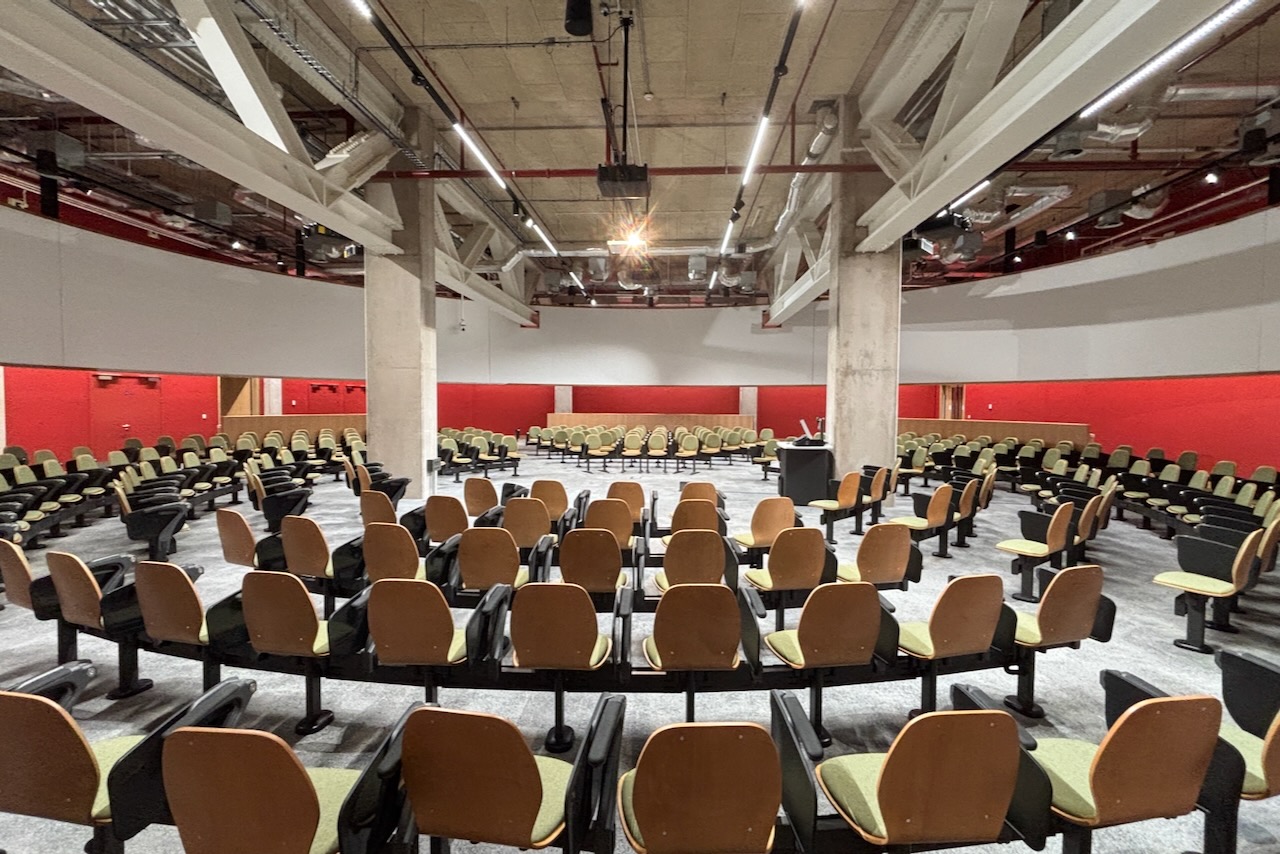
Sir Robert McAlpine has completed the 38,000 m² Sloane Robinson Building at the University of Bristol’s £500m Temple Quarter Enterprise Campus, providing capacity for about 4,500 students and 650 staff and anchored by a 300-seat ‘in the round’ Bill Brown Lecture Theatre and 22 Active Learning Studios. The building targets BREEAM Excellent, uses eco-concrete and a district heating connection, and carries more than 750 rooftop solar panels for on-site generation. Located beside the new eastern entrance to Bristol Temple Meads, it forms a key element of the wider Bristol Temple Quarter regeneration and public realm upgrade.
Developer Balma has awarded Talo a £4m contract for five ultra‑low energy homes at The Barons in Shoreham, using Talo’s Finnish-derived offsite timber superstructure, shallow foundation system, pre-installed external timber finishes and factory-fitted triple-glazed picture windows and sliding doors. At Croft Mews in Edenbridge, the same system cut the build programme from around 12 months to four months to achieve watertight shells, giving Balma a six‑month programme saving and earlier return on investment. The new courtyard homes target EPC A, with electric underfloor heating and hot water powered by rooftop solar, MVHR and EV charging on each unit.
Huws Gray has added plant and tool hire to its St Helens builders’ merchant branch, extending the company’s national hire network to 88 sites. The branch, which already employs 14 staff, has created three additional roles to support the new service. Contractors can now hire small tools and compact earthmoving kit on site, including brand new micro diggers, excavators, tracked barrows and 1‑tonne dumpers, improving access to short-term plant for local groundwork and civils jobs.
Baxi has launched the Megaflo Essential range of hot water cylinders aimed at social housing, designed for heat pumps including its HP50 and HP55 ASHPs and featuring a high surface area coil, twin 3 kW immersion heaters and a secondary return for faster hot water delivery. A new internal expansion mechanism removes the need for a separate expansion vessel, cutting installation time, saving plant-room space and simplifying maintenance, with indirect models using coil-in-coil heat exchangers for rapid heat recovery. Baxi has also upgraded its premium Megaflo Eco cylinders with the same internal expansion system, retaining 60 mm insulation and a 30-year stainless-steel inner tank warranty, while discontinuing the Baxi Assure range.
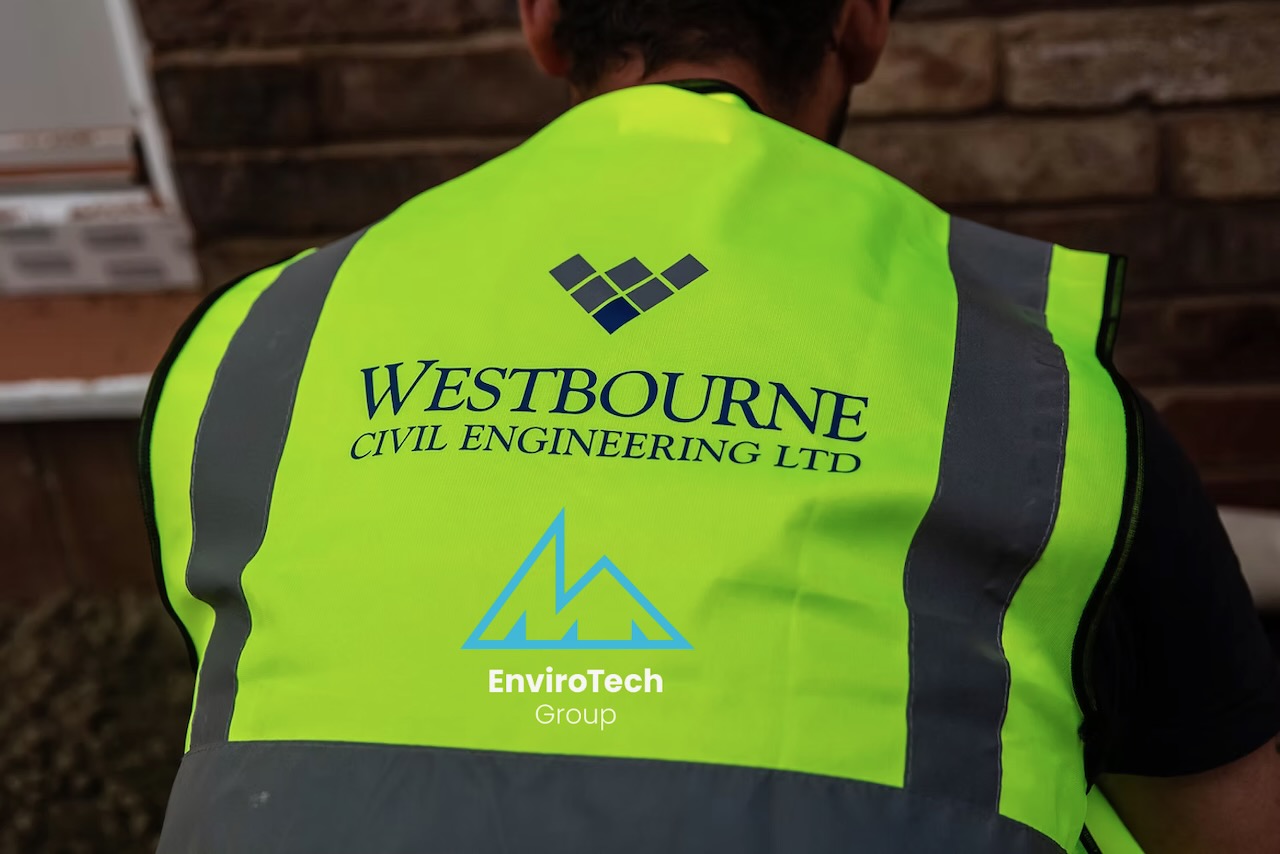
Westbourne Civil Engineering has adopted MA EnviroTech’s MukAway platform to manage surplus materials, source fill, book haulage and generate compliance and carbon data across its road, sewer and groundworks schemes in the north of England, including Riverpark Road in Manchester (498 homes), Fox Wood Garden Village in Knowsley (350 homes) and Half Penny Meadows in Clitheroe (426 homes). MukAway now covers more than 1,000 sites and 100 companies in the UK and Ireland, with 1.4m m³ of material listed. The system offers local surplus–demand matching, the UK’s first direct digital haulage link, and ten‑year retention of Duty of Care and Materials Management Plan records, tightening auditability on bulk earthworks movements.
Bristol City Leap, a partnership between Bristol City Council and Ameresco, is replacing fossil-fuel boilers with low‑carbon air source heat pumps at Belbrook Children’s Respite Unit, Ridingleaze House and Symes House, three of the council estate’s top 30 carbon‑emitting buildings. Belbrook will also receive a rooftop solar PV array, upgraded LED lighting and additional loft insulation, with all three sites getting new pipework, radiators and controls. Backed by the council’s Decarbonisation Fund, Bristol Climate Action Investment and the Government’s PSDS, the works are expected to cut annual energy use by 154,008kWh and CO2e emissions by 28 tonnes.
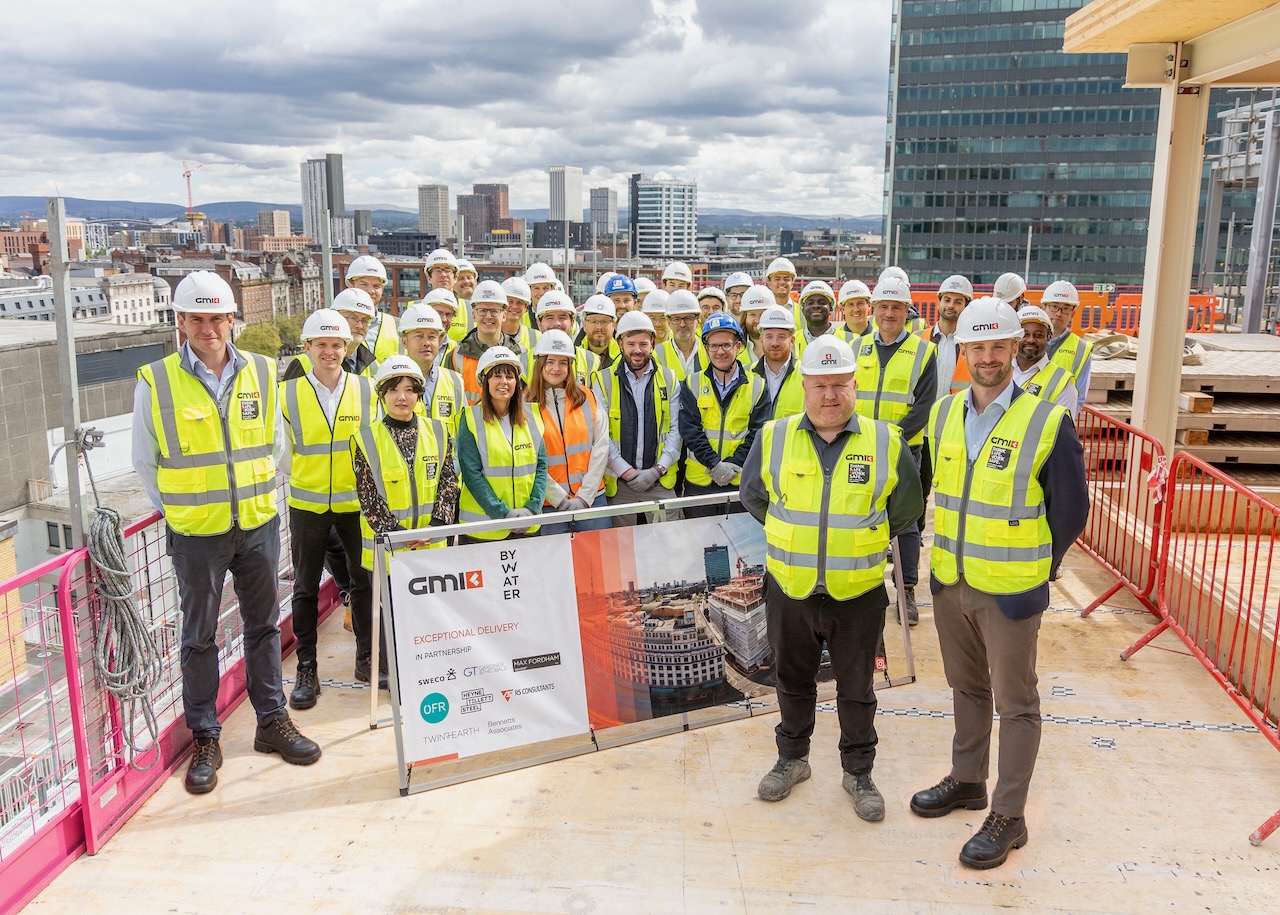
GMI Construction Group and Bywater have topped out the 35 Fountain Street redevelopment in Manchester, retaining the existing steel frame and adding three new upper floors in a low‑carbon cross‑laminated timber (CLT) hybrid structure. The 87,000 sq ft Grade A office scheme, spanning a basement plus nine upper floors and delivering about 16,000 sq ft of additional workspace with roof gardens, records upfront embodied carbon of 371kgCO₂e/m² versus roughly 1,000kgCO₂e/m² for a typical new build. Responsibly sourced timber is expected to sequester about 618 tonnes CO₂e, with the project targeting BREEAM Outstanding, NABERS 5 star, WELL Platinum and EPC A by summer 2027.
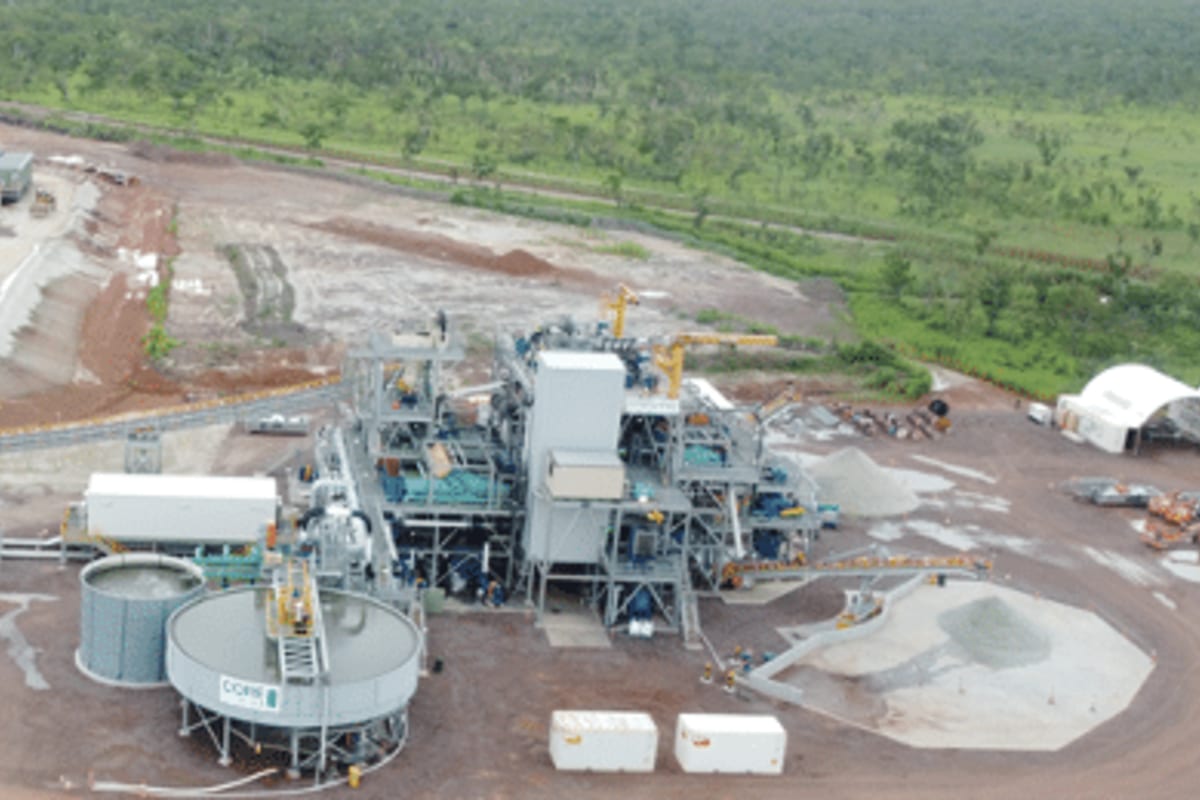
Core Lithium has produced first spodumene concentrate from the recommissioned processing plant at its Finniss lithium operation in the Northern Territory, less than six months after the final investment decision to restart the mine. The staged restart follows a care-and-maintenance period triggered by weak lithium prices and involves progressively ramping the dense media separation and crushing circuits before reintroducing fines flotation. For engineers, the rapid recommissioning timetable and phased process restart signal confidence in plant integrity, orebody performance and near-term market conditions.
A partnership between Glencore Coal and children’s charity Royal Far West has delivered 346 clinical occasions of service to 100 children in the NSW mining communities of Gulgong and Dunedoo since July 2025. Royal Far West’s multidisciplinary team has provided speech pathology, occupational therapy and psychology support, targeting developmental and mental health issues that can affect school readiness and long-term employability. For miners operating in remote regions, the programme shows how structured, data-tracked health services can be integrated into community investment strategies around coal operations.
Rox Resources’ Youanmi gold project in Western Australia remains on track for first gold in mid-2027, with August underground advance beating the definitive feasibility study schedule. The mine recorded 577m of total mining for the month, including 431m of development across three separate mining areas and 146m of stripping as construction activity ramps up. Faster-than-planned lateral development gives additional flexibility for stope sequencing, de-risking early production and ventilation planning for the restart of this historic underground operation.
Lunnon Metals’ completed Lady Herial open pit in Western Australia is expected to deliver about $39 million in pre-tax free cash flow after producing slightly more gold than forecast in the January 2026 feasibility study. Mining finished in early August, ahead of schedule, with final ore processing and reconciliation now under way to refine grade, recovery and cost assumptions. The outcome provides fresh performance data for Lunnon’s future open-pit designs and cut-off strategies in the Kambalda district.
Aureka is moving into Victorian gold production via a binding Share Sale Agreement to acquire 100 per cent of High Grade Holdings, owner of the operating Fiddlers Creek underground mine and the Wedderburn gold processing mill. The deal brings an established narrow-vein underground operation and an existing regional mill into Aureka’s portfolio, shortening the timeline from exploration to cashflow compared with greenfield development. For geotechnical and processing teams, the transaction signals near-term demand for underground support design, mine scheduling, and optimisation of the Wedderburn plant for Fiddlers Creek ore.