Heidelberg and Kenson’s low carbon Redbridge road: design notes for engineers
Reviewed by Joe Ashwell
First reported on The Construction Index
30 Second Briefing
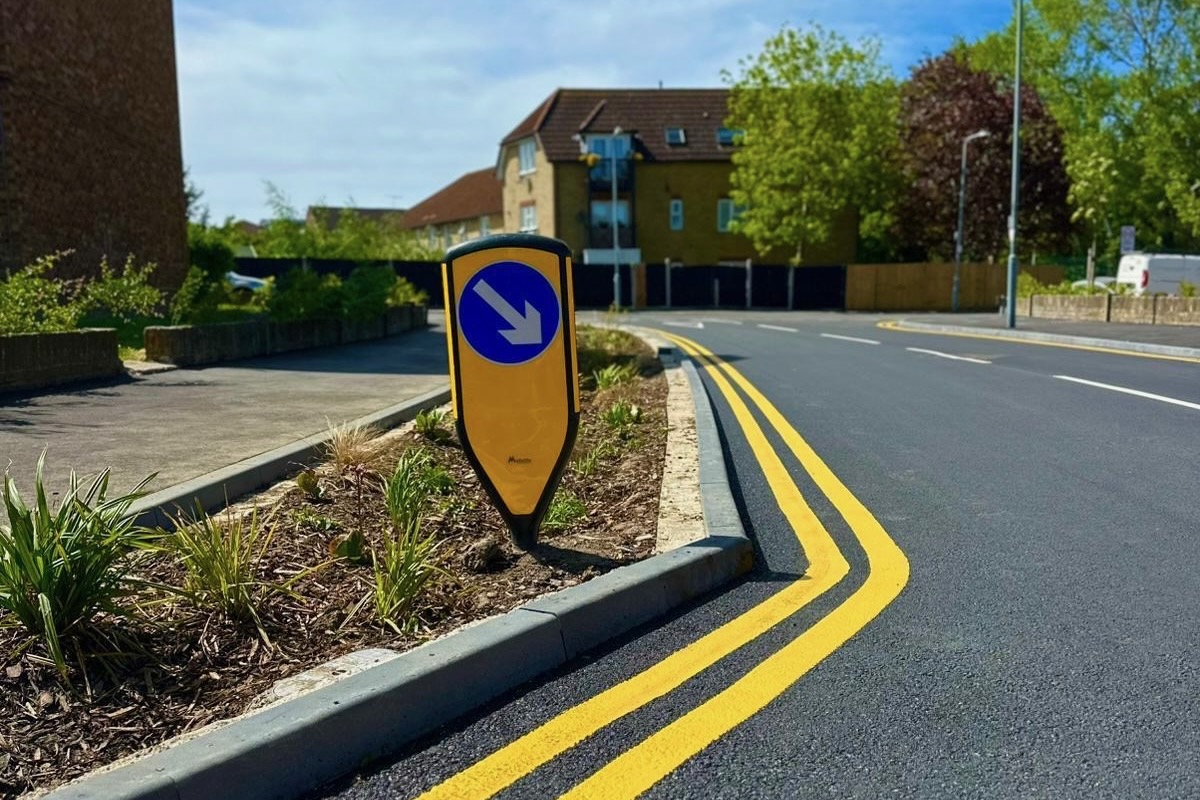
Heidelberg Materials UK and Kenson Highways have rebuilt Heathcote Avenue in Redbridge using evoZero carbon‑captured cement from Brevik, Norway, and low‑carbon asphalt mixes to cut embodied emissions. The scheme used 275 tonnes of binder course with 25% reclaimed asphalt and 6.5% ACLA, plus 248 tonnes of surface course containing CarbonLock bio‑binder produced via the Era 140 warm mix process at up to 40°C lower temperature. Initial calculations show more than 75 tonnes of CO₂ saved, with evoZero cement alone delivering over 35% of the reduction.
Technical Brief
- evoZero cement was placed in kerbs, edging haunching and footway sub-base, not just structural concrete.
- Allocation model avoids shipping CCS-produced clinker long distances, decoupling carbon benefit from physical product location.
- Binder course used 25% reclaimed asphalt and 6.5% ACLA at the client’s explicit specification.
- CarbonLock bio-binder’s biogenic content permanently retains absorbed CO₂ even after asphalt milling and recycling.
- Biogenic binder formulation is estimated to sequester ~6 tonnes CO₂ per kilometre of carriageway surfaced.
- Era 140 warm mix production at up to 40°C lower temperature cuts asphalt plant CO₂ by up to 15%.
- Era 140 was also used on the footway surface, incorporating 25% RA in Redbridge’s first such footway trial.
- Scheme illustrates how combining CCS cement, RA, biogenic binders and WMA can stack reductions across pavement layers.
Our Take
Heidelberg Materials UK's use of CarbonLock bio-binder and evoZero cement at Redbridge lines up with its Eurotunnel resurfacing and Greenwich CarbonCure trials, signalling a push to standardise carbon-storing binders and cements across high-traffic UK assets rather than treating them as one-off pilots.
The more than 35% share of total carbon savings attributed to evoZero cement here is consistent with Heidelberg’s investment in carbon capture at Padeswood in Wales, suggesting that decarbonised cement supply could become a key differentiator in future local authority resurfacing tenders.
With at least a 25% carbon reduction versus standard hot mix asphalt and over 75 tonnes of CO₂ saved on a single Redbridge scheme, this project gives London boroughs a quantified benchmark that could influence specifications in other sustainability-tagged infrastructure works in our database.
Prepared by collating external sources, AI-assisted tools, and Geomechanics.io’s proprietary mining database, then reviewed for technical accuracy & edited by our geotechnical team.
Related Articles


Related Industries & Products
Construction
Quality control software for construction companies with material testing, batch tracking, and compliance management.
Mining
Geotechnical software solutions for mining operations including CMRR analysis, hydrogeological testing, and data management.
CMRR-io
Streamline coal mine roof stability assessments with our cloud-based CMRR software featuring automated calculations, multi-scenario analysis, and collaborative workflows.
HYDROGEO-io
Comprehensive hydrogeological testing platform for managing, analysing, and reporting on packer tests, lugeon values, and hydraulic conductivity assessments.
GEODB-io
Centralised geotechnical data management solution for storing, accessing, and analysing all your site investigation and material testing data.