Geomechanics, Streamlined.
© 2026 Geomechanics.io. All rights reserved.
Hundreds of asset owners have uploaded records for underground pipes, cables and ducts to Ordnance Survey’s National Underground Asset Register (NUAR), with 400 public and private organisations contributing data in its first year. The platform is intended to give utilities, local authorities and contractors a single digital view of buried infrastructure, replacing fragmented paper and GIS records during streetworks planning and excavation. Wider coverage should reduce strike risk, support safer trial-hole targeting and improve coordination of trenching for water, gas, power and telecoms upgrades.
Tungsten West is installing six TOMRA Mining XRT sorters with OBTAIN™ Deep Learning at the redesigned Hemerdon plant in Devon, aiming to ramp to full-scale tungsten production by Q1 2027. The ore sorting circuit is central to cutting processing costs and upgrading run-of-mine feed before milling, a key factor in restarting a mine that previously struggled with operating economics. With tungsten on the UK critical minerals list and Chinese export controls tightening supply, Hemerdon could become a significant non-Chinese source for European hardmetal and alloy producers.
Emesent has integrated its Hovermap mobile SLAM scanners directly with Trimble Business Center and the Trimble Connect cloud platform, creating a “capture, connect and create” workflow for underground and surface mine surveys. Point clouds from autonomous drone or handheld Hovermap runs can now be imported into Trimble Business Center without manual file handling, then shared via Trimble Connect for design, reconciliation and geotechnical analysis. The move targets faster turnaround from raw SLAM data to registered models, particularly for complex stopes, drives and inaccessible voids.
Caterpillar is extending its MineStar Command for hauling system with Luck Stone from the Bull Run Quarry to two additional Virginia sites and, for the first time, onto Cat 775 haul trucks. At Bull Run, a fleet of autonomous rigid trucks has already moved more than 3.5 million tons since November 2024, following an 18‑month ramp‑up. The deployment on mid‑size 775s signals AHS moving from large open‑pit fleets into smaller quarry-scale operations, with implications for traffic management, loading unit integration and mixed‑fleet haul road design.
Electrification remains the clear direction for mining fleets, but Caterpillar Vice President of Product Management – Resource Industries, Thad Litkenhus, stresses that mines need site-specific transition paths rather than a single “all-electric” blueprint. He points to constraints such as limited grid capacity at remote operations, the need to integrate trolley-assist and diesel-electric hybrids alongside battery trucks, and the challenge of matching charging infrastructure to existing haul profiles. For engineers, the message is to plan staged conversions, mixed-energy fleets and power infrastructure upgrades in parallel, not sequentially.
Mahansaria Group is investing US$100 million to build giant off-the-road (OTR) radial tyre manufacturing capability in India under its Ascenso brand, targeting large haul truck and loader sizes used in mining. The expansion aims to move Ascenso from current agricultural and medium OTR ranges into ultra-large mining tyres, a segment dominated by a few global suppliers and frequently constrained by supply shortages. For mine operators, an additional radial supplier from India could ease procurement risk and support localisation strategies in Asian and African projects.
Radiant World and affiliated iron ore trader Sapphire Minmetals have sued Glencore in Singapore for $2 billion, alleging the Swiss trader’s actions caused massive losses after lenders pulled credit and counterparties, including Vitol and Cargill, cut ties. The claim comes despite a London court order freezing up to $499 million of Radiant World assets following accusations from a Jefferies-managed fund that fake iron ore invoices were used to defraud it, and parallel suits from Incomlend and Mizuho seeking over $34 million. Glencore has booked a $480 million provision on its exposure and says it has evidence of falsified invoices, contracts and fabricated staff emails.
A 4 September power outage in Hemlo Mining’s Alimak zone is constraining underground development and exploration, delaying the planned ramp-up from about 3,800 to 4,800 tonnes per day and prompting an 8.9% share price drop to C$7.55. Scotia Capital now forecasts roughly 59,600 oz. of gold in H2, about 20% lower, though analysts expect the ounces to be deferred rather than lost as mine resequencing leverages more than 300 km of existing development. A $250,000 replacement substation, ordered pre-incident under a critical spares programme, is due in December.
Red Sea disruption around the Bab al-Mandeb Strait could affect 38.9–77.8 million tonnes of mining-related commodity and input flows over 90 days, with GEM Mining Consulting’s central scenario at 61.1 million tonnes and cost premiums of about $1.37 billion. Sulfur and sulfuric acid, ammonia and nitrates, graphite, battery-material intermediates, rare earths, reagents and equipment spares rank as most exposed due to route dependence, low inventories and limited substitution. GEM advises miners to treat chokepoints as operating risks, stress-test 30–180 day disruptions and diversify suppliers and logistics.
Elemental Royalty Corporation has closed its C$239 million acquisition of Vizsla Royalties, securing uncapped 2%–3.5% NSR royalties over the entire current resource at Vizsla Silver’s high-grade Panuco silver-gold project in northwest Mexico. Panuco’s feasibility study outlines up to 17.4 million oz/year silver-equivalent production over roughly nine years, giving Elemental a near-term production exposure boost and greater silver weighting. The court-approved deal, capped at C$82 million cash plus about 8.1 million Elemental shares, is Elemental’s largest to date and follows its 2025 merger with EMX Royalties.
Bitterroot Resources’ shares jumped 82% to C$0.15 after its US subsidiary Trans Superior Resources secured US$5.22 million from the US Department of War to fund up to 50% of eligible exploration at the LM nickel-copper project in Michigan’s Baraga basin. The non-dilutive grant will support a 15–20 hole core drilling campaign in Q4, with 500–700 m holes targeting an interpreted magma conduit at 400–700 m depth, well below previous 300 m drilling. Borehole EM and additional geophysics will refine targets as partners chase the source of earlier high-grade massive sulphide fragments.
Agnico Eagle CEO Ammar Al-Joundi says the C$138.7 billion gold major has no interest in buying into Barrick Mining’s planned North American IPO vehicle, despite analyst views at Jefferies that the spin-out could suit buyers such as Newmont and Agnico. Barrick’s proposed company would bundle its stakes in Nevada Gold Mines, Pueblo Viejo and the wholly owned Fourmile discovery, which together produced about 2 million oz of gold in 2025, under standalone leadership. The structure is intended to separate these assets from operations in higher-risk jurisdictions such as Mali and Pakistan.
Sandvik has achieved IEC 62443-4-1 Maturity Level 3 certification for its Secure Development Lifecycle, validated using its Sandvik Intelligent Control Architecture (SICA) platform that underpins all i-series intelligent mining equipment. The move upgrades its 2025 Maturity Level 2 status and confirms that threat modelling, secure coding, testing, and vulnerability management are now systematically embedded across day-to-day product development. Combined with Sandvik Mining’s ISO/IEC 27001 certification for its global application delivery environment, the framework targets cyber-resilient autonomous and connected production-critical systems.
Hercules Metals is advancing the Hook target in western Idaho toward direct drilling after reconnaissance hole HER-26-03 clipped a 1.8 km chargeability anomaly with a 500 m high-strength core modelled from ~100 m depth, indicating a shallow porphyry system in Triassic volcanic and carbonate-bearing rocks. The hole, collared 400 m west due to road constraints, cut strong quartz-sericite-pyrite and skarn alteration with 5–10% pyrite but did not test the anomaly’s core, so assays are expected to guide vectoring rather than deliver grades. Hook lies 3 km east of the Leviathan porphyry, which SCP models at >600 Mt grading ~0.5% Cu (~3 Mt contained), and is now Hercules’ strongest untested near-surface chargeability target pending road and drill pad permits.
Billionaire Gina Rinehart’s Hancock Prospecting is investing A$8.7 million for a 13.5% stake in White Cliff Minerals to fund expanded drilling at the Rae copper project in Nunavut’s Kitikmeot region, near the proposed Grays Bay Road and Port Project. The placement of almost 516 million shares at A1.7¢ each lifted White Cliff’s market capitalisation to about A$53.3 million, with the stock up nearly 12% on the day. Rae’s Danvers target has returned standout intercepts including 7.6 m at 11.38% Cu from 152.4 m and 13.7 m at 7.70% Cu from 61 m.
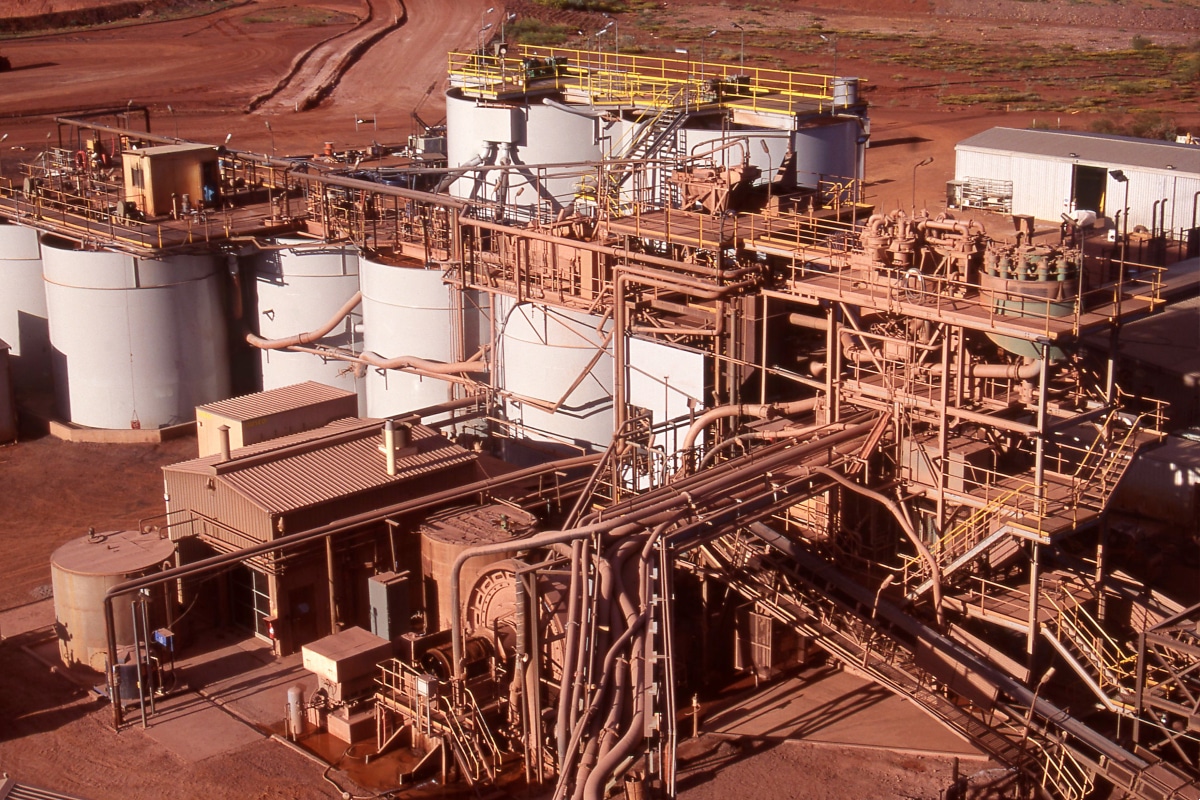
Green Manganese Technologies has completed initial metallurgical test work showing its proprietary hydrometallurgical circuit can recover manganese, nickel, cobalt, and copper from polymetallic nodules in a single integrated process, avoiding Submerged Arc Furnaces, electrolysis, and multi-phase converting. The flowsheet selectively dissolves manganese minerals to release associated critical metals into one solution while converting iron to hematite, creating an additional value stream for iron, titanium, and rare earth elements. Reported recoveries exceed 90% for all four principal metals with energy consumption up to five times lower than conventional pyrometallurgical routes, positioning the process for pilot-scale nodule projects.
Sandvik has secured IEC 62443-4-1 Maturity Level 3 certification for its secure product development lifecycle, making it one of the first mining OEMs to reach this cybersecurity benchmark. The independently audited ML3 rating confirms that threat modelling, secure coding, vulnerability management and patch processes are systematically built into the design and maintenance of its intelligent mining equipment and digital systems. For mines deploying connected fleets, autonomous loaders and remote drilling rigs, this signals stronger protection against cyber intrusion at both equipment and control-system level.
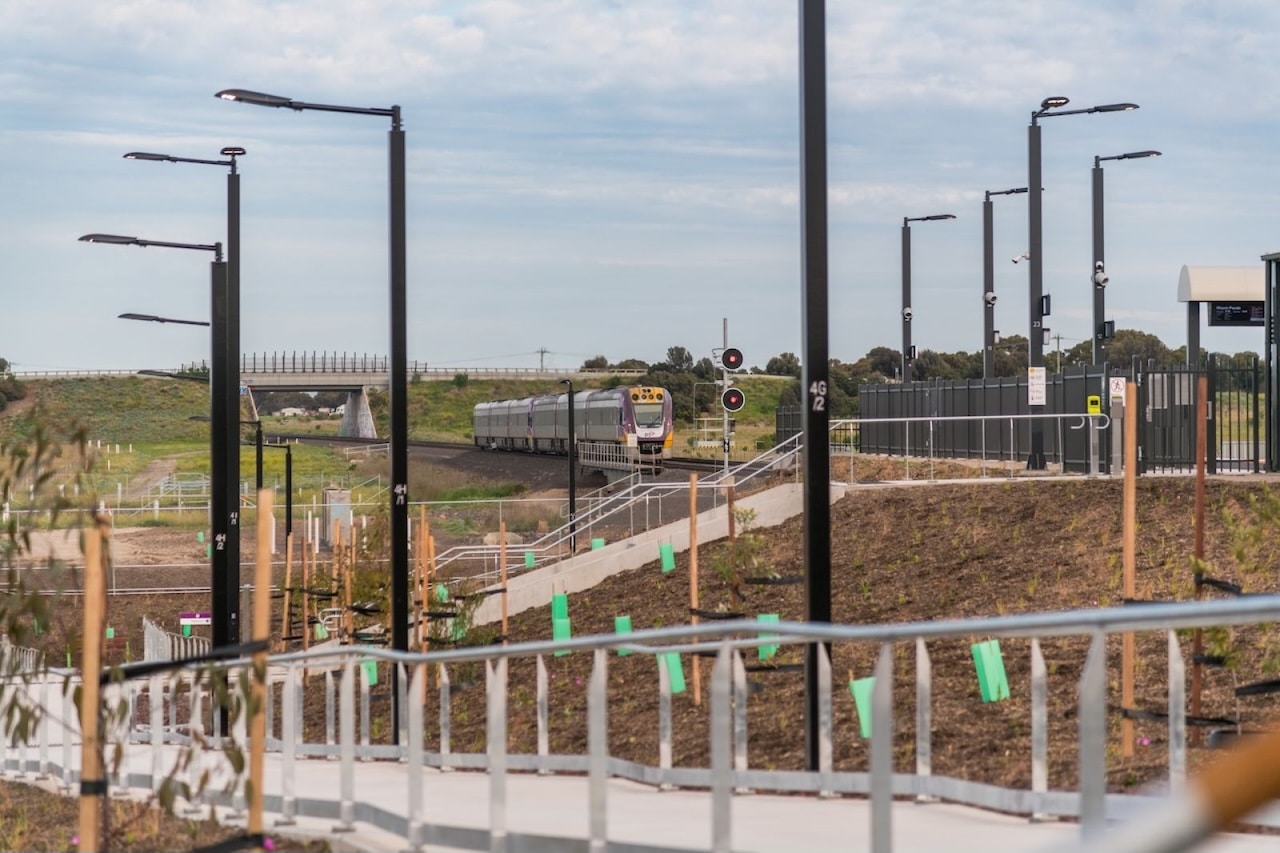
West Tarneit Station, the first brand-new station on Victoria’s rail network in several years, has opened to passengers in Melbourne’s western suburbs to relieve crowding at the existing Tarneit Station. The new stop adds capacity on the Geelong–Melbourne corridor and shortens access distances to rail for rapidly growing greenfield housing areas west of Tarneit. For civil and rail engineers, the project signals ongoing demand for corridor upgrades, additional platforms and turnback options to manage peak loads on this high-growth outer-suburban line.
New Hope Group lifted saleable coal production to 11.5Mt in FY26, a 7.6 per cent increase, with higher coal sales supporting strong operating cash flow and an increased final dividend despite weaker earnings and rising unit costs. The ASX-listed producer attributes the performance to production resilience across its open-cut operations, maintaining output while managing cost inflation and market price softening. For mine planners and operators, the result signals continued investment in sustaining production volumes and cash generation in a lower-margin coal environment.
Western Australia’s known mineral and energy inventory has been valued at over $8 trillion in a new Chamber of Minerals and Energy of WA report, Unearthing Potential, which assessed 27 commodities including iron ore, LNG and critical minerals. The analysis finds that developing 80 per cent of identified resources could support multi-decade project pipelines, with major growth tied to battery metals, rare earths and gas. For miners and contractors, the scale signals sustained demand for new pits, tailings storage, ports, pipelines and power infrastructure across the state.
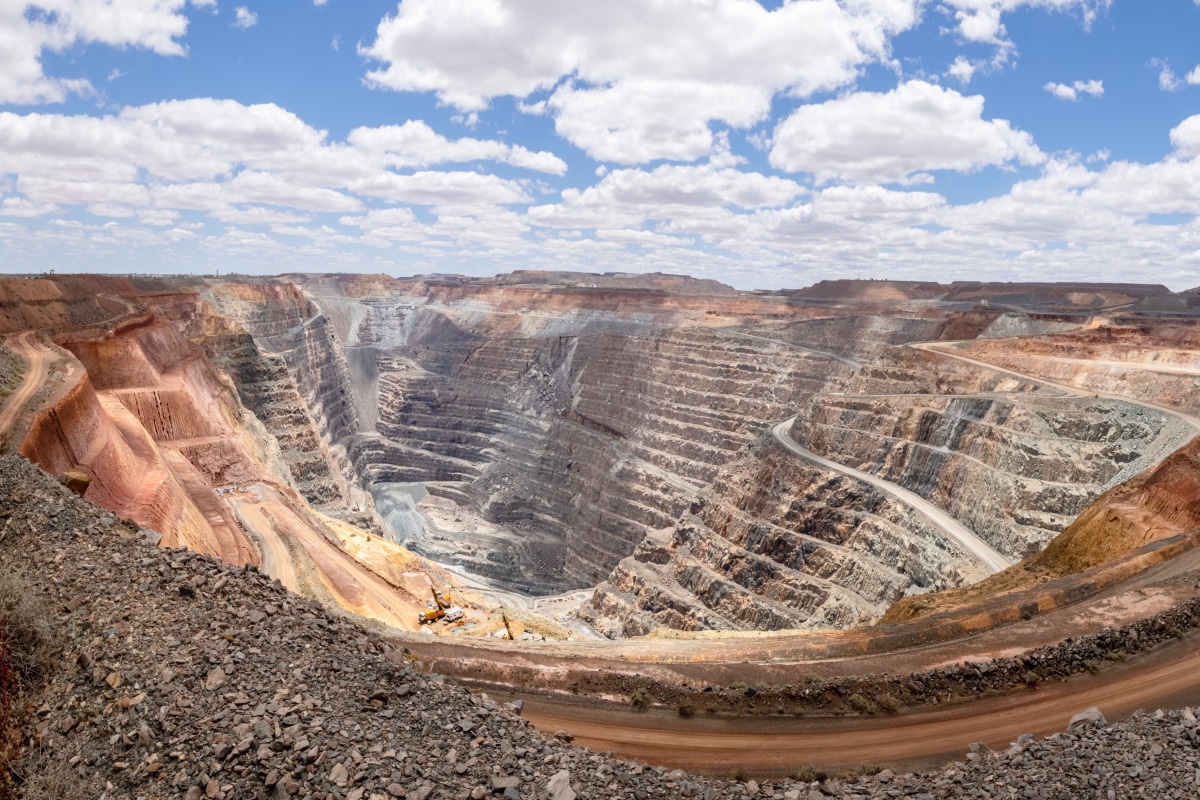
Brightstar Resources has secured five exploration licences comprising Panther Metals’ Mikado project around its new Laverton processing plant in Western Australia under a 100 per cent binding tenement sale agreement. The deal consolidates tenure immediately adjacent to the planned processing hub, giving Brightstar direct control over near-plant feed sources rather than relying on satellite ore trucking. For mine planners and geotechs, the enlarged footprint enables integrated pit design, waste dump siting and haulage optimisation across a contiguous land package.
New polling of 1000 New South Wales voters shows 67 per cent would back lifting the state’s uranium mining ban if projects demonstrably cut emissions, giving the Minerals Council of Australia fresh leverage to push for legislative change. The MCA is linking support to nuclear power and pointing to near‑border assets such as Boss Energy’s Honeymoon in‑situ leach operation, about 80km inside South Australia, as evidence NSW is forgoing investment. Any repeal would open large sandstone basins to exploration but trigger stricter radiation, tailings and groundwater controls.
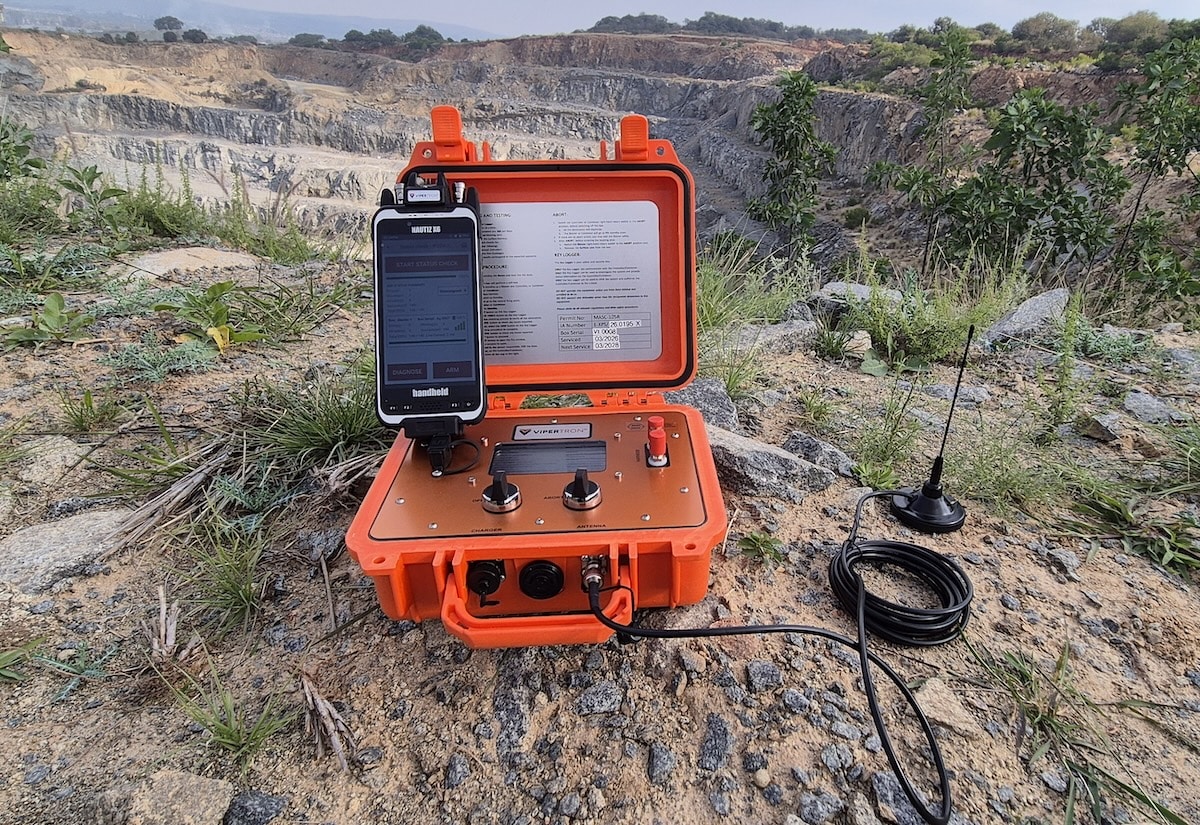
BME has launched the VIPERTRON electronic initiation system, a lightweight, compact blasting solution designed for agile deployment in quarries and surface mines using robust radio-frequency communication between field units and the blasting control. The system targets operations still using NONEL by offering tighter timing accuracy and more consistent blast performance, while maintaining simple, portable hardware for crews working in constrained benches and multiple small shots. For engineers, the key shift is towards electronic timing control without the complexity and bulk of traditional wired electronic detonator systems.
Barhale has secured the main works contract for Severn Trent Water’s Ravenstone wastewater treatment works upgrade after identifying a 40% cost reduction worth about £2m during early contractor involvement. The saving was achieved by reworking the original design and construction methodology at the feasibility stage, cutting programme and temporary works requirements. The appointment signals continued client preference for contractors who can drive value through early optioneering on process plant layouts, civils scope and MEICA integration.