Geomechanics, Streamlined.
© 2026 Geomechanics.io. All rights reserved.
Allied Gold Corporation has connected its Kurmuk gold mine in Ethiopia to the national power grid and run first ore through the primary crushing circuit, key steps in final commissioning. Grid connection removes reliance on temporary diesel generation and enables full energisation of processing, dewatering and mine services infrastructure. Kurmuk is expected to become one of Allied Gold’s premier assets, with ramp-up now focused on stabilising the crushing–grinding line, validating ore throughput assumptions and finalising operating procedures ahead of commercial production.
Macmahon Holdings has signed a Share Purchase Agreement to acquire 100% of Aspect Engineering Solutions Pty Ltd and its subsidiaries, moving into minerals processing services alongside its existing surface, underground and civil infrastructure operations. The deal brings in-house front-end and detailed engineering, project delivery, and operations and maintenance capability for processing plants, positioning Macmahon to offer integrated mine-to-mill contracts. Management is targeting the FY27–FY31 period for growth from this expanded scope, signalling more bundled EPC and O&M opportunities with major miners.
Redpath Africa Limited is broadening its underground mining proposition beyond its core raiseboring specialism, adding full-scope development, construction and contract mining services across sub-Saharan operations. The company is integrating shaft sinking, lateral development and underground infrastructure installation with its established raiseboring fleet, enabling single-contractor delivery of hoisting shafts, ventilation raises and ore passes. For mine owners, this consolidated offering reduces interface risk on deep-level projects and allows tighter coordination of ground support, excavation sequencing and services installation in complex geologies.
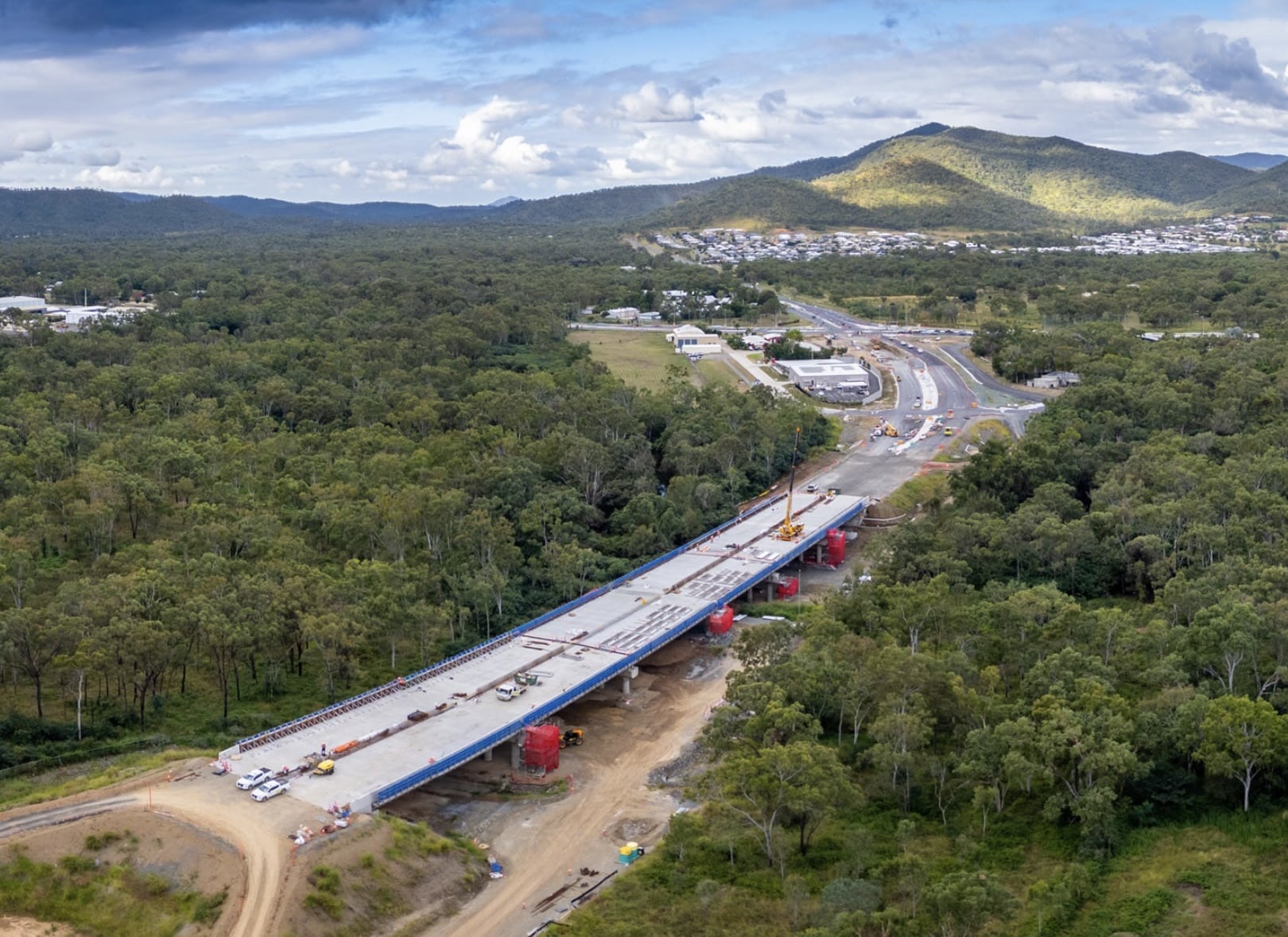
Works on the Lion Creek Bridge are now complete, the first of 18 old timber bridge replacements under the $1.98 billion Rockhampton Ring Road project, which will improve flood resiliency and all-weather access in Central Queensland. The scheme will deliver a 14.7-kilometre western link of the Bruce Highway around Rockhampton, designed to divert heavy freight and through-traffic from urban sections. Progress at the Fitzroy River crossing and other structures signals a shift towards higher, more flood-tolerant bridge levels and more reliable freight travel times on this key north–south corridor.
Queensland has passed the Criminal Code (Dangerous Driving) and Other Legislation Amendment Act 2026, overhauling dangerous driving offences and substantially increasing penalties to prioritise victims’ rights. The package targets high‑risk behaviours such as excessive speed, drink and drug driving, and repeat offending, with tougher custodial terms and expanded circumstances where dangerous operation of a vehicle can be charged. For road and infrastructure planners, the shift signals stronger legal backing for engineering measures that manage speed, separate vulnerable users, and support enforcement technology on state-controlled roads.
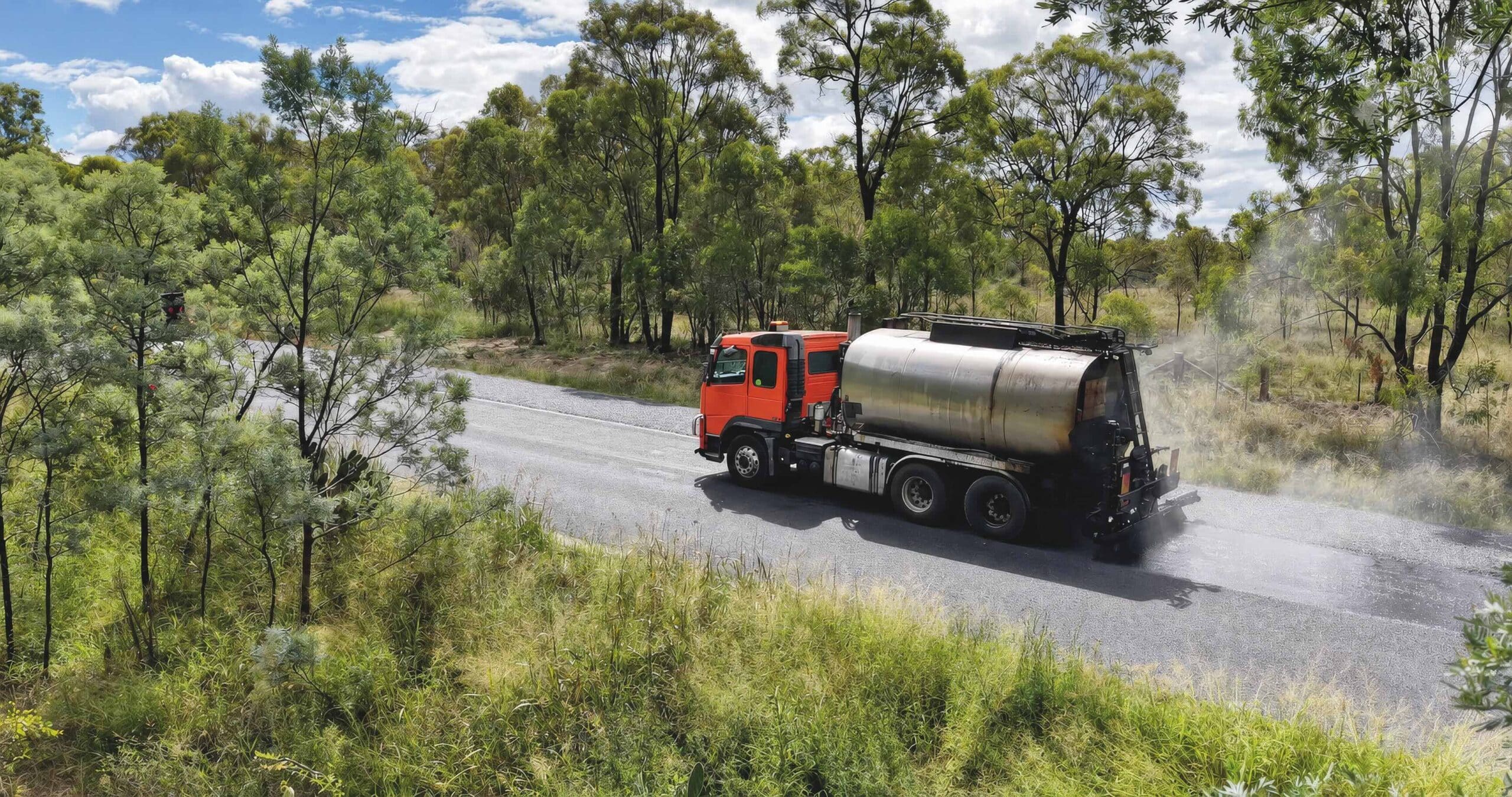
An Australian-first spray seal project delivered by Colas, SAMI Bitumen Technologies and Hutchinson Quarry uses SAMI’s polymer-modified binders and locally sourced aggregates to meet national sustainable procurement guidelines without reducing performance. The seal incorporates higher recycled content and lower embodied carbon materials while maintaining conventional heavy vehicle loading and texture depth requirements for rural arterial roads. For asset owners and contractors, the work shows that guideline-compliant low‑carbon seals can be specified within existing Austroads design frameworks and standard spray equipment.
FM Global is urging Australian mines to tackle “invisible” operational risks by using detailed loss-prevention engineering to identify exposures before they trigger multimillion-dollar disruptions to production and cash flow. The insurer works directly on sites to trace root causes of unplanned shutdowns – such as conveyor fires, crusher failures or power-system faults – and then specifies targeted controls, from upgraded fire protection and redundancy in critical drives to improved maintenance regimes. For geotechnical and processing teams, the message is to integrate insurer-grade risk audits into design, expansion and brownfield upgrade decisions, not just post-incident reviews.
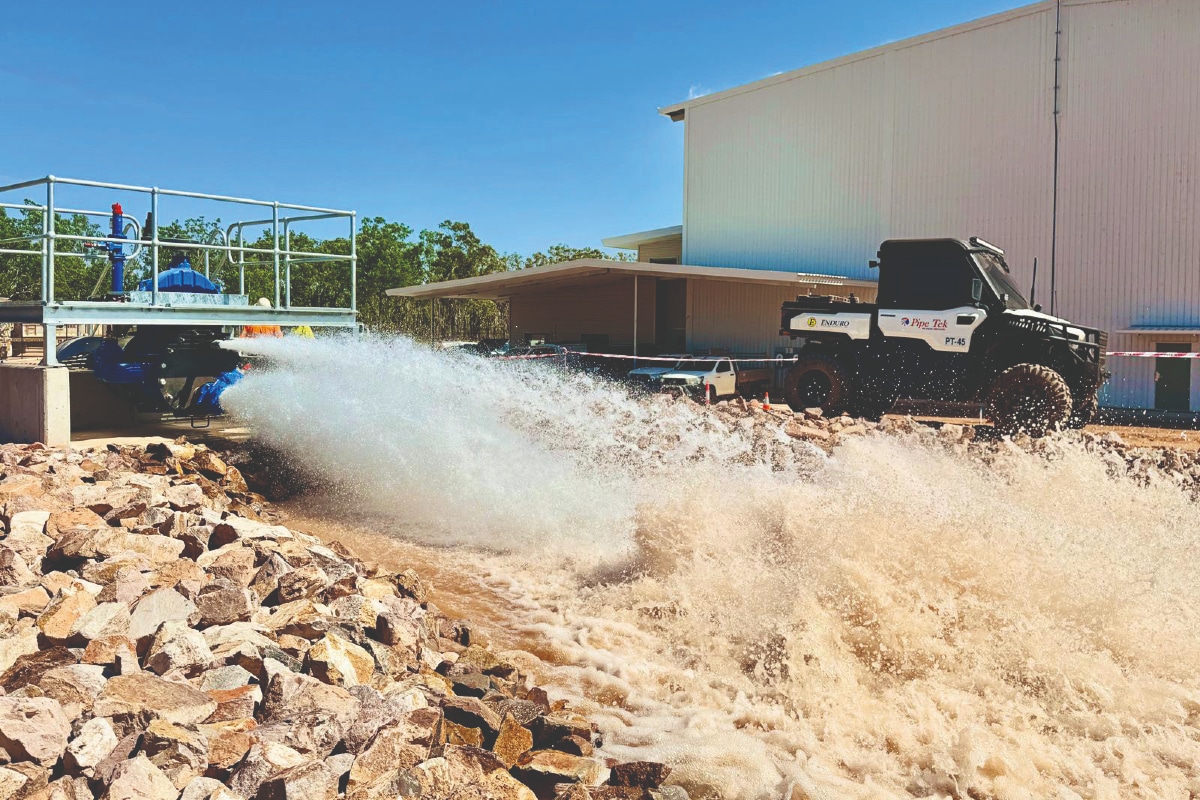
Pipe Tek is winning mining work with a single-contractor, turnkey model that covers slurry and water pipelines from concept design and hydraulic engineering through trenching, welding, pressure testing and commissioning. By keeping construction, flushing, pigging, dewatering and long-term integrity inspections under one contract, the company removes handovers between civil, mechanical and commissioning crews that often delay tie-ins to process plants. For operators, the approach centralises responsibility for wall-thickness selection, corrosion control and condition monitoring, which can simplify failure investigations and life-extension decisions.
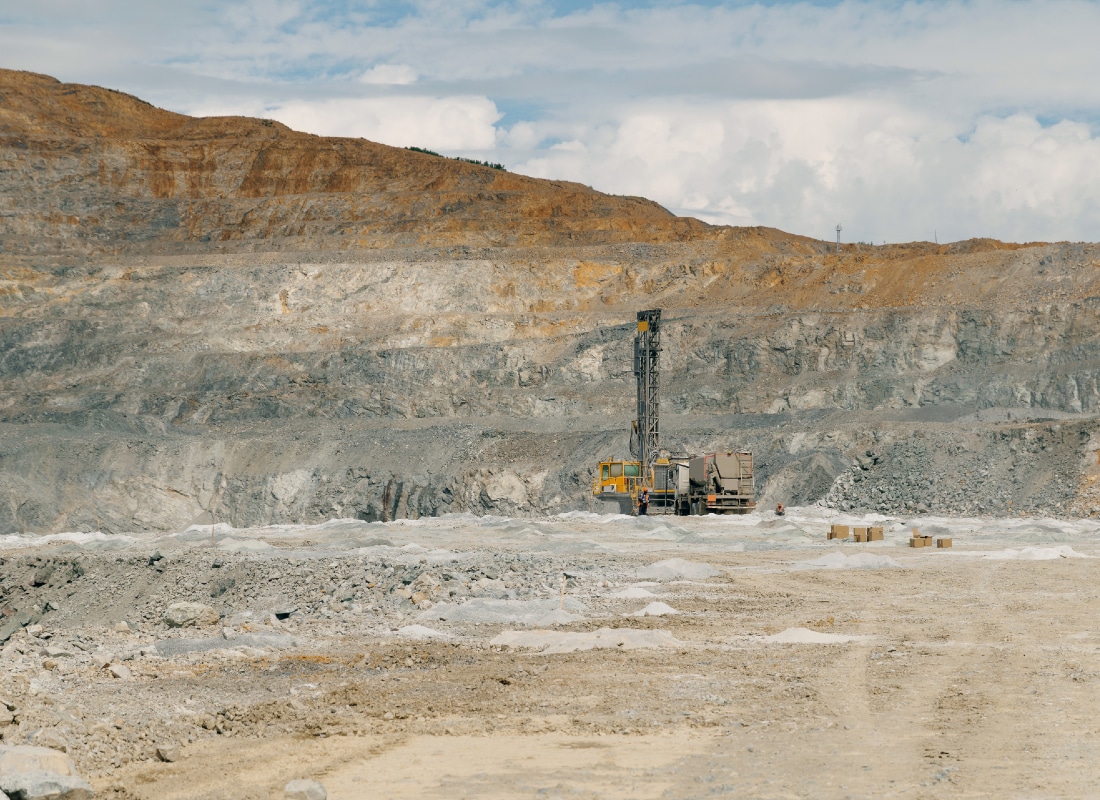
Tivan is close to completing a roughly 37,000‑metre drilling campaign at its Speewah fluorite project in Western Australia’s Kimberley, including 12,809 metres drilled in the 2026 programme with about 1275 metres remaining. The work is aimed at delivering an updated JORC mineral resource estimate and the project’s first ore reserve ahead of a final investment decision. For geotechnical and mine planning teams, the expanded drill density should tighten grade continuity models and support more detailed pit designs and geotechnical domains.
Forrestania Resources has declared a 28,500-ounce ore reserve at the Johnson Range gold project in Western Australia, with a 308,000-tonne reserve grading 2.88 grams per tonne to supply its newly acquired Edna May gold hub. A pre-feasibility study forecasts $60.1 million in pre-tax, undiscounted free cash flow over a 12-month project life, implying a short, high-intensity open pit schedule. The defined reserve gives Edna May a committed near-term ore feed, supporting mill planning, contract mining negotiations and short-cycle mine design work.
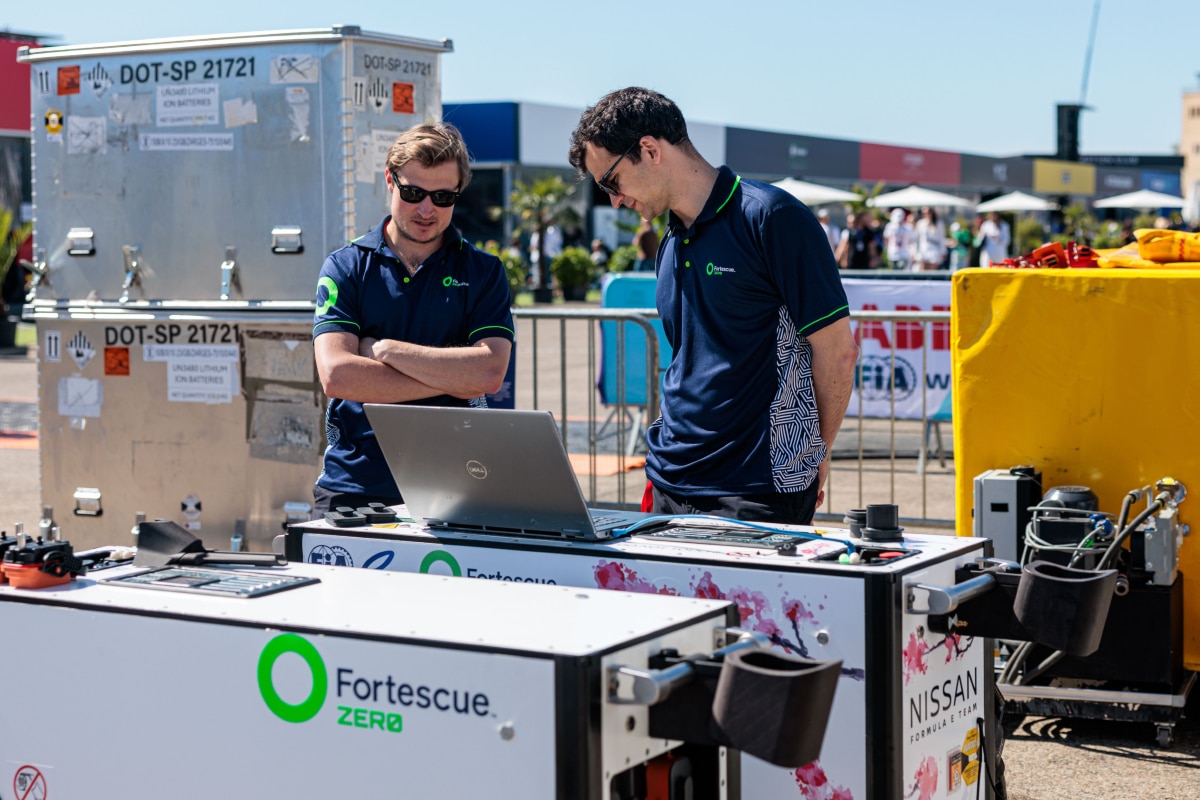
Fortescue Zero has acquired the Penske Formula E operation and launched an electric racing and innovation team aiming to enter the ABB FIA Formula E World Championship from Season 13 (2026–27) as the first Australian-owned outfit. The programme will use Formula E as a development platform for high‑performance battery systems, power electronics and electric drivetrains, with direct relevance to Fortescue’s mining haul trucks, rail and stationary power assets. Engineers should watch for technology transfer in fast‑charge capability, thermal management and energy recovery strategies under race-duty load cycles.
Construction and fit-out contractor Gilbert-Ash has reported an 11% rise in pre-tax profit to £7.6m for 2025, up from £6.8m, despite a fall in turnover to £227m from £268m. The revenue drop was attributed to the delay of a single major project, indicating a relatively concentrated workload and exposure to programme risk on large schemes. For supply-chain and subcontract partners, the figures suggest the firm is maintaining margin discipline even as project phasing disrupts annual revenue volumes.
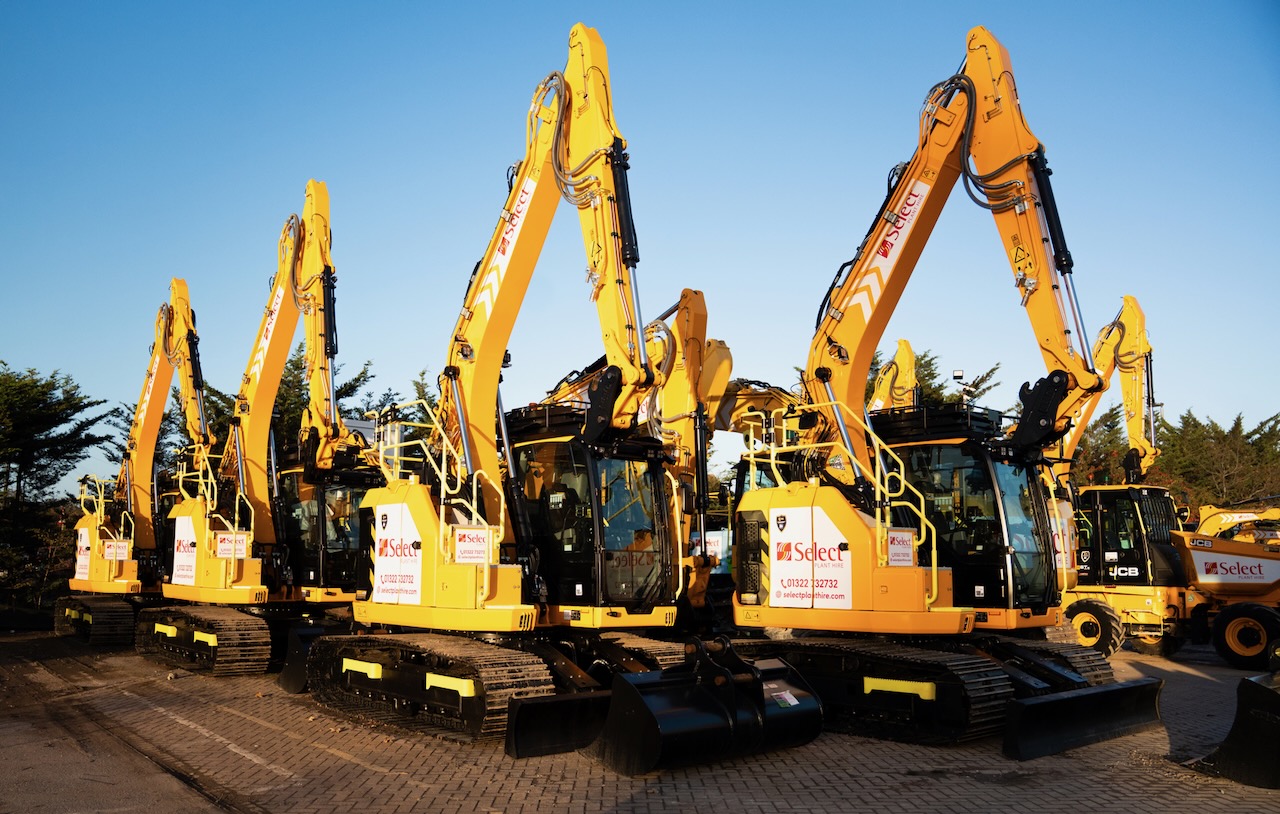
Select Plant Hire is fitting Xwatch XW5 MK2 safety systems to around 30 new JCB machines from its £5m fleet expansion, covering 370X tracked excavators, 245XR and 145XR reduced tailswing excavators, 9‑tonne dual‑drive site dumpers and Loadall telehandlers. The systems provide configurable height and slew limits plus rated capacity indication, allowing rapid adjustment for overhead services, exclusion zones and lifting duties as machines move between very different sites. Xwatch, now part of Hexagon, is also rolling out its XW‑Insite telematics with Select to track location, hours, fuel use, CO2 data, geofencing, faults and safety settings across the mixed fleet.
Willmott Dixon has appointed former Wates operations director Mark Wolverson as North East delivery director to oversee £58m of live civic, defence, transport and education schemes. His current portfolio covers five projects, including the new Durham Academy, re-cladding of Durham Bus Station, the Rivergreen Centre extension and refurbishment of The Dolphin Centre in Darlington, plus the Catterick Town Centre redevelopment. Wolverson will implement the contractor’s “Building our Future” strategy, with emphasis on early client engagement, whole-project support and leveraging local supply chains.
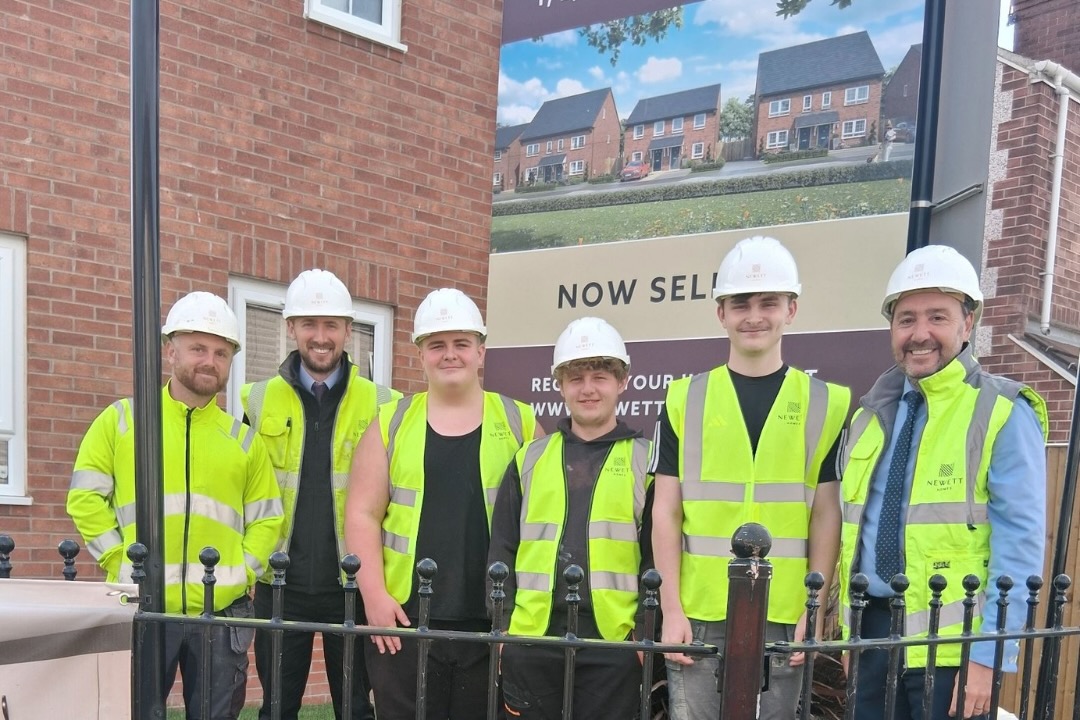
Housebuilder Newett Homes has taken on its first four apprentice bricklayers from Barnsley College, who will split their training between college workshops and live housing sites. The programme is being delivered in partnership with Bond Brickwork, Clover Brickwork, and Matthews and Robinson Construction, giving apprentices exposure to different site management practices and masonry details. For contractors and consultants, this signals a modest but concrete move to bolster bricklaying capacity on residential schemes amid ongoing labour shortages in UK housebuilding.
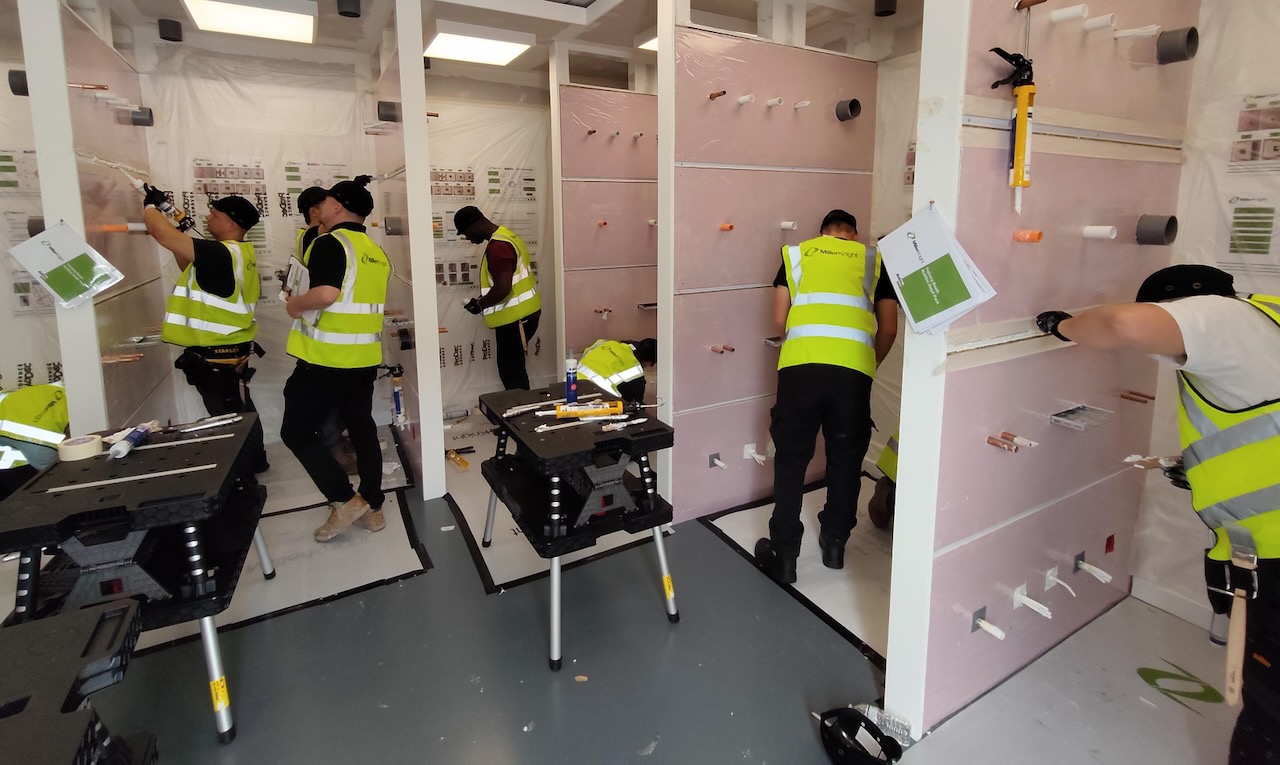
Miller Knight has expanded its Mansfield-based apprentice training academy to run four to six intensive courses a year, taking 12 apprentices per intake and targeting 27 programme completions annually, focused on passive fire protection installations. Each training week combines two days of theory with three days of practical work, followed by six site-based modules over roughly six months, covering tasks such as installing basic fire-stopping seals to tested detail drawings within a set timeframe. The structure gives the contractor a controlled route to build in-house competence in fire-stopping standards and installation quality.
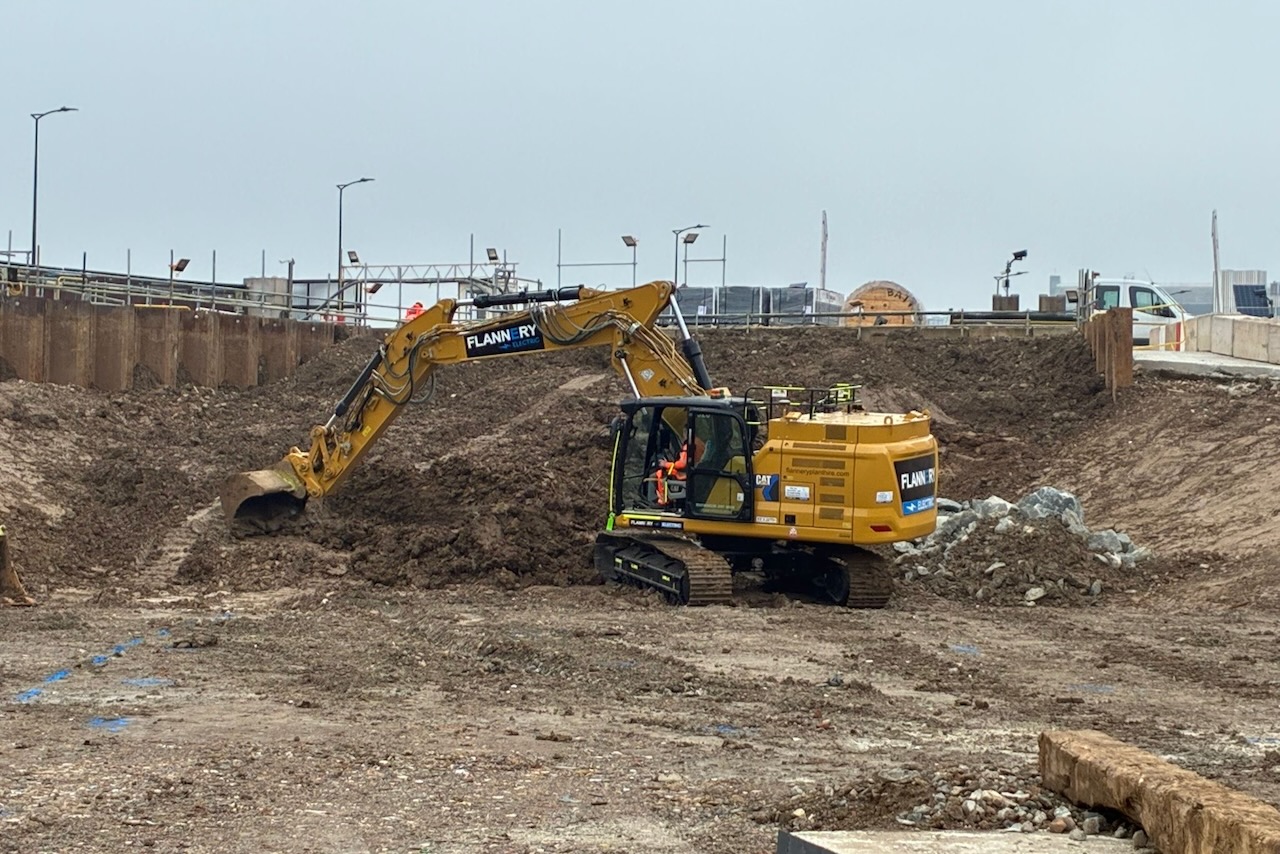
Flannery Plant Hire has put a battery-electric Cat 320 medium excavator, supplied by Finning UK & Ireland, to work on a UK site, with operators reporting like-for-like digging and hydraulic performance compared with diesel units but with lower noise and vibration. Finning ran detailed commissioning support, including electric safety protocols, VisionLink telematics training, and walkaround inspections focused on daily maintenance checkpoints. On-site trials concentrated on charging infrastructure and connection procedures, with operator logbooks and structured feedback used to assess real-world integration and inform Flannery’s wider decarbonisation strategy.
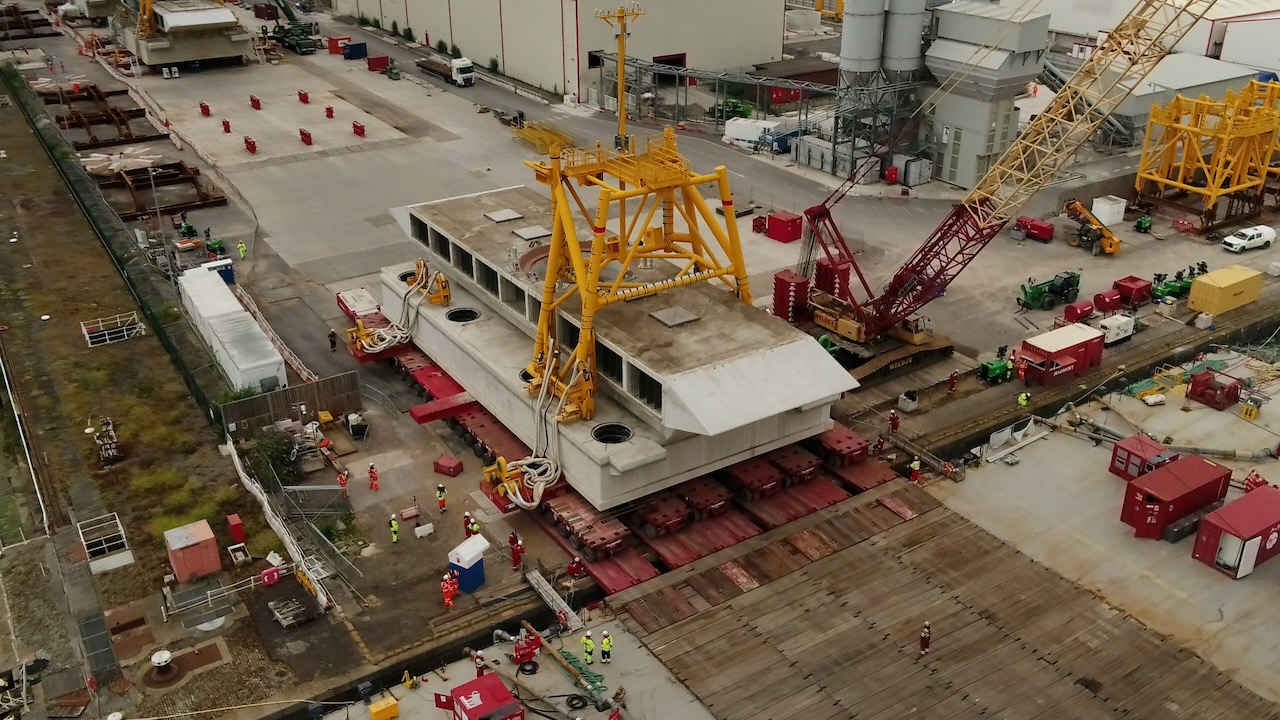
Sizewell C has secured planning approval to manufacture pre-cast concrete tunnel segments and tunnel heads at the former Hinkley Point C facility in Avonmouth, 10 km from Bristol city centre, for installation in marine tunnels at the Suffolk nuclear plant. Components will be shipped by sea to support the project’s commitment to move 80% of materials by rail and sea, reducing heavy vehicle movements around the site. Early works are underway, with 55 CWA staff and 86 supply chain workers on site, and full production targeted for 2028, leveraging existing Hinkley Point C infrastructure and teams.
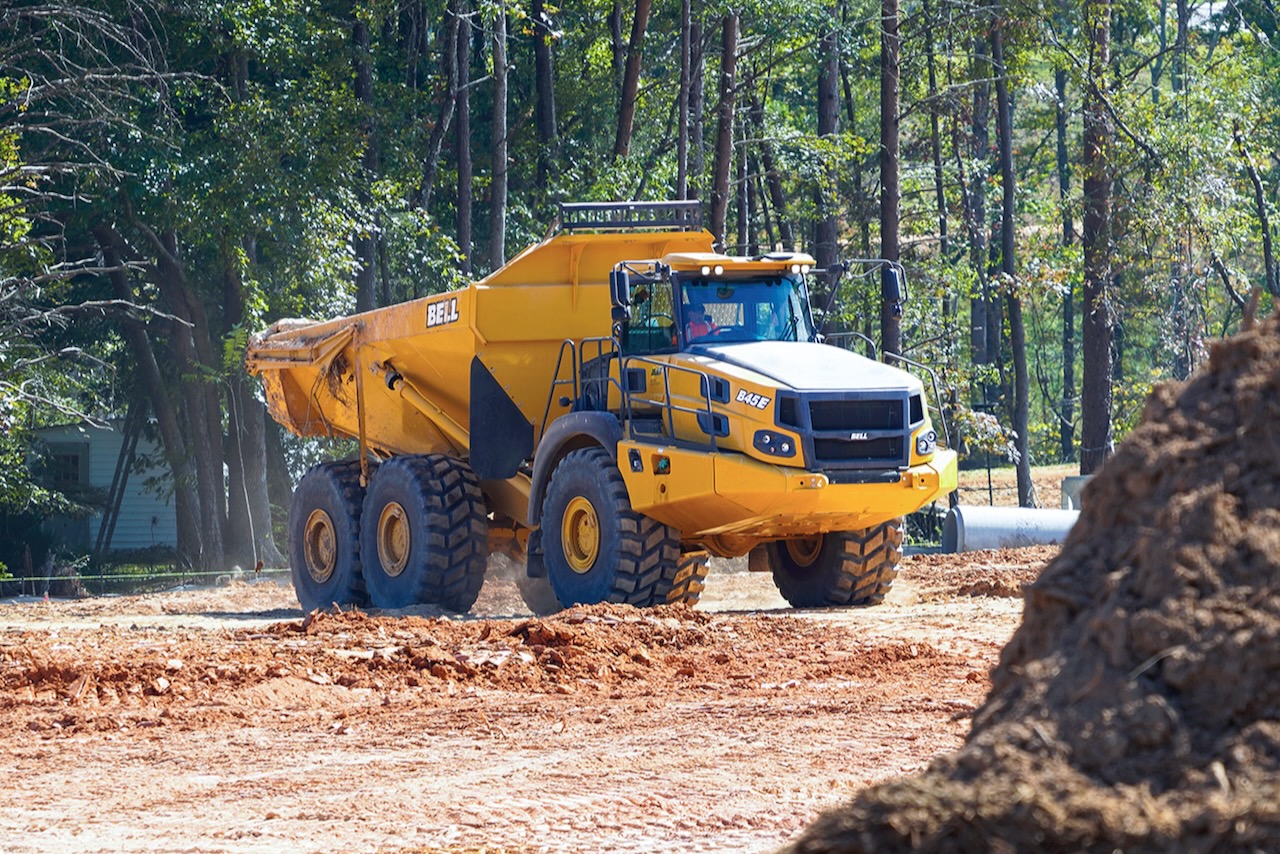
Molson Scotland has been appointed official Bell articulated dump truck dealer for Scotland, supplying models including the Bell B30E ADT from 1 October via service centres at Newhouse and Inverness. The B30E is specified with on-board weighing as standard and remote production monitoring, giving contractors tighter control of payload, haul cycles and cost per tonne on difficult sites. The move extends Molson Group’s existing Bell distribution experience from its US Powerscreen businesses, signalling stronger local support for Bell fleets in Scottish quarrying and earthworks.
Mapei’s tiling system has been installed over more than 3,000 sq m at Darlington Station by The Tiling Company (Northern) for BAM UK & Ireland, as part of the £140m upgrade that includes two new platforms linked by a 50-tonne footbridge. The build-up used Mapeproof One Coat epoxy DPM, Eco Prim Grip Plus, Ultraplan Renovation Screed 3240 and Mapetex anti-fracture, with tiles fixed using Keralastic, Keraquick Easy S1, Keraquick XL Fibrelite and Keraflex Maxi S1, then grouted with Ultracolor Plus. R11/R12 slip-rated surfaces and EMICODE EC1 Plus low-VOC, CO2e-offset products address heavy footfall, moisture and indoor air quality demands.
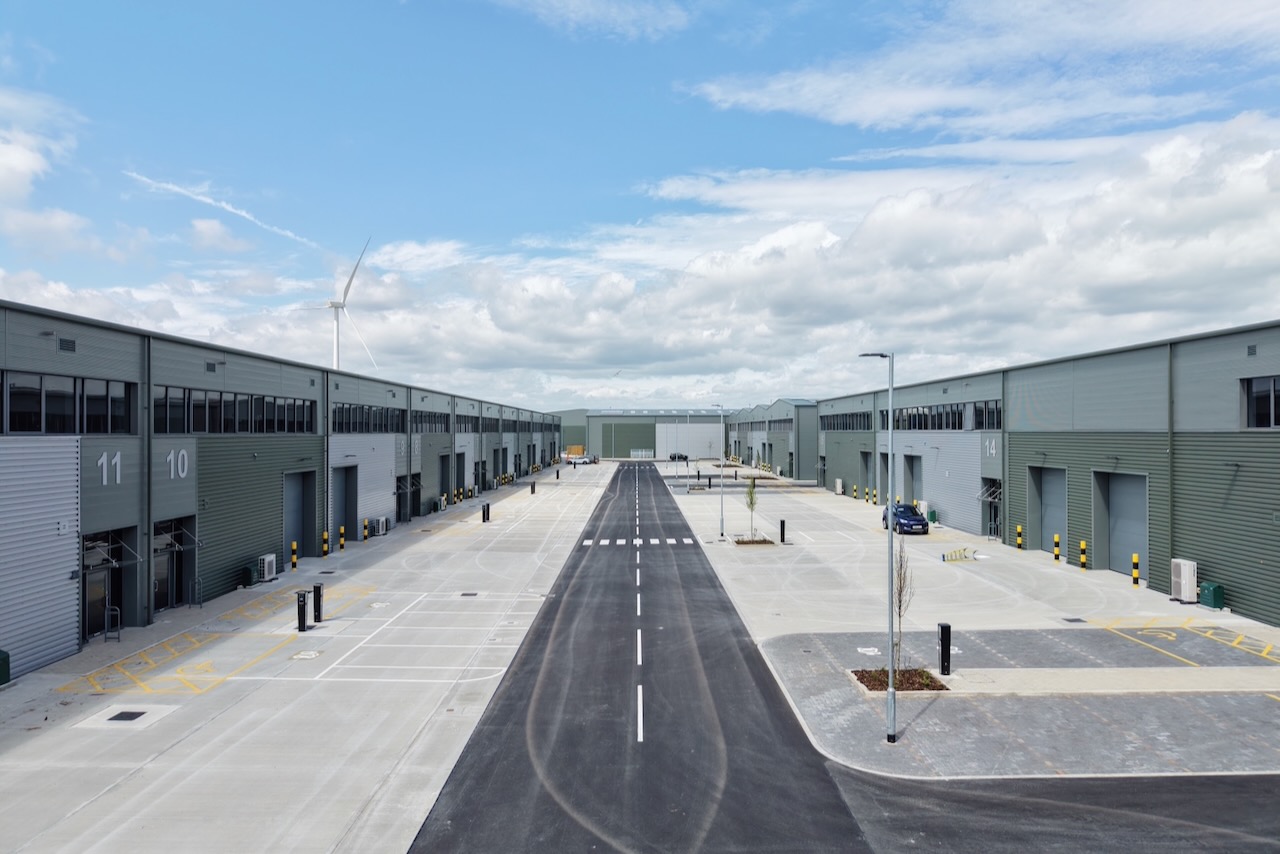
Caddick has completed T45, a new urban logistics scheme on the A63 in Leeds, delivering 23 industrial units ranging from 4,490 sq ft to 32,635 sq ft for developer Chancerygate. All units achieve EPC A, with rooftop PV panels, air source heat pumps, high-performance insulated cladding and roofing, LED lighting, electric vehicle charging points and electric loading doors aimed at cutting operational energy demand. The project also adds fitted office and kitchen space plus landscaped communal and external wellbeing areas, with biodiversity planting integrated into the hardstanding layout.
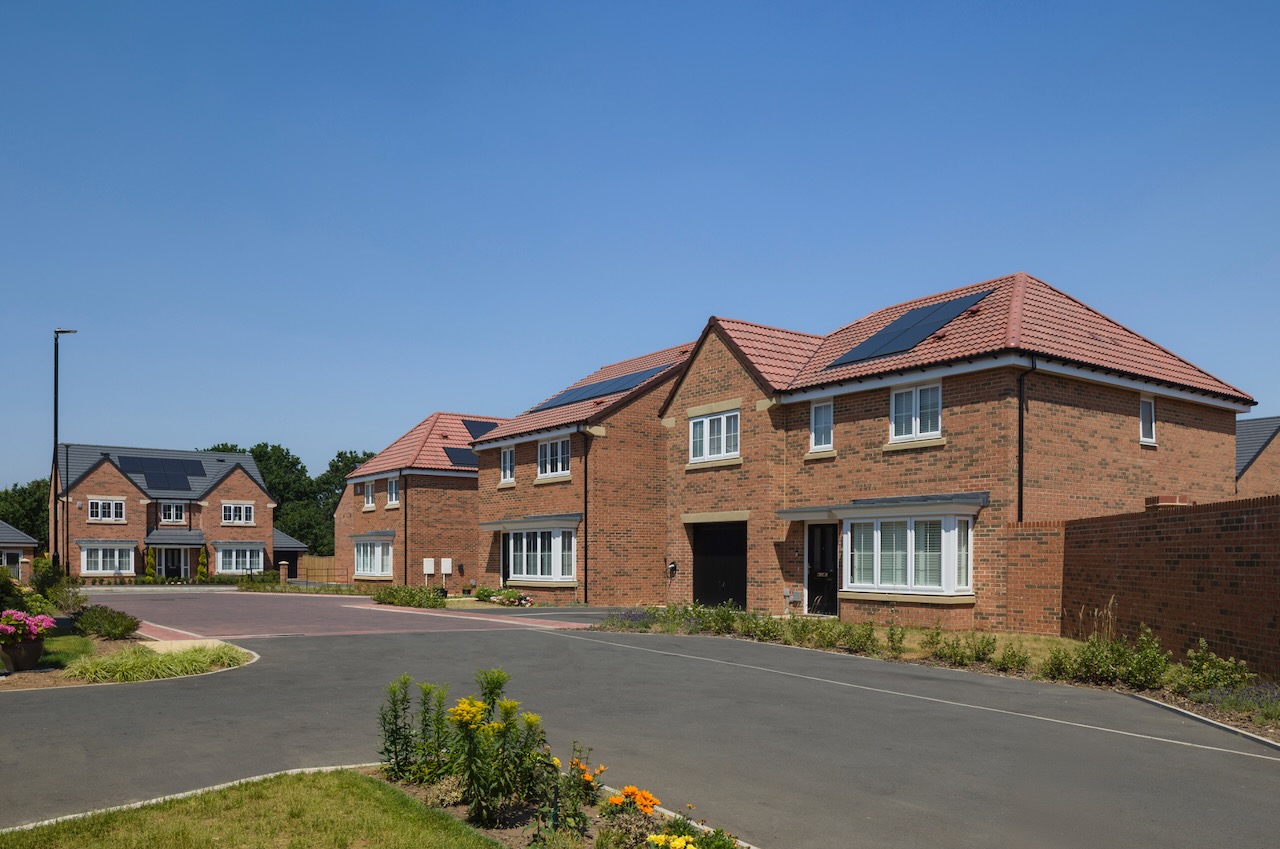
Daiwa House has acquired a 30% minority stake in UK housebuilder Miller Homes from Apollo-managed funds, with Apollo retaining control and no changes to management, capital structure or day-to-day operations. Miller, founded in 1934 and operating from 11 regional offices across England, Scotland and Wales under the Miller Homes and St. Modwen Homes brands, plans to lift output from about 5,000 to 7,000 homes per year across multiple tenures. The deal, subject to regulatory approvals, is expected to complete later in 2024.
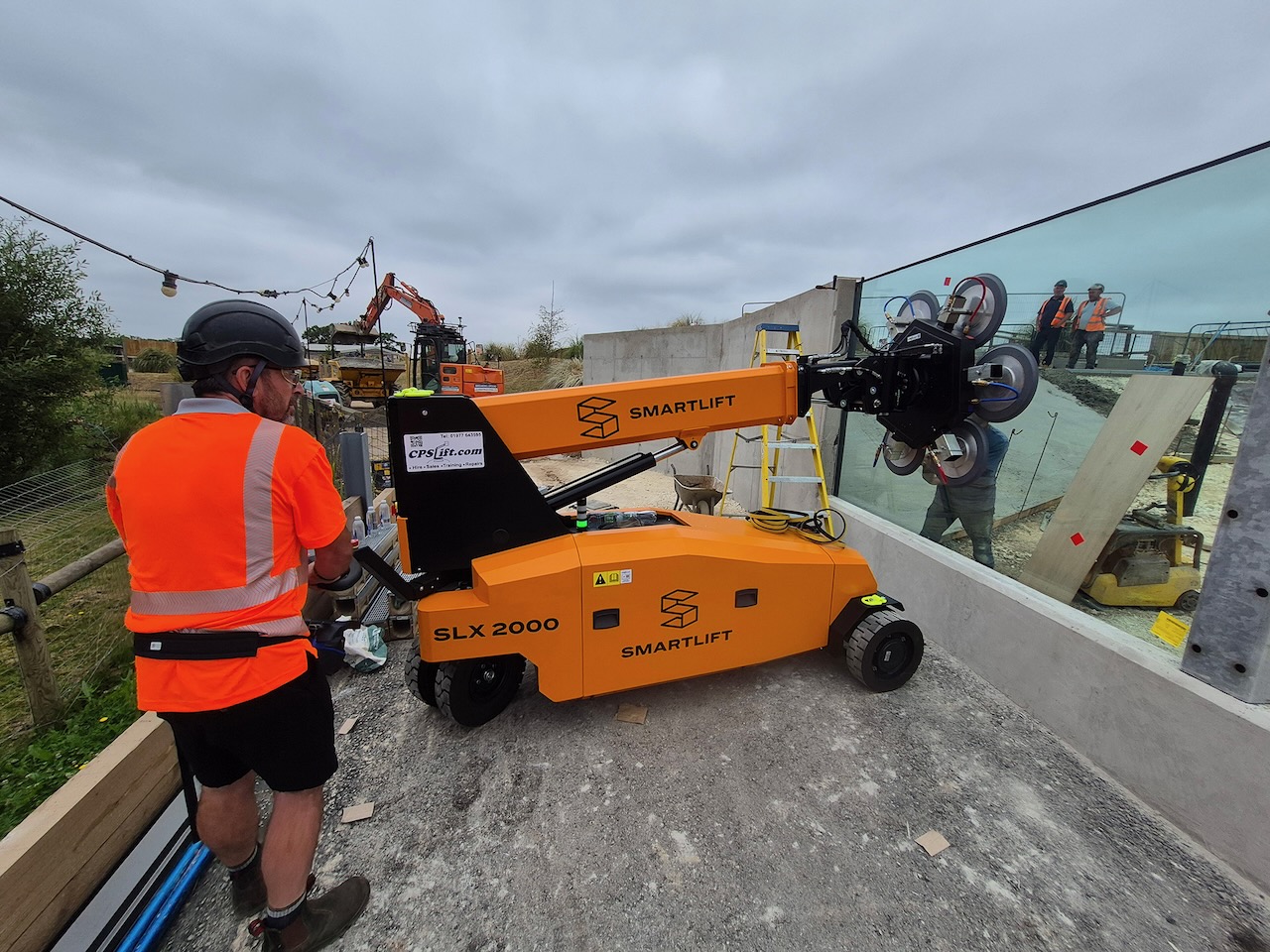
Central Platform Services has used a Smartlift SLX 2000 glazing robot to install 12 structural glass panels, each about 3m x 2m and up to 630kg, at Yorkshire Wildlife Park’s new £1.2m African penguin habitat built by Zooscapes for main contractor Pacy & Wheatley. Over two days, the SLX 2000’s 2,000kg capacity, narrow chassis, power steering and remote control allowed panels to be lifted from stillages, threaded through restricted-access areas and placed over metal framing into recesses with millimetre-scale adjustments. The habitat includes a 552,000-litre pool with rockwork and nesting areas, with glass supplied by Specialist Glass Products in Huddersfield.
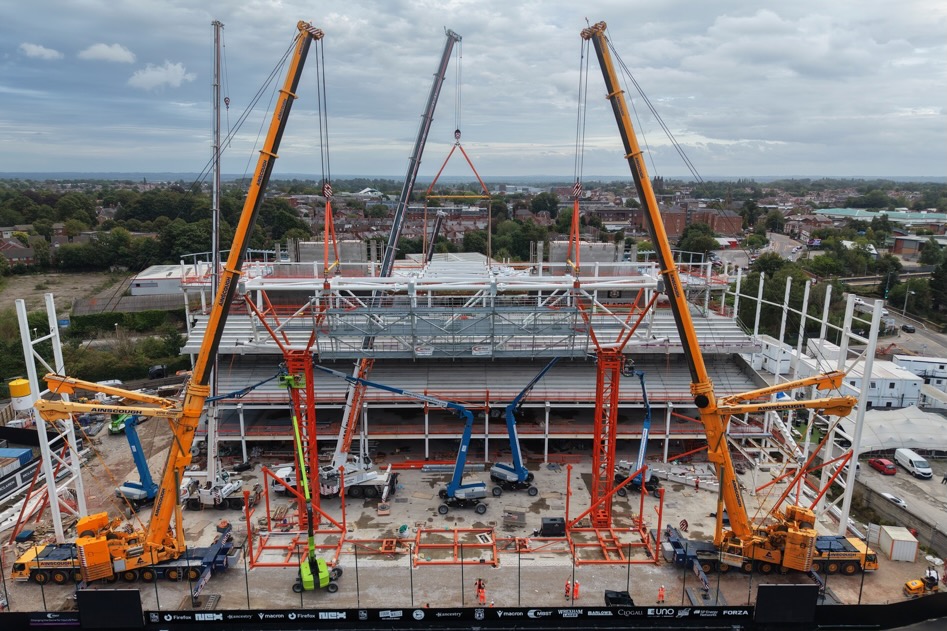
A 125‑tonne inverted ribbon truss has been lifted into place at Wrexham AFC’s Cae Ras, a key step in constructing the new Kop Stand that will take stadium capacity above 18,000 and achieve UEFA Category 4 compliance for the 2027/28 season. The truss, delivered in five sections, was assembled on site and installed using two purpose-designed temporary towers, with de-jacking into its final position to follow once the roof steelwork is fully connected. Principal contractor McLaren Construction and steel specialist J&D Pierce are delivering a 1,500‑tonne steel package with over 31,000 structural bolts, including off-site fabricated, intumescent-coated dolphin beams supporting the upper precast terracing.