Geomechanics, Streamlined.
© 2026 Geomechanics.io. All rights reserved.
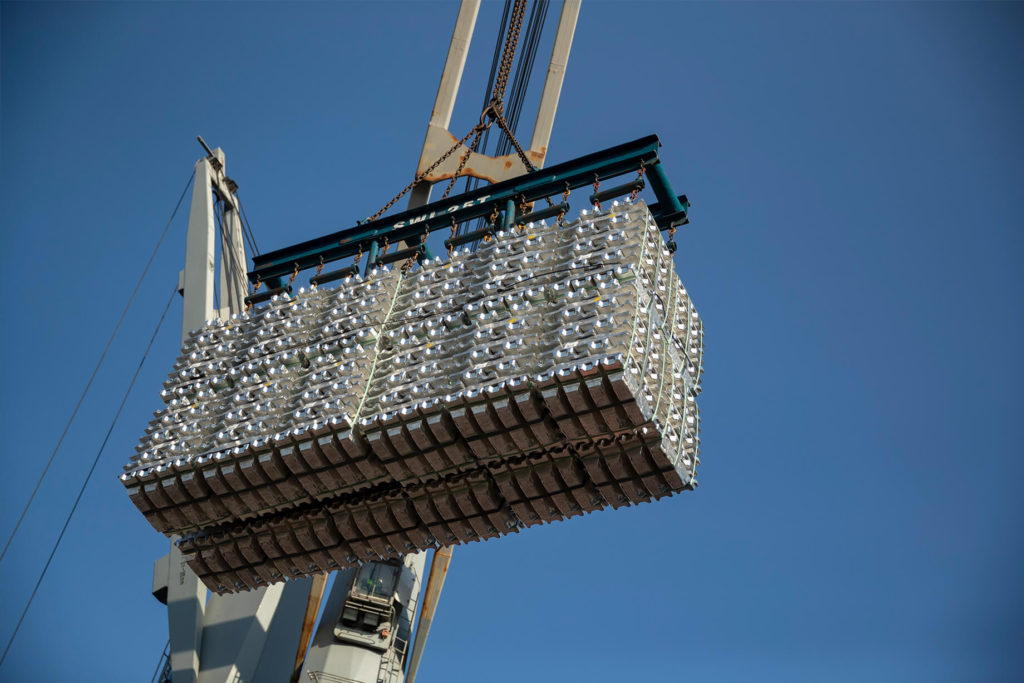
South32 is divesting nearly its entire aluminium portfolio to Alcoa in a deal valued at up to $5.6 billion, covering its 86% stake in Worsley Alumina, 100% of Hillside Aluminium in South Africa, and minority interests in Brazil’s MRN bauxite mine, alumina refinery and smelter, while excluding Mozal Aluminium in Mozambique. Alcoa will pay $3.1 billion in cash, $1 billion in shares (about 6% of its equity), assume roughly $750 million in liabilities and may add up to $750 million linked to aluminium prices to 2030. The transaction shifts South32’s portfolio to base and precious metals with an expected 85% of pro-forma EBITDA from these commodities and a targeted A$125 million per year overhead reduction, while Alcoa projects about $900 million NPV in synergies from the integrated mine–refinery–smelter chain.
Kazakhstan is positioning itself as an active broker between Russia, China and the West, leveraging assets such as the reopened Soviet-era National Geological Survey archive and state uranium producer Kazatomprom while reclaiming major industrial sites like the Qarmet steelworks and the Kostenko coal mine, where 46 miners died in a 2023 explosion. Western oil majors Chevron and ExxonMobil have operated the Tengiz field since 1993, but that mega-project model does not translate directly to fragmented critical minerals supply chains dominated midstream by Chinese processing. For miners, the opportunity hinges on building non-Russian, non-Chinese export routes and in-country processing capacity in a state that now negotiates from far greater economic and political strength than in its early production-sharing era.
Booyco Electronics is reworking underground Proximity Detection Systems by integrating vehicle‑mounted sensors, fixed infrastructure and mine communication networks to cope with confined headings, mixed fleets and signal shadowing. The company is using on‑board data logging and centralised data acquisition to analyse near‑miss events, nuisance alarms and operator response times, then applying AI to tune warning zones and intervention thresholds for specific traffic patterns and geologies. For engineers, the shift is from standalone PDS hardware to mine‑wide, data‑driven collision‑avoidance strategies that must align with existing SCADA and OEM control systems.
Develop Global has awarded a A$70 million open-pit mining and crushing contract to Kalgoorlie-based MLG Oz for direct shipping ore (DSO) operations at the Pioneer Dome lithium project in Western Australia. The scope covers drill-and-blast, load-and-haul and on-site crushing to DSO specification, positioning the project to commence production in the December quarter of 2026. For contractors and suppliers, the award signals imminent demand for pit services, mobile crushing plant and short-lead logistics into the Eastern Goldfields lithium supply chain.
Fortescue has opened its Power Up Training Centre in Perth, Western Australia, to build the electrical workforce required to electrify its Pilbara mining operations. The miner expects to need about 1,800 electricians at the peak of its site-wide decarbonisation programme, signalling a sharp rise in demand for high-voltage, battery-electric and control-systems skills on large iron ore hubs. For engineers, the move points to future project constraints around HV reticulation, trolley assist, and fleet electrification being driven as much by labour capacity as by technology readiness.
Transfer points in African mines are being treated as critical process assets, with Weba Chute Systems warning that poorly designed chutes can throttle whole-plant performance from primary crusher discharge to final product conveyors. The company points to uncontrolled impact, excessive turbulence and misaligned feed as root causes of belt damage, spillage and blockages that cut throughput and raise maintenance. Engineered chutes with controlled material flow, optimised liner layouts and tailored geometries are being adopted to stabilise transfer conditions and extend conveyor and chute life.
Sedna Africa warns that Mobile Private Network (MPN) deployments at African mine sites often fail without upfront “readiness surveys” that map RF propagation, interference sources and coverage gaps across pits, plants and underground workings. The company stresses that autonomous haul trucks, connected-worker wearables and industrial IoT sensors need deterministic latency and throughput, which depend on correct spectrum selection, antenna placement and backhaul design validated in these surveys. Poorly scoped MPNs risk dead zones in crusher areas, unreliable VoIP in decline ramps and insufficient bandwidth for real-time condition monitoring.
Periodic resealing of sealed roads at around seven per cent of network length per year is being promoted by the Australian Flexible Pavement Association (AfPA) as a cost‑effective way to protect Australia’s $137.2 billion‑a‑year road‑dependent transport sector. AfPA’s forthcoming white paper, A Case for Period Road Resealing, argues that programmed reseals extend pavement life, delay heavy rehabilitation and better manage the 260 billion vehicle‑kilometres travelled annually. For asset managers, the message is to prioritise surface renewal cycles over reactive structural rebuilds.
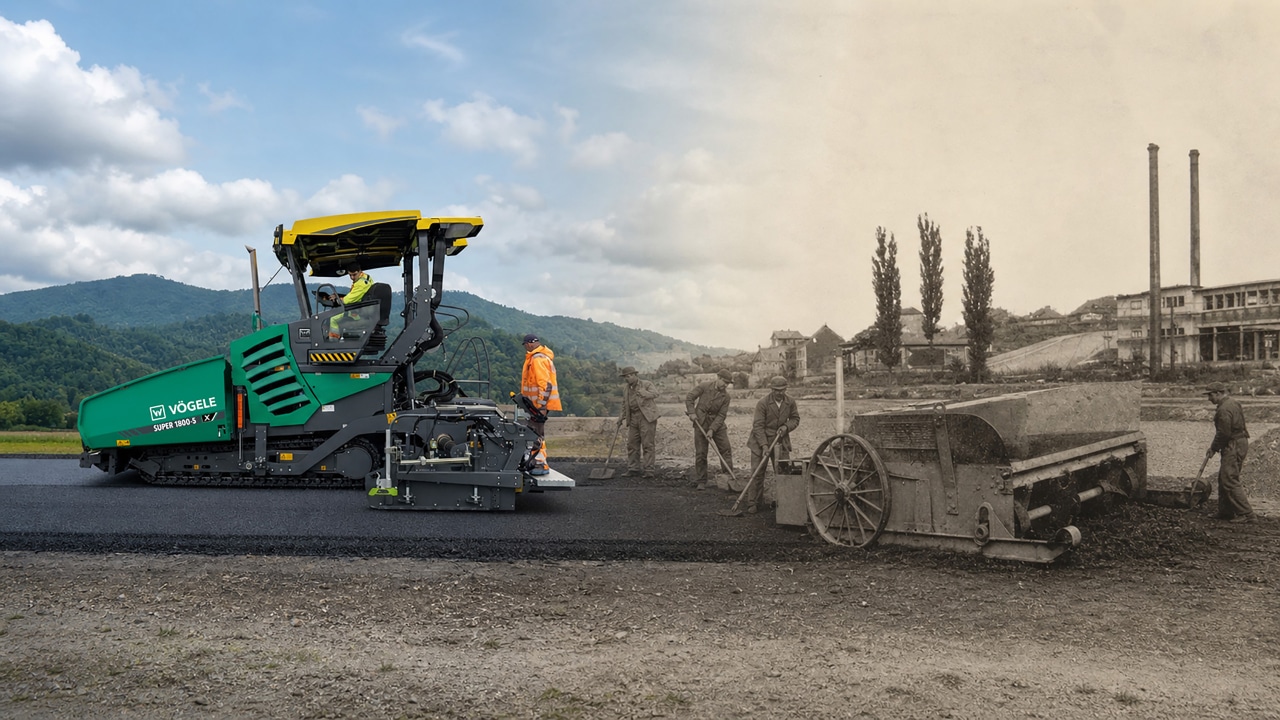
Vögele is marking its 190th anniversary, tracing its evolution from a small blacksmith’s forge to a road paver manufacturer with what it claims is the world’s most varied machine portfolio. The company’s latest-generation pavers build on its first 1928 towed spreader, now offering automation options, integrated digital control solutions and alternative drive concepts aimed at lower emissions. For road contractors, the breadth of machine sizes and drive types allows closer matching of paver configuration to layer thickness, lane width and site constraints.
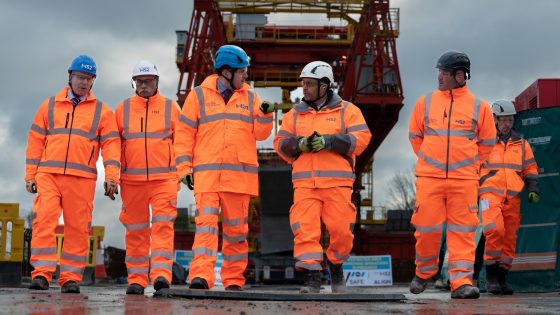
Development of the new integrated Euston Station masterplan is being led as “a team game”, with the delivery body coordinating Network Rail, HS2 Ltd and commercial developers across the constrained West Coast Main Line and HS2 interface. The plan must integrate high-speed and classic rail concourses, over‑site commercial development and major utilities diversions while maintaining operation of existing platforms and passenger flows. For civil and geotechnical teams, early coordination on deck structures, foundation load paths and phased construction sequencing in a live rail environment will be critical.
Young people entering construction are facing careers shaped by digital tools, offsite manufacture and stricter carbon and safety requirements rather than purely site-based manual work. Roles now routinely involve BIM coordination, 4D/5D planning and data-driven asset management alongside traditional civil and structural design. For employers, this shift demands investment in training for software platforms, modern methods of construction and collaborative contracting, with site engineers expected to interpret model-based information and manage increasingly complex temporary works and logistics.
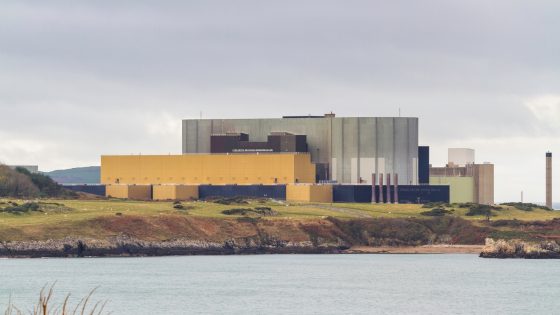
Great British Energy – Nuclear has admitted it “doesn’t hold” any internal breakdown of the £20bn budget it initially forecast for the Small Modular Reactor Technology Partner Contract, despite the figure covering design, licensing and early works for multiple SMR units. The disclosure, made in response to a freedom of information request, raises questions for civil and nuclear contractors about cost allocation for site preparation, nuclear island civils and grid connection works. Lack of line-item clarity at this stage could complicate risk pricing, NEC contract structuring and long-lead procurement.
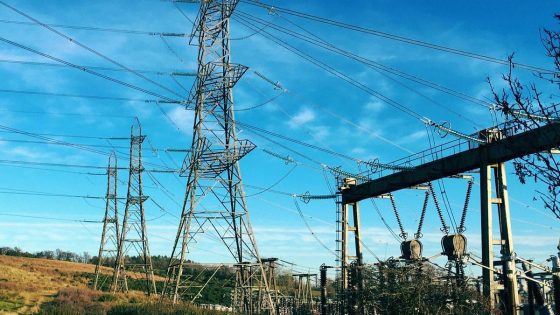
National Grid UK has set up a new cable installation framework worth up to £640M, appointing eight contractors to deliver electricity cable projects across its transmission, distribution and other UK business units. The framework will cover high-voltage underground and subsea cable works, jointing, terminations and associated civil engineering such as duct routes and cable tunnels. Contractors will need to manage complex interfaces with existing substations and overhead line assets, with procurement signalling a sustained pipeline of large-scale grid reinforcement and connection projects.
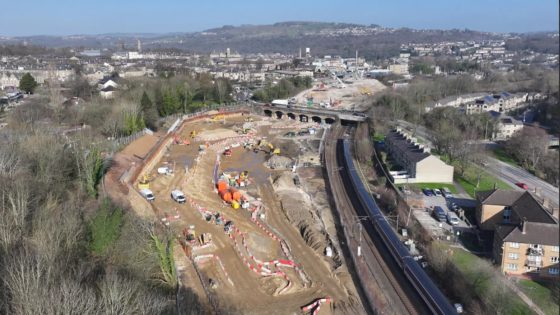
Tru East Alliance has secured a £160M contract under the Transpennine Route Upgrade to design and construct a new rolling stock depot at Shipley for electric and bi-mode trains. The facility is expected to include multiple maintenance roads, stabling sidings, fuelling and CET systems, and overhead line equipment compatible with the upgraded route’s 25kV electrification. Geotechnical and civil works will likely involve track realignment, new service roads and drainage, plus noise and vibration controls to protect adjacent urban and rail infrastructure.
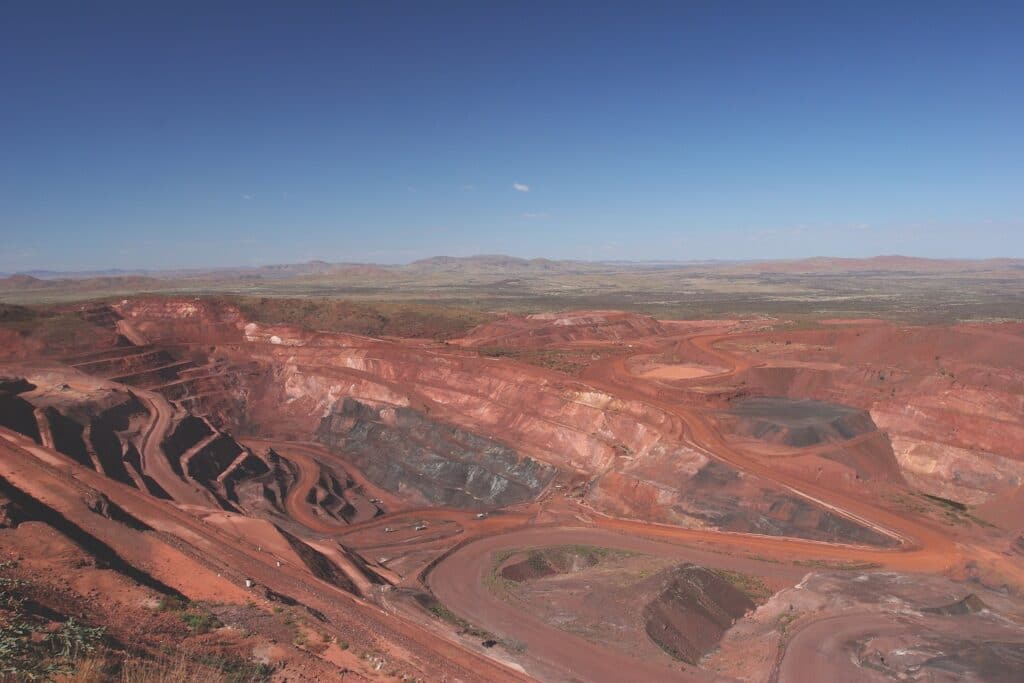
Hancock Iron Ore has produced first ore at its $840 million McPhee Creek iron ore mine in Western Australia’s Pilbara after 19 months of construction, moving the greenfield project from build to production in under two years. The operation adds a new standalone mine to Hancock’s Pilbara portfolio, signalling rapid delivery of mine earthworks, processing plant installation and supporting haul road and pit infrastructure on a tight schedule. Geotechnical and civil contractors will note the compressed programme for bulk earthworks, foundations and materials handling structures in a remote, high-temperature environment.
Metallium Limited has appointed Tim Cooper as chief financial officer to support its commercial strategy and US-focused technology deployment for its metallurgical processing business. Cooper brings over 20 years’ experience in corporate and project finance, including senior roles at Strike Energy, Fortescue, Quadrant Energy and Advanced Personnel Management, covering capital structuring, project funding and financial risk management. The move signals Metallium’s intent to tighten financial governance and secure funding pathways as it scales technology roll-out in the US market.
Greatland Resources has reported a combined Ore Reserve of 5.0Moz of gold and 196,000 tonnes of copper as at 31 March 2026 for its Telfer-Havieron complex in Western Australia, incorporating a revised Telfer reserve and the existing Havieron Ore Reserve. The update signals a multi-decade mine life strategy for the integrated gold–copper operation, supporting long-term planning for pit and underground sequencing, plant utilisation and regional infrastructure. Geotechnical and mine planning teams can now anchor slope design, ground support regimes and tailings capacity studies to a materially larger, better-defined reserve base.
Southern Cross Gold Consolidated has started development of an exploration decline at its Sunday Creek gold–antimony project in Victoria, with PYBAR Mining Services firing the first cut on the new portal about 60km north of Melbourne. The decline is the first new underground access in the historic field for roughly 20 years, signalling a shift from surface drilling to underground drilling platforms and bulk sampling. Geotechs and mine planners should expect detailed ground characterisation, ventilation design and water management to follow as the decline advances beneath previously worked structures.
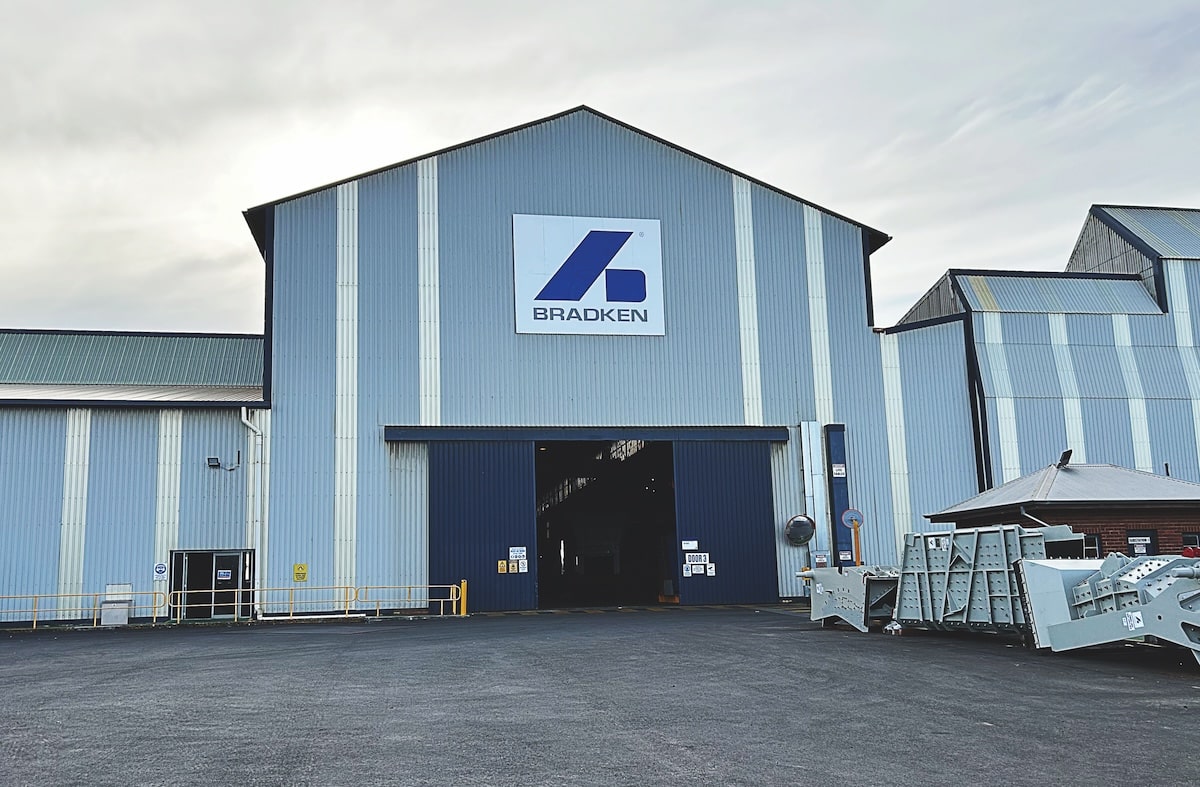
Bradken has expanded its Western Australian facility to provide full asset refurbishment and long-term maintenance for mining equipment, building on its century-long experience in wear solutions for mills, crushers and mobile fleets. The site integrates in-house foundry-grade wear materials, precision machining and on-site condition monitoring to extend component life and reduce unplanned shutdowns. For operators, the move signals greater local capacity for large-scale rebuilds and lifecycle management of high-wear assets in iron ore and other bulk commodity operations.
Government has ruled out, for now, creating a development corporation for the proposed Forest City 1 (FC1) new settlement in Cambridgeshire, stating there are “no current plans” to launch the necessary consultation. The decision stalls any formal masterplanning route that would typically enable large-scale land assembly, strategic transport corridors and utility corridors to be coordinated under a single statutory body. For civil and geotechnical teams, this delays clarity on potential major packages such as trunk road upgrades, rail interfaces and phased groundworks for a new city-scale footprint.
Passenger services have resumed on the Midland Main Line near Bedford after Network Rail completed complex recovery and structural assessment works following a collision between two East Midlands Railway trains. Engineers used rail-mounted cranes and specialist lifting frames to remove the damaged rolling stock, then carried out detailed track geometry checks, ballast replacement and ultrasonic rail inspections over the affected section. The line’s reinstatement required verification of overhead line equipment alignment and signalling integrity, with temporary speed restrictions expected until full track behaviour under traffic is confirmed.
High Speed Rail Group chair and former rail minister Huw Merriman is urging UK rail schemes to be planned with an “impossible to stop” mindset so they can withstand changes of government and policy reversals like the curtailed HS2 Phase 2. He argues for earlier land assembly, clearer long-term funding envelopes and stronger statutory protections in development consent orders to lock in route alignments and major structures. For designers and contractors, this points to front-loading optioneering, safeguarding corridors and integrating phasing so partially built assets retain standalone operational value.
The National Audit Office has warned the Department for Transport and HS2 Ltd not to sign off the reset of the curtailed HS2 scheme, including the revised Phase 1 between London Euston and the West Midlands, until they are confident updated cost and schedule estimates are realistic. It calls for a full reassessment of capital expenditure, contingency and risk allowances, and construction timelines before committing to major contracts for tunnels, viaducts and stations. The intervention signals tighter scrutiny of programme controls, cost escalation and delivery risk on remaining HS2 civil works.
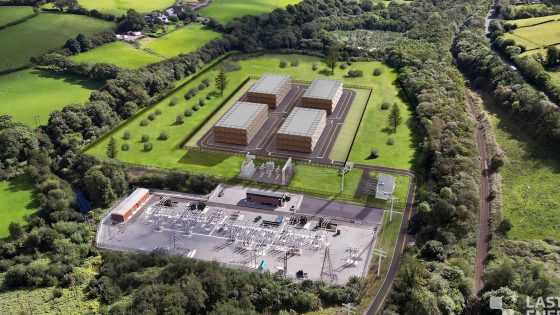
New images on the Welsh Government’s planning portal show Last Energy’s proposal for four 20MW pressurised water micro modular reactors at the Llynfi Clean Energy Project in South Wales, each housed in a compact, factory-fabricated unit. The visualisations indicate below-grade reactor vaults, on-site switchyard and cooling infrastructure, and modular transport routes suitable for delivery by road. For civil and geotechnical teams, the scheme points to concentrated nuclear loads on a relatively small footprint, tight construction sequencing, and significant below-ground works in a former coal valley setting.