Geomechanics.io

  • Free Tools
Sign UpLog In

Geomechanics.io

Geomechanics, Streamlined.

© 2026 Geomechanics.io. All rights reserved.

Geomechanics.io

CMRR-ioGEODB-ioHYDROGEO-ioQCDB-ioFree Tools & CalculatorsBlogLatest Industry News

Industries

MiningConstructionTunnelling

Company

Terms of UsePrivacy PolicyLinkedIn
    AllGeotechnicalMiningInfrastructureMaterialsHazardsEnvironmentalSoftwarePolicy
    Projects
    Contract Award

    Rio Tinto Rincon lithium financing: delivery and infrastructure lens for engineers

    March 11, 2026|

    Reviewed by Joe Ashwell

    First reported on International Mining – News

    30 Second Briefing

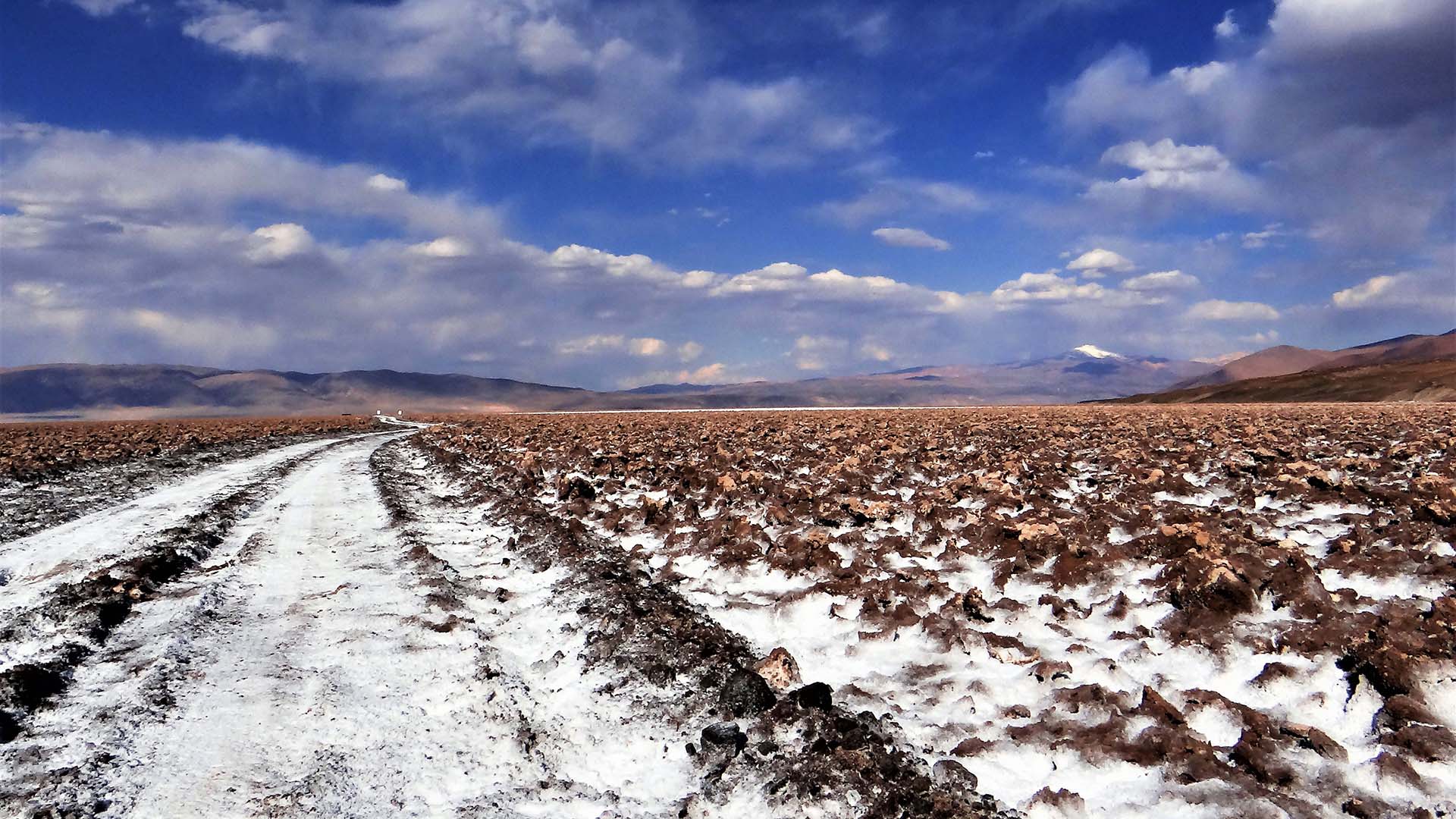
    Rio Tinto has secured a US$1.175 billion financing package from four international lenders to advance construction of its Rincon lithium brine project in Argentina’s Salta Province. The package combines loans from the International Finance Corporation, IDB Invest, Export Finance Australia and the Japan Bank for International Cooperation, signalling strong multilateral backing for large-scale lithium chemicals capacity. For project engineers and contractors, the funding de-risks early works, evaporation pond construction and processing plant delivery, and locks in capital for associated power, water and access infrastructure in the high-altitude Puna.

    Technical Brief

    • Multilateral lender due diligence will drive formalised groundwater management, brine extraction monitoring and community consultation frameworks.
    • Lender oversight typically requires independent technical engineer reviews of geotechnical design, construction progress and cost-to-complete.
    • Financing tenor and covenants are likely to constrain schedule slippage, incentivising modular plant construction and phased ramp-up.
    • Similar lithium brine projects in the Puna region may benchmark Rincon’s financing structure for future bankability.

    Our Take

    The same lender group backing Rio Tinto at Rincon – IFC, IDB Invest, Export Finance Australia and JBIC – also appears in our coverage of the first 200 t shipment of lithium carbonate from Salta, signalling a coordinated push to de‑risk this Argentine brine supply chain from pilot exports through to full build‑out.

    Among our lithium‑tagged mining pieces, Rincon stands out as one of the few South American projects with a large, multi-agency export credit and development finance package, which typically comes with stricter ESG and community engagement covenants than commercial bank debt.

    For Rio Tinto, securing this structured financing in Salta Province diversifies its lithium footprint away from Australia at a time when our database shows most new lithium capacity stories are still concentrated in Australian hard‑rock projects rather than Argentine brines.

    Geotechnical Software for Modern Teams

    Centralise site data, logs, and lab results with GEODB-io, CMRR-io, and HYDROGEO-io.

    No credit card required.

    • Save and export unlimited calculations
    • Advanced data visualisation
    • Generate professional PDF reports
    • Cloud storage for all your projects

    Prepared by collating external sources, AI-assisted tools, and Geomechanics.io’s proprietary mining database, then reviewed for technical accuracy & edited by our geotechnical team.

    Related Articles

    Gold and silver price weakness: planning implications for mine project teams
    Mining
    about 10 hours ago

    Gold and silver price weakness: planning implications for mine project teams

    Gold slipped below $5,100/oz on Friday, touching about $5,020 and heading for a second straight weekly loss as the Middle East war drives up oil and gas prices and keeps interest rate cut expectations low. The metal has traded in a tight $5,000–$5,200/oz range since an early-month spike after the US-Israeli strike on Iran, and is now almost 9% off its late-January record near $5,600/oz, though still 17% higher year-to-date. Silver fell almost 5% to just above $80/oz, with only a 10% gain so far in 2026.

    Rio Tinto’s Nemaska lithium plant slowdown: schedule and feed risks for mine planners
    Mining
    about 12 hours ago

    Rio Tinto’s Nemaska lithium plant slowdown: schedule and feed risks for mine planners

    Rio Tinto is slowing construction of the Nemaska lithium hydroxide conversion plant at Bécancour, Quebec, cutting its contractual workforce by about 50% while keeping several hundred workers on site, but still targets commissioning this decade and first production in 2028. The plant is roughly 70% complete, designed for 32,000 tonnes per year of lithium hydroxide, with Rio planning US$300 million of investment alongside a C$200 million commitment from the Quebec government, which retains 46.1%. Nemaska’s integrated project is based on a 26‑year Whabouchi open‑pit/underground mine producing 200,000 tonnes of spodumene concentrate annually, though Rio is reassessing feed against its Galaxy hard rock project, with a decision due in H2 2026.

    Oil shock and mining costs: BMO sensitivities unpacked for project teams
    Mining
    about 17 hours ago

    Oil shock and mining costs: BMO sensitivities unpacked for project teams

    Rising Brent crude above $100/bbl could lift iron ore cash costs by about 20%, copper by 16% and gold by 9% if prices hold near that level, BMO Capital Markets estimates from Wood Mackenzie data. Historical sensitivities show iron ore costs rising ~4.2% for every 10% oil increase, versus 3.5% for copper and 1.9% for gold, with diesel now only ~5% of copper site costs but higher energy feeding through power, consumables, labour and equipment. Africa and the Americas appear less exposed than Europe and Asia, while sulphur and ammonia flows via the Strait of Hormuz threaten acid and explosives input costs.

    Related Industries & Products

    Construction

    Quality control software for construction companies with material testing, batch tracking, and compliance management.

    Mining

    Geotechnical software solutions for mining operations including CMRR analysis, hydrogeological testing, and data management.

    CMRR-io

    Streamline coal mine roof stability assessments with our cloud-based CMRR software featuring automated calculations, multi-scenario analysis, and collaborative workflows.

    HYDROGEO-io

    Comprehensive hydrogeological testing platform for managing, analysing, and reporting on packer tests, lugeon values, and hydraulic conductivity assessments.

    GEODB-io

    Centralised geotechnical data management solution for storing, accessing, and analysing all your site investigation and material testing data.