Hydrogen to decarbonise asphalt production: performance insights for UK pavement engineers
Reviewed by Tom Sullivan
First reported on New Civil Engineer
30 Second Briefing
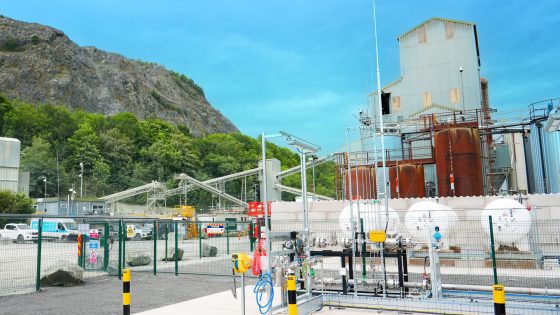
Hydrogen has been used by Heidelberg Materials UK to decarbonise asphalt production on an industrial scale for the first time in the UK, replacing conventional fossil fuel combustion in the drying and heating phase of the mixing process. The trial, conducted in a full-scale asphalt plant rather than a laboratory rig, demonstrates that hydrogen burners can maintain production temperatures and binder performance within standard specification limits. For pavement designers and contractors, this signals emerging scope to cut Scope 1 emissions from asphalt plants without changing mix designs or laying procedures.
Technical Brief
- For other plants, the work provides an early reference case for hydrogen-ready burner conversion strategies.
Our Take
Hydrogen appears in 16 keyword‑matched pieces in our database, and several UK items – including the Lower Thames Crossing green hydrogen supply – are now moving beyond pilots, signalling that hydrogen is being tested across both construction processes and materials like asphalt rather than in energy systems alone.
With Heidelberg Materials UK using hydrogen in asphalt and GeoPura supplying green hydrogen for National Highways’ Lower Thames Crossing, the United Kingdom is emerging in our coverage as the most active European testbed for hydrogen in road‑building supply chains.
For materials producers, hydrogen‑fuelled asphalt in the UK suggests that early access to regional hydrogen transport and storage networks, such as the Humber proposal highlighted in another related piece, could become a locational advantage when bidding for low‑carbon infrastructure work.
Prepared by collating external sources, AI-assisted tools, and Geomechanics.io’s proprietary mining database, then reviewed for technical accuracy & edited by our geotechnical team.