Geomechanics, Streamlined.
© 2026 Geomechanics.io. All rights reserved.
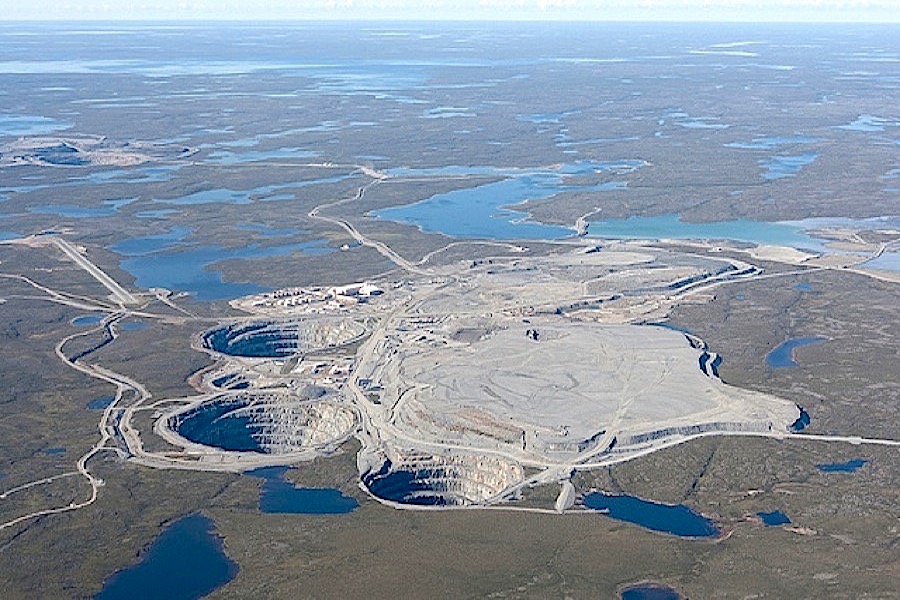
Canada’s first diamond mine, Ekati, 300 km northeast of Yellowknife, will shut after the Supreme Court of British Columbia placed owner Arctic Canadian Diamond Company, a Burgundy Diamond Mines subsidiary, into receivership despite a C$115 million federal loan in December 2025. The Northwest Territories government has applied to appoint PricewaterhouseCoopers as Receiver and will advance funds using the mine’s reclamation security to manage closure, site stability and environmental protection. Ekati’s closure follows Rio Tinto’s Diavik shutdown in March, leaving Gahcho Kué as Canada’s last diamond mine, currently expected to cease production by 2028.
Hitachi Construction Machinery and Pronto have signed an MoU to develop open, OEM-agnostic mine automation solutions built around Pronto’s tiered Autonomous Haulage Systems, which retrofit to existing haul trucks from any manufacturer. Pronto’s AHS has already hauled millions of tonnes in mixed-fleet commercial operations across three continents, while Hitachi contributes a large global installed base of mining equipment and long-running autonomy R&D. The partnership targets miners seeking fleet-agnostic automation that can be flexibly deployed from regional quarries to deep-pit mines without locking into a single vendor platform.
MMD Group has delivered two new Sizer Stations to the Mae Moh lignite mine in Thailand for the Electricity Generating Authority of Thailand (EGAT), extending a multi-phase upgrade from conventional crushers to modern mineral sizing. The stations use MMD’s twin-shaft sizer technology to handle variable lignite feed while controlling product top size for downstream power plant requirements. For mine planners and maintenance teams, the shift to modular sizer stations implies different layout, foundation loading, and wear-part strategies compared with traditional primary crushing plants.
Hitachi Construction Machinery and Australian autonomy specialist Pronto have signed a global memorandum of understanding to develop open-architecture mine automation for haul trucks and other mobile equipment. The partnership targets interoperable fleet control, collision avoidance and autonomous haulage that can integrate with mixed OEM fleets rather than locking sites into proprietary ecosystems. For mine operators, this signals more flexible retrofit options for existing Hitachi and non-Hitachi fleets, with potential to phase in autonomy on brownfield haul roads and benches without full system replacement.
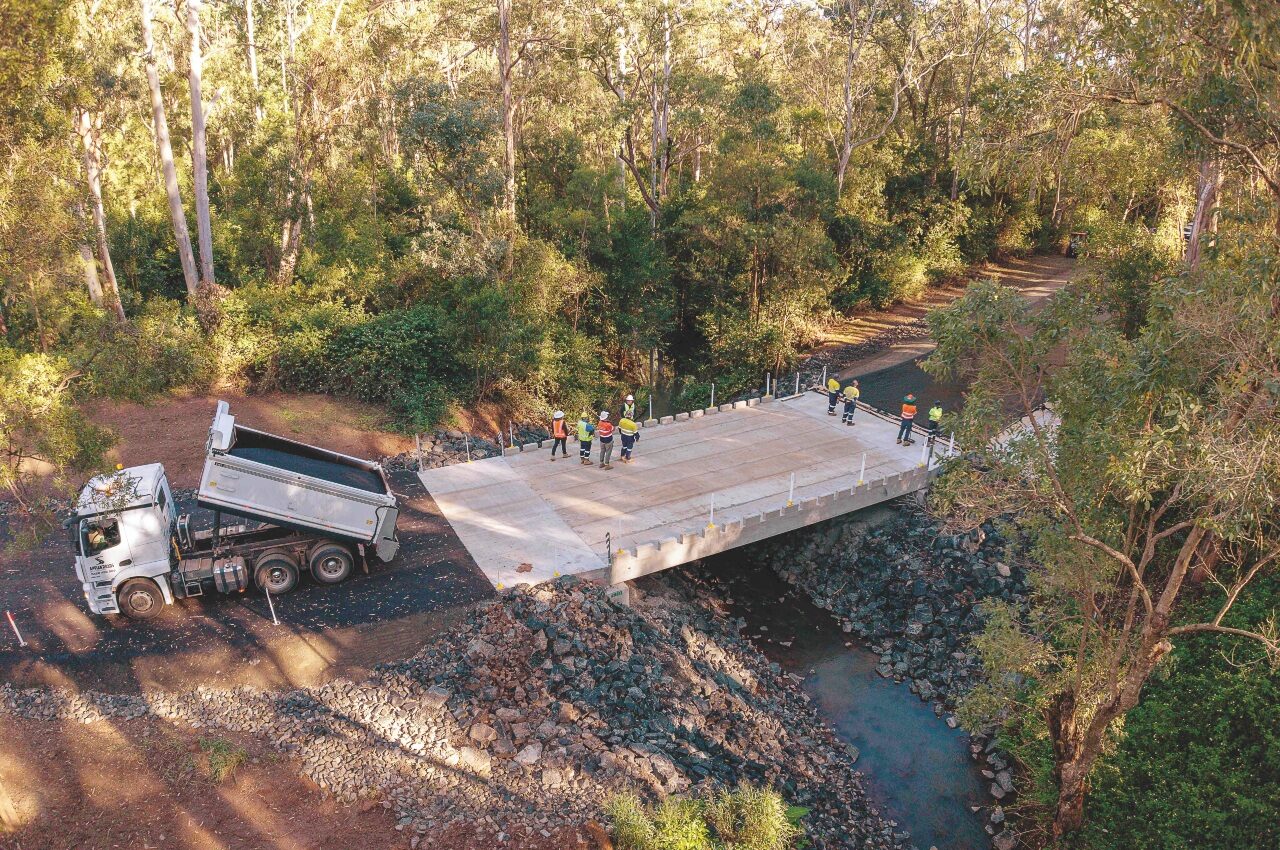
Georgiou is expanding a national disaster recovery portfolio, delivering flood and cyclone reconstruction works such as the Toowoomba Regional Council Flood Recovery Program following three major flood events in 2021–22. Queensland now allocates an estimated 30–40 per cent of its transport infrastructure budget to flood-related works, while unresolved reconstruction in New South Wales alone exceeds $7 billion. For civil and geotechnical teams, this signals sustained demand for rapid pavement rehabilitation, drainage upgrades and slope stabilisation under compressed funding and delivery windows.
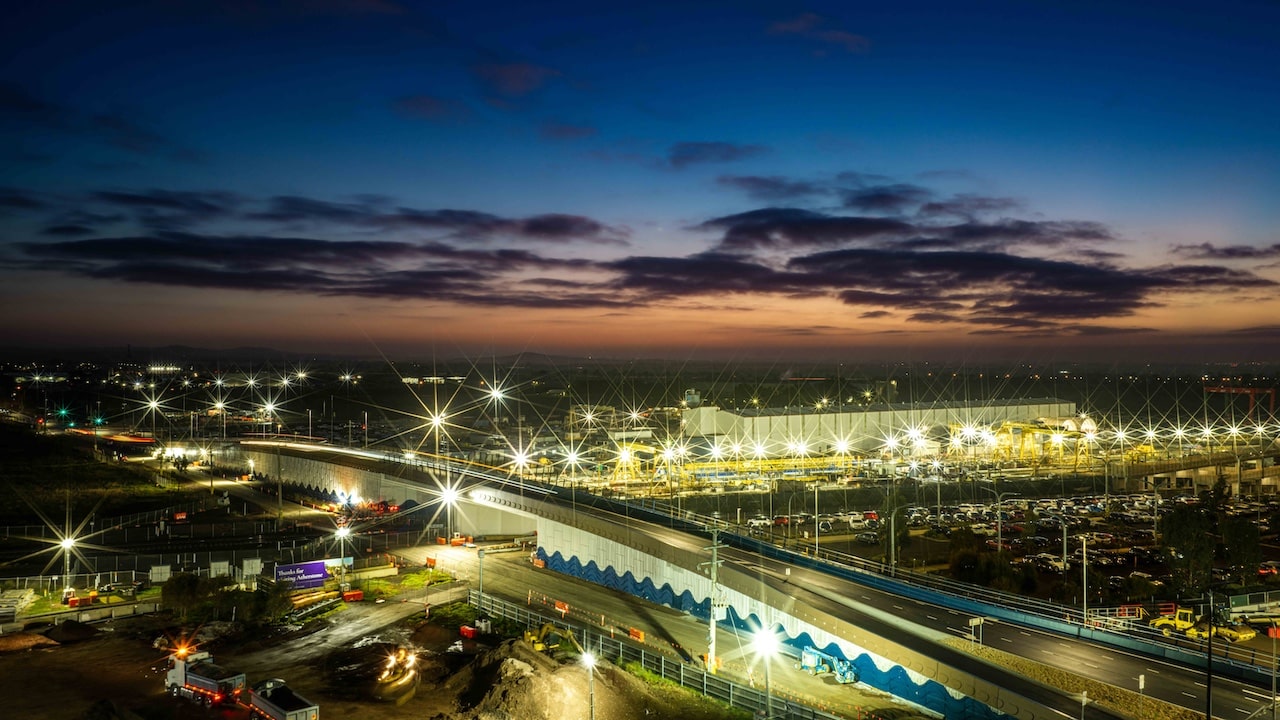
Removal of the Ferris Road level crossing in Melton has opened a new road bridge over the rail corridor, contributing to Victoria’s Level Crossing Removal Project reaching 92 eliminated crossings across the network. The grade separation removes boom-gate delays on this key west Melbourne arterial, allowing continuous road traffic while maintaining rail operations beneath. For designers and contractors, the project signals ongoing demand for bridge structures and approach embankments that can be built under live traffic and rail possession constraints.
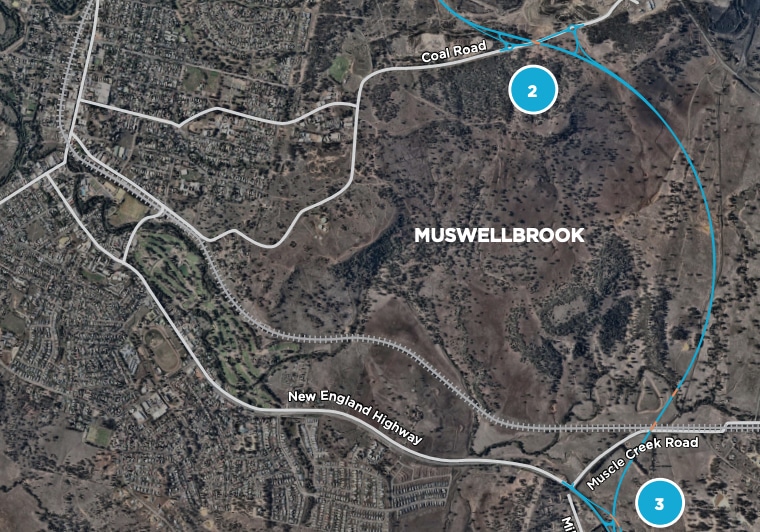
Construction of the $382 million Muswellbrook Bypass north-west of Newcastle is advancing, with a refined design released and shortlisted contractors moving to the request-for-tender stage for the main works. The jointly funded project, with $304.8 million from the Federal Government and $76.2 million from New South Wales, will realign the New England Highway around Muswellbrook to remove heavy through-traffic from the town centre. For designers and contractors, the current phase locks in key horizontal and vertical geometry, structures scope and geotechnical investigation requirements ahead of detailed design.
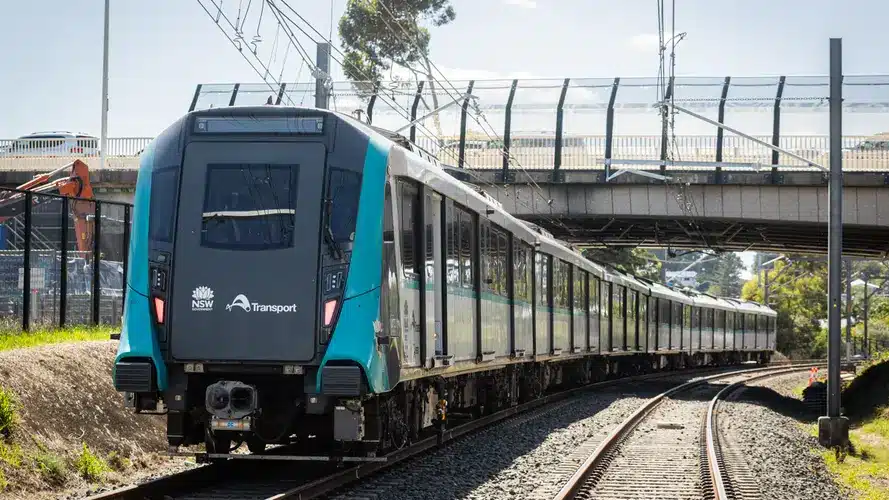
Final testing on Sydney’s Southwest Metro is under way, with driverless trains now running the full length of the newly connected line ahead of handover to operator Metro Trains Sydney. The section forms a key link in the wider Sydney Metro network, designed for high‑frequency, automated services using platform screen doors and dedicated metro tunnels. Current works focus on integrated systems testing across signalling, communications and station interfaces, a critical phase for validating headways, dwell times and reliability before opening to passengers.
Global performance guarantee provider Credeq is expanding the use of contract performance guarantees (surety) to support major construction and infrastructure projects in Australia and New Zealand as contractors face tighter balance sheets, larger package sizes and more complex risk allocation. Drawing on more than 35 years of specialist credit risk insurance, Credeq structures surety facilities alongside or instead of traditional bank guarantees, freeing working capital for plant, design teams and delivery partners. For engineers and project owners, this shifts focus from collateral constraints to verifying contractor capability, programme risk and performance triggers embedded in guarantee wordings.
A $30 million Federal Government investment under the National Regional Roads Australia Mobile Program (RRAMP) will target improved multi-carrier mobile coverage on regional and remote highways. Grants will back roadside telecommunications upgrades such as new or co-located base stations and backhaul improvements along key freight and tourism corridors, where current blackspots impede incident response and asset management. For road authorities and contractors, better coverage supports connected workforces, real-time condition monitoring and safer traffic management on long, low-volume links.
Climate resilience in UK infrastructure is still costed as a discretionary add‑on rather than embedded in core asset performance, despite recent events such as 2024–25 surface water flooding overwhelming drainage networks and shutting key rail corridors. Current appraisal methods in business cases often discount benefits from avoided disruption, reduced whole‑life repair, and performance beyond a 1-in-100-year event, skewing designs towards minimum compliance. For geotechnical and civil engineers, this pushes short design lives, under‑sized culverts and embankments, and retrofit flood protection instead of upfront measures like higher freeboard, larger conveyance capacity and redundancy in critical links.
Whole life cost estimates for the Government’s 189-scheme Major Project Portfolio (GMPP) now exceed projected economic benefits by £320.6bn, signalling a substantial negative net present value across the programme. The GMPP covers large transport, defence, energy and social infrastructure schemes, many with multi-decade design lives and complex geotechnical and structural risk profiles. For civil and geotechnical teams, the figures increase pressure to justify specification choices, optimise whole life maintenance and carbon, and tighten cost–benefit assumptions at early design and ground investigation stages.
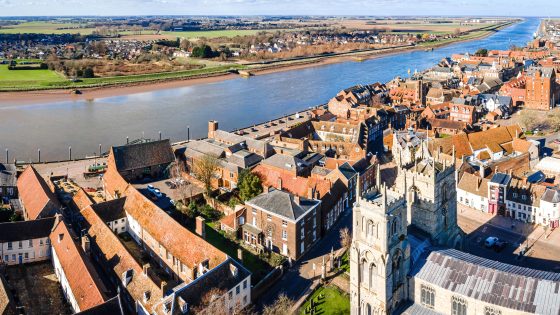
King’s Lynn and West Norfolk Borough Council has appointed two contractors to a new framework covering routine and emergency repairs to its coastal defence assets. The arrangement is expected to support rapid mobilisation for works on sea walls, embankments and flood banks protecting low-lying areas around The Wash, where defences are critical against North Sea storm surges. For geotechnical and civil contractors, the framework signals ongoing demand for armour stone placement, concrete revetment repairs and maintenance of earth embankments under short-notice call-off conditions.
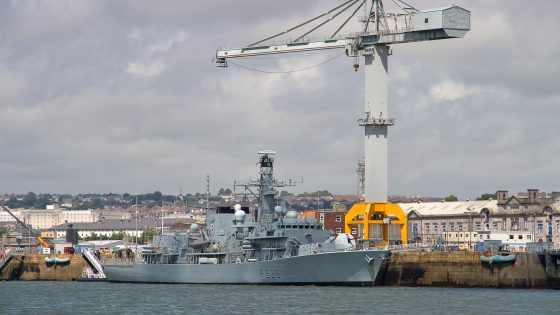
The Ministry of Defence has launched a £26bn, 10-year programme to modernise the Royal Navy’s three principal naval bases, billed as the largest naval infrastructure investment since the Cold War. Works are expected to include major upgrades to quays, dry docks and utilities to support larger surface vessels and nuclear-powered submarines, alongside digitalised asset management and hardened waterfront structures for climate resilience. Civil and geotechnical contractors can anticipate extensive marine piling, ground improvement and complex phasing to keep operational berths and dockyards live throughout construction.
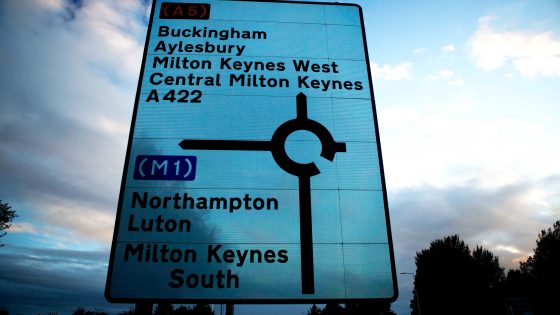
Buckinghamshire Council has started a Preliminary Market Engagement to shape procurement of two complementary Highways Framework Contracts covering highways, transport, drainage, structures and environmental improvement works across the county. The frameworks are expected to package routine and capital works such as carriageway resurfacing, drainage upgrades and bridge and retaining wall maintenance into multi-year, multi-supplier arrangements. Contractors and consultants are being asked to comment on lot structure, contract form and delivery models, which will influence risk allocation, pricing mechanisms and capacity requirements for future tenders.
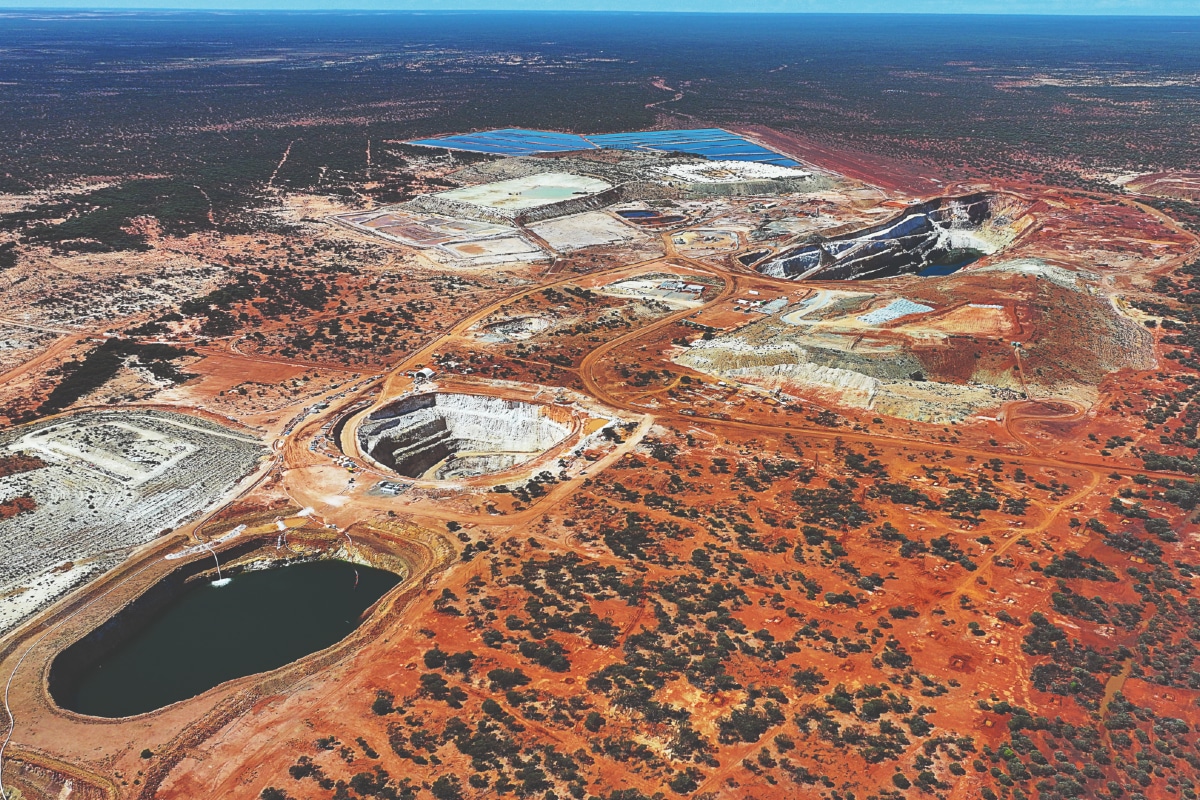
Rox Resources has reported high-grade underground diamond drilling results at the United North lode of the Youanmi gold project in Western Australia, including 4.6m at 9.6g/t gold from 131.58m, indicating mineralisation extending beyond the current definitive feasibility study mine plan. The intercepts sit outside existing stoping shapes, suggesting scope to add new high-grade blocks to the planned underground inventory and potentially lift mine life or production rates. Geotechnical and mine design teams will need to reassess stope layouts, ground support and access development to incorporate the emerging extensions.
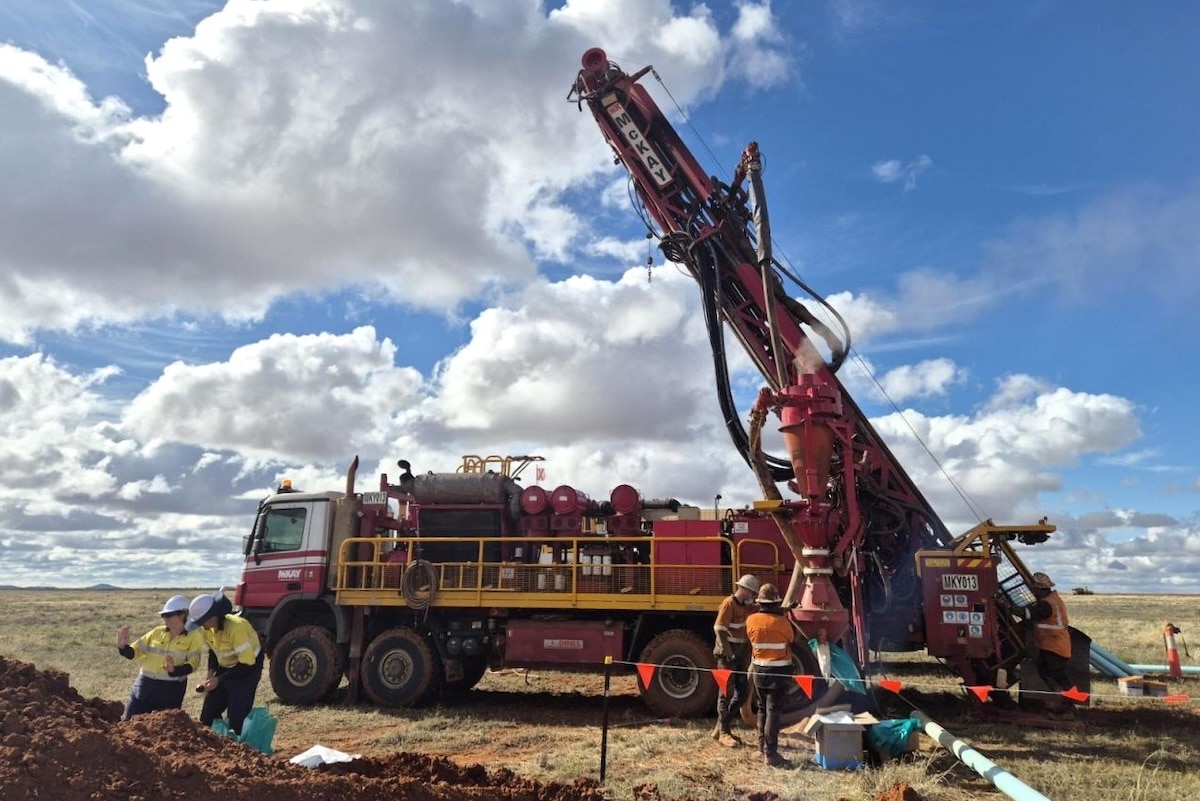
Sandfire Resources has begun a major drilling campaign at the Kalkaroo copper–gold project in South Australia, targeting one of the country’s largest undeveloped open-pit copper–gold deposits ahead of a planned pre-feasibility study. The programme starts with a first drill rig already on site and additional rigs to follow, aimed at tightening resource definition and testing extensions around the proposed pit shell. Results will directly inform geotechnical design parameters, pit slope optimisation and mine scheduling for the forthcoming PFS.
Red Hill Minerals has started a 1200m, two-hole diamond drilling programme to test a strong off-hole EM conductor at its expanded Anabama copper–gold project in South Australia. The drilling targets potential extensions of copper–gold–silver mineralisation previously intersected at Anabama, which sits within the Curnamona earn-in joint venture with Spectre Metals. Results will clarify the scale and geometry of the conductor, guiding follow-up drilling, resource definition and any deeper geophysical work across the Curnamona tenement package.
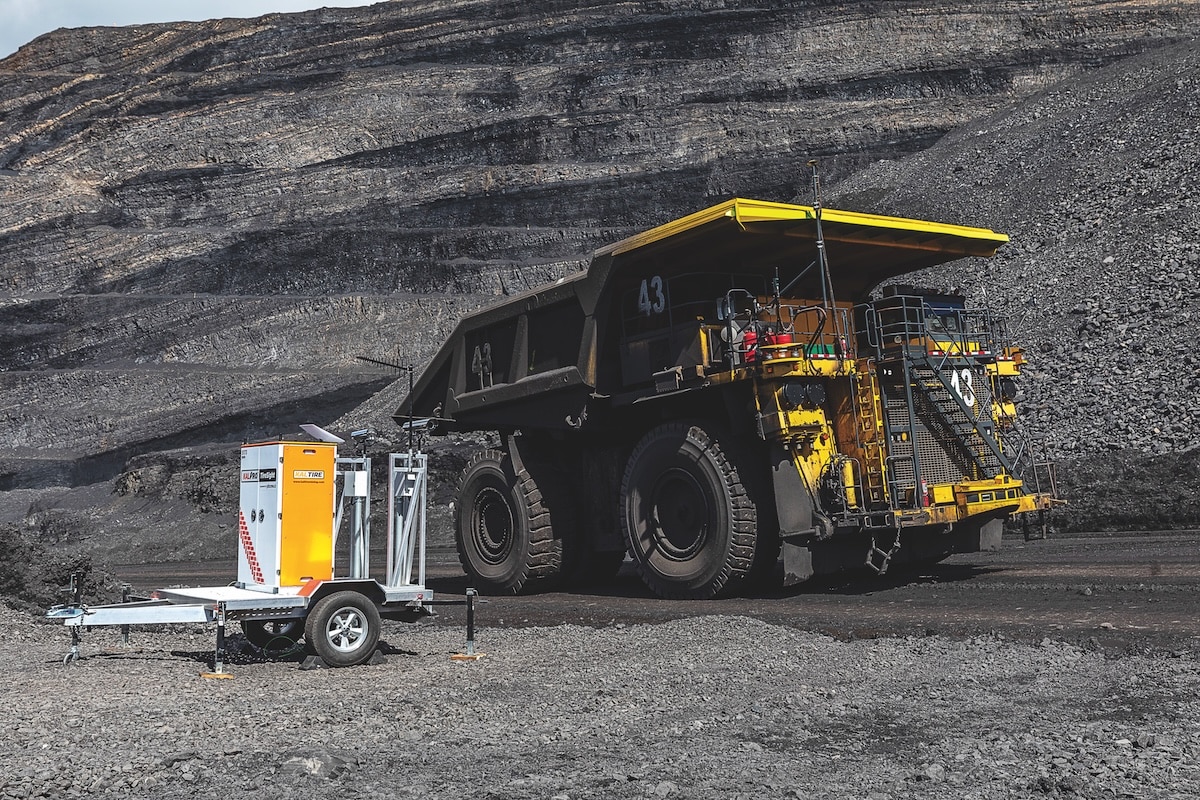
Kal Tire is deploying its TireSight autonomous haulage system, combining AI, on-vehicle sensors and real-time analytics to predict tyre failures and optimise haul road conditions across large ultra-class truck fleets. Continuous monitoring of temperature, pressure and load data enables early detection of sidewall damage, under‑inflation and heat build-up, allowing operators to adjust speed limits, watering and grading on specific road segments. The approach targets fewer catastrophic tyre events, reduced unscheduled downtime and lower operating cost per tonne, while supporting higher utilisation of autonomous haul trucks.
Liebherr is deploying application engineers such as Michael Anthony to mine sites to analyse real operating conditions, combining machine data logging, digital simulations and on-board monitoring to close performance gaps in ultra-class haul trucks and excavators. Teams are benchmarking duty cycles, payload distributions and fuel burn against OEM envelopes, then adjusting parameters like digging geometry, bucket sizing and truck–shovel match to lift effective utilisation without hardware changes. For engineers, the message is to treat OEM support as a data-driven optimisation service, not just maintenance, with gains coming from cycle-time diagnostics rather than new fleet purchases.
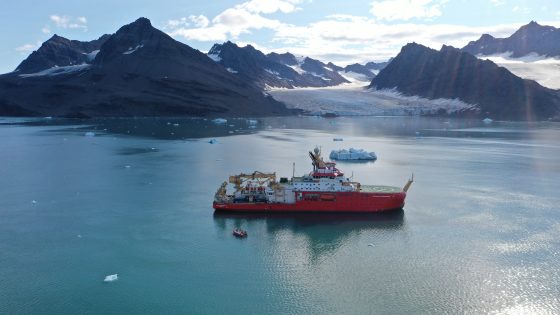
A fleet of autonomous marine robots, including the long‑range Autosub “Boaty McBoatface”, will be launched from the polar research vessel RRS Sir David Attenborough to survey rapidly melting Greenland outlet glaciers and adjacent fjords. The mission will map sub‑ice shelf geometry, measure water column temperature and salinity, and track glacier–ocean interactions that influence Atlantic Meridional Overturning Circulation. Data on seabed morphology, grounding line position and meltwater plumes will feed into improved sea level rise projections and coastal infrastructure design criteria.
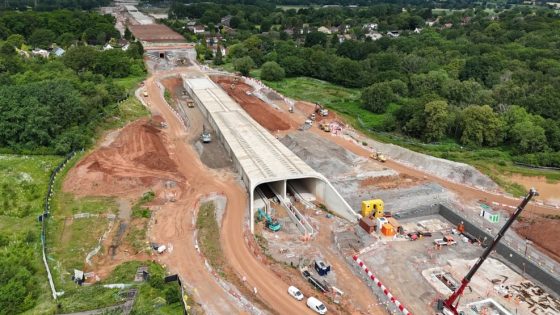
Engineers have installed the final roof segment on HS2’s 700m Burton Green cut-and-cover tunnel in the West Midlands, completing the primary structural shell. The tunnel, designed to carry high-speed rail beneath existing communities near Kenilworth, uses a reinforced concrete roof to support the realigned A452 and local utilities while maintaining ground stability. Attention now shifts to internal fit-out, waterproofing and trackbed construction, where settlement control and long-term structural performance will be critical for designers and contractors.
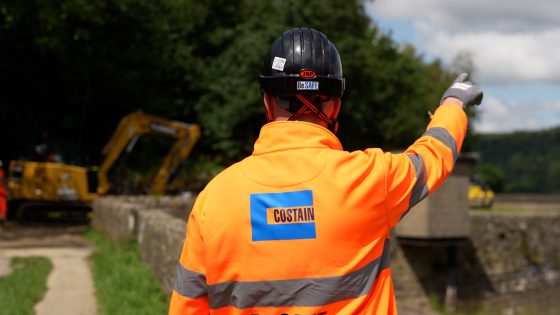
Costain has secured a three-year extension to its managed service provider contract with United Utilities, taking the framework’s total value to about £200M for water and wastewater infrastructure works. The deal covers programme management, design and delivery support across treatment works, pipelines and network resilience schemes in the North West, including AMP8 regulatory-period upgrades. Contractors and consultants can expect continued demand for civils, MEICA integration and off-site manufacture solutions as United Utilities pushes asset renewal and leakage reduction targets.
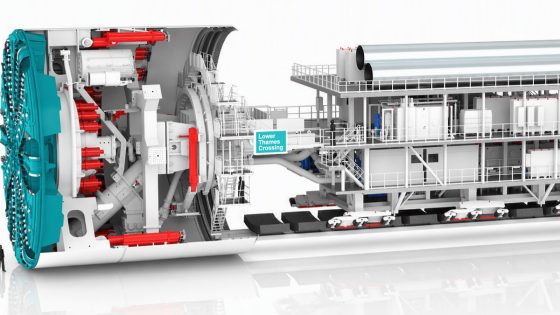
Herrenknecht has been selected by National Highways to construct the tunnel-boring machine for the Lower Thames Crossing, set to be the largest TBM ever used in Europe. The machine will drive the twin-bore road tunnel beneath the River Thames, a core element of the proposed new crossing linking Kent and Essex. Geotechnical and tunnelling teams will need to plan for large-diameter mixed-face excavation, high groundwater pressures and complex interface management with segmental lining, spoil transport and surface works.