Geomechanics, Streamlined.
© 2026 Geomechanics.io. All rights reserved.
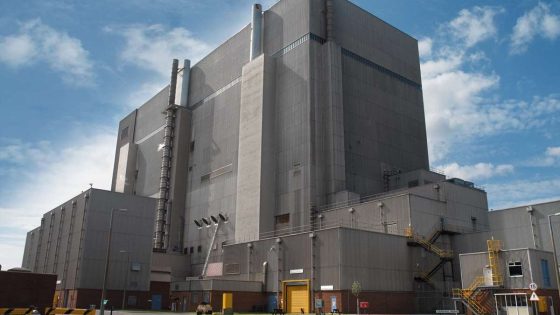
EDF has approved a two-year life extension for its Hartlepool and Heysham 1 advanced gas-cooled reactor stations, keeping both 1970s-vintage plants in operation until 2030 instead of closing in 2028. The decision secures several gigawatts of baseload capacity on the UK grid, deferring decommissioning and major dismantling works on the reactor pressure vessels, graphite cores and reinforced concrete biological shields. Civil and structural teams will need to manage ageing mechanisms in pre-stressed concrete, containment structures and cooling water systems under extended inspection and maintenance regimes.
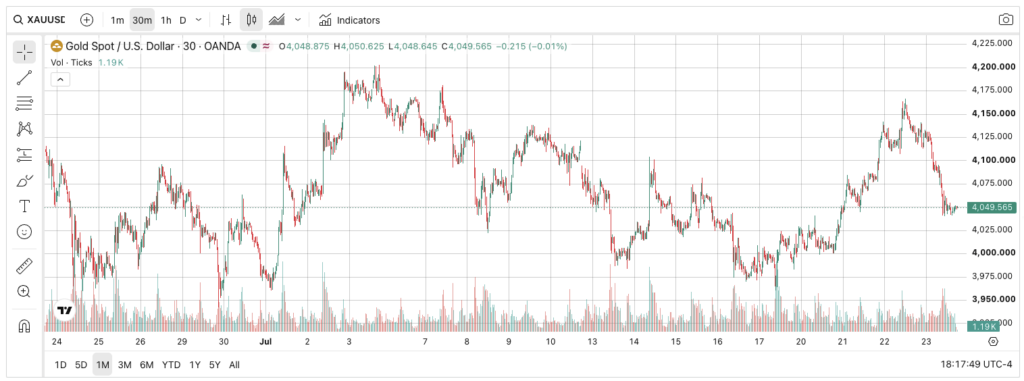
US gold could reach $6,000/oz as $39 trillion in federal debt, nearly $1 trillion in annual interest and continued central-bank buying (244 tonnes in Q1 plus 41 tonnes in May) extend a bull market that has already lifted prices about 68% since 2024, forecasts Maison Placements president John Ing. Ing expects materially wider margins and stronger M&A as projects once marginal become viable, favouring Agnico Eagle at about 3.4 Moz this year (AISC ~$1,400/oz) and Barrick at about 3.1 Moz (AISC ~$1,600/oz). He also backs Lundin Gold’s 475,000–525,000 oz output at roughly $1,100/oz AISC from Fruta del Norte, while rating Eldorado a sell on construction and ramp-up risk at Skouries and McIlvenna Bay.
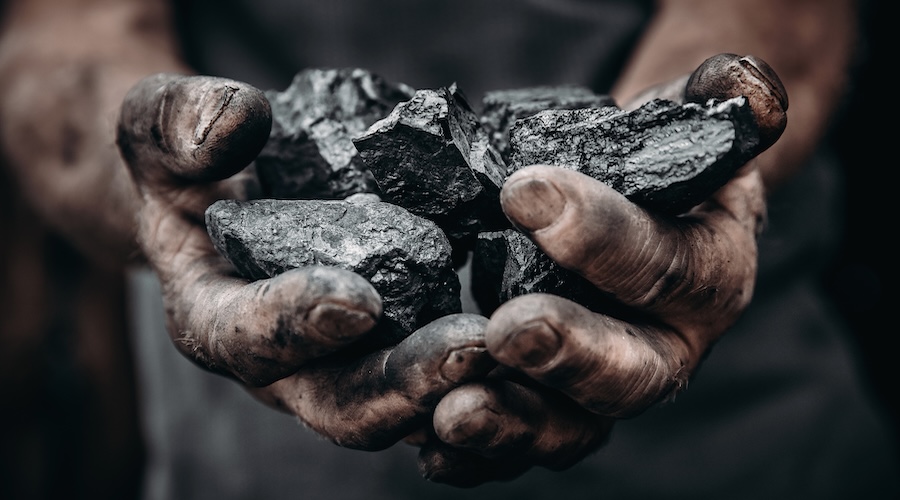
Coal beneath US federally managed lands is now estimated by the USGS at 4.2 billion short tons of reported reserves tied to active mines plus 356 billion short tons of additional resources, theoretically enough for at least 600 years at current burn rates. In 2024, 34 federal mines produced over 261 million short tons, with Wyoming’s 14 operations holding 87% of active federal reserves and the Powder River Basin’s North Antelope Rochelle mine ranked as the world’s largest by reported reserves. The assessment underpins over $1 billion in Trump administration support for extending coal plant lifetimes and expanding production, while also prompting calls for new geological mapping of Alaska’s 140+ billion short tons of identified coal resources.
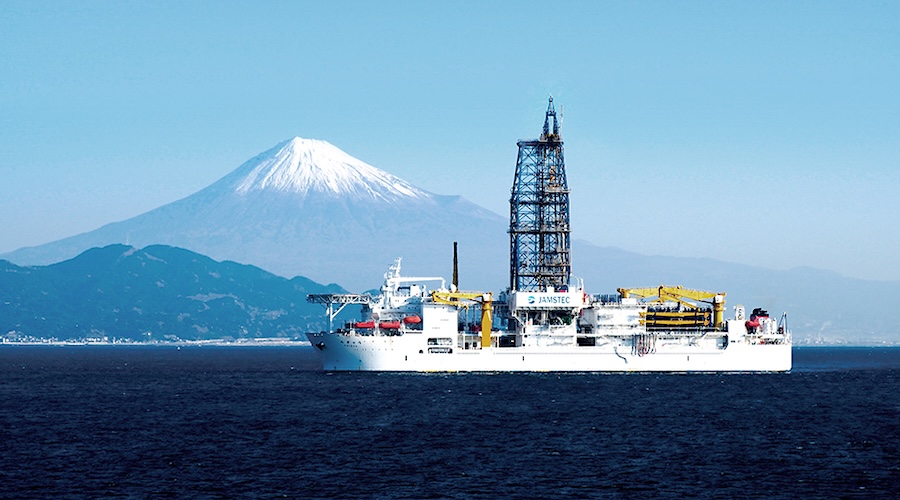
Japan’s month-long deep-sea trial near Minamitori Island recovered 50 tonnes of rare earth-bearing mud from ~6,000 m water depth, with medium and heavy rare earths making up about 54% of total rare earth content, including yttrium, gadolinium and dysprosium. The government-backed vessel Chikyu achieved the world’s first continuous recovery of such mud, with a commercial feasibility assessment due by March 2028. A follow-up trial in February 2027 aims for 350 tonnes/day, with dewatering on Minamitori and onshore separation, refining and smelting tests in Japan.
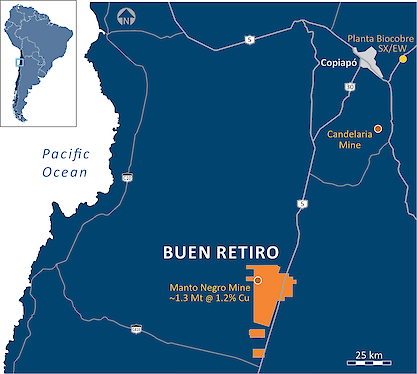
Fitzroy Minerals has extended broad, shallow copper mineralisation along the 1.7 km Tenorita trend at its Buen Retiro project in Chile, with hole BRT-DDH072 cutting 111.9 m at 0.97% Cu from 21.1 m depth, including 18 m at 1.59% Cu from 84 m, and BRT-DDH070 returning 147.7 m at 0.41% Cu from 26.3 m. The company has completed 78 diamond holes for 13,036 m since February and plans a further 9,000 m this year to deliver a maiden resource and prefeasibility study by mid-2027 under its earn-in with Pucobre and SCM Buen Retiro. Fitzroy is evaluating a near-surface heap-leach operation supplying existing SX-EW capacity about 90 km away, targeting production from this brownfield Atacama IOCG system in 2028.
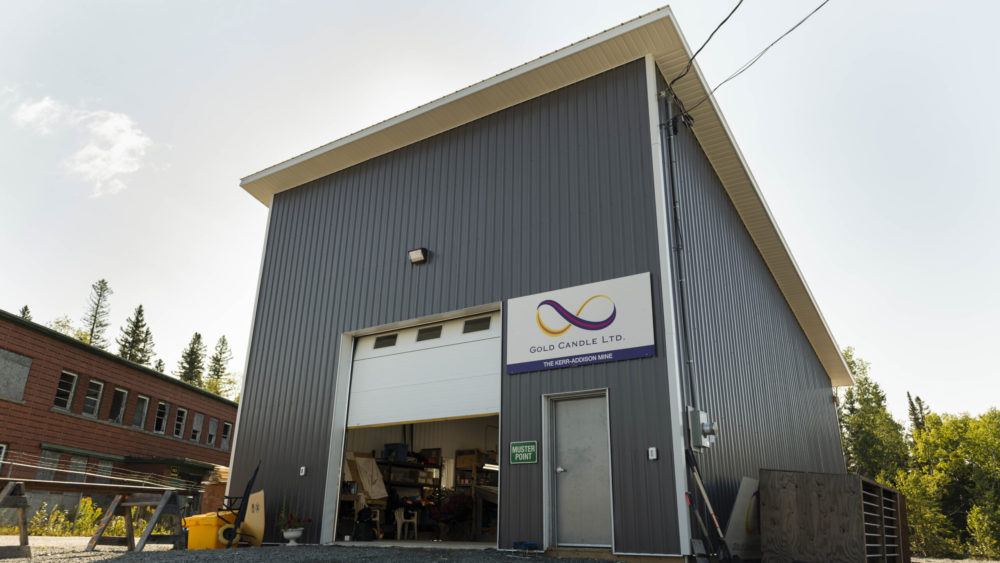
Agnico Eagle Mines is investing $60 million to buy 8.7 million shares in Cadillac Mines’ $385 million TSX IPO at $6.90 per share, lifting its stake from 9.7% to about 11% and deepening its position along Quebec–Ontario’s Cadillac-Larder Lake Break. Cadillac controls roughly 40 km of strike and one of the Abitibi greenstone belt’s largest land packages, including the historic Kerr-Addison mine, which produced 11 million oz. gold and now hosts 78.5 Mt indicated at 1.34 g/t and 25.9 Mt inferred at 2.7 g/t. For operators in Abitibi, the move signals continued capital support for brownfield resource growth and potential future mill-feed or consolidation options around Canadian Malartic, LaRonde and Macassa.
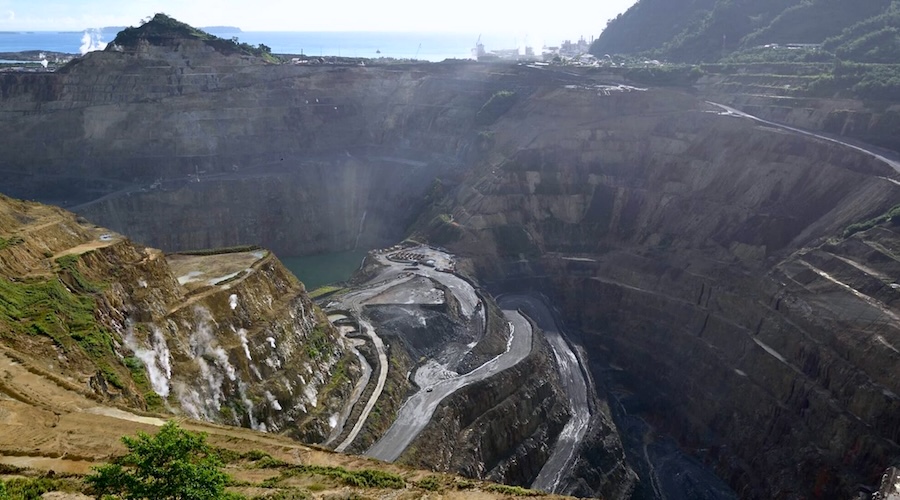
Newmont expects a planned nearshore barrier at the Lihir mine in Papua New Guinea’s New Ireland Province to unlock more than 5 million oz of additional gold from 2028, while reaffirming 2026 production guidance after Q2 output of 1.3 million oz of gold, 17,000 tonnes of copper and 7 million oz of silver. Q2 cash flow from operations reached $2.9 billion and free cash flow hit a record $2.2 billion, with all-in sustaining costs of $1,621/oz against a $1,680/oz guidance and an average realised gold price of $4,414/oz. Management also reported regulatory progress at the Red Chris block cave in British Columbia and resumed cave production at Cadia in Australia, but flagged higher sustaining capital in Q3 and rising capital estimates at Red Chris.
American Mineral Resources is assembling a seven-jurisdiction portfolio across Quebec, British Columbia, Yukon, Chile, New Zealand, Western Australia and Tanzania, with its Piscau North polymetallic project in Quebec earmarked for a separate Canadian Securities Exchange listing, as it targets a Nasdaq uplist within 12 months via the OTCQB. CEO Ryan Cunningham is prioritising projects with existing permits or modest capex and argues that jurisdictional risk now rivals grade, citing Quebec’s Gaspé oil drilling ban as a warning. He also points to Canada’s flow-through share regime as a key financing advantage over US markets still fixated on AI and tech.
MAX Power Mining has secured an additional 155,125 acres (628 sq. km) of permits contiguous with its 1,224 sq. km Lawson natural hydrogen project in south-central Saskatchewan, creating the newly named Aurora project on a basement-controlled structural play along the Paleoproterozoic–Archean contact of the Sask Craton. The company has now accumulated 660,263 acres (2,672 sq. km) of provincial permits across the Genesis Trend while running a multi-well commercial validation drill programme at Lawson targeting large-scale natural hydrogen. An MOU with the City of Moose Jaw links potential hydrogen development to a nearby heavy industrial and major data centre corridor, signalling early focus on local offtake and infrastructure integration.
US Department of Energy is offering up to $65.5 million in cost-shared funding for projects that convert stranded, flared or contaminant-limited oil and gas streams into high-value, transportable products and field-test modular gas conversion and sour gas processing units in active basins. Additional funding targets advanced materials and equipment—compressors, valves, piping, storage tanks, coatings and alloys—to cut product losses and harden midstream infrastructure. A third track backs digital twins, continuous monitoring and full-scale smart test sites to optimise upstream and midstream operations, building on a separate $150 million programme for unconventional reservoirs and hydraulic fracture characterisation.
Mesabi Metallics has begun iron ore mining in Minnesota using a new cable-electric Komatsu PC7000-11 hydraulic excavator, which on 23 July loaded a 400-short ton Komatsu 980E-5 haul truck, according to dealer Road Machinery & Supplies. The PC7000-11, typically a 650–700 t class machine with a 36–40 m³ bucket, is among the first cable-electric hydraulic excavators deployed at a US mine, where electric rope shovels have been more common. The move signals growing interest in high-capacity electric loading fleets for large open pits.
EPC Mineex Sénégal, a subsidiary of EPC Groupe, has secured a €23 million, three-year explosives and blasting services contract with Boto SA for the Boto gold mine in Senegal. The deal includes deployment of two Mobile Explosives Manufacturing Units (MEMUs) on site and the integrated supply of bulk explosives and associated blasting services. For mine planners and geotechnical teams, on-site MEMUs should enable tighter control of powder factors, blast timing, and fragmentation to support consistent ore feed and wall stability management.
GR Engineering Services has secured an EPC contract from BHP Iron Ore to deliver the Yandi Eastern Front-End Facility Upgrade, targeting the primary crushing circuit for the Ministers North project in Western Australia’s Pilbara. The scope covers engineering, procurement and construction of new front-end materials handling infrastructure tied into the existing Yandi joint venture operations. For mine planners and process engineers, the upgrade signals further brownfield optimisation of Yandi’s ore feed, with implications for crusher throughput, availability and integration with downstream screening and conveying.
MaxMine has launched Pulse, a fleet management system that combines business intelligence with AI-powered decision support to optimise productivity, cut haulage variability and lower cost per tonne in mixed-fleet open-pit operations. The platform ingests trusted operational data from disparate OEM fleets and sensors, then delivers real-time insights for dispatchers and supervisors to adjust payloads, cycle times and queue management on shift. For engineers, the key shift is from siloed FMS and telemetry feeds to a single decision layer aimed at tighter control of short-interval planning and execution.
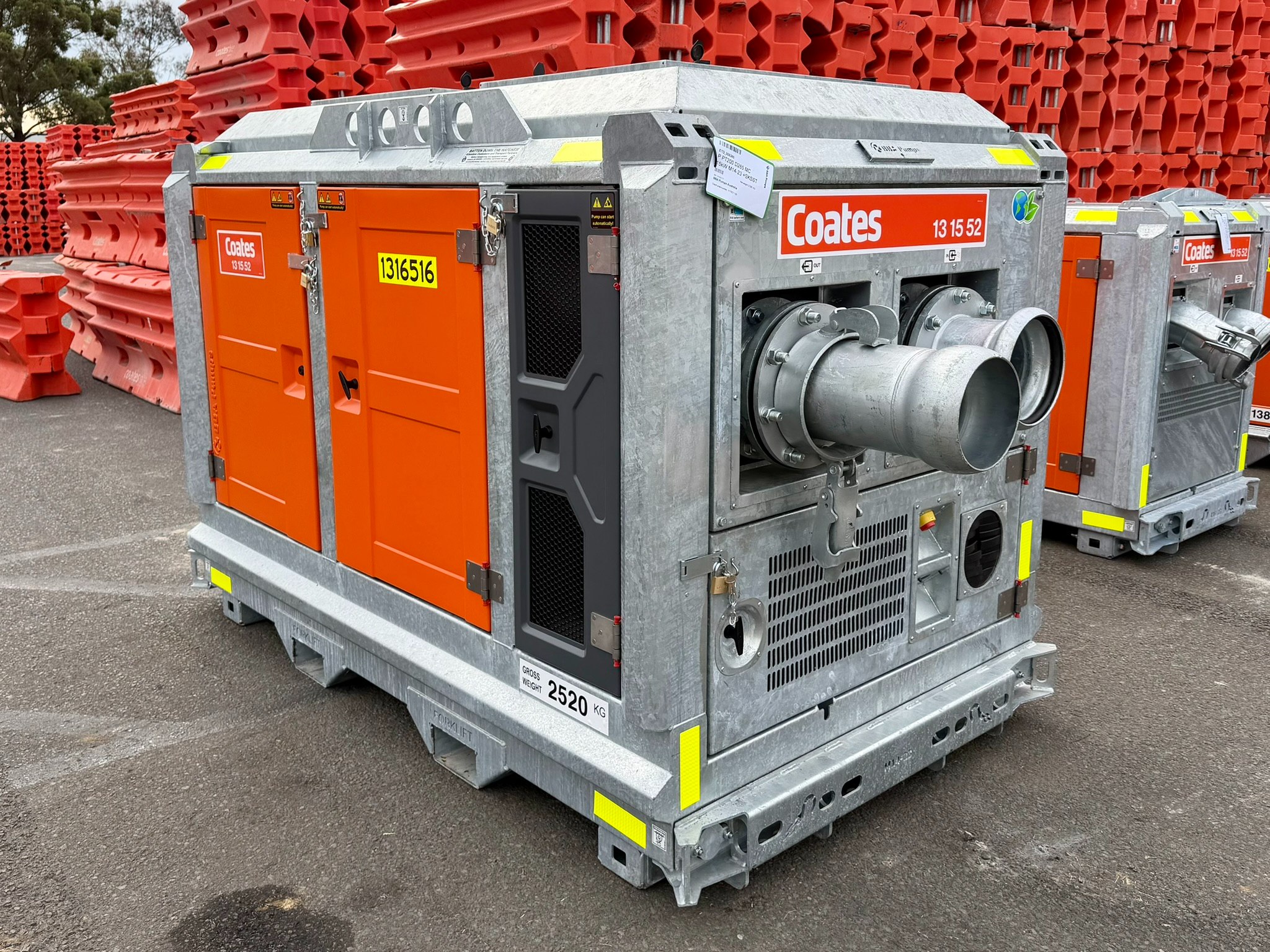
Coates has expanded its engineered dewatering capability with a new fleet of electric BBA Pumps, including PT200 D265 (8″/200mm), PT150 D185 (6″/150mm) and PT100 D130 (4″/100mm) units for urban construction sites. The electric configuration targets groundwater control on projects from small residential excavations to complex basements, water assets and civil infrastructure in dense urban areas where diesel emissions, noise and access constraints are critical. For geotechnical and civil contractors, the range allows closer-to-face installation and longer runtimes on grid power, simplifying dewatering design and temporary works planning.
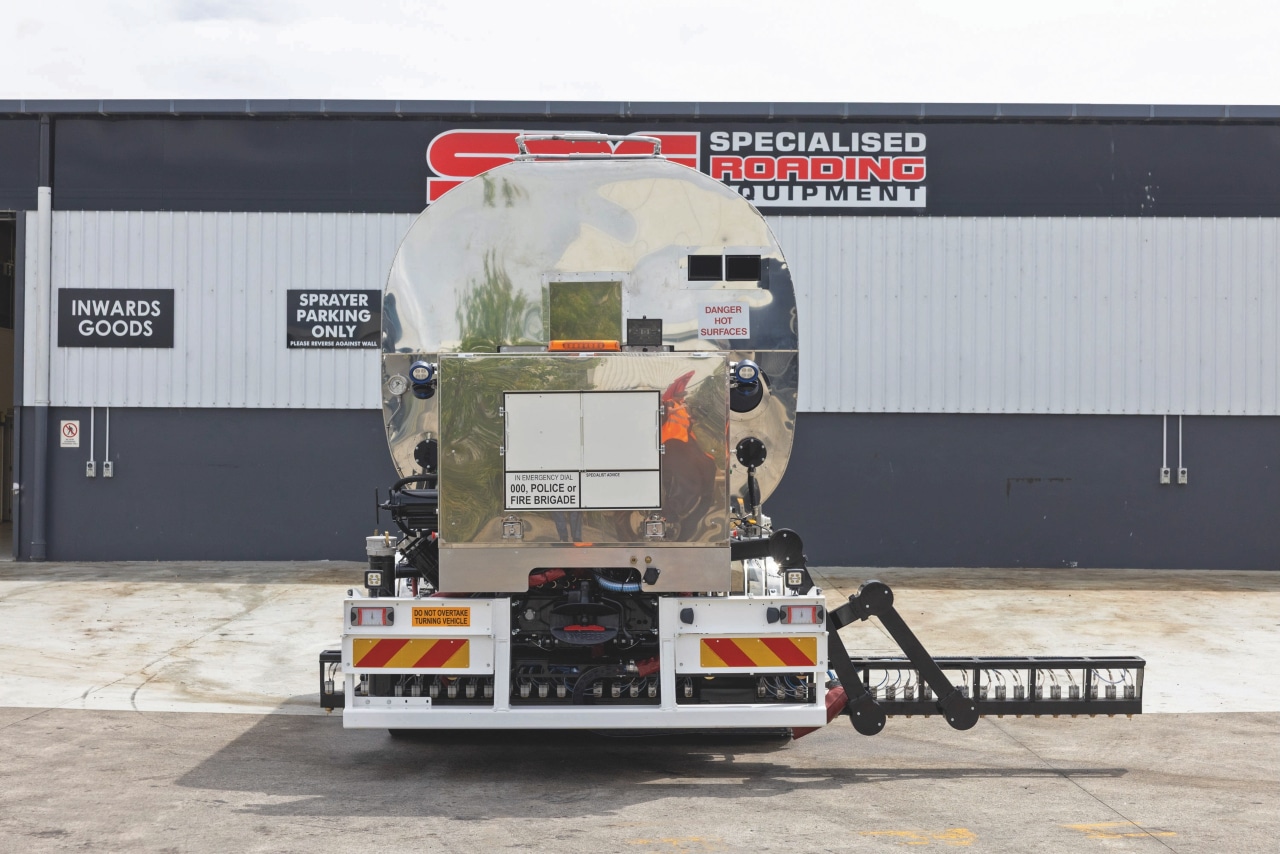
Specialised Roading Equipment is rolling out redesigned bitumen sprayers with remote-controlled spray bars, enclosed operator platforms and automated calibration to cut exposure to hot binders and live traffic. The New Zealand-based manufacturer is also running on-site training on safe spraying windows, nozzle selection and pressure–temperature control to reduce overspray and fume risk on high-speed corridors. For road contractors, the shift towards automation and operator separation has direct implications for traffic management layouts, plant selection and compliance with evolving spray seal safety standards.
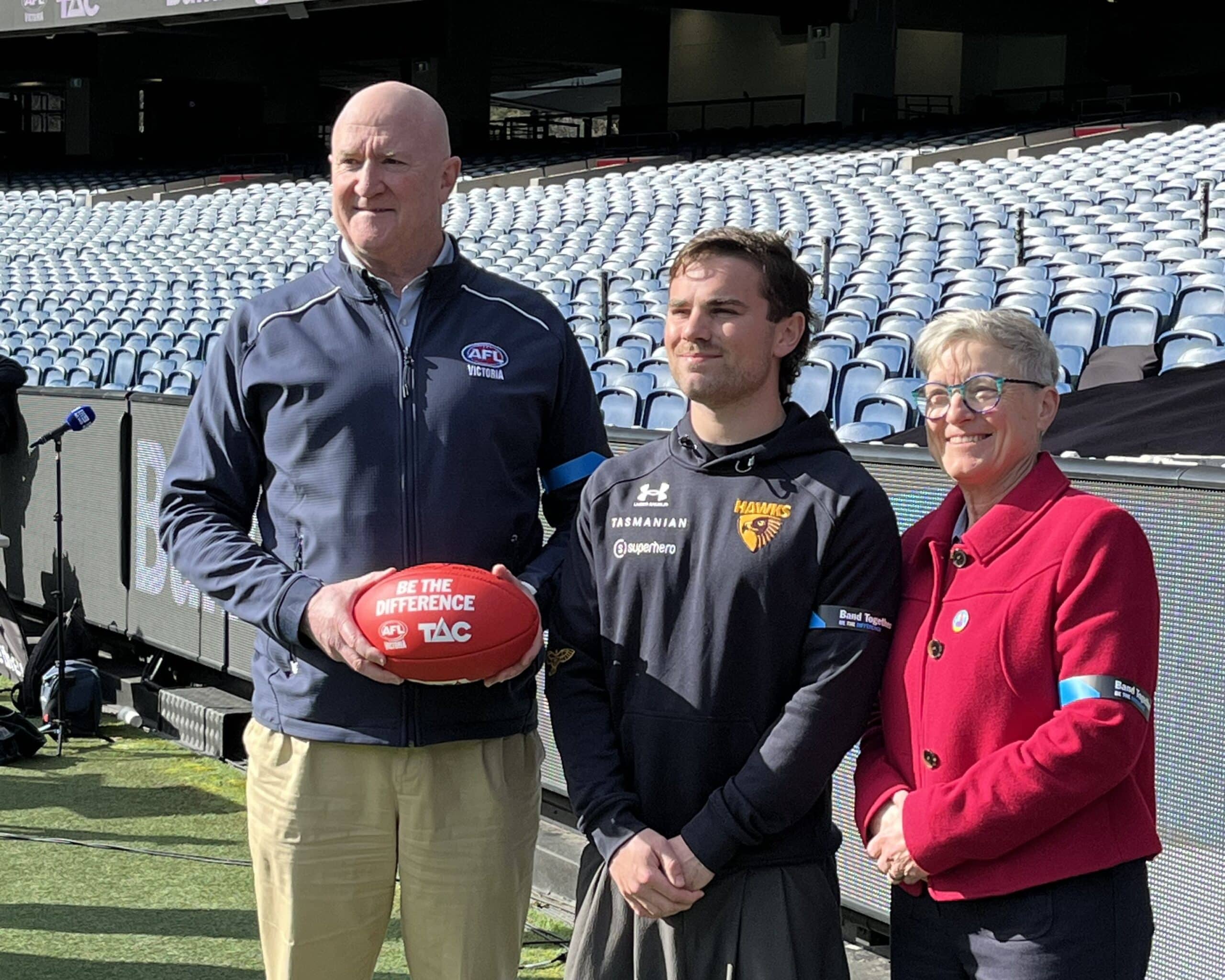
Footballers and netballers across Victoria will wear blue arm bands this weekend as part of the Transport Accident Commission’s Road Safety Round, promoting safer driving behaviour and commemorating road fatalities across the state. Campaign ambassador and Hawthorn AFL forward Nick “the Wizard” Watson launched the initiative with AFL Victoria and TAC representatives, targeting community clubs that are heavily reliant on regional and peri-urban road networks. For transport and civil planners, the campaign keeps political and funding attention on high-risk local roads rather than only major arterials.
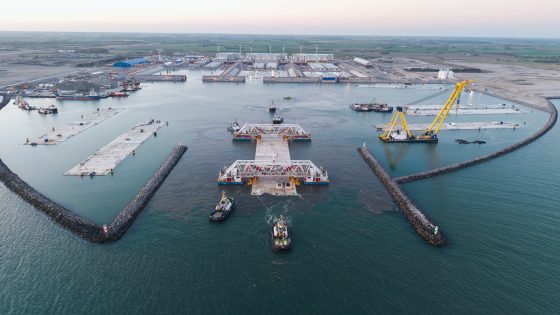
Immersion of the first of 89 tunnel elements for the Fehmarnbelt fixed link between Denmark and Germany was completed in May after a multi‑day marine operation, marking a key milestone for the 18km immersed tunnel. Project director Guy Taylor details how factory-style offsite production of standardised concrete elements and tightly sequenced immersion campaigns are being used to control programme and cost on what will be the world’s longest immersed road and rail tunnel.
Coastal and maritime engineering in the Middle East is shifting from headline megaprojects such as artificial islands and deepwater container terminals towards managing large portfolios of existing breakwaters, quay walls and navigation channels. Engineers are focusing on asset life extension under aggressive saline and thermal conditions, using tools such as long-term bathymetric monitoring, probabilistic wave and overtopping analysis, and upgraded armour units or corrosion-resistant reinforcement. The region’s experience with extreme design sea levels and rapid land reclamation is feeding back into guidance on whole-life performance, inspection regimes and retrofit strategies for more mature coastal markets.
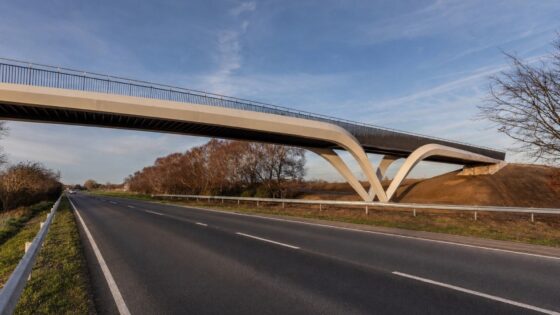
Graham has completed a new bridge over the A10 in Cambridgeshire, providing a direct link between the Waterbeach New Town development and Cambridge city centre and removing a key severance point on the strategic route. The structure spans the dual carriageway to carry active travel and local traffic between the new settlement and existing urban area, reducing reliance on A10 junctions already operating near capacity. For designers and contractors, the scheme signals further A10 corridor upgrades tied to large-scale housing growth and associated junction, drainage and earthworks packages.
WSP has been appointed to all three lots of the Environment Agency’s National Groundwater Modelling Framework, covering strategic modelling, regional and catchment-scale studies, and site-specific assessments. The framework will support regulation of abstraction, flood risk and drought management by standardising numerical groundwater models used to assess aquifer behaviour, contaminant migration and interactions with rivers and infrastructure. Consultants working on EA-regulated projects should expect closer alignment to EA-approved modelling tools, datasets and calibration approaches over the framework term.
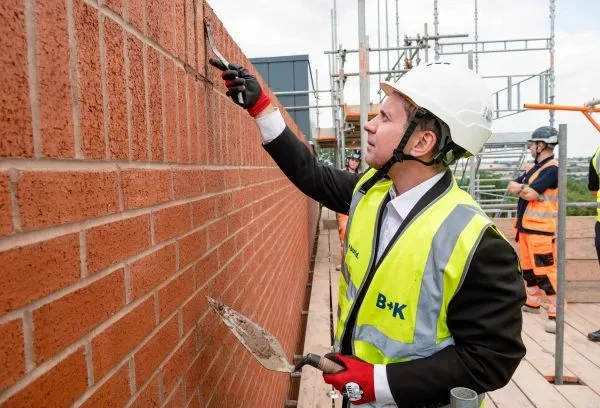
Bowmer + Kirkland has reached a key construction milestone at its Derbyshire headquarters, with chairman Jack Kirkland laying the final brick on one of the new office buildings in the multi-phase redevelopment. The scheme replaces legacy accommodation with modern office space designed to current UK building and energy standards, signalling a long-term commitment to the site as an operational hub. For contractors and consultants, the project suggests upcoming fit-out, services integration and external works packages as the campus build-out progresses.
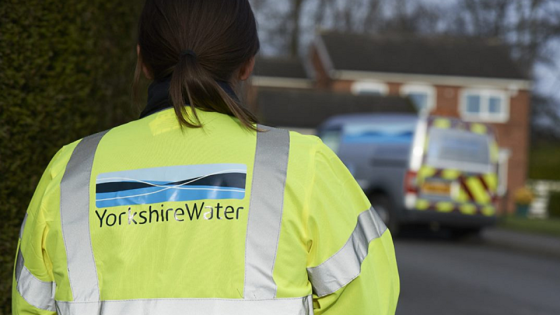
Yorkshire Water has set up an £80M multi-supplier framework for technical consultancy and design to support its AMP8 capital programme from 2025 to 2030, covering treatment works, trunk mains, sewers and resilience upgrades. The framework will be used to develop optioneering, outline and detailed designs for both above- and below-ground assets, including geotechnical assessments for new pipelines and structures, hydraulic modelling, and civil/MEICA integration. Consultants will be appointed on a call-off basis, giving early design input on schemes before construction procurement.
Sunrise Energy Metals is fast‑tracking studies to lift its Syerston Scandium Project in New South Wales to 180tpa scandium oxide by adding a new 120tpa production train to the existing 60tpa design. The expansion case is being advanced in response to customer interest in non‑Chinese supply and forecasts of stronger scandium demand for aluminium–scandium alloys and solid oxide fuel cells. For project engineers, the larger nameplate capacity will drive re‑assessment of hydrometallurgical circuit sizing, reagent logistics and offtake contract structures.