Geomechanics, Streamlined.
© 2026 Geomechanics.io. All rights reserved.
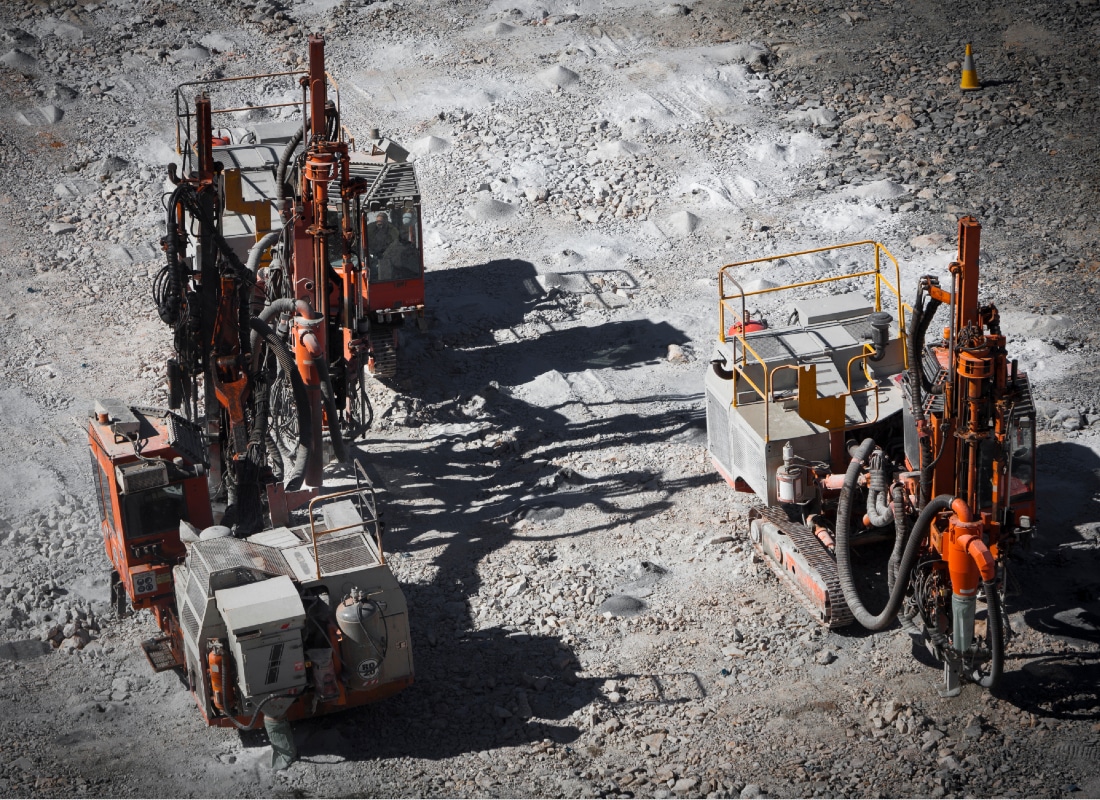
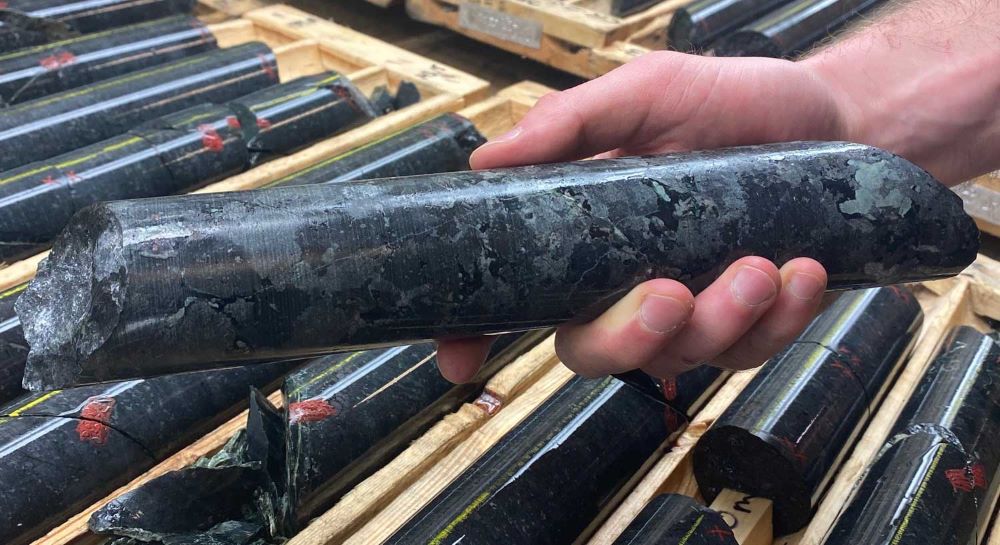
Strong reverse-circulation drilling results at Forrestania Resources’ British Hill project in Western Australia include 4m at 7.46g/t gold from 124m, with a 1m interval at 22.76g/t, and a separate 1m at 22.98g/t from 141m in hole 26BHRC013. The eight-hole RC programme targeted down-dip and along-strike extensions of previously defined mineralisation, confirming high-grade shoots at depths beyond 120m. These intercepts support potential resource growth and justify further step-out drilling and structural modelling of the lode geometry.
Astral Resources has reported further high-grade gold intercepts from 56 reverse circulation drill holes totalling 4,970m at the Theia deposit within its Mandilla Gold Project in Western Australia. The new assays are being used to upgrade Stage 1 Mineral Resources to the Measured category, tightening confidence in near-surface grade continuity and geometry. Results will directly inform open-pit design, geotechnical domains and initial mine scheduling for the Mandilla development.
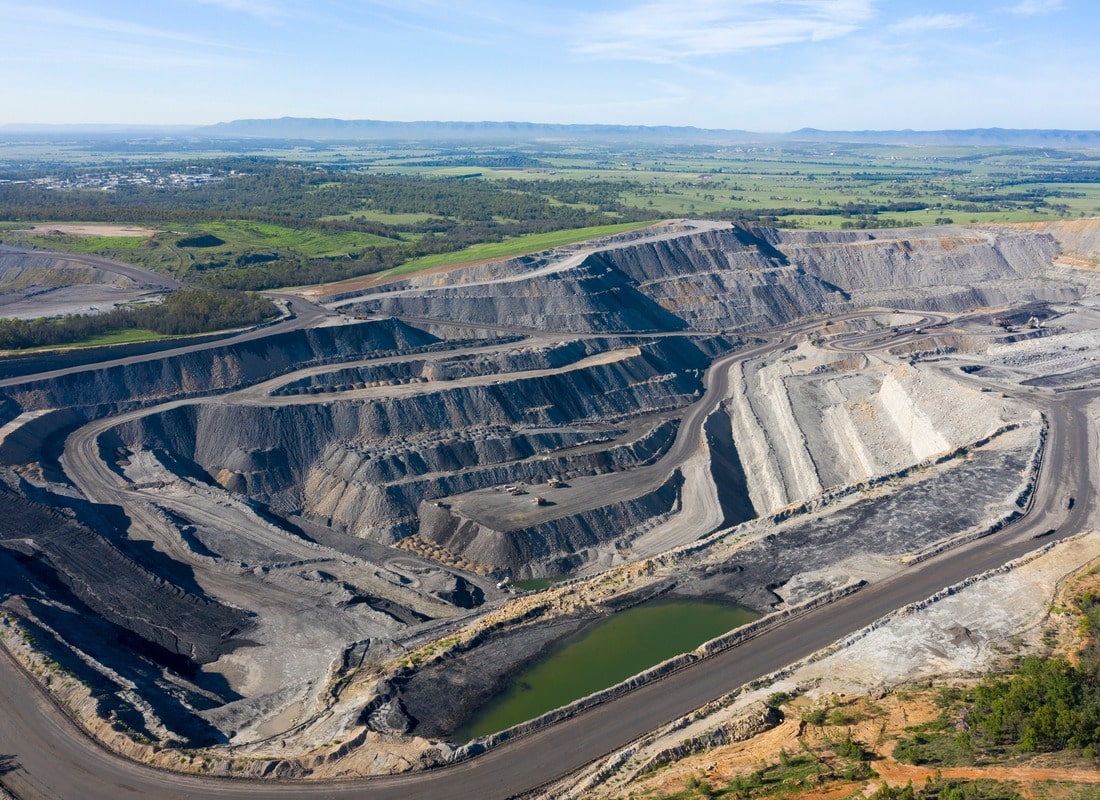
New South Wales coal mining has cut direct emissions by 30 per cent since 2005 and net emissions by 35 per cent once the federal Safeguard Mechanism is included, making it the fastest‑reducing sector in the state. The industry is now on track to meet legislated 2030 emissions targets, driven by mine‑site efficiency gains, progressive rehabilitation and changes in operational energy use. For mine planners and environmental engineers, the data signal mounting pressure on lagging sectors and a likely tightening of baseline and offset settings beyond 2030.
A new 12.5 per cent US tariff on Australian exports is expected to have limited direct impact on core mining products, with iron ore, metallurgical coal and thermal coal still predominantly shipped to China, Japan and South Korea rather than North America. The Office of the United States Trade Representative has imposed 10–12.5 per cent duties on imports from 60 economies following a trade practices investigation, capturing some Australian value-added goods. Any material effect for miners is more likely in downstream processed metals and equipment supply chains than in bulk commodity volumes.
Nista’s second Major Projects Annual Report, covering 1 April 2025 to 31 March 2026, reports improving delivery confidence on parts of the £700bn-plus National Infrastructure and Construction Pipeline but flags persistent schedule and cost risks on complex rail, energy and digital schemes. The authority backs tighter portfolio management, earlier constructability input and stronger use of digital twins and alliancing contracts, yet stops short of calling for statutory planning reform or changes to Development Consent Order processes. For engineers, the message is to plan for prolonged consenting and stakeholder engagement as a fixed constraint rather than a variable.
The Observational Method in ground engineering is regaining interest as major infrastructure schemes look to manage geotechnical uncertainty in real time rather than rely solely on conservative design factors. Engineers are revisiting staged construction with predefined trigger levels, instrumented slopes and retaining walls, and adaptive support measures, but uptake remains patchy due to contractual risk allocation, programme pressures, and limited monitoring budgets. Wider use could cut unnecessary pile lengths, excavation support thicknesses and contingency allowances, provided clients accept flexible design envelopes and robust monitoring–response plans.
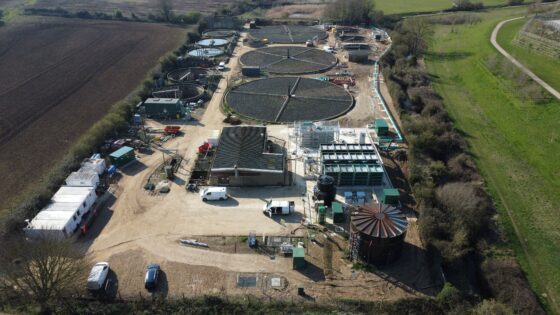
Galliford Try has secured a £47.5M contract from Thames Water to deliver the Camberley Sewage Treatment Works Flow Compliance project, upgrading a works previously criticised as a “cess-pit”. The scheme will focus on improving hydraulic capacity, process performance and resilience to meet tighter environmental permits and storm-flow compliance obligations. Civil and MEICA scope is expected to include new or uprated inlet works, flow control structures and treatment units, with construction staged to maintain full treatment during the upgrade.
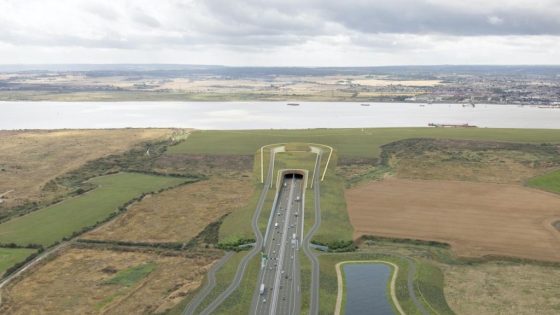
Peak journey times through the Silvertown and Blackwall tunnels have fallen by up to 58% in the first year since the 1.4km twin-bore Silvertown Tunnel opened in April 2025, according to TfL’s Silvertown & Blackwall Tunnels Monitoring Report. The new under-river crossing, carrying two lanes of traffic each way beneath the Thames between Silvertown and Greenwich Peninsula, has redistributed flows previously constrained at Blackwall. TfL reports more reliable peak travel times and reduced queuing on key approach corridors, with ongoing monitoring of traffic volumes, air quality and user charging impacts.
The London Borough of Ealing has awarded Preston-based consultants XAIS-PTS a £33M contract for road condition monitoring services under Lot 2 of its Highways and Transport Services Framework. The framework will cover systematic pavement condition surveys and asset data collection across the borough’s highway network, informing prioritisation of resurfacing, patching and structural maintenance. For geotechnical and pavement engineers, the deal signals sustained demand for high-resolution condition data to optimise lifecycle planning and justify capital works on urban carriageways and footways.
Barhale has completed Anglian Water’s first dedicated treatment plant to strip the toxic insecticide Cypermethrin from raw water before it enters the supply network, targeting a contaminant that is highly toxic to aquatic life at very low concentrations. The scheme introduces a bespoke process stream specifically configured for Cypermethrin removal, rather than relying on conventional granular activated carbon or standard pesticide treatment lines. For water engineers, the project signals a move towards contaminant-specific process trains as more persistent synthetic pesticides appear in catchments.
SANY has launched the SKT145Ei, a 90 t-class cabless, battery-electric, autonomous wide-body mining truck at its Global Mining Key Customer Summit in Xi’an in May 2026, targeting large open-pit haulage in China’s rapidly electrifying fleets. The cabless design removes the operator compartment entirely, optimising space for battery packs and simplifying structural layout for autonomous operation. For mine planners and geotechnical teams, the platform implies tighter haul road design around consistent vehicle envelopes and greater reliance on high-precision guidance for berm clearances and dump-point control.
Mariana Minerals is deploying Boston Dynamics’ Spot quadruped robot at its Copper One copper operation in Utah to automate routine field inspections and high-frequency data capture in active mining areas. Mining Autonomy Lead Lukas Fahle is pursuing a “software first” approach, integrating Spot with existing sensor platforms and in-house analytics rather than treating it as a standalone hardware solution. The move points to greater use of mobile robotic carriers for condition monitoring, particularly for repeat LiDAR, gas, vibration or thermal surveys in higher-risk zones.
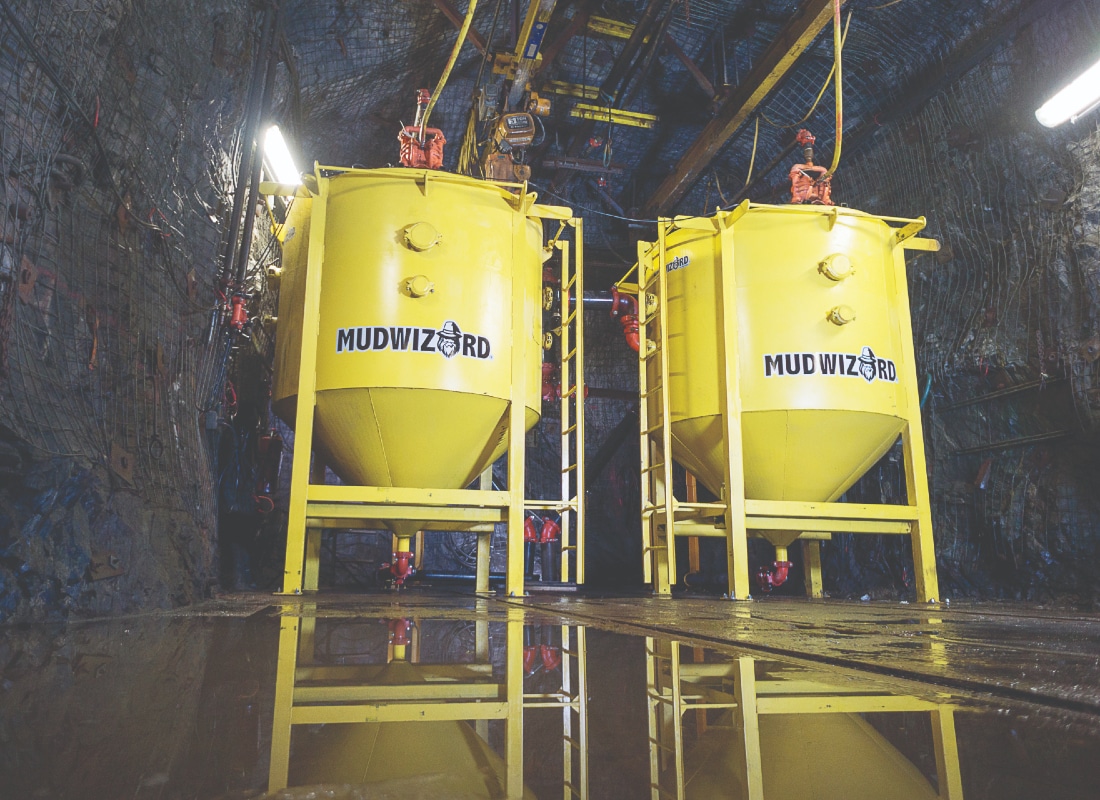
Dowdens Group is leveraging global partnerships to deploy technologies such as the MudWizard sludge treatment system across Queensland mine sites, targeting more efficient sludge handling and water recovery in dewatering circuits. The company integrates pumping, water treatment, industrial products and pneumatic equipment with on-site engineering and field services to customise solutions for specific pit, plant and tailings conditions. For operators, the approach aims to cut manual sludge handling, reduce water losses from sumps and clarifiers, and stabilise process water quality for both production and environmental compliance.
Volvo Construction Equipment’s new K Series wheel loaders are engineered to reduce variability in operator performance and fuel burn by tightly integrating machine controls with the operator interface. Features such as refined load-sensing hydraulics, updated transmission control and in-cab assist systems aim to deliver consistent cycle times and repeatable bucket fill factors across shifts. For mines pairing loaders with articulated haulers like the Volvo L150 and A30, the focus is on more predictable loading patterns, lower specific fuel consumption and tighter control of unit operating costs.
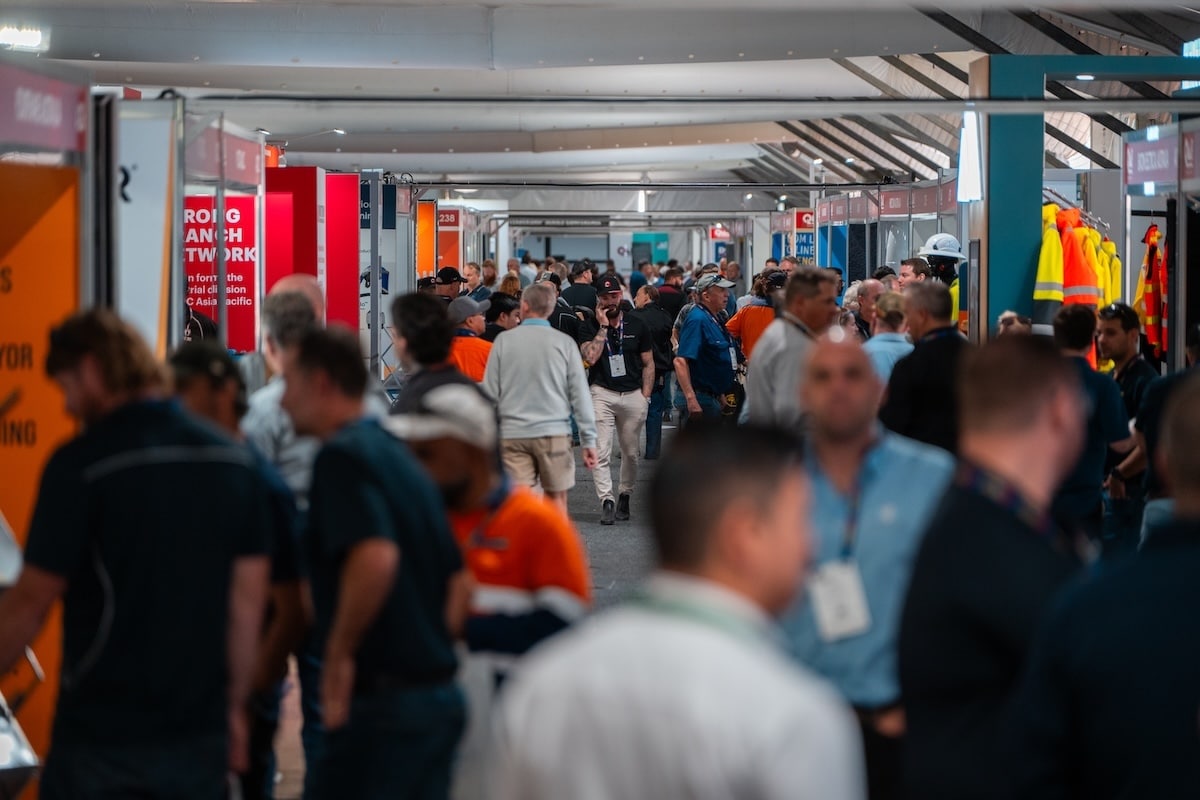
QME 2026 in Mackay drew thousands of mining professionals over three days, confirming its status as Australia’s largest regional mining event and focusing on digital transformation, automation and international capital flows. Conference sessions examined autonomous haulage and drilling systems, AI‑driven fleet optimisation and remote operations centres, alongside discussions on foreign investment frameworks for Queensland coal and critical minerals. For engineers and operators, the event signalled accelerating deployment of automation in brownfield pits and a sharper investor lens on decarbonisation, productivity metrics and project risk.
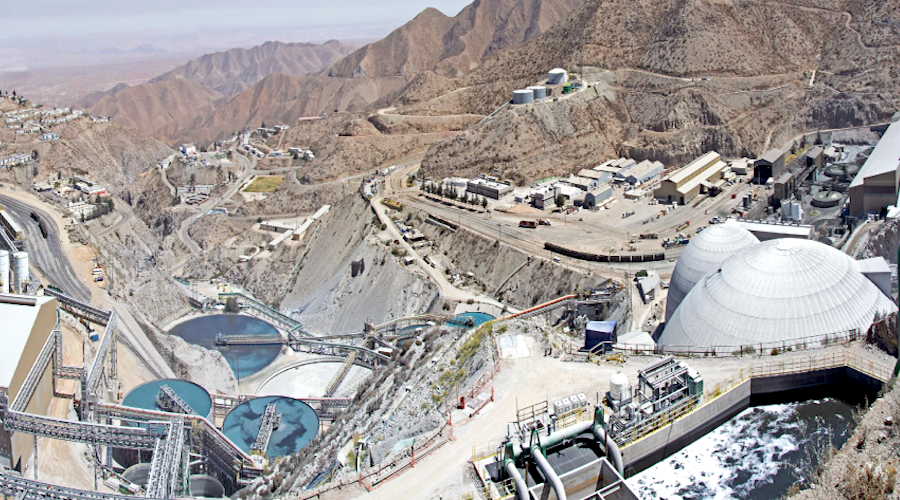
Southern Copper plans to lift copper output from 917,000 tonnes in 2026 to about 970,000 tonnes in 2028 and 1.06 million tonnes by 2029, driven mainly by the $1.1 billion Tia Maria project, now roughly halfway built with $693 million spent and $1.25 billion in 10‑year notes issued. Second‑quarter results showed $4.3 billion in sales, record adjusted EBITDA of $2.86 billion at a 67% margin, and $1.67 billion net income, despite a 12% production drop in Peru from lower grades at Toquepala and Cuajone. Tia Maria’s projected cash cost of $1.16/lb without by‑product credits and confirmed desalination infrastructure procurement will be closely watched against ongoing regulatory and social risks in Peru and illegal mining at Los Chancas.
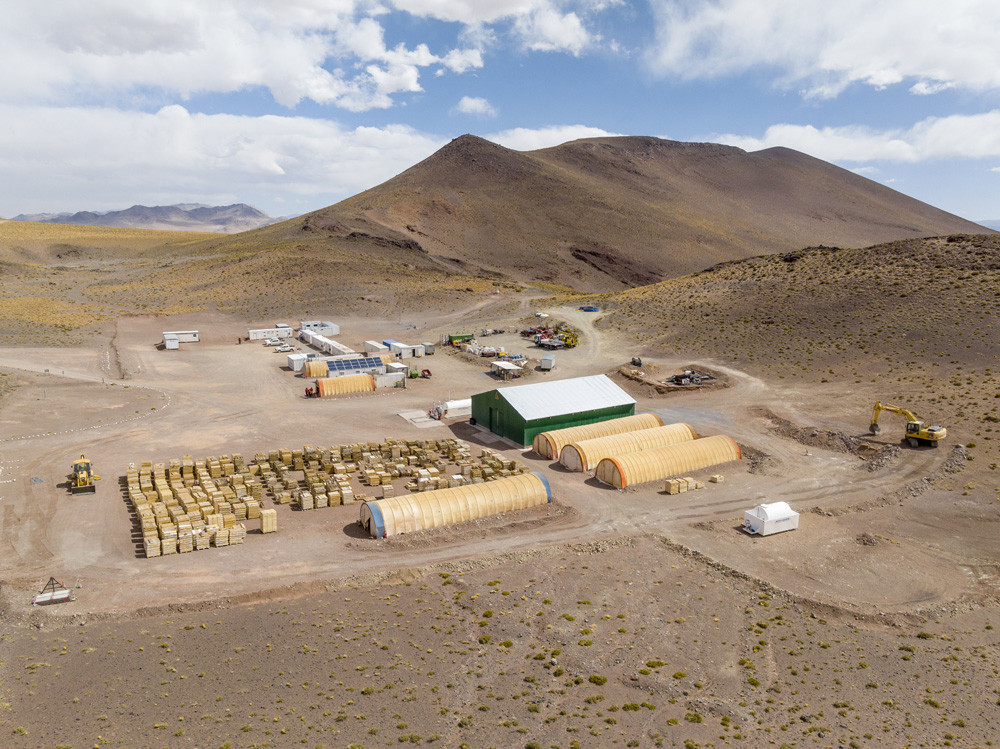
AbraSilver Resource is raising C$45 million via a bought-deal of 3.06 million shares at C$14.70 to fund early works and long-lead equipment for the Diablillos silver-gold project in Salta, targeting a construction decision in 2027 and first production by end-2029. The definitive feasibility study outlines a 25-year open-pit operation with initial capex of US$722 million, after-tax NPV of about US$3 billion, 42% IRR, and average output of 20 million silver-equivalent oz. per year for the first five years. Recent drilling at Oculto West returned 109 metres at 221.2 g/t silver and 0.72 g/t gold from 114 metres, outside the current DFS mine plan, indicating potential resource expansion.
An updated preliminary economic assessment values Laramide Resources’ Westmoreland uranium project in Queensland at about $741 million after tax, assuming a long-term uranium price of $90/lb U₃O₈, a 7.5% discount rate, 33% IRR and 2.5-year payback, with initial capital of $456 million plus an $84 million contingency. The 11-year open-pit operation is designed to process 2.9 Mtpa through a conventional mill and leach circuit, producing 4.9 million lb U₃O₈ per year at projected 95% recovery and cash costs of $32.40/lb, drawing on 27.8 Mt indicated at 770 ppm U and 11.8 Mt inferred at 680 ppm. Development remains contingent on Queensland lifting its uranium mining ban, with power options under review including hybrid diesel, solar and battery storage.
Canada Nickel has published an initial mineral resource estimate for its Nesbitt project near Timmins, Ontario, at 176 million tonnes grading 0.23% nickel, while an updated estimate at Deloro shows a 46% increase in resources. Across the Timmins nickel district, the company now reports 4.63 billion tonnes at 0.24% nickel in measured and indicated resources, including the Crawford flagship with 2.56 billion tonnes at 0.24% nickel. Crawford has entered the final stage of federal review, and seven additional district targets remain undrilled.
Gold for August delivery on Comex dropped up to 2.6% to $4,042.50/oz before stabilising around $4,050.80, while September silver slid as much as 4.9% to $57.32/oz, as Red Sea attacks on two Saudi oil tankers by Yemen’s Iran-backed Houthis pushed Brent crude towards $100/bbl and lifted two-year US Treasury yields for a sixth straight session. Rate swaps now assign roughly a one-in-three chance of a Fed hike next week and fully price a September move, with TD Securities’ Bart Melek flagging $3,900/oz support and $4,200/oz resistance for gold. Precious metals equities tracked the move, with Newmont, Barrick and Agnico Eagle down 1.1–1.8%, and silver‑exposed Coeur Mining, Pan American Silver and Hecla off 2–3.5%.
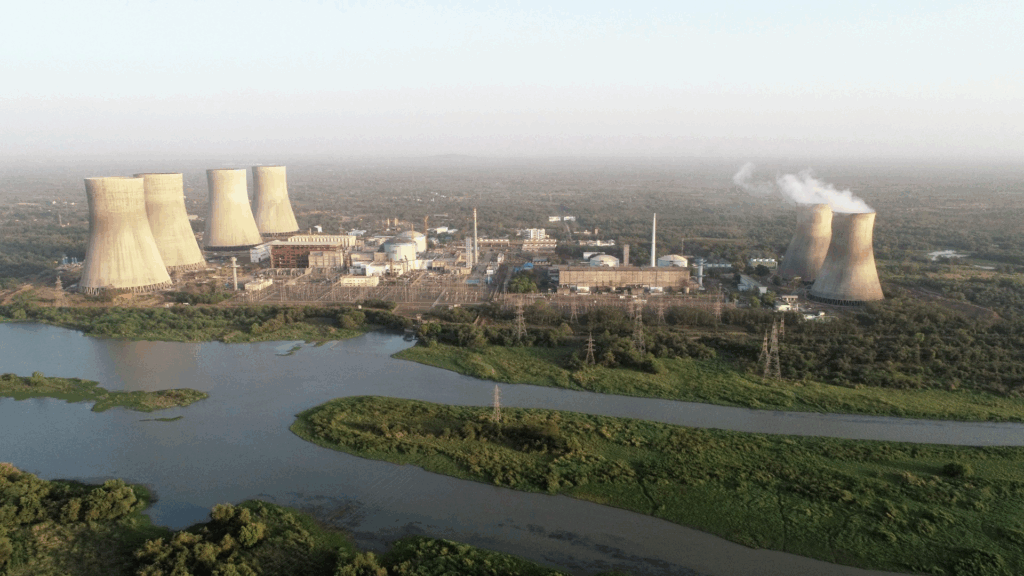
India is allocating about US$2 billion to build at least five small modular reactors by 2033, including 220 MW, 55 MW and sub‑5 MW gas‑cooled designs from Bhabha Atomic Research Centre, as part of a plan to lift nuclear capacity from 8.8 GW to 100 GW by 2047 and backed by uranium supply deals with Cameco and Kazatomprom plus potential NTPC financing of overseas uranium mines. Saudi Arabia’s new agreements with the US could enable deployment of AP1000 reactors and open its civilian nuclear programme to American vendors, while Sprott Physical Uranium Trust has lifted its U3O8 holdings to 81.5 million lb. after a fresh 50,000‑lb. purchase at a spot price of US$85.70/lb.
Equinox Gold and Orla Mining have secured shareholder approval for an $18.5 billion all-share merger, creating Canada’s second-largest gold producer with current output of about 1.1 million oz/year from six operating North American mines, behind only Agnico Eagle. Orla shareholders will receive one Equinox share per Orla share and existing Equinox investors will hold roughly 67% of the combined company. Production is projected to rise about 70% to more than 1.9 million oz/year as development projects are commissioned in politically stable jurisdictions, signalling further sector consolidation.
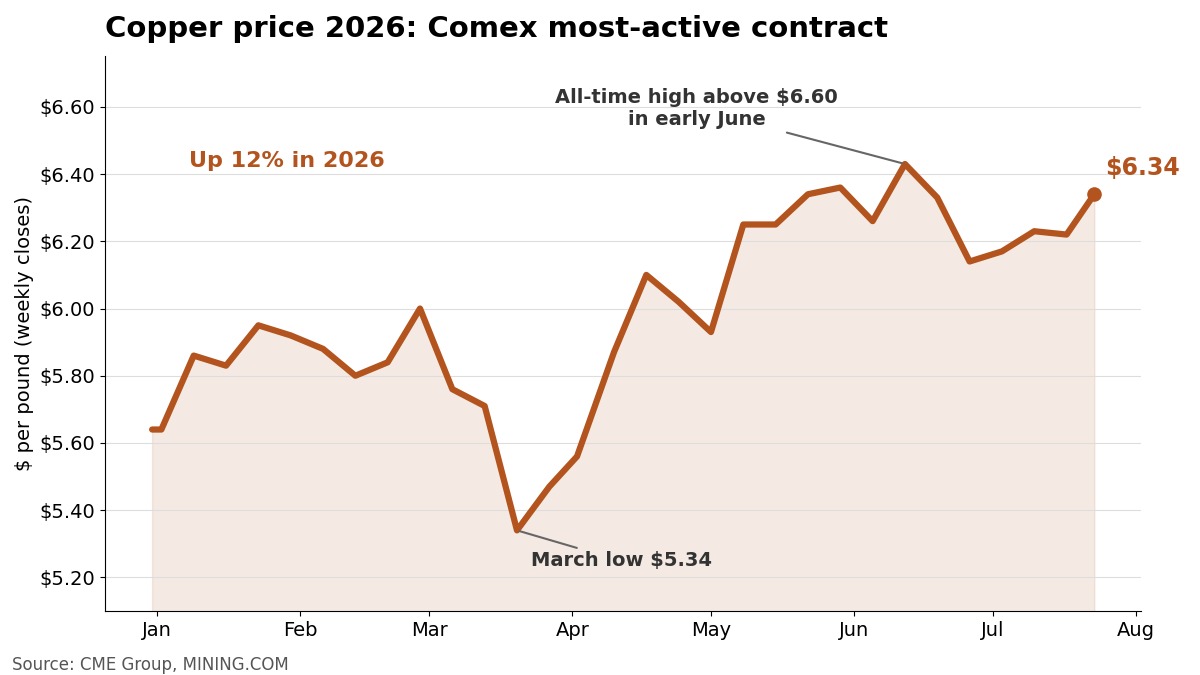
Copper for September delivery on Comex fell up to 2.5% to $6.33/lb, about 5% below its early-June record, as US‑Iran war risk outweighed strong Q2 results from Teck Resources, Freeport‑McMoRan and Southern Copper, which together reported copper output above guidance and unit cash costs near $1.90/lb. Chilean winter storms have temporarily suspended operations at Lundin’s Caserones and partially at Teck’s Carmen de Andacollo, while Panama is considering a state-owned partner or lease structure to restart First Quantum’s Cobre Panama. LME copper stocks dropped to 284,175 tonnes and Shanghai deliverable inventories are down 82% since May, even as Comex warehouse holdings exceed 630,000 tonnes on anticipated US tariffs.
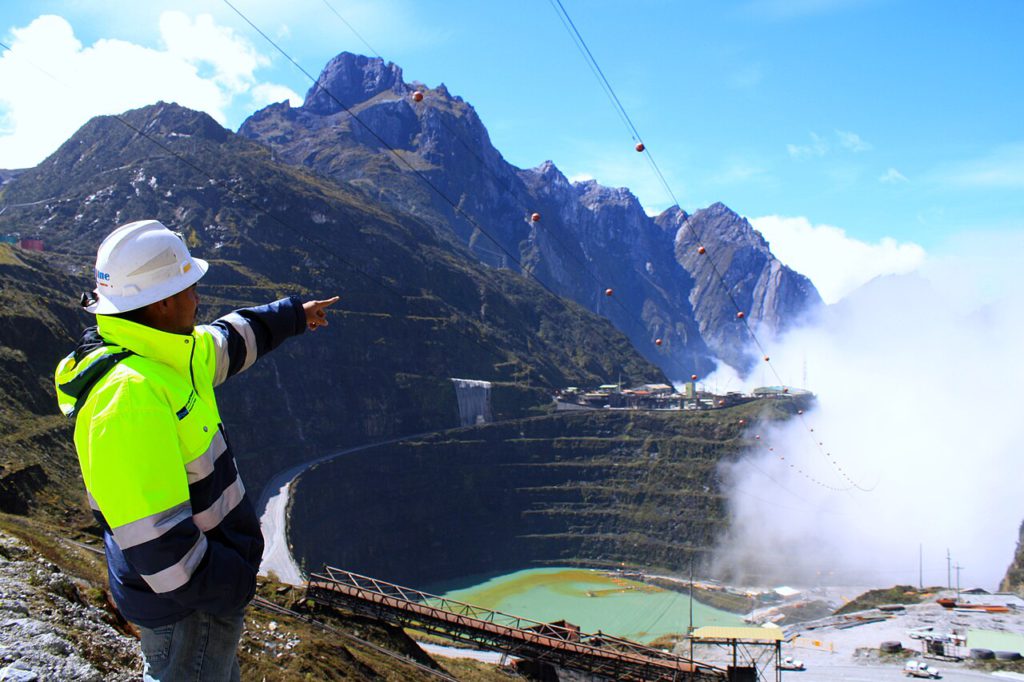
Freeport-McMoRan beat second-quarter profit forecasts with adjusted earnings of $0.74 per share and net income of $984 million, helped by a realised copper price of $6.17/lb versus $4.54/lb a year earlier despite an 18.2% drop in copper production to 786 million lb. Grasberg, hit by about 800,000 t of wet material flooding in September, is running at roughly 50% of capacity, targeted to reach 65% later this year and near full capacity by end-2027, with full restart now delayed to early 2028. Freeport reaffirmed 2026 guidance of 3.1 billion lb copper and 650,000 oz gold sales, with $4.3 billion capex planned, including $3 billion for major mining projects.