Geomechanics, Streamlined.
© 2026 Geomechanics.io. All rights reserved.
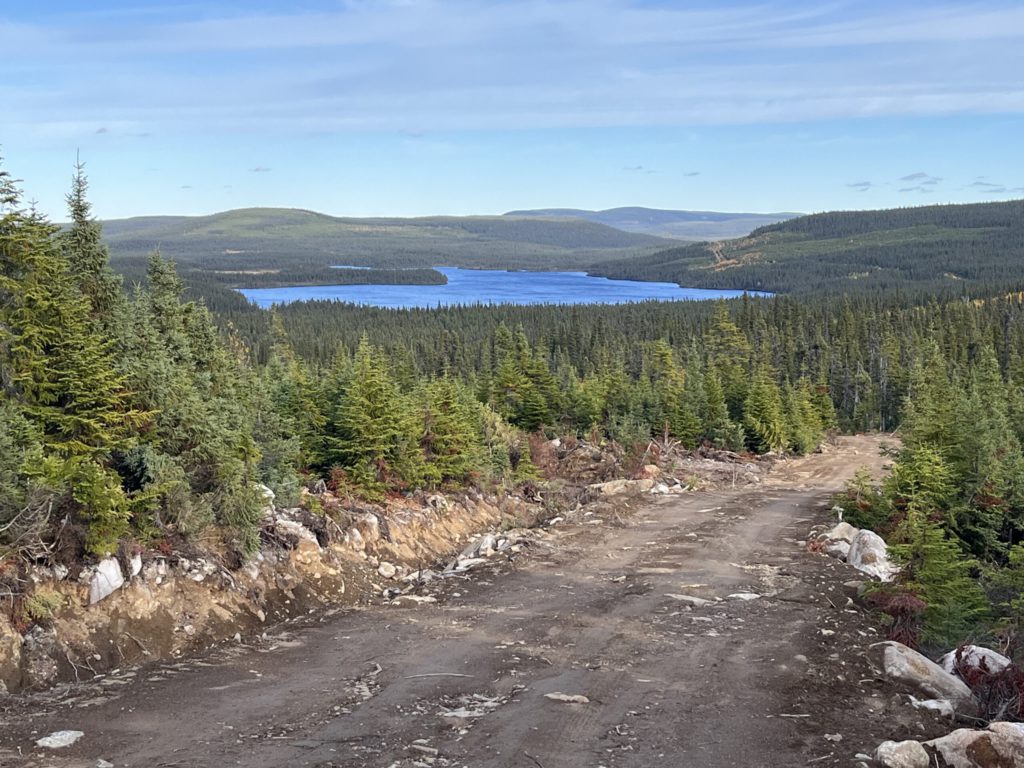
Saga Metals’ Radar project in Labrador has returned broad titanium-vanadium-iron intercepts at the Trapper target, with hole R-0055 cutting 97.6 metres from 320 metres depth grading 43.54% Fe2O3, 6.62% TiO2 and 0.277% V2O5, including 66 metres at 47.65% Fe2O3, 7.36% TiO2 and 0.317% V2O5. Additional holes R-0056 and R-0057 delivered 87.3 metres at 33.39% Fe2O3, 4.65% TiO2, 0.207% V2O5 and 101.7 metres at 38.65% Fe2O3, 5.60% TiO2, 0.249% V2O5 respectively, confirming continuity of oxide mineralisation. With more than 18,600 metres drilled across 50 holes, Saga expects to complete its maiden resource drilling in weeks, positioning Radar as a rare Canadian titanium-vanadium asset alongside Rio Tinto’s Lac Tio.
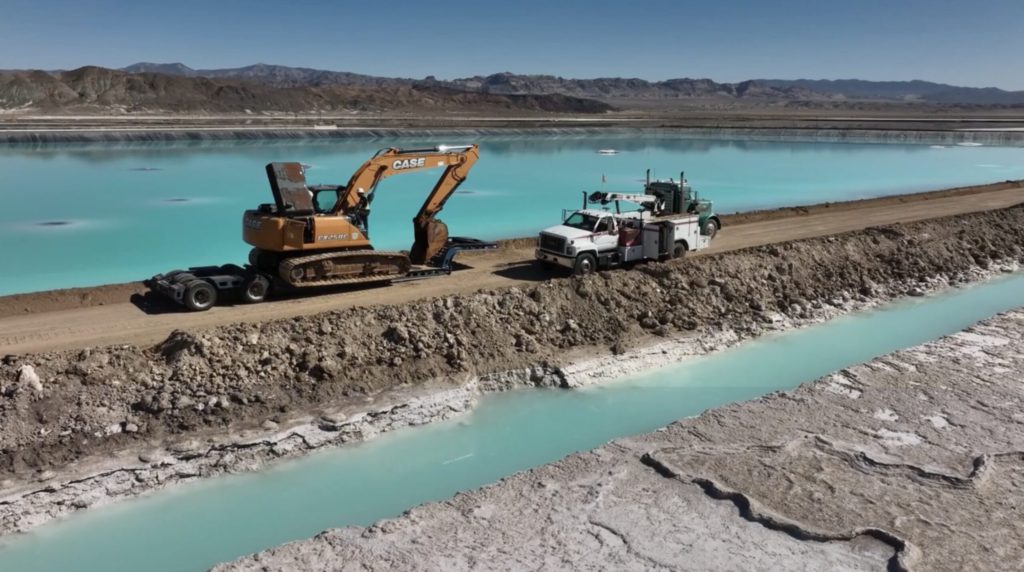
US Defence Logistics Agency has again delayed bids for a contract of up to $300 million to supply 16,167 tonnes of battery‑grade lithium carbonate to the National Defense Stockpile, pushing the deadline to 5 August from an original 17 July. The move exposes how limited US‑aligned supply remains, with Albemarle’s Silver Peak mine the only domestic producer and Elevra Lithium’s North American Lithium operation in Quebec still shipping spodumene concentrate that requires conversion. With Thacker Pass at least a year from production and Chinese processors dominating refining, US planners face a persistent gap between policy and physical tonnes.
Haywood Securities has cut its 2026 gold and silver forecasts to US$4,345/oz (from US$4,906) and US$67.11/oz (from US$73.40) after a 14% Q2 gold price drop and an 18% fall in the VanEck Gold Miners ETF, yet argues senior producers at 7.83x next-12‑month cash flow still look attractive versus a 5‑year average of 8.86x. Equinox Gold remains its top producer pick, with the Orla Mining merger expected to create a ~1.1 Moz/y North America‑focused producer and a path towards 2 Moz/y by 2031. Among developers, Haywood favours First Mining Gold’s now federally approved Springpole project, Thesis Gold & Silver’s Lawyers Ranch PFS in B.C.’s Toodoggone district, and Troilus Mining’s 303,000 oz Au‑eq/y project with a 70 MW power allocation and an estimated after‑tax NPV5 of about US$5.3 billion and 29% IRR.
The U.S. Department of Energy has shortlisted Tennessee, Utah, Louisiana, Idaho and Oklahoma to host “Nuclear Lifecycle Innovation Campuses” covering uranium enrichment, fuel fabrication, spent-fuel reprocessing and final disposition for almost 100,000 metric tonnes of used reactor fuel. Non-binding Memorandums of Understanding signed by Energy Secretary Chris Wright envisage up to US$50 billion in capital investment, US$10 billion in state and local tax revenue and about 25,000 jobs if campuses proceed. Depending on state capabilities, sites may also integrate advanced reactor deployment, power generation and co-located data centres, reshaping regional nuclear-fuel infrastructure.
Rock Tech Lithium has signed a binding seven‑year offtake with Geneva-based Transamine for up to 100,000 dry tonnes per year of spodumene concentrate from its 0.82% Li₂O Georgia Lake deposit in northern Ontario, starting at 50,000 tonnes in 2028 and ramping up thereafter. Pricing will track the Fastmarkets 6% Li₂O benchmark with grade adjustments, a qualified floor price and ±10% volume tolerance, and will be revisited after a definitive feasibility study. The pact also includes a framework for an $80 million development prepayment facility at three‑month CME Term SOFR plus 2.95%, contingent on permits, equity financing and due diligence.
Last Caterpillar R2900G loader off the production line has been delivered to a long‑running Queensland silver‑lead mine fitted with RCT – Powered by Epiroc’s AutoNav multi‑machine automation system. The mine, which has used RCT control and automation on its underground LHD fleet for nearly 30 years, now runs AutoNav across its production loaders and added four new units last year. Fitting AutoNav to the final R2900G signals continued investment in autonomous tramming and centralised control rather than immediate wholesale fleet replacement.
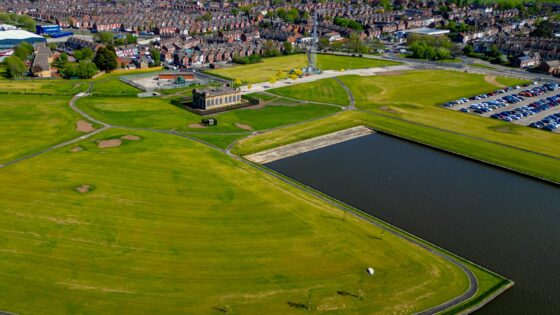
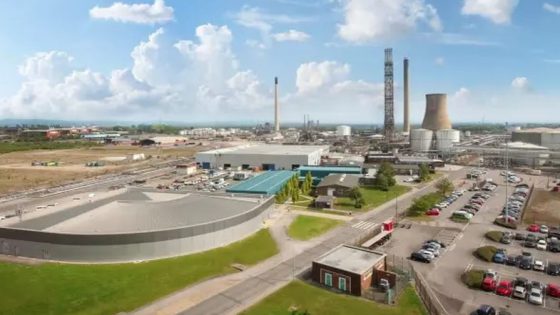
Keltbray has completed environmental remediation of the 9ha Waterfront East Park brownfield site on Chappell Drive in Doncaster, preparing it for future mixed-use development. Works are understood to have focused on treatment and removal of contaminated made ground typical of former industrial riverfront land, along with re-engineering of soils to achieve development-ready bearing capacities and platform levels. The scheme provides a cleaned and remediated development platform in a constrained urban setting, reducing geotechnical and contamination risk for follow-on infrastructure and building foundations.
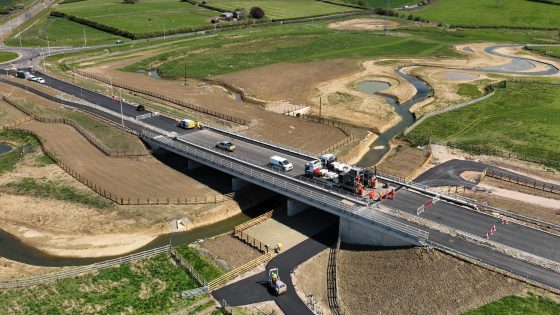
Construction of the Melton Mowbray Distributor Road, now named Pork Pie Way, saw Galliford Try and Leicestershire County Council work through multiple environmental constraints and programme risks to complete the new link. The scheme required careful phasing around existing traffic in the town, extensive utility diversions and mitigation for sensitive habitats along the corridor. For geotechnical and civil teams, the project illustrates the importance of early contractor–client collaboration on ground risk, drainage strategy and statutory approvals to keep a complex distributor road on schedule.
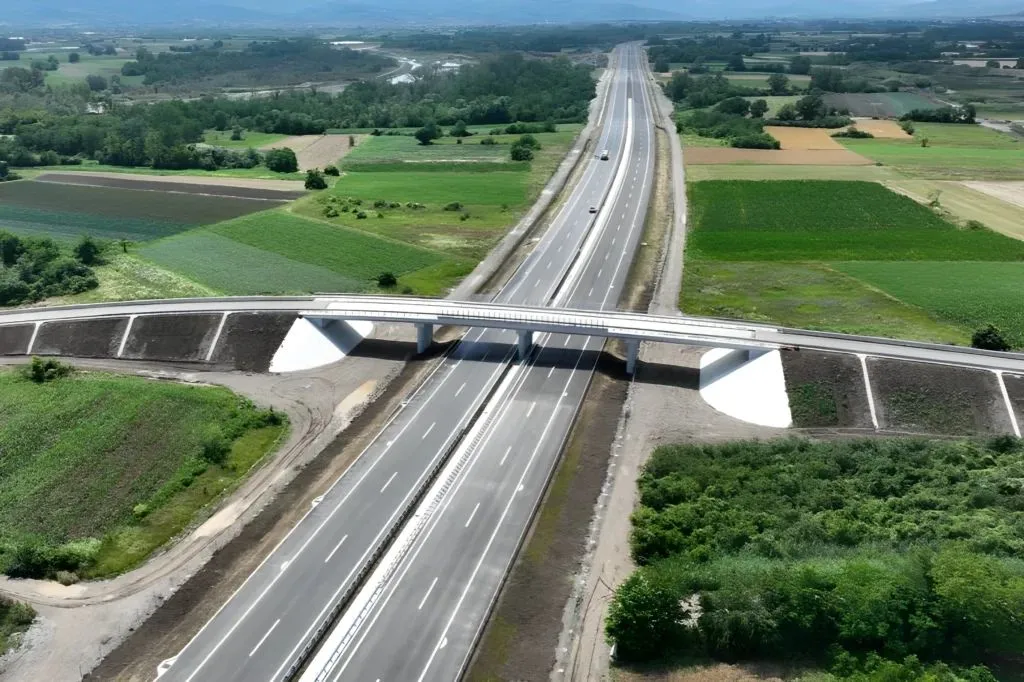
Resilient bridges are framed as components of a single transport system, where bearings, expansion joints, drainage, parapets and approach embankments must be designed and maintained as one rather than as isolated elements. The author, a senior infrastructure delivery specialist with over 20 years’ experience, stresses that hidden details such as deck waterproofing, movement joints and substructure–pavement interfaces often govern lifecycle performance more than the visible superstructure. For practitioners, the message is to integrate bridge design with road geometry, utilities, inspection access and maintenance regimes from concept stage to avoid premature deterioration and costly retrofits.
Ground investigation techniques typically used for highways and foundations have been deployed in a 1960s missing person cold case, with RSK geophysicists leading the subsurface search. The team is combining ground-penetrating radar (GPR) with intrusive investigation methods such as boreholes or trial pits to characterise stratigraphy and detect potential burial anomalies. The work shows how standard site investigation tools can be adapted for forensic applications, including in constrained or previously disturbed ground.
Cable and metal theft on Welsh railways is being targeted by Transport for Wales with a new anonymous tip-off service for the public to report suspicious activity near trackside assets. The initiative focuses on critical infrastructure such as signalling cables, overhead line equipment and earthing bonds, whose removal can disable sections of route, disrupt timetables and compromise electrical safety. For civil and rail engineers, the move signals continued vulnerability of exposed metallic components and may influence future design choices on cable routing, protection and material selection.
Dŵr Cymru Welsh Water is moving to the next stage of its Cwm Taf Water Supply Strategy, initiating the largest infrastructure investment in the company’s history. The programme is expected to overhaul strategic water transfer and storage across the Cwm Taf region, with major trunk main upgrades, new treated water links between existing treatment works, and resilience works on key service reservoirs. Geotechnical and civil contractors should anticipate substantial pipeline corridors, complex crossings and long-term phasing to maintain supply during construction.
Genesis Minerals delivered record FY26 output of 285,402oz of gold at an all-in sustaining cost of $2,670/oz, generating strong cash to support a strategic expansion ahead of its merger with Vault. The combined business will control multiple open-pit and underground assets in Western Australia’s Leonora district, enabling larger, centralised processing and more flexible mine scheduling across several orebodies. For mine planners and geotechs, the scale-up points to increased cutback volumes, deeper pits and potential re-optimisation of geotechnical designs around a district-wide production strategy.
Falcon Metals has secured full regulatory approvals for the first-ever drilling program at its Olsen Well prospect within the Errabiddy gold project in Western Australia, targeting a largely under-explored gold anomaly. The company plans about 3,500m of reverse circulation drilling starting in September, with the drilling contractor tender process already in an advanced stage. Early RC results will be critical for defining mineralised structures, guiding follow-up diamond drilling, and refining resource modelling across the broader Errabiddy tenure.
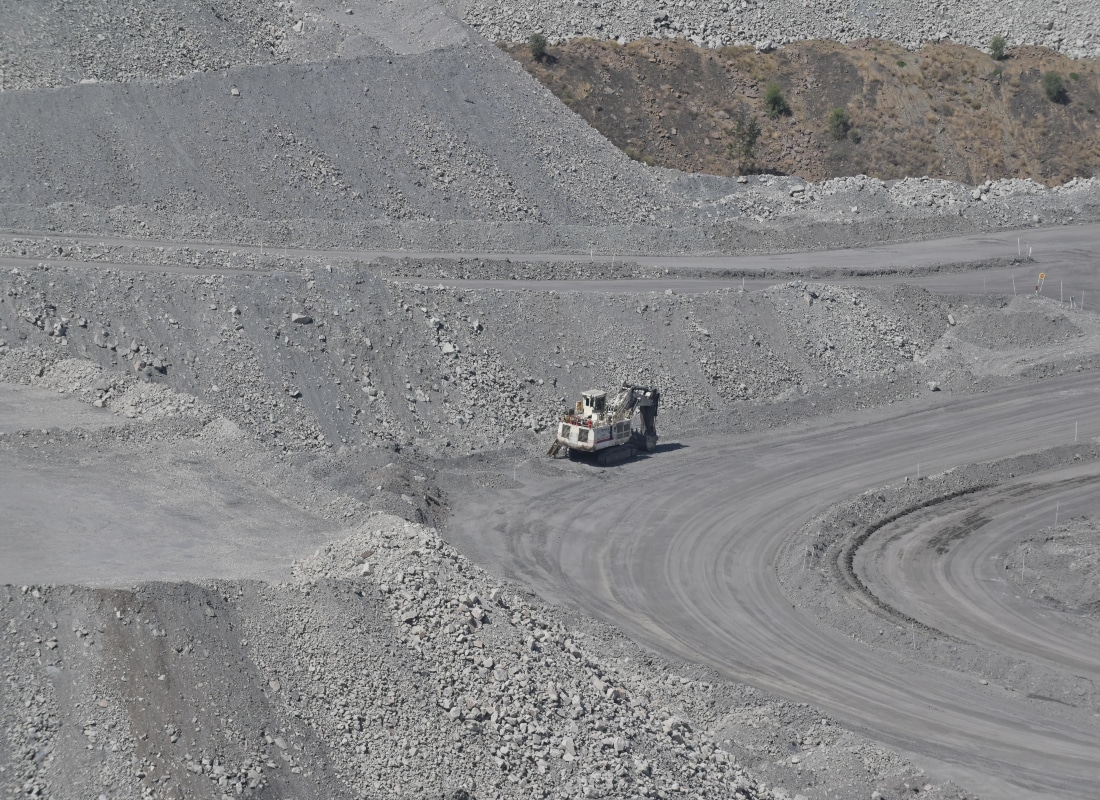
Whitehaven Coal produced 10.7Mt of managed run-of-mine coal in the June quarter, with Queensland operations rebounding after earlier weather-related disruptions to hit the top end of its 2025–26 guidance for both ROM output and coal sales. The strong quarter follows heavy rainfall and flooding that constrained production in the first half of the financial year, particularly in open-cut pits and haulage circuits. Consistent delivery against guidance despite climate-driven volatility will keep geotechnical and mine planners focused on pit dewatering capacity, haul road drainage and wet-weather operating envelopes.
Austral Resources will pay $51.98 million to terminate the Anthill Project Agreement with Glencore and Secover, removing caps that restricted copper cathode output from its Mt Kelly heap leach–SXEW facility in northwest Queensland. The change gives Austral full marketing control over production from the Anthill open pit and any future Mt Kelly satellite pits, directly exposing the company to current high copper prices. For mine planners and metallurgists, the move enables flexible throughput, scheduling and potential debottlenecking at Mt Kelly without third-party offtake constraints.
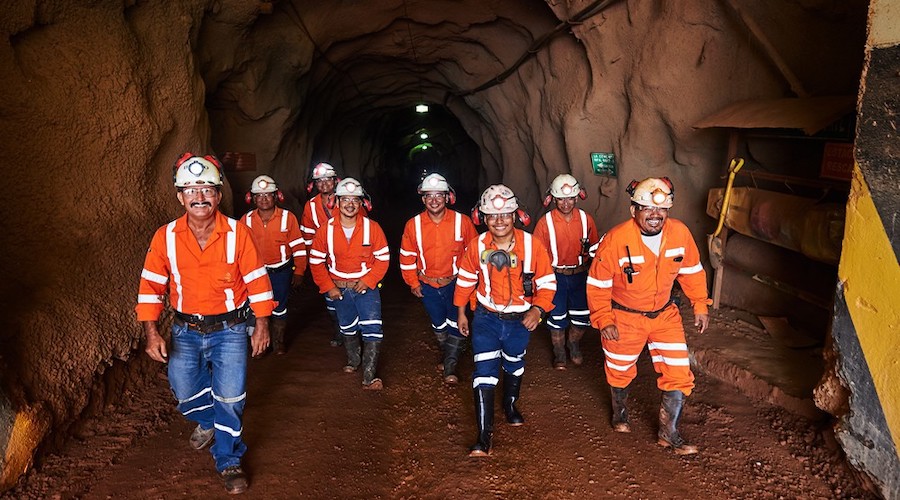
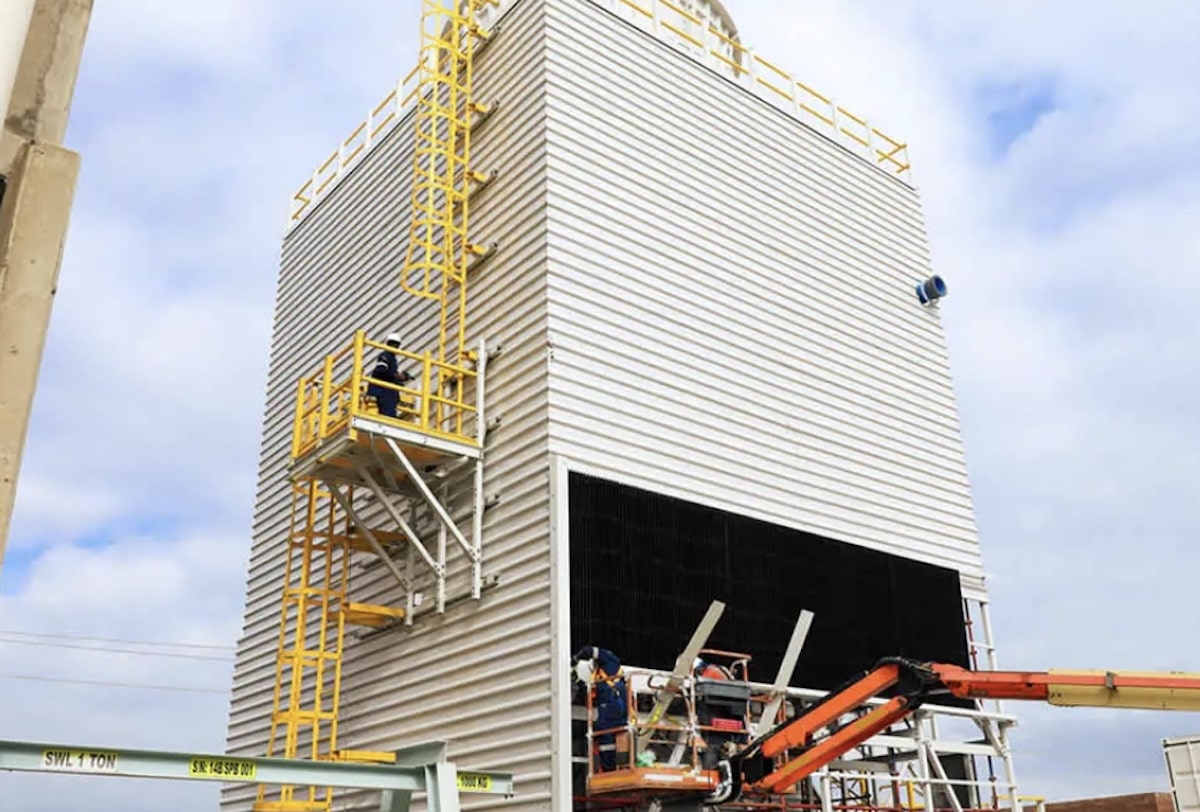
A South African platinum mine expansion at Impala Platinum required upgraded refrigeration and ventilation, with BBE Projects contracting IWC (NEXT Cooling) to deliver additional cooling capacity for deeper, hotter workings. The engineered system is designed for continuous duty in harsh underground conditions, with robust materials and corrosion-resistant components to handle high dust loading, variable water quality and frequent power disturbances. For mine planners and ventilation engineers, the project signals growing emphasis on integrated cooling–ventilation design to sustain higher production rates without breaching thermal comfort and occupational exposure limits.
A-squared Studio has developed a protection strategy for a live Post Office tunnel running beneath the St Giles Quarter redevelopment in London’s Holborn, where an existing tower is being demolished and replaced on the same footprint. The scheme must maintain tunnel integrity and operational access while managing demolition-induced vibration, differential settlement and load transfer from the new high-rise structure. For geotechnical and structural teams, the project centres on temporary works, precise monitoring and foundation design that limits additional stresses on the ageing tunnel lining.
Heathrow’s expansion is being positioned as proof that the UK can still deliver complex, large-scale infrastructure, with multi-runway airport works, major tunnelling under live taxiways and upgrades to the M25 interface all needing to be delivered without disrupting current operations. The scheme’s success will hinge on tightly sequenced phasing, high-intensity night possessions and advanced digital construction management to coordinate thousands of workers in constrained airside zones. For civil and geotechnical engineers, it is a test of integrating deep excavations, heavy pavement reconstruction and major utilities diversions within one of Europe’s busiest aviation hubs.
Condition-monitoring specialist Samotics has launched a platform that uses electrical signature analysis on pump motors to give earlier warnings of bursts in rising water mains, which are typically hard to instrument directly. By monitoring current and voltage waveforms in real time, the system infers changes in hydraulic behaviour such as partial bursts, blockages or air entrainment without adding pressure or flow sensors to the pipe. For water companies, this enables remote detection on long, buried rising mains and could materially cut unaccounted-for water and repair response times.
Cavendish Nuclear and Amentum have been appointed in joint venture to deliver a new treatment facility at the Port of Workington to process sodium coolant from a Japanese nuclear reactor, signalling a specialised import, handling and decontamination operation on the Cumbrian coast. The project will require marine and landside infrastructure for receiving and transferring reactive liquid sodium, plus heavily shielded process units and containment systems designed to nuclear-licenced standards. UK civil and geotechnical teams can expect complex foundation design, strict contamination control, and integration with existing port load-out and transport corridors.
The first UK carbon storage scheme to reuse existing infrastructure has secured a lease with The Crown Estate, clearing a key regulatory hurdle for offshore CO₂ injection and long-term subsurface storage. Repurposing existing offshore pipelines, platforms and wells is expected to cut upfront capex versus newbuild assets and shorten the timeline to first injection. For civil and geotechnical teams, the focus will be on verifying legacy asset integrity, adapting well and pipeline materials for CO₂ service, and reassessing seabed and reservoir behaviour under cyclic injection pressures.
Uncertainty over whether the UK government will proceed with a ‘critical national importance’ designation for selected infrastructure schemes leaves major projects without the promised fast‑track planning route. The proposed status was expected to accelerate Development Consent Orders for large transport, energy and water schemes, potentially compressing examination and decision timetables that often exceed 18 months. Project teams now face continued programme risk around statutory consultation durations, inquiry scheduling and judicial review exposure, complicating procurement and funding strategies for complex, multi‑billion‑pound assets.
Scape has launched procurement for a £1.2bn Regional Construction Works and Services framework spanning four regions in England, targeting public sector building, infrastructure and associated civil works. The framework is expected to bundle multiple local authority and public estate projects into standardised lots, giving contractors pipeline visibility and pre-agreed NEC-based commercial terms. For geotechnical and civil engineers, this signals substantial upcoming demand for site investigations, foundations, highways interfaces and asset upgrades procured through a single, compliant route.