Geomechanics, Streamlined.
© 2026 Geomechanics.io. All rights reserved.
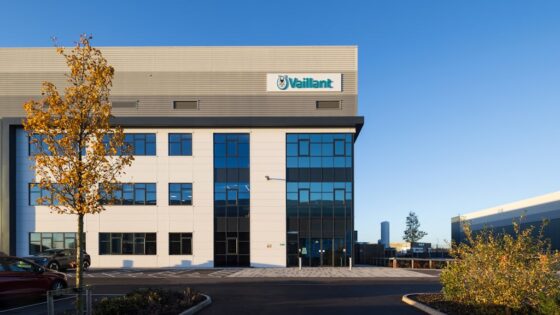
Completion of the final phase at Indurent Park in Derby gives Winvic Construction a fully operational manufacturing and logistics hub after a four-year build programme. The scheme comprises multiple large-span industrial units with high-bay warehousing and integrated manufacturing floorspace, designed for heavy goods vehicle circulation and high-volume loading operations. For civil and geotechnical teams, the long programme and logistics-led layout point to substantial ground improvement, heavy-duty pavement design and service corridor coordination to accommodate concentrated axle loads and future expansion.
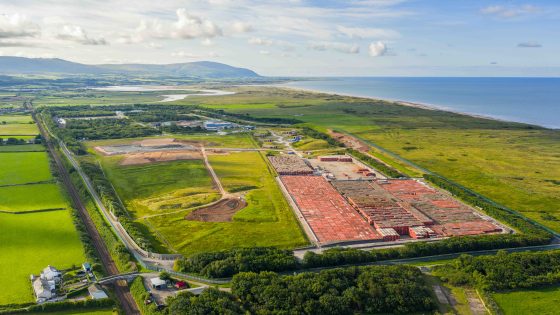
Nuclear Waste Services is procuring specialist technical support under a £17.8M Environmental Safety Case: General Tech inc Geological & Hydrogeological framework for the Low Level Waste Repository (LLWR) in Cumbria. The framework will cover geological, hydrogeological and wider environmental safety case inputs needed to justify continued operation and long‑term post‑closure performance of engineered vaults and near‑surface disposal structures. Consultants will be expected to provide site characterisation, groundwater and contaminant transport modelling, and support for regulatory submissions under the UK nuclear and environmental permitting regime.
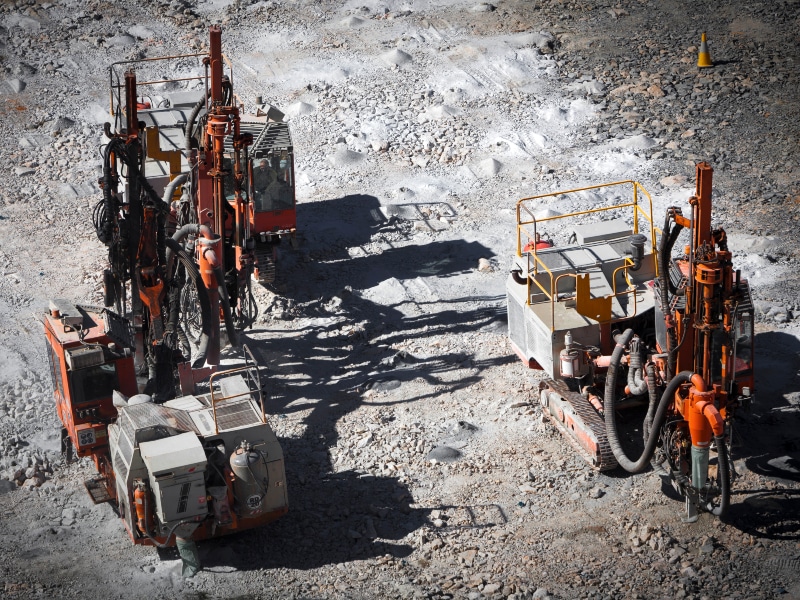
KGHM International’s Victoria project in the Sudbury Basin is being developed as a greenfield underground mine built around a fully battery-electric mobile fleet, picking up the decarbonised mine concept originally envisaged for Glencore’s Onaping Depth. The design centres on eliminating diesel equipment to cut ventilation demand and heat load, enabling smaller primary fans, reduced ventilation raises and potentially lower shaft diameters. For geotechnical and mine planners, this shifts key constraints towards power distribution, charger placement and heat rejection, rather than traditional airflow and fume clearance limits.
Yutong reports that 100 of its battery electric wide-body mining trucks are now in stable, large-scale operation at the Baoqing Chaoyang open-pit lignite mine in Heilongjiang’s sub‑zero winter conditions. The mine, with over 800 Mt of proven reserves, is using the BEV fleet for overburden and coal haulage under complex topography, supporting China’s dual‑carbon strategy by displacing conventional diesel units. For mine planners and fleet engineers, the deployment signals growing operational confidence in high‑capacity BEVs in cold‑climate, large open‑pit coal operations.
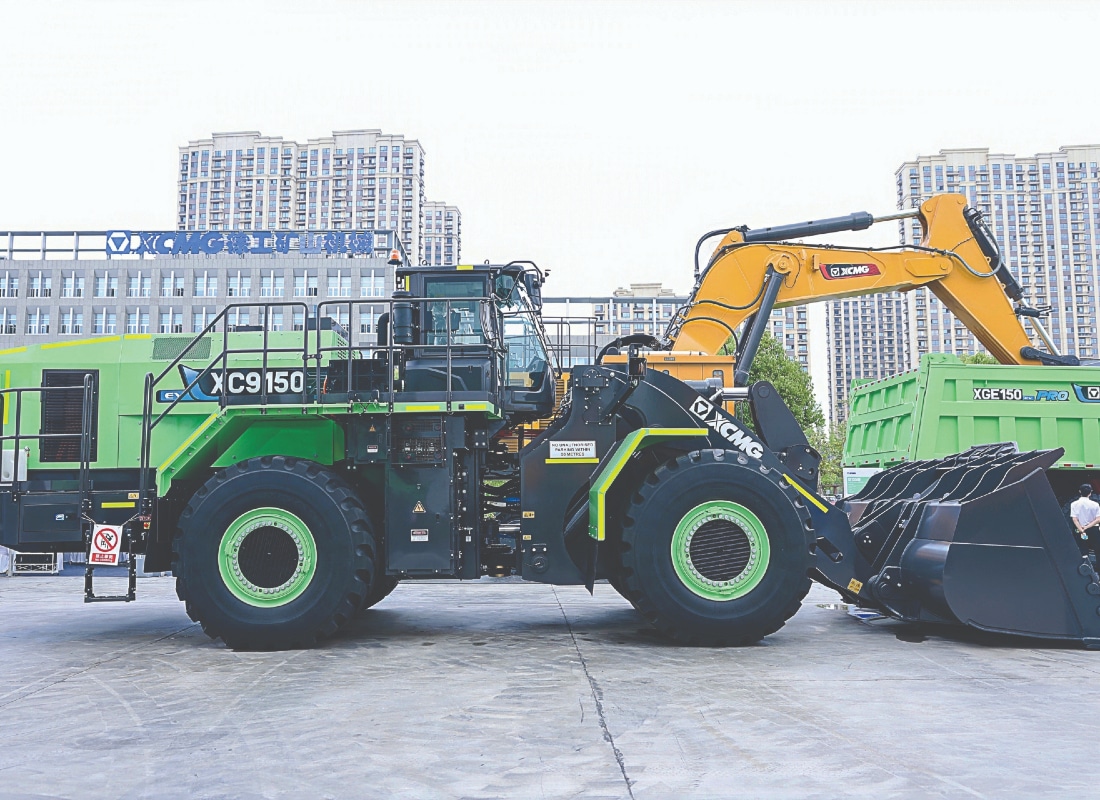
Ghana Manganese Company has commissioned an XCMG XE4000 hydraulic excavator, expanding its loading fleet at the Nsuta manganese operation to support higher-volume, continuous open-pit production. The ultra-large excavator, typically paired with 150–220 t class haul trucks, is intended to improve bench loading rates and reduce unit costs compared with smaller backhoe and face shovel units on site. GMC frames the investment as part of its push for “responsible and sustainable mining”, prioritising reliable, high-performance equipment to maintain safe, efficient pit and waste stripping operations.
MacLean Engineering has selected Scania Industrial Batteries as the primary battery supplier for its underground battery-electric mining fleet after an extensive global evaluation of cell chemistry, pack design, and lifecycle performance. The partnership will standardise battery systems across MacLean’s growing portfolio of BEVs, including loaders, bolters, and utility vehicles, enabling common spares, unified charging interfaces, and streamlined thermal management strategies. For mine operators, this signals a shift towards OEM-integrated battery platforms rather than mixed-vendor retrofits, with implications for electrical infrastructure planning and long-term fleet decarbonisation roadmaps.
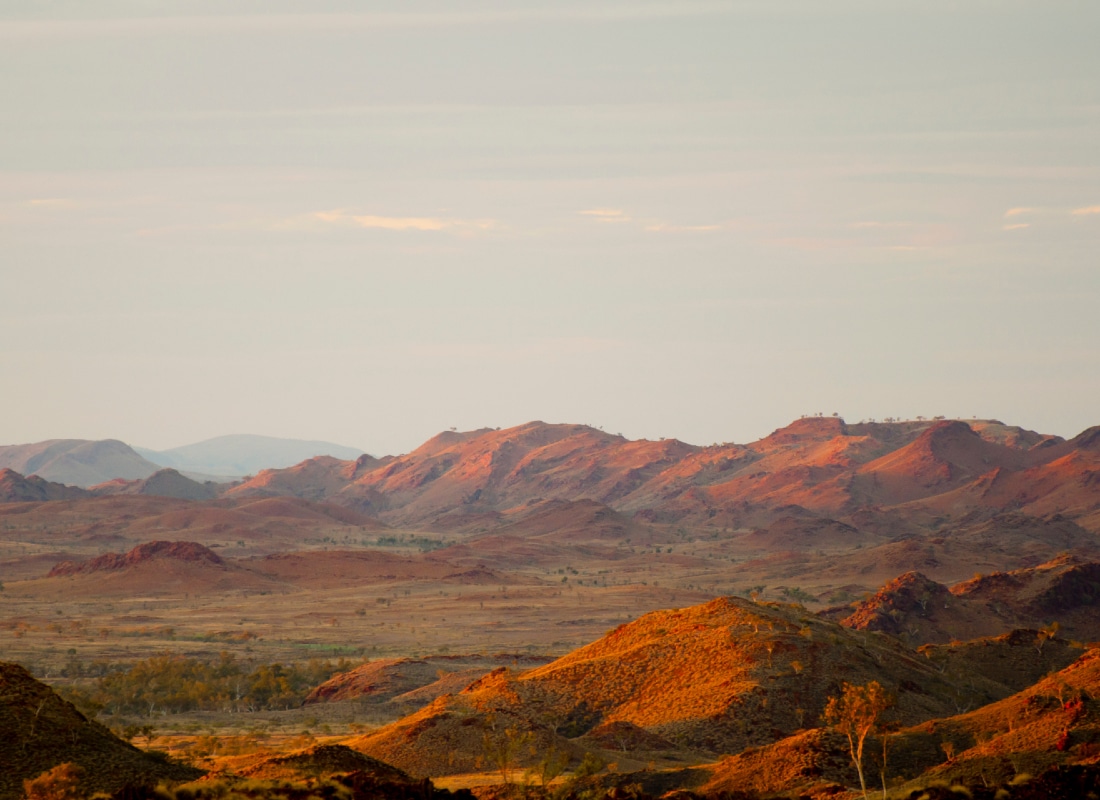
Terrain Minerals has reported a maiden Inferred Mineral Resource Estimate of 677,000 tonnes at 2.5g/t gold for 54,000oz at the Lightning deposit, part of its 100 per cent-owned Smokebush gold–silver project in Western Australia’s Murchison region. The resource provides an initial inventory for potential open-pit and underground evaluation, with grade and tonnage in the typical range for small to mid-scale Murchison shear-hosted gold systems. For geotechnical and mine planning teams, the defined tonnage and grade support early-stage pit shell optimisation, geometallurgical testwork scheduling, and targeted infill drilling design.
High-grade gold–copper mineralisation at Medallion Metals’ Gem deposit within the Ravensthorpe project in Western Australia has been extended eastwards and at depth by recent drilling at the Kundip Mining Centre (KMC). The step-out holes confirm continuity of the Gem lode system beyond previous resource limits, materially enlarging the mineralised footprint within the KMC corridor. For mine planning and geotechnical design, the deeper intercepts signal potential for a larger underground inventory and the need to reassess pit shells, geotechnical domains and long-term development sequencing.
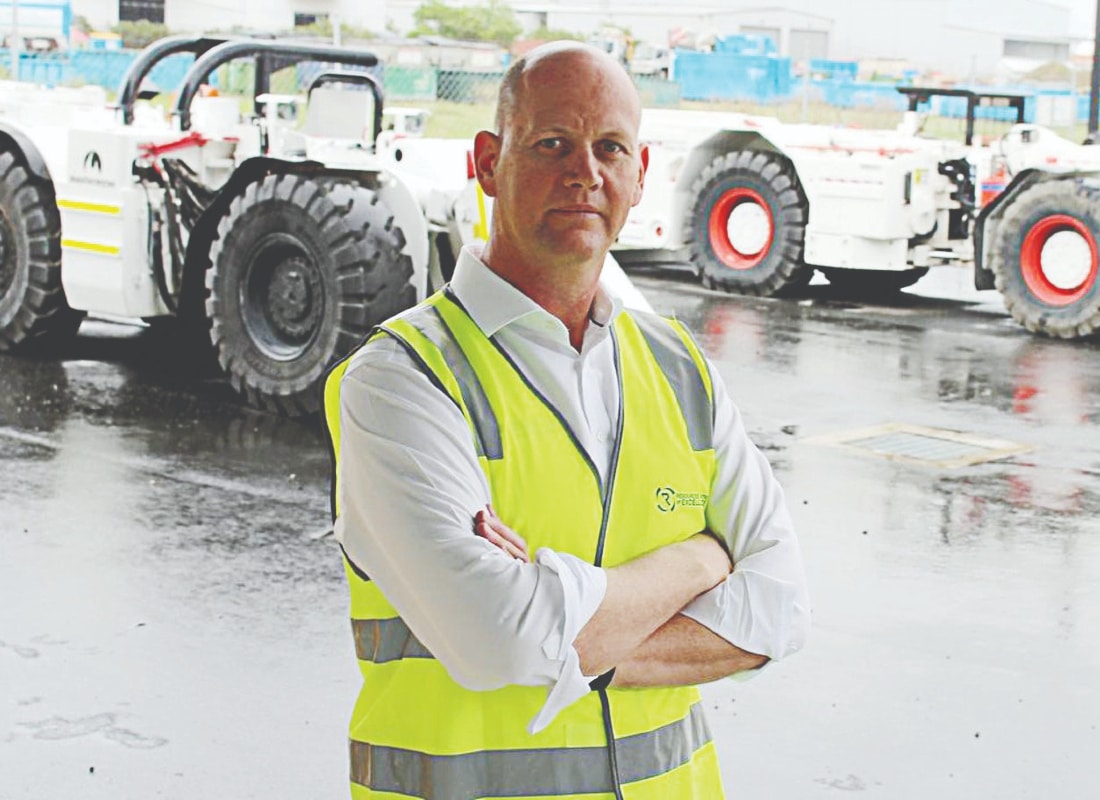
Resource Industry Network is campaigning across Bowen, Surat and Galilee coal regions as Queensland’s revised regulatory frameworks and higher coal royalties threaten margins for miners and the METS supply chain. General manager Dean Kirkwood warns that hundreds of small and mid-sized contractors in Mackay and other hubs – from heavy fabrication workshops to drill and blast service providers – face reduced forward work and curtailed investment in new fleets. For geotechnical and mining engineers, the shift signals tighter project pipelines, delayed brownfield expansions and greater scrutiny on cost and schedule risk in coal-related work.
Battery-electric support fleets, including graders, water carts and service trucks, are emerging as a near-term decarbonisation lever for Australian mines, avoiding the payload and duty-cycle constraints that still limit 220–400 t battery-electric haul trucks. OEMs such as XCMG are field-testing high-voltage, fast-charge support equipment in demanding pit environments, targeting shift-length operation with opportunistic charging during breaks. For mine planners and maintenance teams, this shifts immediate focus to site-wide power distribution, charging bay layout and thermal management of batteries rather than wholesale replacement of primary production fleets.
Sundance Resources has secured a $616 million ICC arbitration award after a tribunal found Cameroon unlawfully revoked its Mbalam-Nabeba iron ore mining rights and breached an ICC emergency order issued in March 2022 that prohibited granting the permit to another party. The ruling follows a six-year dispute over one of Africa’s largest undeveloped iron ore deposits and comes months after Sundance’s separate $8.8 billion claim against the Republic of Congo over the Nabeba section was dismissed. Cameroon must now either pay voluntarily or face enforcement proceedings in multiple jurisdictions.
Spanish Mountain Gold’s latest drilling at its namesake project in central British Columbia returned a 252-metre intercept grading 0.82 g/t gold from about 76 metres depth, including 94 metres at 1.32 g/t and a 5‑metre interval at 3.23 g/t from 195 metres in hole 26‑DH‑1390, extending Orca fault corridor mineralisation within the main deposit. Additional holes such as 26‑DH‑1386 (10 metres at 2.19 g/t from 296 metres) and 26‑DH‑1388 (69 metres at 0.75 g/t from 217 metres) support ongoing infill and expansion within a 60,000‑metre 2026 drill campaign. The project, backed by a US$55 million Wheaton Precious Metals 1.5% NSR and a PEA for a 26,000 t/d open‑pit over 24.5 years, is targeting a construction decision in 2028.
Impala Platinum has halted mining for four days at its Rustenburg PGM complex, 120 km north-west of Johannesburg, after six worker fatalities, including two underground locomotive deaths in July, triggered a full safety reset. The 51,500-employee operation, which delivers almost half of Implats’ total output, will use the shutdown for workplace inspections, targeted training, a mass engagement session and an independent audit of safety systems. Production impact will only be quantified after restart, adding operational risk at one of South Africa’s deep-level, high-cost platinum hubs.
Algae grown in a 50‑gallon recirculating trough at Southern Illinois University more than doubled dissolved rare earth element concentrations from finely ground ore, offering a biological alternative to sulfuric acid-based leaching. Microbiologist Scott Hamilton-Brehm’s team then recovered the metals via a patented organic breakdown process, with residual algal biomass suitable for agricultural bio-stimulants or biodiesel. The approach is being tested on additional algae species and could be applied to coal ash, mine waste and e‑scrap, potentially upgrading low-grade or secondary US sources such as Hicks Dome in Illinois.
An updated feasibility study for NextSource Materials’ Molo graphite mine in southern Madagascar extends mine life from 25 to 37 years but cuts the stage-two post-tax NPV (8% discount) to $348.4 million and IRR to 20%, while capital costs jump 79% to $290.8 million. The plan adds three 50,000 t/y processing modules to lift capacity from 17,000 t/y to 150,000 t/y of graphite concentrate, underpinned by an offtake with Mitsubishi Chemical Group. Molo hosts 82.5 Mt at 6.27% Cg for 5.1 Mt contained graphite, positioning it as a major non-Chinese flake source.
Gold is still on course to hit $6,000/oz around year-end despite the recent selloff, with macroeconomist Nomi Prins attributing the drop to paper trading rather than weaker physical demand, while silver has rebounded above $57/oz after a spike to nearly $122. She notes iShares Silver Trust turnover of 5–10 billion oz a year versus only ~820 million oz mined and a sixth consecutive annual physical deficit, before extra pull from AI data centres and new technologies. Prins also targets $7/lb copper by year-end and expects majors like Barrick and Newmont to deploy strong cash flow into buying junior gold developers and projects.
Quebec has selected Troilus Mining Corp.’s past‑producing Troilus gold‑copper operation for Filon, a new accelerated permitting stream that co‑ordinates provincial and federal environmental assessments via dedicated expert teams. The brownfield project, which historically produced over 2 million oz. of gold and 70,000 tonnes of copper, has a 2024 feasibility study outlining average output of 303,000 oz. of gold per year over a 22‑year mine life and a 70‑MW Hydro‑Québec power allocation. ESIA reviews are under way, with permitting decisions targeted by end‑2026 and a potential construction decision in 2027.
Brixton Metals has reported an exceptional intercept of 20 m averaging 5,015 g/t silver from 165 m downhole in hole LM-26-377 at the brownfield Langis project near Cobalt, including 14 m at 7,150 g/t from 169 m, in ground with no historic stoping. Follow-up holes LM-26-353 and LM-26-352 returned 13 m at 287.8 g/t and 7 m at 275 g/t silver respectively, as part of a 2026 campaign totalling 24,017 m in 105 holes, with up to 60,000 m planned. Mineralisation occurs both in veins and disseminated through host rocks, potentially expanding targets beyond the narrow native-silver veins that characterised historic Cobalt camp mining.
Stormlands Mining’s AI-driven re‑evaluation of Awalé Resources’ Odienné gold project in northwest Côte d’Ivoire lifts modelled NPV at a 5% discount rate from US$891.8 million to US$2.25 billion, with IRR jumping from 69.42% to 152.25% and payback shortening from 17 months to about eight. Using a gold price of US$4,877.4/oz, the model raises life‑of‑mine revenue from US$4.38 billion to US$6.88 billion and EBITDA from US$2.01 billion to US$4.32 billion, while projected royalties and tax nearly double to US$1.53 billion. Covering 2,346 sq. km over seven permits, Odienné includes a 32.4‑million‑tonne, 1.64 g/t AuEq (1.71 million oz) joint venture with a Newmont subsidiary, positioning it as a potentially high‑margin West African gold asset pending formal PEA work.
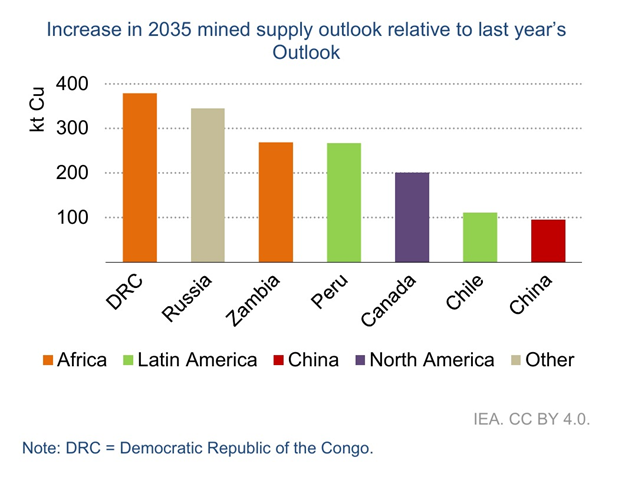
The IEA’s Global Critical Minerals Outlook 2026 trims the projected 2035 copper supply gap from about 30% to roughly 25%, largely by counting expansions and life extensions at existing operations such as Kisanfu, Lumwana, Highland Valley and Antamina rather than new greenfield mines like the stalled Resolution Copper in Arizona. Randy Allen, co-founder and CEO of Still Bright, warns that copper supply is constrained by smelting, with 2026 benchmark treatment charges at US$0/t, spot fees negative since 2024, and non-Chinese smelters running below 70% capacity. Zambia’s repeated suspension of its 10% concentrate export duty on more than 270,000 tonnes due to extended smelter maintenance illustrates the vulnerability, prompting interest in mine-site alternatives such as electrochemical reductive leaching of rougher concentrates to bypass furnaces.
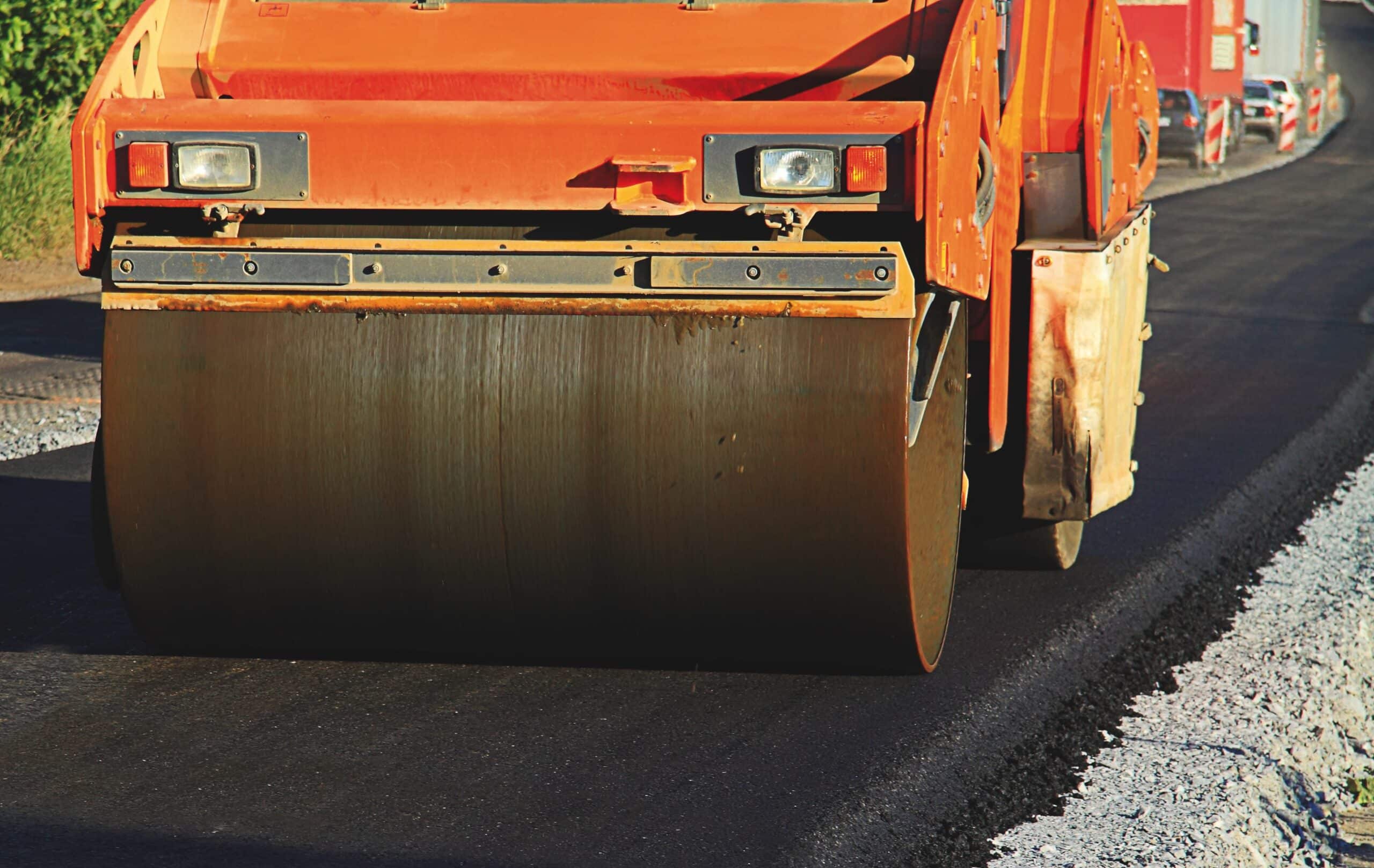
Tyrecycle is pushing for wider national adoption of crumb rubber modified bitumen in Australian road projects, citing evidence that recycled tyre rubber can extend asphalt pavement life by up to 10 years compared with conventional mixes. By diverting end‑of‑life tyres into crumb rubber for spray seals and dense‑graded asphalt, ResourceCo and Tyrecycle aim to improve rutting resistance, fatigue performance and noise reduction on urban arterials. For asset owners, the approach targets lower whole‑of‑life costs and reduced maintenance interventions on heavily trafficked corridors.
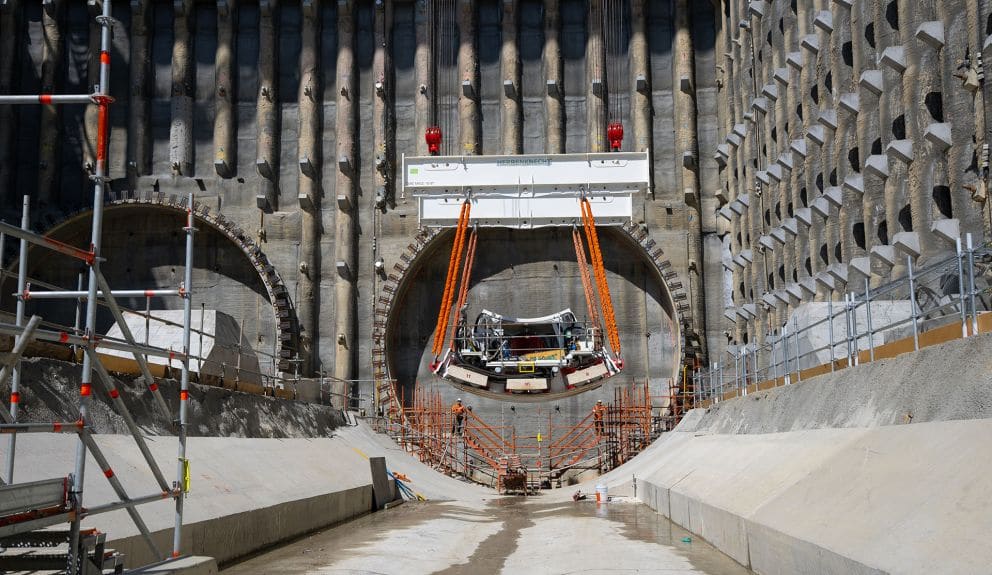
Tunnelling on Victoria’s North East Link is now complete, with TBM Gillian breaking through on the southbound tunnel from Watsonia to Bulleen after the northbound drive finished earlier in 2026. The project delivers twin road tunnels scheduled to open to traffic in 2028, forming the key underground section of the M80–Eastern Freeway connection. Completion of excavation shifts the focus to lining, waterproofing, fire and life-safety systems, and integration with surface interchanges, critical for final geotechnical monitoring and long-term structural performance.
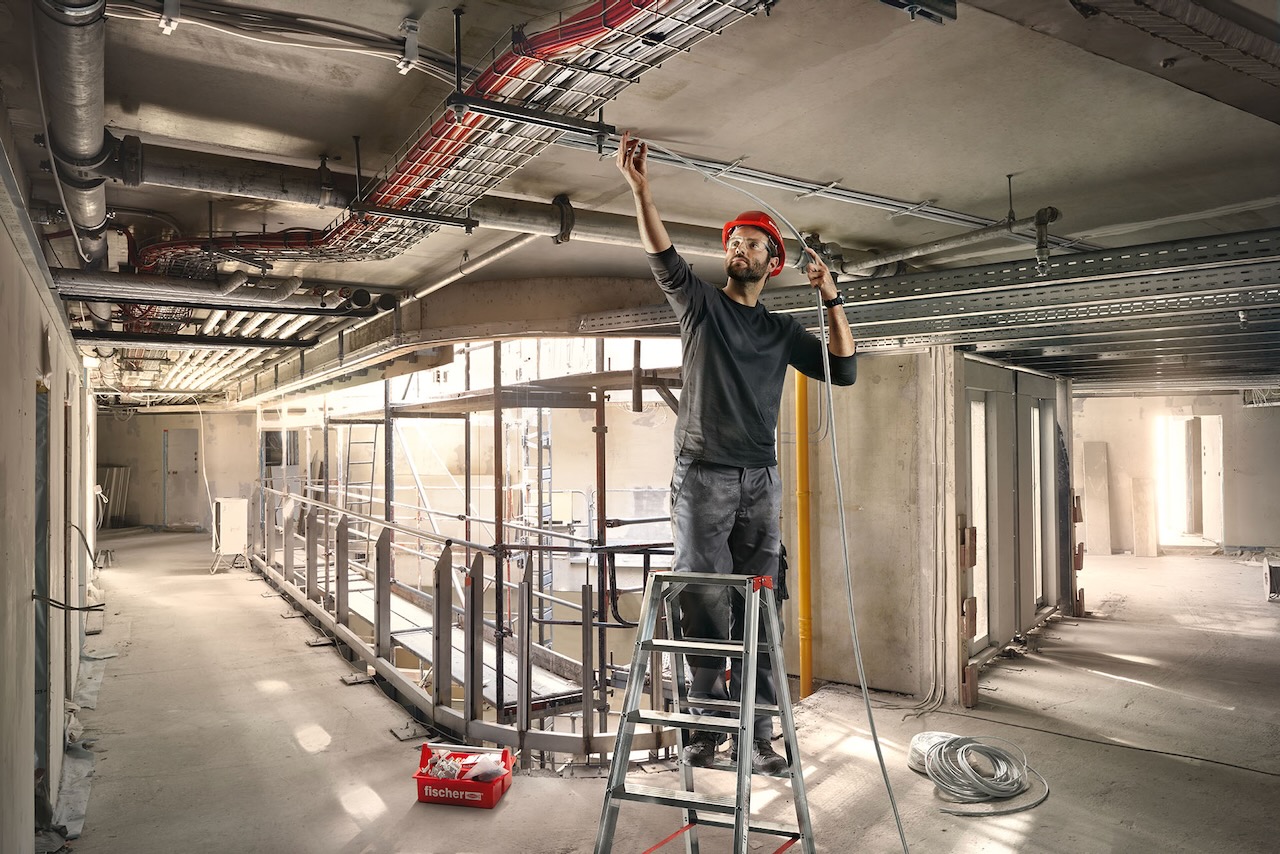
Fischer has launched FBS 4 and FBS 5 concrete screws for electrical and HVAC fixings in concrete and dense masonry, with fire resistance rated up to R120 and expansion-free undercut anchorage allowing small edge distances and close spacing. Serrated thread geometry cuts rapidly into the substrate for faster installation with cordless impact drivers, while two anchorage depths let installers adjust for differing load demands and to bridge plaster layers. The zinc-plated range spans five variants, including FBS 5 US with hex head and washer, FBS 5 M6 threaded stud, and a dedicated FBS 4 cable clip screw.
The Mineral Products Association has appointed Paul Adeleke as CEO, bringing experience from the Global Cement and Concrete Association, RICS, Philip Morris International and senior UK Government roles in the Department for Business & Trade and HMRC. Adeleke signals a focus on securing a more supportive policy framework for aggregates, cement and concrete producers amid cost pressures, high energy prices and supply chain resilience concerns. He succeeds executive chair Chris Leese, who has led the association’s management team through two years of major market and regulatory turbulence.