Geomechanics, Streamlined.
© 2026 Geomechanics.io. All rights reserved.
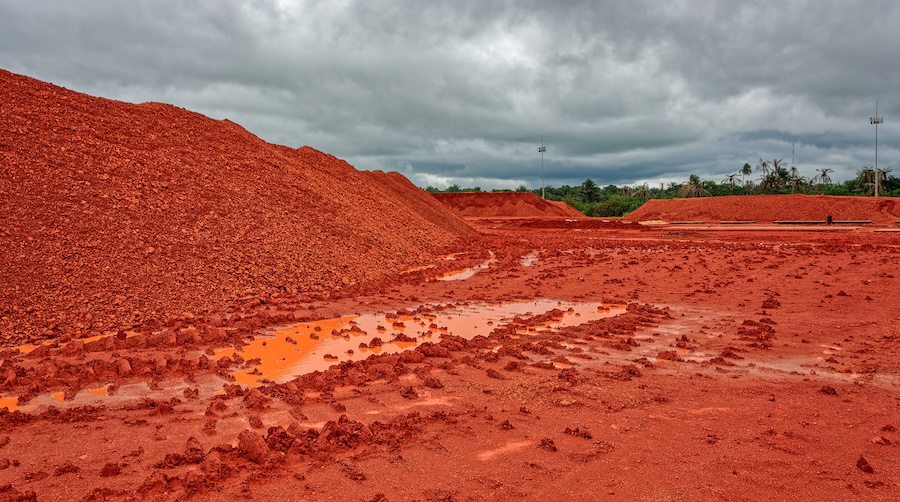
FAST Metals has raised US$4.3 million in pre‑seed funding and signed a commercial partnership with Metalox Mineral Corp. to process one long ton per week of red mud and other iron‑bearing waste at Metalox’s Florida facility, aiming to prove the commercial viability of its patented iron‑removal technology. The process targets more than 4 billion tonnes of global bauxite residue stockpiles, which FAST estimates contain US$3–4 trillion in recoverable metals, converting alumina refinery waste into saleable mineral products. Backers include New Climate Ventures, Azolla Ventures, Astor Swiss and Rio Tinto, with an advisory board featuring ex‑Glencore copper/zinc head Nick Popovic and McNulty Curves creator Terry McNulty.
Global Battery Materials will acquire Lomiko Metals in an all-share deal worth about US$7.9 million (C$11 million), gaining the La Loutre flake graphite project in Quebec, which has a March 2026 PFS showing an after-tax NPV of C$617.4 million, 24.7% IRR, 3.2-year payback and C$504.6 million initial capex. GBM, which aims to restart the Kearney graphite mine in Ontario by late 2027, plans a “structured review” of La Loutre with local rights holders amid existing pollution concerns. Lomiko shares jumped 60% to C$0.12, with the offer at a 71% premium to the 20-day VWAP and 18% of shareholders already backing the deal.
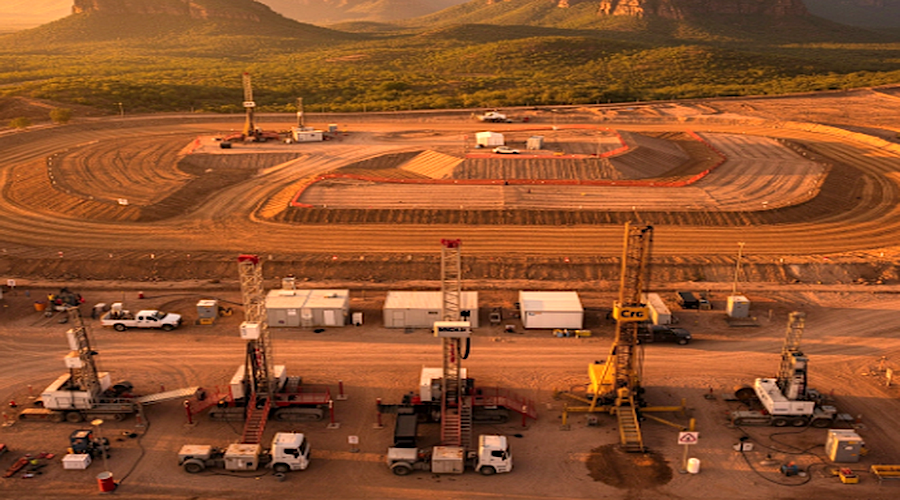
Rare Earths Americas is expanding its Shiloh heavy rare earths project in Georgia into the Foothills Rare Earths District after drilling at the Liberty Peak target, over 50 km away, intersected monazite-bearing sands similar to Shiloh. The new district covers an area about 17.5 times larger than the original >22,000-acre Shiloh target and includes Liberty Peak plus three additional high-priority targets, with Liberty Peak intercepts up to 10 m wide and several holes ending in mineralisation. REA, newly listed on NYSE American, is also advancing the Alpha project in Bahia, Brazil towards an SK-1300 initial assessment.
Titan Mining’s Empire State Mines subsidiary has signed a non-binding supply agreement with an unnamed US aerospace and defence manufacturer for natural graphite from its planned commercial facility in New York, backed by product qualification tests already under way on samples from its Kilbourne demonstration plant. The Kilbourne facility, located at the Empire State Mine infrastructure in St. Lawrence County, began producing graphite concentrate in January, marking the first US output in decades and offering a traceable domestic source in a market dominated by Chinese processing. Titan targets commissioning of the full-scale graphite plant in 2028, signalling future US-based supply options for high-spec defence and energy-storage applications.
LiuGong has broken ground on its Indonesia Green Smart Industrial Park at the Karawang Artha Industrial Hill Industrial Estate in West Java, billed as the country’s first all‑electric heavy equipment factory. The plant will focus on battery-electric construction and mining machinery, positioning production close to Indonesia’s nickel and battery supply chain and major coal and mineral operations. For mine operators, local assembly of electric excavators, loaders and haul units should cut import lead times and support regional trials of high‑capacity battery systems in humid, high‑temperature conditions.
Acquire Technology Solutions has released an integration linking Blackfox drilling management with GIM Suite, enabling direct transfer of drillhole data between the two platforms. Hole collar details and related drilling information now flow automatically rather than via manual imports, reducing transcription errors and version conflicts in exploration databases. For geologists and drill planners, this should shorten drill programme initialisation times and tighten QA/QC on collar coordinates, depths and metadata across planning, execution and geological modelling workflows.
Australian Constructors Association CEO Peter Colacino argues that labour shortages are a symptom of deeper structural issues, including low productivity, adversarial contracting and fragmented project pipelines across Australia’s $120+ billion annual construction spend. He points to collaborative contracting models, standardised procurement and digital design-to-construction workflows (such as common data environments and 5D BIM) as levers to lift output without simply adding headcount. The Foundations and Frontiers 2026 program is framed as a platform to scale proven productivity tools and delivery models across major transport and infrastructure projects.
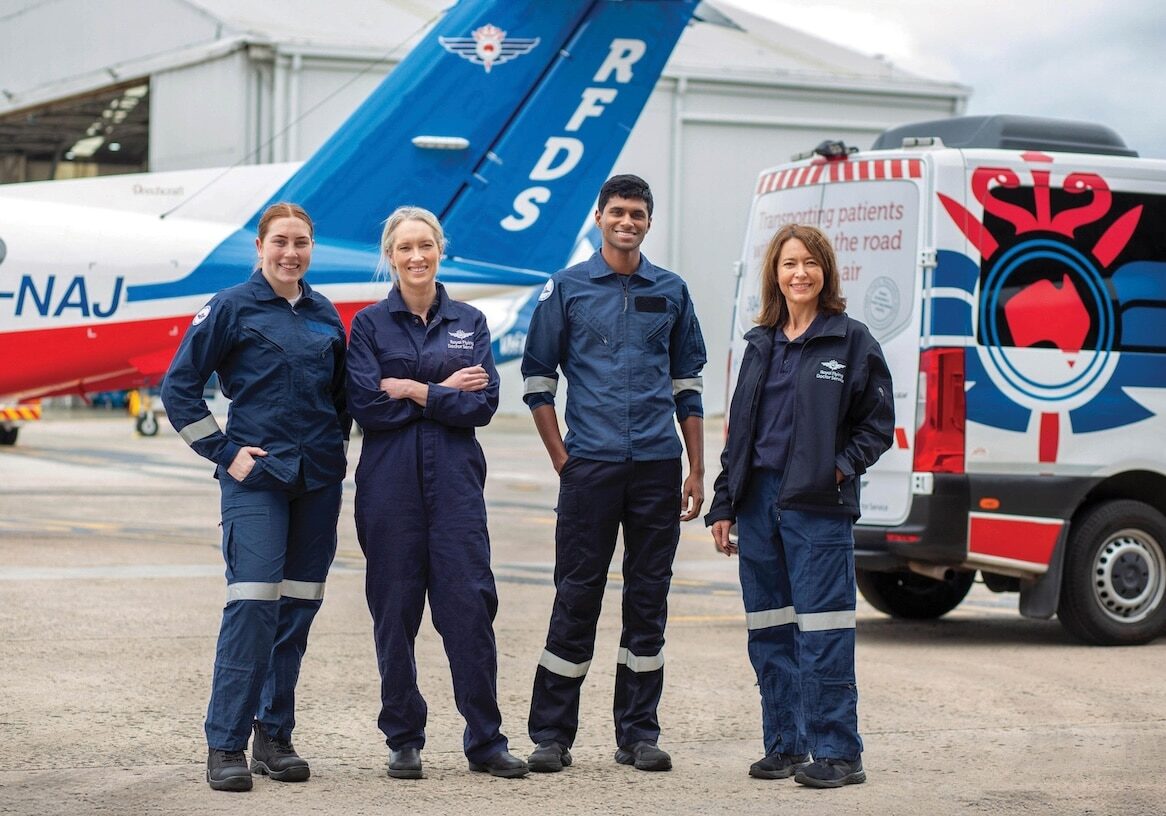
BULK Expo has named Royal Flying Doctor Service Victoria as its official charity partner, directing industry attention and fundraising towards remote communities that host Australia’s grain terminals, mining operations, processing plants and manufacturing hubs. The partnership links bulk handling and materials processing professionals with RFDS Victoria’s aeromedical and primary health services, which depend on reliable airstrips, road access and regional infrastructure. For operators planning or upgrading bulk terminals and mine logistics, the move reinforces the operational importance of resilient regional transport and emergency access.
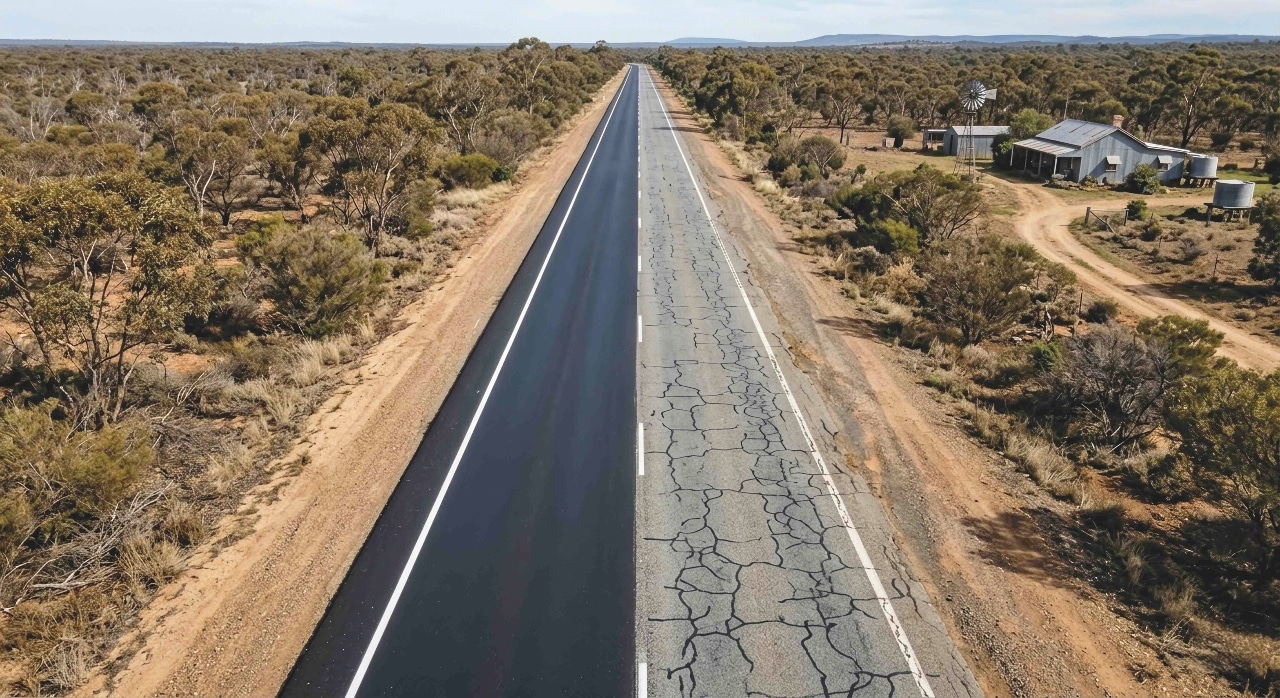
The Australian Flexible Pavement Association has released a white paper calling for a “seven per cent benchmark” of road asset value to be reinvested annually to arrest accelerated pavement deterioration across the national network. AfPA argues that current maintenance funding lags well below this level, despite established treatments such as periodic reseals, structural overlays and heavy patching being technically capable of restoring performance. For asset managers and pavement engineers, the paper frames seven per cent as a minimum lifecycle funding threshold to stabilise condition and avoid escalating rehabilitation backlogs.
Copper, aluminium and lithium contributed over half of Rio Tinto’s underlying EBITDA in the first half, as strong copper pricing and volumes offset softer iron ore margins. Pilbara iron ore output reached 162.3Mt, up 6 per cent year-on-year, marking the region’s strongest first-half production performance and signalling sustained demand on rail, port and mine infrastructure designed for high-throughput bulk handling. The earnings mix shift towards copper and battery metals will influence Rio’s capital allocation across new sulphide orebodies, alumina refineries and lithium projects.
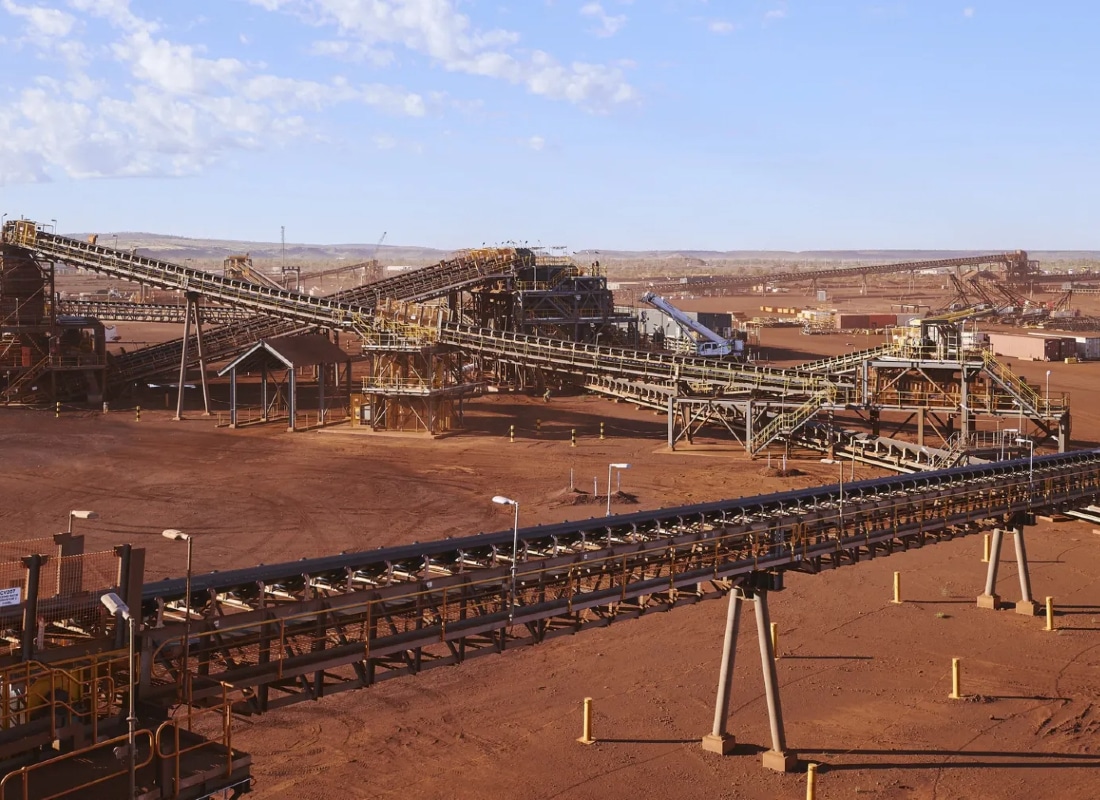
Mineral Resources reported record FY26 output, with Mining Services delivering 341Mt, up 22 per cent year-on-year, driven by ramp-up at the Onslow Iron operation in Western Australia. Onslow Iron produced 8.8 million wet metric tonnes in FY26, with volumes expected to increase as additional pit development, crushing capacity and transhipping infrastructure come online. The stronger iron ore performance, combined with record lithium production, signals sustained high utilisation of MinRes’ contract mining fleet and continued demand for bulk haulage, processing and port services across its Pilbara and Goldfields assets.
Pilbara Ports handled a record 804.1 million tonnes of trade in the 2025–26 financial year across Ashburton, Dampier, Port Hedland and Varanus Island, passing the 800‑million‑tonne mark for the first time and retaining its status as the world’s largest bulk export port. Iron ore shipments from the Pilbara dominated volumes, confirming sustained high utilisation of deep‑water berths, shiploaders and channel capacity. The scale signals ongoing demand for high‑throughput stockyard management, dredging, and rail‑to‑port interface reliability across the network.
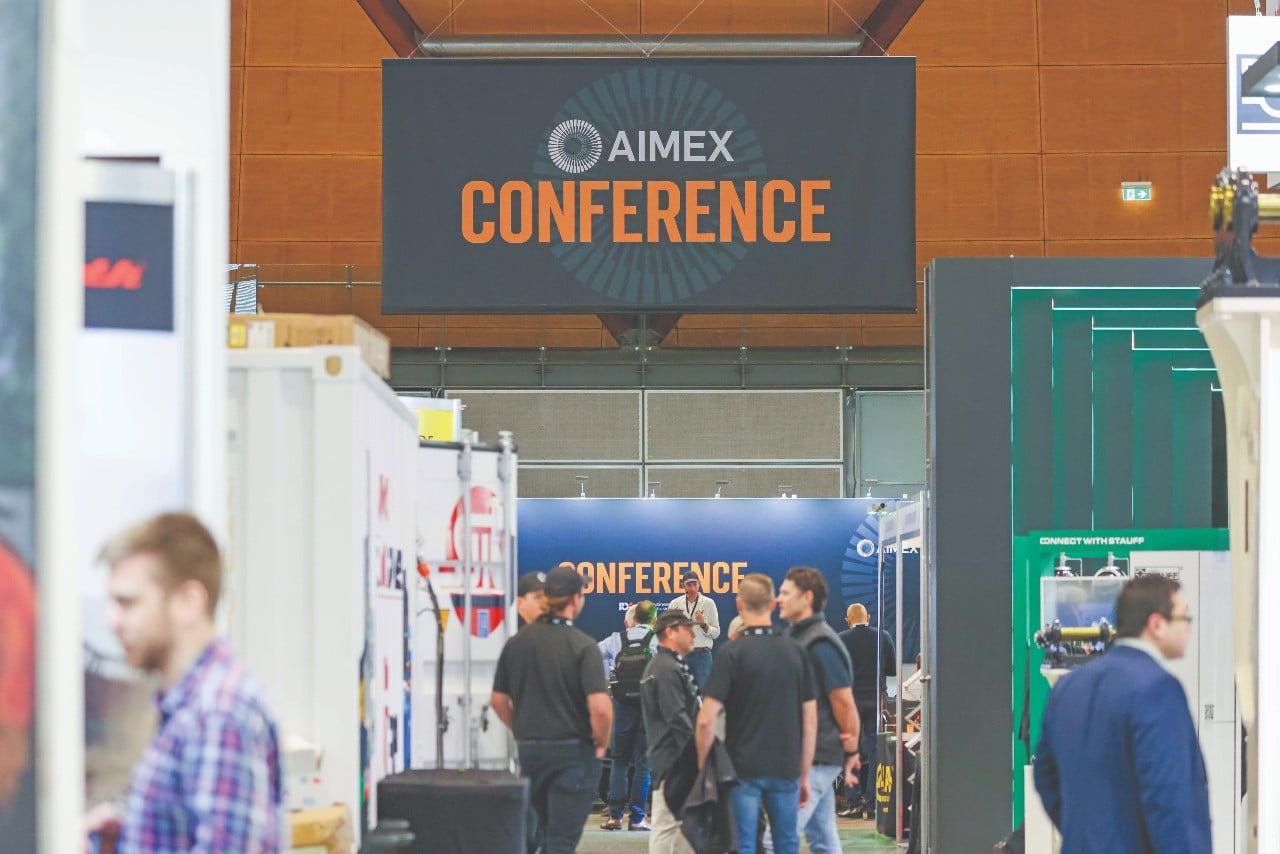
Asia-Pacific’s International Mining Exhibition (AIMEX 2027) will return to the Adelaide Showground from 28–30 September 2027, positioning South Australia as a key hub for large-scale mining technology showcases. Organisers plan to bring together major miners, OEMs and METS suppliers across underground, open-pit and processing, with a strong focus on automation, electrification and digital fleet management systems. For engineers, the event offers concentrated access to OEM design teams, equipment trials and case studies on deploying advanced haulage, drilling and plant control technologies in Australian conditions.
Ore production at the Never Never underground mine in Western Australia more than doubled to 115,000 tonnes in the June quarter, with head grade lifting to 5.95g/t as Dalgaranga completed its first full quarter supplying Ramelius Resources’ Mt Magnet processing hub. The ramp-up helped drive group gold output to 53,466oz, signalling stronger mill feed quality and higher throughput at the central plant. For mine planners and metallurgists, the combination of increased tonnage and grade at Never Never will influence stope sequencing, backfill scheduling and processing blend strategies across the Mt Magnet–Dalgaranga circuit.
Willmott Dixon has completed a £56m, 9,000 m² Hertfordshire Constabulary headquarters in Welwyn Garden City, the first UK police building to achieve Platinum under the WELL Building Standard. The SCAPE-delivered facility consolidates the major crime unit, victim services, dog unit, senior leadership and operational support previously dispersed across the 1960s Stanborough site. Key technical features include an in-situ reinforced concrete primary frame for thermal mass, air-source heat pumps with high-efficiency HVAC, future-proofed PV infrastructure and site-wide SuDS for water management.
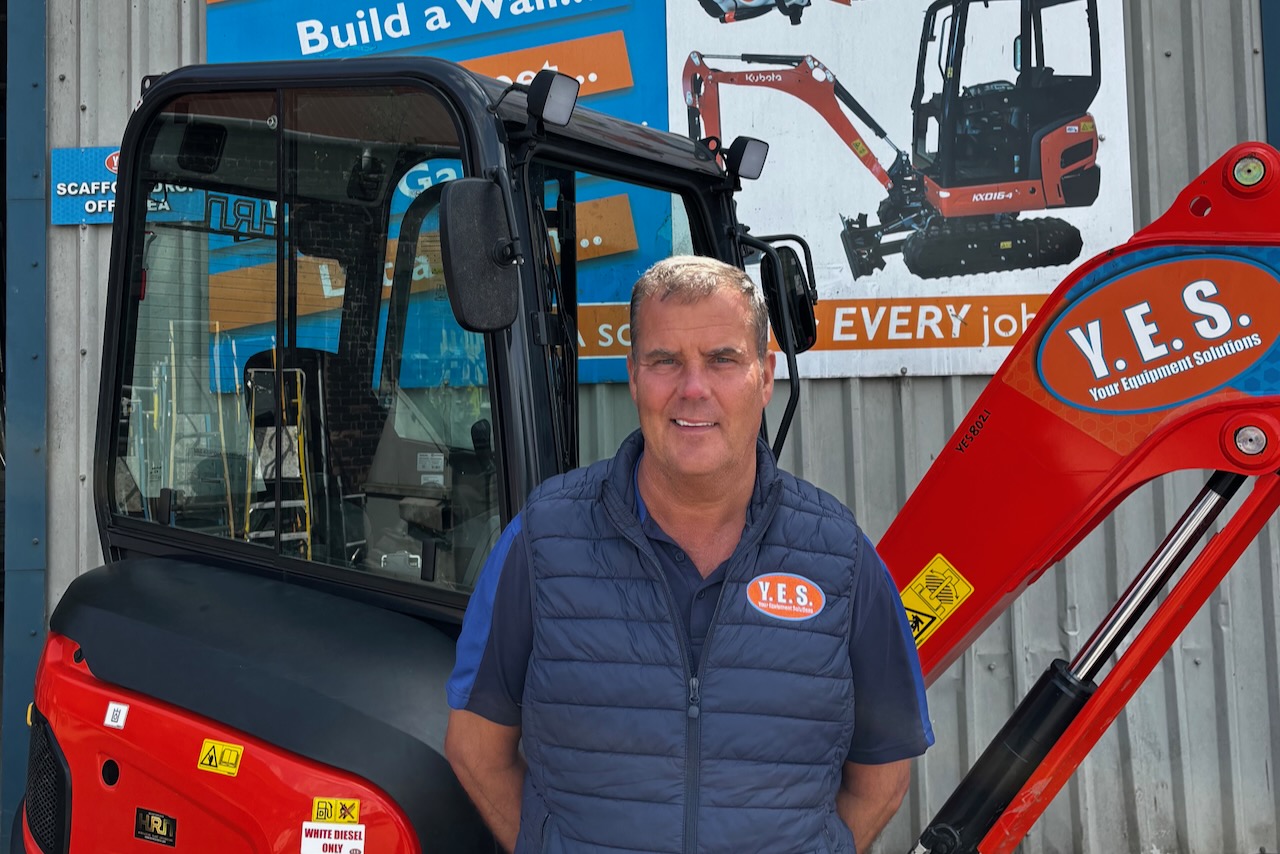
Your Equipment Solutions (YES) has bought more than 70 Kubota mini excavators from HRN Tractors, in 1.6‑tonne, 1.8‑tonne and 3‑tonne classes, to support rapid depot expansion across Scotland. The employee‑owned Falkirk firm, which already operated in Dundee, has opened new outlets in Edinburgh and Glasgow, with a fifth site due in Inverness in May. YES founder David Johnstone cites strong operator preference, a five‑year Kubota warranty and close workshop support from HRN as key to the fleet standardisation decision.
Dice Environmental has expanded its ecology services under new associate ecologist Rob Halcrow to support clients with Biodiversity Net Gain (BNG) planning requirements. The offer now covers Preliminary Ecological Appraisals, UKHab habitat surveys, BNG assessments with statutory metric calculations, protected species and bat surveys, Ecological Impact Assessments, and Ecological Clerk of Works (ECoW) support. Early-stage ecological input is positioned to help developers, architects and planning consultants identify constraints sooner, commission proportionate surveys and reduce programme and planning consent risk on infrastructure schemes.
The Shore Group has appointed David Grey as group delivery director as the support services contractor positions itself to compete with market leaders in construction, M&E and fit-out delivery. Grey brings almost 15 years’ director-level experience from CBRE Workplace Solutions, covering built environment, property and aviation projects, and plans to use his own apprenticeship background to expand technical training and entry routes for young people. Co-founder Lewis Yorke-Johnson says the hire is intended to lift technical capability and overall performance as the group scales.
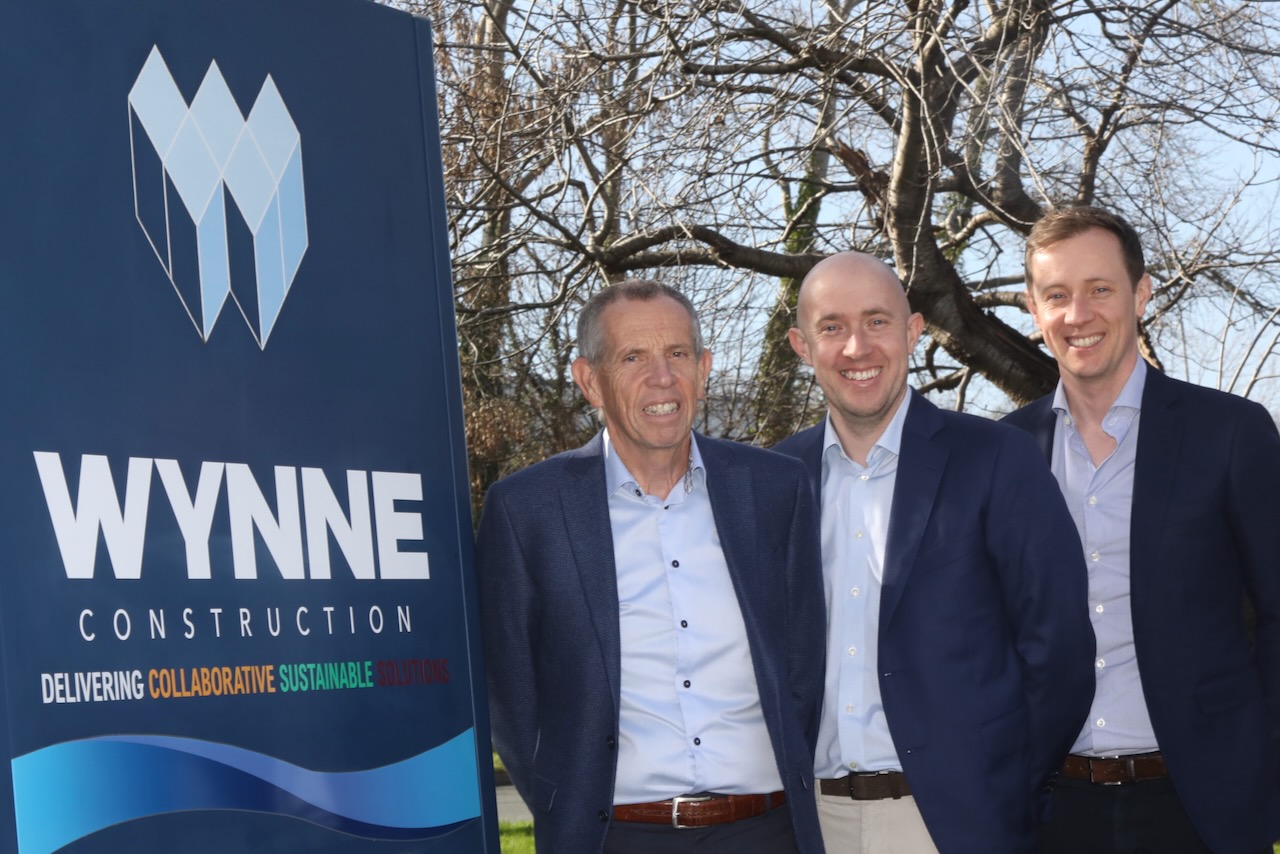
Wynne Construction is marking its centenary with an order book exceeding £325m, including £228m of live work and £99m in pre-construction across Wales and the North West of England. Current schemes range from the £26m Newport Leisure and Wellbeing Centre and £31m Aethwy Care integrated health and social care facility on Anglesey to the £13m Ty Haverfordia over-55s apartments in Pembrokeshire, an £11m archive centre for Denbighshire and Flintshire, and a £4m Maggie’s Centre in Liverpool. The pipeline is giving the family-owned contractor confidence to plan labour, secure its supply chain and invest in skills and training.
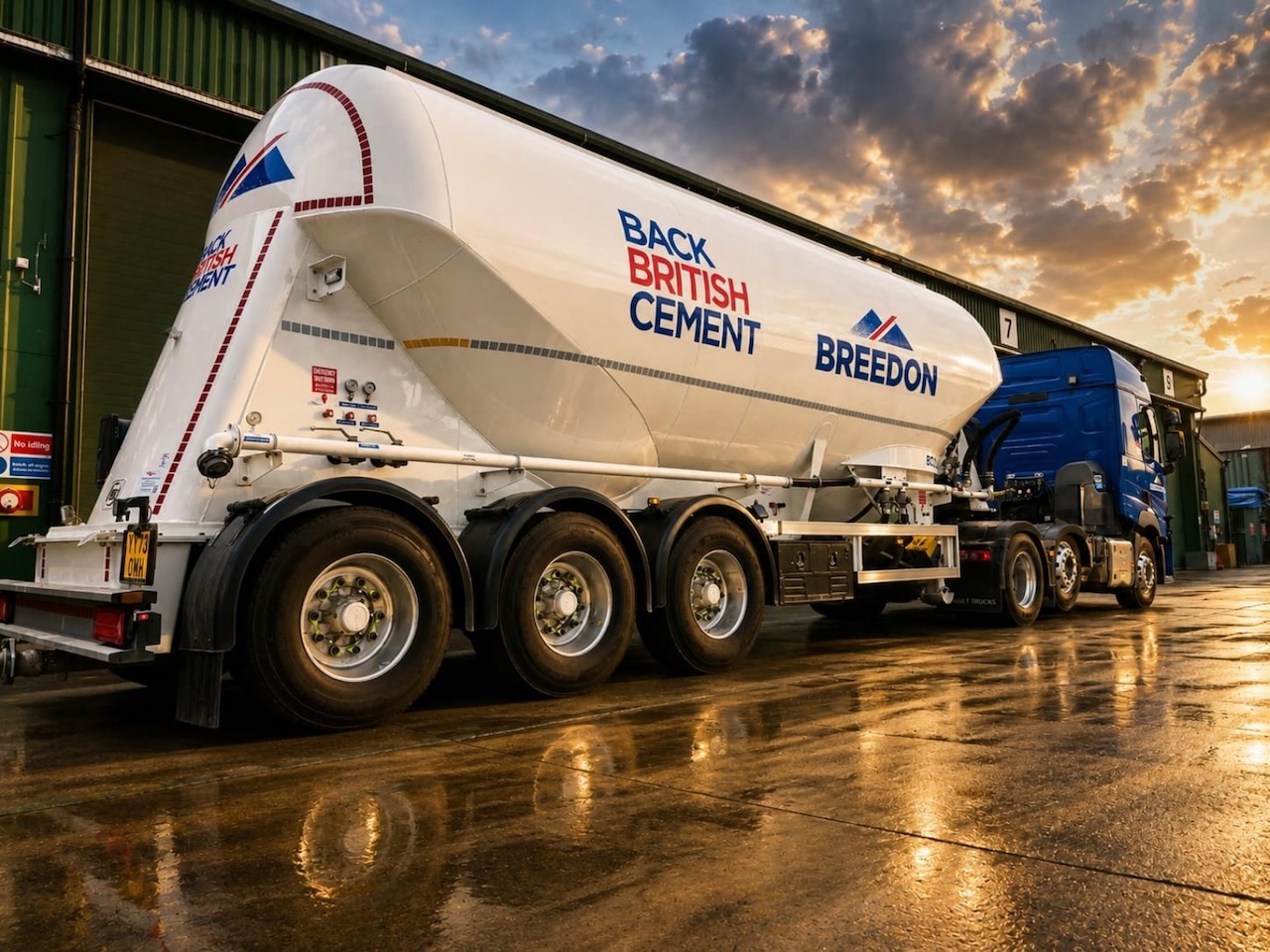
Building materials group Breedon reported first-half revenues of £857.9m, with volumes in Great Britain continuing to decline while its newly established US business delivered what it called a “strong start”. The company, a major supplier of aggregates, asphalt and ready-mixed concrete to UK infrastructure and housing schemes, is seeing weaker demand in British construction markets despite ongoing road and civils work. For contractors and material specifiers, this points to tighter domestic supply dynamics and a growing shift in Breedon’s capital and production focus towards North America.
Redrow Midlands has begun construction of 96 two, three and four-bedroom homes at Pickford Gate in Allesley, Coventry, designed in its Arts & Crafts-inspired ‘Heritage’ range. All units will include air-source heat pumps and ground-floor underfloor heating as standard, signalling a full move away from gas boilers and influencing future M&E and building services specifications on similar schemes. The Pickford Green Lane development will incorporate substantial open green space, with Redrow committing funding towards local public transport, healthcare and education upgrades.
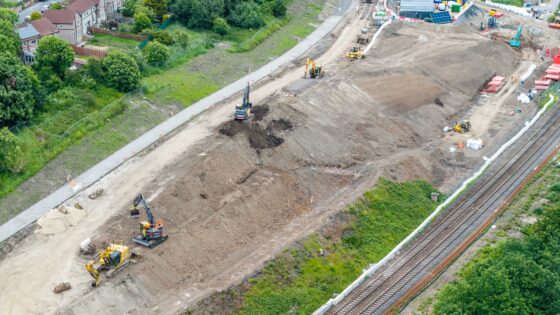
Extensive ground engineering works are under way on the West of Leeds section of the Transpennine Route Upgrade to manage legacy risks from historic industrial activity beneath and adjacent to the railway. Contractors are deploying a mix of ground investigation, grouting, soil stabilisation and structural retaining solutions to deal with old mine workings, made ground and buried obstructions that could compromise track formation and structures. The interventions aim to secure long-term track geometry, reduce differential settlement and maintain line availability during and after capacity and electrification upgrades.
Construction procurement is urged to shift from “lowest cost” tendering towards value-based selection to cut avoidable errors and rework across major UK infrastructure schemes. The latest Engineers Collective podcast discusses how current price-driven models contribute to design changes, programme overruns and latent defects, and explores alternatives such as early contractor involvement, outcome-based specifications and whole-life cost assessment. For geotechnical and civil teams, this implies earlier risk allocation discussions, more realistic ground investigation budgets and procurement criteria that reward robust temporary works and constructability planning rather than headline bid price.
New statutory guidance on consultation for nationally significant infrastructure projects (NSIPs) gives promoters greater flexibility in how they design and evidence pre-application engagement, moving away from rigid, prescriptive methods used on schemes such as DCOs for major highways and 400kV transmission lines. Developers can now tailor consultation to project scale and risk profile, for example using more targeted stakeholder mapping and digital platforms instead of blanket mail‑outs. The shift should reduce procedural challenge risk at examination while allowing geotechnical and civil design teams to iterate alignments and mitigation earlier with affected landowners and local authorities.