Volvo FH Aero Electric trucks: haulage range and torque insights for contractors
Reviewed by Tom Sullivan
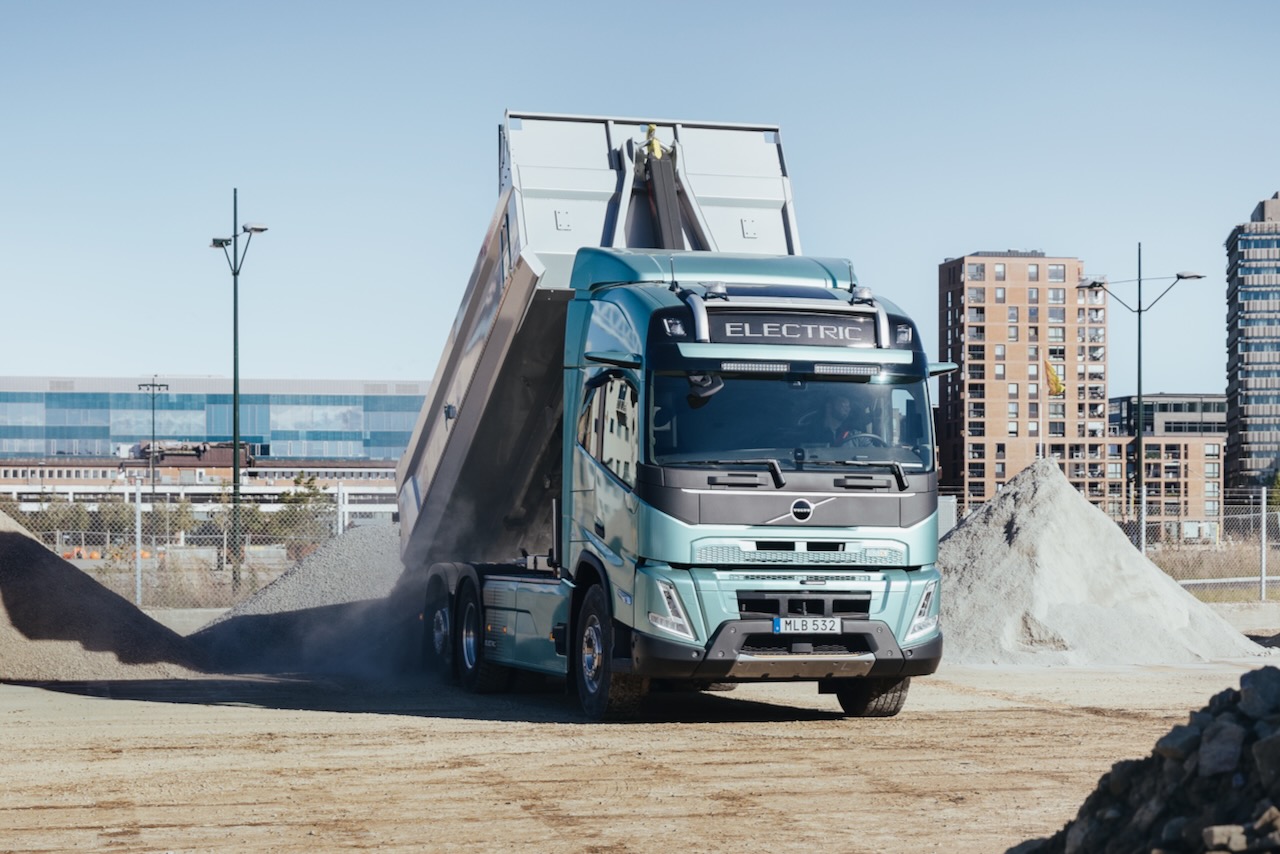
First reported on The Construction Index
30 Second Briefing
Volvo has launched new FH Aero Electric trucks for deliveries with a claimed range of up to 700 km between charges, targeting long-haul and regional logistics. The next-generation FH, FM and FMX Electric models use a redesigned electric driveline delivering higher torque, aimed at heavy on-road works and construction support fleets. For civil and infrastructure contractors, the longer range and higher tractive effort make battery-electric options more viable for materials haulage and support vehicles on dispersed project sites.
Technical Brief
- New FH, FM and FMX Electric models share a redesigned electric driveline architecture for higher torque output.
- Increased driveline torque directly targets heavy-duty applications such as construction logistics and support fleets.
- Platform unifies driveline upgrades across FH, FM and FMX Electric, simplifying fleet specification and maintenance.
- Higher-torque electric driveline is intended to improve startability and gradeability under high gross combination masses.
Our Take
With a quoted 700 km range between charges, these FH Aero Electric trucks push Volvo’s heavy EV offering well beyond the shorter‑haul articulated haulers now in serial production at Braås, signalling that long‑distance trunking is moving into realistic scope for battery trucks rather than just site or regional work.
Our database shows several recent Volvo pieces spanning electric haulers, autonomous FH trucks at Brønnøy Kalk in Norway, and now long‑range FH Aero Electric models, suggesting Volvo is building a modular platform that can be deployed from mines and quarries through to highway logistics with common driveline and control architectures.
The 700 km range figure will be closely watched by operators in trials like Saint‑Gobain’s five‑year Volvo electric HGV deployment in the UK, as it effectively sets a benchmark for how much depot and en‑route charging infrastructure is needed to substitute diesel on typical regional distribution routes.
Prepared by collating external sources, AI-assisted tools, and Geomechanics.io’s proprietary mining database, then reviewed for technical accuracy & edited by our geotechnical team.
Related Articles


Related Industries & Products
Construction
Quality control software for construction companies with material testing, batch tracking, and compliance management.
Mining
Geotechnical software solutions for mining operations including CMRR analysis, hydrogeological testing, and data management.
QCDB-io
Comprehensive quality control database for manufacturing, tunnelling, and civil construction with UCS testing, PSD analysis, and grout mix design management.