Geomechanics, Streamlined.
© 2026 Geomechanics.io. All rights reserved.
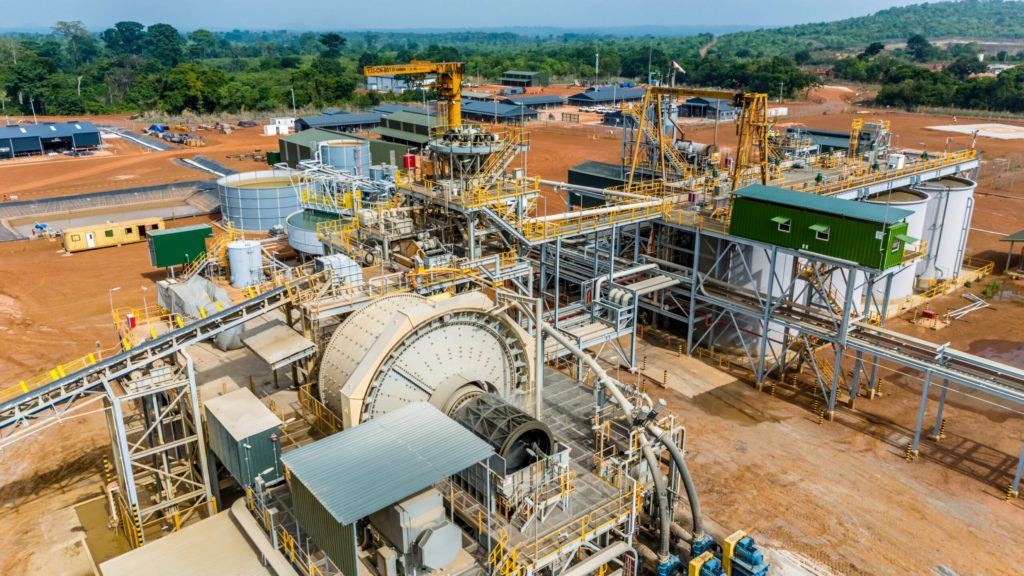
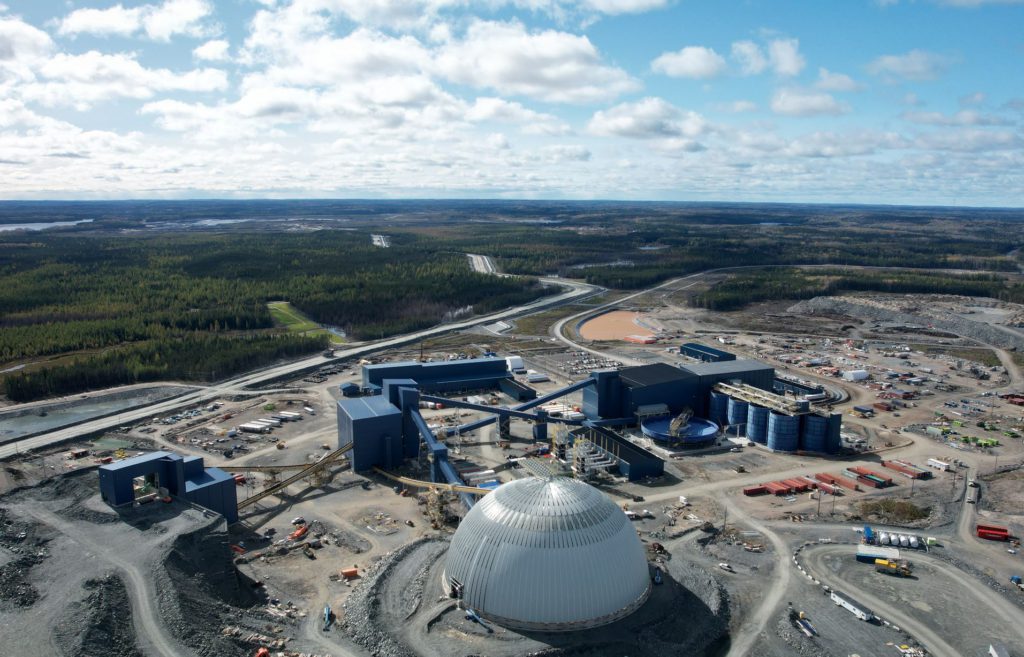
Fortuna Mining is investing about US$109 million to expand its Séguéla gold mine in Côte d’Ivoire, lifting plant throughput 30% from 1.75 Mt/y to 2.3 Mt/y and targeting 94.5% gold recovery and 200,000 oz/y output for at least 10 years. The revamp adds a new ball mill circuit, extra gravity concentration, a second carbon‑in‑leach train, and upgraded reagent, oxygen, water and tailings infrastructure, with staged delivery from 2026 to full capacity by late 2028. Underground development at the Sunbird deposit from 2027 will provide additional feed to the expanded plant.
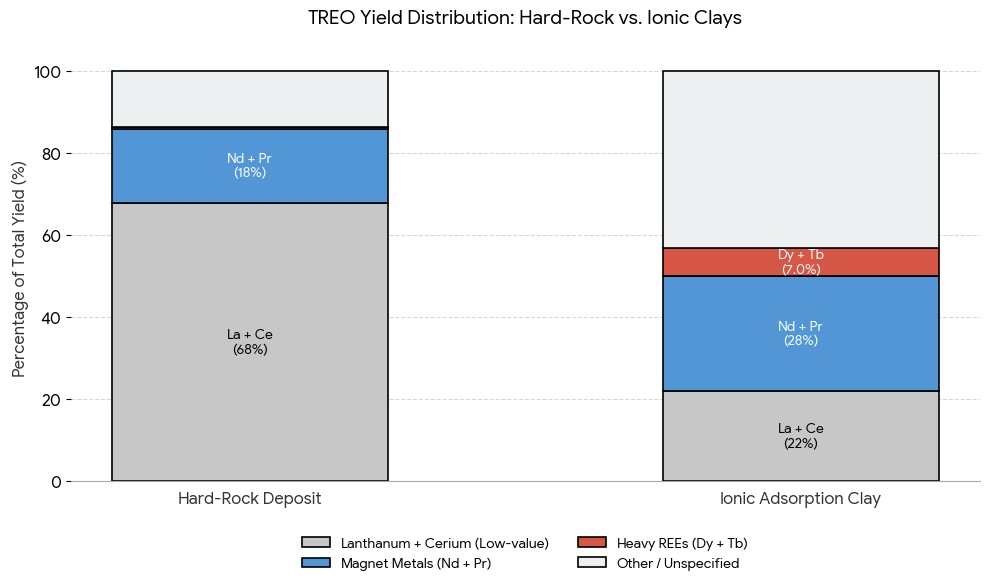
US backing for Rainbow Rare Earths’ Phalaborwa project in South Africa signals a shift from tonnage-led to metallurgy-led rare earth strategy, with $50 million of US equity supporting recovery of Nd and Pr from a 35‑million‑tonne phosphogypsum stack. The project leverages prior mining and fertiliser processing, negligible Thorium/Uranium in the feed, and a proprietary cerium‑depletion step removing about 65% of low‑value Ce to target operating costs below US$30/kg Nd+Pr. Coupled with a US$500 million US‑Africa Strategic Investment Program, this points to supply‑chain resilience built on cost‑competitive, international partnerships rather than purely domestic deposits.
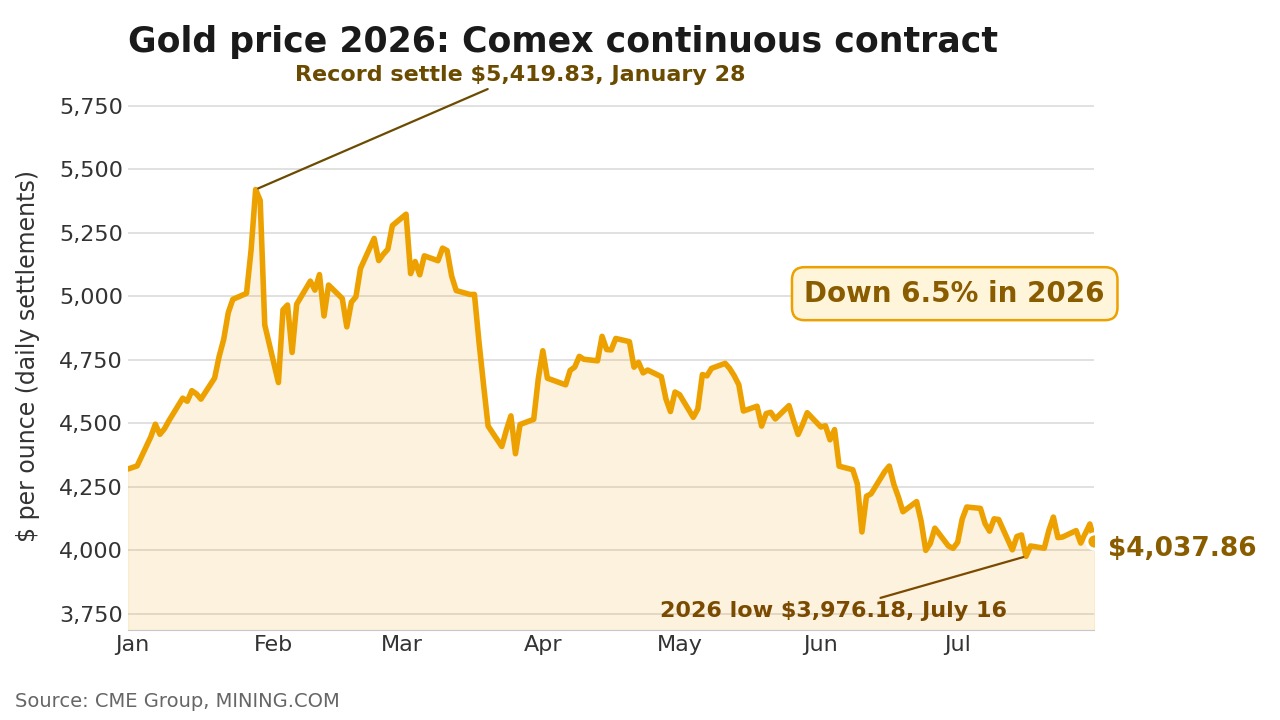
Gold gave back Thursday’s post-Fed bounce, with the Comex continuous contract down 1.6% to $4,037.86/oz and December futures at $4,099.50/oz as traders priced a 63% chance of a September US rate hike. World Gold Council data show record mine output of 966 tonnes in Q2 and 1,867 tonnes in H1, but industry all-in sustaining costs hit a record $1,785/oz in Q1, driven by higher royalties and overheads, with further energy cost pressure emerging. Production growth was concentrated in Canada, Chile, Burkina Faso and Ghana, while Mexico, Nicaragua, the US and China declined, and central banks bought a net 289 tonnes in Q2, a record for a second quarter.
Hercules Metals has hired former Arizona Sonoran Copper CEO George Ogilvie and six ex-colleagues who led the Cactus project to a US$1.4 billion sale to Hudbay, tasking them with advancing the Leviathan porphyry copper discovery in Idaho. Leviathan’s system has been drilled over more than 1 km strike, up to 750 m width and 500 m vertical extent, with discovery hole HER-23-05 returning 185 m at 0.84% Cu including 45 m at 1.94% Cu, beneath an epithermal silver system. Barrick-backed Hercules controls 404.7 sq. km along a 73-km copper belt with surface mining rights, road access and three 260 kV transmission lines crossing the property, but no resource or economic study yet, giving the new team a blank technical slate.
Equinox Gold will install Orla Mining’s Jason Simpson as CEO on 1 November, accelerating a leadership change just days after closing their C$25.4 billion all-share merger to form a six-mine producer targeting 1.1 million oz. of gold per year. The enlarged portfolio includes Greenstone, Valentine and Musselwhite in Canada, forecast to deliver 685,000 oz. annually, with further growth tied to South Railroad, Castle Mountain, Los Filos and an underground build at Camino Rojo. Simpson must quickly prioritise capex and integration as Greenstone and Valentine ramp up and Equinox prepares consolidated guidance.
Komatsu and subsidiary EARTHBRAIN have formed a strategic partnership with AIM Intelligent Machines to deploy autonomous operation technology on bulldozers and hydraulic excavators in Japan and the US. AIM’s retrofit autonomy stack, already used on dozers for automatic blade control and path following, will be integrated with Komatsu’s machine control platforms and site management systems. For mine and heavy civil contractors, the move signals faster access to OEM-supported autonomy on existing fleets, with particular relevance for bulk earthworks, overburden stripping and repetitive grading tasks.
SANY is targeting Saudi Arabia’s mining sector with China-built wide body haul trucks, despite a marked slowdown in local construction megaprojects. The company is promoting its SKT130S 90 t class diesel–electric hybrid mining truck as a fit for large open pits and quarry operations, where wide body designs can reduce unit haulage costs on short, high‑throughput routes. For mine planners and fleet engineers, the move signals growing competition to conventional 100–150 t rigid trucks in Gulf markets, with potential implications for haul road design and maintenance strategies.
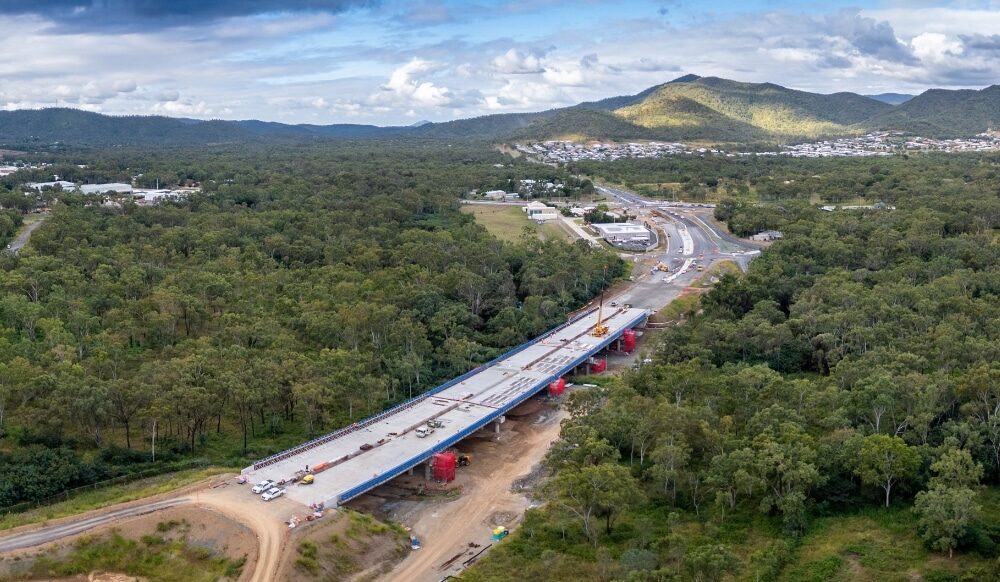
A major construction milestone has been reached on the $1.98 billion Rockhampton Ring Road, a key section of the Bruce Highway upgrade in Central Queensland designed to divert through‑traffic around Rockhampton. The project will provide a new high‑standard highway link engineered for improved flood resilience on the Fitzroy River floodplain and safer, more efficient heavy‑vehicle freight movements. For geotechnical and civil teams, the scale and floodplain setting point to extensive ground improvement, elevated embankments and hydraulic capacity upgrades on approach structures.
The Western Australian Government has appointed Henrietta Farrell as Chief Executive Officer of the Construction Training Fund (CTF), effective 12 August, replacing outgoing CEO Tiffany Allen. The CTF administers industry training levies on building and construction projects across Western Australia to subsidise apprenticeships, traineeships and upskilling programmes for trades such as civil construction, concreting and plant operations. Leadership continuity at CTF is critical as major road, rail and resources projects in the state continue to strain availability of qualified site supervisors, plant operators and specialist trades.
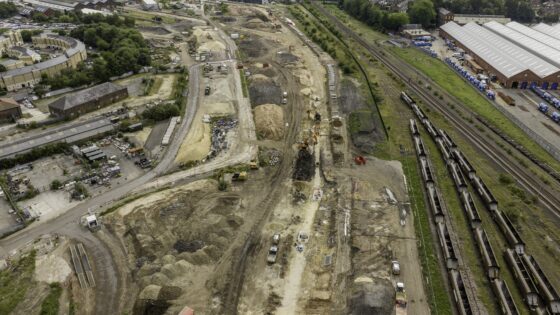
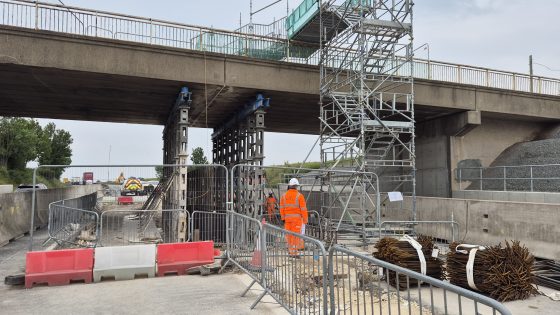
Complex ground conditions around a new railway overbridge in York required 5,669 piles, but value engineering cut a significantly larger initial pile count by rationalising layouts and load paths. Engineers re-optimised pile diameters, lengths and spacing to suit variable strata and rail possession constraints, reducing redundant piles while maintaining settlement and vibration limits for the live railway. The approach shows how early geotechnical–structural integration can materially shrink piling scope, programme risk and embodied carbon on constrained rail infrastructure works.
A projected 2% fall in UK engineering graduates could strip £6.5bn from future economic output in engineering‑intensive sectors such as construction, transport and energy. The shortfall would hit delivery capacity for major programmes including HS2, nuclear new build and large‑scale grid reinforcement, where chartered engineers and specialist technicians are already in constrained supply. Firms may need to expand apprenticeships, overseas recruitment and mid‑career reskilling to maintain design, site supervision and asset management capability.
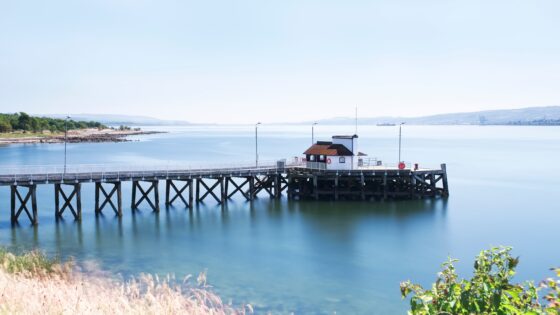
Engineers are planning repairs to the 129-year-old Kilcreggan Pier at Helensburgh so that works are sequenced around tidal windows and the Kilcreggan–Gourock passenger ferry timetable, avoiding service disruption. The programme will rely on short possession periods between sailings and careful marine access planning, rather than full closure of the pier. For contractors and designers, the scheme illustrates the need to integrate structural refurbishment methods with live-berth constraints and limited working time in a tidal estuary environment.
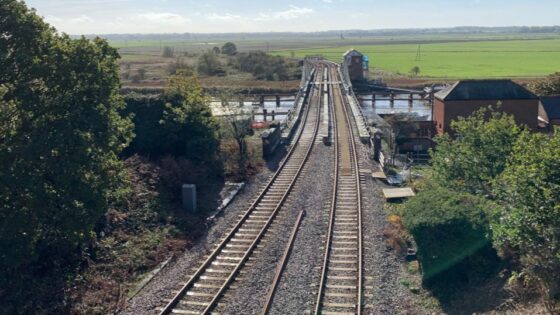
Urgent repairs are under way on the 123-year-old Reedham swing bridge, which carries the single-track Wherry Line over the River Yare between Norwich and Lowestoft and must still open for river traffic. Network Rail engineers are addressing mechanical and structural reliability issues on the ageing steel swing span to keep both rail operations and navigation functioning. The works will interest bridge and permanent-way engineers managing similar early-20th-century movable structures with fatigue, corrosion and alignment constraints under modern traffic loads.
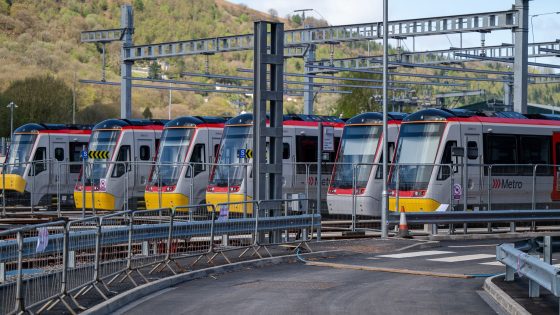
Electrification of Transport for Wales’ Core Valley Lines, a key phase of the South Wales Metro upgrade, has reached a major milestone as overhead line equipment and power systems progress towards full operation. TfW’s latest annual report also records continued growth in rail and bus passenger numbers across the network, signalling stronger utilisation of recently delivered infrastructure such as new signalling, track renewals and station upgrades. For civil and rail engineers, the programme’s pace confirms sustained demand for electrified, higher-capacity suburban corridors in constrained urban valleys.
Victory Metals has identified a significant secondary phosphate mineral system at its North Stanmore rare earths project in Western Australia, with mineral characterisation on concentrate showing 86 per cent of dysprosium and 82 per cent of terbium hosted in secondary phosphates rather than primary minerals. The company said this mineralogy distinguishes North Stanmore from conventional rare earth deposits and could favour simpler leaching routes for heavy and magnet rare earth elements. For process engineers, the dominance of secondary phosphates will drive reagent selection, residence times and impurity management in any future flowsheet.
Anglo American reported a 35 per cent rise in underlying earnings to $US4 billion for H1 2026, driven by its portfolio shift towards copper, premium iron ore and crop nutrients. The miner is prioritising higher-margin assets such as its South American copper operations and high-grade iron ore, while signalling potential divestment or de-emphasis of lower-return businesses. For geotechnical and mining teams, the strategy points to sustained capital allocation into deep copper orebodies and premium-grade iron ore pits, with corresponding demand for high-reliability pit slopes and tailings performance.
Pilbara Minerals’ Pilgangoora operation in Western Australia delivered a record 879,500 tonnes of spodumene concentrate in FY26, a 17 per cent increase on FY25 and above production guidance. Annual sales volumes also rose 17 per cent, signalling strong offtake demand for Pilgangoora’s concentrate blend and sustained utilisation of its processing circuits. For mine planners and process engineers, the uplift confirms stable pit sequencing, plant availability and logistics capacity at a time of volatile lithium pricing.
Broken Hill Mines has lifted silver, lead and zinc output at the Rasp mine as ore from the high‑grade Main Lode deposit starts feeding the plant, supporting a push towards 750,000 tonnes per annum capacity from multiple new ore sources. June quarter results show improved production and financial metrics, with the diversified feed expected to stabilise mill throughput and extend mine life beyond the existing Western Mineralisation and Centenary resources. Geotechnical and planning teams will need to manage sequencing and ground conditions across several lodes while maintaining consistent ore quality to the concentrator.
Capricorn Metals’ Karlawinda Gold Project in Western Australia delivered record annual output of 123,589 ounces in FY 2025–26, at the top of its 115,000–125,000 ounce guidance, including 30,437 ounces in the June 2026 quarter. The operation is now transitioning to an expansion phase, signalling higher future throughput from its single large-scale open pit and associated CIL plant. For mine planners and geotechs, the ramp-up will likely require updated pit designs, revised geotechnical domains and potential upgrades to haulage and tailings capacity.
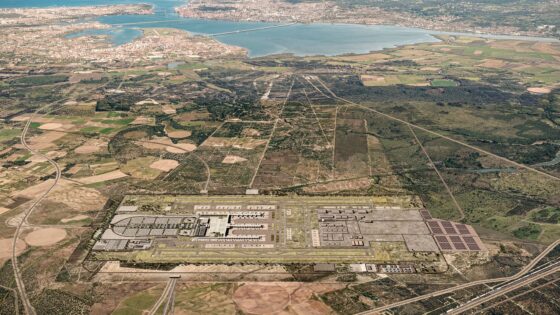
Aecom has been appointed by ANA Aeroportos de Portugal, part of the Vinci Airports group, to deliver the preliminary design for New Lisbon Airport, to be named Luís de Camões Airport. The commission covers early-stage masterplanning and airside/landside layout definition, setting key parameters for runway orientation, terminal footprint and ground access integration with Lisbon’s existing road and rail networks. Early geotechnical, drainage and pavement design decisions at this stage will strongly influence earthworks volumes, foundation solutions and long-term airfield pavement performance.
The UK’s 10-Year Infrastructure Strategy, launched last year with a £725bn pipeline and a clearer forward view of major projects, is now under scrutiny as political uncertainty and fiscal pressure threaten delivery. Civil engineers are reassessing assumptions on long-term funding, procurement phasing and skills planning that were based on a decade-long, cross-sector programme covering transport, energy and water. Firms may need to stress-test workloads and balance-sheet exposure against possible delays, scope cuts or reprioritisation of large schemes.
Decarbonisation momentum in UK infrastructure is shifting from pledges to delivery, with major clients now embedding whole-life carbon targets into NEC contracts and design briefs. Large programmes such as National Highways’ net zero plan and Network Rail’s traction decarbonisation strategy are driving low‑carbon concrete specifications, electrified plant trials and mandatory PAS 2080 carbon management on projects above defined value thresholds. For engineers, this is tightening requirements for early-stage optioneering, quantified carbon baselines and digital tools that track embodied and operational emissions alongside cost.
ICE Trustee for regions reports that local member groups across the UK are directly shaping infrastructure decisions by engaging with combined authorities, sub‑national transport bodies and local resilience forums. Regional panels are feeding technical evidence on issues such as flood risk management, ageing water and wastewater assets, and decarbonisation of transport corridors into strategic plans and funding bids. For practitioners, this means more opportunities to influence option selection, appraisal assumptions and whole‑life performance criteria at an earlier stage in project pipelines.
Exceptional engineers and major UK infrastructure schemes have been recognised at the 2026 ICE Awards, which spotlighted complex geotechnical works, carbon‑reduced materials and digitally enabled delivery. Winning projects typically combined advanced ground investigation with 3D BIM coordination and offsite precast elements to cut programme risk on constrained urban sites and rail interfaces. For practitioners, the awards signal growing client acceptance of low‑carbon concrete mixes, whole‑life asset modelling and construction methods that minimise temporary works and possession windows.