Geomechanics, Streamlined.
© 2026 Geomechanics.io. All rights reserved.
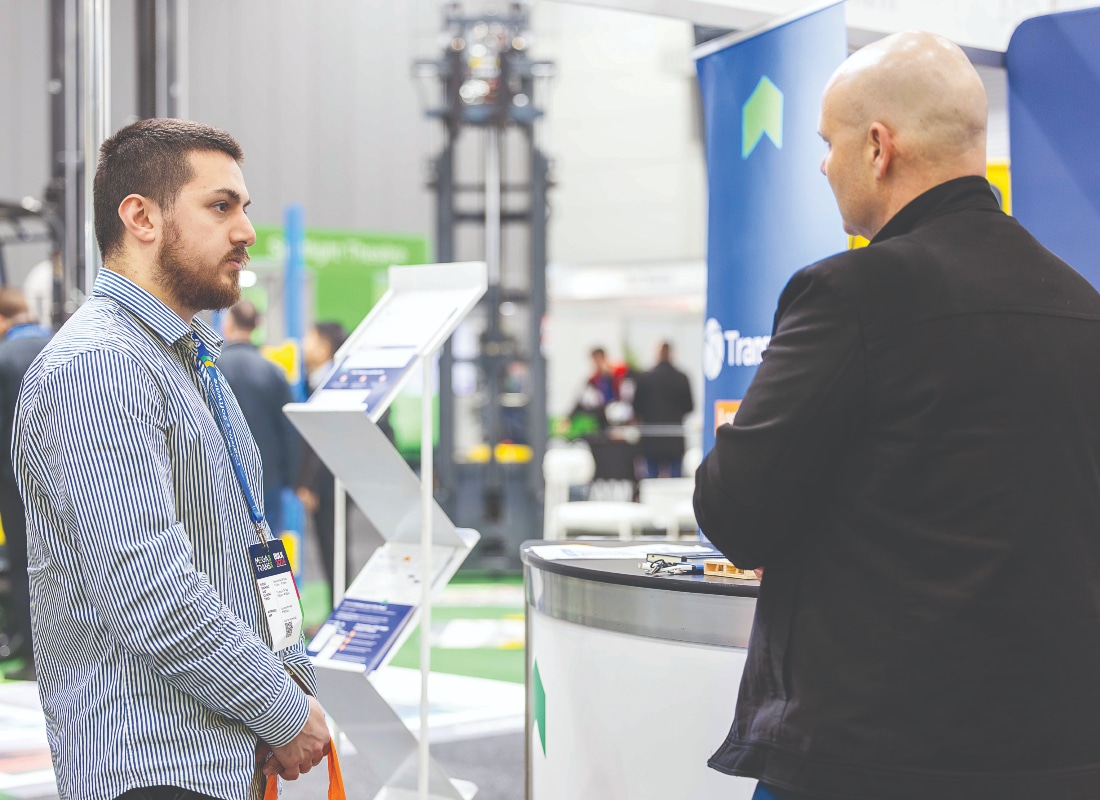
Mining’s smallest bottlenecks – such as faster‑than‑predicted conveyor belt wear, poorly performing transfer points and uncontrolled dust escape – are identified as major drivers of unplanned downtime and reduced throughput in bulk materials handling. The Bulk Handling Technical Conference and Expo in Melbourne this September will focus on these everyday engineering issues, bringing together conveyor specialists, transfer chute designers and dust control vendors. For site engineers, the message is to prioritise condition monitoring and incremental design tweaks on belts, chutes and enclosures before pursuing large capital upgrades.
OceanaGold is acquiring Ausgold for A$776 million in shares and cash, securing the Katanning gold project in Western Australia and adding 1.25 million oz of reserves outlined in a December 2025 definitive feasibility study. Katanning is expected to produce more than 100,000 oz of gold per year for over 10 years from 2029, requiring A$355 million in pre-production capital and helping OceanaGold maintain output above 500,000 oz annually ahead of Waihi North’s ramp-up post-2033. OceanaGold plans further drilling through 2027 and an updated technical report in 2028 to refine the development plan and execution risk.
AngloGold Ashanti is investing $42 million to lift its stake in Thesis Gold & Silver to 9.7%, buying 8.34 million common shares for C$28.5 million plus C$30 million in flow-through shares to fund Lawyers-Ranch in British Columbia’s 495 sq. km Toodoggone district. The 2025 prefeasibility study outlines a 15-year staged truck-and-shovel open-pit and underground operation on 117.5 million measured and indicated tonnes at 0.88 g/t Au and 25.9 g/t Ag, with initial capex of $736.2 million and post-tax NPV5 of $2.37 billion. Proceeds support Canadian exploration expenditures, ongoing technical studies and permitting, ahead of a targeted 2027 feasibility study and a 2029 provincial environmental decision.
Equinox Gold has secured a positive Record of Decision from the US Bureau of Land Management for its South Railroad open-pit heap leach project on Nevada’s Carlin Trend, clearing the National Environmental Policy Act stage and allowing early works to start ahead of targeted first production in 2028. The 66.6 million tonnes of proven and probable reserves, grading 0.71 g/t gold and 5.1 g/t silver, underpin forecast output of about 104,000 oz gold per year over 10 years. An updated feasibility study pegs initial capex at $395 million and a post-tax NPV of $783 million at $3,100/oz gold, rising to $1.7 billion at $4,500/oz.
South Korea’s Export-Import Bank is lending $1 billion to Glencore International AG in return for committed copper supply to Korean firms, tying state-backed finance directly to physical offtake from one of the world’s largest copper miners and traders. The deal targets feedstock for AI‑driven data centres, power grid upgrades and renewable equipment at a time when copper prices are up about 15% this year and near record highs. For smelters, cable manufacturers and equipment OEMs in Korea, the arrangement aims to reduce exposure to tightening global concentrates and refined metal markets.
Arizona Eagle Mining has acquired 62 acres hosting the historic Arizona National, Lookout and Silver Belt silver mines in Yavapai County, Arizona, including an operating water well with extraction rights, extending its patented land to 410 acres. The ground lies on strike and about 1 km northeast of the McCabe gold-silver deposit, lengthening the mineralised structural corridor by 50% from 3 km to 4.5 km, where historic work defined 878,000 oz gold at 11.7 g/t and 5.12 Moz silver at 69 g/t. Surface and waste-pile sampling has returned up to 861 g/t silver and 15.6 g/t gold, pointing to high-grade underground exploration potential below historic workings limited to ~150 m depth.
First bulk carrier shipments of +65% Fe hematite from Guinea’s Simandou range to East China mark the start of a new high‑grade iron ore supply chain tailored to hydrogen direct reduced iron (H‑DRI) and electric arc furnace “green steel” plants that need >67% Fe, low‑silica/alumina feed. Unlocking the 110 km ridge required over US$20 billion for a 600 km heavy‑haul trans‑Guinean railway through rainforest and a deep‑water port at Morébaya. Chinese state-backed groups Baowu and Chinalco, alongside Rio Tinto, now control critical rail‑port infrastructure linking West Africa’s ore to Chinese steel mills, exposing Western climate policy’s neglect of upstream raw materials and logistics.
American Rare Earths and Novex have signed an MoU to develop US rare earth metal production using feedstock from the 2.63‑billion‑tonne Halleck Creek deposit in Wyoming, aiming for a fully domestic mine‑to‑magnet supply chain. The partnership will focus on metallising neodymium‑praseodymium (NdPr) oxide and qualifying samarium, dysprosium and terbium products, closing the current US gap in converting separated oxides into magnet‑grade metals. Process options under review include fluoride conversion with calciothermic reduction, lanthanothermic reduction and high‑temperature molten salt electrolysis, with the latter identified as the cleanest route.
Geopolitical instability, competition for critical minerals supply chains and rapid deployment of AI in exploration, planning and operations will frame the International Mining and Resources Conference and Expo (IMARC) 2026. Organisers are positioning IMARC as a forum to convert decarbonisation and digitalisation strategies into mine-site execution, from AI-guided drilling and fleet dispatch to automated processing control. For engineers and operators, the focus is on practical pathways to implement these tools under tightening ESG scrutiny and volatile commodity markets.
Deswik has opened a new office in Almaty, Kazakhstan, expanding its in‑country team to support mine planning and scheduling customers across Central Asia. The enlarged local staff, led by Territory Manager Zhanash Sultanova and experienced mining specialists, will deliver on-site implementation, training and troubleshooting for Deswik’s software suite. For regional operators, this should reduce reliance on remote support and shorten turnaround times for complex tasks such as multi-pit scheduling, haulage simulation and detailed drill‑and‑blast design.
GR Engineering Services has secured an EPC contract from Venturex Sulphur Springs Pty Ltd, a Develop Global subsidiary, to design and construct a 1.5 Mt/y copper-silver-zinc processing plant for the Yitirrti (formerly Sulphur Springs) project in Western Australia. The scope covers full engineering, procurement and construction of the concentrator and associated infrastructure, positioning the project for medium-scale sulphide ore throughput. Plant design choices and materials handling layouts will be critical for managing polymetallic recovery and abrasive sulphide ore wear in a remote Pilbara-style environment.
Astec Industries’ US$245 million acquisition of TerraSource Global, completed on 1 July 2025, is now feeding integrated crushing and sizing solutions into both hard rock and coal operations, combining Astec’s track-mounted jaw and cone plants with TerraSource’s Gundlach roll crushers and Jeffrey Rader feeders. Management is pushing common controls and telematics across this combined fleet to standardise spares, condition monitoring and wear-part planning. For mine operators, the tie-up mainly affects front-end flowsheet choices, OEM support models and lifecycle cost assumptions for primary and secondary crushing circuits.
EACON Mining Technology has signed an MOU with mining equipment major XCMG in Perth to deepen cooperation on autonomous haulage solutions in overseas markets, with a particular focus on Australia. The agreement links EACON’s autonomous haulage system technology with XCMG’s large mining truck fleet, positioning the pair to offer integrated OEM-agnostic autonomy packages for Australian iron ore and coal operations. For mine operators, the tie-up could simplify deployment of autonomous truck fleets by combining control software, drive-by-wire kits and truck hardware under a coordinated delivery model.
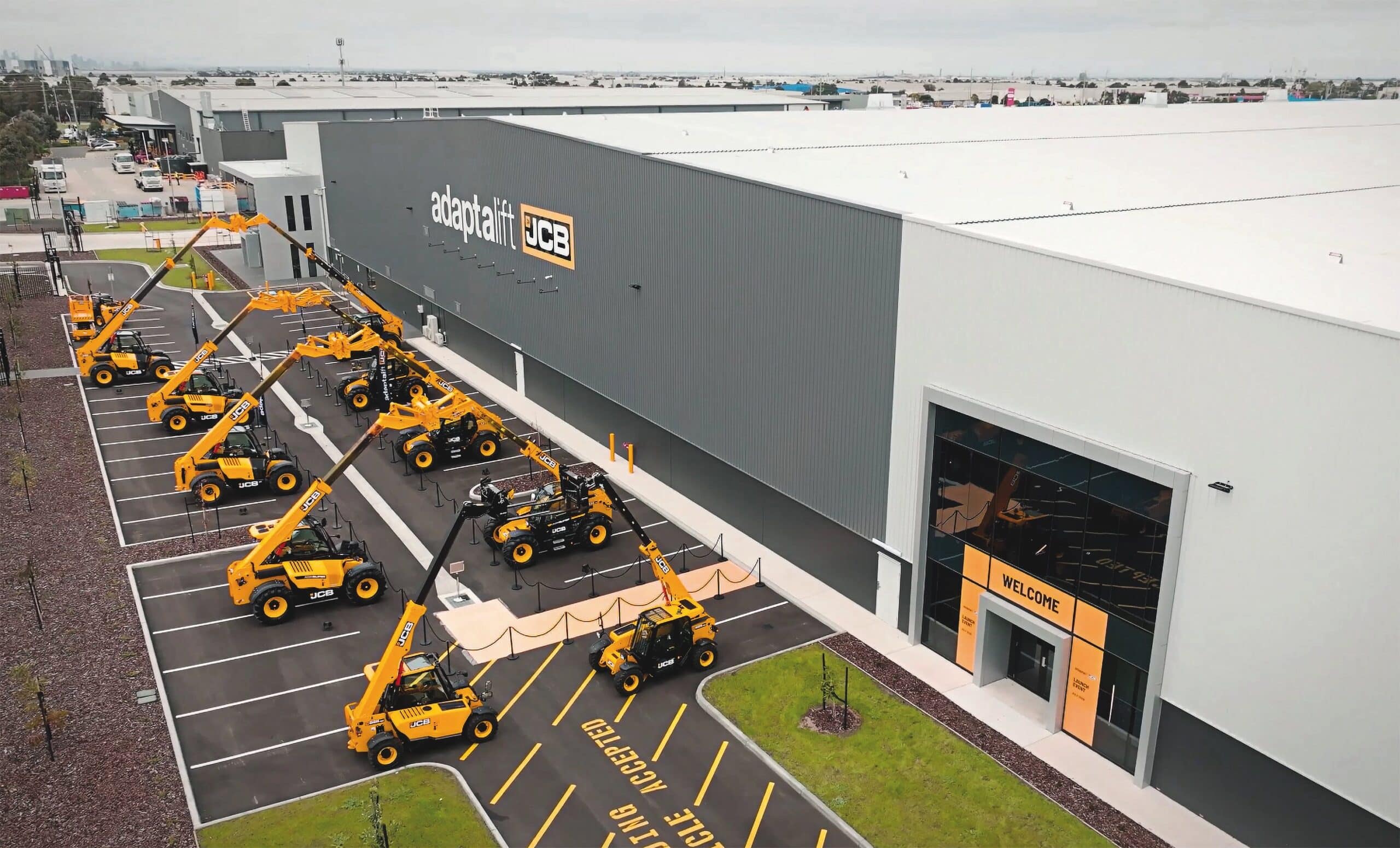
Adaptalift has been appointed the new dealer for JCB machinery across multiple rural, regional and metropolitan areas in key Australian states and territories, taking over sales and support for equipment ranging from backhoe loaders to telehandlers. The agreement links JCB’s 750-strong global dealer network with Adaptalift’s existing materials handling and access fleet support, including field service and parts logistics. Contractors can expect consolidated servicing for mixed fleets and potentially shorter downtime windows on JCB earthmoving and road construction plant in these regions.
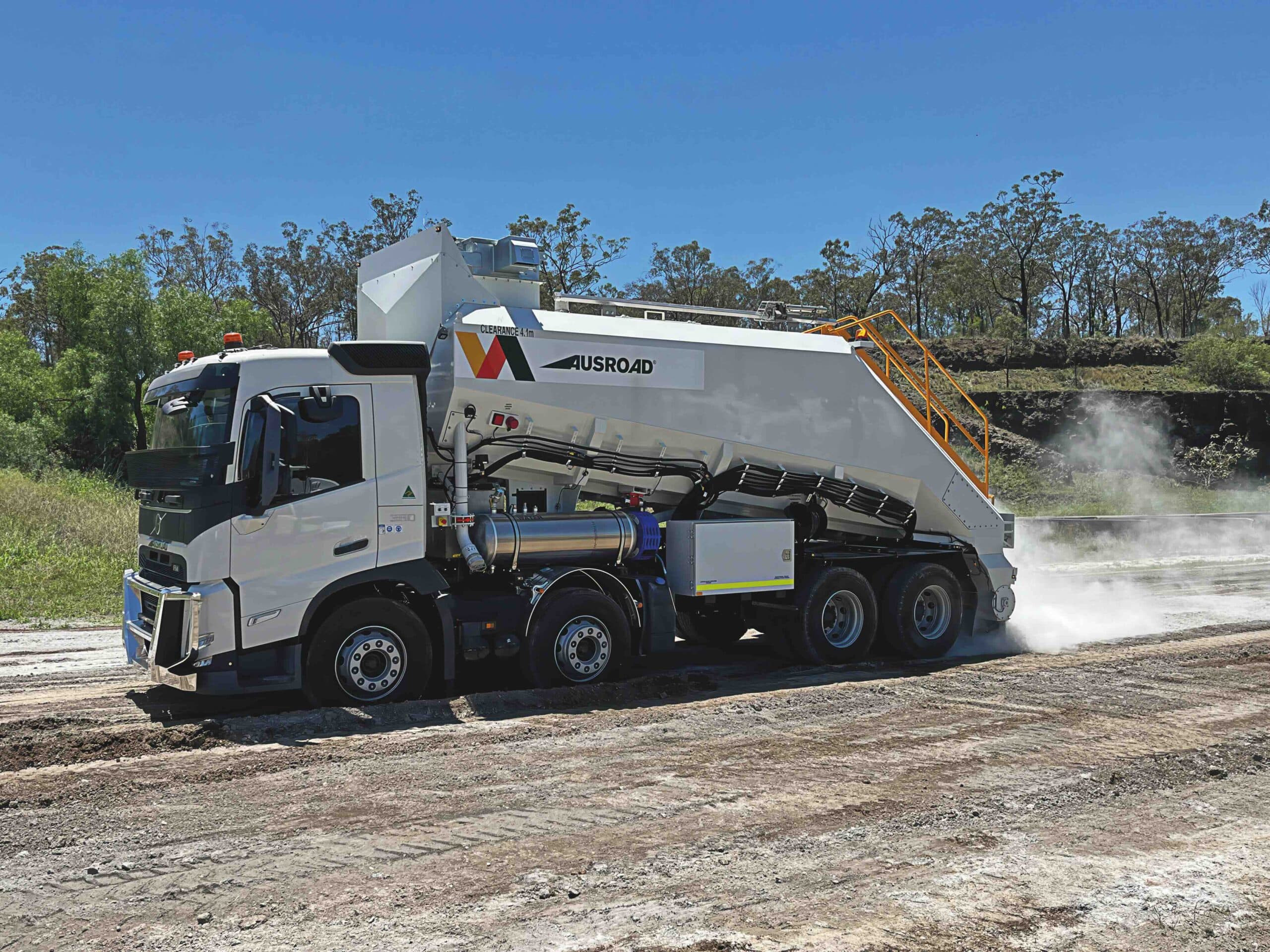
AUSROAD’s Powder Spreader introduces a purpose-built platform for spreading powdered stabilising agents such as cement and hydrated lime on road maintenance and pavement remediation works. The unit is engineered to improve application accuracy and consistency compared with conventional spreader trucks, while enclosing material handling to reduce dust exposure and manual intervention for operators. For contractors undertaking subgrade stabilisation or full-depth reclamation, the system offers tighter control over spread rate and coverage, supporting more uniform layer properties and safer on-site workflows.
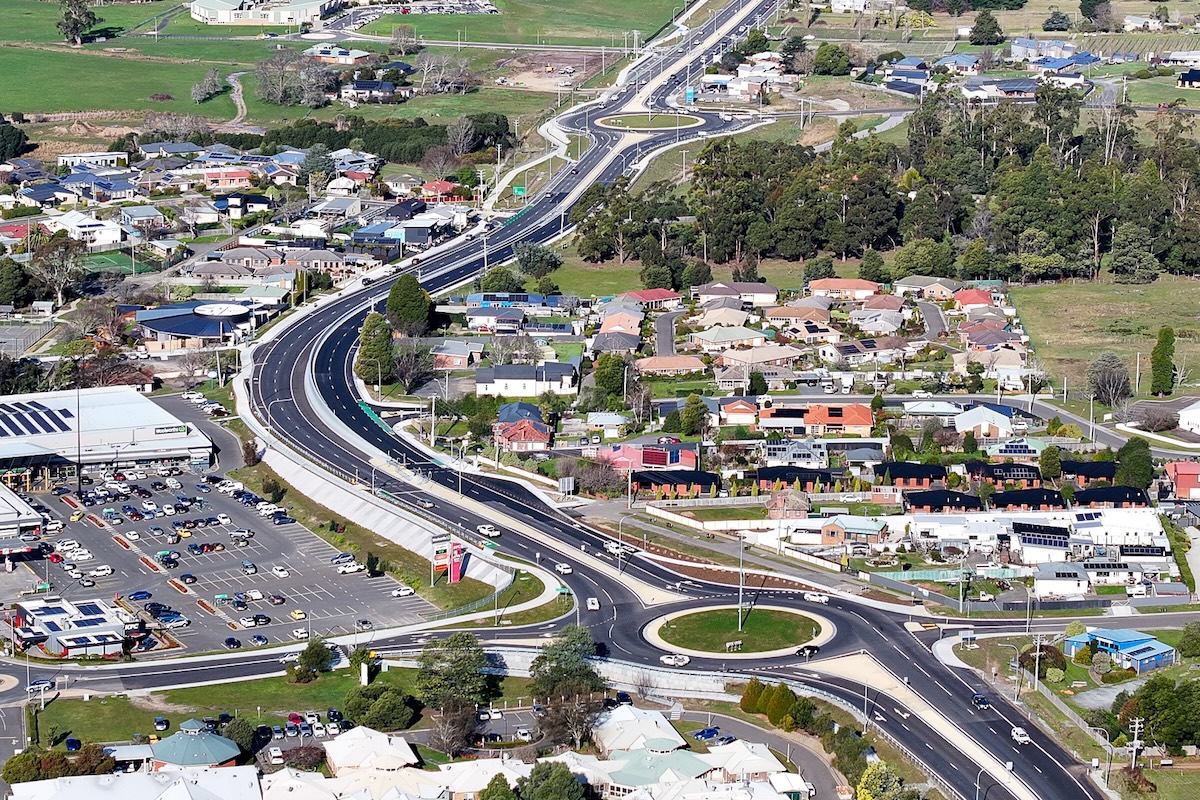
Duplication of the West Tamar Highway at Legana has been completed as part of Stage Two of the Northern Roads Package, a $420 million joint Federal–State investment targeting key northern Tasmanian corridors including the East and West Tamar routes. The project converts a previously single-carriageway section into dual lanes, removing a major bottleneck for commuter and freight traffic between Launceston and the Tamar Valley. For civil contractors and pavement designers, the scheme signals continued funding for staged capacity upgrades on constrained peri-urban corridors in Tasmania’s north.
Pilbara Ports Authority handled 63.8Mt in July 2026, down 1 per cent year-on-year, with Port Hedland moving 45Mt including 44.2Mt of iron ore exports, a 4 per cent drop on July 2025. The figures point to slightly softer export volumes through the main Cape-size iron ore channel, with implications for berth scheduling, stockyard turnover and rail–port interface planning across the Pilbara supply chain. Operators and contractors may see marginally reduced demand for shiploading, dredging support and maintenance works tied to peak throughput conditions.
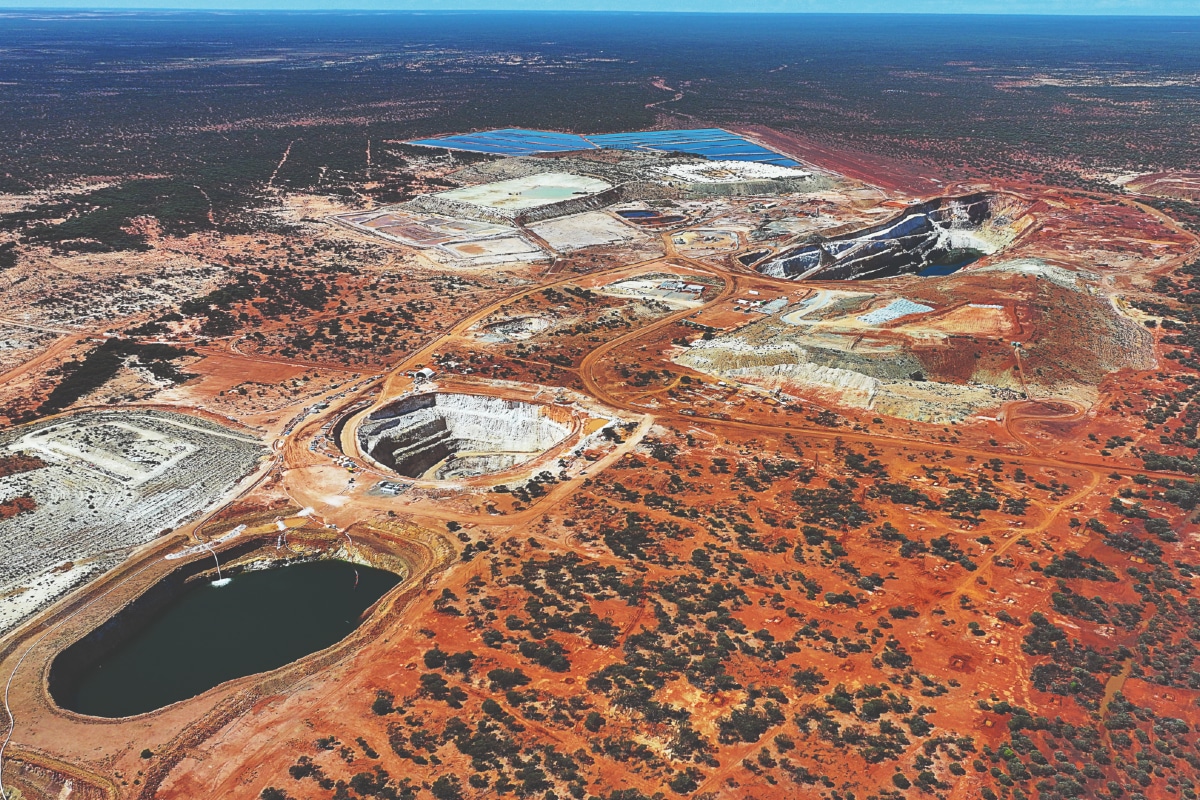
Rox Resources has reported new high-grade underground diamond drilling intercepts at the Youanmi Gold Mine in Western Australia, including 2.24m at 39.33g/t gold from 220.7m and 5m at 6.39g/t from 108m, pointing to extensions of the United North lodes. The results suggest mineralisation continues beyond the current Definitive Feasibility Study mine plan, supporting potential increases in underground inventory and mine life. Geotechnical and mine planning teams will need to reassess stope layouts, ground support and access development to capture the additional ounces.
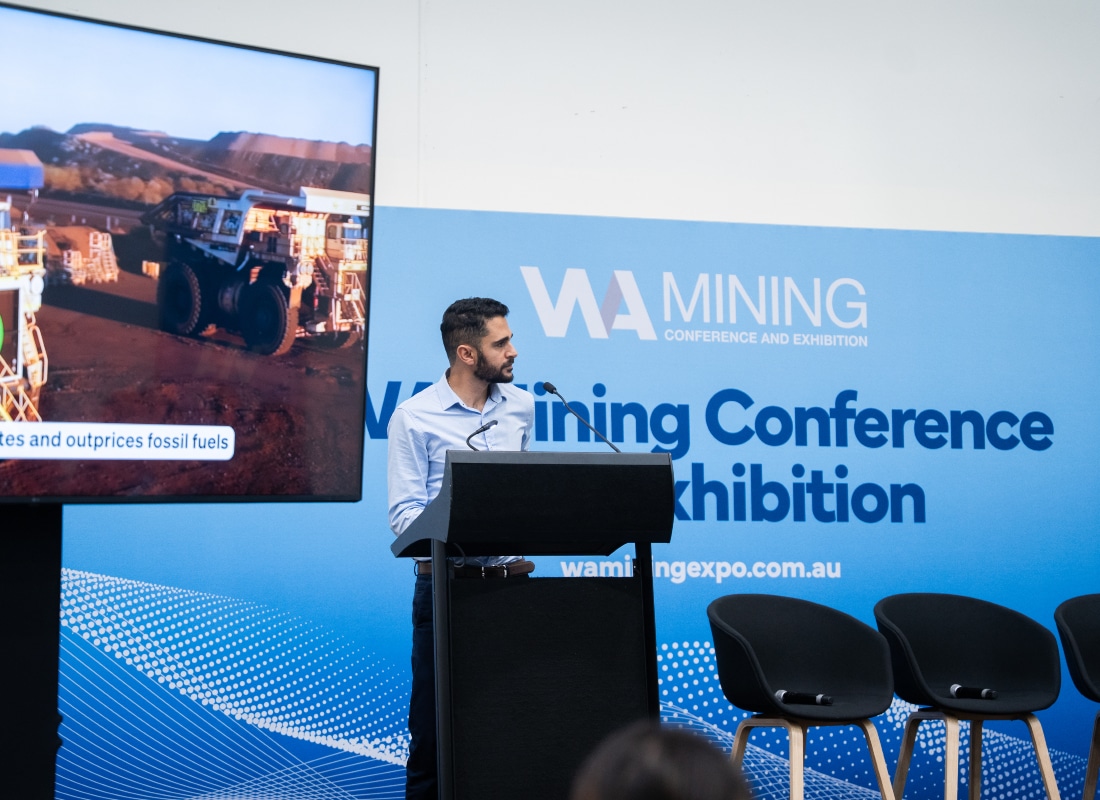
WA Mining Conference & Exhibition 2026 will return to the Perth Convention and Exhibition Centre on 16–17 September 2026, with major sponsors including Blackwoods, Conveyor Integrated Business Solutions (CIBS) and Virgin Australia already locked in. The event will focus on technologies and services for Western Australia’s large-scale open-pit and underground operations, from conveyor optimisation and materials handling to mine-site logistics and workforce mobility. Early sponsor commitments suggest strong demand for showcasing automation-ready equipment and integrated supply solutions ahead of the 2026–27 project pipeline.
Medallion Metals has intersected a new mineralised hanging-wall lode at the McMahon’s open pit, extending known gold mineralisation at the Lounge Lizard deposit in Western Australia. A seven-hole, 1077m slimline reverse-circulation programme returned a standout intercept of 5m at 5.80g/t gold from 106m depth. The new lode geometry and grade continuity will be critical for updating pit designs, resource models and geotechnical assumptions for wall stability and dilution control.
Good Importing International has allowed its option to invest $4.8 million for a 75 per cent stake in ABx Group’s ABx2 subsidiary – which holds the Taralga and Penrose bauxite projects in New South Wales – to lapse, shifting its focus to the Sunrise bauxite project in Queensland. The move concentrates capital and technical attention on Sunrise’s development potential, while leaving ABx to seek alternative funding or partners for Taralga and Penrose.
Ashbrook’s £18m JCB fleet renewal has triggered the disposal of 35 low-hour machines at Euro Auctions’ Leeds sale from 19–22 August, including 3–9 tonne site dumpers, 15 CAT rollers, multiple Manitou/Skyjack/Genie manlifts, a late JCB 516-40 telehandler and a Faymonville MAX 100 tri-axle low loader. All units are manufacturer-maintained with below-average hours, signalling relatively low risk for contractors needing near-immediate deployment. Further Ashbrook consignments are expected as the fleet refresh continues, potentially softening prices for quality used plant in the short term.
Pick Everard has completed fire safety remediation on nine residential tower blocks in Salford for Together Housing Group, working with lead contractor Quaysquare Consult plus façade and fire specialists Buro Happold and Wintech. The programme focused on replacing non-compliant external wall systems and associated cavity barriers to meet current fire performance standards for multi-storey residential buildings. For engineers, the scheme signals continuing demand for multidisciplinary teams to assess legacy cladding, redesign façades and coordinate intrusive surveys, structural checks and phased resident access on occupied high-rise stock.
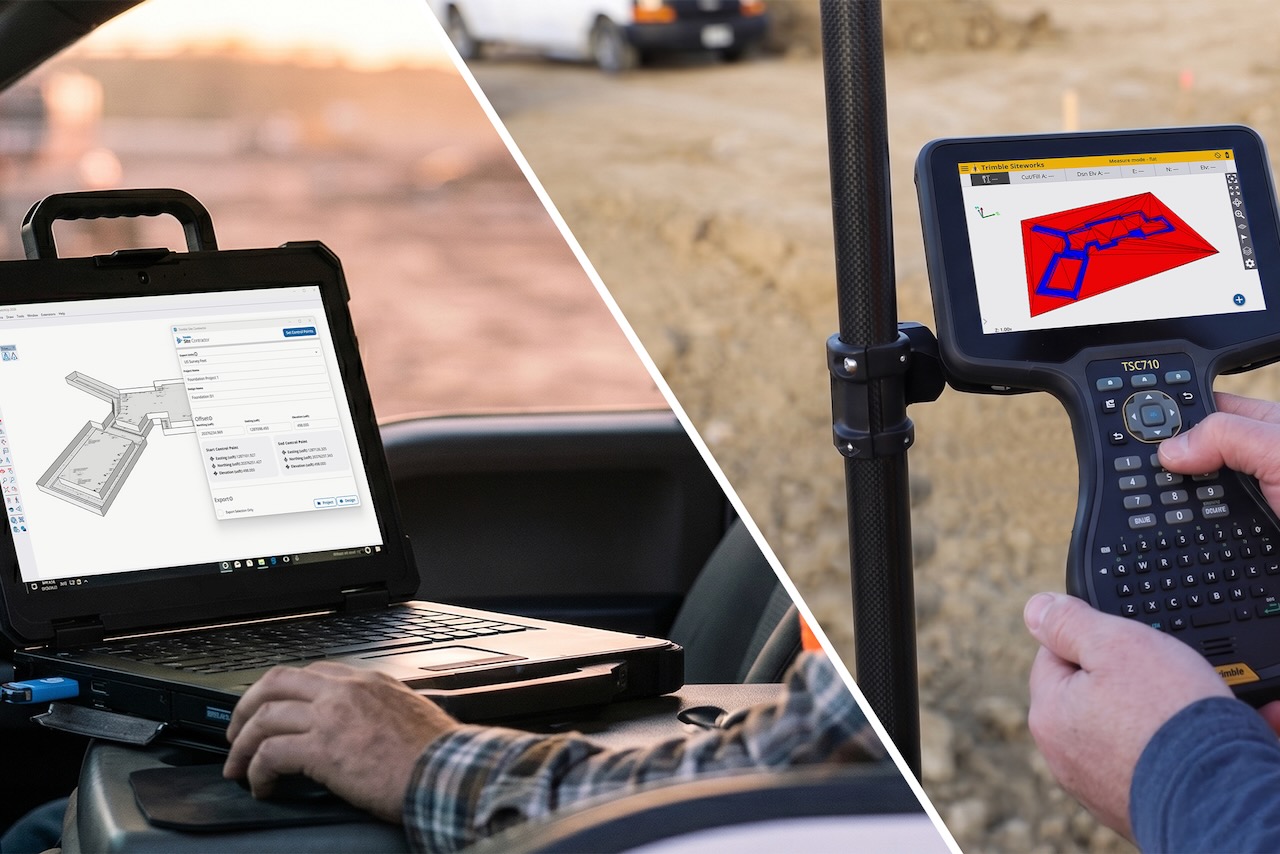
Trimble has released SketchUp Pro Civil Contractor, linking Trimble SketchUp directly with Trimble Siteworks and the Trimble Earthworks grade control platform to create a single 3D earthworks model from design through layout, machine guidance and verification. The tool targets contractors handling grading, excavation and utilities who lack traditional 3D CAD skills, offering a faster way to generate field-ready models for dozers, excavators and survey kits. Streamlined data exchange between design, surveying and earthmoving is intended to cut rework, reduce downtime and improve positional accuracy on site.