Barrow energy storage moves forward: subsurface design and capacity notes for engineers
Reviewed by Joe Ashwell
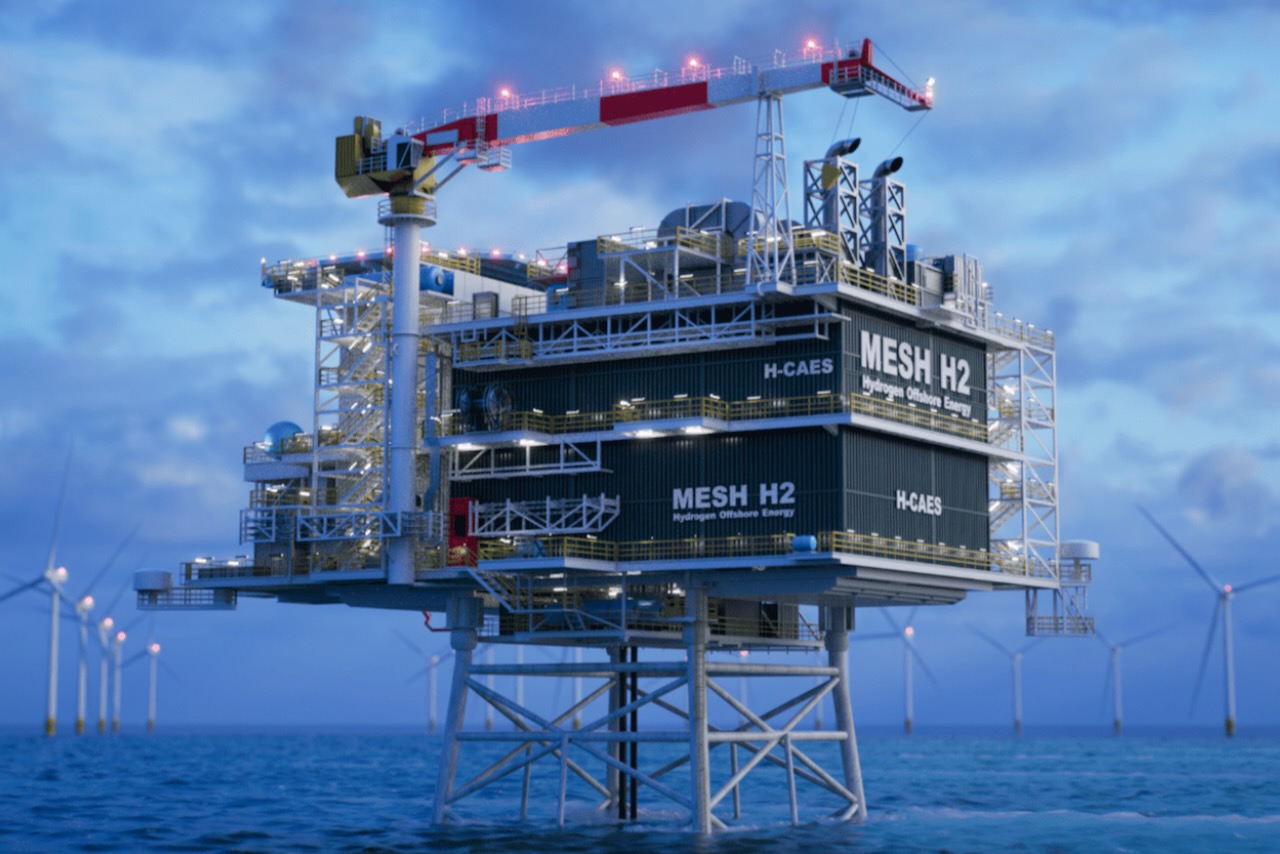
First reported on The Construction Index
30 Second Briefing
EnergyPathways has secured a North Sea Transition Authority gas storage licence for the Marram Energy Storage Hub (MESH) near Barrow-in-Furness, which will use up to 60 salt caverns to store natural gas and later hydrogen at multi-terawatt, multi-day scale. The project plans to double Britain’s gas storage capacity, offering around 15 million m³/day deliverability and up to six days of national energy supply, plus 300 MW / 55 GWh compressed air energy storage expected to be the UK’s largest long-duration facility. Backed by Tier One partners Siemens Energy, Costain, Wood and Zenith Energy, MESH targets final investment decision in 2028 and start-up by late 2031, with co-located low-cost hydrogen and a proposed graphite production plant shaping Barrow’s future industrial load profile.
Technical Brief
- Storage licence has been issued by the North Sea Transition Authority, confirming subsurface gas storage permissions.
- The facility has UK government “nationally significant” status, influencing planning, consenting and strategic network integration.
- Compressed air energy storage is planned directly on the Barrow-in-Furness onshore site, co-located with gas assets.
- Low-cost hydrogen production is intended to decarbonise dispatchable power and supply adjacent industrial users in Barrow.
- EnergyPathways is progressing funding and long-term capacity offtake agreements ahead of the 2028 final investment decision.
- Tier One partners Siemens Energy, Costain, Wood and Zenith Energy are aligned for engineering, construction and O&M scopes.
- A proposed graphite production plant will anchor additional baseload demand, supporting utilisation of the storage and hydrogen assets.
Our Take
With up to 60 salt caverns and a deliverability of 15 million m³/day, MESH would sit at the large end of gas storage schemes in our Infrastructure database, signalling a move towards using legacy North Sea and East Irish Sea skillsets for grid‑scale flexibility rather than pure upstream production.
The combination of natural gas, hydrogen and a 300 MW / 55 GWh compressed air system positions Barrow alongside a small subset of the 23 keyword‑matched natural gas and hydrogen pieces that treat gas infrastructure as a long‑duration storage asset, not just a fuel supply chain.
EnergyPathways’ plan to co‑locate the Marram Energy Storage Hub with a proposed graphite production plant suggests a vertically linked cluster where hydrogen and long‑duration storage can underpin energy‑intensive processing, a model that could be replicated at other UK coastal industrial hubs if this reaches FID around 2028.
Prepared by collating external sources, AI-assisted tools, and Geomechanics.io’s proprietary mining database, then reviewed for technical accuracy & edited by our geotechnical team.
Related Articles


Related Industries & Products
Construction
Quality control software for construction companies with material testing, batch tracking, and compliance management.
Mining
Geotechnical software solutions for mining operations including CMRR analysis, hydrogeological testing, and data management.
QCDB-io
Comprehensive quality control database for manufacturing, tunnelling, and civil construction with UCS testing, PSD analysis, and grout mix design management.