EastLink tollway upgrade: staged MLFF works and integration notes for engineers
Reviewed by Joe Ashwell
First reported on Roads & Infrastructure (AU)
30 Second Briefing
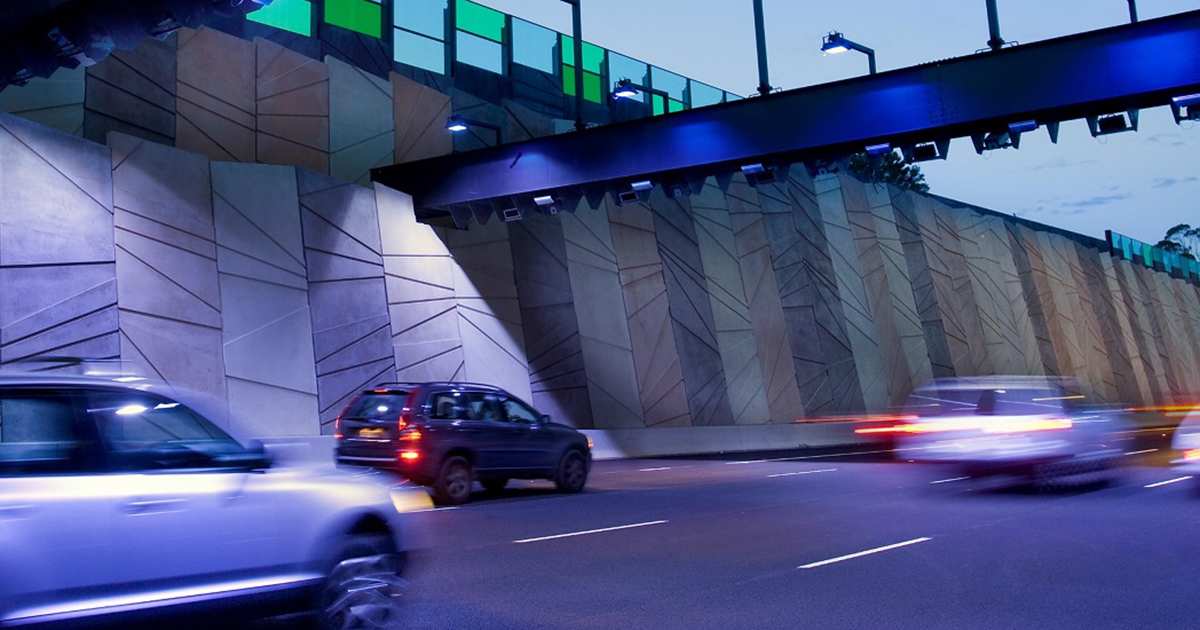
A major multi-year contract has been awarded to upgrade the Multi-lane Free Flow (MLFF) roadside tolling system on Melbourne’s EastLink tollway, with completion scheduled for mid‑2028. The project, described as a significant financial investment, will replace and modernise existing intelligent transport system hardware and tolling equipment across the corridor to support high‑speed, multi‑lane gantry operations. For civil and systems engineers, the works will involve staged roadside installations, integration with legacy ITS infrastructure and maintaining live traffic throughput during construction.
Technical Brief
- Upgrade centres on roadside MLFF gantries, including new tolling sensors, cameras and communications hardware.
- Contract scope covers complete replacement of legacy roadside tolling equipment along the EastLink corridor.
- Intelligent transport system provider will supply integrated roadside controllers interfacing with existing back‑office tolling systems.
- Works will require sequential gantry change‑outs under traffic, using night or off‑peak lane closures.
- New equipment will be configured for high‑speed vehicle detection and classification across all running lanes.
- Power and data cabling on existing structures will need reconfiguration to suit modern ITS hardware footprints.
- Staged commissioning is expected, with parallel running of old and new systems to de‑risk cutover.
- Project reflects a wider move to MLFF roadside upgrades on ageing Australian toll road assets.
Our Take
A mid-2028 completion horizon aligns with the optimism noted in Roads & Infrastructure Magazine’s 2026 ‘Roads Review: Looking Forward’, where stakeholders emphasised steady, people-focused programs over new mega-projects, indicating EastLink’s upgrade is likely being staged to minimise operational disruption and staffing shocks.
Prepared by collating external sources, AI-assisted tools, and Geomechanics.io’s proprietary mining database, then reviewed for technical accuracy & edited by our geotechnical team.


