ArcelorMittal Quebec C$100m Fisheries Act fine: compliance lessons for mine teams
Reviewed by Joe Ashwell
First reported on MINING.com
30 Second Briefing
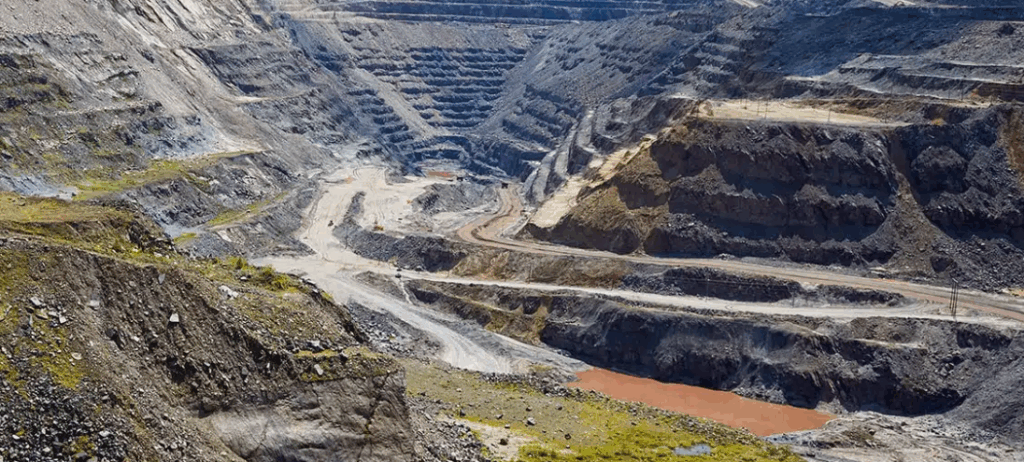
ArcelorMittal Exploitation Minière Canada has been fined C$100 million, the largest penalty ever under Canada’s Fisheries Act, after pleading guilty to 100 counts for discharging low‑pH effluents and waters with elevated zinc, nickel and suspended solids from its Mont‑Wright and Fire Lake iron ore operations between 2014 and 2022. Nearly C$250,000 in investigation costs must also be repaid, and a detailed effluent and mine drainage management plan for both complexes is due to federal enforcement officers by mid‑February 2027. The company says it has since invested over C$400 million in permanent water control and treatment infrastructure.
Technical Brief
- Subsection 36(3) of the Fisheries Act was breached by allowing deleterious effluents into fish-bearing waters.
- Deposits included low‑pH (acidic) water, elevated zinc and nickel, high suspended solids and acutely fish‑toxic effluents.
- Discharges originated from multiple areas of the Mont‑Wright complex and Fire Lake mine, indicating site‑wide control gaps.
- Investigators linked offences to inadequate activity planning, ineffective mitigation measures and non‑robust effluent treatment systems.
- Impacted receptors included Petite rivière Manicouagan, Lac Irène and tributaries of Lac Saint‑Ange in the Fermont region.
- Lac Saint‑Ange sub‑watershed drains to rivière Moisie, a proposed provincial aquatic reserve, raising regulatory sensitivity.
- Environment and Climate Change Canada’s investigation ran from 2018, with nearly C$250,000 in costs ordered reimbursed.
- C$99,999,900 of the fine is earmarked for the federal Environmental Damages Fund to finance remediation projects.
- Company statements note 96% of offences occurred in or before 2018, preceding major water‑management upgrades.
Our Take
ArcelorMittal’s iron ore operations in Quebec sit alongside long-life iron ore interests such as its Liberia mining rights extension to 2050 in our database, so a C$100 million Fisheries Act penalty is likely to sharpen scrutiny of its environmental performance across multiple jurisdictions rather than just in Canada.
The scale of the C$400 million already invested in water control and treatment at Mont-Wright and Fire Lake signals that Environment and Climate Change Canada is pushing large iron ore operators towards capital-intensive remediation, which could raise baseline compliance costs for other Quebec and Canadian bulk miners in future enforcement actions.
Prepared by collating external sources, AI-assisted tools, and Geomechanics.io’s proprietary mining database, then reviewed for technical accuracy & edited by our geotechnical team.
Related Articles
Related Industries & Products
Mining
Geotechnical software solutions for mining operations including CMRR analysis, hydrogeological testing, and data management.
Construction
Quality control software for construction companies with material testing, batch tracking, and compliance management.
CMRR-io
Streamline coal mine roof stability assessments with our cloud-based CMRR software featuring automated calculations, multi-scenario analysis, and collaborative workflows.
HYDROGEO-io
Comprehensive hydrogeological testing platform for managing, analysing, and reporting on packer tests, lugeon values, and hydraulic conductivity assessments.
GEODB-io
Centralised geotechnical data management solution for storing, accessing, and analysing all your site investigation and material testing data.