Geomechanics, Streamlined.
© 2026 Geomechanics.io. All rights reserved.
Heidelberg Materials is accelerating a global rollout of autonomous heavy mobile equipment across its quarries, signalling quarry-scale adoption of autonomous haulage systems comparable to large open-pit mines. The company is working with Applied Intuition and Pronto for autonomy software and validation, sensmore for sensor and perception solutions, and Epiroc for compatible haul trucks and drilling platforms. For geotechnical and quarry planners, this points to tighter integration of fleet autonomy with shorter haul profiles, smaller truck classes and less severe duty cycles than typical mining AHS deployments.
Water use reduction and reuse remain central challenges for mine operators, with EnviroSys 9.4 from Acquire now deployed as an environmental data management platform to tighten control over site-wide water balances. The system lets environmental teams capture, validate and analyse high-frequency data from pumps, pipelines, tailings storage facilities and discharge points, then trigger actions and generate compliance reports from a single interface. For geotechnical and processing teams, more granular water accounting supports tailings beach management, process water recycling strategies and early detection of leakage or overtopping risks.
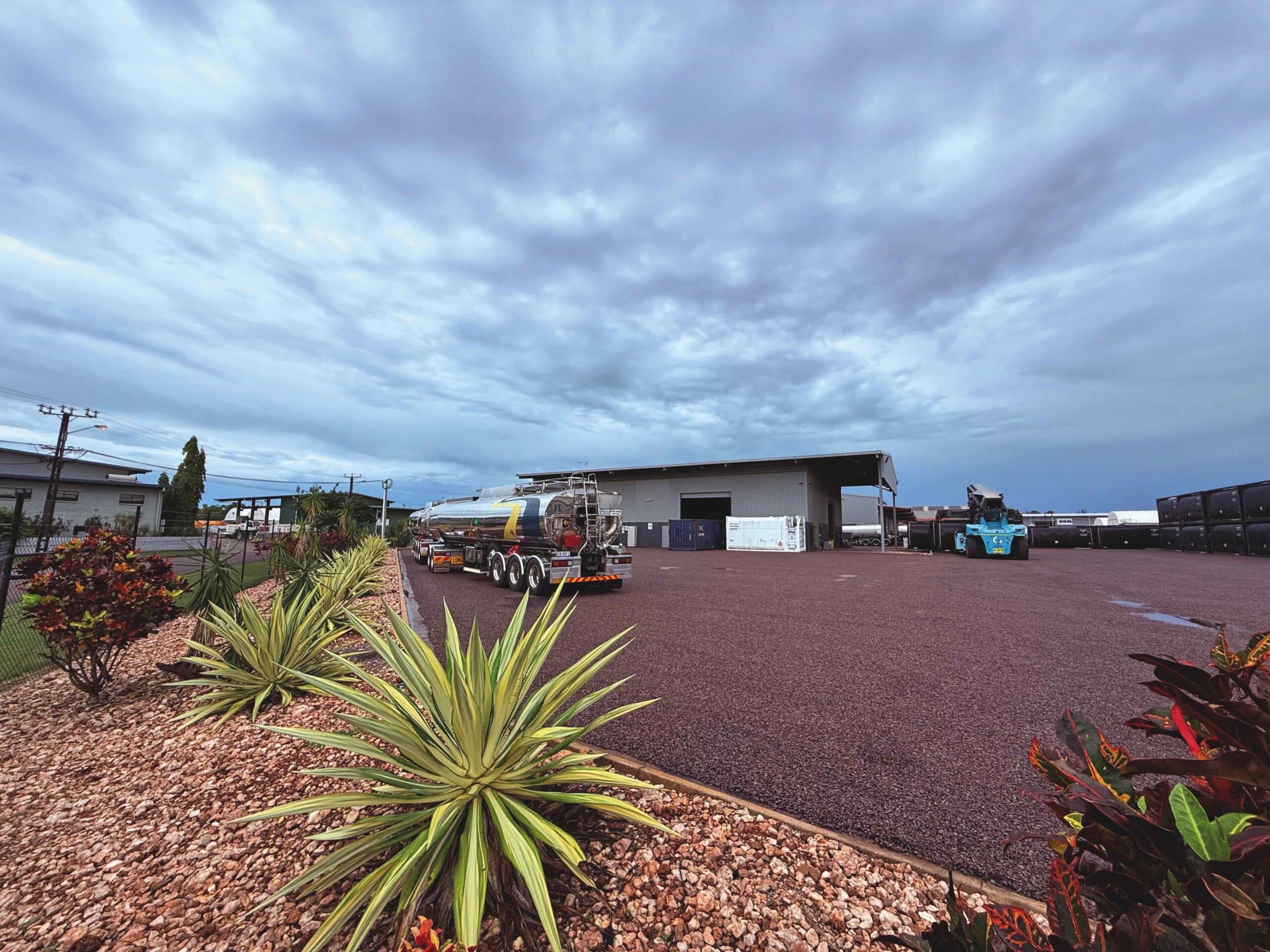
A new SAMI Bitumen Technologies container facility at Darwin will act as a northern hub for bulk and containerised bitumen, cutting reliance on long-haul road tankers from southern refineries and smoothing supply for remote Northern Territory projects. The site uses SAMI’s sealed “bitumen container” units, which can be shipped, stored and reheated on demand, reducing temperature loss, contamination risk and waste compared with conventional ISO tanks or drums. For road agencies and contractors, the change should stabilise binder availability for spray seals and asphalt in cyclone-prone and seasonally isolated regions.
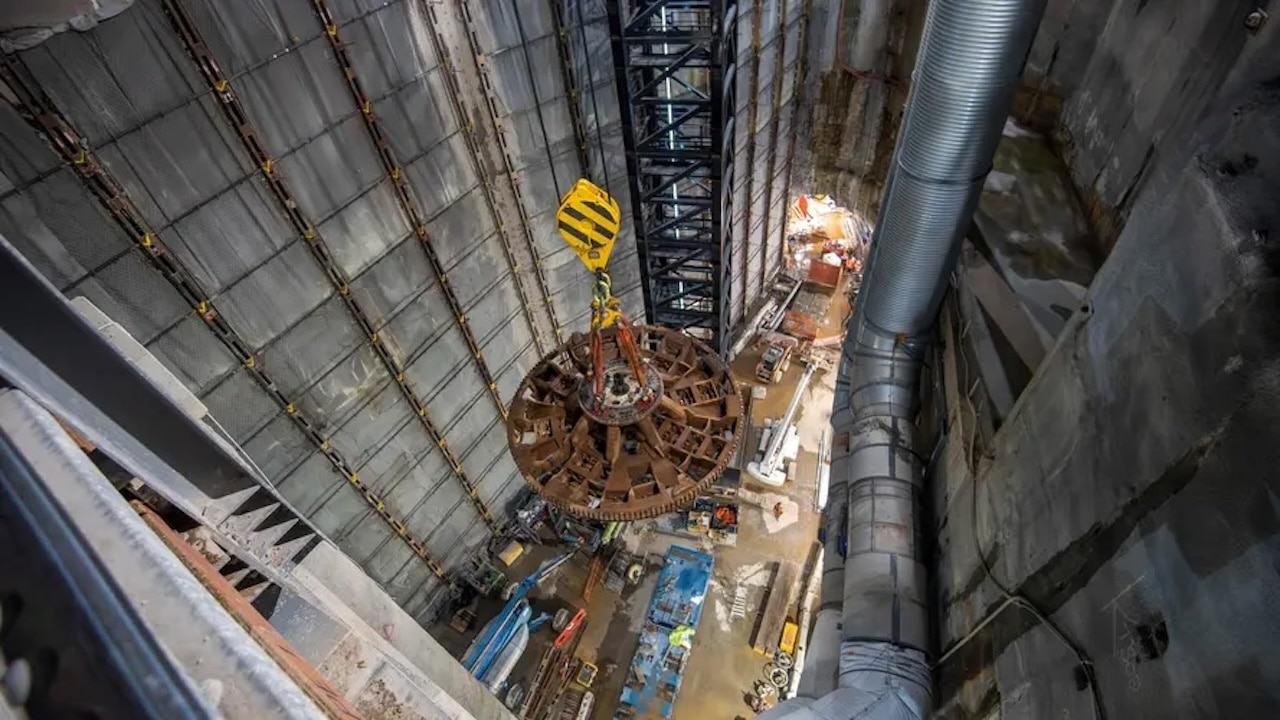
TBM retrieval has begun at the future Hunter Street Station site in central Sydney for two 1100‑tonne machines, Jessie and Ruby, which have just completed a 34‑month drive on the 24‑kilometre Sydney Metro West tunnels between Westmead and the CBD. The extraction in a dense CBD box excavation will require staged disassembly of the TBM shields and backup gantries, heavy‑lift cranage and tight interface management with station structural works. For geotechnical and civil teams, retrieval sequencing will directly affect support installation, groundwater control and programme risk at Hunter Street.
Construction is now underway on two priority road projects under the $500 million Queensland Beef Corridors Program, which will seal 200 kilometres of key freight routes in central and western Queensland. The works target unsealed beef haul roads that currently constrain heavy vehicle access and increase maintenance and crash risk, particularly under wet-season conditions. For pavement and drainage designers, the program signals a pipeline of rural upgrades likely to require robust granular pavements, improved floodways and culvert capacity tailored to high-mass livestock transport.
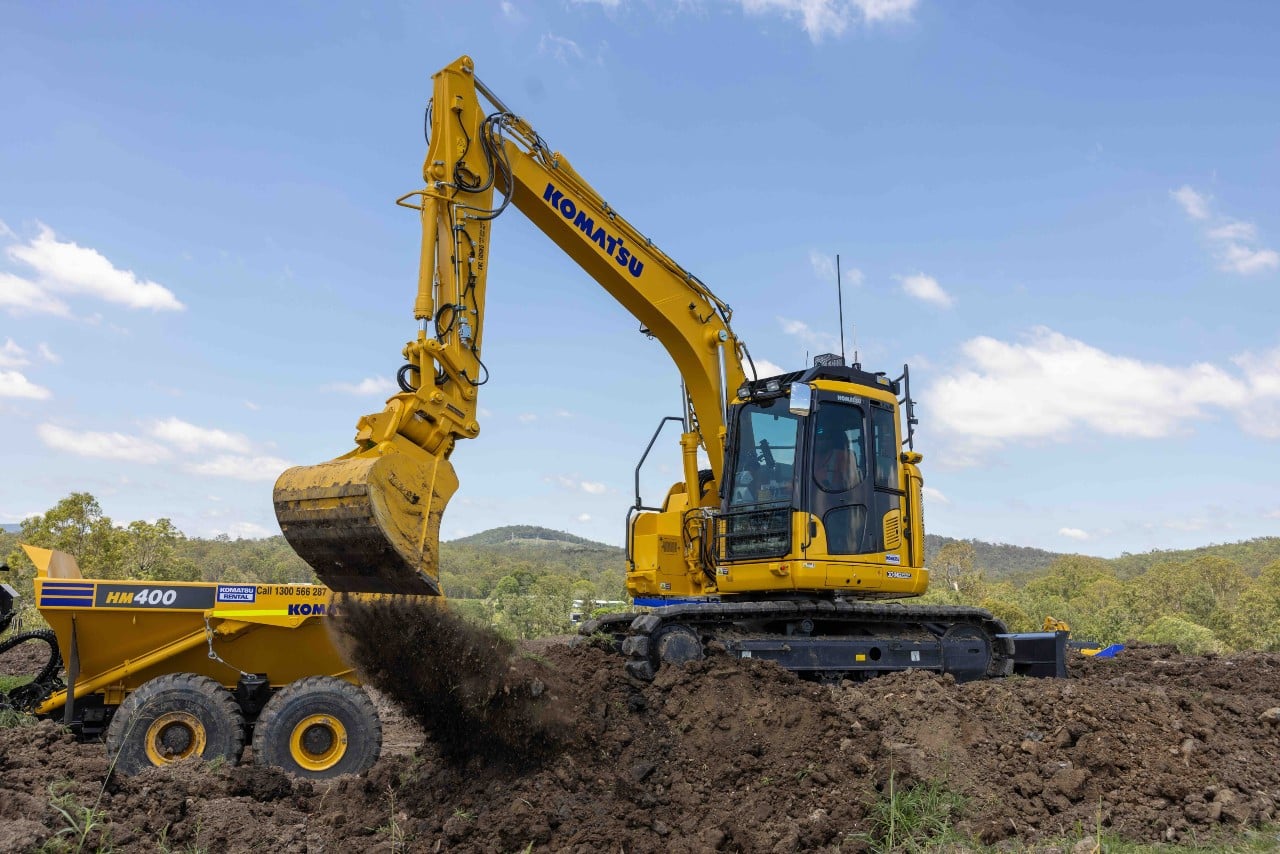
Komatsu Rental has expanded its full-service equipment rental offering into Western Australia, giving contractors in construction, quarrying and mining short- and medium-term access to Komatsu earthmoving and production machinery without capital outlay. The fleet includes late-model excavators, loaders and haul trucks with factory-integrated telematics and emissions-compliant engines, supplied with maintenance, parts and condition monitoring bundled into the hire rate. For project managers facing tighter delivery timelines and cost pressures, the model allows rapid up- or down-scaling of fleet size without long-term ownership risk or workshop overheads.
Tim Day has been re-elected president of the Chamber of Minerals and Energy of Western Australia (CME WA) at its 125th annual general meeting, extending his leadership of the peak body representing major iron ore, gold, LNG and critical minerals operators in the state. His renewed term comes as CME WA members progress large-scale decarbonisation projects, including grid-scale renewable integrations and diesel-to-gas or battery transitions on remote mine sites. For engineers, continuity at CME WA signals stable advocacy on approvals reform, skilled labour pipelines and infrastructure funding across Pilbara and Goldfields operations.
Catalyst Metals has identified a new high-grade zone beneath the existing Cinnamon Resource at its Plutonic gold operations in Western Australia, adding a sixth ore source to the mine plan. The discovery sits within a recently consolidated tenement package surrounding the Plutonic underground mine and satellite open pits, giving Catalyst greater control over near-mine exploration and potential strike extensions. For geotechs and mine planners, the deeper zone will require updated geotechnical models, revised stope designs and scheduling to integrate additional underground production with existing infrastructure.
Artificial intelligence is rapidly changing Australian mine operations, with nearly 70 per cent of global mining companies already deploying AI for tasks such as predictive maintenance on haul trucks and real-time optimisation of grinding circuits. Major operators are trialling computer-vision systems on autonomous drills and loaders, while using machine-learning models to stabilise throughput in complex ore bodies and variable geotechnical conditions. The shift is raising expectations for production performance but also tightening scrutiny on data quality, cyber security and algorithmic decision-making in safety-critical control systems.
Exploration activity is ramping up across Australia, with True North Copper launching a new geophysics programme targeting copper systems, while Adelong Gold and Ballard Mining advance gold and copper prospects. True North’s campaign centres on modern geophysical surveys to refine drill targets, signalling a shift from broad regional work to tighter, data-led prospect definition. For geotechs and mine planners, the focus on copper and gold suggests continued demand for resource modelling, pit design and ground characterisation in emerging project areas.
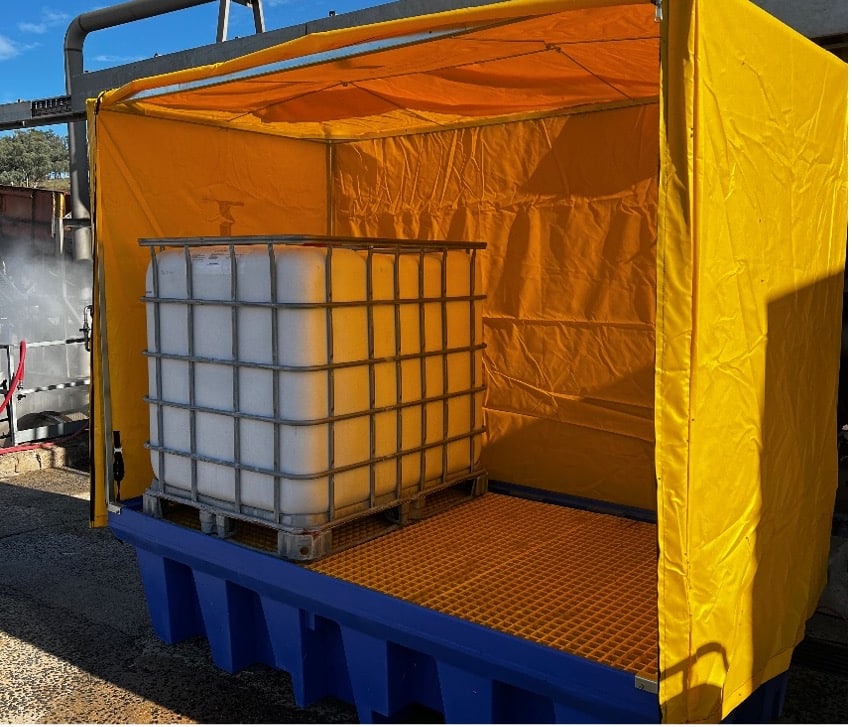
Mining operators are increasingly using spill bunded pallets to contain fuels, lubricants and other hazardous liquids stored in workshops, laydown yards and processing areas, reducing the risk of unplanned releases to soil and drainage systems. Eco Pallets’ moulded polyethylene bunded units, shown in use at Tanafloc Australia, integrate forklift pockets, removable grates and corrosion‑resistant sumps sized to capture typical drum and IBC failure volumes. For geotechnical and environmental teams, this simplifies compliance with bunding requirements, reduces contaminated run‑off, and limits the footprint of lined or remediated ground.
Morgan Sindall Construction has broken ground on the £20m Outer West Leisure Centre for Newcastle City Council, procured via the Pagabo framework and scheduled for completion in winter 2027. The facility will include two swimming pools with moveable floors, a competition pool, splash pad, training pools, a sports hall, library, gymnasium, sauna and steam room, plus office space, supported by photovoltaic panelling, EV charging points and new bike storage at upgraded car parking. Morgan Sindall has committed to 87% local SME spend within 30 miles, 150 apprenticeship weeks and multiple paid work placements, embedding structured social value into delivery.
Wates Group has confirmed George Mosey as permanent managing director for Wates Construction London, following his interim tenure that began in February 2025. Mosey, who joined Wates in March 2025 as UK operations director and has over 17 years’ senior construction experience, will lead strategy and day-to-day operations for the London business. He will continue to drive the continuous improvement programme he launched in 2025, while Wates starts recruiting a new UK operations director to backfill his previous role.
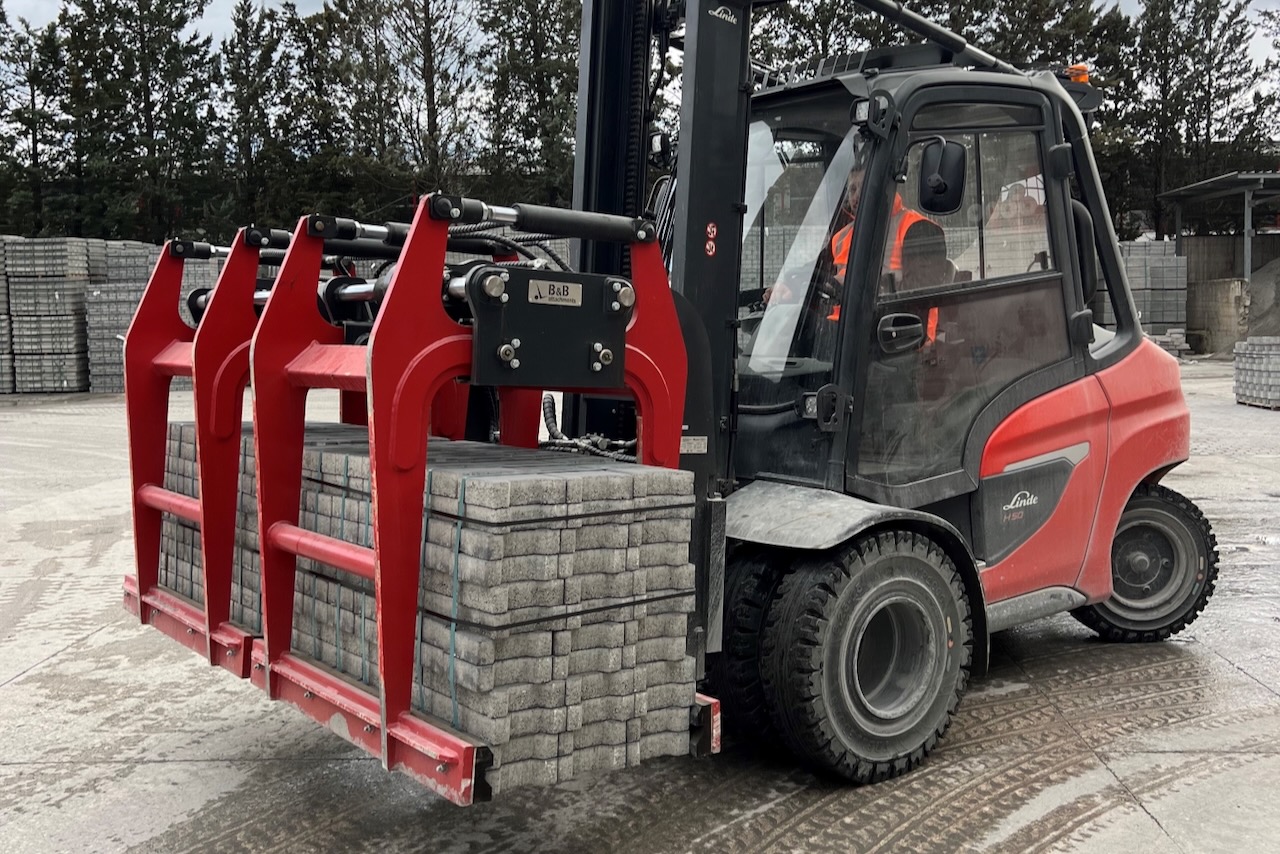
B&B Attachments has launched an enhanced BlockMaster range of forklift-mounted handling attachments for bricks, blocks, flags and kerbs, aimed at high-throughput, abrasive yard conditions where product damage must be tightly controlled. Configurations now include clamps for one to four packs of flags and kerbs, pack-consolidation and rotating variants, plus pipe and chamber clamps, load stabilisers and kiln tine attachments for handling green concrete or clay products. Bespoke designs allow sites to match clamp geometry and rotation to specific pack sizes and curing states, improving handling precision and reducing breakage.
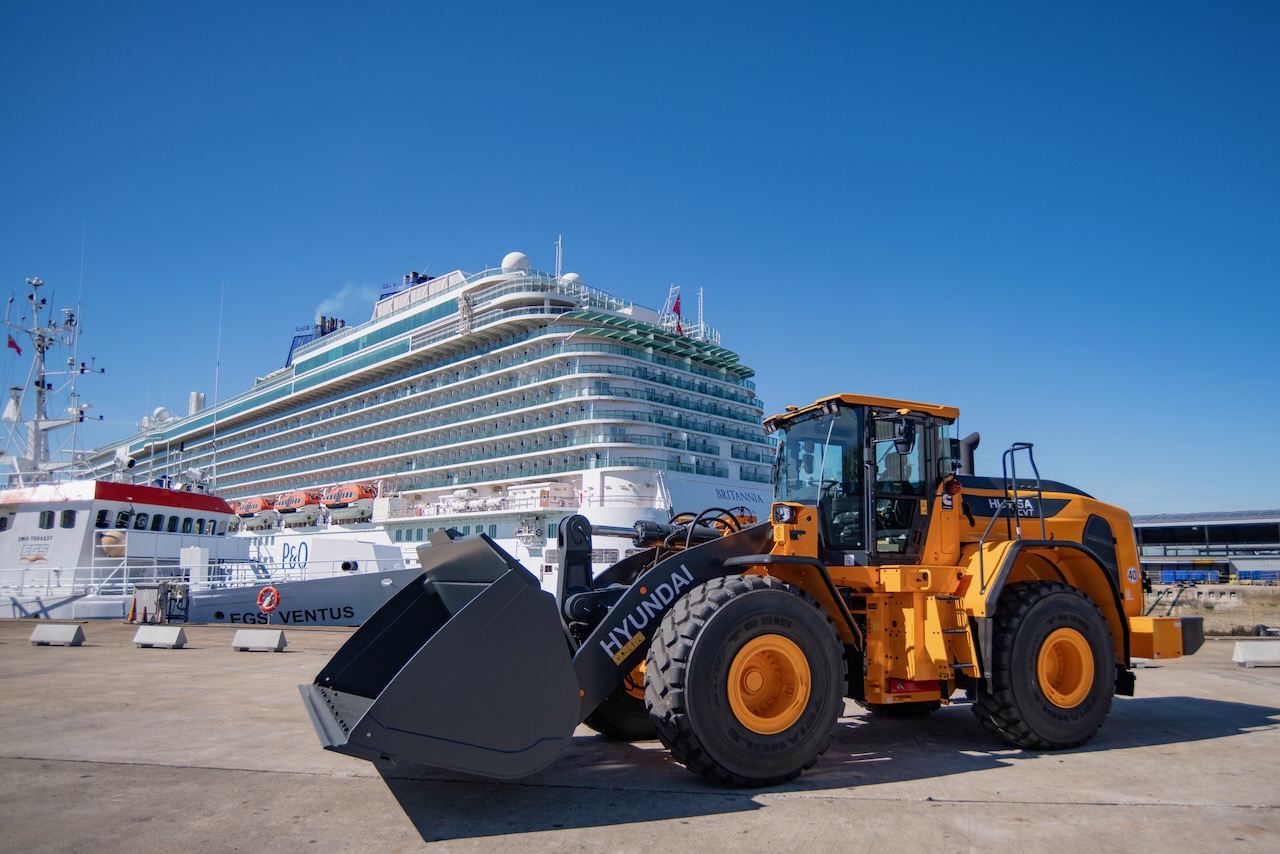
Hyundai has opened a dedicated pre-delivery inspection centre at Southampton Docks, operated by Wallenius Wilhelmsen, to receive fully assembled excavators and wheel loaders directly from the factory instead of routing them via the EUCUP facility in Antwerp. The site includes a six-bay workshop, enlarged wash bay in planning, enhanced inspection lighting and digital quality control with up to 100 photographs per machine plus full panel respray and decal replacement capability. One inspector follows each machine through the process, with PDI-complete units shipped straight to dealers, cutting lead times and dealer workshop load.
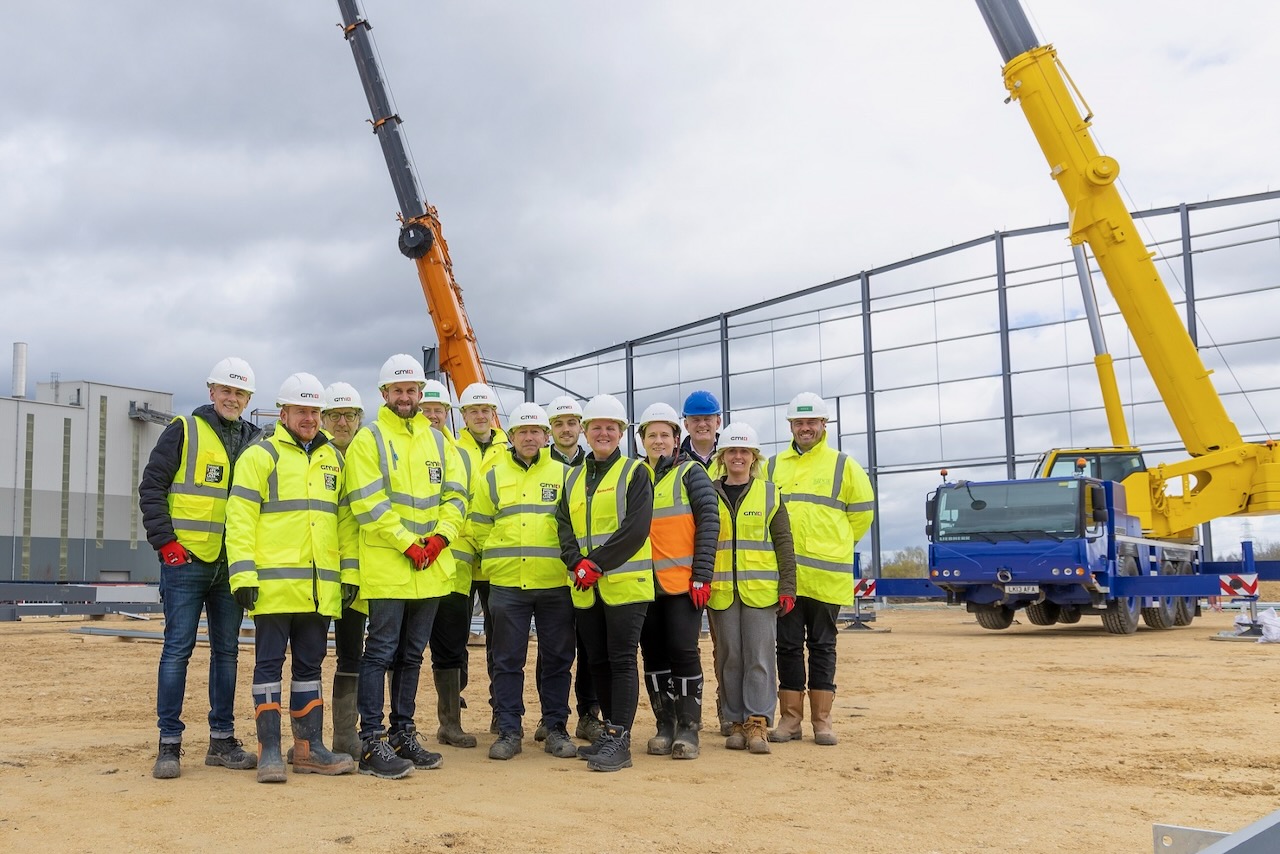
GMI Construction Group has begun erecting the steel frame for a 65,800 sq ft Warburtons distribution unit at the former Ferrybridge C Power Station coal yard in Yorkshire, the first phase of Mountpark’s 1.64 million sq ft B2/B8 logistics redevelopment on a 110-acre site. A second 40,000 sq ft industrial unit is in foundation stage, with both buildings targeting BREEAM ‘Outstanding’ and EPC A/A+ through PV roofs, air-source heat pumps, high-performance fabric and intelligent LED systems. GMI is also delivering new highway junctions, estate roads, drainage, landscaping and rail modifications to retain freight connectivity for neighbouring industrial users.
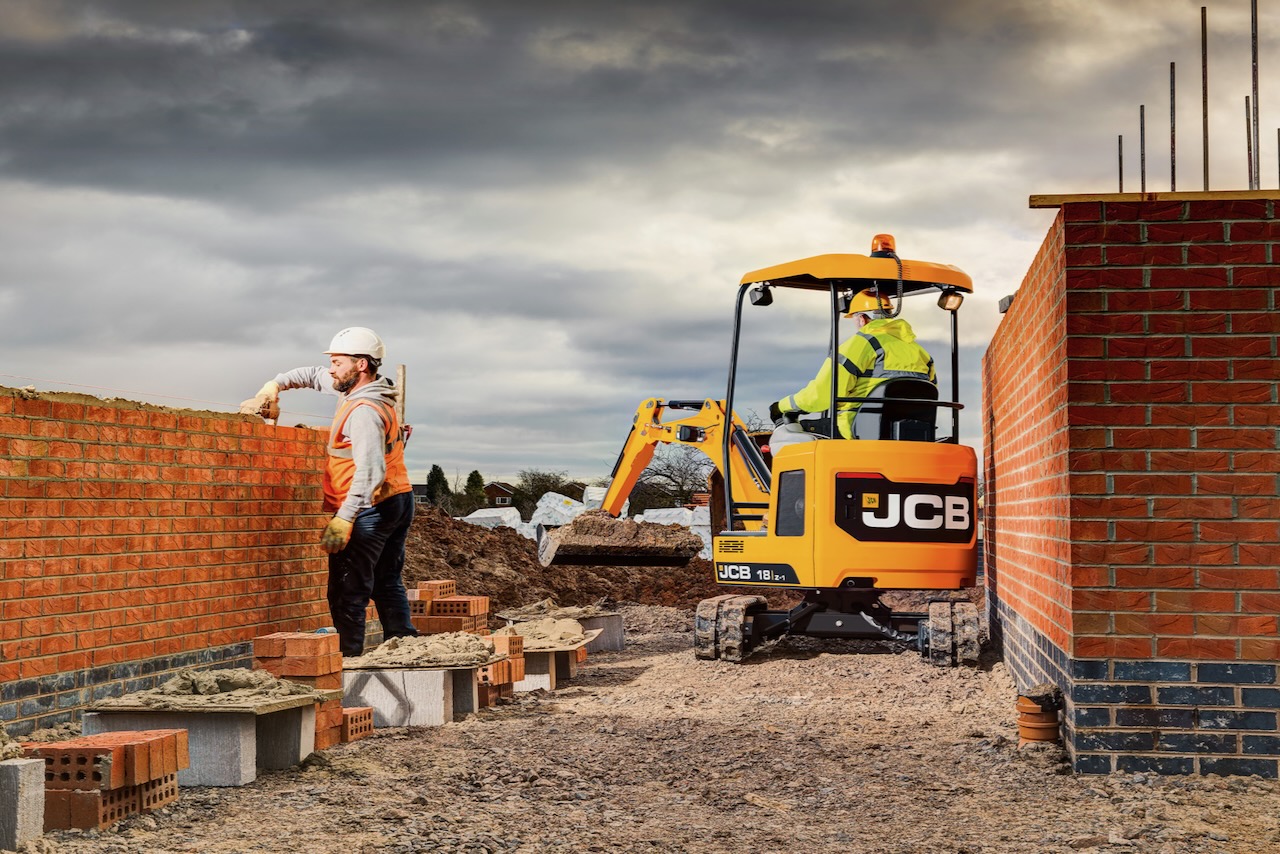
JCB has launched JCB FlexiBuy, a business contract purchase facility through JCB Finance Ltd covering its 1.5–5.0‑tonne mini excavator range, including the 19C‑1E electric model and 1.8‑tonne 18Z‑1 zero tailswing machine. The scheme offers deposits followed by fixed payments over two or three years, with weekly costs from about £82 on the 18Z‑1. At term end, customers can return the machine, trade it in using any equity on a new JCB, or make a final payment to take ownership, easing fleet upgrades for small contractors.
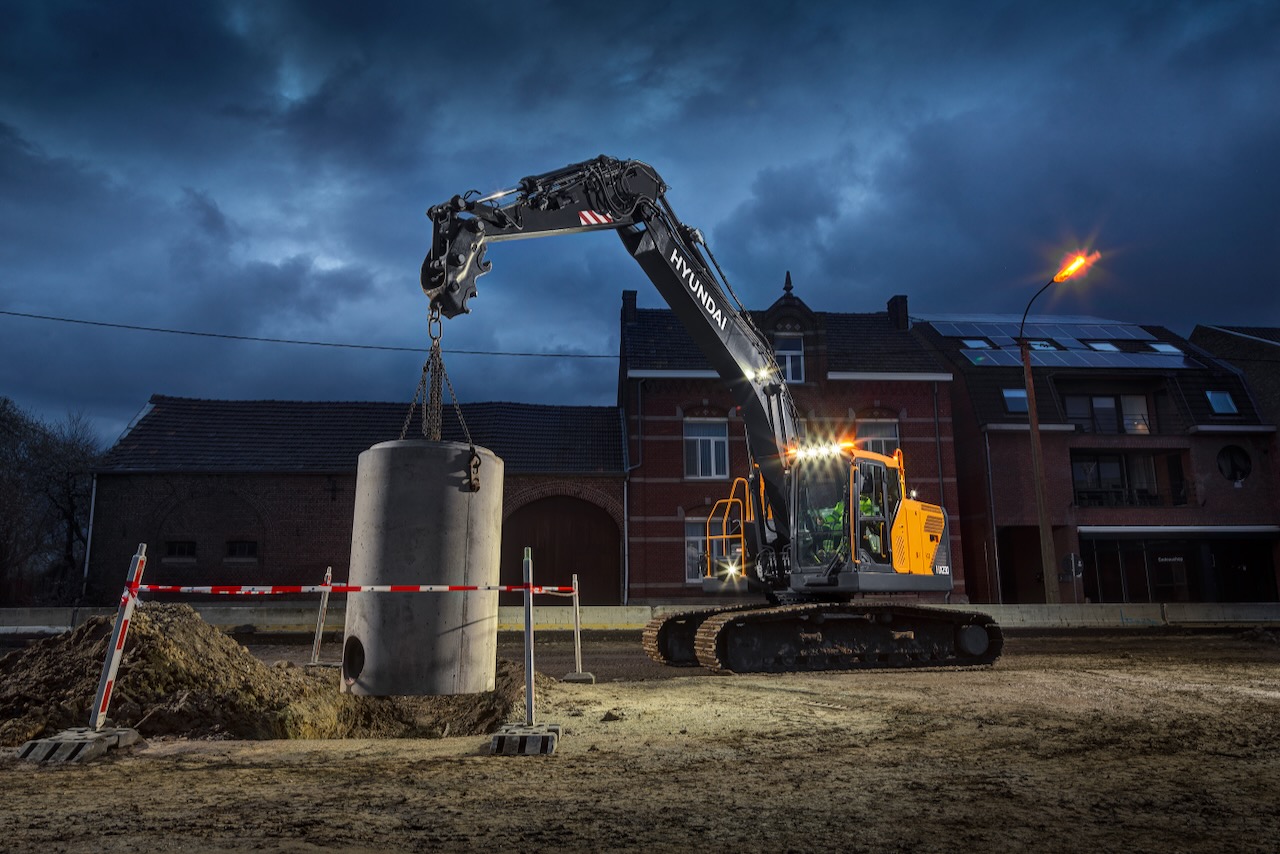
Hyundai has expanded its Next Generation excavator line in Europe with the 23‑tonne HX230, using a twin‑turbo DX05 diesel, full electrohydraulic controls and delivering up to 7% lower fuel use, 30% less AdBlue consumption and 1,000‑hour service intervals. Larger HX260 and HX260N crawler models at around 26 tonnes, plus the compact 1.1‑tonne HX10A Z with a 7.6kW engine and retractable undercarriage, target both heavy and confined-site work. All Next Generation units add the Smart Around View Monitor with six cameras, AI human detection and optional radar object detection.
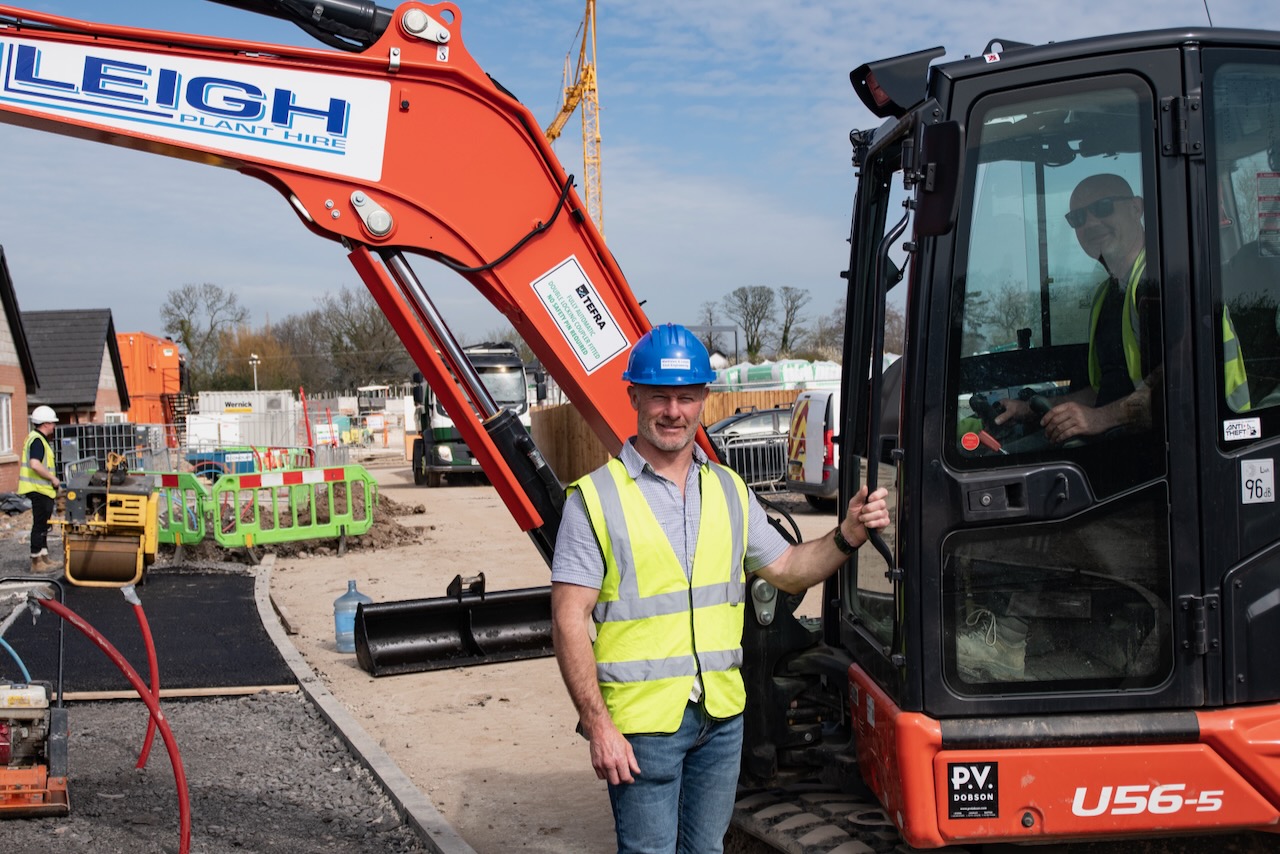
Leigh Plant Hire has added a 5.5‑tonne Kubota U56‑5 reduced‑tailswing mini excavator, powered by a 35kW Stage V diesel engine and equipped with load‑sensing hydraulics, to support its housebuilding and civils projects in Lancashire. The Leyland-based group now runs around sixty excavators from 3–30 tonnes, plus compaction plant, dumpers, dozers and articulated haulers, all supplied to its own sites with operators rather than to external clients. Kubota units are sourced via dealer P.V. Dobson’s Chorley depot, with stock availability enabling one‑week delivery for 5‑ and 8‑tonne machines.
Planning consent from the London Borough of Newham allows Ballymore to deliver 1,667 homes at Royal Docks near West Silvertown DLR, alongside more than 11,000 sq m of light industrial and flexible workspace to retain employment use on the brownfield site. The Allies & Morrison masterplan includes over 10,000 sq m of new public realm, 8,000 sq m of communal open space and a walking‑ and cycling‑led street network, plus £1m ring‑fenced for upgrades to Lyle Park. The scheme ties into Ballymore’s adjacent 4,100‑home Royal Wharf and Riverscape developments and its consented 1,685‑home Thames Road project.
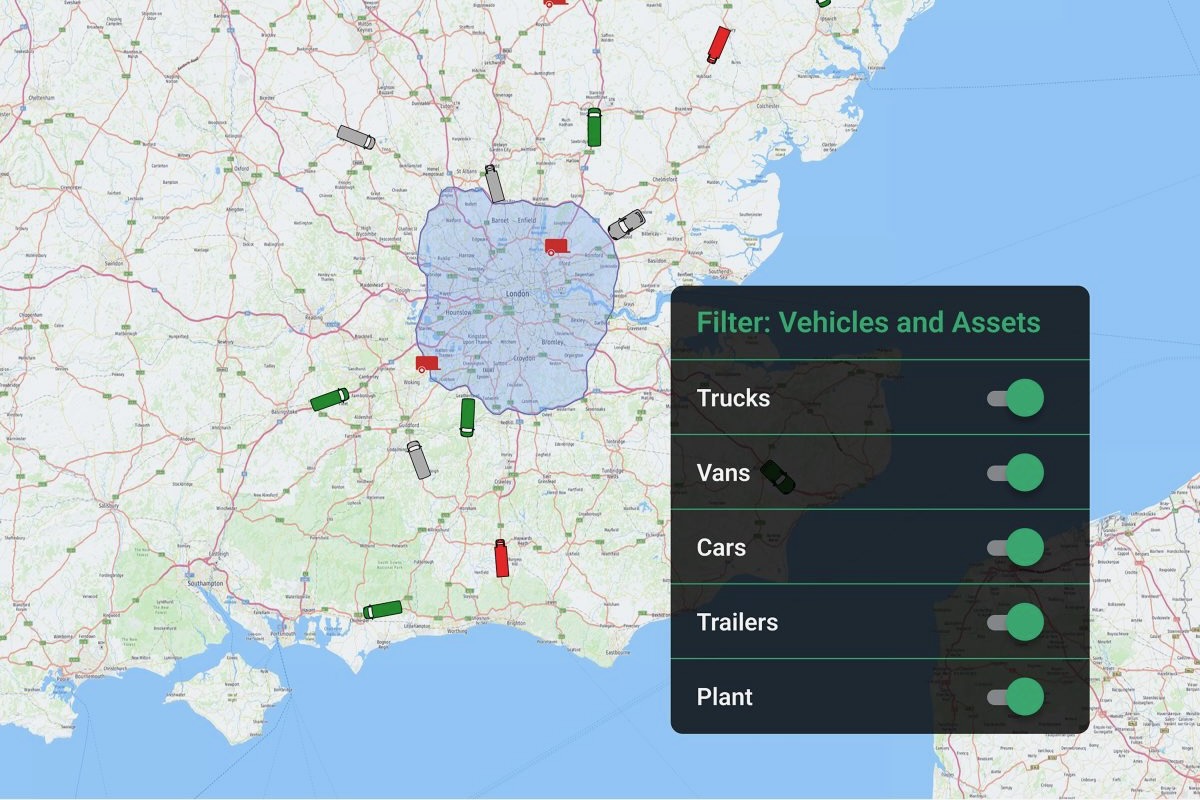
CameraMatics has added battery-powered asset trackers to its fleet intelligence platform, allowing contractors to monitor plant, pallets, trailers and containers alongside vehicles on a single map with seven-day movement history. The compact, waterproof devices use two lithium AA cells for up to seven years’ life, switch to sleep mode when stationary, and can enter a theft “recovery mode” for real-time tracking, with impact detection via configurable G‑force thresholds. Assets can be grouped, linked to vehicles or geofenced, triggering automated alerts for unauthorised movement or device health faults across fleets of thousands.
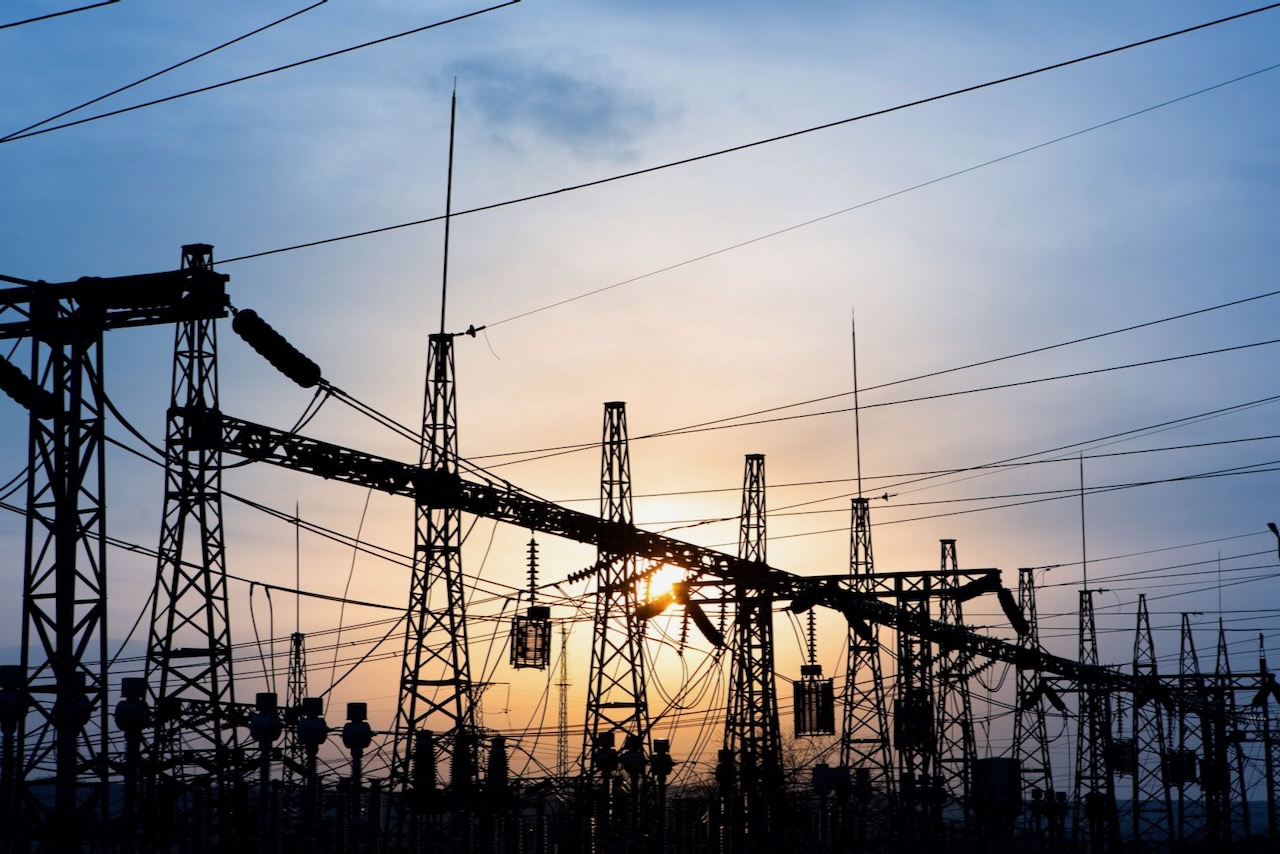
Trant Engineering has secured a place on National Grid’s new dynamic market framework for major civil engineering works at substations, joining nine contractors in the Major Civils workstream for projects over £5m alongside BAM Nuttall, Costain, Galliford Try, Laing O’Rourke and Skanska. The framework is intended to streamline procurement and accelerate delivery of substation construction and upgrade schemes across the UK transmission network. Trant’s selection is based on performance in live, highly regulated substation environments, with a focus on safety, technical assurance and collaborative delivery on critical grid assets.
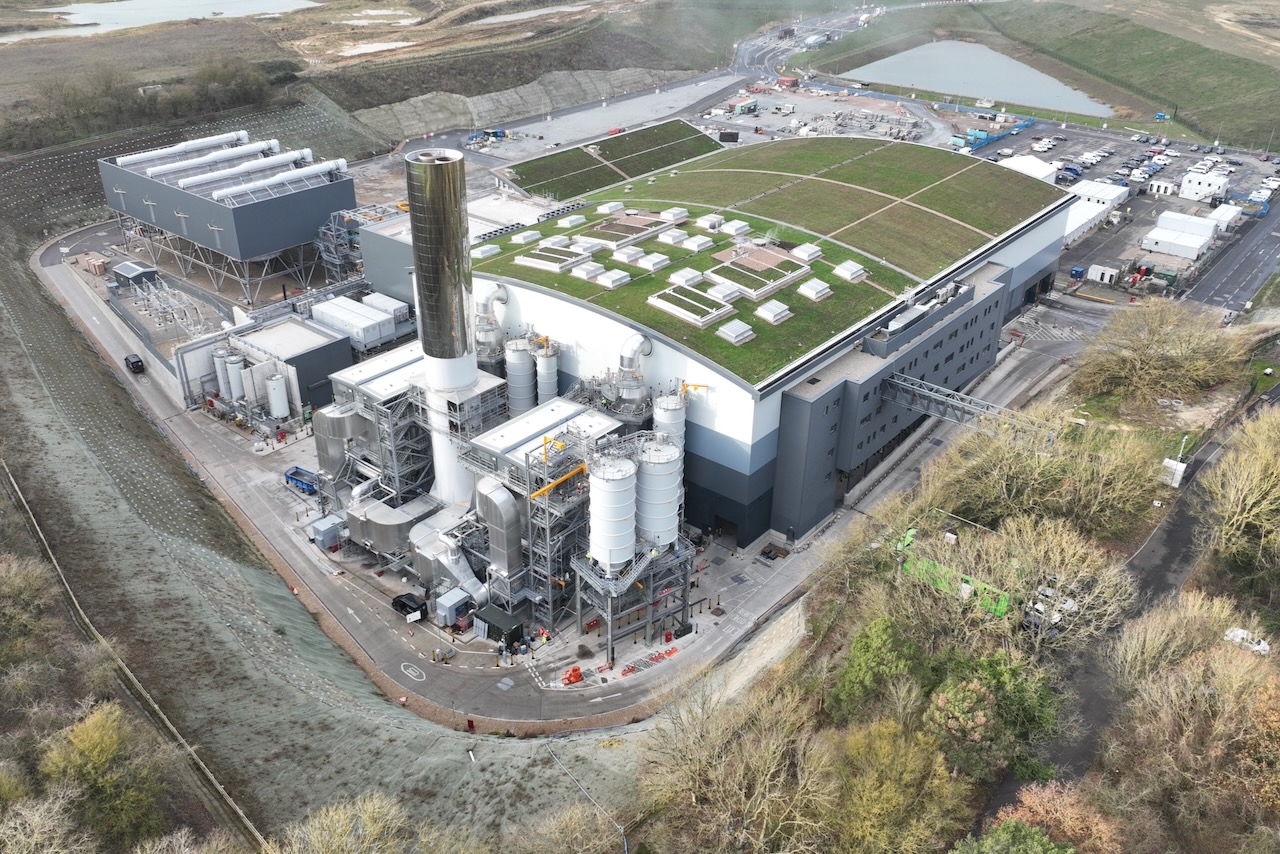
Kanadevia Inova has completed and handed over the two-line Rivenhall Integrated Waste Management Facility in a former quarry at Kelvedon, Essex, to operator Indaver after receiving provisional acceptance on 18 April 2026. The waste-to-energy plant is designed to process up to 595,000 tonnes per year of residual municipal and commercial waste and generate 55 MW of electricity, enough for more than 125,700 UK homes. Locating the facility within the quarry and treating local residual waste on site is intended to cut landfill use and avoid long-distance export haulage.
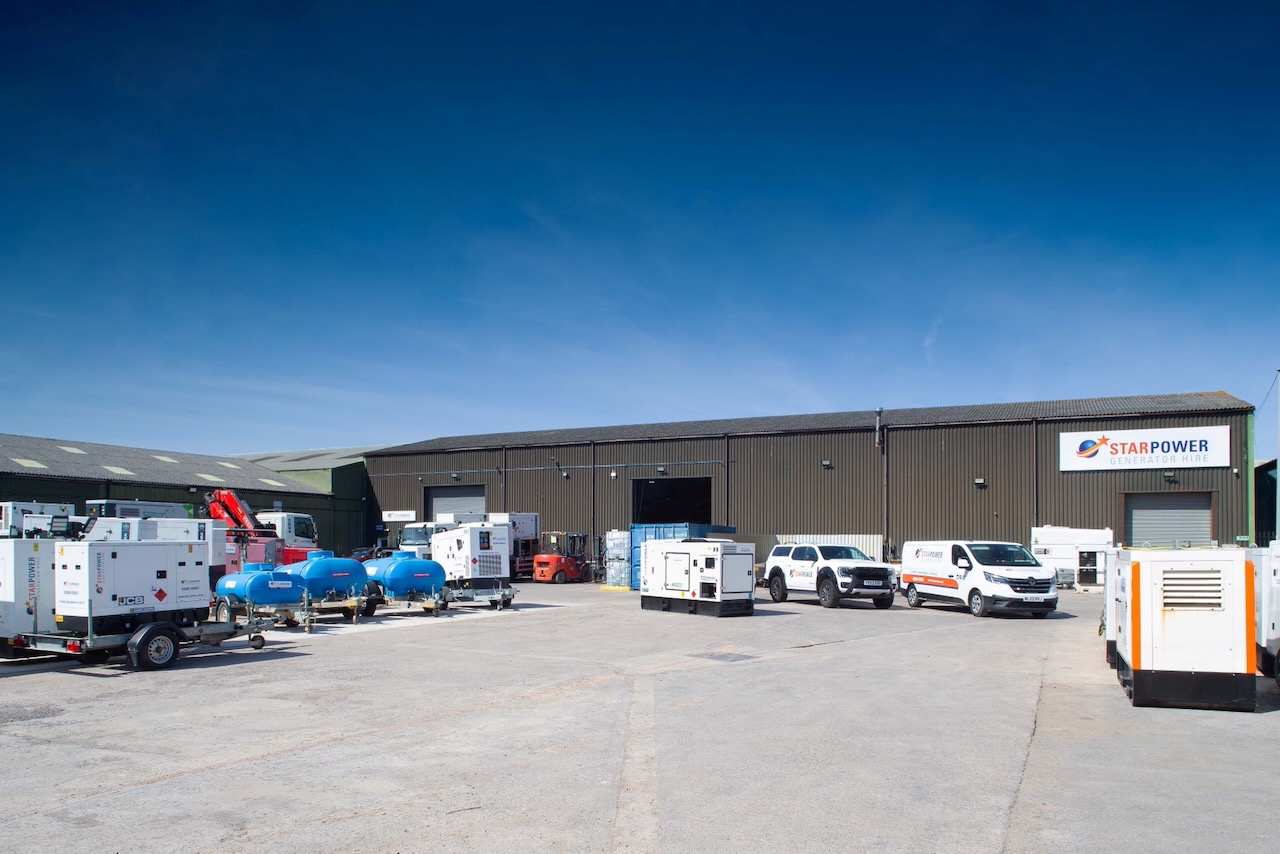
Star Power has relocated its South West depot from Portishead to a larger Avonmouth facility adjacent to the M5 to consolidate operations and shorten delivery routes across the region. Group managing director Richard Miller says the single-site move is intended to improve health and safety performance, cut the depot’s environmental footprint and provide a better working environment for engineering and logistics teams. The Avonmouth site expands capacity within Star Power’s national depot network, which also includes hubs in Kent and Warrington, supporting future growth in temporary power provision for construction and infrastructure projects.