Geomechanics, Streamlined.
© 2026 Geomechanics.io. All rights reserved.
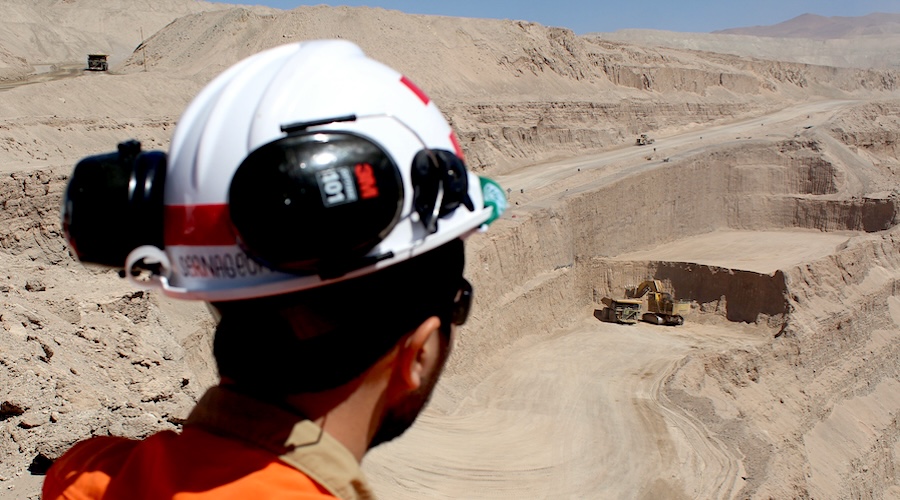
Codelco has dismissed one executive and sanctioned seven others after an internal audit found about 26,875 tonnes of copper from Chuquicamata and Ministro Hales were misclassified as 2025 finished output rather than work‑in‑process, implying production fell to its lowest level since 1998. The overstated tonnage, roughly 2% of Codelco’s 1.33 Mt of fine copper output, allowed the miner to hit an exceptional December target well above the January–November average of 105,600 t/month and inflated incentive payments. Findings on misuse of exception rules and weak operational validation have been referred to prosecutors, just as incoming chairman Bernardo Fontaine prepares a four‑year plan including a $2 billion integration of Chuquicamata, Radomiro Tomic and Ministro Hales.
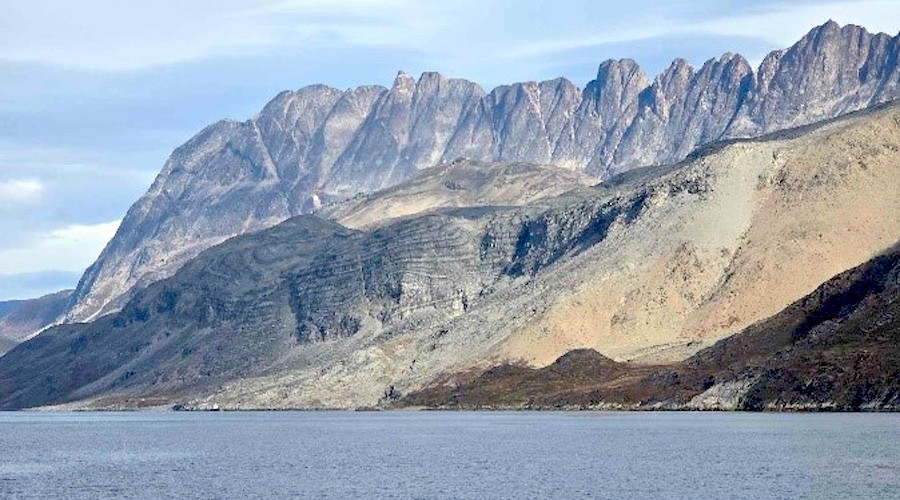
Critical Metals has signed a 15-year offtake agreement with US magnet producer REalloys covering up to 15% of rare earth concentrate output from the Tanbreez project in southern Greenland, with priority on heavy rare earths dysprosium and terbium and rights of first refusal on extra volumes. Tanbreez hosts about 45 million tonnes at 0.4% total rare earth oxides with an estimated 27% heavy REE content, and is planned to ramp from roughly 85,000 t REO by 2028–29 to about 425,000 t/y. With this deal and an existing Ucore Rare Metals commitment, around 75% of expected concentrate production is now under offtake, giving REalloys long-term feedstock ahead of US 2027 defence procurement restrictions.
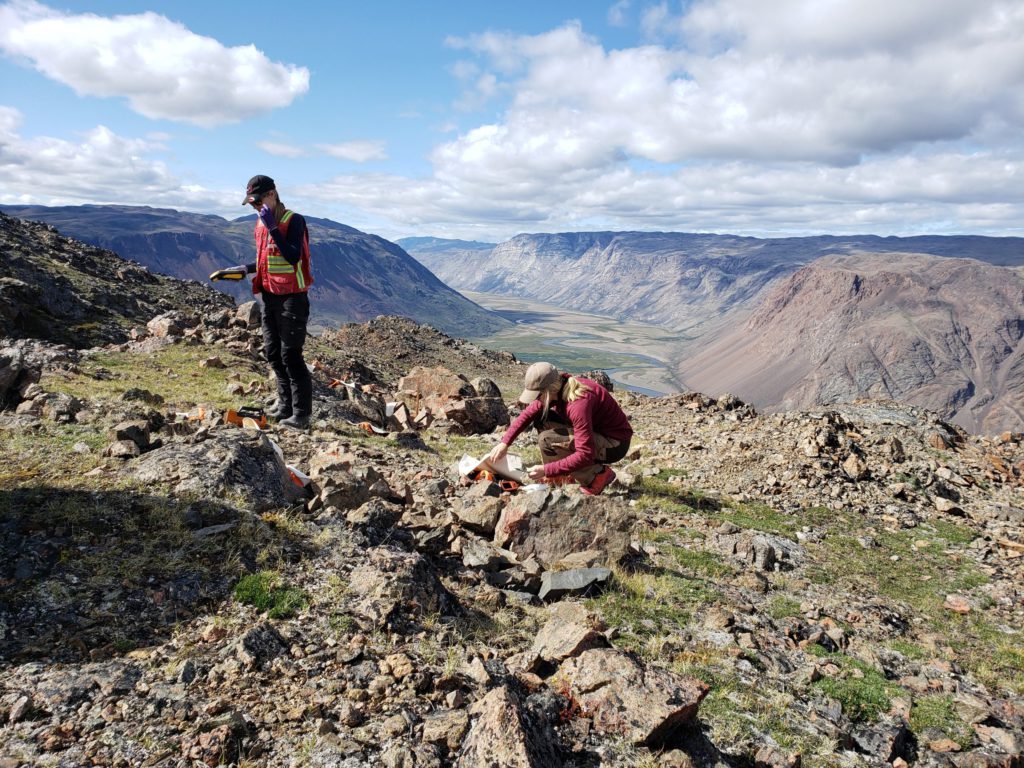
Greenland Mines is acquiring Neo Performance Materials’ Sarfartoq rare earth project in southwest Greenland for $35 million (US$20 million cash, US$15 million in shares), with Neo retaining offtake rights over up to 60% of future ore or concentrate. The carbonatite-hosted deposit, about 60 km from Kangerlussuaq, has a historic resource of 5.88 Mt indicated at 1.77% TREO and 2.46 Mt inferred at 1.59% TREO, with Nd-Pr comprising 25–40% of TREO and drill intercepts up to 8 m at 6.5% TREO. Existing 23,000 m of drilling, metallurgical test work and environmental baseline studies will feed into an updated PEA targeting a path to commercial production.
US Senators Catherine Cortez Masto and Jim Risch have introduced the bipartisan System Integrity through Licensed Vault Expansion and Resilience (SILVER) Act to amend the Commodity Exchange Act and mandate at least two licensed precious metal depositories in each US time zone, breaking the current concentration around New York City. The bill aims to cut systemic and national security risk, improve market liquidity and reduce storage and transport costs for miners and traders in Western states such as Nevada. Backers include Money Metals Depository, The Silver Institute, A‑Mark Precious Metals/Gold.com and Texas Precious Metals Depository, with a companion bill already filed in the House.
Perpetua Resources has secured unanimous approval for a US Export-Import Bank $2.9 billion loan under the Make More in America Initiative to build the $1.3 billion Stibnite Gold project in Idaho, which hosts the only identified domestic antimony reserve. The financing, combined with existing cash, is expected to fully fund direct construction, supporting the US Army’s “ground-to-round” antimony trisulphide supply chain for ammunition and wider defence uses. The project, designated a FAST-41 Transparency Project, has completed extensive scientific and public review, while Perpetua’s market capitalisation sits at $3.34 billion.
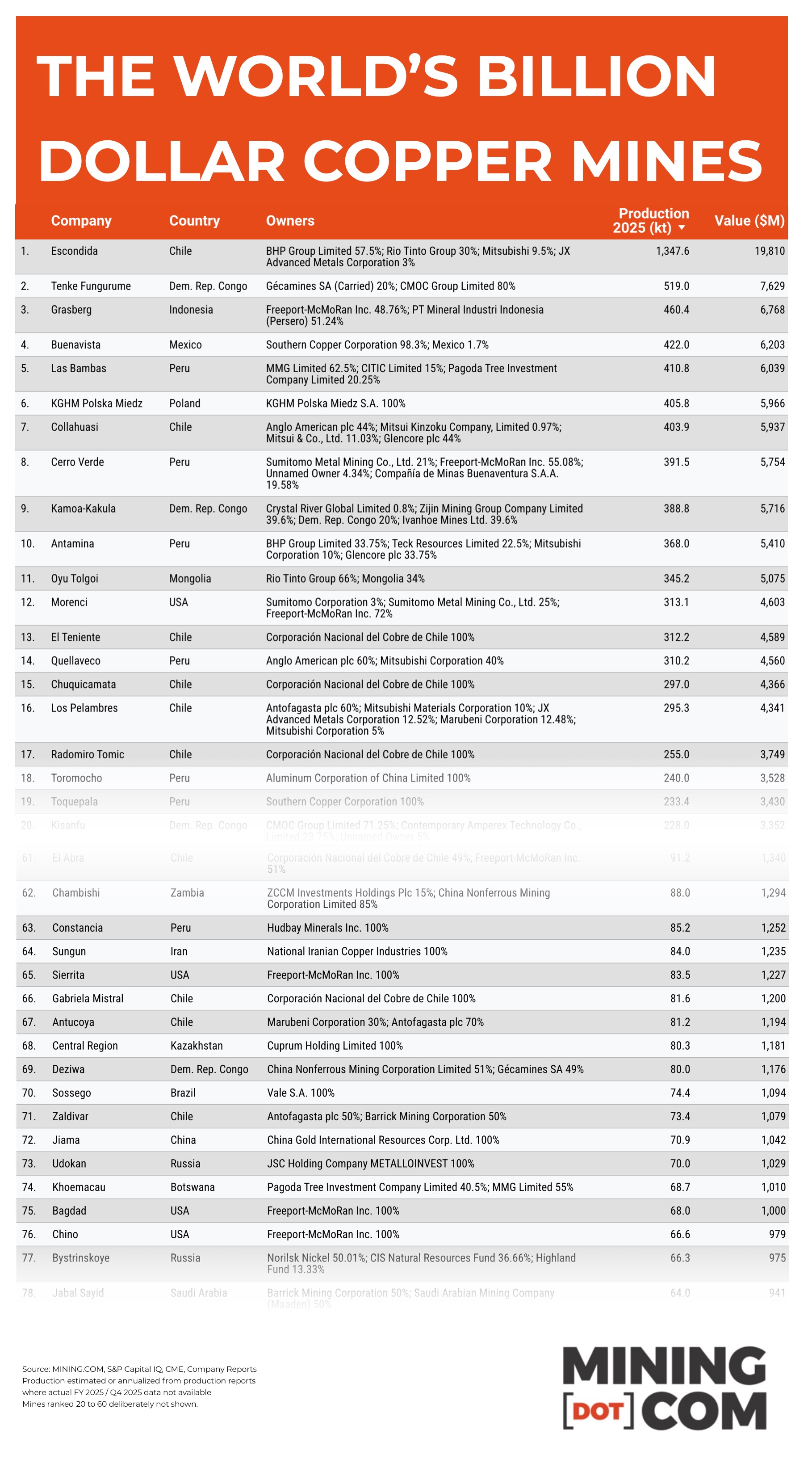
Copper’s record run to $6.667/lb ($14,700/t) now gives 75 operating copper mines nominal annual copper revenues above $1 billion based on 2025 mine-level production, up from 52 on the previous MINING.COM “unicorn” list. The analysis excludes byproduct credits, meaning several large Cu-Au or Cu-Mo operations would exceed $1 billion at effectively negative net copper cost once gold, molybdenum or cobalt are accounted for. With copper making up nearly 6% of initial capex for hyperscale data centres, the sector is positioned to capture a larger share of AI-driven infrastructure spending.
Canada’s Supreme Court will hear British Columbia’s appeal of the Gitxaala v. British Columbia (Chief Gold Commissioner) ruling, which found the province’s Declaration on the Rights of Indigenous Peoples Act (DRIPA) incorporates UNDRIP and creates immediate, legally enforceable obligations. The case follows a 2023 BC Supreme Court decision that the province’s automatic online mineral claim staking system breached the constitutional duty to consult Indigenous nations. Mining executives say the evolving interpretation of DRIPA is injecting significant uncertainty into BC mineral tenure and project approval processes, with no hearing date yet set.
Exploration-focused AI platform MinersAI is expanding into the Asia-Pacific region with a new headquarters in Perth, Western Australia, targeting one of the world’s most active mining innovation hubs. The company, which positions itself as a computational discovery partner for the global resources sector, has appointed Leon Morgan as Global Chief Revenue Officer to drive commercial growth from the Perth base. For exploration teams, the move signals increased local access to AI-driven target generation and data-integration services across Australian and broader APAC projects.
Sandvik has secured a further mining equipment order from Aris Mining to support the 100%-owned Segovia underground gold operations in Antioquia, Colombia, one of the highest-grade gold mines globally with a reserve grade of about 10.7 g/t Au. The additional Sandvik fleet is expected to be deployed into the narrow-vein, high-grade stopes typical of the historic Segovia district, where mechanisation levels and equipment reliability directly constrain production rates. For mine planners and maintenance teams, the deal signals continued investment in modern mobile equipment to sustain high-grade underground output.
Metso has secured orders worth over €10 million to supply two horizontal grinding mills to Emerald Resources NL for the Dingo Range gold project in Western Australia and the Memot gold project in Cambodia, with booking recorded in the Minerals segment’s June 2026 quarter. The twin-mill package signals parallel process plant build-outs across two jurisdictions, giving Emerald commonality in comminution equipment, spares and control philosophy. For project engineers, early mill selection fixes key design envelopes for foundations, power demand and downstream throughput at both greenfield sites.
GR Engineering Services has signed an EPC contract with Genesis Minerals’ subsidiary Genesis Minerals (Leonora) Pty Ltd for the Tower Hill gold project near Leonora in Western Australia, after previously being named preferred contractor. The scope covers detailed engineering, procurement and construction of the processing plant and associated non-process infrastructure for the brownfields expansion. Project engineers will be watching for plant throughput design, integration with existing Leonora operations and any geotechnical requirements for foundations and tailings or waste storage once detailed specifications are released.
MaxMine has rolled out a production-grade machine learning system for load and dump classification across Australian mine fleets operated by Glencore, NRW Holdings and Macmahon, with the platform now running continuously for six months. The edge-deployed models automatically tag truck payload events in near real time, sharply cutting missed or misclassified loads and reducing manual data cleaning by site engineers. Early results point to tighter haulage cycle control and more reliable production reporting, giving dispatch and planning teams higher-confidence payload and cycle-time data.
Euro Mine Expo 2026 opens next week at Skellefteå Kraft Arena in northern Sweden, with a fully booked exhibitor floor and delegates expected from more than 40 countries. Organisers are positioning the exhibition area as a “leading arena for the green transition”, with suppliers showcasing low‑carbon mining equipment, electrified fleets and process optimisation technologies tailored to Nordic underground and open‑pit operations. For engineers, the event offers concentrated access to OEMs and technology developers working on decarbonised haulage, energy‑efficient comminution and digital monitoring of mine infrastructure.
XCMG has unveiled the XES55 ultra-class electric rope shovel at its International Customer Festival in Xuzhou, expanding its high-end open-pit mining line beyond the XES35 launched in 2023. Positioned for ultra-large surface mines, the XES55 targets pairing with 220–300 t class haul trucks and long-life benches, signalling China’s push to localise production of large-capacity electric shovels traditionally dominated by Western OEMs. For mine planners and owners, the new model introduces another domestic option for high-throughput truck–shovel fleets in Chinese and Belt and Road projects.
Core Lithium has begun blasting and excavation at the Grants open pit within its Finniss lithium project, signalling the restart of mining in the Northern Territory operation. Finniss is targeting a return to spodumene concentrate production in the December quarter of 2026, after being placed on care and maintenance amid weak lithium prices. The schedule gives contractors and suppliers a roughly two‑year window to plan drill-and-blast, load-and-haul, and dewatering capacity for the pit’s ramp-up phase.
Hillgrove Resources has signed a binding farm-in agreement giving it the right to earn up to an 80 per cent interest in Havilah Resources’ Mutooroo copper project in South Australia, centred on leveraging nearby rail access and existing processing infrastructure. The deal envisages railing Mutooroo ore to Hillgrove’s Kanmantoo processing plant, avoiding construction of a greenfield concentrator and associated tailings facility. For engineers, the partnership shifts project economics towards a lower-capex, transport‑linked development model, contingent on rail logistics, plant capacity and metallurgical compatibility.
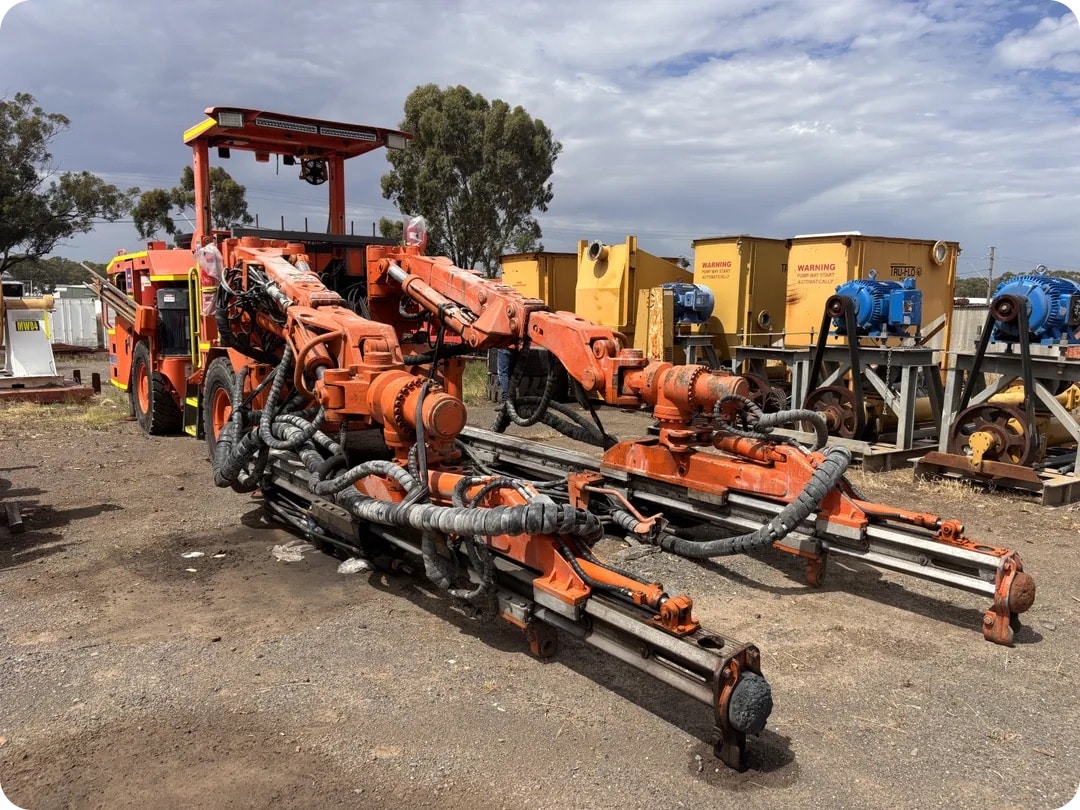
Expressions of interest have opened through Slattery Auctions for heavy mining assets across Australia, including wheel loaders, dozers, dump trucks and a Tamrock Axera D7-240 boomer directional drill. The campaign is being coordinated nationally, with inspections organised via Slattery’s contact Richard Tucker (mobile 0477 477 906). Buyers of production-scale mobile plant and underground drilling equipment may find opportunities to expand or refurbish fleets without long OEM lead times.
Arafura Rare Earths has taken final investment decision to start construction of the Nolans rare earths project, a neodymium–praseodymium (NdPr) mine and processing plant 135km north of Alice Springs backed by a $840m Northern Australia Infrastructure Facility loan and $840m in export credit agency debt. The integrated operation will mine, beneficiate and chemically process phosphate-hosted ore on site, targeting separated NdPr oxide for permanent magnets used in EVs and wind turbines. Long lead items, including the sulphuric acid plant and kiln, are already ordered, with first production aimed for 2027.
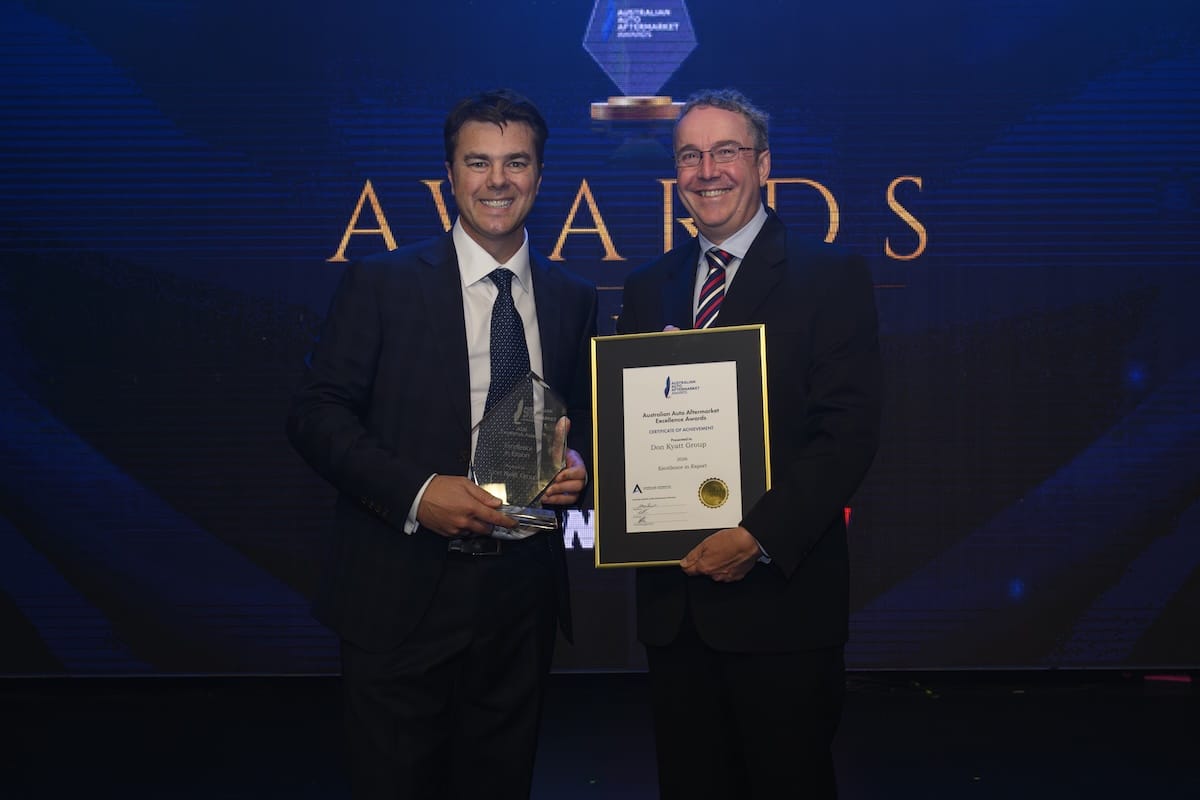
Don Kyatt Spare Parts’ Terrain Tamer 4WD Parts brand has won the 2026 Australian Auto Aftermarket Excellence in Export Award, recognising rapid international growth of its heavy‑duty driveline, filtration and suspension components for mining and off‑road fleets. The Melbourne-based supplier now exports Australian‑engineered parts for LandCruiser, Hilux and other high‑utilisation platforms into multiple mining regions, supporting standardisation of spares across mixed underground and surface operations. For site engineers, this signals stronger aftermarket support for remote operations seeking extended service intervals and reduced downtime on 4×4 light‑vehicle fleets.
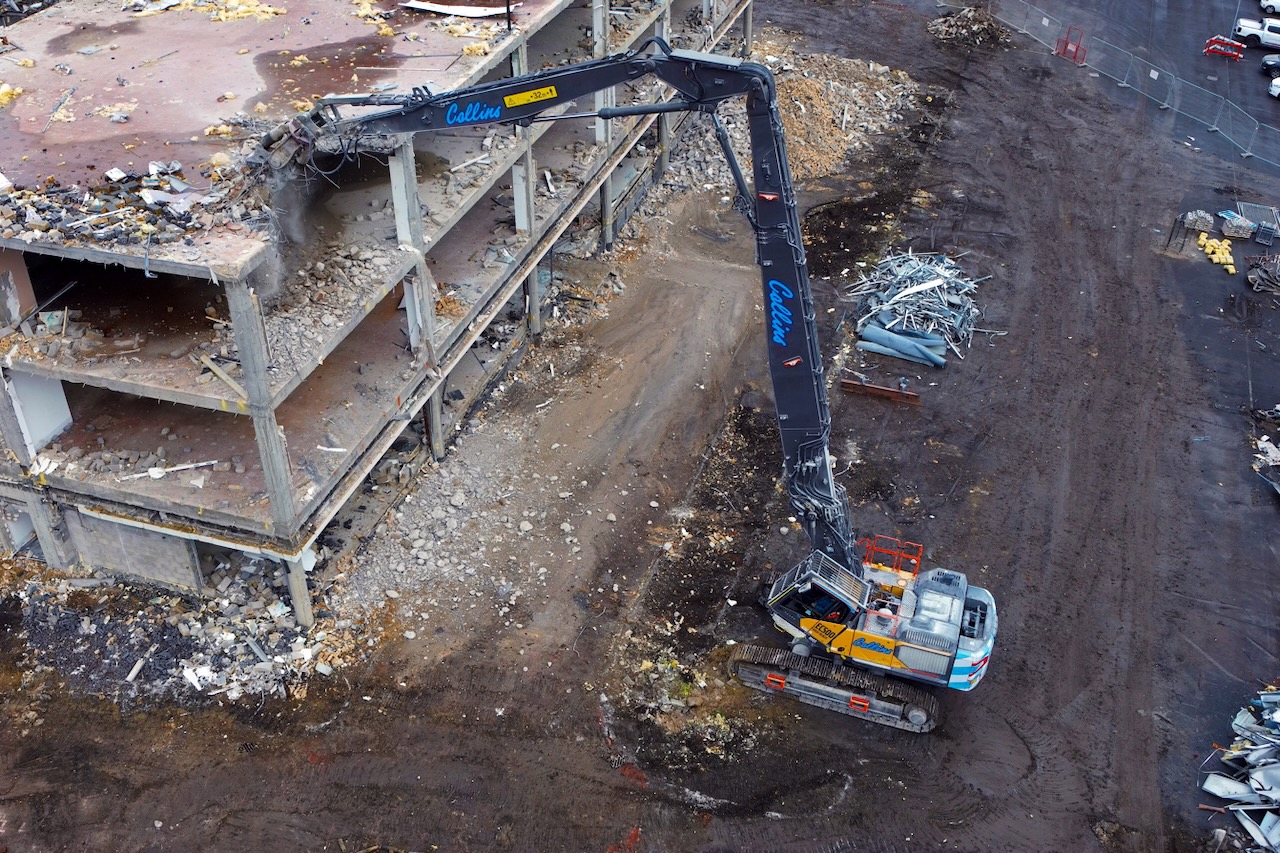
Collins Demolition has deployed the UK’s first Volvo EC500HR high reach excavator from SMT GB, replacing its EC380HR and immediately using the 28–32 m reach machine on a former council building demolition in Reading. The EC500HR is engineered for heavy tools up to around 2.8 t at height, with upgraded hydraulics, engine pump optimisation delivering up to 15% better fuel efficiency, and extended service intervals aimed at lowering whole-life impact. Volvo Demolition Assist, Smart View with obstacle detection, and enhanced night lighting support safer operation within the stability envelope on complex high-reach jobs.
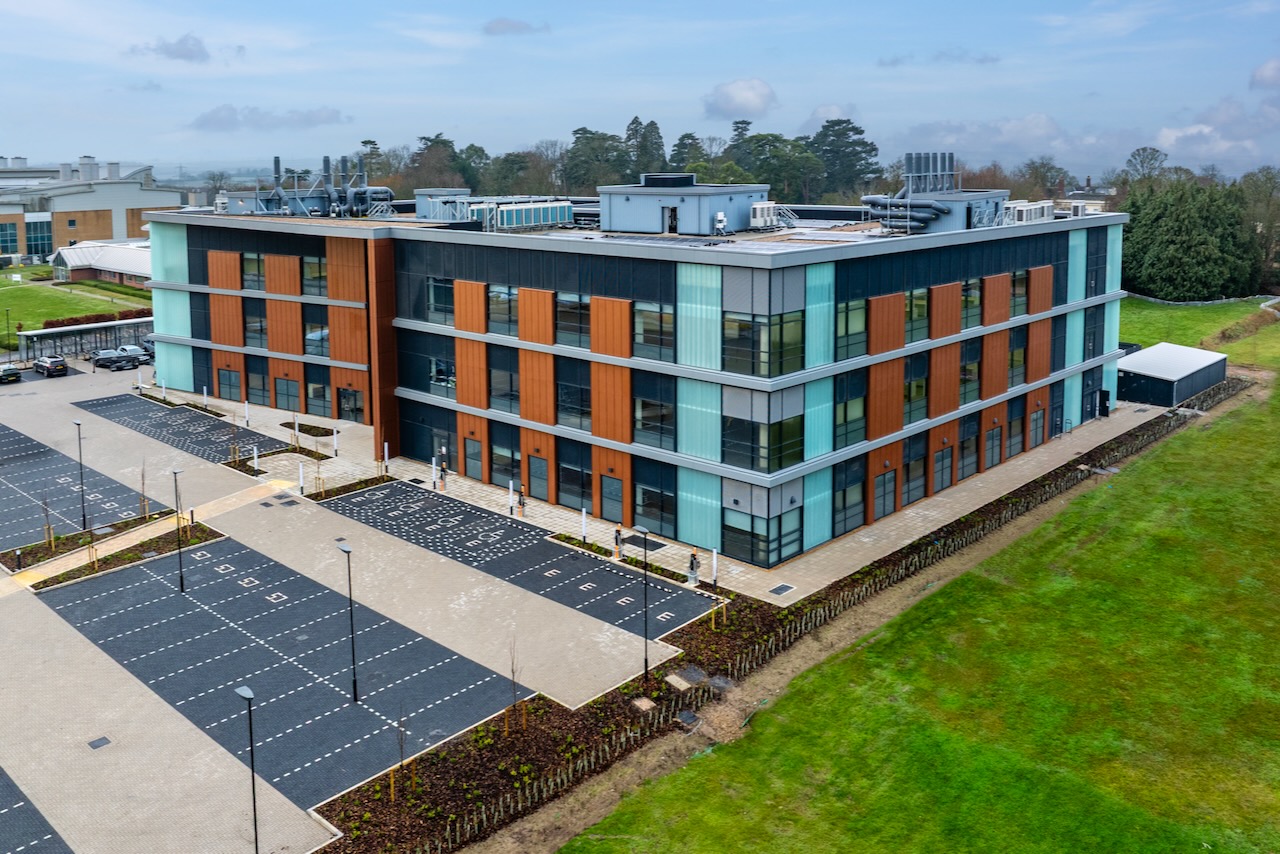
Glencar has completed the 56,000 sq ft, three-storey Sidney Sussex Building at Chesterford Research Park, a reinforced-concrete framed life sciences facility engineered for vibration control to support precision laboratory equipment. The multi-occupancy block delivers ten fully fitted wet-lab R&D suites (c.2,200–8,300 sq ft) with fume hoods, specialist flooring, Cat A write-up space, high-performance HVAC, new HV substation and EV charging, plus modular façades, lightweight steel framing and demountable partitions for future reconfiguration. The scheme achieves BREEAM Excellent, EPC A, 659kgCO₂e/m² upfront embodied carbon using 50% GGBS concrete, and a 24% biodiversity net gain.
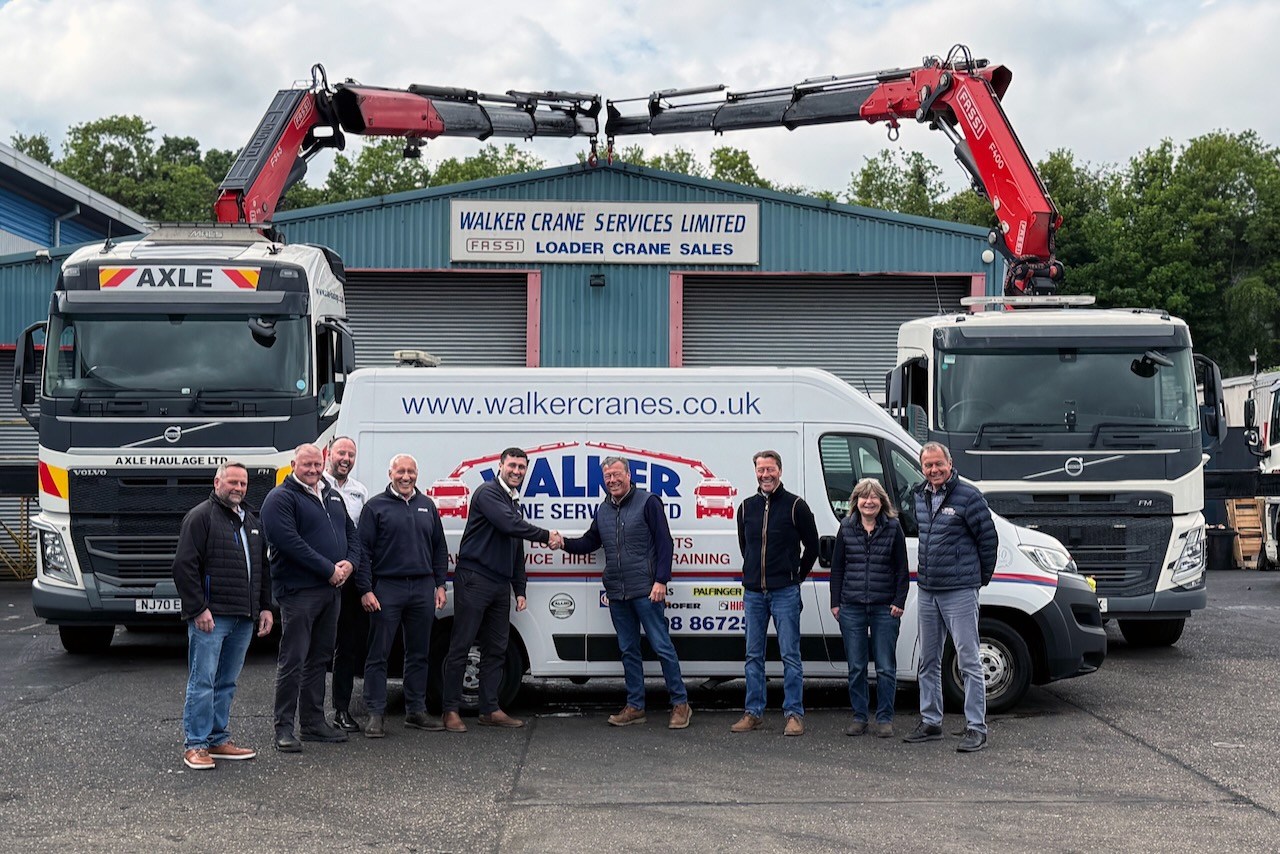
Mac’s Truck Sales has acquired Walker Crane Services in Grays, Essex, creating a southern base that combines bespoke Fassi lorry-loader builds from its Huddersfield headquarters with lifetime crane testing, repair and servicing by Walker’s mobile and depot-based engineers. Walker will continue trading under its existing team while integrating Fassi servicing, parts supply and operator training into Mac’s aftersales network for fleets across the south of England. The Grays site will also act as a strategic depot for Mac’s Truck Rental, offering high-spec commercial vehicles on flexible spot-hire and long-term contracts.
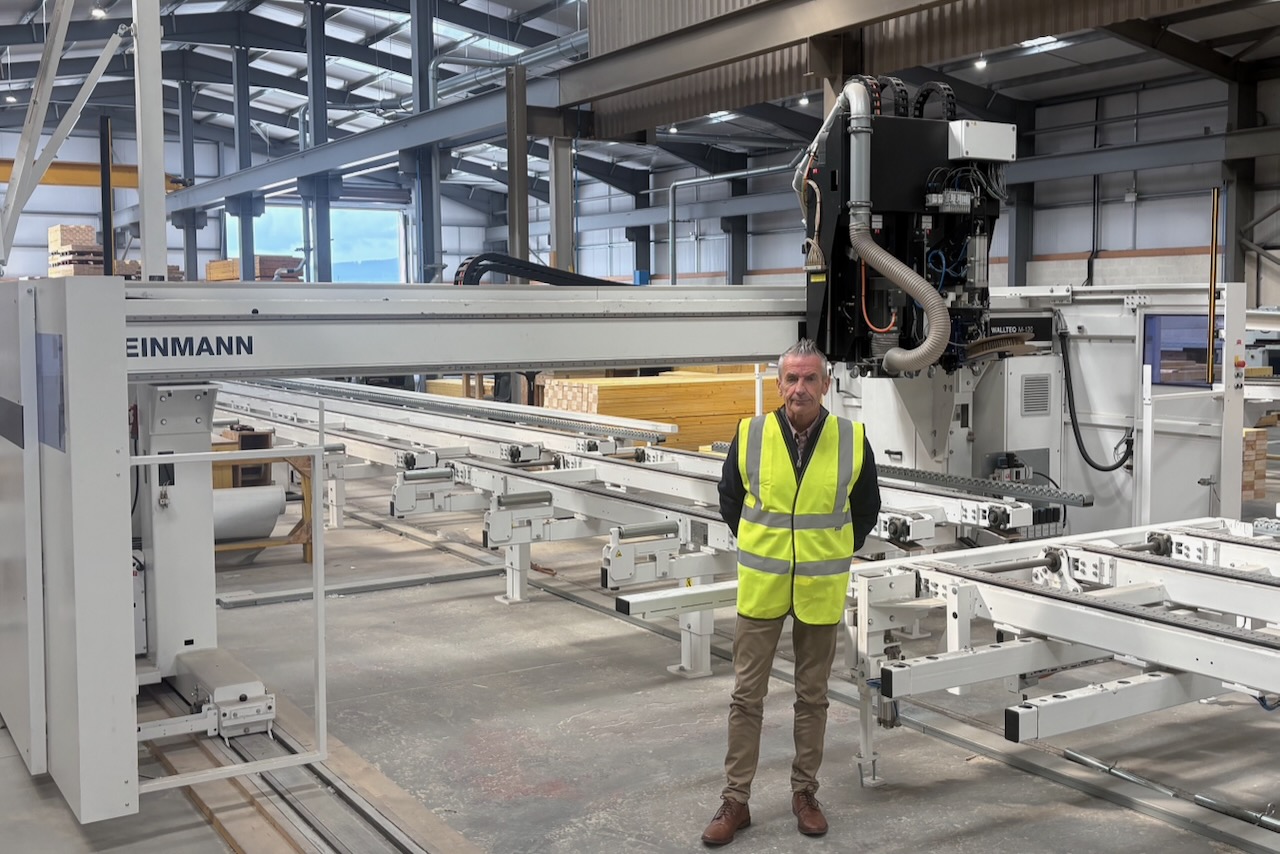
Kirkwood Timber Frame has appointed Dundee-based Dyke McKenzie as business development manager, bringing more than 30 years’ experience with major construction and timber firms across housing, healthcare, education and student accommodation. The company manufactures custom-designed, precision-engineered timber frame systems and currently has capacity to supply frames for about 2,000 units per year to developers, contractors, housing associations and self-build clients. The hire signals a push to grow market share in Scotland’s offsite timber frame sector, where programme speed and thermal performance are key design drivers.
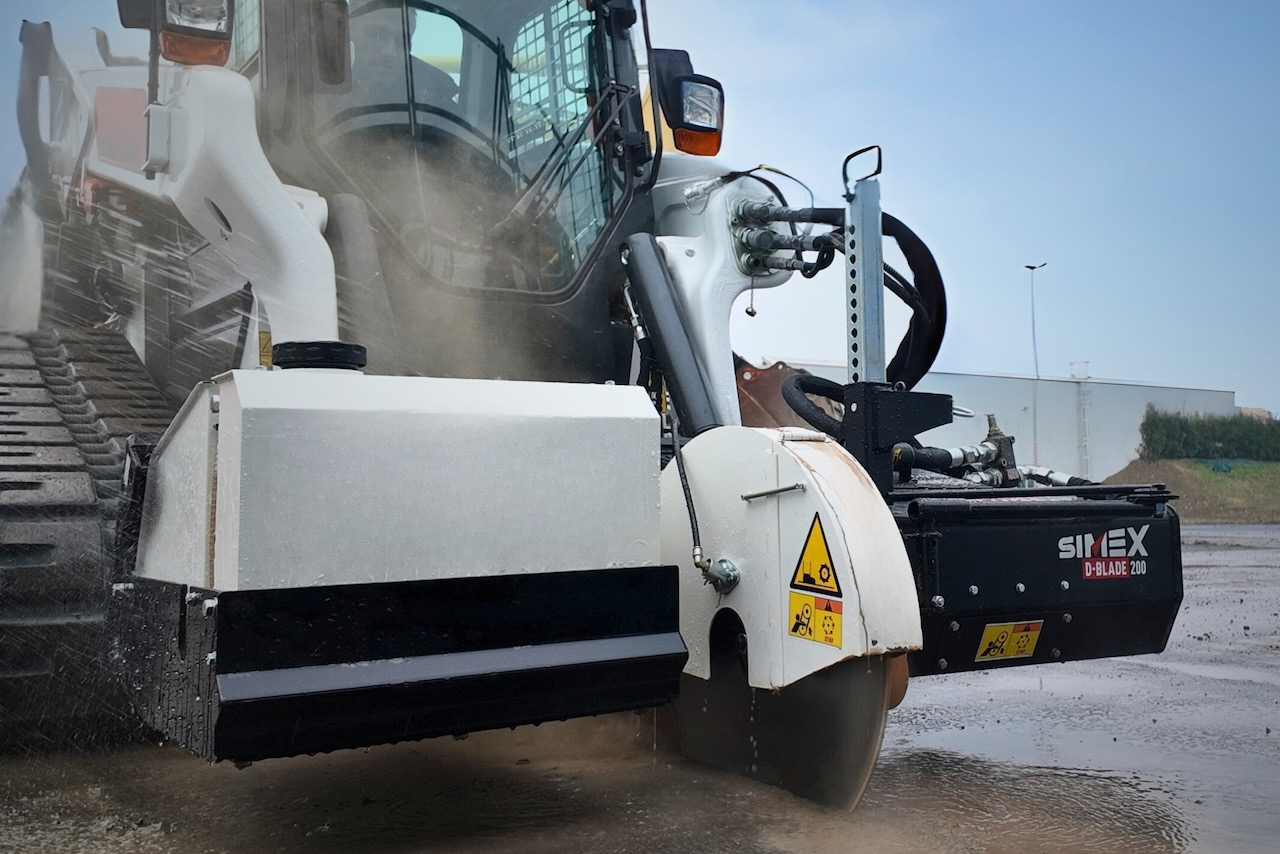
Simex has launched the D-Blade 200 floor saw, capable of cutting asphalt and concrete to 220mm depth for micro-trenching, fibre optic cable installation, and expansion joint creation. The unit is designed for wet cutting with segmented diamond blades, improving blade cooling, reducing wear, and limiting dust dispersion to maintain visibility and operator safety. Features include a quick blade replacement system, front direction indicator for line accuracy, and an opening front guard to enable true vertical cuts on asphalt, concrete, and compacted surfaces.