Geomechanics, Streamlined.
© 2026 Geomechanics.io. All rights reserved.
Jacobs has been appointed by Singapore’s national water agency PUB to deliver a feasibility study for a potential new seawater desalination plant to bolster the city-state’s highly engineered water supply system. The study is expected to assess site options on Singapore’s constrained coastline, integration with existing large-scale membrane desalination facilities, and energy demand relative to the national grid and NEWater recycling plants. Outcomes will influence long-term infrastructure planning, including intake/outfall design, brine dispersion, and resilience to sea-level rise and extreme storm events.
Liverpool City Region Combined Authority, via Merseytravel, has launched a new electrical engineering framework worth up to £12M to support maintenance, asset renewals and upgrades across its transport network and operational estate. The framework will cover electrical works on rail, bus and ferry assets, including power distribution, fixed wiring, signalling interfaces and station systems. Contractors will need to manage works in live operational environments, with implications for possession planning, temporary supplies, and integration with existing LV/HV infrastructure and control systems.
Norfolk County Council has appointed Costain to complete detailed design and construction of the West Winch Housing Access Road near King’s Lynn, a key link for a major housing allocation on the A10 corridor. The scheme will create a new offline route to divert traffic from the existing A10 through West Winch, reducing congestion and improving journey time reliability into King’s Lynn. For civil and geotechnical teams, the project will involve greenfield alignment design, new junction tie-ins to the A10, and associated drainage and earthworks in low-lying Norfolk ground conditions.
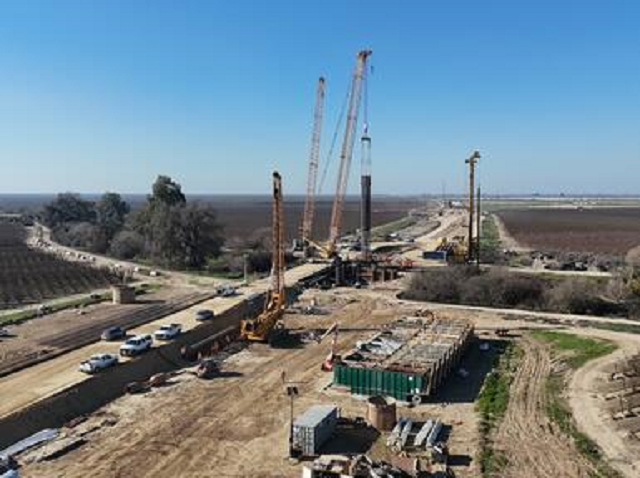
Keller engineers Samuel DeMott and Matt Redfern detail ground improvement and deep foundation works for California High-Speed Rail’s Dutch John Cut and Cole Slough Bridge foundations in the May/June ADSC Foundation Drilling Magazine. The feature focuses on managing challenging Central Valley alluvium and soft delta deposits using techniques such as drilled shafts and ground treatment to control settlement and lateral deformation under high-speed rail loadings. For practitioners, the case study offers design–construction lessons on stiffness matching, construction tolerances and performance verification for rail structures on weak ground.
Terrafame’s multi-metal operation at Kuusilampi in Sotkamo, Finland – which hosts Europe’s largest nickel and cobalt ore reserves – is expanding production of EV battery chemicals using energy‑efficient bioleaching. A productive Hitachi mining fleet is central to the pit’s bulk materials handling and ore movement, supporting consistent feed to the bioleach heaps and downstream battery‑chemical plant. For geotechnical and mine planners, the combination of large‑scale open pit equipment with bioleach pads signals continued long‑life pit development and waste‑rock management demands at this EU “green transition” site.
Resilient chemical reagent supply chains are becoming central to metallurgical performance, BME Metallurgy told miners in a recent webinar, as disruptions in global logistics and feedstock availability expose the vulnerability of flotation collectors, depressants and leaching agents. The Omnia Holdings division stressed dual-sourcing of key performance and process chemicals, regional warehousing and on-site stock buffers to stabilise plant recoveries and reagent addition rates. For concentrators and hydrometallurgical circuits, the message is that procurement strategy now directly affects recovery curves, reagent dosage optimisation and overall plant throughput.
A Maaden delegation from Saudi Arabia’s National Mining Company visited Chinese autonomous haulage specialist CiDi in Changsha on 16 June to inspect its MetaMine Autonomous Haulage System (AHS). The group included senior staff from Maaden’s technology and innovation team and representatives from MMD’s Centre of Excellence, with MMD acting as a provider of CiDi’s MetaMine AHS. The visit signals Maaden’s interest in large-scale autonomous haulage deployment, with potential implications for fleet retrofits, traffic management systems and mine control integration across its Saudi operations.
EACON has moved a fleet of six retrofitted Komatsu HD1500 haul trucks at Norton Gold Fields’ Havana Pit in Western Australia to day-shift autonomous operations, running in active production with no safety drivers on board. The Chinese-developed AHS is layered onto existing mechanical and hydraulic systems of the HD1500s rather than using OEM autonomy, signalling a retrofit route for brownfield fleets. For mine planners and geotechs, this enables tighter control of haul profiles and consistent speed–payload behaviour, potentially affecting ramp design, berm sizing and road maintenance strategies.
Metso has opened a new service centre in Prince George, British Columbia, positioned in a major gold and copper mining hub to support concentrators and comminution circuits across Western Canada. The facility expands local capacity for OEM repairs and rebuilds of crushers, mills and screens, reducing turnaround times and freight distances for remote open-pit and underground sites. Being the only mineral processing equipment OEM with a dedicated service base in the region is likely to influence maintenance strategies, spare parts stocking and lifecycle planning for large grinding and crushing assets.
Battery swapping and charging specialist Shanghai Qiyuan Green Power Technology and EV charging group Shenzhen Kehua Hengsheng Technology have signed a strategic cooperation agreement to jointly develop energy replenishment systems for new energy heavy trucks. The partnership is expected to focus on integrated fast-charging and battery-swapping infrastructure suitable for high-duty-cycle mining haul fleets and other heavy logistics applications. For mine operators, this signals growing vendor collaboration around standardised high-power interfaces and depot-scale charging layouts, which could simplify BEV haul truck deployment and power system planning.
A renewed G7 agreement to coordinate critical minerals supply chains, including aligned stockpiling and joint investment screening, is set to open additional export and project financing avenues for Australian producers of lithium, nickel, rare earths and other battery metals. The pact aims to reduce dependence on dominant suppliers such as China by supporting alternative processing and refining capacity in trusted jurisdictions, with Australia positioned as a key upstream source. For miners, the move signals stronger offtake certainty and potential backing for new concentrators, refineries and midstream facilities.
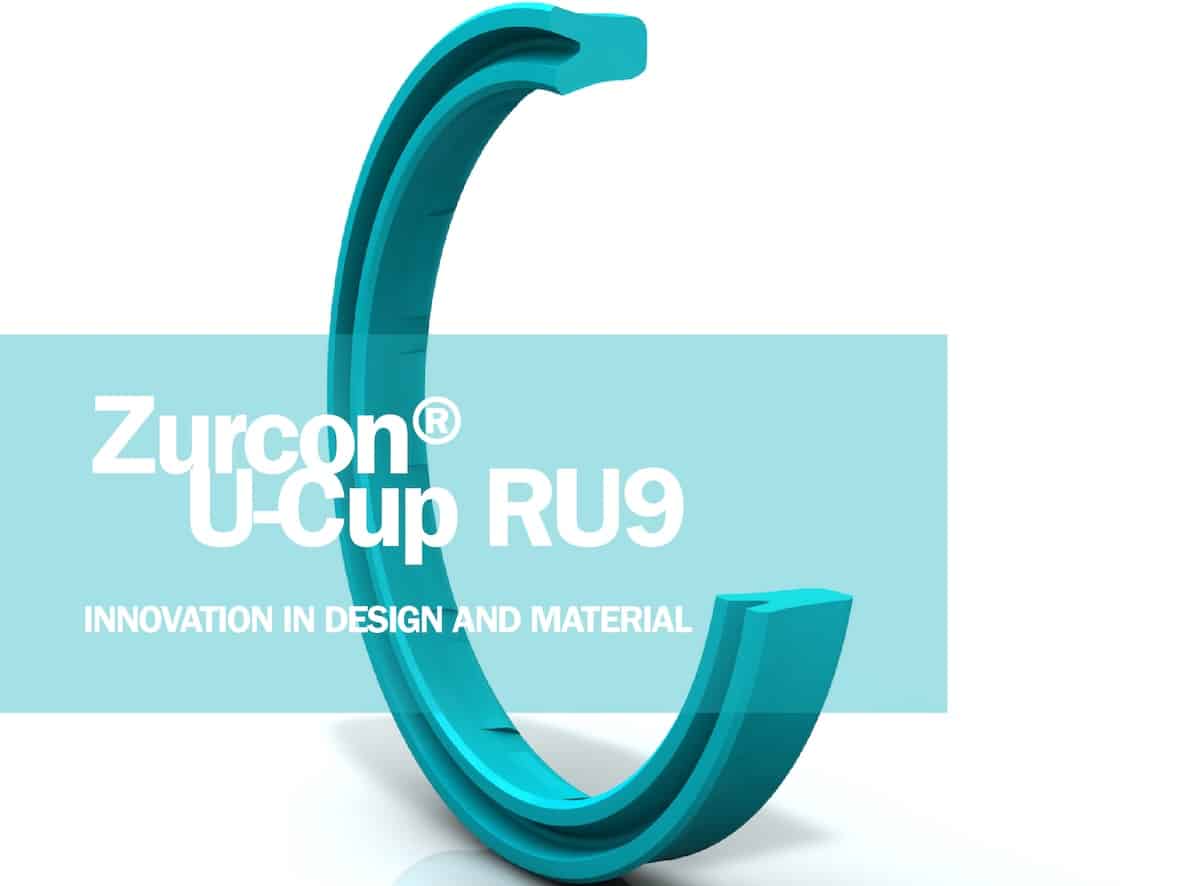
Trelleborg has launched a new inch-size polyurethane sealing line for light-, medium- and heavy-duty hydraulic cylinders, covering piston, rod and buffer seals plus wipers for linear hydraulic applications. The Zurcon RU9 and Zurcon U-Cup RU9 profiles are engineered to retrofit directly into common American groove sizes in OEM and replacement equipment, targeting mining and other mobile hydraulics. For maintenance and design engineers, the inch-based range simplifies specifying high-performance PU seals without re-machining existing cylinder hardware.
Kristi Noem, current Special Envoy to the Shield of the Americas and former US Secretary of Homeland Security, has joined Vancouver-based NovaRed Mining (CSE: NRED) as strategic advisor, sending the junior’s shares up 2.7% to a market capitalisation of C$73.6 million. NovaRed is using an artificial intelligence‑enhanced platform to acquire and advance early-stage copper exploration assets, including the 160 sq. km Wilmac property and the Lamont Ridge project in British Columbia’s Similkameen division. Surface sampling across these projects has returned average copper grades of 0.64%, with peak values of 1.67%.
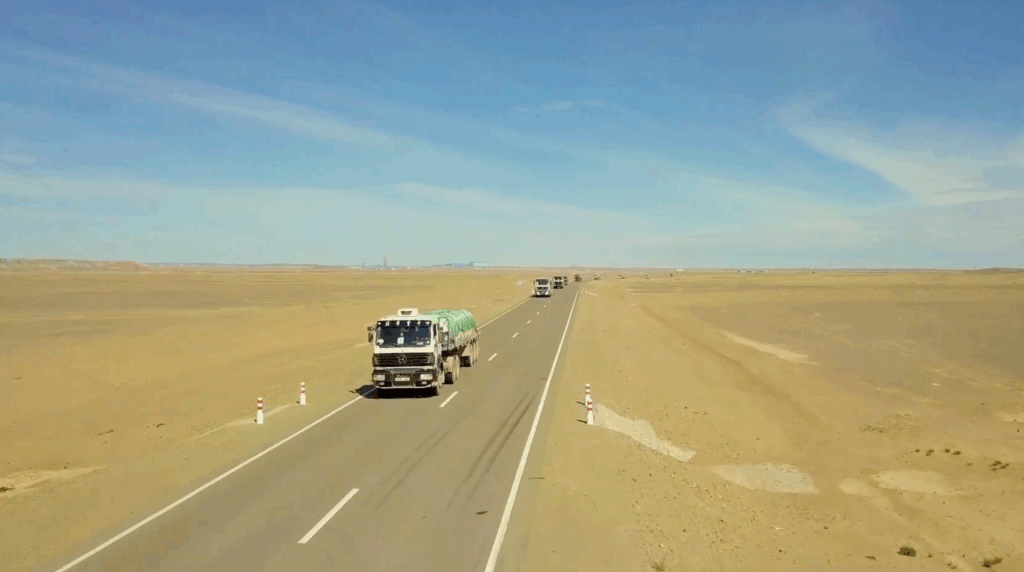
Protesters from Mongolia’s Radical Reform Movement have blocked the two-lane haul road used to truck copper concentrate from Rio Tinto’s Oyu Tolgoi mine to the Chinese border, halting exports from a project the company aims to make the world’s fourth-largest copper operation by 2030. The action, marked by a “Stop Rio Tinto” barricade of tyres and tree branches in the Gobi Desert, follows Mongolia’s push to lift its economic take to about 60% and ongoing litigation over roughly $450 million in alleged tax underpayments. Oyu Tolgoi LLC warns the stoppage risks breaching concentrate supply contracts and disrupting Mongolia’s state budget.
Plans by Allseas to operate deep-sea polymetallic nodule collectors for The Metals Company (TMC) in the Pacific, targeting 3 million wet tonnes per year from over 4,000 m water depth, are alleged to “directly” violate the UN Convention on the Law of the Sea in a Greenpeace-commissioned legal opinion by Professor André Nollkaemper. The analysis argues that TMC’s reliance on a unilateral US permit bypasses the International Seabed Authority, which holds exclusive regulatory competence over the Area. Greenpeace Netherlands and five other NGOs have sent an urgent letter pressing the Dutch government to intervene against the planned commercial system.
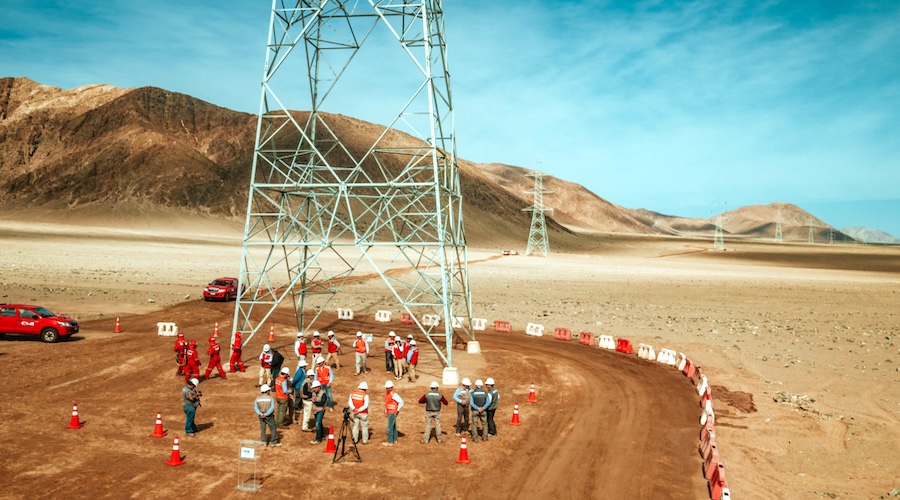
BHP is preparing to sell about $1.5 billion of Chilean power transmission assets, including roughly 1,000 km of lines feeding its Escondida, Spence and Cerro Colorado copper operations, in a move to concentrate capital on copper and other core commodities. The divestment follows last year’s $2 billion sale of a 49% stake in power lines serving its Australian iron ore business to Global Infrastructure Partners, a BlackRock subsidiary. In parallel, BHP and Lundin Mining have secured RIGI approval for the Vicuña copper district in Argentina, a $9.7–18 billion build-out combining Josemaría and Filo del Sol.
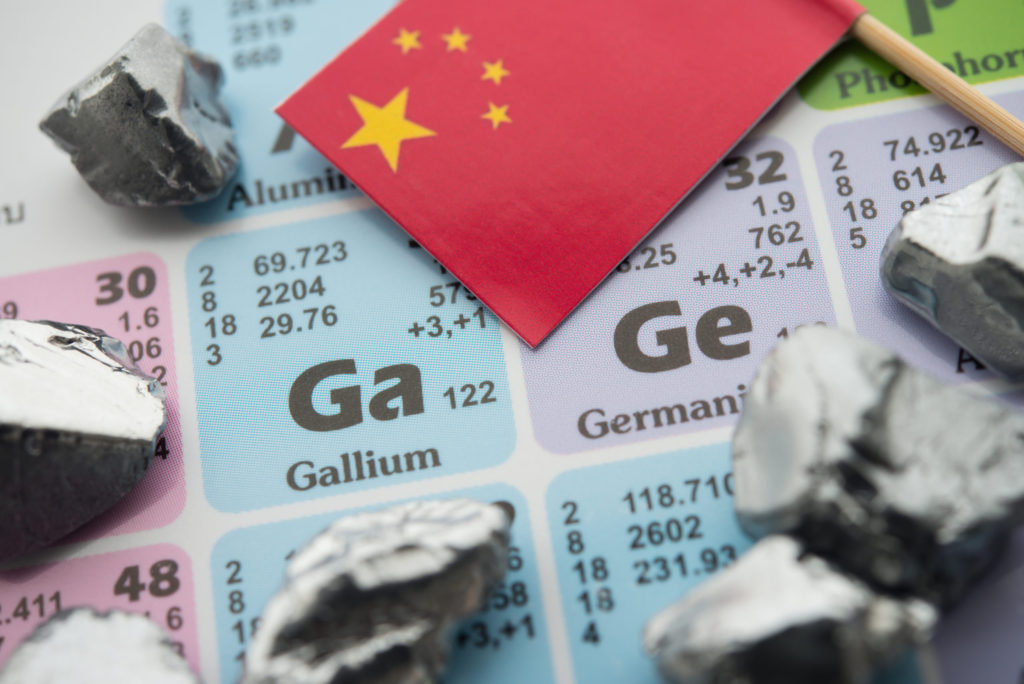
China’s new Mineral Resources Law, in force this week, introduces explicit provisions for import–export controls and “countermeasures” against activities deemed to threaten its mineral resource security and supply chain stability, according to Ministry of Natural Resources official Yan Bo. The overhaul, the first major rewrite since 1986, lets Beijing define and update a list of “strategic minerals”, refine a state reserve system by product, capacity and origin, and requisition resources or directly organise mining during crises. Analysts at BMO and Rare Earth Exchanges say this effectively hardwires China’s dominance in rare earths and other critical minerals into a legal tool for long-term geopolitical competition.
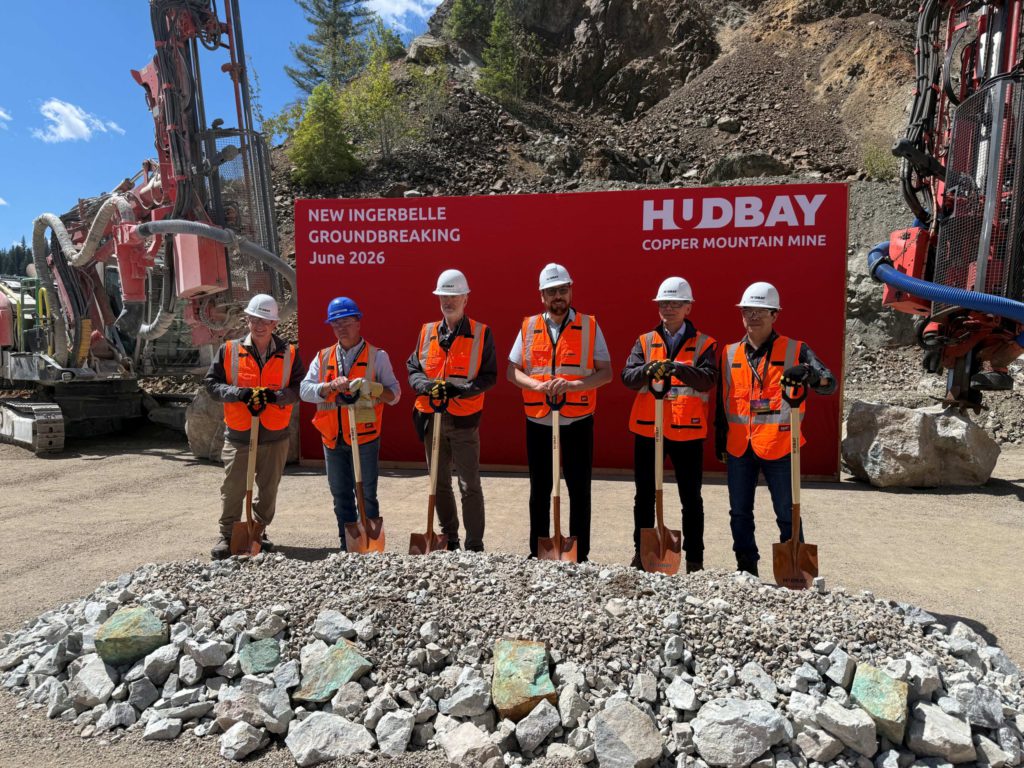
Hudbay Minerals has broken ground on the New Ingerbelle expansion at the Copper Mountain mine in British Columbia, a pushback of the historic Ingerbelle pit walls designed to access higher-grade ore with a stripping ratio about three times lower than current mining areas. Using existing Copper Mountain mill and fleet infrastructure, the project is forecast to produce about 750,000 tonnes of copper, 900,000 oz of gold and 5.5 million oz of silver, extending mine life beyond 2040. New Ingerbelle, now a B.C. priority resource project, preserves over 800 direct jobs and has refreshed participation agreements with the Upper and Lower Similkameen Indian Bands.
First Phosphate has secured letters of interest for up to C$275 million in guarantees from Denmark’s Export and Investment Fund and additional LOIs from Italy’s CDP, SIMEST and MAIRE to advance the Bégin-Lamarche mine and a Ballestra-technology phosphoric acid plant at Port Saguenay under the G7 Critical Minerals Resilience and Production Alliance. Bégin-Lamarche hosts 41.5 million indicated pit-constrained tonnes at 6.49% P2O5 and 214 million inferred tonnes at 6.01% P2O5 in igneous ore targeted for LFP battery-grade phosphoric acid. The company has also locked in offtake for at least 200,000 t/y of phosphate concentrate and 60,000 t/y of phosphoric acid, de-risking project financing and downstream integration.
Guardian Metal Resources has acquired Lincoln Estates Group LLC in Nevada, adding 841 acres of land and 2,540 acre-feet per year of water rights across three permits in the Lincoln County Water District to support its Tempiute and Pilot Mountain tungsten projects. Lincoln Estates lies less than 10 miles from the historic Tempiute (ex-Emerson) mine, a past Union Carbide producer last operated in the 1980s, and complements a US Department of War US$6.2 million award to advance Pilot Mountain. The deal materially de-risks water supply for mine redevelopment in a state where groundwater allocation is a critical permitting constraint.
Lloyds Metals and Energy has ordered 14 GEHO TZPM 2000 positive displacement pumps with GLORES (GEHO Load Reduction System) from Weir for the second phase of its iron ore slurry pipeline project in India, with the contract secured in Q1 2026. The large-bore PD pumps are designed for long-distance, high-pressure slurry transport, where GLORES reduces pressure spikes and mechanical loading on the pipeline and pump components. For engineers, the move signals continued reliance on high-availability PD technology for abrasive iron ore slurries rather than centrifugal alternatives on extended pipeline routes.
Master Drilling has entered a formal partnership with Safescape to retail and install the Safescape Laddertube escapeway system across underground operations, positioning itself to deliver turnkey emergency egress solutions rather than only drilling services. Laddertube replaces conventional steel ladderways with a fully enclosed, modular plastic escape system, typically installed in raises and winzes to provide controlled, corrosion‑resistant access and improved fall protection. The deal signals wider deployment potential in African and global mines seeking standardised, low‑maintenance escapeways integrated directly into raiseboring programmes.
Sandvik and SRG Global have rebuilt a Leopard DI650i down-the-hole drill rig after its rotary head, compressor and hydraulic pumps each reached 25,000 uninterrupted operating hours before first major overhaul, reportedly the highest global hours for these components. The performance is attributed to a proactive maintenance strategy combining OEM remote monitoring with site-based condition inspections and scheduled component change-outs. For drill and fleet engineers, the case gives a benchmark for component life on high-utilisation rotary blast-hole rigs and supports life-cycle cost planning for similar DTH fleets.
UK Mining Conference delegates in Cornwall set out how domestic resources such as Cornish lithium, Scottish barite and Welsh copper could reduce UK reliance on imported critical minerals amid volatile markets and geopolitical risk. Speakers linked subsurface datasets from the British Geological Survey with AI-driven targeting for deep exploration, and discussed permitting, ESG scrutiny and grid constraints as key barriers to new mines and processing plants. Panels also focused on skills, using school outreach, virtual reality mine tours and apprenticeships to attract young people into geoscience and mining engineering.