£14M Scarborough station upgrade: heritage asset life-extension notes for engineers
Reviewed by Tom Sullivan
First reported on New Civil Engineer
30 Second Briefing
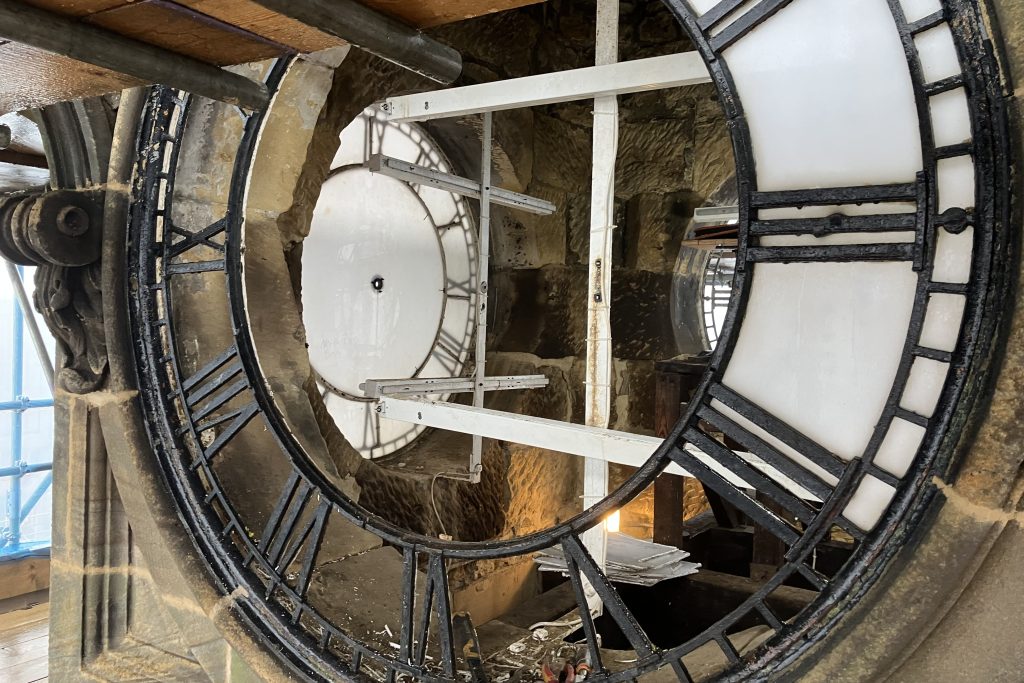
A £14M upgrade of Scarborough’s Grade II-listed railway station has opened up and restored the historic clocktower for the first time in decades as part of a wider conservation programme. Works are understood to focus on structural repairs to the masonry and timber, refurbishment of the clock mechanism and faces, and sensitive renewal of roof coverings and drainage to manage water ingress. For engineers, the project signals continued investment in life-extension of Victorian rail assets, with heritage constraints shaping material choices and detailing.
Technical Brief
- Grade II listing constrains interventions to reversible methods and like-for-like repair in key fabric zones.
- Opening the tower interior enables detailed condition surveys of hidden timber, ironwork and masonry connections.
- Access into the tower will have required bespoke temporary works to avoid overloading historic floors and stairs.
- Drainage renewal around the tower should reduce cyclic wetting of masonry, limiting freeze–thaw and salt damage.
- Conservation scope probably triggered rail-operations constraints: night possessions, noise limits and restricted plant access.
Our Take
Within the 737 Infrastructure stories in our database, UK rail hub refurbishments like Scarborough station often sit in the £10M–£30M band, signalling that this is a mid-scale upgrade more focused on asset life extension and passenger environment than major capacity uplift.
Clocktower and heritage-element works at stations in the United Kingdom frequently drive complex staging and access constraints, which in other projects has led to a higher proportion of spend going on scaffolding, temporary works and specialist conservation trades compared with standard rail civils.
Being tagged under Sustainability places the Scarborough station scheme alongside other station retrofits that are increasingly using fabric upgrades, low‑carbon materials and improved daylighting to cut operational emissions without wholesale reconstruction of existing structures.
Prepared by collating external sources, AI-assisted tools, and Geomechanics.io’s proprietary mining database, then reviewed for technical accuracy & edited by our geotechnical team.
Related Articles


Related Industries & Products
Construction
Quality control software for construction companies with material testing, batch tracking, and compliance management.
Mining
Geotechnical software solutions for mining operations including CMRR analysis, hydrogeological testing, and data management.
QCDB-io
Comprehensive quality control database for manufacturing, tunnelling, and civil construction with UCS testing, PSD analysis, and grout mix design management.