Geomechanics, Streamlined.
© 2026 Geomechanics.io. All rights reserved.
Story Homes has secured outline planning permission on appeal for up to 350 homes on the long-derelict Camelot Theme Park brownfield site at Charnock Richard, Chorley, with 50% of units designated as affordable housing for local residents. The scheme includes a community hub for co-working and local groups, a targeted 10% biodiversity net gain achieved partly by de-culverting a section of Syd Brook, and on-site habitat enhancement. Funding commitments comprise about £3m in Community Infrastructure Levy and £1.85m in Section 106 for playing pitches, public rights of way, public transport and green space maintenance, with construction expected to support roughly 240 jobs.
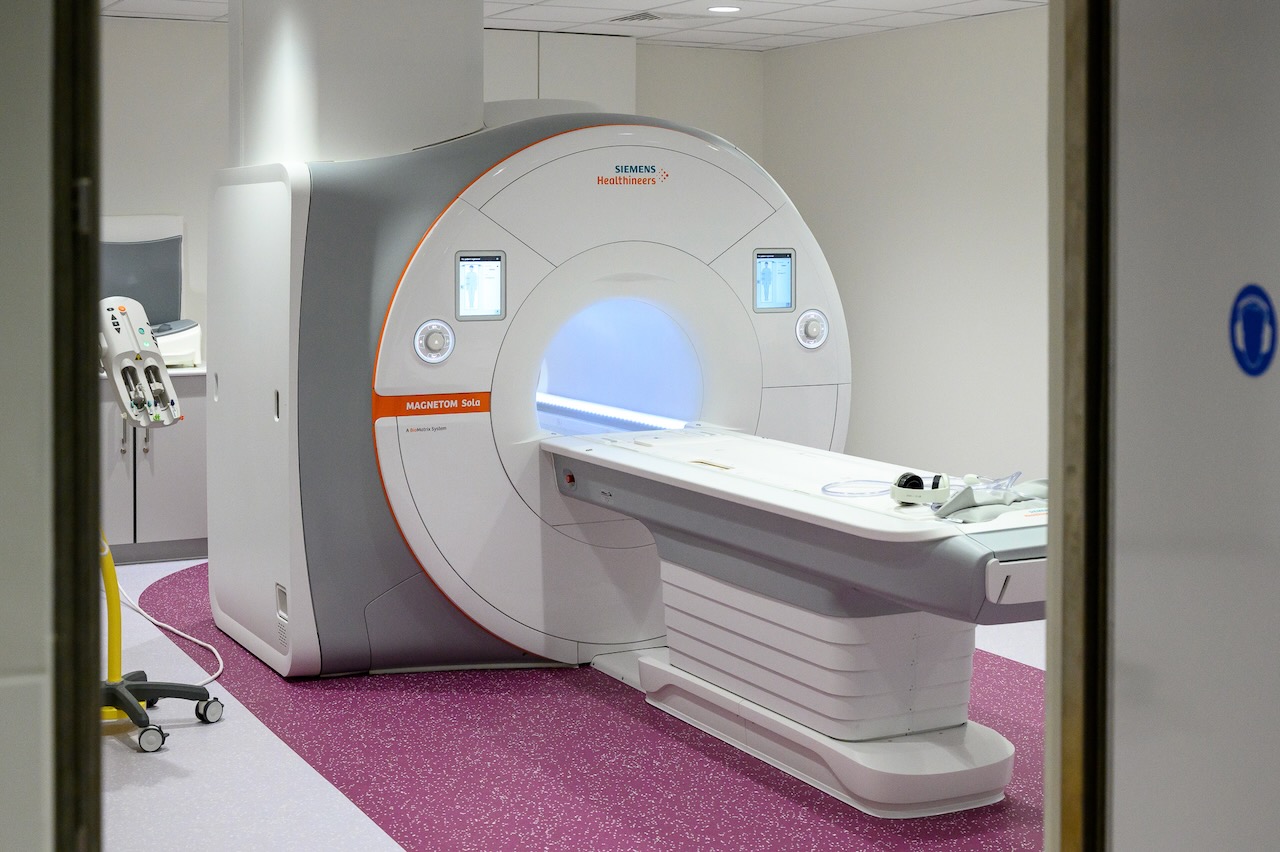
Morgan Sindall Construction has completed a £26m Community Diagnostic Centre at St Margaret’s Hospital in Epping, refurbishing and extending an existing bungalow to house MRI, X-ray, non-obstetric ultrasound and outpatient services under the ProCure 23 framework for The Princess Alexandra Hospital NHS Trust. A further £6m extension, due by early 2027, will add a fibroscanner for liver assessment, extra ultrasound and X-ray capacity, and space for trans-nasal endoscopy. CarboniCa digital carbon analysis guided design and construction choices, with retrofit over new-build cutting embodied materials use and associated emissions.
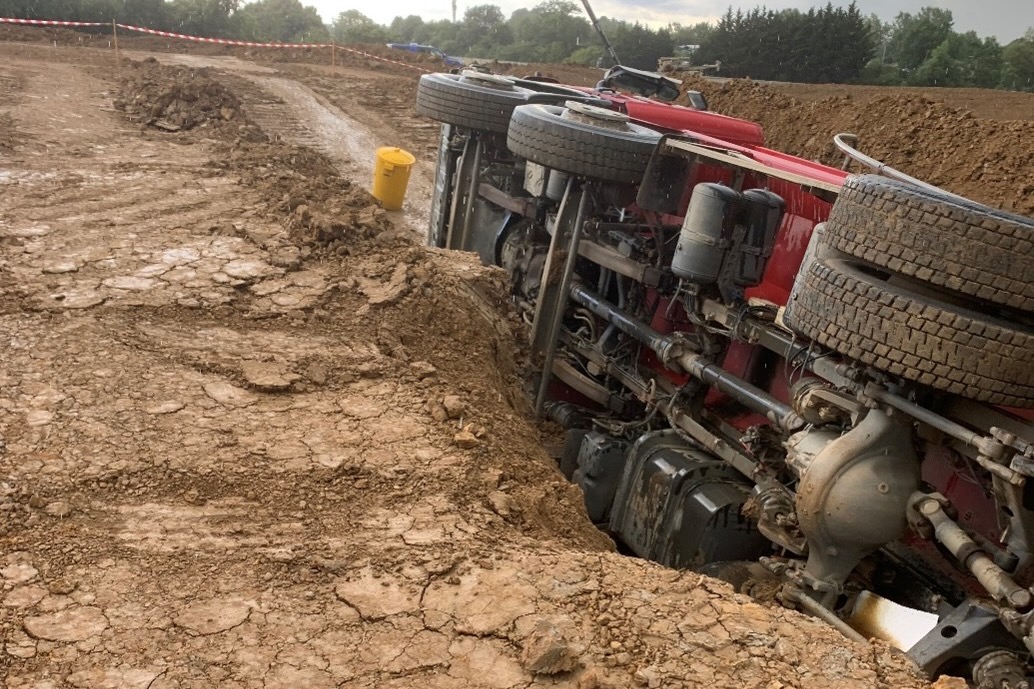
HS2 joint venture SCS, formed by Skanska Construction UK, Costain and Strabag, has been fined £400,000 after a tipper truck drove off the edge of an excavation ramp at the Copthall North site, injuring its driver. The incident involved a fully loaded tipper leaving the unprotected ramp edge during bulk earthworks, pointing to deficiencies in temporary works design and haul road edge protection. Contractors on major infrastructure schemes will likely face closer scrutiny of excavation ramp geometry, barrier systems and traffic management for heavy earthmoving plant.
Ofgem has named 16 long-duration energy storage schemes it is minded to support under its cap-and-floor regime, triggering a public consultation on the proposals. The projects would provide 7,465 MW of storage capacity, targeting multi-hour discharge durations to support system balancing and security of supply. Developers and network planners now have a clearer signal on potential revenue stabilisation for large-scale assets such as pumped hydro and grid-scale batteries, with implications for connection planning and reinforcement strategies.
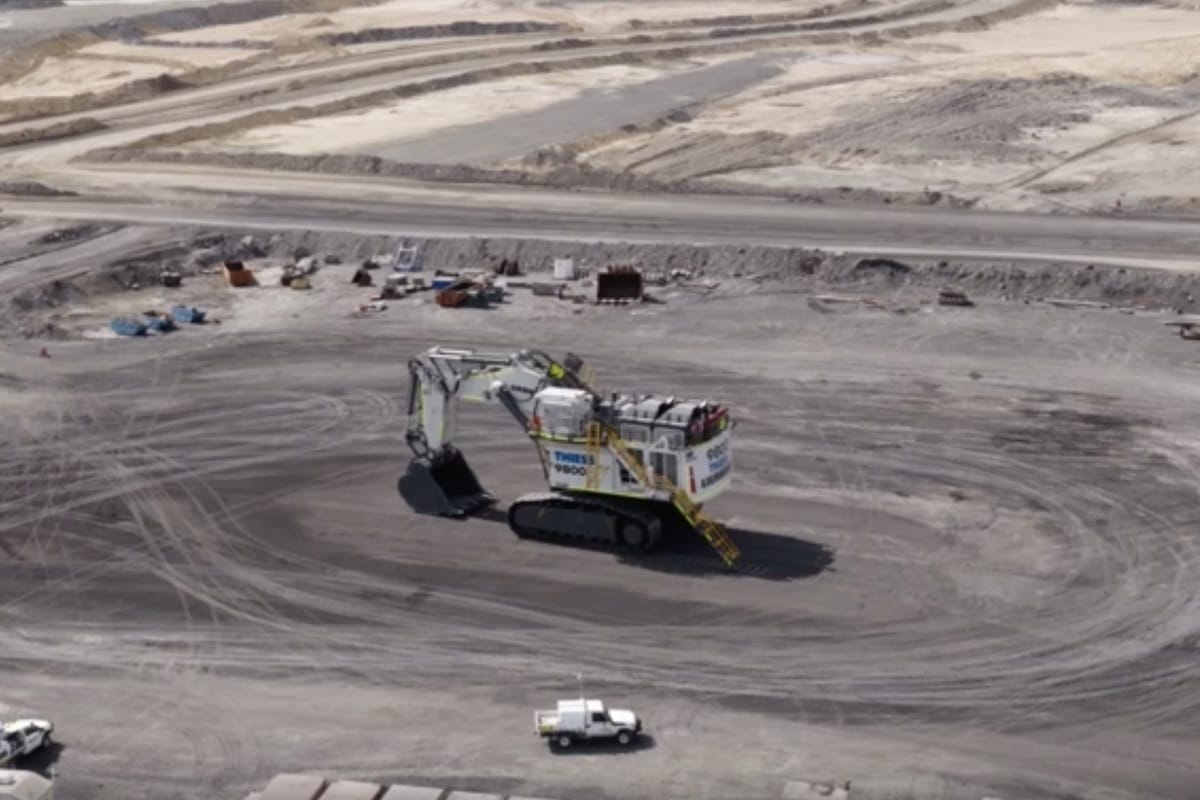
Thiess has mobilised a fourth Liebherr R 9800 hydraulic excavator at the Lake Vermont coal mine in Queensland to increase loading capacity for Jellinbah Group’s truck fleet. The 800-tonne class R 9800, typically pairing with ultra-class haul trucks in the 290–360 tonne payload range, is expected to shorten dig–load cycles and support sustained high strip ratios in the open-cut operation. For geotechnical and production engineers, the additional unit allows higher peak movement rates and more flexible deployment across multiple pits and dig horizons.
Regis Resources is accelerating gold exploration across its Duketon, McPhillamys and Tropicana assets, with first-half drilling aimed at both underground and open pit growth projects. Priority work includes step-out and infill drilling to tighten geological models, test depth extensions beneath existing pits and refine resource confidence around known lodes. The programme is geared to convert near-mine targets into longer-term development options, potentially extending mine life and supporting future reserve upgrades across the three operations.
PNG Expo 2026 in Port Moresby will focus on the logistics, fuel, parts and contractor networks that keep PNG’s large open-pit and underground mines operating, bringing together mine operators, OEMs and service providers. Exhibitors are expected to span explosives supply, diesel and LNG distribution, heavy-haul transport on remote access roads, camp services and technical maintenance for fleets of 200–300 t haul trucks and large excavators. For engineers and procurement teams, the event offers direct access to vendors critical to reducing downtime and managing long, weather-exposed supply chains.
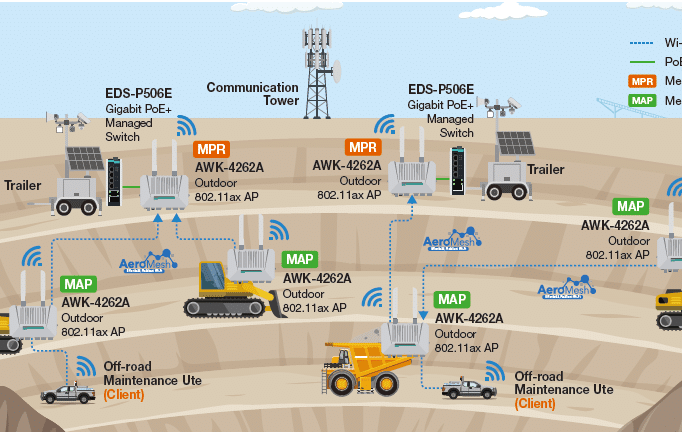
Wireless mesh networks using Moxa AeroMesh are being deployed in autonomous mining to maintain low-latency WLAN connectivity for haul trucks, drills and remote-control stations across pits, crushers and stockpiles. The architecture uses multi-hop, self-healing mesh nodes mounted on mobile equipment and fixed infrastructure to cope with line-of-sight loss from highwalls, moving stockpiles and blast re-entries, avoiding single points of failure typical of point-to-point links. For engineers, the key design issues are RF planning around pit geometry, redundancy in backhaul paths, and QoS for control versus video and telemetry traffic.
Manheim Australia has scheduled more than 20 national and region-specific online and simulcast EOFY auctions through late June, offering nearly 1000 industrial equipment lots either onsite or in situ. The catalogue includes late-model mining and civil fleets, with assets such as haul trucks, excavators and ancillary plant positioned for rapid redeployment to operating sites or projects. Contractors and mine operators can use the timed sales to refresh fleets, dispose of surplus gear and benchmark secondary-market pricing ahead of FY26 capital planning.
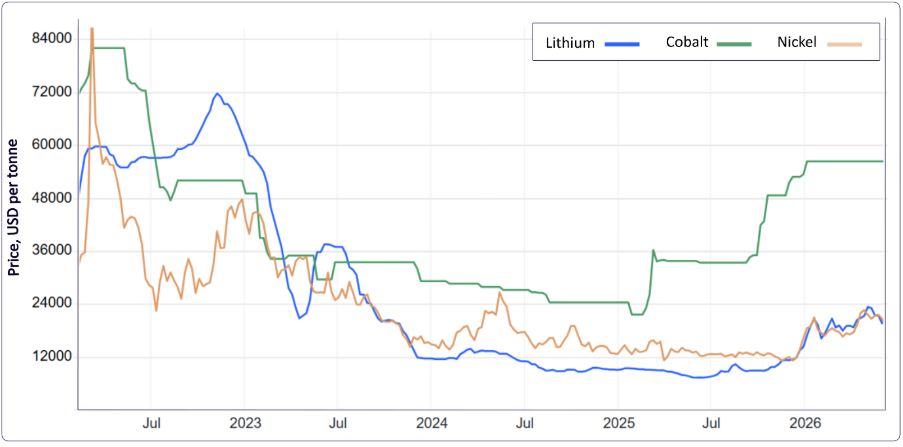
Beijing’s periodic threats of export controls on rare earths and other critical minerals are framed by economic geologist Dr Nicholas Vafeas as a “decoy effect” masking its real tactic of state-backed oversupply in lithium, cobalt, nickel and midstream refining. By expanding processing capacity in China and overseas, from Indonesian nickel projects to domestic rare earth separation hubs, Beijing can push prices below Western operating costs, deterring private finance for multi‑billion‑dollar refineries. Vafeas argues Western responses must shift from upstream grants to long-term offtake guarantees, price floors and aggressive retention of refined metals already within allied economies.
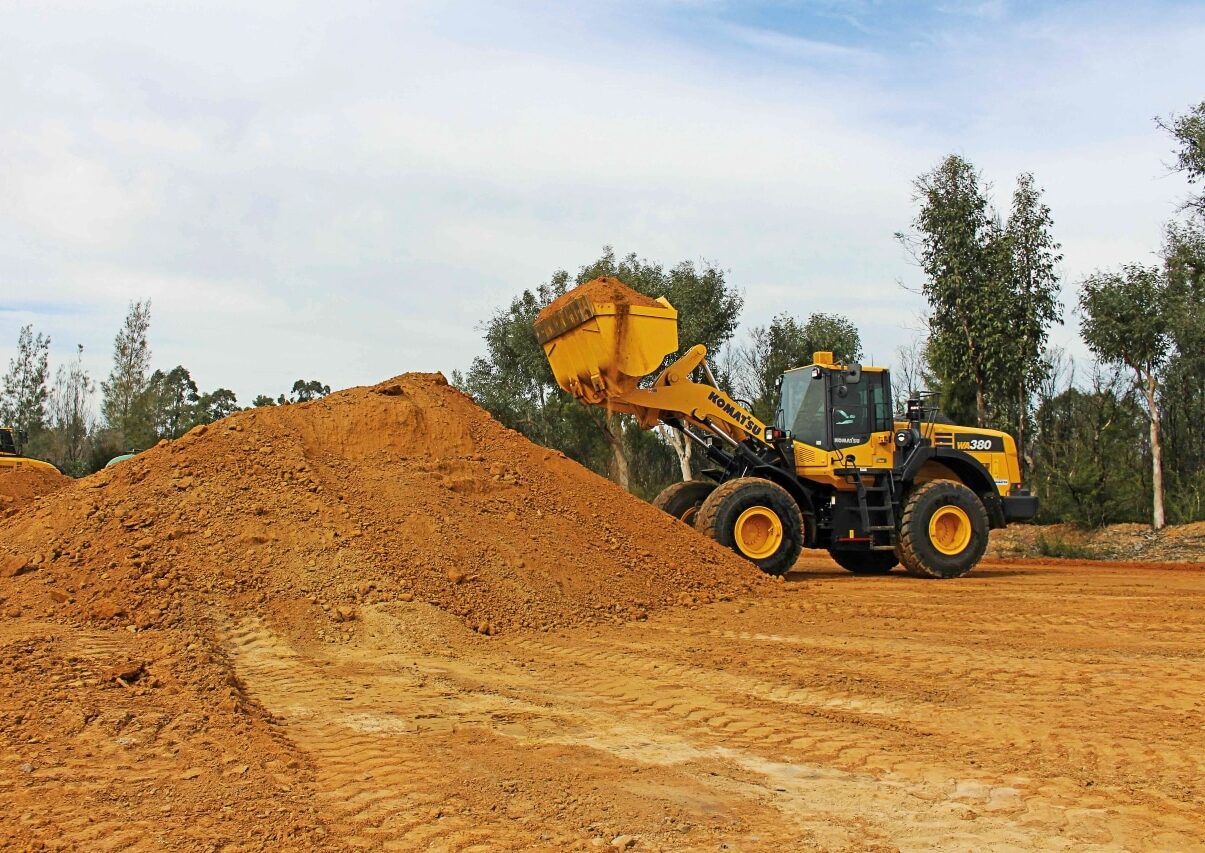
Komatsu Australia is undertaking a major upgrade of its construction and mining equipment fleet, retrofitting and redesigning aftertreatment systems to meet differing emissions and safety regulations across Australian, European and other international markets. The programme focuses on aligning engines and exhaust aftertreatment with Tier 4 Final/Stage V-style limits, while maintaining machine performance for high-duty applications such as quarry haul trucks, large excavators and road construction plant. For contractors and asset owners, the changes affect fleet selection, parts stocking and maintenance planning as machines are standardised for multi-jurisdiction deployment.
Nigeria has delineated a new polymetallic mineral province in Kaduna state containing platinum group metals, gold, nickel, copper, lithium and rare earth elements, with Minister of Solid Minerals Development Dele Alake calling it a “world-class” district verified by the Nigerian Geological Survey Agency. Steron Mining reports about 3.3 million tonnes of lithium reserves and 94.8 million tonnes of total mineral resources at its Abuja-area project, already processing lithium ore locally in line with federal beneficiation policy. Over $1.3 billion in Chinese-backed processing plants from Jiuling Lithium and Canmax Technologies targets Kaduna and other states, but grid constraints, weak transport links, artisanal mining and regulatory uncertainty still threaten timely large-scale development.
Schlam has launched a new in-house engineered installation kit programme for mining truck bodies and excavator buckets, giving sites a standardised, end-to-end package covering attachment supply and fit-out. Developed under a three-year product development effort, the kits are designed to integrate with Schlam’s load and haul attachments, reducing the need for bespoke on-site fabrication and ad hoc hardware selection. For maintenance and asset teams, this points to more predictable installation times, simplified spares management and tighter control of attachment interface geometry.
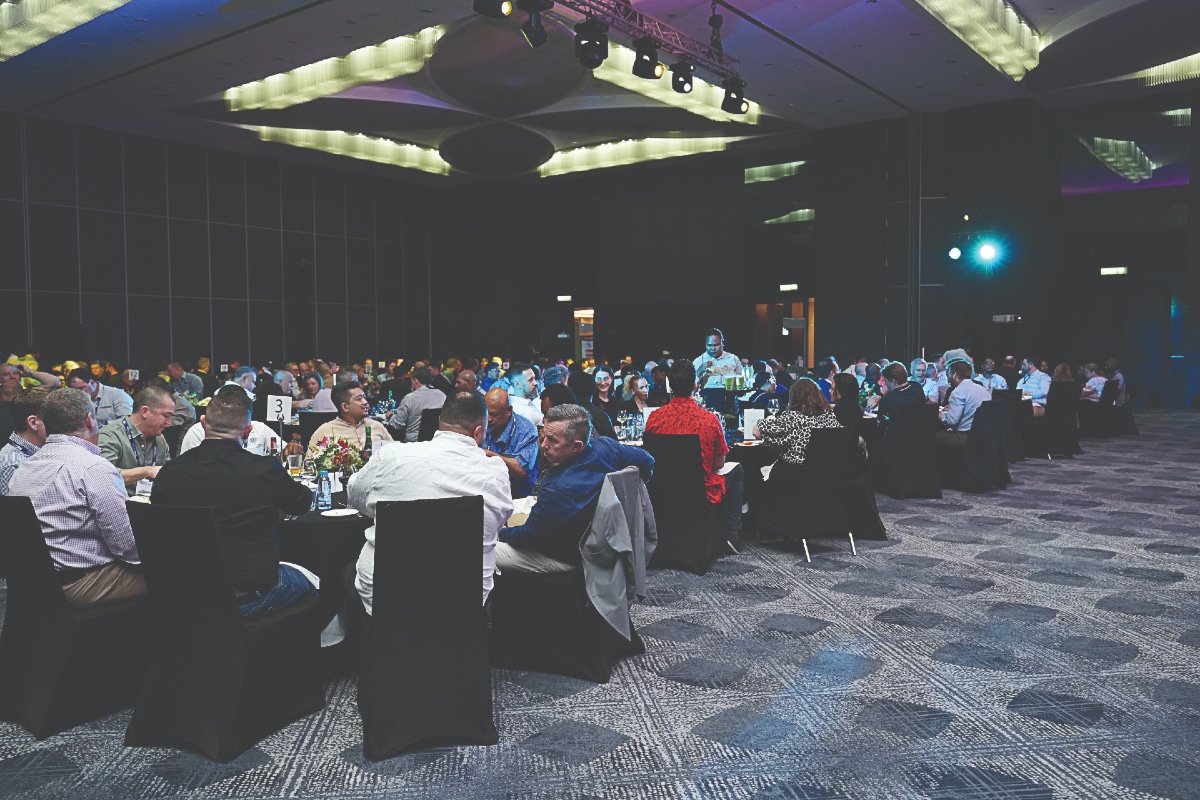
The 2026 Transforming Transport Summit on 7 May at Melbourne’s Crown Casino convened senior leaders from transport agencies and major contractors to move beyond policy rhetoric into delivery-focused discussion. Sessions centred on integrating road, rail and active transport planning, funding models for large corridor upgrades, and accelerating project approvals while managing construction risk and disruption. For civil and transport engineers, the summit signals stronger alignment between government clients and Tier 1–2 contractors on pipeline visibility, procurement settings and whole‑of‑network asset performance.
Winvic has secured a further highways contract from Guildford Borough Council for the Weyside Urban Village, where 1,650 homes plus health, community and employment space are planned on the Slyfield Industrial Estate brownfield site. The latest phase covers road reconstruction, resurfacing, drainage upgrades, service cable diversions and complex traffic management on key access routes, with completion targeted for winter 2026 and the wider highways programme running to early 2027. Earlier phases included a £14m, 35,000m³ earthworks remediation package, new bus lanes, road widening, pedestrian and cycle crossings, and replacing a roundabout with a signalised junction.
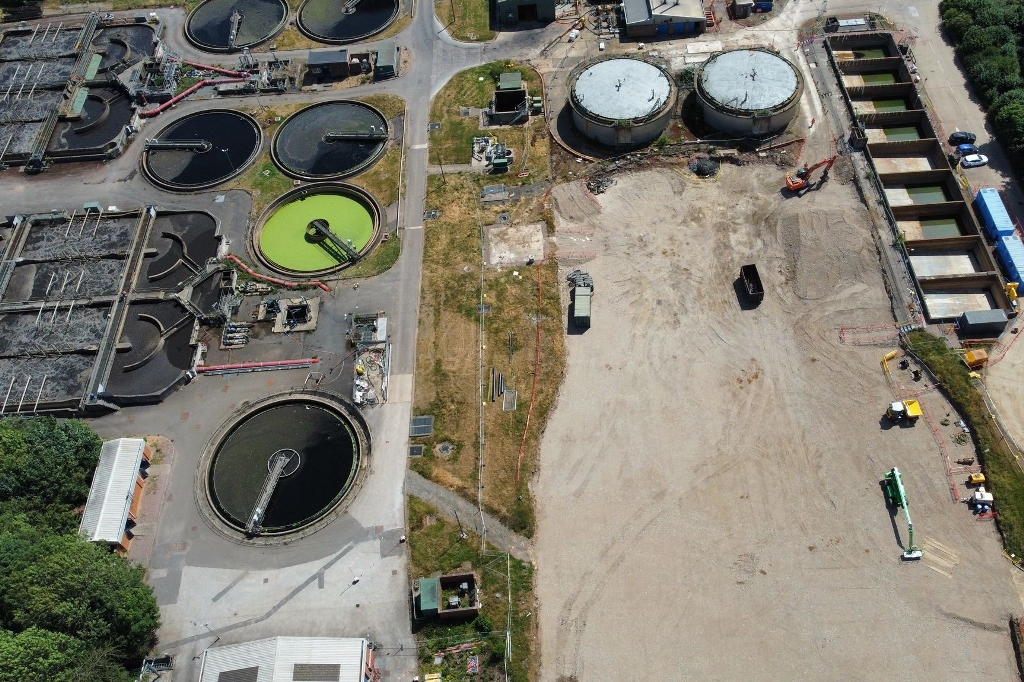
Severn Trent Water has launched a £45m tender for tank covers to be installed across multiple wastewater treatment works during AMP8, targeting capture of greenhouse gases such as methane and nitrous oxide from open process units. The programme will retrofit covers to existing tanks rather than rebuild structures, signalling demand for modular, corrosion‑resistant systems compatible with current concrete basins and odour control plant. Contractors will need to address access, ventilation, and integration with gas handling or energy‑recovery equipment while maintaining treatment performance during installation.
Ramboll has appointed Simon Jefferson as water sector lead for the UK and Ireland, tasking him with heading its regional water practice and steering major programmes focused on sustainability and resilience in regulated networks. With 20 years’ senior commercial experience across client and contractor organisations and over a decade in a regulated water business, Jefferson will target closer engagement with utilities and regulators, stronger supply chain partnerships and clearer commercial value on complex water infrastructure schemes. The move signals Ramboll’s intent to expand its role as a key delivery partner on long-term water investment cycles.
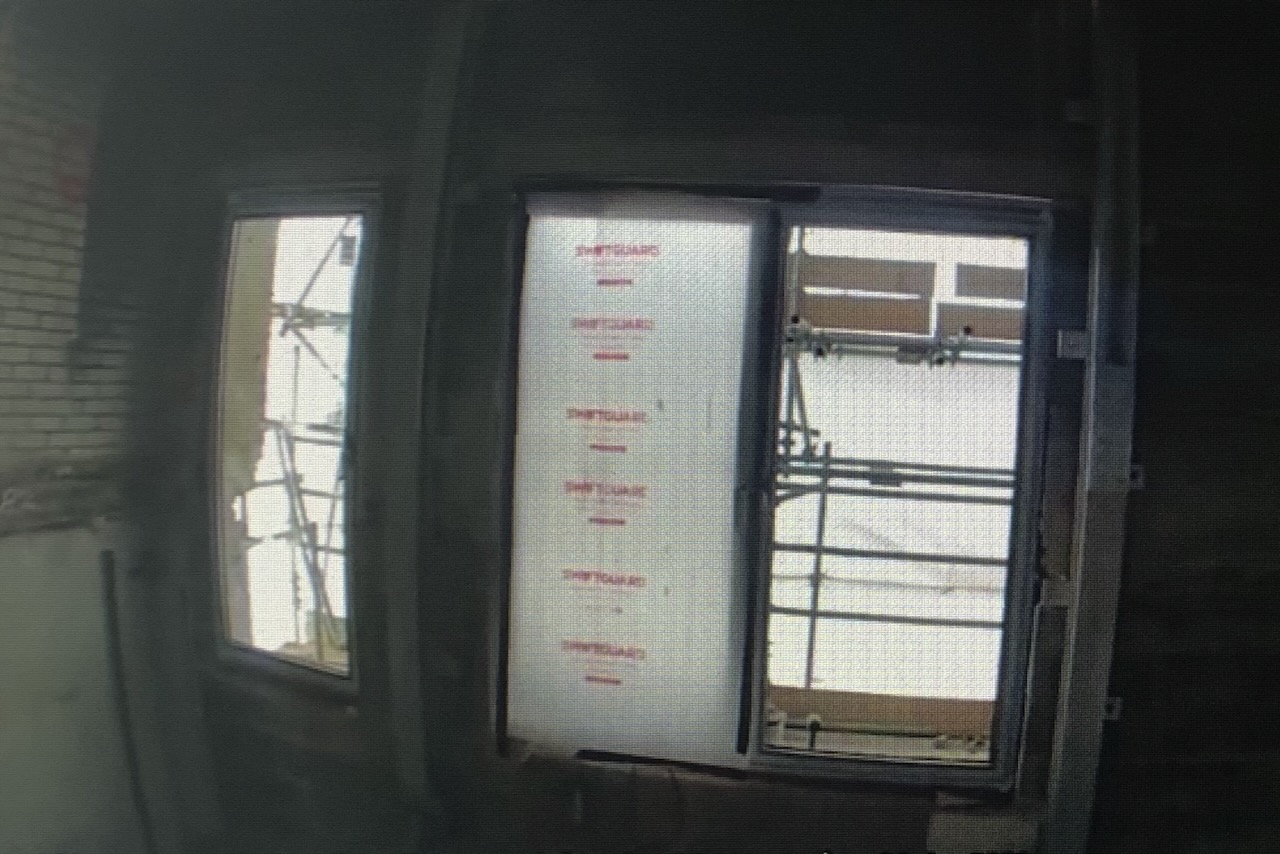
Lima Construction Limited has been fined £50,000, plus £11,347 costs, after worker Antonio Rodrigues fell three metres through an unglazed, unprotected Juliet-door window void onto an internal concrete floor during a former department store redevelopment in New Malden. The HSE found the principal contractor failed to install temporary boarding or internal scaffold guard rails over the newly formed openings and stopped carrying out the legally required weekly scaffold inspections after 5 July 2022. Inspectors stressed that straightforward edge protection at the time the voids were created would likely have prevented the fatal fall.
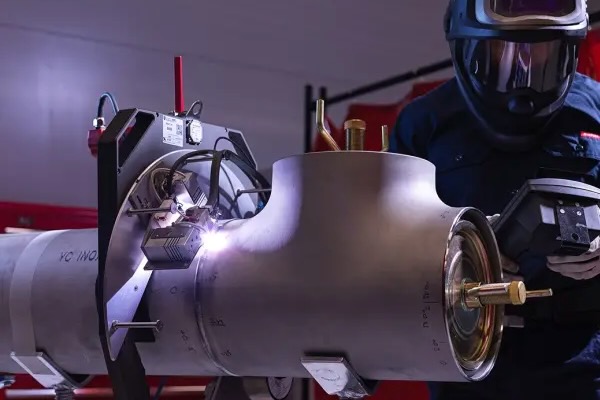
Rolls-Royce is establishing Pioneer Works in Derby as a non-nuclear manufacturing development centre to define build processes, precision assembly and advanced testing for its factory-built Small Modular Reactor (SMR) fleet planned for the UK, Czechia and Sweden. The facility, due to open later this year, will run specialist engineering and manufacturing projects that de-risk first-of-a-kind SMR deployment before work moves to production sites. Around 40 long-term roles in advanced engineering, welding, testing and manufacturing development will also make the site a primary training hub for the SMR supply chain.
Kevin Hayes has been elected managing partner of multidisciplinary engineering consultancy Cundall for a four‑year term, succeeding Carole O’Neil under the firm’s rotating leadership model. The role gives Hayes strategic oversight of Cundall’s global building services, structural, geotechnical and infrastructure teams, which work on complex projects from deep basements to high‑rise and rail systems. Leadership continuity and partner election are likely to influence long‑term investment in digital design tools, low‑carbon materials and ground engineering capability across the practice.
Two shallow earthquakes of magnitude 7.1 and 6.8 struck near Caracas and La Guaira within hours, collapsing mid‑rise reinforced concrete apartment blocks and older unreinforced masonry in hillside barrios, with hundreds confirmed dead and thousands displaced. Liquefaction, lateral spreading and rockfalls have damaged key transport links, including sections of the Caracas–La Guaira motorway and port access roads, complicating access for rescue equipment and temporary shoring. Geotechnical teams are racing to assess slope stability on steep, weathered tropical soils and to prioritise demolition versus retrofit of heavily cracked shear‑wall structures.
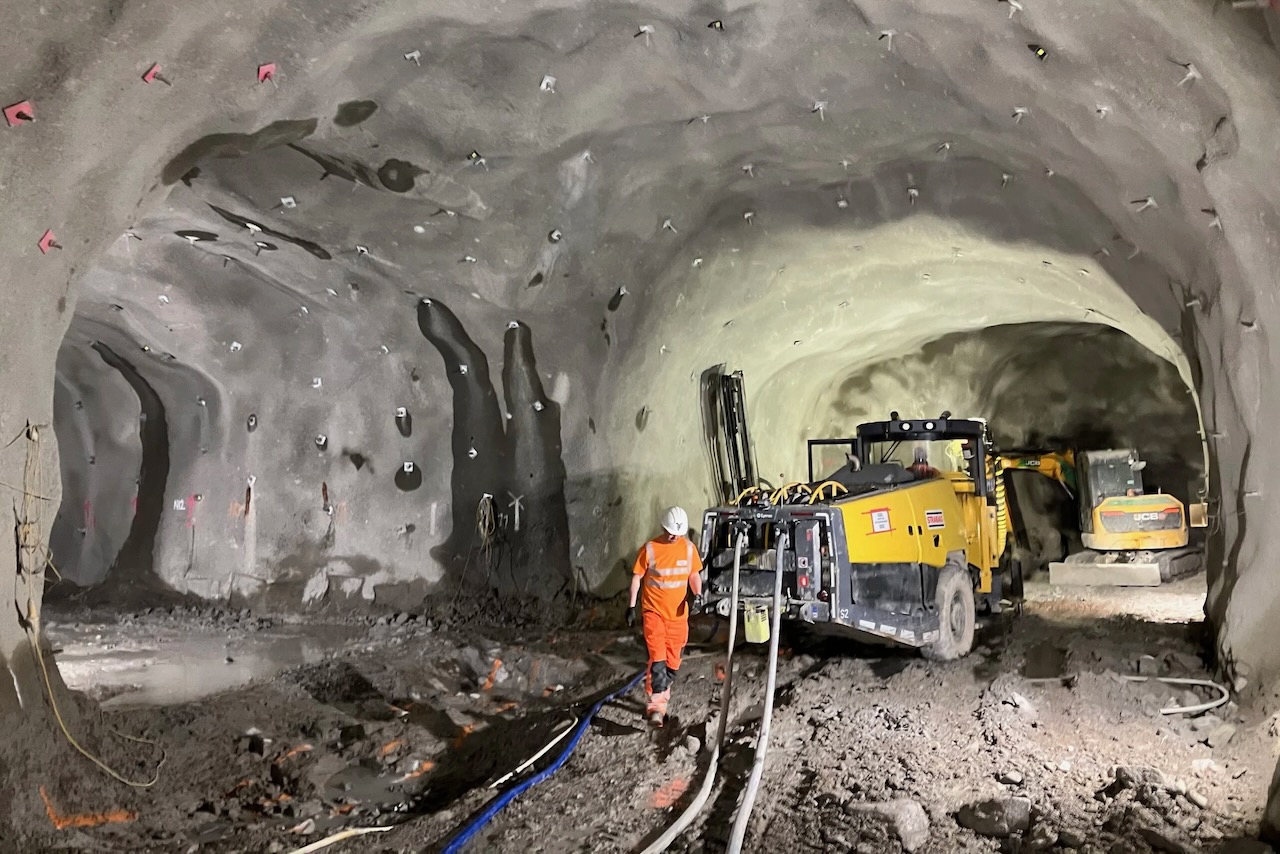
KEFI Gold and Copper has appointed BCM International as mining contractor for the Tulu Kapi Gold Project in Ethiopia, clearing the way to order a Caterpillar mobile fleet under the project’s largest operational contract. The agreement covers open-pit mining services for the planned c.140,000 oz/y operation, integrating Cat haul trucks and loaders with BCM’s existing East African support network. For mine planners and geotechnical teams, the early lock-in of a standardised Cat fleet will drive pit design, haul road geometry, equipment productivity assumptions and maintenance infrastructure layout.
WEG has secured a contract to supply around 600 low- and medium-voltage electric motors to Lithium Americas’ greenfield Thacker Pass lithium project in Nevada, covering key process areas from crushing and grinding to materials handling. The package will support a new lithium chemicals plant at one of the largest known lithium resources in the US, where electrified drives are central to meeting stringent emissions and energy targets. For engineers, the deal signals growing standardisation of high-efficiency motor solutions on large-scale critical minerals projects in North America.
Positive findings in SGS Panama Control Services’ final comprehensive audit of the Cobre Panamá copper mine, delivered to MiAMBIENTE on 19 July under contract OAL-DIFOR No. 003-2025, could open the door to formal restart negotiations. The audit covered legal, fiscal, environmental and operational compliance, providing a consolidated technical basis for government decision-making after the mine’s suspension. Operators, contractors and lenders will now watch for MiAMBIENTE’s response and any new environmental or fiscal conditions attached to a potential restart framework.