West Midlands Police abnormal loads stance: key impacts for plant engineers
Reviewed by Joe Ashwell
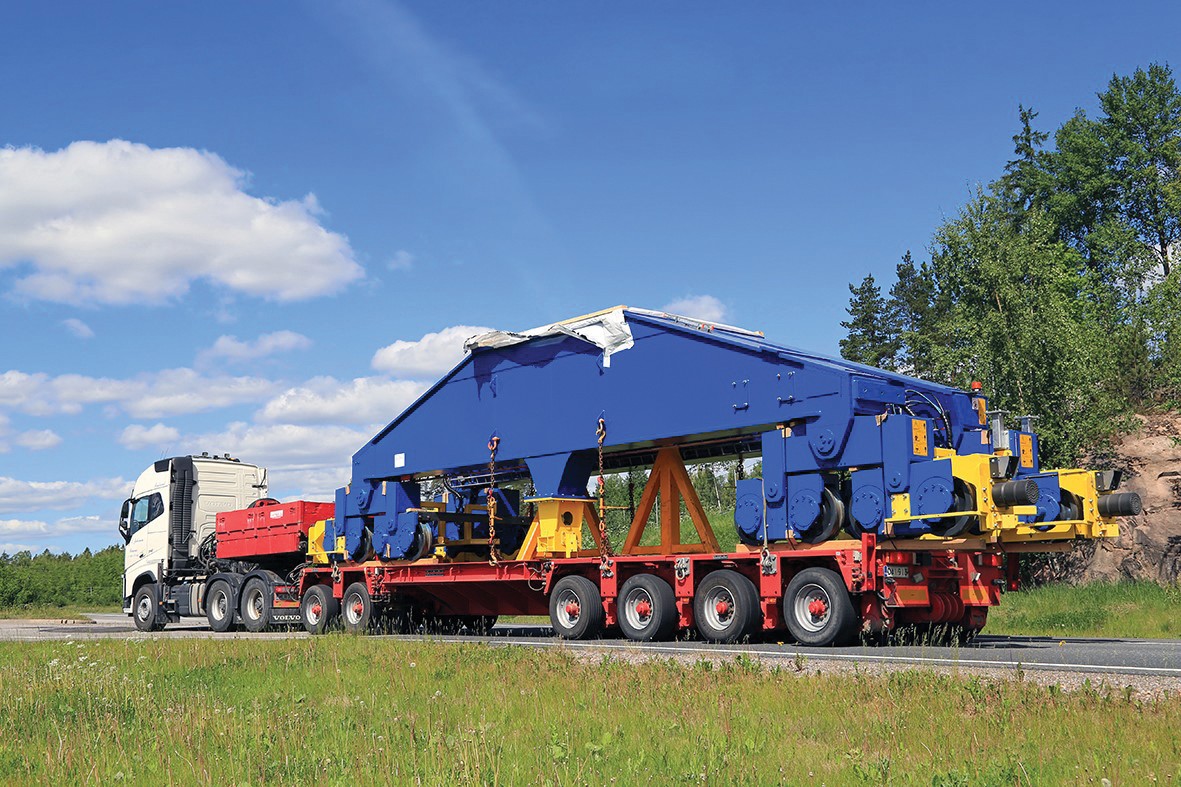
First reported on The Construction Index
30 Second Briefing
West Midlands Police’s treatment of abnormal load notifications as de facto approval requests, contrary to National Police Chiefs’ Council guidance, is forcing plant-hire firms to use paid police escorts instead of long-established self-escorting for cranes, piling rigs and rail plant serving HS2 and other schemes. A Construction Plant-hire Association survey of more than 2,000 members found over 80% reporting operational disruption, two-thirds serious project delays, and one in six facing extra costs above £100,000, with many rerouting to avoid the force’s area. Freedom of Information data show West Midlands Police’s abnormal load escort income rising from about £15,000 to £1.1m a year over five years, prompting calls for the Department for Transport to reimpose a single national regime.
Technical Brief
- National rules require abnormal load operators to notify police only, not obtain movement permission.
- NPCC guidance, developed jointly with forces and industry, reaffirms self-escorting as default for compliant loads.
- For over 20 years, most UK abnormal loads have been safely self-escorted by trained plant operators.
- Police escorts are intended solely for clearly defined exceptional risks, not routine crane or piling rig moves.
- CPA survey respondents cited rejections after West Midlands Police changed load description requirements without legislative change.
- Around three-quarters of surveyed firms have rerouted or avoided the West Midlands Police area entirely.
Our Take
The Construction Plant-hire Association (CPA) also appears in recent safety-focused guidance work with Network Rail on cranes near live rail tracks, so its criticism of West Midlands Police will likely carry weight with national safety and logistics forums beyond the HS2 corridor.
With more than 80% of surveyed operators in the West Midlands reporting disruption, this kind of policing approach adds friction in a UK market where our coverage already shows marginal construction output growth forecasts, tightening the viability of plant-heavy work on schemes like HS2.
The five-year increase in West Midlands Police income from abnormal load escorting effectively introduces a quasi-levy on heavy plant movements, which could push contractors to re-optimise routing and scheduling or to lobby the Department for Transport for more standardised national escort charging rules.
Prepared by collating external sources, AI-assisted tools, and Geomechanics.io’s proprietary mining database, then reviewed for technical accuracy & edited by our geotechnical team.
Related Articles



Related Industries & Products
Construction
Quality control software for construction companies with material testing, batch tracking, and compliance management.
Mining
Geotechnical software solutions for mining operations including CMRR analysis, hydrogeological testing, and data management.
QCDB-io
Comprehensive quality control database for manufacturing, tunnelling, and civil construction with UCS testing, PSD analysis, and grout mix design management.