Geomechanics, Streamlined.
© 2026 Geomechanics.io. All rights reserved.
Hercules Metals has extended the Southern Flats porphyry copper discovery at its Hercules project in Idaho, with hole HER-26-01 cutting 286.5 metres grading 0.43% copper from 862.6 metres downhole, including 65.5 metres at 0.61% copper. Two rigs are now drilling south from the Leviathan zone into a roughly 1 km gap towards Southern Flats, where Leviathan mineralisation already tracks over 1.35 km along strike, up to 750 metres wide and 500 metres vertically, all still open. Backed by C$4.5 million of insider funding and a 10.3% Barrick stake, management is planning 80,000–100,000 metres of drilling in 2027 on a 200-metre grid to support an inferred resource.
Glencore and Yancoal’s Hunter Valley Operations complex near Singleton has secured New South Wales approval to keep the HVO North and South open pits running to 2045, permitting extraction of about 429 million tonnes of thermal coal beyond the previous 2026 consent expiry. The joint venture, which produced over 14 million tonnes in 2025 and employs more than 1,500 workers with over 800 suppliers, is linked to an estimated 809 million tonnes of lifecycle greenhouse gas emissions. Conditions require maximising on-site renewable energy within four years, purchasing extra carbon offsets, and maintaining updated greenhouse gas mitigation and closure-transition plans.
The US Department of Energy has awarded $29.5 million to 17 mining technology projects across 12 National Laboratories under the CMEI “Mine of the Future” initiative, targeting underground recovery, autonomous exploration, secondary sourcing, and advanced beneficiation. Idaho National Laboratory will trial electric‑hydraulic fracturing for in‑situ extraction, Lawrence Berkeley National Laboratory will test low‑voltage lithium recovery from clay, and Oak Ridge National Laboratory is building a mobile robotics platform to map underground mines in minutes. Argonne, SLAC and Ames labs will focus on extracting copper‑nickel‑cobalt from tailings, vanadium from ageing oil and gas infrastructure, and rare earths via acoustic–magnetic fracturing with computer‑vision sorting.
Deep Sea Minerals has signed a non-binding LOI with US-based Westwin Elements to jointly evaluate domestic processing routes for Pacific polymetallic nodules containing nickel, cobalt, copper and manganese. Under the proposed framework, Deep Sea Minerals will supply representative nodule samples plus geological and geochemical data, while Westwin will run bench- and pilot-scale test work at its facilities to develop a process block flowsheet from raw nodules to intermediate and potential saleable products. The move follows NOAA deeming Deep Sea Minerals’ DSHMRA application compliant in June, a key step for exploration and test mining beyond US jurisdiction.
Texas startup Supra Elemental Recovery has secured a Phase I SBIR contract from the US Department of Defense’s Defense Logistics Agency to advance scandium recovery from North American industrial byproducts using its proprietary chemical separation platform. Spun out of the University of Texas at Austin, Supra applies peer-reviewed separation technologies directly at mining and industrial sites to selectively recover rare earth elements and other critical minerals from existing feedstocks. The project will test feasibility and scalability for high‑purity scandium production, targeting onshore resources to reduce total US reliance on imported scandium.
Epiroc has secured a large order from Sibanye-Stillwater to supply low-profile underground equipment for the Siphumelele shaft at the Rustenburg platinum operations in South Africa. The package includes low-profile loaders and utility vehicles tailored for the mine’s constrained stopes, where equipment height and manoeuvrability are critical for production and ground control. For engineers, the move signals continued investment in mechanised low-profile fleets in mature PGM orebodies, with implications for layout design, ground support access and maintenance planning in tight headings.
Sandvik Mining is shifting battery-electric underground development drilling from simply powering tramming to directly improving drilling performance, with President Underground Drilling Johannes Välivaara outlining new BEV rigs that integrate high-power battery packs with drilling hydraulics and control systems. Building on a decade of experience with at least one battery-electric development drill in its portfolio, Sandvik is now targeting faster penetration rates, reduced heat load and lower ventilation demand in deep, hot mines. For geotechnical and mine engineers, the move signals closer coupling of energy storage, drilling kinematics and automation-ready control for future heading development.
Geological Survey of Finland (GTK) has purchased two Roxia Smart Filter Press (SFP) units for the GTK Mintec pilot plant in Outokumpu to advance mineral processing and filtration research for mining and circular economy flowsheets. The installation includes the compact SFP 470 model, which offers fully automatic pressure filtration with integrated IIoT-based monitoring and control. For process engineers, the move provides an industrial-scale testbed to optimise dewatering performance, cake quality and water recovery before full-scale plant adoption.
Liebherr-Canada has delivered a new 150-tonne-class R 9150 excavator to Hammerstone Infrastructure Materials, bringing the fleet of this model at Muskeg Quarry in Alberta to three units. All three R 9150s are deployed at Muskeg Quarry, one of Western Canada’s largest limestone operations supplying high-quality aggregates to the oil sands sector. The additional machine signals continued high-volume production requirements and reinforces demand for large-class hydraulic excavators in regional aggregate supply chains.
Metso has commissioned a 4 MW extra-large slurry pump test rig at its Test and Training Center in Sala, Sweden, expanding full‑scale product development and performance verification for high-capacity pumps. The facility, described as among the largest slurry pump test rigs globally, allows controlled testing of large-duty units under realistic flow, head and solids-loading conditions. For mine operators and designers, this should provide more reliable hydraulic data, improved wear-life validation and better sizing guidance for demanding mill discharge and tailings applications.
Topcon’s new MC-Mobile machine control platform, distributed by Aptella, targets mixed fleets by running the same GNSS and total station hardware across excavators, skid steers and compact track loaders, with a single control box and interchangeable brackets. The system integrates with Topcon’s MAGNET and Sitelink3D software, allowing survey set-out, as-built capture and machine guidance from one kit, reducing idle time when swapping between 2D and 3D or between brands. For contractors and councils, the key gain is faster deployment on small urban and maintenance jobs where frequent machine changes typically erode productivity.
A joint venture of two major Australian contractors has secured a $624 million design-and-construct contract from Transport for NSW for the Elizabeth Drive Upgrade and Mamre Road Upgrade Stage Two in Western Sydney. The package covers integrated civil, structural and utility works along two arterial corridors totalling about 4.5 kilometres, supporting access to the Western Sydney Airport and surrounding industrial precincts. Geotechnical and pavement design will need to accommodate heavy freight traffic, staged construction under live traffic and complex service relocations in a rapidly urbanising corridor.
BMD Chief Executive Scott Power credits a 13‑year partnership with surety specialist Credeq with expanding BMD’s guarantee capacity beyond traditional bank bonds, allowing the contractor to preserve banking lines for working capital while bidding larger, multi-year civil packages. The arrangement has supported delivery of projects such as the New Fitzroy River Bridge in Western Australia, a major river crossing completed in 2023, and an expanding pipeline of government and private-sector road, bridge and civil works in Australia and overseas.
Catalyst Metals has reached about 2Moz of probable ore reserves across Western Australia’s Plutonic Belt, providing the reserve base to target roughly 200,000oz of gold production per year for a decade. The plan centres on doubling current output from the Plutonic underground mine and satellite open pits, with mine planning now being reworked around the larger reserve inventory. For geotechnical and mining teams, the scale signals sustained underground development, expanded stoping fronts and long-term investment in backfill, ground support and ventilation capacity.
Silver Mines has completed a $26 million buy-back and extinguishment of two private royalties over its Bowdens silver project in New South Wales, paying $18 million in cash and $8 million in Silver Mines shares. The move removes all third-party royalty interests over exploration licence EL5920, which covers the main Bowdens resource area. For project financiers and mine planners, the simplified royalty structure should clarify future cash-flow modelling and improve flexibility in optimising pit design and mine scheduling.
Black Cat Syndicate has budgeted up to $35 million for exploration and resource conversion drilling in FY2027 to grow resources and extend mine lives at its Paulsens and Kal East gold operations in Western Australia. The company is targeting conversion of about 814koz of inferred resources, focusing on near-mine drilling to upgrade ounces into higher-confidence categories. For geotechs and mine planners, the spend signals continued underground and open-pit definition drilling, with potential redesign of stopes, pit shells and scheduling if significant portions of the inferred inventory are upgraded.
Great Boulder Resources has extended gold mineralisation at the Mulga Bill East prospect at its Side Well project near Meekatharra, Western Australia, to 1.5km of strike, enlarging the mineralised corridor beyond the current JORC Mineral Resource envelope. The new drilling defines continuous gold-bearing structures east of the main Mulga Bill lode system, opening additional targets for step-out RC and diamond drilling. For mine planning and geotechnical teams, the longer strike length may support larger open-pit shells or staged underground development if grades and widths are confirmed.
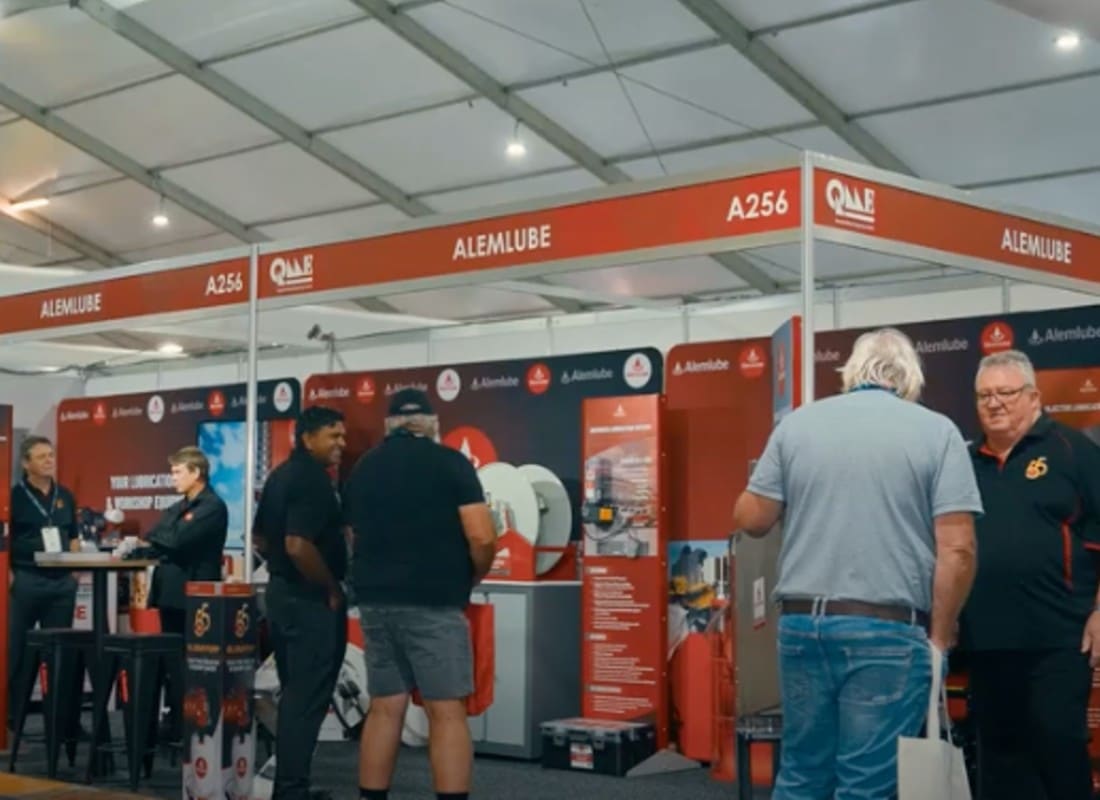
Alemlube marked its 57th year in operation by showcasing a full suite of lubrication, fluid transfer and workshop equipment solutions at the Queensland Mining Exhibition (QME) 2026 in Mackay. The stand featured centralised automatic lubrication systems for mobile plant, bulk fluid handling hardware for diesel and oils, and contamination-control products aimed at extending component life in haul trucks and fixed plant. For site engineers, the display signalled continued supplier depth in mine-wide lubrication management, from field service trucks to heavy-equipment bays.
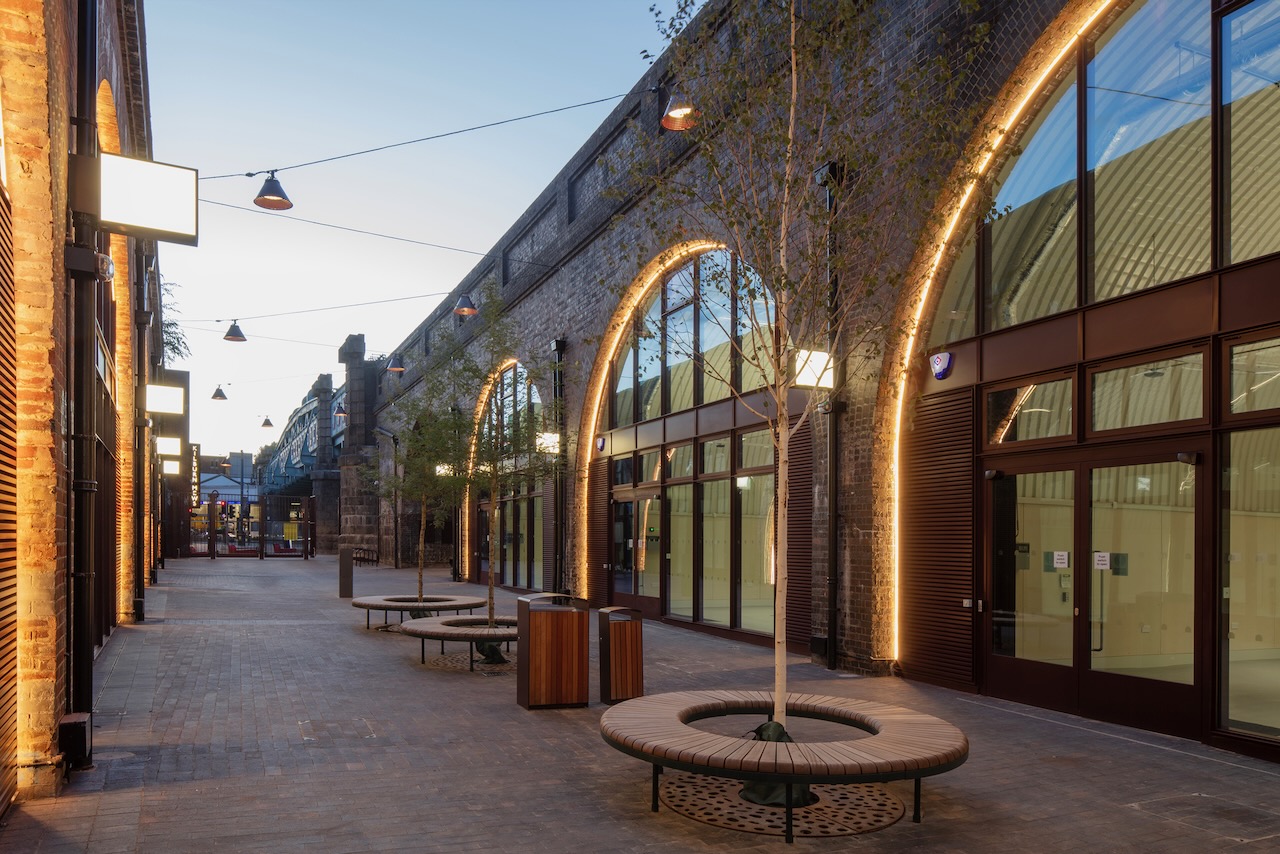
Morgan Sindall Construction has completed the Kilburn Mews project, remodelling 12 mid-19th century railway arches and adding two new retail units beneath three live rail lines for Places for London. Works involved stripping back to bare brick, controlled asbestos removal, installing new structural slabs, fully lined soffits and walls, and glazed façades supported on internal structural steel goalposts and frames to avoid fixings into the arches and limit additional loading. The scheme adds gas-free commercial units with air-source heat pumps, underfloor heating and a communal district system, plus a 76 m³ attenuation tank and tree‑linked local attenuation to manage stormwater and biodiversity.
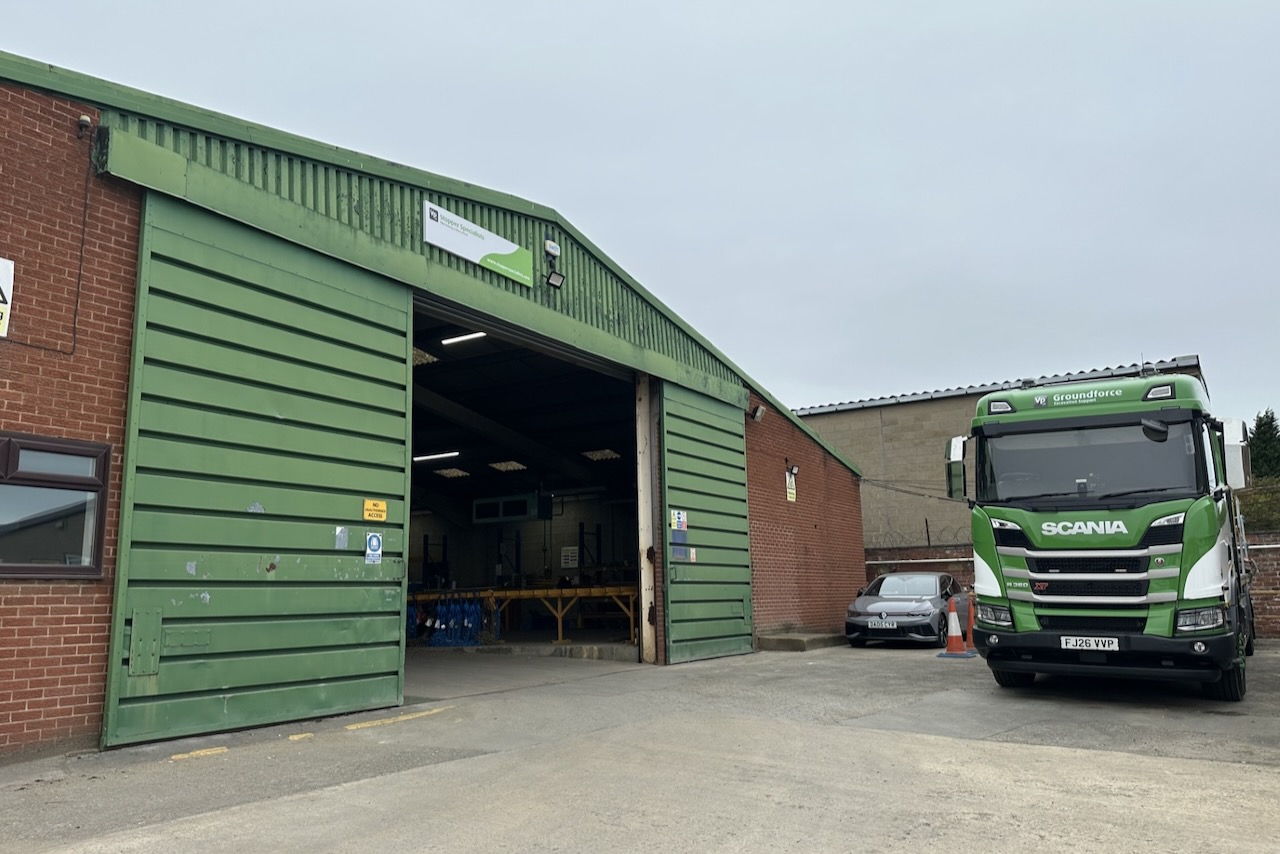
Vp Plc is opening a new Stopper Specialists depot in Morley, Leeds, on 1 October, colocated with Groundforce Shorco and Groundforce Bridge to create a single hub for flow control, pipe testing and temporary works support. Positioned near the M62/M621 junctions, the site will stock the full portfolio of pipe stoppers and pressure testing equipment, targeting faster delivery across Yorkshire and neighbouring regions. The depot complements existing locations in Darlington, Wigan, Glasgow and Lymington, tightening regional logistics for utility, civils and trenchless contractors.
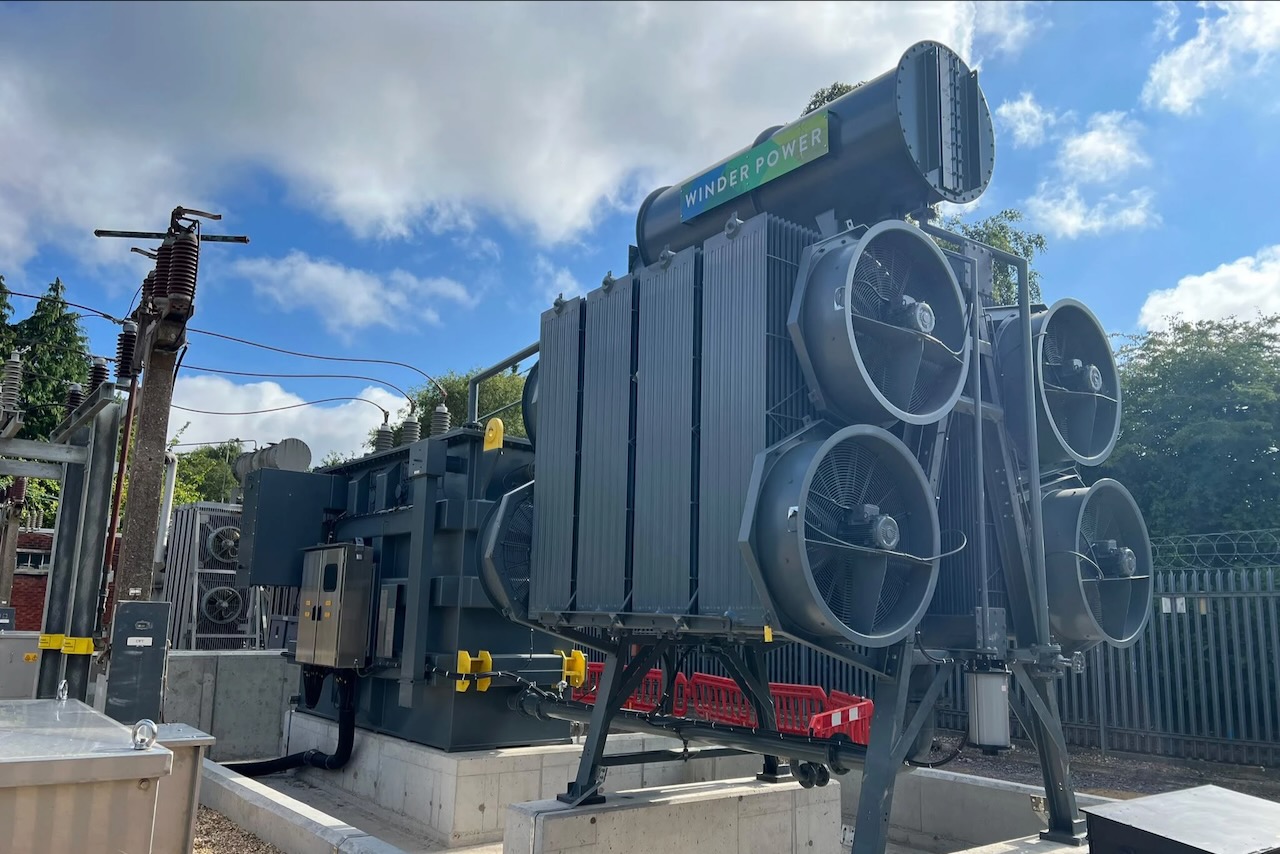
Aureos has acquired WhiteSpider, a 40+ person AI and IT specialist and Cisco partner, to integrate enterprise networking, sovereign AI and cyber security capabilities directly into critical infrastructure projects such as substation transformer installations. The deal brings WhiteSpider’s UK-controlled, on‑premise and cloud solutions, plus its existing accreditations and IP, inside Aureos rather than via partnership models. Infrastructure owners gain a single accountable supplier across OT and enterprise IT layers, with simplified contracts, supply chains and compliance for resilient, regulated operations.
WSP has acquired Hulley & Kirkwood, a 122-strong UK building services consultancy founded in 1953 with seven offices and a particularly strong Scottish footprint. Hulley & Kirkwood specialises in mechanical, electrical and public health (MEP) design across healthcare, defence, commercial, education and government projects, adding established NHS and MoD-facing capability to WSP’s portfolio. The deal materially expands WSP’s regional MEP design capacity in Scotland and across the UK, consolidating multidisciplinary delivery for complex building projects.
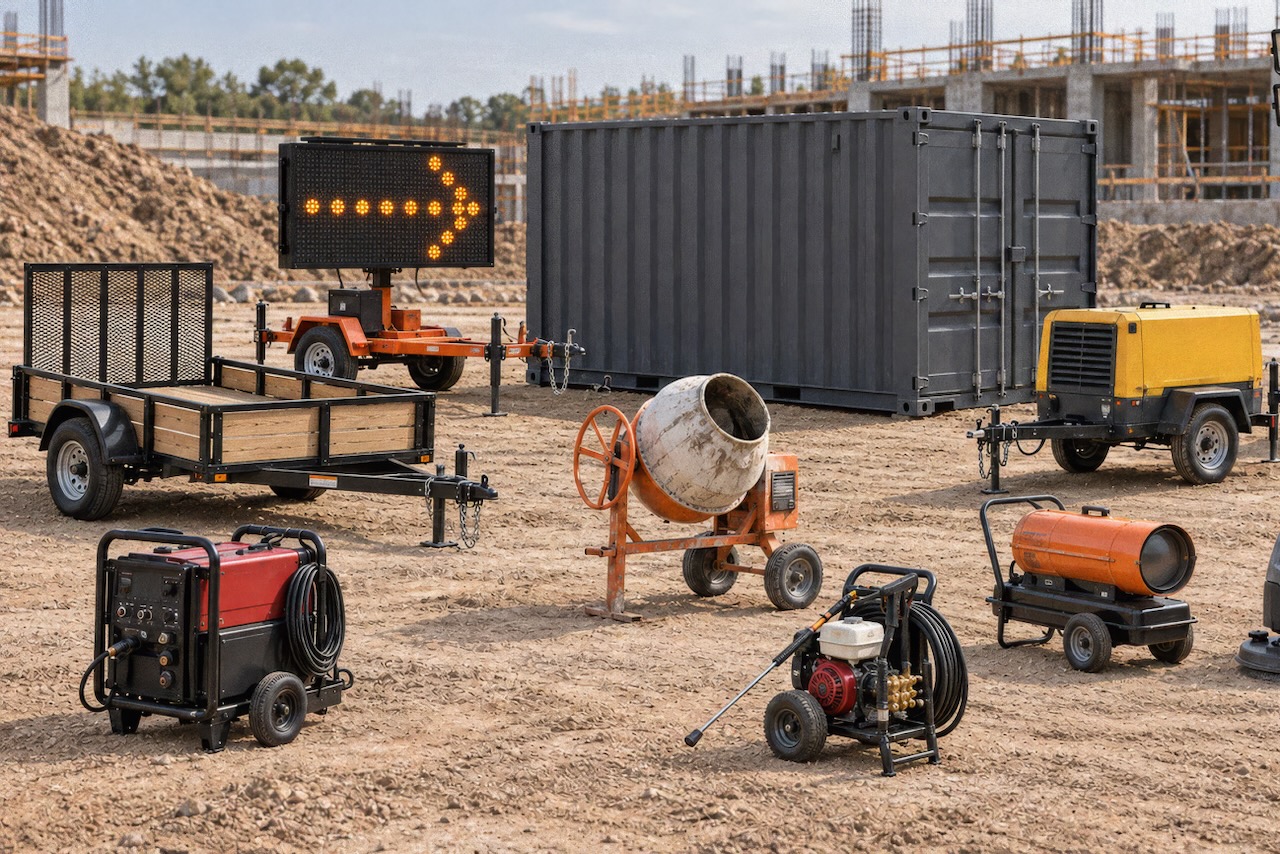
Trackunit has launched the battery-powered Spot S300 tracker to bring frequently moved unpowered assets – such as trailers, containers, portable heaters, welders and message boards – into the connected fleet without any wiring. The LTE Cat 1 bis device, operating on standard 4G networks, reports location typically four times per day, with adjustable frequency via Trackunit’s apps, and activates simply by peeling a sticker for near-instant reporting. Data from Spot S300 feeds directly into Trackunit Manager and the IrisX platform, allowing mixed powered/unpowered fleet dashboards and utilisation reporting.
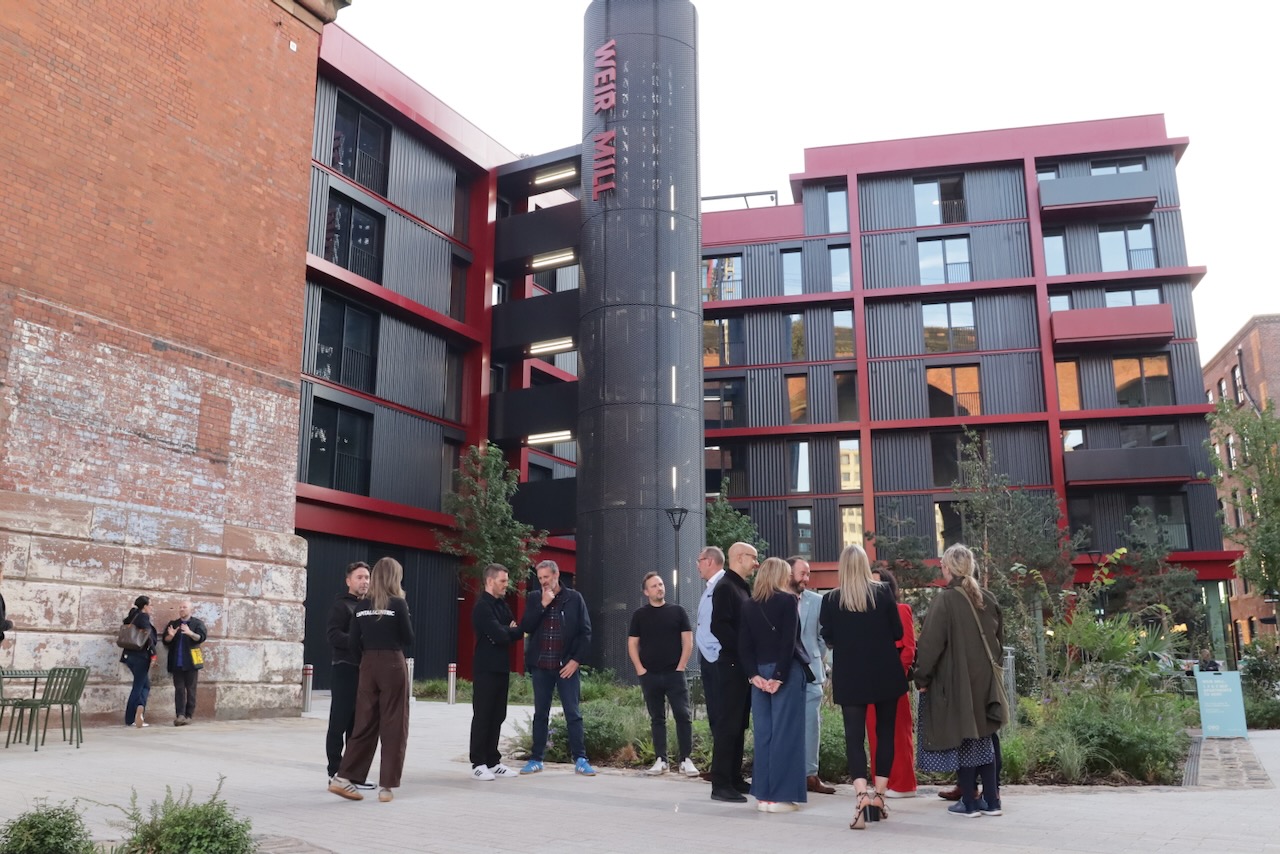
Capital&Centric has completed a £60m restoration of the Grade II listed Weir Mill in Stockport, converting the 1790 cotton mill into 253 rental homes and 20,000 sq ft of commercial space beside the River Mersey and the town’s brick viaduct. The scheme retains original brickwork, vaulted ceilings and cast-iron features, while adding new-build blocks with in-keeping design and 88 apartments within the heritage structure itself. Backed by Stockport Council, Homes England, GMCA and Historic England, the project forms part of Stockport MDC’s plan for 8,000 town-centre homes and 1m sq ft of employment space by 2040.