TerraLithium and BHE Renewables: geothermal lithium project lens for mine planners
Reviewed by Tom Sullivan
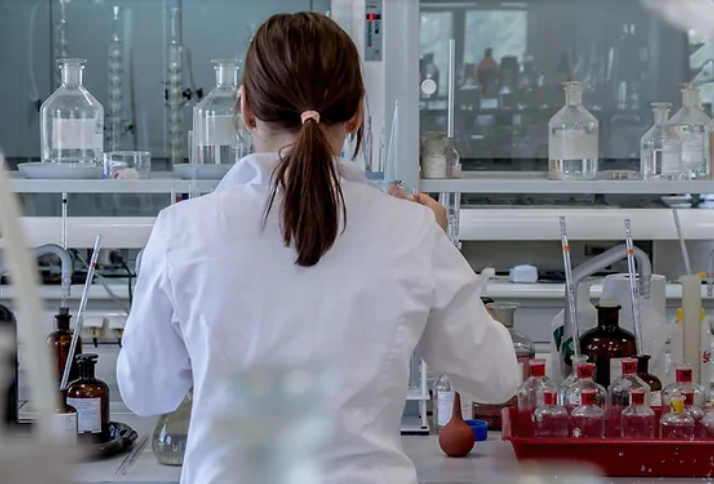
First reported on MINING.com
30 Second Briefing
TerraLithium, an Occidental subsidiary, and BHE Renewables have produced lithium chloride from geothermal brines at BHE’s Calipatria geothermal plant in California’s Imperial Valley and converted it to battery-grade lithium carbonate. The partners have also directly converted lithium chloride to lithium hydroxide using a commercial-scale electrolyser at TerraLithium’s Brawley R&D facility in the US’s second-largest geothermal field, validating high-purity output against commercial processing standards. BHE Renewables plans to build, own and operate full-scale lithium production facilities in Imperial County once technical and economic feasibility is proven.
Technical Brief
- Joint venture between TerraLithium (Occidental subsidiary) and BHE Renewables was formalised in 2024 to commercialise DLE.
- DLE feedstock is geothermal brine from BHE’s Calipatria plant in California’s Imperial Valley.
- TerraLithium’s downstream conversion and validation work is concentrated at its dedicated R&D facility in Brawley.
- Brawley sits within the US’s second-largest geothermal field, implying substantial long-term brine resource potential.
- A commercial-scale electrolyser unit is already deployed at Brawley, rather than bench or pilot scale.
- BHE Renewables intends to build, own and operate any future commercial lithium plants in Imperial County.
- The JV’s stated hurdle is proving both technical feasibility and economic viability of DLE at commercial scale.
Our Take
Within our 131 lithium-tagged pieces, very few involve geothermal brines in the United States, so the TerraLithium–BHE Renewables JV in California’s Imperial Valley sits in a relatively small cohort compared with the dominant hard-rock and salar-type projects.
Locating TerraLithium’s R&D facility in Brawley, in the second-largest geothermal field in the US, signals a push to prove direct lithium extraction at scale in a setting with long-term, steady brine throughput, which is strategically important for downstream products like lithium hydroxide and lithium metal used in lithium-ion supply chains.
The combination of lithium and rare earths such as terbium and dysprosium oxide in this Imperial County context suggests operators are already thinking about multi-commodity recovery from geothermal fluids, which could materially improve project economics if even partial co-extraction becomes viable.
Prepared by collating external sources, AI-assisted tools, and Geomechanics.io’s proprietary mining database, then reviewed for technical accuracy & edited by our geotechnical team.
Related Articles
Related Industries & Products
Mining
Geotechnical software solutions for mining operations including CMRR analysis, hydrogeological testing, and data management.
CMRR-io
Streamline coal mine roof stability assessments with our cloud-based CMRR software featuring automated calculations, multi-scenario analysis, and collaborative workflows.
HYDROGEO-io
Comprehensive hydrogeological testing platform for managing, analysing, and reporting on packer tests, lugeon values, and hydraulic conductivity assessments.
GEODB-io
Centralised geotechnical data management solution for storing, accessing, and analysing all your site investigation and material testing data.