Geomechanics, Streamlined.
© 2026 Geomechanics.io. All rights reserved.
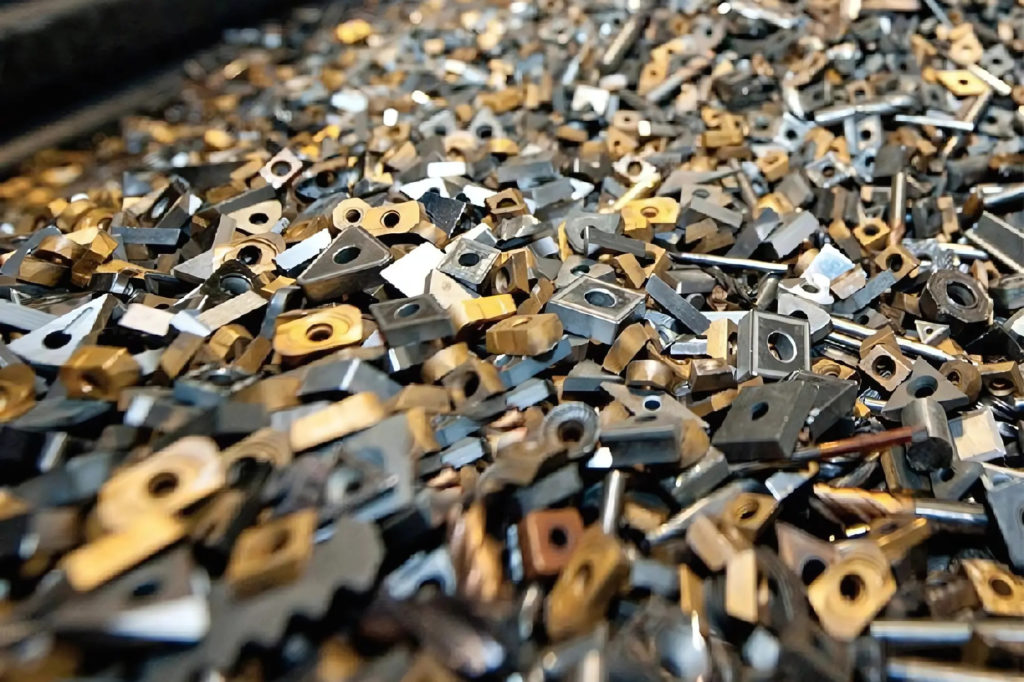
Chinese traders are driving a bidding war for US tungsten scrap, with Argus Media data showing scrap prices up 350% since May 2025, outpacing a 200% rise in tungsten metal and pushing ammonium paratungstate to record highs in late April. Dealers report offers at up to five times normal market prices as Chinese buyers bypass domestic recyclers and route material via recycling hubs in the Philippines, Taiwan, Vietnam and South Korea to circumvent China’s scrap import ban. The scramble comes amid Chinese export controls on tungsten products and US plans for up to $1.6 billion support for a Kazakhstan tungsten mine to diversify supply.
Epiroc has signed a global agreement with Ericsson to distribute LTE and 5G private network technology through Epiroc customer centres for both underground and surface mines. The deal packages Ericsson’s industrial-grade radio, core network and edge solutions with Epiroc’s digital and automation portfolio, targeting applications such as real-time fleet monitoring, remote drilling and autonomous haulage. For engineers, the move signals wider availability of carrier-grade wireless backbones to replace or supplement leaky-feeder, Wi-Fi and wired networks in harsh mining environments.
Eldorado Gold has produced first copper concentrate from its 100%-owned McIlvenna Bay project in east-central Saskatchewan, following completion of wet commissioning at the site’s processing plant. Acquired recently to bolster Eldorado’s Canadian operating platform, McIlvenna Bay transitions from construction to early operations with the concentrator now running under load. The move adds a base metals stream to Eldorado’s predominantly gold portfolio, signalling imminent ramp-up decisions on mine development, underground scheduling and long-term mill throughput planning.
Thyssen Mining has completed two 8 m diameter raise bore excavations at BHP’s Jansen potash mine in Saskatchewan, working with TRL Mining Construction LP to construct twin raises for an underground raw ore storage bin. The twin 8 m raises set a new raise bore record for Thyssen Mining and form the core vertical infrastructure for the bin system. The project signals growing confidence in large-diameter raise boring for bulk materials handling in deep potash operations.
Sandvik is investing in a new logistics hub at its Turku, Finland, factory for underground load and haul equipment, relocating key warehousing and materials-handling operations directly adjacent to production lines. The hub will replace parts of the current off-site logistics flow to cut internal transport distances and support shorter factory lead times for loaders and trucks such as the LH and TH series. For mine operators, the move signals a push for faster parts availability and more predictable delivery schedules for new fleets and rebuilds.
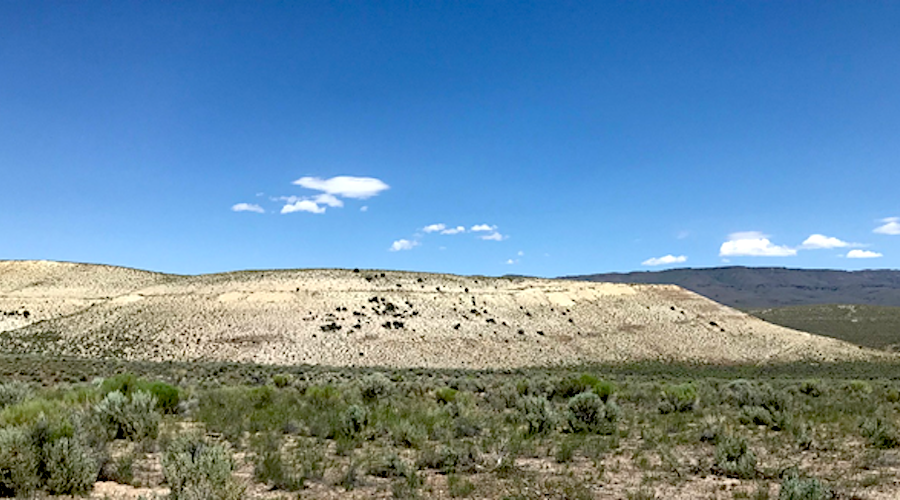
Jindalee Lithium will spin out its US assets into Nasdaq-bound US Elemental via a merger with a US-listed SPAC, retaining about 80% ownership and targeting a Q3–Q4 2026 listing as work accelerates at the McDermitt lithium project on the Oregon–Nevada border. A 2024 pre-feasibility study for McDermitt, one of the two largest known US lithium resources alongside Thacker Pass, outlined a 60+ year mine life from only part of the resource, with in-fill drilling and a full feasibility study scheduled for 2026–27. McDermitt’s inclusion in the FAST-41 federal permitting programme aims to secure key permits by end-2028, positioning the project ahead of many peers while remaining insulated from current construction cost spikes.
Codelco’s El Teniente Division has secured both The Copper Mark and The Molybdenum Mark after a rigorous independent on-site assessment of its responsible production practices. The international assurance process verified that El Teniente’s policies and operational controls meet high environmental, social and governance criteria, including responsible mineral value chain management. For engineers and project teams, the dual certification signals that future brownfield expansions, tailings management and underground operations at this major Chilean copper–molybdenum complex will be scrutinised against these ESG benchmarks.
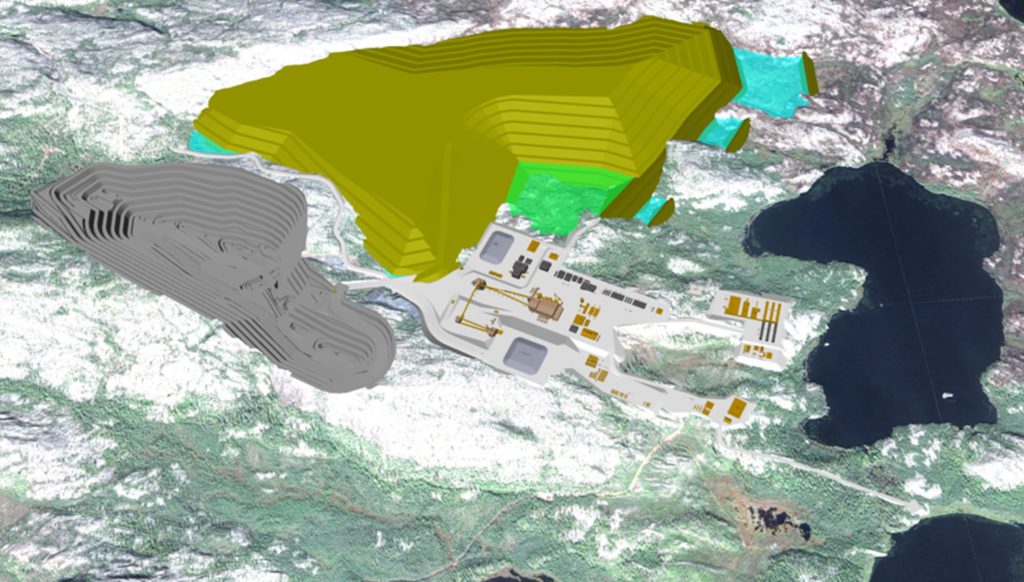
Fortune Minerals plans to release an updated feasibility study next month for its Nico cobalt-gold-bismuth-copper project in Tłı̨chǫ territory, targeting 2027 construction on a 20-year mine producing about 8,780 t/y cobalt sulphate, 47,000 oz/y gold, 1,700 t/y bismuth products and 500 t/y copper cement. The 33.1 Mt reserve (0.11% Co, 1.03 g/t Au, 0.14% Bi, 0.04% Cu) previously carried a C$589 million capex, now estimated by the company at roughly C$1 billion, with concentrate trucked 400 km to rail at Enterprise then 1,000 km to an Alberta hydromet plant. Fortune has secured over C$17.5 million in non-dilutive funding, applied for up to $50 million for a 50-km spur road, and is leveraging bismuth supply risk after China’s export curbs pushed prices from about $7/lb to above $20/lb.
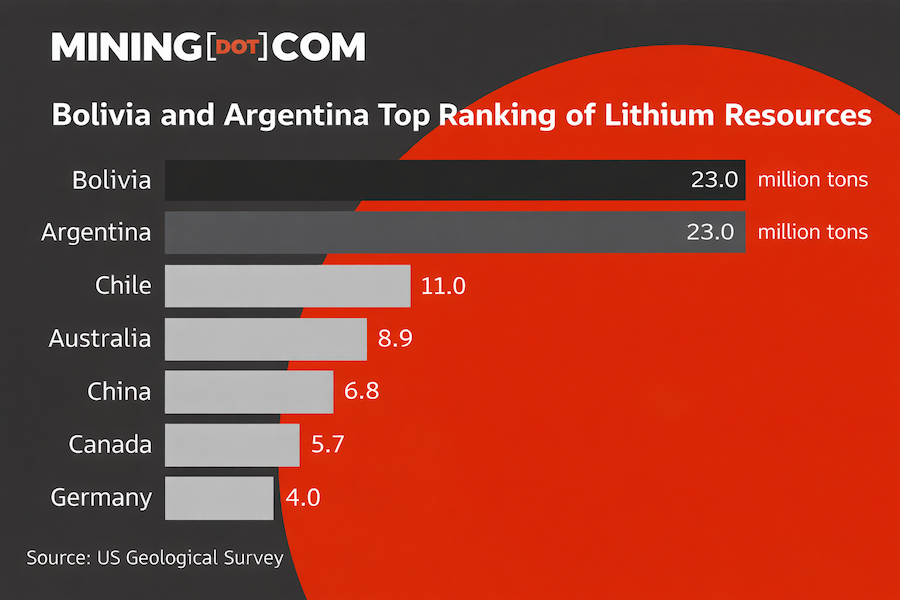
Bolivian President Rodrigo Paz’s proposed “state of exception” law, following Law 1732 and 36 days of nationwide protests with more than 90 road blockades across eight regions, injects fresh political and security risk into development of the Salar de Uyuni and other world-class lithium resources. Expanded military powers to clear transport corridors for food, fuel and medical supplies raise the prospect of violent confrontation with peasant organisations, labour unions and the Bolivian Workers’ Union. For lithium developers, OEMs and battery makers, the standoff threatens timelines and investment appetite in one of the largest yet least-developed brine provinces.
Botswana is courting sovereign wealth funding from the UAE and Oman to help buy a controlling stake in De Beers as Anglo American advances the sale of its 85% holding, having written the business down to $2.3 billion. President Duma Boko has also opened talks with Namibia and Angola, leveraging Botswana’s existing 15% De Beers stake and pre-emptive rights over Anglo’s shares. With diamonds providing about 80% of exports and roughly 25% of GDP, the move responds to price weakness, Chinese demand slowdown, lab-grown competition and a recent S&P credit downgrade.
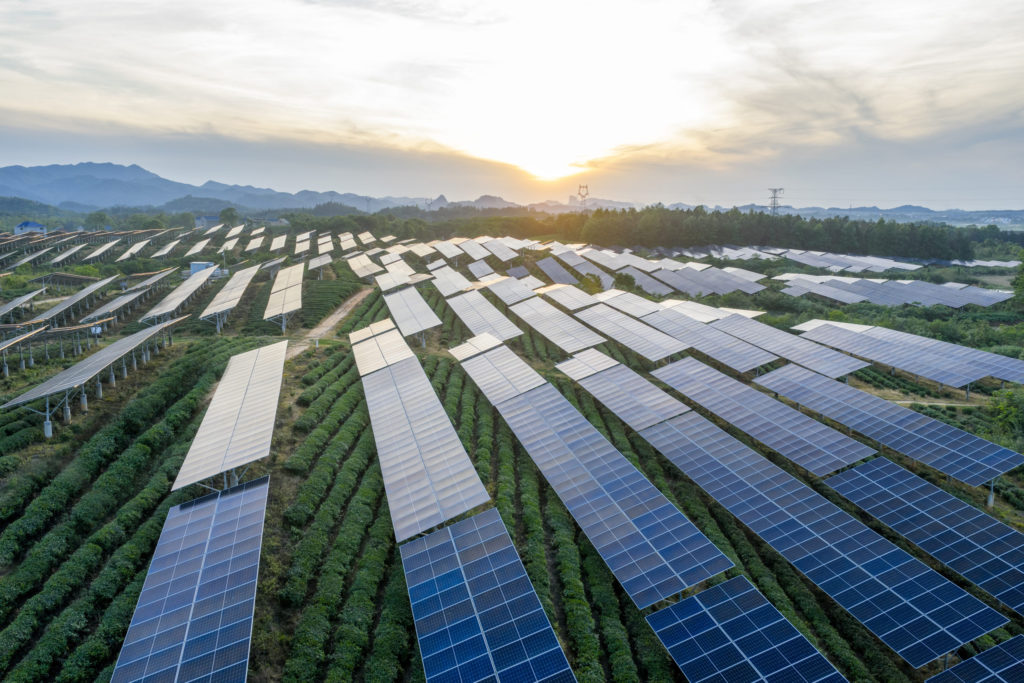
Silver demand is set to outstrip supply for a sixth straight year, with the Silver Institute’s World Silver Survey 2026 projecting a 46.3-million oz. deficit after prices briefly spiked above US$120/oz in January from US$30/oz a year earlier. Photovoltaic silver use fell 6% in 2025 to 186.6 million oz. and is forecast to drop a further 19% to about 151 million oz. in 2026 as manufacturers adopt TOPCon cells, zero-busbar layouts and ultra-fine printing to push loadings below 5 mg/W by 2027. Analysts warn that even 10–20% thrifting and potential copper substitution cannot fully offset demand from solar, grid expansion, automotive and AI-driven power loads, so miners should plan around structurally tight silver markets rather than a simple linear link to installed PV capacity.
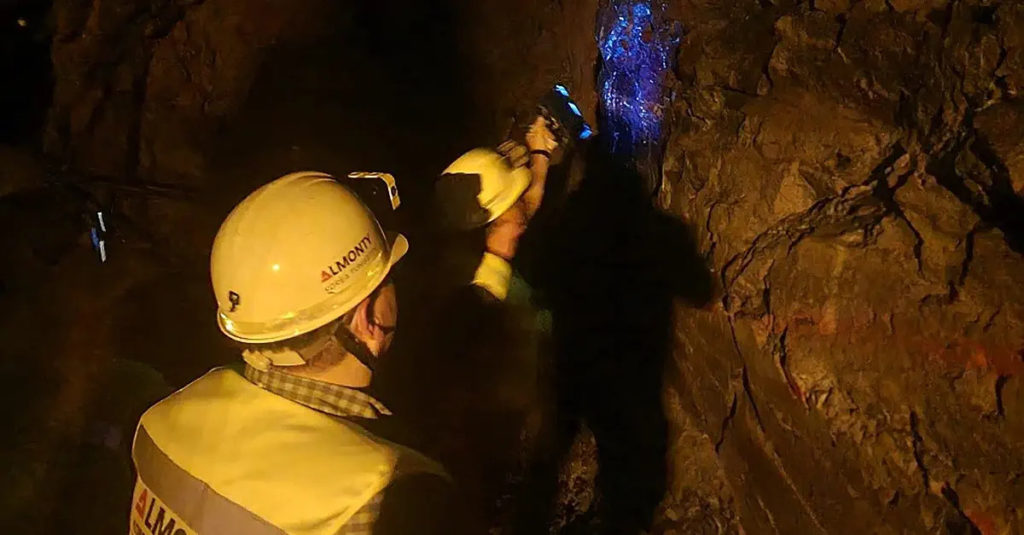
Tungsten producer Almonty Industries is issuing US$700 million of 2.25% senior convertible notes, convertible at US$27.40 per share with a capped call at US$41.36, to fund about US$543 million of working capital plus US$50 million of debt refinancing, causing an 18% share price drop to roughly US$17.20. The notes, offered to qualified institutional buyers and settling on 9 June 2026, include an option for a further US$100 million. Funding supports ramp-up at the Sangdong mine in South Korea, where a 640,000 t/y plant targets 2,300 t/y tungsten concentrate, with Phase 2 aiming for 1.2 Mt/y and 4,600 t/y output.
Central banks returned to net gold buying in April, adding 17 tonnes to reserves after March’s net sales, with bullion trading near record highs at about $4,390/oz, according to the World Gold Council. Poland and China led purchases with 14 tonnes and 8 tonnes respectively, while the Czech Republic added 3 tonnes in its 38th consecutive monthly buy and Russia and Uzbekistan sold 6 tonnes and 1 tonne. Emerging-market banks in Eastern Europe and Asia have averaged 29 tonnes of net monthly purchases over the past three years, signalling persistent official-sector demand for mined gold.
Gold fell as much as 3.5% to $4,315/oz, its lowest since March, erasing 2026 gains after a strong US May nonfarm payrolls print pushed Treasury yields and the dollar higher and lifted Fed rate hike odds. US gold futures dropped over 3.2% to $4,342/oz, with CME FedWatch now pricing about a 68% chance of a December hike versus roughly 50% pre-data. Since the Iran war began and the Strait of Hormuz closure drove energy prices up, bullion has slid nearly 18%, raising the cost of carry for non-yielding gold.
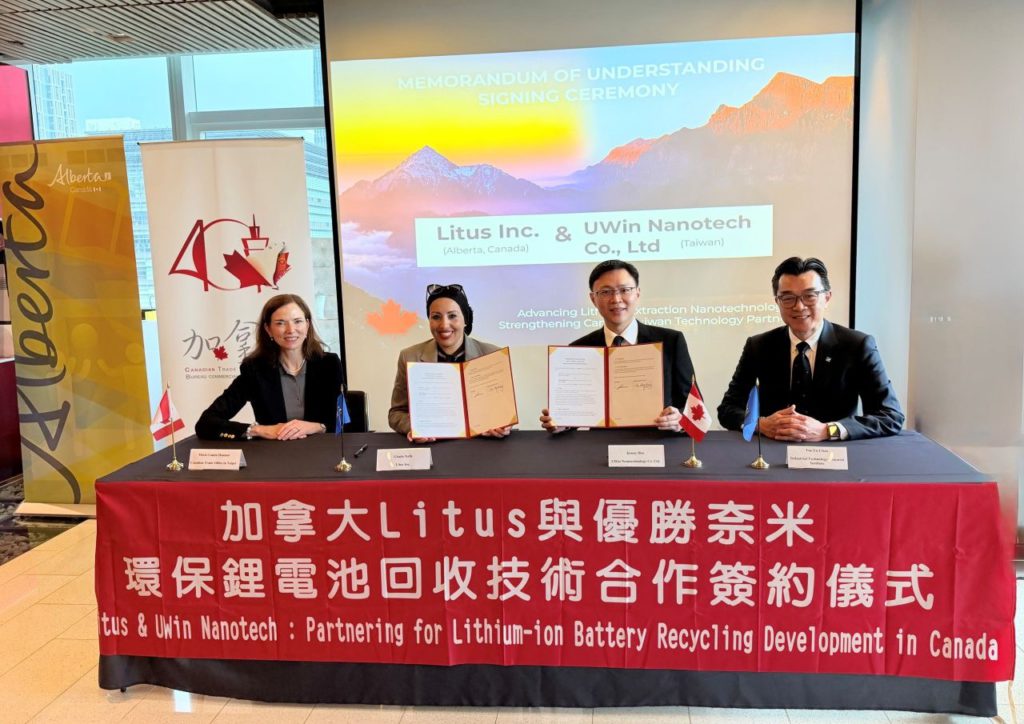
Calgary-based Litus has signed a 25 May memorandum of understanding with Taiwan’s UWin Nanotech to jointly develop selective extraction, separation, recovery and purification flowsheets for cobalt, lithium, nickel and other elements from battery recycling and other secondary sources. The collaboration will combine Litus’ LiNC one-step direct lithium extraction platform for low- and high-concentration brines and its ReLiGN battery recycling process with UWin’s hydrometallurgical systems used in Apple-certified e‑waste and Li-ion recycling. Engineers should watch for integrated nanomaterial–hydromet circuits targeting both critical minerals and rare earth elements in circular supply chains.
MMD used The Electric Mine 2026 conference in Lisbon to detail its acquisition of global rights to an intelligent material handling system designed to integrate in-pit crushing, conveying and truck haulage. The company is positioning the technology for fully mobile and semi-mobile IPCC layouts, targeting higher throughput and lower energy use than conventional truck-only haulage, particularly in deep open pits. For mine planners and geotechnical teams, the approach implies earlier commitment to fixed crusher locations, re-profiled ramp geometries and tighter control of bench stability around conveyor corridors.
PLS has commissioned Australia’s first mine-site lithium mid-stream processing facility at its Pilgangoora Operation in Western Australia, with Premier Roger Cook officiating the opening, marking a shift from exporting raw spodumene concentrate towards higher-value battery materials. The Mid-Stream Demonstration Plant is integrated directly with the existing open-pit and concentrator complex, enabling on-site conversion steps that are normally performed at distant chemical refineries. For mine planners and process engineers, this signals growing interest in co-locating beneficiation and mid-stream refining to cut logistics, reduce intermediate handling and tighten quality control.
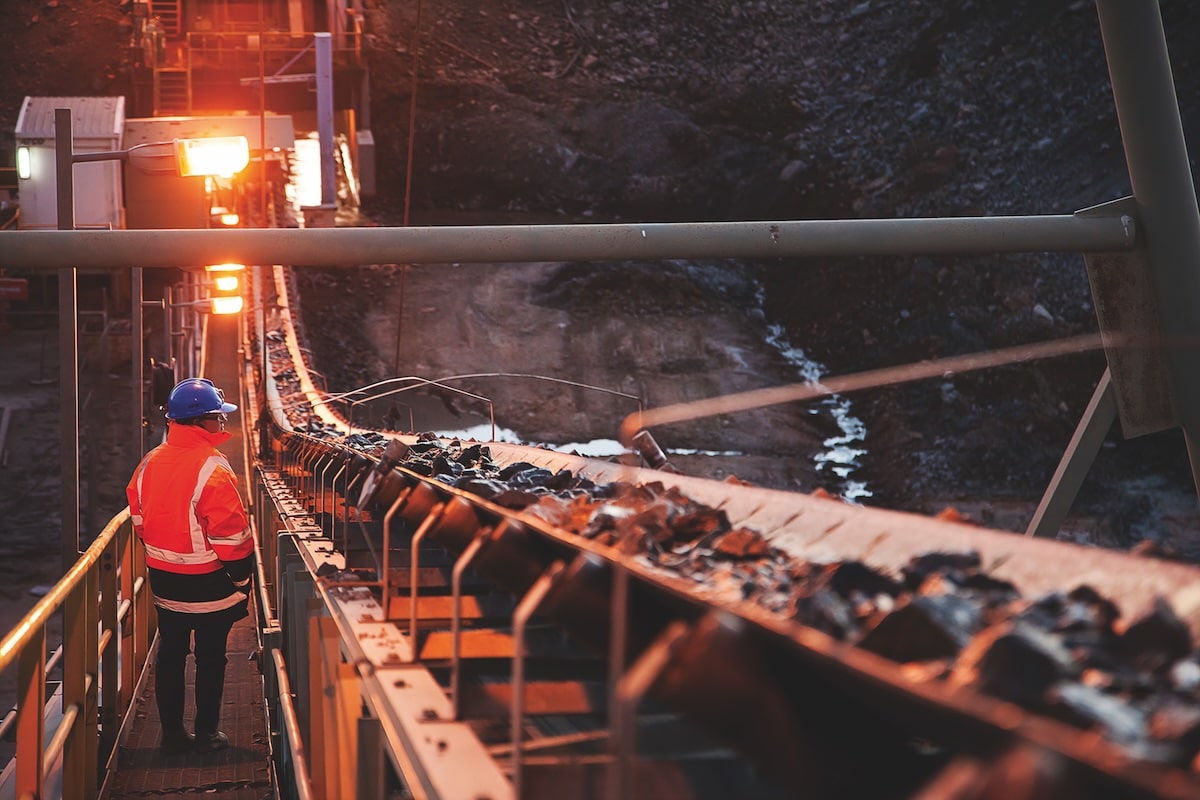
Boton is deepening conveyor technology collaboration with BHP and Hancock Iron Ore, hosting senior delegations at its Wuxi headquarters to review performance of its high-wear belt materials and advanced splice designs on large iron ore overland systems. Discussions reportedly centred on extending belt life in abrasive Pilbara ores, optimising idler spacing and troughing angles for higher tonne-per-hour capacities, and integrating condition monitoring for early detection of misalignment and shell wear. For mine operators, the work signals continued incremental gains in conveyor availability and reduced maintenance shutdown frequency on long-haul ore routes.
Weichai-controlled LOVOL Heavy Industry has delivered its first FR2000F hydraulic mining excavator, a 212 t class machine, to an open-pit mine customer in China. The FR2000F is powered by a Weichai 12M33 low-speed, high-torque, fully electronically controlled engine with quad-turbocharging and an advanced modular design, aimed at high-load, continuous mining duty. The 200 t class size positions it for pairing with ultra-class haul trucks, potentially altering fleet configurations and loading cycle times on large benches.
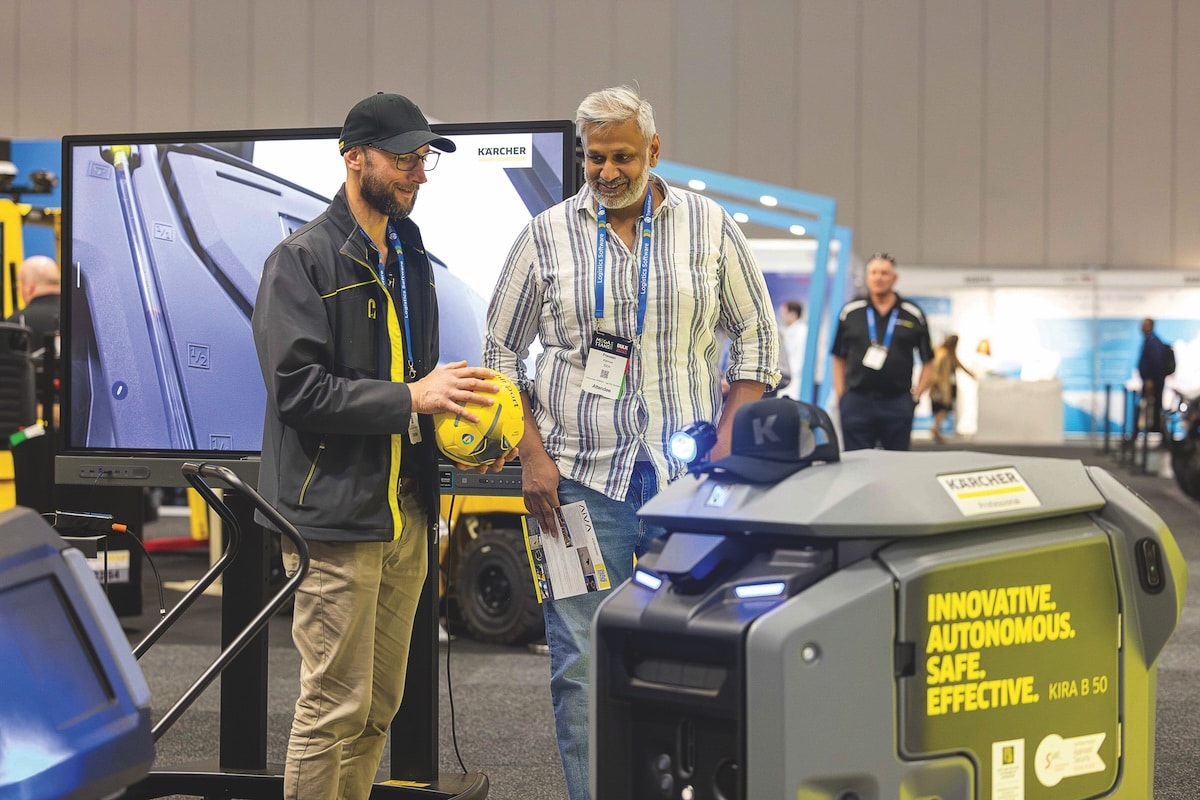
BULK2026 in Melbourne will focus on protecting productivity, safety and material integrity across the bulk handling chain, from flow control equipment to large-scale storage such as silos, stockpiles and export terminals. Technical sessions are expected to cover dust and spillage control, belt conveyor reliability, chute design, and condition monitoring for increasingly long, high-capacity conveyor systems. For mining engineers, the event signals growing emphasis on managing fire, explosion and structural risks in larger, more complex bulk handling plants rather than just maximising throughput.
Fresh international demand, tightening energy markets and rapid data centre expansion are giving Australia’s thermal and metallurgical coal sector renewed momentum, with India emerging as a key growth market. Energy security concerns in Asia are supporting long-term offtake for high‑CV thermal coal from Queensland and New South Wales, while steel demand keeps coking coal exports competitive against alternative suppliers. For mine planners and infrastructure owners, the signals point to sustained port throughput, rail capacity utilisation and potential brownfield mine life extensions rather than rapid phase‑out.
Aureka has defined multiple new high-priority gold exploration targets at its 100 per cent-owned Irvine project in Victoria’s Stawell Corridor after completing an airborne magnetic geophysical survey. The higher-resolution magnetic dataset sharpens imaging of subsurface structures, enabling more precise interpretation of the structural architecture that controls mineralisation along strike from the Stawell and Magdala gold systems. This will guide follow-up drilling and ground geophysics, concentrating spend on structurally focused targets rather than broad, reconnaissance-style drilling.
Queensland has launched Australia’s largest high‑resolution airborne gravity survey, a project of up to $4 million covering 40,000km north of Mount Isa to pinpoint new critical minerals targets. Flown in partnership with Geoscience Australia, the survey will capture detailed gravity data over the North-West Minerals Province, improving subsurface models beyond existing magnetics and radiometrics. For explorers, the dataset should sharpen drill targeting for commodities such as copper, rare earths and vanadium in structurally complex basement terranes.
Lynas Rare Earths has appointed chief operating officer Pol Le Roux as interim chief executive officer, effective when long‑serving CEO Amanda Lacaze retires later this month. Le Roux currently oversees Lynas’ processing operations in Malaysia and Western Australia, including plant performance, supply chain and major project delivery across its rare earths value chain. The leadership change comes as Lynas advances capacity expansions and process upgrades at its WA mining and concentration assets and downstream cracking and separation facilities in Kuantan.