Geomechanics, Streamlined.
© 2026 Geomechanics.io. All rights reserved.
SANY has shipped 50 SKT145E autonomous pure battery wide body mining trucks to a surface coal operation in Inner Mongolia, pairing them with an in‑house autonomous haulage system rather than a third‑party AHS provider. The SKT145E trucks, already proven in unmanned operation at multiple Chinese coal and aggregate sites, use swappable battery packs and high‑precision positioning for fully driverless haulage on fixed routes. For mine planners and geotechs, the deployment signals continued standardisation around wide body truck haul roads, consistent ramp geometry and controlled dump‑point design to support large‑scale autonomy.
Baffinland Iron Mines has secured immediate access to a $110 million loan and a court-approved extension of creditor protection to 28 August, allowing the Mary River operation on northern Baffin Island to keep mining, shipping and port activities running while it restructures more than $1 billion in debt. The Ontario Superior Court will rule on 30 June whether Baffinland can retain its existing $400 million debtor-in-possession facility from Export Development Canada, which matures in 12 months with a possible six-month extension. A court monitor reports current cash of $21.2 million and a projected cash burn of about $217 million to late August, with an additional supplier charge of up to $100 million aimed at stabilising contractors and critical services.
Sandvik Rock Processing is supplying the first Sandvik CH662 cone crushers to a platinum project in South Africa’s Limpopo province, extending the established CH660 platform with upgraded mechanics and digital control. The CH662 units add higher throughput capacity and improved reliability through redesigned components and condition-monitoring systems, aimed at tighter control of product size and reduced unplanned downtime. For process engineers, the move signals further adoption of sensor-rich, remotely optimisable crushing circuits in Southern African PGM operations.
Caterpillar has signed a strategic agreement with MicroVision to integrate its 3D digital LiDAR sensors into autonomous haulage system (AHS) mining trucks, aiming to improve onboard perception for obstacle recognition and self‑rerouting. The LiDAR will support trucks operating in mixed autonomous and manned fleets, where precise detection of light vehicles, berms and windrows is critical to avoid production‑disrupting stops. For mine planners and automation teams, the move signals continued migration from infrastructure‑dependent guidance (beacons, reflectors) towards vehicle‑centric sensing and decision‑making.
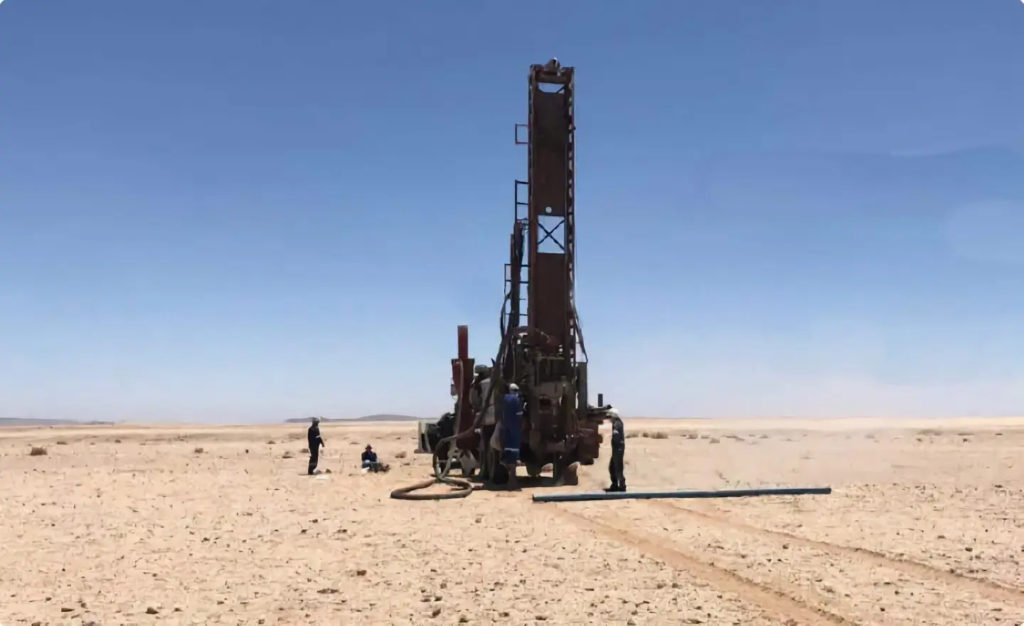
Marenica’s uranium resource in Namibia has been increased by 35% to 134.5 million tonnes at 180 ppm U3O8 for 52.8 million lb., giving Elevate Uranium a total Namibian inventory of 129 million lb. across Marenica and the 76.2-million-lb. Koppies project. The calcrete-hosted portion now accounts for 98.6 million tonnes and 38.6 million lb., defined from 3,874 mainly shallow RC holes totalling 89,850 m, with mineralisation thickening eastwards in a palaeochannel system. Elevate is running bulk samples through its Namibian pilot plant to validate its U-pgrade process, which bench tests suggest can pre-reject most waste and roughly halve processing costs.
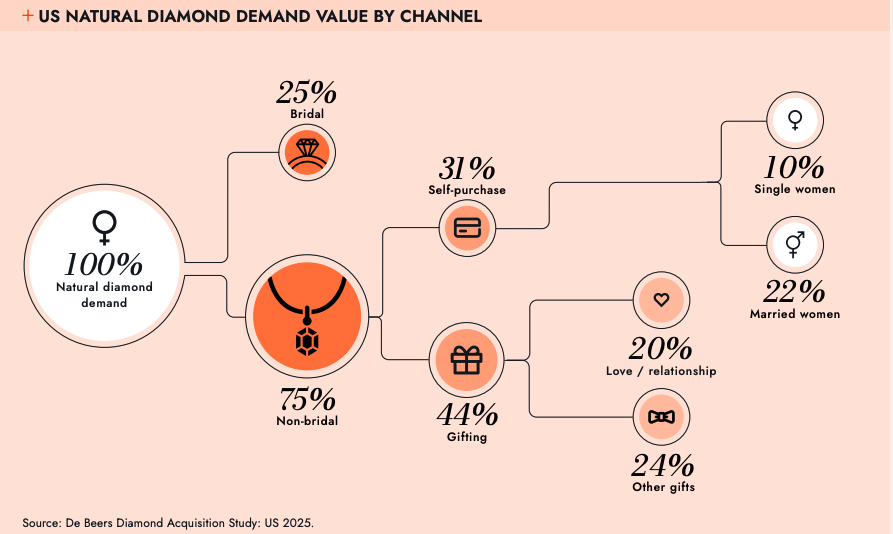
Gen Z buyers are driving a rebound in US natural diamond demand, accounting for 23% of value while only 18% of the population, with average spend per purchase of $4,080 versus $2,250 for Baby Boomers and average stone sizes rising to 1.86 carats. De Beers’ data from 950 independent US jewellers show natural diamonds still command 85% of diamond jewellery sales value, despite lab-grown competition and total natural supply falling towards 90 million carats, the lowest since 1987. For Botswana, Angola, Namibia, South Africa and Lesotho, stabilising US demand and the Luanda Accord’s 1% rough-revenue marketing fund could support mine revenues and rough prices after several weak years.
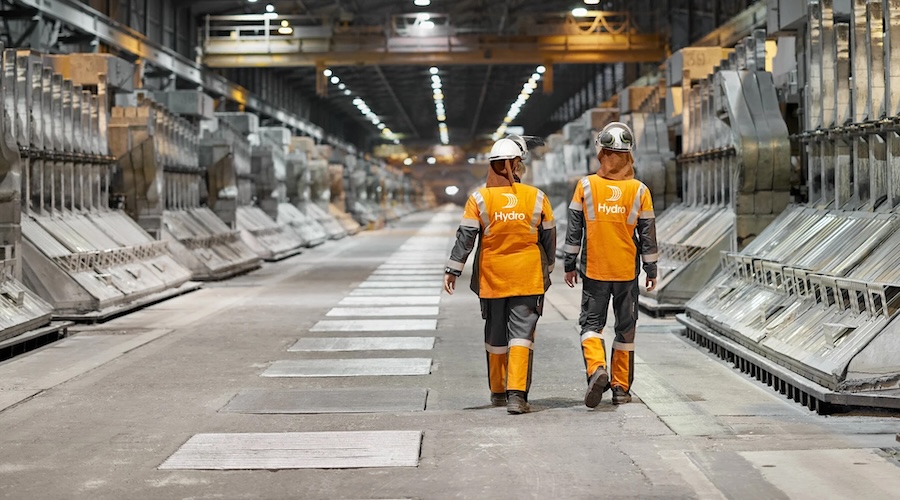
Norsk Hydro has declared a second force majeure on aluminium sales after its 648,000‑tonnes‑per‑year Qatalum smelter in Qatar, jointly owned with Qatar Aluminum Manufacturing Co. (Qamco), terminated Hydro’s long-standing metal marketing agreement and said it will not deliver under existing contracts. The move follows war-related gas disruptions in March that forced Qatalum to shut down and later restart at only about 60% capacity, with the original force majeure still in place. Hydro now warns it may be unable to honour contractual deliveries even if operating conditions improve, adding fresh uncertainty to Western aluminium supply chains.
Triple Flag Precious Metals is paying $440 million in cash for a gold stream over Queensland’s Ravenswood open-pit mine, giving it rights to 5.5% of payable gold, stepping down to 3.75% after 194,200 oz and 2.5% after 253,000 oz, with deliveries priced at 10–20% of spot. The 8.6 Mtpa operation, owned by EMR Capital and Golden Energy and Resources, produced 134,000 oz in 2025 and is targeted to exceed 200,000 oz by 2028 following upgrades. The stream, covering 1,800 km² of exploration licences including Buck Reef West and Sarsfield-Nolans, lifts Triple Flag’s 2030 outlook to 150,000–160,000 GEOs.
China’s gold market cooled sharply in May as domestic gold ETFs saw RMB8.2 billion (£0.9bn) of net outflows, ending an eight‑month inflow streak, and Shanghai Gold Exchange withdrawals dropped to 64 tonnes, the weakest May since 2010. The Shanghai Gold Benchmark Price PM fell 2.7% versus a 1.4% decline in the LBMA Gold Price PM, with a stronger renminbi, buoyant Chinese equities and strained jewellery affordability all diverting capital from bullion. In contrast, the People’s Bank of China added 10 tonnes, lifting official reserves to 2,332 tonnes, while net gold imports reached 157 tonnes in April.
Hertha Metals will break ground this summer on a Conroe, Texas plant to produce 10,000 tonnes per year of high-purity iron for neodymium-iron-boron magnets, using its FLEXHERS (Flexible Fuel Hydrogen Electric Reduction Smelting) process that couples an electric arc furnace with natural gas or hydrogen. The startup already runs a one-tonne-per-day pilot using Minnesota ore and plans to scale to roughly 500,000 tonnes per year within four to five years, targeting both magnet and electrical steel markets. With 90% of current high-purity iron output in China and a US DoD ban on Chinese-origin rare earth magnets taking effect on 1 January 2027, the project directly targets a looming supply-chain gap.
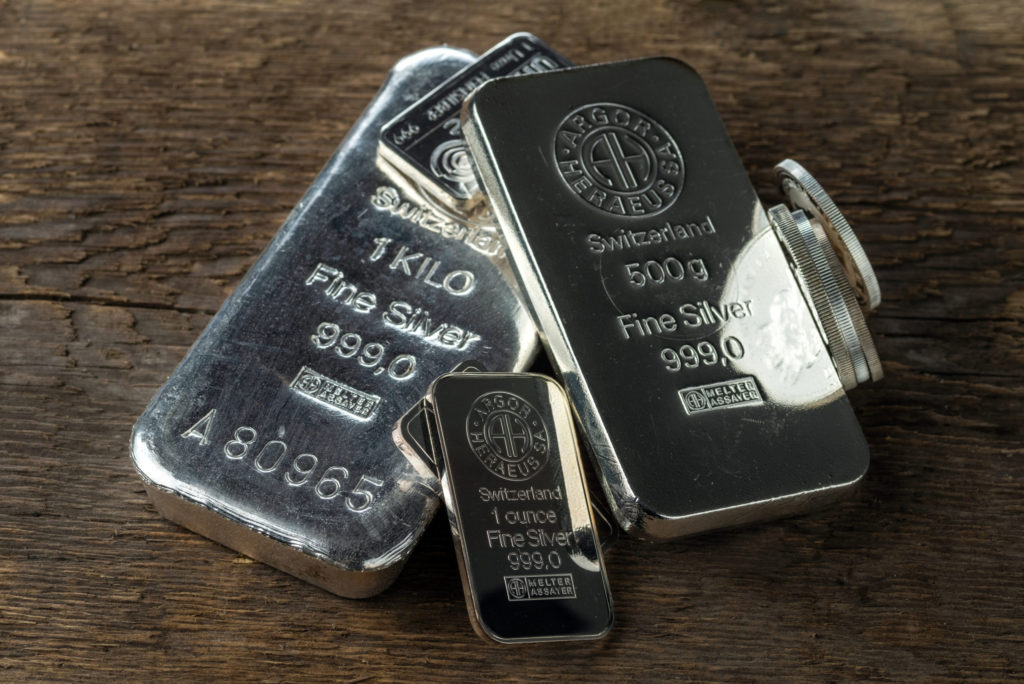
Silver inventories at COMEX and London have fallen sharply from pandemic-era peaks – COMEX registered stocks are down more than 75% to about 79.9 million oz., while LBMA vaults hold 27,454 tonnes (≈883 million oz.), 20% below their 2021 record – yet analysts argue this does not prove a structural shortage. The World Silver Survey 2026 projects a 46.3 million oz. deficit and estimates 762 million oz. drawn from above-ground stocks since 2021, but CPM Group stresses that investment flows, working inventories and scrap – including “billions of ounces” in jewellery and electronics – can rapidly re-enter the market.
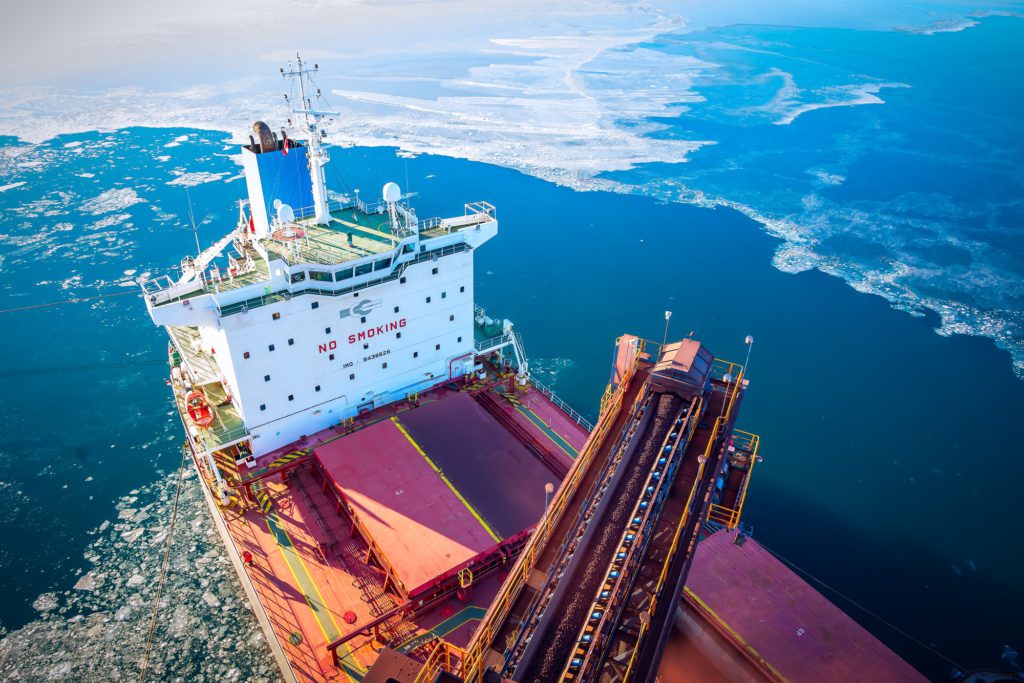
Depletion of high-grade deposits, declining ore grades and sustained high commodity prices are pushing miners towards frontier resources in the Arctic, on abyssal plains and eventually in space. Capital is already moving into Arctic projects targeting onshore and offshore deposits in ice-affected conditions, while proposed deep-sea mining of polymetallic nodules on abyssal plains faces an intensifying regulatory battle at the International Seabed Authority. Asteroid mining remains a long-dated, largely conceptual option, but is shaping early research into in-situ resource utilisation, autonomous extraction systems and ultra-remote operations.
Codelco has signed a collaboration agreement with French research institute CEA-Liten (Laboratory for Innovation in New Energy Technologies and Nanomaterials) to develop technologies for electrifying underground mining fleets across its Chilean operations. The partnership will focus on powertrain electrification, high‑density battery systems and charging strategies suited to deep, high‑altitude block cave and panel cave mines, where ventilation demand and heat load are critical constraints. Outcomes are expected to inform future specifications for electric LHDs, trucks and support equipment, with direct implications for mine power distribution, ramp design and ventilation sizing.
Komatsu has opened a new Surface Haulage Headquarters and Customer Experience Center in Peoria, Illinois, consolidating engineering and support for its large mining truck and haulage product lines. The facility is positioned as a hub for surface mining haulage solutions, bringing together design, testing and customer interface functions that were previously distributed across multiple sites. A ceremonial tree planting at the opening signalled a focus on sustainable growth, with the campus intended to support future development of lower-emission haulage technologies.
FLSmidth has launched the KREBS® OSA, an online particle size analyser that measures particle size distribution continuously and in real time directly in the process stream, rather than via manual sampling and lab assays. Installed on the grinding circuit, the unit gives immediate feedback on mill and cyclone performance, allowing operators to adjust variables such as feed rate, water addition and classification cut size without waiting for batch results. For plant metallurgists, this supports tighter control of grind size, more stable circulating loads and reduced risk of off-spec flotation feed.
PYBAR, a Thiess company, has secured new underground development contracts at Southern Cross Gold’s Sunday Creek gold‑antimony project and Agnico Eagle’s Fosterville gold mine in Victoria, plus a contract extension at MMG’s Rosebery polymetallic mine in Tasmania. The work packages centre on decline and level development, ground support installation and associated services for high‑grade narrow‑vein orebodies, including gold‑antimony and zinc‑lead‑copper mineralisation. For geotechnical and mining teams, the awards signal continued demand for specialist underground contractors capable of managing complex ground conditions in mature brownfield mines and emerging critical minerals projects.
Hägglunds has introduced the CA280 radial piston hydraulic motor from Bosch Rexroth as a compact, high-torque drive for heavy-duty mining duties where envelope and mass are constrained, such as mobile crushers, apron feeders and belt drives. The CA280 extends the existing CA series architecture, retaining the same low-speed, high-torque behaviour and direct-drive capability while reducing overall package size compared with larger Hägglunds CB and CBM units. For designers, the motor targets retrofits on crowded structures and frames, enabling higher installed power without major steelwork or gearbox changes.
BHP has signed a Global Framework Agreement with Chinese conveyor specialist BOTON to co-develop intelligent conveyor systems and support lower-carbon operations across BHP’s global portfolio. The deal extends BOTON’s role from supplying conveyor products to joint work on technology development, sustainability initiatives and lifecycle support, including global service coverage for existing and future installations. For mine planners and maintenance teams, this signals more integrated conveyor design, condition monitoring and energy-optimised materials handling solutions being trialled at BHP sites.
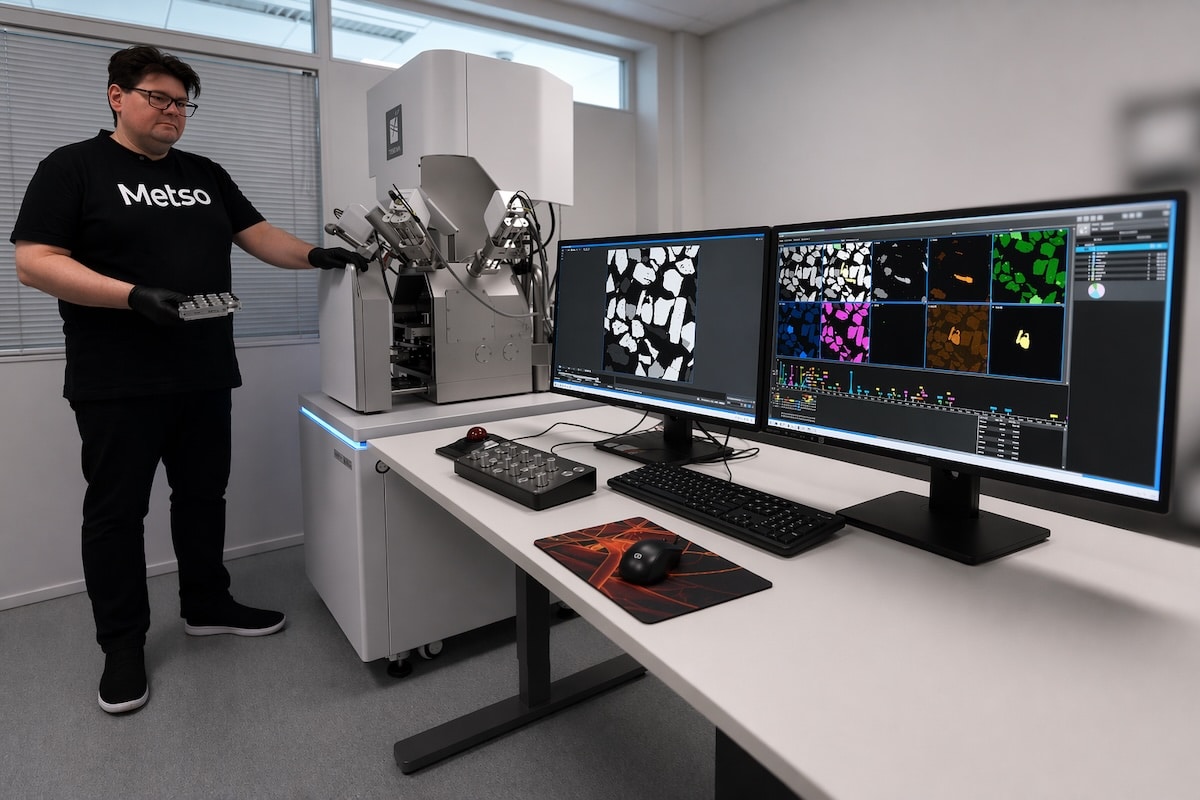
Metso has expanded its Pori, Finland Research Center with a TESCAN TIMA automated mineralogy analyser, combining high‑resolution field emission scanning electron microscopy with energy‑dispersive X‑ray spectroscopy for rapid, quantitative ore characterisation. The system can generate mineral liberation, grain size and textural data across thousands of particles per sample, supporting flowsheet design, reagent selection and variability testing. Faster turnaround on mineralogical datasets is aimed at tightening decision cycles for greenfield and brownfield concentrator projects, particularly in comminution and flotation circuit optimisation.
Exploration activity across Australia remains strong, with Alkane Resources, Artemis Resources and Ark Mines progressing gold, copper and rare earths prospects via drilling, project funding and metallurgical test work. Alkane is advancing targets around its Boda–Kaiser porphyry deposits in the Northern Molong Belt, New South Wales, using recent diamond drilling and geophysical surveys to refine copper–gold mineralisation trends. Artemis and Ark are pushing early-stage programmes that will influence near-term resource definition drilling strategies and metallurgical flowsheet options for complex ore types.
Larvotto Resources has agreed to acquire Hammer Metals via a binding scheme of arrangement, aiming to build a district-scale copper hub in Queensland’s Mt Isa region anchored by Larvotto’s Hillgrove critical minerals project. The transaction will see about $54 million raised, with Hammer shareholders to receive one Larvotto share for every 22 Hammer shares held. The enlarged group will consolidate copper and broader critical minerals tenure in Mt Isa, potentially enabling larger-scale resource definition, shared processing options and more coordinated regional exploration.
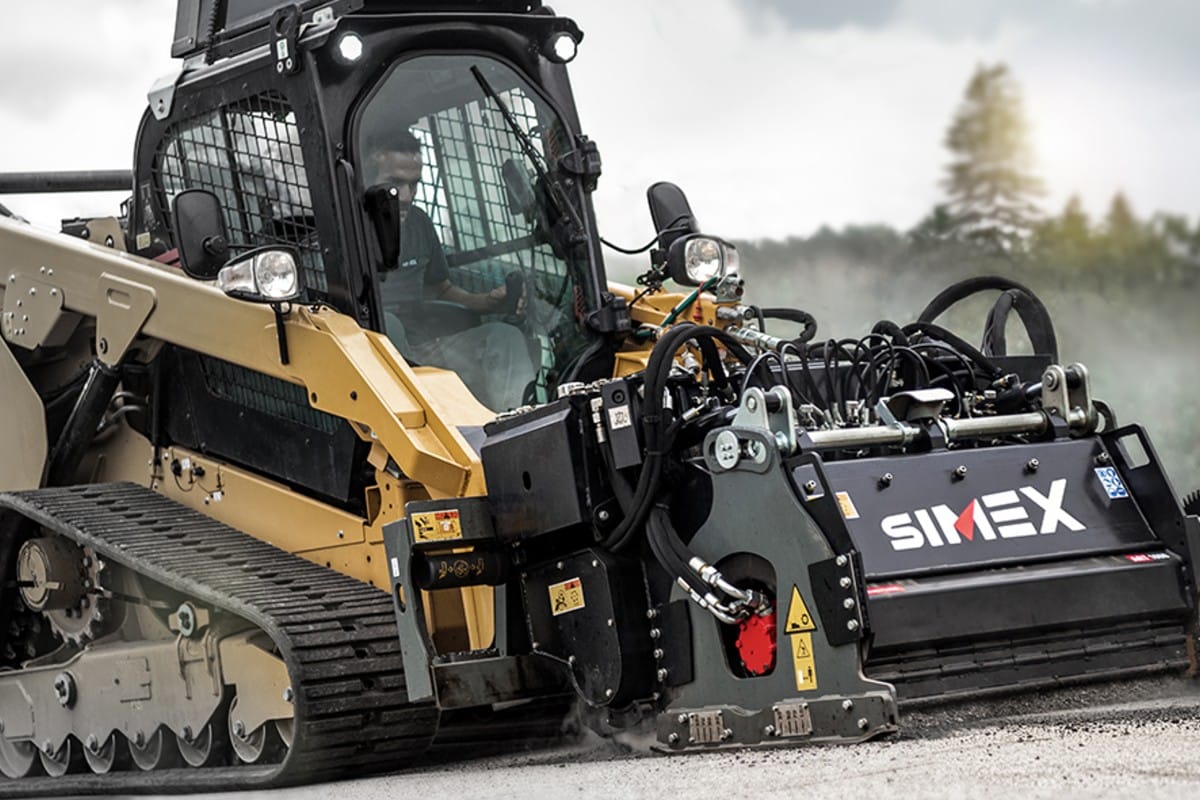
SIMEX has launched the ART 1000 Gen II asphalt regeneration system and an updated TF Drum Cutter range, targeting road repair and surface conditioning in mines, quarries and underground works. The ART 1000 Gen II is designed to mill, heat and remix existing asphalt in situ, enabling patch repairs without full pavement removal, while the latest TF cutters offer higher torque and improved pick layouts for hard rock and reinforced concrete. For operators, the key gains are reduced haulage of spoil, fewer hot-mix deliveries and tighter control of surface geometry around plant and haul roads.
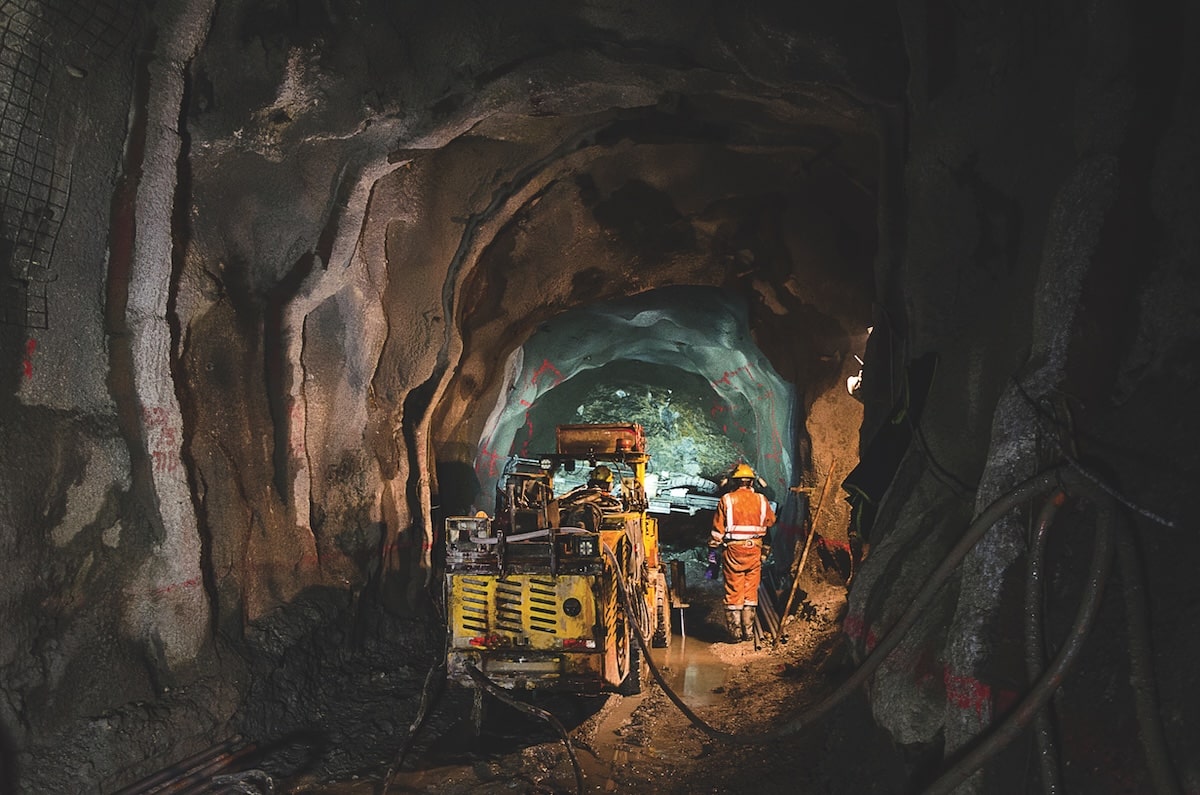
ESG pressure in underground mining is pushing operators to prove real-time performance gains directly at the development face, where ventilation, ground control and water management risks are highest. The piece points to digital instrumentation at headings – such as continuous gas monitoring, geotechnical convergence sensors and real-time dust sampling – feeding live dashboards that link face conditions to ESG metrics. For engineers, this means designing headings, support patterns and services to accommodate dense sensor networks, data cabling or wireless nodes, and rapid-response controls rather than periodic inspections.
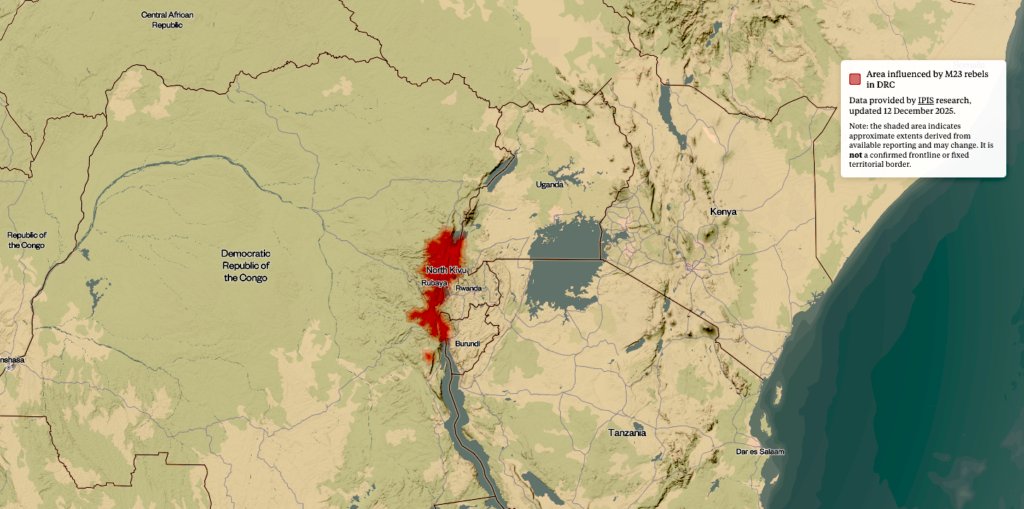
Coltan smuggled from M23-controlled mines in Rubaya, North Kivu – a region supplying roughly 15% of global coltan output – has entered Rwandan export streams feeding supply chains for Sony, Microsoft, Nvidia, Amazon, LG Display, Ericsson, Toyota and Vodafone, according to Global Witness. The investigation links conflict material to five of Rwanda’s seven largest coltan exporters and alleges laundering through the ITSCI traceability scheme, with possible leakage into the Better Mining system and RMI-audited smelters. Disputed by several firms and scheme operators, the findings signal higher compliance risk for downstream manufacturers relying on third-party audits for “conflict-free” certification.