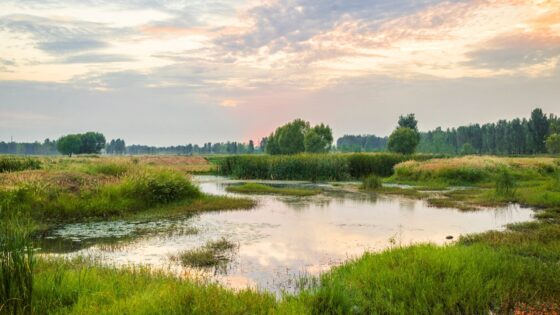
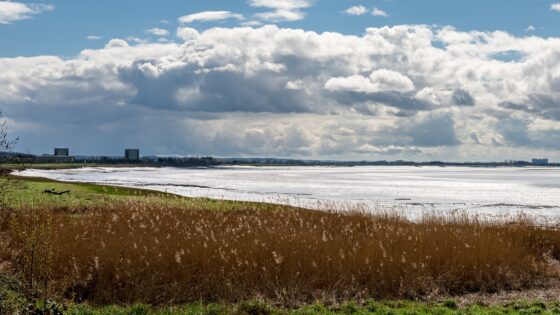
Government has set out a delivery plan to protect 30% of England’s land for nature by 2030, coupling the target with new funding for national parks, Areas of Outstanding Natural Beauty and other protected landscapes. The plan includes support for climate adaptation research relevant to floodplain management, coastal erosion and peatland restoration, with implications for drainage design, embankment stability and long-term asset resilience. Additional investment in new national forests will drive large-scale tree planting and soil restoration, affecting ground investigation, slope design and hydrological modelling on adjacent infrastructure schemes.
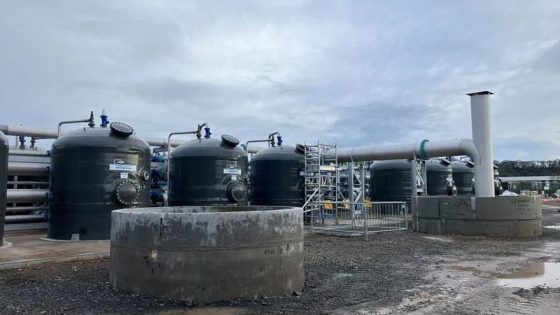
Severn Trent Water has avoided a financial penalty from Ofwat despite “serious failings” in wastewater and sewage management, after committing to wastewater treatment works expansions and nature-based interventions such as wetlands and catchment measures. The company’s programme includes increasing capacity at existing wastewater facilities and deploying natural attenuation and storage solutions to reduce storm overflow discharges. For civil and environmental engineers, the case signals regulatory weight behind early engagement, demonstrable upgrade plans and integrated grey–green infrastructure rather than purely end-of-pipe compliance.
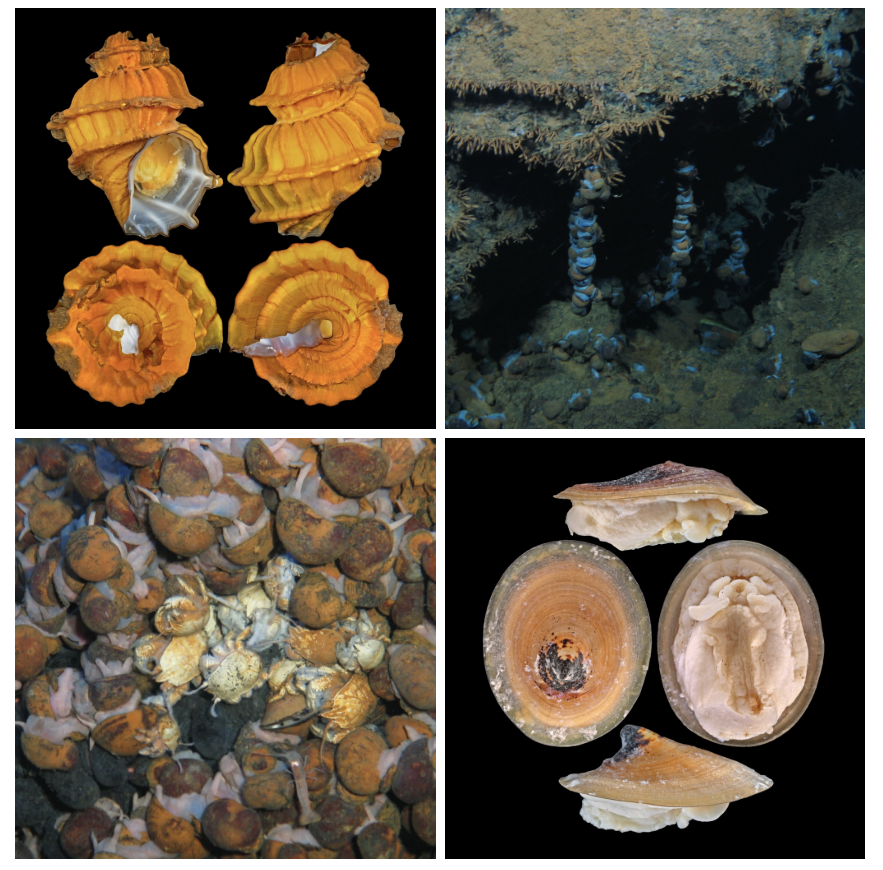
More than 60% of known hydrothermal vent mollusc species – 125 of 201 assessed – are now classed as threatened on the IUCN Red List due to prospective deep-sea mining for copper, cobalt, zinc and polymetallic nodules. IUCN is urging a moratorium ahead of the International Seabed Authority’s 13–31 July meeting in Jamaica, citing evidence from a 3,000‑tonne nodule removal test at 4,280 m in the Clarion‑Clipperton Zone that cut macrofaunal density by 37% and species richness by 32% within two years. For project planners and ESG teams, the findings signal rising regulatory and reputational risk for vent-proximal licences, while marine protected areas like the Mariana Arc of Fire currently shield some species such as Provanna exquisita.
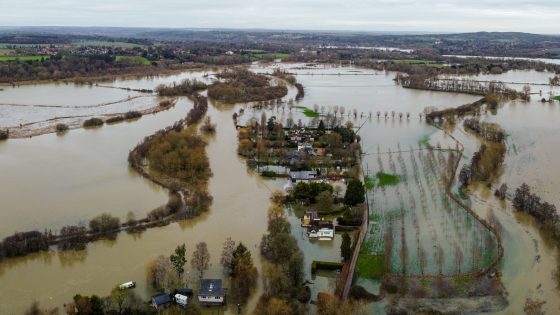
Google.org has awarded a £1M grant to the FloodAction Coalition to build a UK-wide water resilience intelligence platform targeting both fluvial flooding and drought risk. The system is expected to aggregate hydrological, land-use and socio-economic data to identify priority catchments where nature-based solutions—such as floodplain reconnection, wetland restoration and upstream storage—offer the greatest cost–benefit. For civil and geotechnical teams, the platform should provide more granular evidence to justify green infrastructure schemes in business cases and long-term asset management plans.
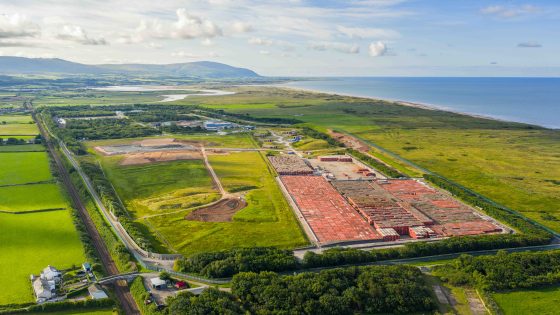
Market engagement has opened for a £382M vault optimisation and capping delivery contract at Nuclear Waste Services’ Low Level Waste Repository (LLWR) in Cumbria, signalling a major phase of engineered containment works. The package is expected to cover optimisation of existing disposal vaults and installation of multi-layer capping systems over legacy trenches and vaults to long-term standards for low-level radioactive waste isolation. Contractors will need deep experience in complex earthworks, geosynthetic barrier systems, and long-duration performance of engineered covers in aggressive coastal conditions.
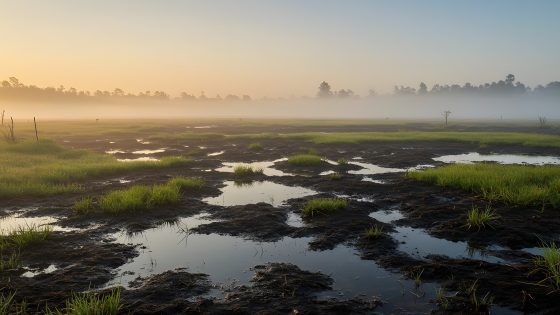
United Utilities has created new woodlands and restored peatlands across more than 2,200 football pitches’ worth of land at its North West water catchment sites, signalling a major landscape-scale intervention in source protection. Large-scale peatland preservation and tree planting in upland catchments can materially reduce peak runoff, improve raw water quality by cutting colour and turbidity, and stabilise slopes, with long-term implications for reservoir yield, treatment costs and geotechnical performance of adjacent infrastructure.
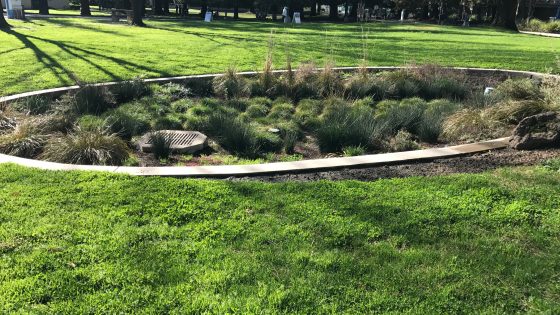
United Utilities has announced a £30M programme to retrofit sustainable drainage across Liverpool, aiming to make the city “spongier” by intercepting and attenuating rainfall before it reaches combined sewers. Measures are expected to include permeable paving, rain gardens and other SuDS features on highways and public realm to cut surface runoff volumes and peak flows during intense storms. For civil and drainage engineers, the scheme signals more retrofit SuDS design in dense urban streetscapes, with a premium on hydraulic modelling, utility coordination and constructability in constrained corridors.
Ofwat has accepted a £44.7M enforcement package from Dŵr Cymru Welsh Water to remediate wastewater network failures and cut sewage spills across Wales. The measures will target storm overflows and underperforming treatment works, with investment directed to upgrading sewer infrastructure, increasing storage capacity and improving process control at key wastewater treatment plants. For civil and environmental engineers, the programme signals near-term demand for hydraulic modelling, network rehabilitation, and construction of additional attenuation and treatment assets under tighter regulatory scrutiny.
The Environment Agency has appointed a consortium led by AtkinsRéalis, with Stantec and Waterman as subconsultants, to deliver professional services for a new flood and coastal risk management framework across England. The framework will support planning, design and appraisal of defences and nature-based solutions for rivers, estuaries and coasts, shaping future capital works and asset management programmes. Consultants can expect significant workloads in hydraulic modelling, coastal processes, climate change allowances and whole-life risk assessments for Environment Agency schemes.
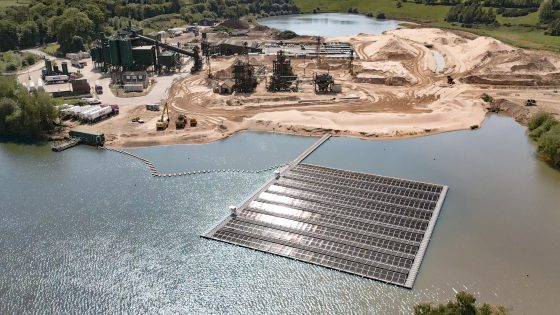
Nova has switched on a floating solar farm at a Cheshire silica sand quarry, delivering on-site power generation for one of the UK’s largest producers of high-quality industrial silica sand. Developed with environmental consultancy RSK, the array is mounted on a buoyant platform system on the quarry lake, preserving limited land area for extraction and processing infrastructure. The installation reduces grid dependence for energy-intensive washing and grading plant, and will require geotechnical and hydraulic checks on anchoring, bank stability and water-level variability over the quarry’s remaining life.
BHP and the Global Centre for Maritime Decarbonisation are trialling a marine biofuel blend derived from used cooking oil and waste animal fats on a BHP‑chartered bulk carrier voyage from Australia to China. The pilot focuses on blending, handling and tracing multi‑feedstock biofuels through existing bunker supply chains, using current marine fuel infrastructure rather than dedicated new storage or pipelines. Outcomes will inform fuel specification, engine performance and contamination risk management for large dry bulk vessels on long‑haul export routes.
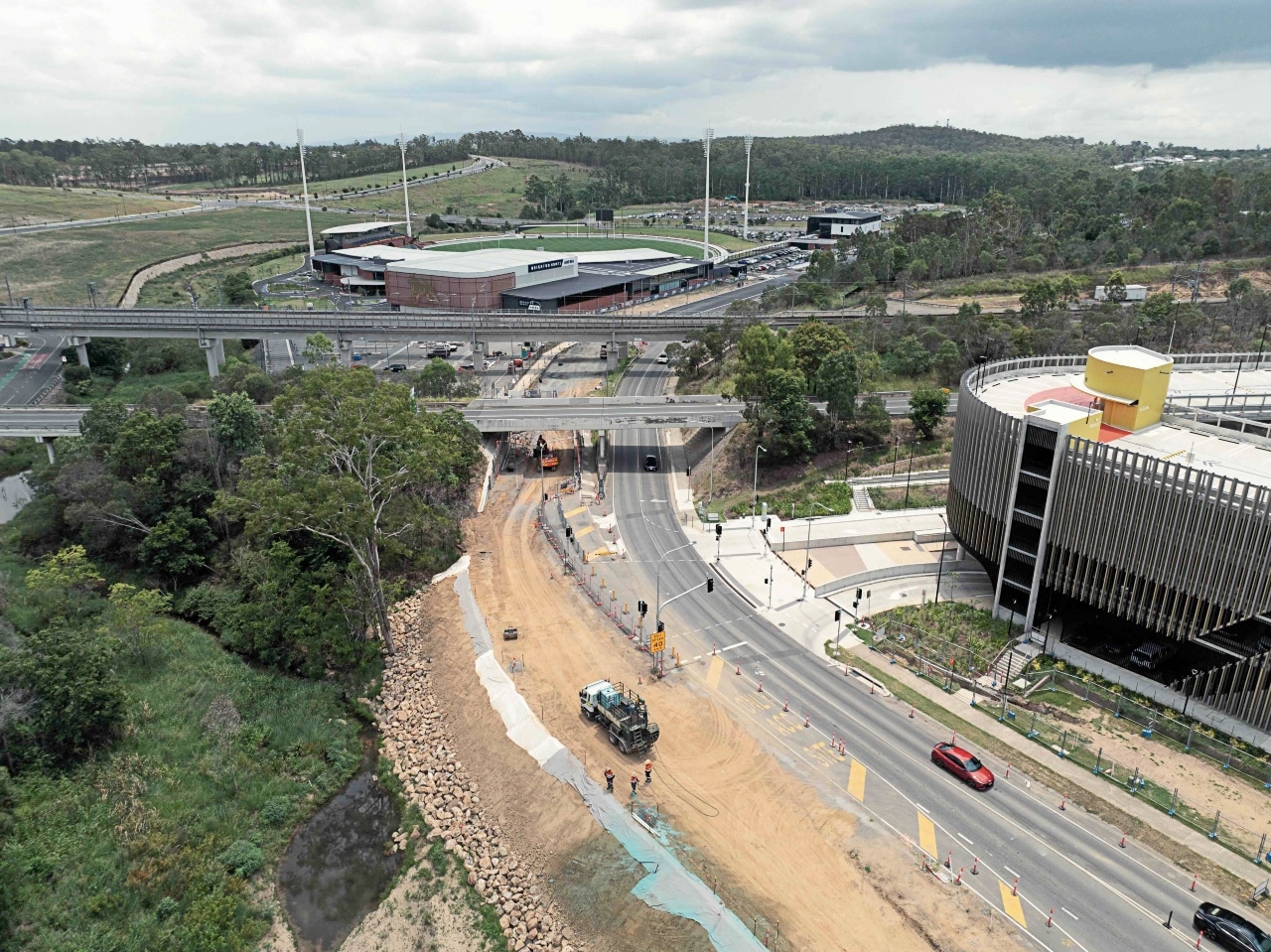
Australian-owned Vital Chemical, approaching its 50th year, is supplying erosion and dust control solutions to major Queensland civil and construction projects, with products formulated for environmentally and sustainably sound performance. The company’s portfolio targets typical road and earthworks issues such as exposed batter erosion, haul road dust and stockpile stabilisation, aiming to reduce sediment run-off and particulate emissions without relying on traditional solvent-based binders. For geotechnical and civil contractors, this signals wider availability of project-scale, compliance-focused surface treatments that can be integrated into construction environmental management plans.
Carbon Capture, Usage and Storage (CCUS) is being positioned as a core element of UK decarbonisation strategy for gas-fired power and hard-to-abate materials such as cement and concrete, with Mitsubishi Heavy Industries promoting large-scale post-combustion capture units integrated with existing plants. Critics question lifecycle emissions, high energy penalties for solvent-based capture, and long-term integrity of offshore geological storage. For civil and materials engineers, the debate centres on retrofit feasibility at existing cement kilns, pipeline and compression infrastructure requirements, and whether CCUS investment may delay process changes or clinker substitution.
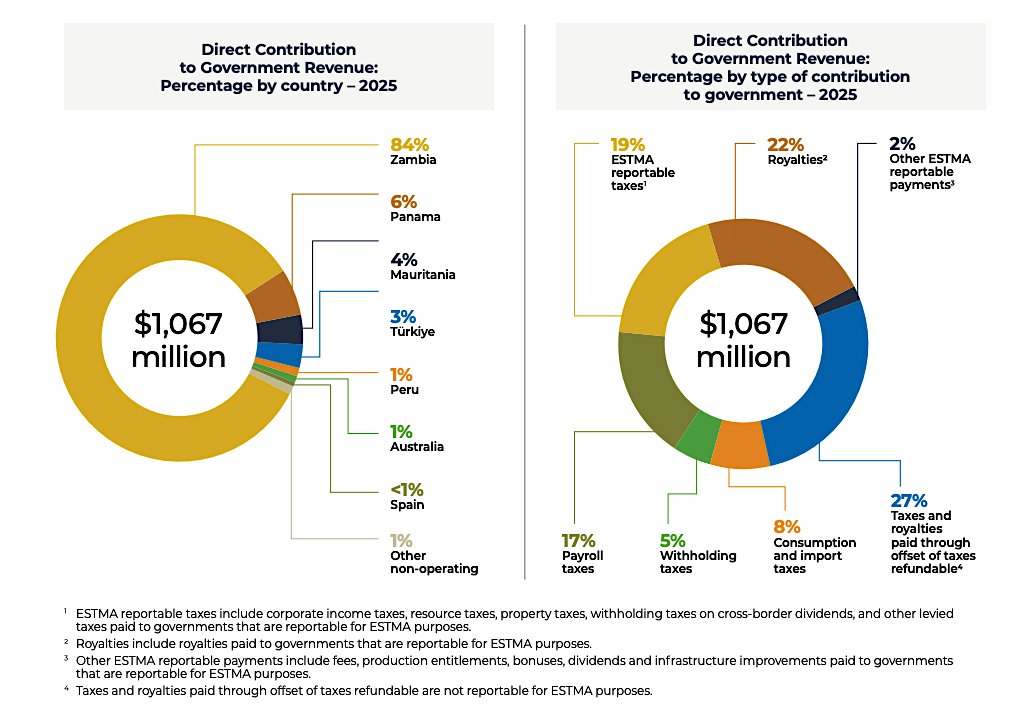
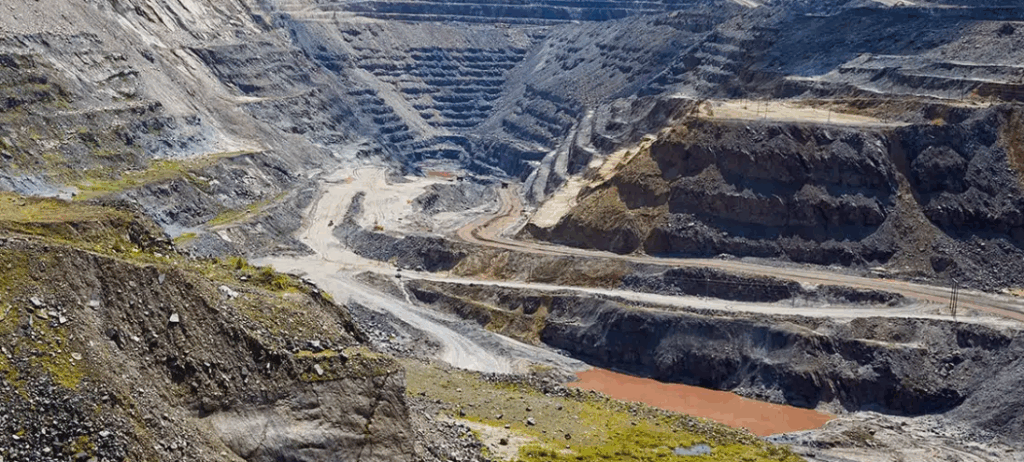
Panama will publish on Friday a third‑party environmental audit of First Quantum Minerals’ shuttered Cobre Panamá mine, a 350,000‑tonne‑per‑year copper operation that previously generated about 5% of national GDP, to guide President José Raúl Mulino’s decision on its future after the 2023 Supreme Court ruling voided the concession. Environment minister Juan Carlos Navarro and commerce minister Julio Moltó say the extensive report, following six preliminary technical reviews, will be released “with full transparency” and is the only basis for assessing environmental compliance. The move comes as new protests in Panama City, led by Sal de las Redes and Movimiento Independiente Voluntad, oppose any restart amid claims of irreversible environmental damage and debate over an estimated $3.5 billion economic loss since shutdown.
ArcelorMittal Exploitation Minière Canada has been fined C$100 million, the largest penalty ever under Canada’s Fisheries Act, after pleading guilty to 100 counts for discharging low‑pH effluents and waters with elevated zinc, nickel and suspended solids from its Mont‑Wright and Fire Lake iron ore operations between 2014 and 2022. Nearly C$250,000 in investigation costs must also be repaid, and a detailed effluent and mine drainage management plan for both complexes is due to federal enforcement officers by mid‑February 2027. The company says it has since invested over C$400 million in permanent water control and treatment infrastructure.
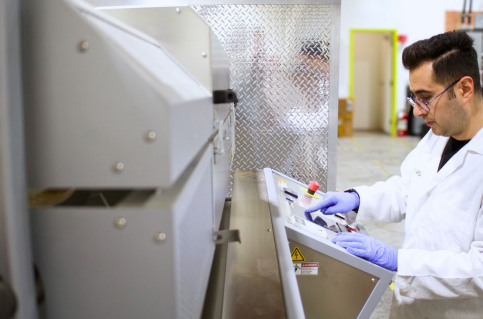
Arca Technologies has secured up to C$2 million from NRC IRAP’s Clean Tech initiative towards a C$7.4 million project to move its mineral activation and engineered carbonation processes from lab to field scale, targeting alkaline wastes such as mine tailings and steel slag. The company will design containerised, field‑deployable mineralisation units and prepare a first‑of‑kind industrial pilot, billed as the first field‑scale system to accelerate carbon mineralisation in mine waste. Commercial traction includes a 10‑year offtake with Microsoft for nearly 300,000 tonnes of CO₂ removal and an early pre‑purchase from Frontier.
Jacobs has been appointed by Great British Energy – Nuclear to deliver environmental consultancy and baselining at the Oldbury site in Gloucestershire, earmarked as a potential location for a new nuclear power station. The work will characterise existing ground, groundwater, ecological and radiological conditions to support future nuclear site licensing, environmental permits and design optioneering. Early baselining data will be critical for later geotechnical investigations, foundation design, flood and coastal risk assessments, and long-term monitoring strategies if the project proceeds.
A UK Government research paper concludes that Nature-based Solutions such as floodplain reconnection, riparian woodland and leaky barriers are most effective when planned and modelled across whole catchments rather than as isolated site schemes. The study stresses integrating NbS with existing hard defences, using hydrological and hydraulic modelling to quantify peak flow attenuation and downstream level reductions under design storm events. For civil and drainage engineers, this points to earlier basin-scale option appraisal, multi-landowner agreements and long-term monitoring of storage volumes, infiltration rates and sediment behaviour.
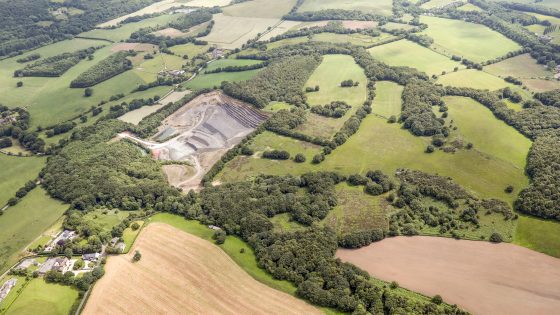
A former Ibstock extraction site, Dalton Quarry, is being converted by Green Earth Developments Group into a biodiversity “bank” of engineered habitats to generate tradable biodiversity net gain (BNG) units for UK infrastructure schemes. The project will create a mosaic of habitat types on previously worked quarry land, allowing developers to purchase pre-accredited BNG units rather than delivering all ecological uplift within constrained project footprints. For civil and geotechnical teams, this model could influence land-take, earthworks design and long-term aftercare obligations on major road, rail and housing projects.
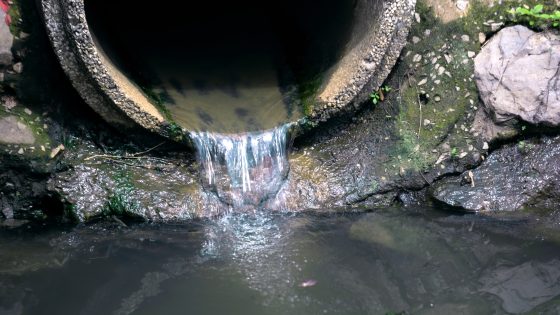
National Highways has appointed WSP to lead a multi-disciplinary team to deliver its Water Quality Plan targeting pollution from road run-off across the strategic road network. The commission will focus on identifying high-risk outfalls, retrofitting drainage and treatment assets such as interceptors, swales and attenuation ponds, and improving monitoring of contaminants including hydrocarbons and suspended solids. For civil and geotechnical designers, the move signals more retrofit water treatment structures at existing junctions, cuttings and embankments, with tighter controls on discharge consents.
National Highways has appointed WSP as technical partner, supported by Mott MacDonald, Ramboll, Arup and Aecom, to deliver its Water Quality Plan targeting the most polluting road run‑off discharges on the Strategic Road Network by 2030. The programme will design and implement treatment for high‑risk outfalls using nature‑based systems (e.g. swales, wetlands) and mechanical solutions installed within existing highway boundaries, focusing on oils, tyre‑derived suspended solids and brake‑related metals. For designers and geotechnical teams, this signals significant upcoming work on retrofit drainage, attenuation and treatment assets constrained by current carriageway footprints.
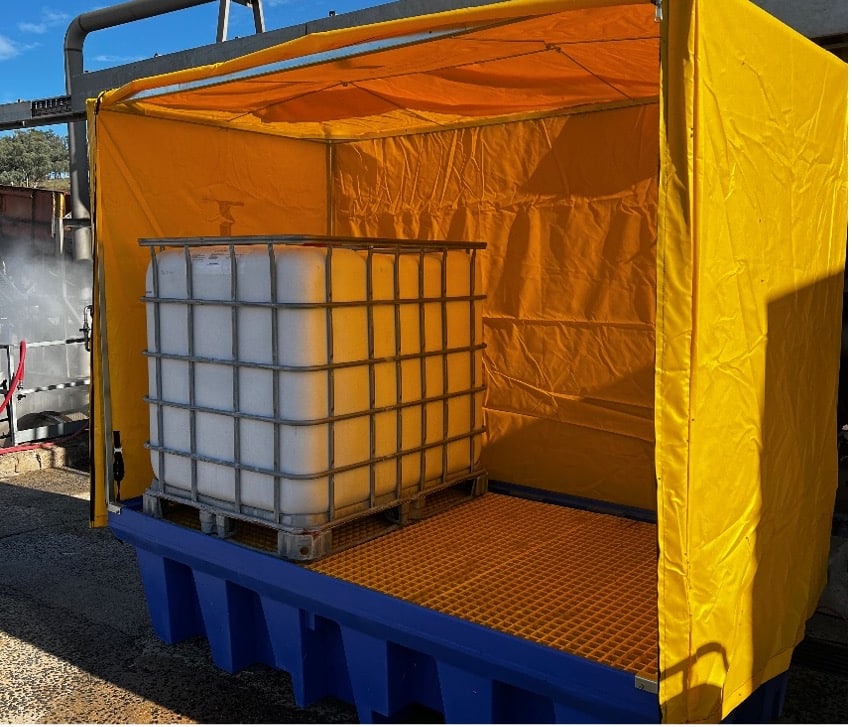
Mining operators are increasingly using spill bunded pallets to contain fuels, lubricants and other hazardous liquids stored in workshops, laydown yards and processing areas, reducing the risk of unplanned releases to soil and drainage systems. Eco Pallets’ moulded polyethylene bunded units, shown in use at Tanafloc Australia, integrate forklift pockets, removable grates and corrosion‑resistant sumps sized to capture typical drum and IBC failure volumes. For geotechnical and environmental teams, this simplifies compliance with bunding requirements, reduces contaminated run‑off, and limits the footprint of lined or remediated ground.
Carbon Direct has partnered with Arca to co-develop and market Arca’s Industrial Mineralization (IMin) carbon dioxide removal credits, based on accelerated mineralisation of alkaline mine and steelmaking waste. The technology, validated in an 18‑month pilot with BHP at an active Australian mine, has already secured a 10‑year offtake from Microsoft for nearly 300,000 tonnes of CO₂ and an early prepurchase from Frontier. With 16.5 billion tonnes of suitable legacy waste and 3 billion tonnes produced annually, Arca targets durable (>10,000‑year) CO₂ storage with potential tailings stabilisation co‑benefits.
Construction clients and contractors are starting to embed biodiversity metrics alongside whole‑life carbon assessment, using quantified habitat units and standardised biodiversity net gain (BNG) calculators to track performance through design, procurement and delivery. Supply chains are being asked to evidence habitat creation, connectivity and species outcomes in product data sheets and contracts, linking materials choices and temporary works to measurable on‑site ecological change rather than qualitative statements. For geotechnical and civil teams, this signals future schemes where cut‑and‑fill, drainage, earthworks phasing and landscape design must all be optimised against both carbon and biodiversity targets.
Geomechanics, Streamlined.
© 2026 Geomechanics.io. All rights reserved.