Geomechanics.io

  • Free Tools
Sign UpLog In
Built byBoxcut Studio

Geomechanics.io

Geomechanics, Streamlined.

© 2026 Geomechanics.io. All rights reserved.

Geomechanics.io

CMRR-ioGEODB-ioHYDROGEO-ioQCDB-ioFree Tools & CalculatorsBlogLatest Industry News

Industries

MiningConstructionTunnelling

Company

Terms of UsePrivacy PolicyLinkedIn
    Projects
    Sustainability

    Era4 landfill gas-powered data centre in Canterbury: design notes for ground engineers

    August 6, 2026|

    Reviewed by Tom Sullivan

    Era4 landfill gas-powered data centre in Canterbury: design notes for ground engineers

    First reported on New Civil Engineer

    30 Second Briefing

    Era4 is proposing a landfill gas-powered data centre in Canterbury, using on-site electricity generation from captured methane to run high-density AI compute loads rather than exporting power to the grid. The developer aims to integrate gas engines with modular data hall construction to match generation profiles, arguing this could provide lower-carbon, baseload power compared with diesel backup and grid-only supply. For civil and geotechnical teams, the concept raises design questions around foundation vibration from reciprocating engines, gas collection infrastructure, and long-term settlement on or adjacent to landfill.

    Technical Brief

    • For other UK landfill sites, similar co-location concepts could unlock stranded gas assets where grid connections are constrained.

    Our Take

    For operators like Era4, using landfill gas in the United Kingdom can help hedge against volatile grid prices and capacity constraints, which is a recurring risk theme in other Projects-tagged pieces in our database.

    Positioning this as a Sustainability-tagged project in Canterbury may give the developer leverage in local planning discussions, as our coverage shows that UK councils are often more receptive to schemes that demonstrably repurpose legacy waste assets rather than greenfield energy builds.

    Geotechnical Software for Modern Teams

    Centralise site data, logs, and lab results with GEODB-io, CMRR-io, and HYDROGEO-io.

    Cancel at any time.

    • Save and export unlimited calculations
    • Advanced data visualisation
    • Generate professional PDF reports
    • Cloud storage for all your projects

    Prepared by collating external sources, AI-assisted tools, and Geomechanics.io’s proprietary mining database, then reviewed for technical accuracy & edited by our geotechnical team.

    Related Articles
    PFAS ‘forever chemical’ cuts in England’s rivers: design implications for treatment works
    Environmental
    about 22 hours ago

    PFAS ‘forever chemical’ cuts in England’s rivers: design implications for treatment works

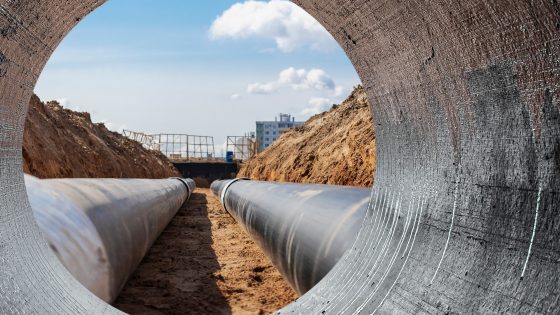
    Levels of two per- and polyfluoroalkyl substances (PFAS) in England’s rivers have fallen by about 30% over the past decade, according to new Environment Agency monitoring data. The assessment points to improved control at industrial discharge points and some wastewater treatment works, but also identifies gaps where conventional plants lack advanced PFAS removal processes such as activated carbon or high-pressure membrane treatment. For civil and environmental engineers, the findings signal likely future upgrades to sewage works, tighter discharge consents and more stringent design criteria for treatment infrastructure.

    Thames Water’s 100‑day drought: reservoir and aquifer stress for water engineers
    Environmental
    9 days ago

    Thames Water’s 100‑day drought: reservoir and aquifer stress for water engineers

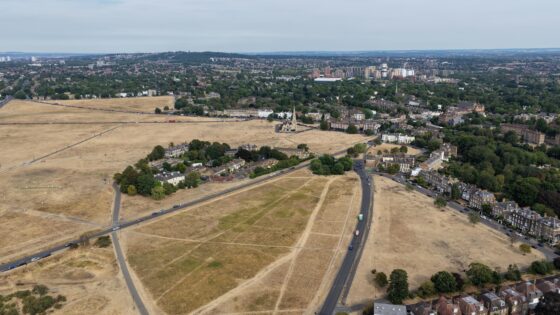
    Thames Water has reached 100 days since declaring a drought across London and the Thames Valley, with key storage such as the Farmoor and Queen Mary reservoirs still below long‑term average levels despite recent rainfall. Groundwater in several Chalk and Thames Gravels aquifers remains depressed, limiting recharge to strategic sources and sustaining pressure on abstraction licences. Civil and water engineers face continued constraints on network planning, leakage control and future resilience schemes, with no immediate scope to relax existing demand‑management measures.

    Rio Tinto Pilbara cane toad barrier: environmental risk lens for mine planners
    Environmental
    11 days ago

    Rio Tinto Pilbara cane toad barrier: environmental risk lens for mine planners

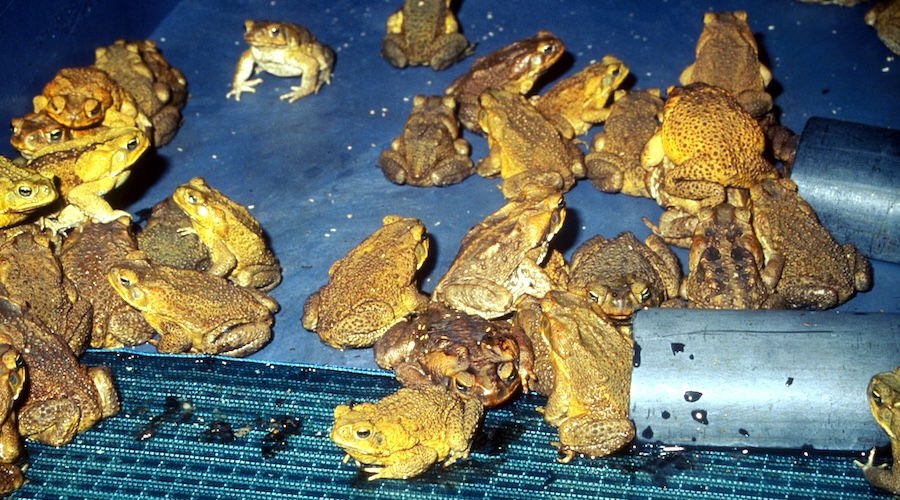
    Rio Tinto and its Rhodes Ridge Joint Venture partners are committing A$28 million over five years to establish a 7,500‑sq‑km Toad Containment Zone between the Indian Ocean and the Great Sandy Desert, modifying or decommissioning 685 pastoral water points to block cane toads before they reach the Pilbara iron ore province. The barrier is intended to protect about 27 million hectares of habitat and at least 25 vulnerable native species, including northern quolls and ghost bats, from a projected invasion within two decades. For miners, success could avoid materially higher environmental approval hurdles and long‑term compliance costs tied to ecosystem damage and Indigenous cultural impacts on bush tucker species such as goannas.

    Related Industries & Products

    Construction

    Quality control software for construction companies with material testing, batch tracking, and compliance management.

    Mining

    Geotechnical software solutions for mining operations including CMRR analysis, hydrogeological testing, and data management.

    QCDB-io

    Comprehensive quality control database for manufacturing, tunnelling, and civil construction with UCS testing, PSD analysis, and grout mix design management.

    AllGeotechnicalInfrastructureHazardsEnvironmental