NWS £382M LLWR vault optimisation: capping design notes for ground engineers
Reviewed by Tom Sullivan
First reported on New Civil Engineer
30 Second Briefing
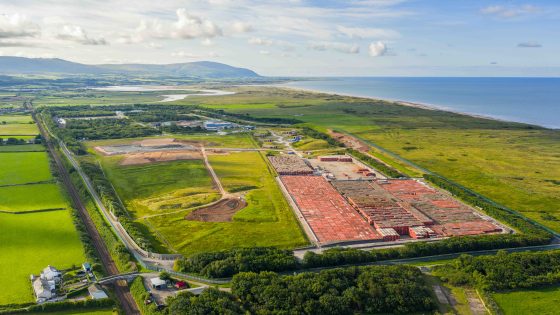
Market engagement has opened for a £382M vault optimisation and capping delivery contract at Nuclear Waste Services’ Low Level Waste Repository (LLWR) in Cumbria, signalling a major phase of engineered containment works. The package is expected to cover optimisation of existing disposal vaults and installation of multi-layer capping systems over legacy trenches and vaults to long-term standards for low-level radioactive waste isolation. Contractors will need deep experience in complex earthworks, geosynthetic barrier systems, and long-duration performance of engineered covers in aggressive coastal conditions.
Technical Brief
- Preliminary market engagement notice allows NWS to test contractor capability and packaging before formal procurement.
- Scope will require integration with existing LLWR operations, constraining access, working hours and construction sequencing.
- Safety case for works will need alignment with UK nuclear site licence conditions and ONR expectations.
- Contractors will be expected to operate under nuclear-grade quality assurance, configuration control and records management regimes.
- Radiological protection arrangements will drive plant selection, workface shielding, exclusion zones and personnel rotation strategies.
- Long-term stewardship obligations mean construction verification, as-built data and monitoring systems must support multi-decade performance assessment.
- Lessons on nuclear-standard earthworks and capping from LLWR are likely to inform future UK radioactive waste facilities.
Our Take
Nuclear Waste Services also appears in our coverage for its work on an unmanned Geological Disposal Facility concept, suggesting LLWR vault optimisation and capping will need to be compatible with a longer-term, more automated national waste management architecture.
Given the Safety and Sustainability tags, the LLWR optimisation work is likely to be scrutinised for how it manages long-term containment performance versus construction and maintenance risk, especially as NWS moves towards more remote and automated handling of higher-activity wastes at future facilities.
Prepared by collating external sources, AI-assisted tools, and Geomechanics.io’s proprietary mining database, then reviewed for technical accuracy & edited by our geotechnical team.
Related Articles


Related Industries & Products
Construction
Quality control software for construction companies with material testing, batch tracking, and compliance management.
Mining
Geotechnical software solutions for mining operations including CMRR analysis, hydrogeological testing, and data management.
QCDB-io
Comprehensive quality control database for manufacturing, tunnelling, and civil construction with UCS testing, PSD analysis, and grout mix design management.