Deep-sea mining and 60% vent species loss: risk signals for project teams
Reviewed by Joe Ashwell
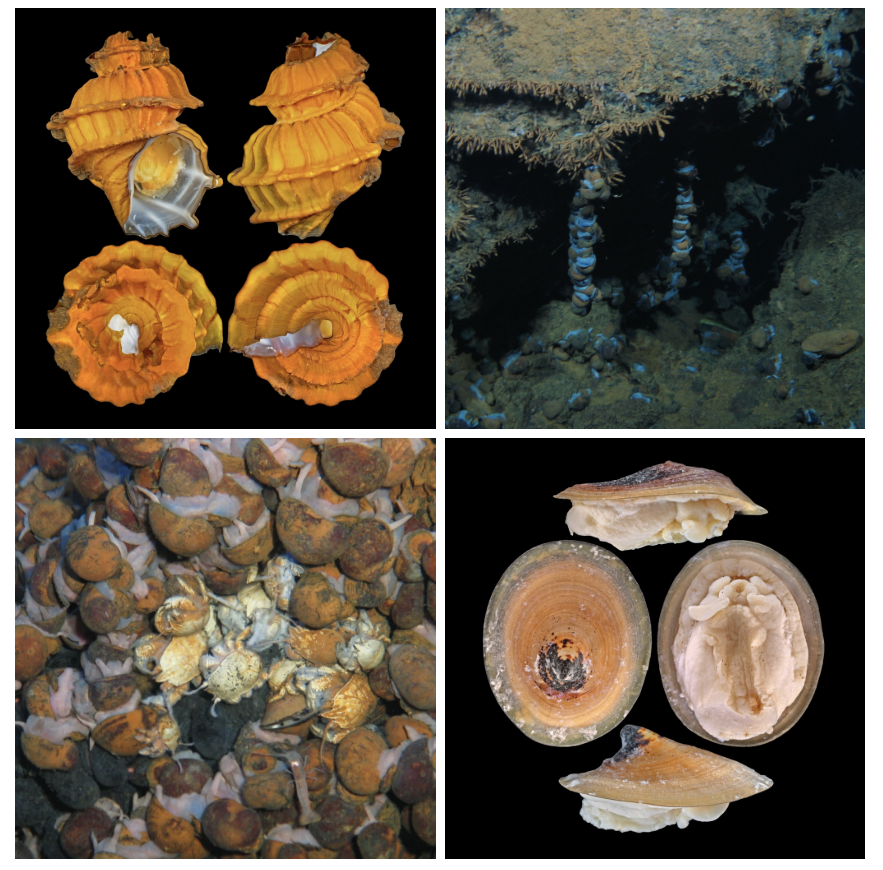
First reported on MINING.com
30 Second Briefing
More than 60% of known hydrothermal vent mollusc species – 125 of 201 assessed – are now classed as threatened on the IUCN Red List due to prospective deep-sea mining for copper, cobalt, zinc and polymetallic nodules. IUCN is urging a moratorium ahead of the International Seabed Authority’s 13–31 July meeting in Jamaica, citing evidence from a 3,000‑tonne nodule removal test at 4,280 m in the Clarion‑Clipperton Zone that cut macrofaunal density by 37% and species richness by 32% within two years. For project planners and ESG teams, the findings signal rising regulatory and reputational risk for vent-proximal licences, while marine protected areas like the Mariana Arc of Fire currently shield some species such as Provanna exquisita.
Technical Brief
- Sediment plumes from seabed mining are expected to blanket vent fields, physically smothering sessile fauna.
- Hydrothermal vent fluids reach up to ~450°C before discharge, creating highly localised, extreme-chemistry habitats for these molluscs.
- IUCN’s updated Red List assessment covers 201 vent-restricted mollusc species, many described within the last decade.
- More than 30 vent mollusc species remain non-threatened specifically because their vents lie inside marine protected areas.
- The Indian Ocean vent snail Lirapex felix is now classed critically endangered, with mining activity cited as the key driver.
- Experimental mining in the Clarion–Clipperton Zone removed 3,000 tonnes of polymetallic nodules over five years at 4,280 m depth.
- That Clarion–Clipperton project, commissioned by Nauru Ocean Resources (The Metals Company subsidiary), is currently the largest controlled field test of seabed mining impacts.
- Scope is limited to molluscs; other vent taxa (e.g. crustaceans, annelids, microbial communities) remain largely unassessed in this framework.
Our Take
In our Environmental coverage, critical minerals pieces more often focus on terrestrial copper and cobalt projects in Latin America and Australia, so the Clarion-Clipperton Zone and Indian Ocean emphasis here underlines how deep-sea habitats are becoming a parallel front in supply debates rather than a niche side issue.
The 37% macrofaunal density and 32% species richness declines reported after seabed disturbance are materially higher than typical short-term biodiversity losses seen around many land-based copper operations in our database, which is likely to strengthen arguments for precautionary standards at the International Seabed Authority’s July 13–31 session.
With Nauru Ocean Resources and The Metals Company already prominent in our critical minerals project tracking, the IUCN findings increase regulatory and reputational risk for NASDAQ-listed exposure to polymetallic nodules, which Macquarie-style institutional investors have recently been scrutinising through ESG screening rather than pure resource potential.
Prepared by collating external sources, AI-assisted tools, and Geomechanics.io’s proprietary mining database, then reviewed for technical accuracy & edited by our geotechnical team.
Related Articles

Related Industries & Products
Mining
Geotechnical software solutions for mining operations including CMRR analysis, hydrogeological testing, and data management.
CMRR-io
Streamline coal mine roof stability assessments with our cloud-based CMRR software featuring automated calculations, multi-scenario analysis, and collaborative workflows.
HYDROGEO-io
Comprehensive hydrogeological testing platform for managing, analysing, and reporting on packer tests, lugeon values, and hydraulic conductivity assessments.
GEODB-io
Centralised geotechnical data management solution for storing, accessing, and analysing all your site investigation and material testing data.