Geomechanics, Streamlined.
© 2026 Geomechanics.io. All rights reserved.
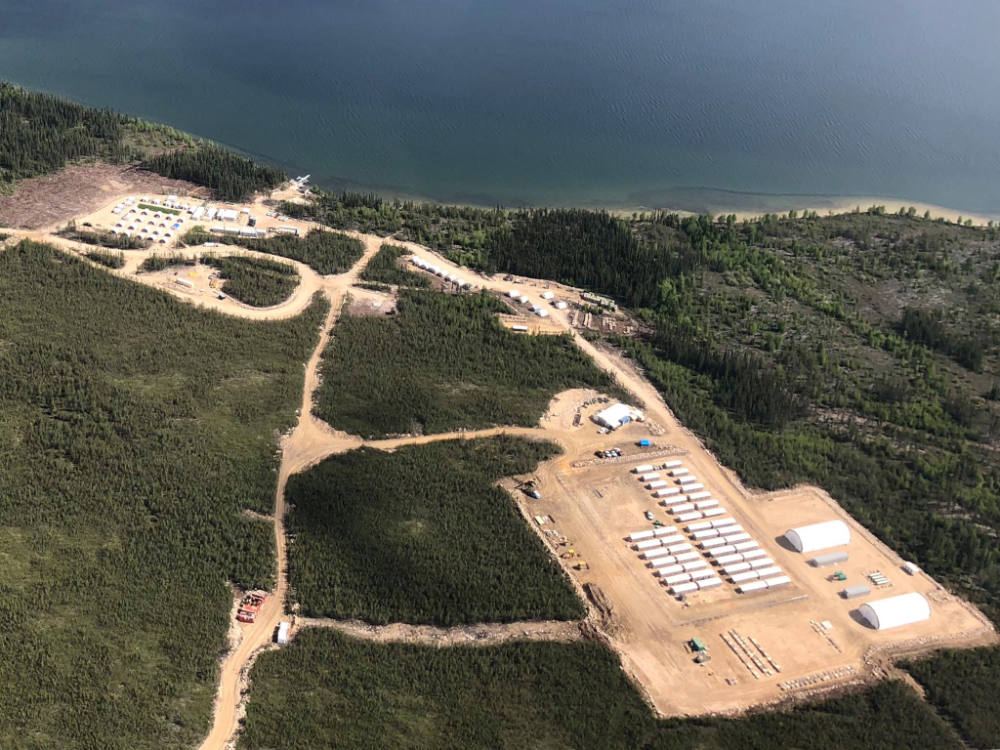
Artemis Gold has lifted the cost of its first Blackwater mill expansion in central British Columbia to C$120 million, about 20% above the original C$100–C$110 million budget, to add spares and raise nameplate capacity by one‑third to 8 million tonnes per year. The revised spend equates to roughly C$60 per tonne of added annual capacity, with civil works for a new vertical mill complete, structural steel advancing, pre‑aeration tank erected and oxygen equipment foundations poured as mechanical tie‑ins to the live plant now dictate schedule. A much larger C$1.44‑billion second expansion would add a separate 13‑million‑tonne‑per‑year plant, targeting total 21‑million‑tonne capacity and more than 500,000 oz. of gold annually from 2029, positioning Blackwater among Canada’s largest gold operations.
Lion Copper & Gold’s Bear deposit at the Rio Tinto-backed Yerington project in Nevada has an initial resource of about 1.0 billion indicated tonnes at 0.29% copper (6.7 billion lb) and 1.7 billion inferred tonnes at 0.22% copper (8.7 billion lb), making it one of the state’s largest undeveloped copper resources. Combined with Yerington’s 506.6 million tons of proven and probable reserves at 0.21% copper (2.1 billion lb), Lion’s Nevada portfolio now totals roughly 19 billion lb of contained copper, surpassing Hudbay’s Mason and Pumpkin Hollow. A 2025 PFS outlined 120 million lb/year cathode output over 12 years, with a post-tax NPV7 of US$694 million, 14.6% IRR and US$724 million initial capex, while Rio Tinto’s Nuton continues heap-leach testing under its 65% earn-in option.
Stormlands Mining’s decision-intelligence case study on Lode Gold Resources’ Fremont project in Mariposa County, California, doubles the modelled NPV to US$511.5 million by applying a gold price of US$4,245.22/oz to the project’s 2026 technical report. The revised scenario lifts projected life-of-mine revenue from US$3.45 billion to US$4.17 billion, increases IRR from 11.16% to 16.66%, and shortens payback from 8.5 years to 5 years 11 months at a 5% discount rate. Fremont, a 13.56 km² property with historical grades of 10.7 g/t Au, is being drilled ahead of a 2027 pre-feasibility study.
Explosives and blasting suppliers are rolling out remote and automated systems to keep personnel away from the underground face and surface bench during loading and initiation. Technologies include tele-remote blast-hole charging units, wireless electronic detonators with encrypted bidirectional communication, and blast management platforms that sequence shots from control rooms. For geotechnical and mining engineers, this shift changes blast design constraints, demands more precise timing and burden control, and requires closer integration of drilling data, fragmentation modelling, and ground control plans.
Cove Kaz Capital Group has appointed DRA Global, ERM and Knight Piésold to deliver a definitive feasibility study for the Northern Katpar tungsten project in Kazakhstan, held by Severniy Katpar LLP in which Cove Kaz holds an interest. DRA Global will lead process plant and mine design, ERM will focus on environmental and social impact assessment, and Knight Piésold will cover tailings, water management and geotechnical engineering. The DFS mandate signals movement towards detailed design of tungsten concentrator flowsheets, TSF layouts and permitting packages in a critical minerals jurisdiction.
Epiroc AB has acquired the business of Eventspec Proprietary Limited, a Johannesburg-based mining aftermarket specialist manufacturing parts for drill rigs, mine trucks and loaders. Eventspec, with more than 20 years’ experience, also delivers component rebuilds, structural repairs and full machine service packages for underground and surface fleets. The deal expands Epiroc’s in-country capability for non-OEM and OEM-equivalent parts and workshop support, reducing lead times and import dependence for South African and regional mines.
Integrated Pump Technology is using Grindex submersible pumps and Godwin diesel-driven units to expand mine dewatering supply across both mature and emerging African jurisdictions. The company is banking on the brands’ large installed base on the continent and strong after-sales support to win contracts where pump reliability and serviceability are critical selection criteria. For mine operators, the move signals wider access to established high-head and high-abrasion dewatering solutions without changing existing spares, maintenance practices or pump curves.
Western Australia has allocated $10 million to complete detailed planning and approvals for the new METRONET Karnup Station on the Mandurah Line, with construction targeted to start in 2028. The project, previously deferred in favour of the now-operational Lakelands Station, will add an infill station between Warnbro and Mandurah to serve the rapidly growing southern coastal suburbs. Early work will focus on rail alignment interfaces, station access and parking layouts, and integration with surrounding road upgrades and bus interchanges.
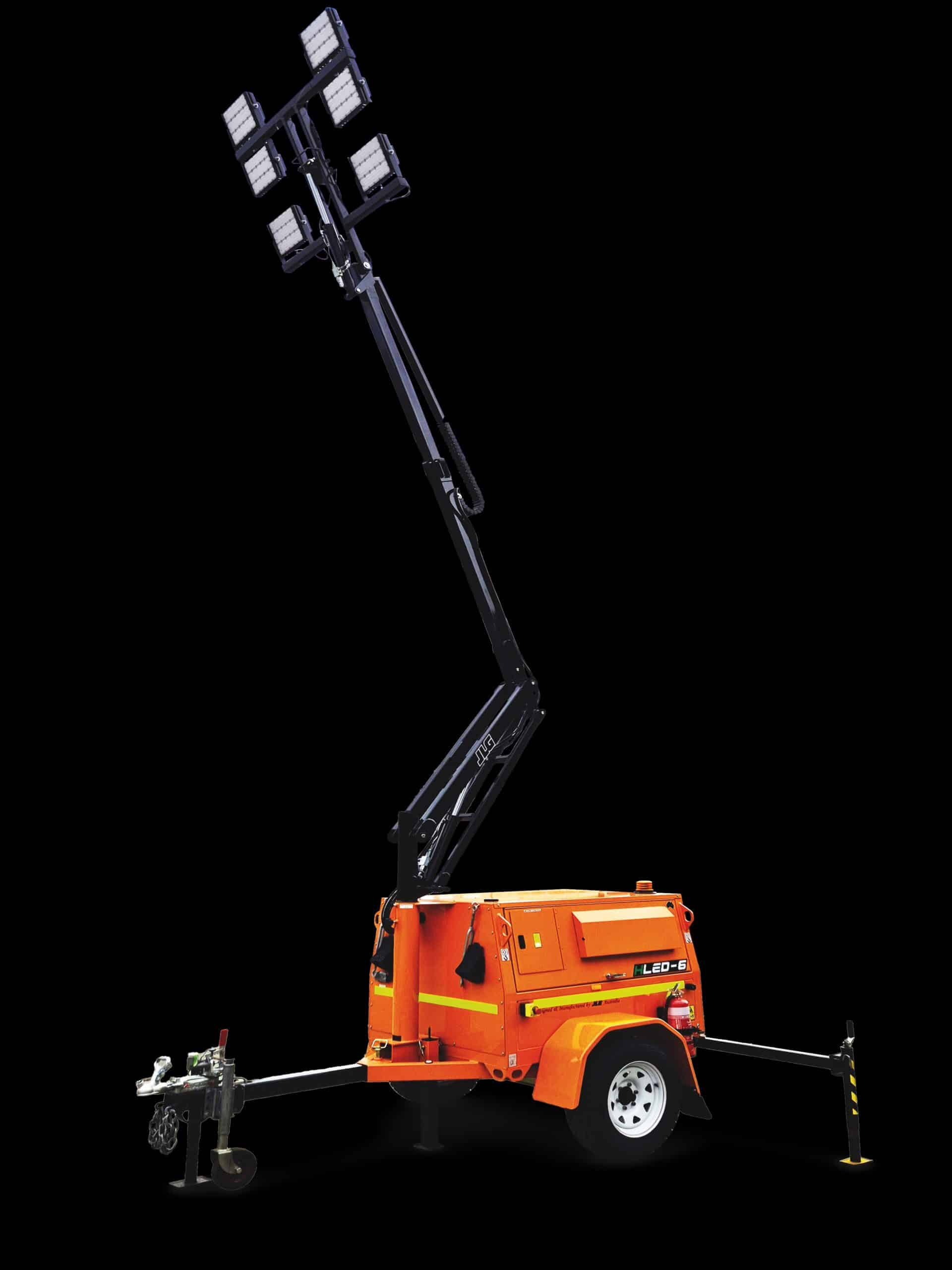
JLG Industries has launched a new range of hybrid lighting towers for Australian construction and road projects, powered by LiFePO4 lithium batteries paired with a Kubota Z482 diesel engine. The units are designed to illuminate shaded structures during the day and extend safe working hours at night, targeting sites where 24/7 operations, traffic staging or night paving are required. For contractors, the hybrid setup promises lower fuel burn, reduced noise and emissions, and more flexible deployment on constrained or urban work zones.
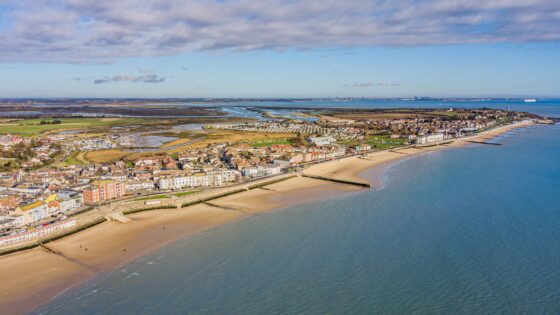
Barhale has secured an £18M contract to deliver a stormwater management scheme at Walton-on-the-Naze, Essex, aimed at bolstering coastal protection during severe weather events. The works will focus on upgrading local drainage and storage infrastructure to manage extreme rainfall and tidal conditions that threaten the low-lying Essex shoreline. For civil and geotechnical teams, the project signals further demand for robust coastal flood defences and high-capacity urban drainage in exposed estuarine environments.
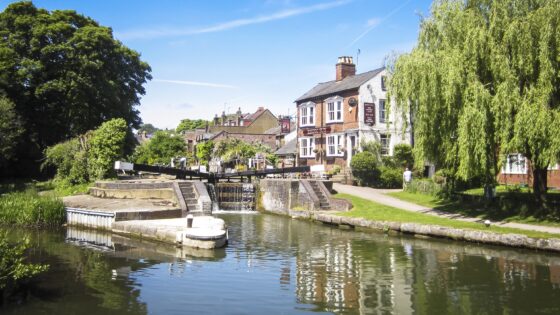
Members of Buckingham Canal Society are urging government agencies and Anglian Water to embed canal restoration into the Water Resources Management Plan 2029 (WRMP29), alongside large new reservoirs, transfer mains and treatment upgrades. They argue that historic waterways such as the Buckingham Canal can act as strategic water transfer corridors, seasonal storage and flood attenuation assets, supporting drought resilience and peak-flow management. For civil and water engineers, this would mean assessing canal embankments, lock structures and bed linings for modern hydraulic loads, leakage performance and integration with existing abstraction and discharge regimes.
Met Office and Department for Transport guidance sets out how UK transport operators should prepare for severe space weather disrupting GNSS navigation, HF/VHF communications and power-dependent signalling systems. The document targets aviation, rail, road and maritime networks, detailing operational responses to solar flares and geomagnetic storms, including use of backup timing sources, alternative navigation procedures and manual fallbacks for control centres. For civil and systems engineers, it signals a need to stress-test critical infrastructure and control systems against prolonged loss or degradation of satellite-based services.
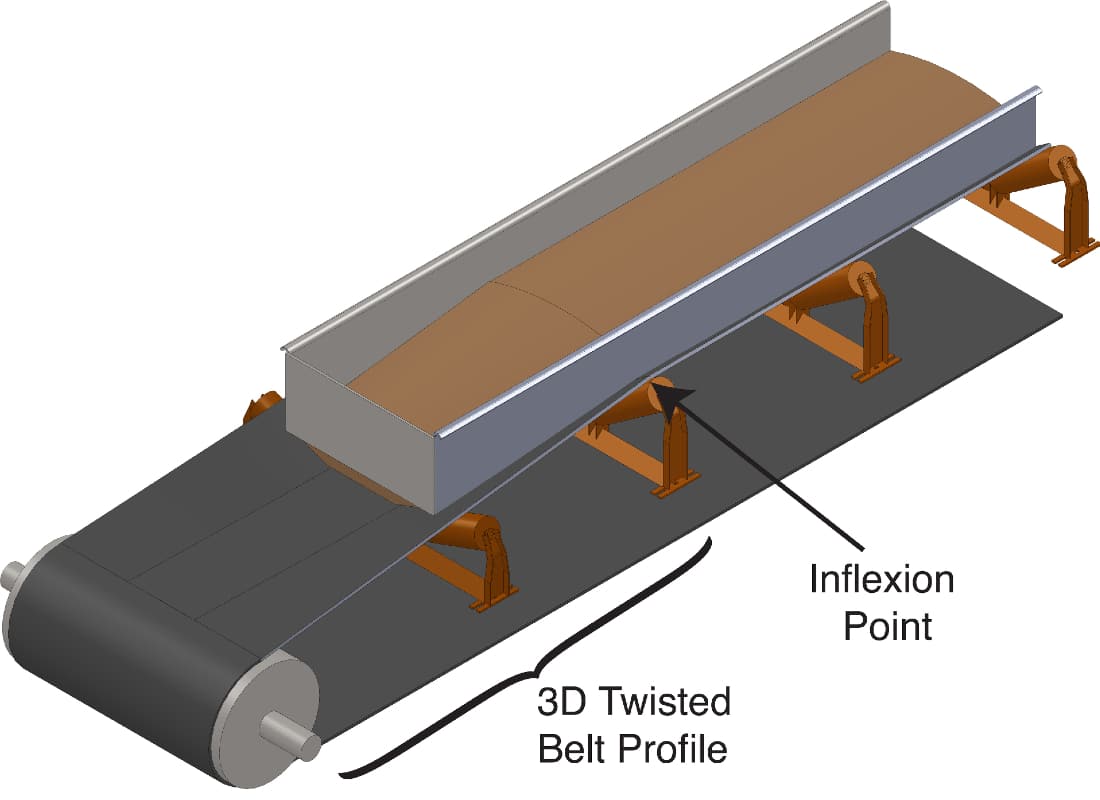
Rising conveyor belt speeds and tonnages without corresponding redesign are causing excessive dust, spillage and broken idlers where material is loaded on transition zones rather than on a fully troughed, stabilised belt. Todd Swinderman of Martin Engineering critiques the conventional practice of loading over changing idler angles, where belt flexure, mistracking and poor sealing at the inflection point accelerate wear on idlers, skirt rubber and belt edges. He advocates designing loading points on flat or fully formed trough sections with correctly sized impact beds, closely spaced idlers and controlled transfer chute geometry to manage impact and containment.
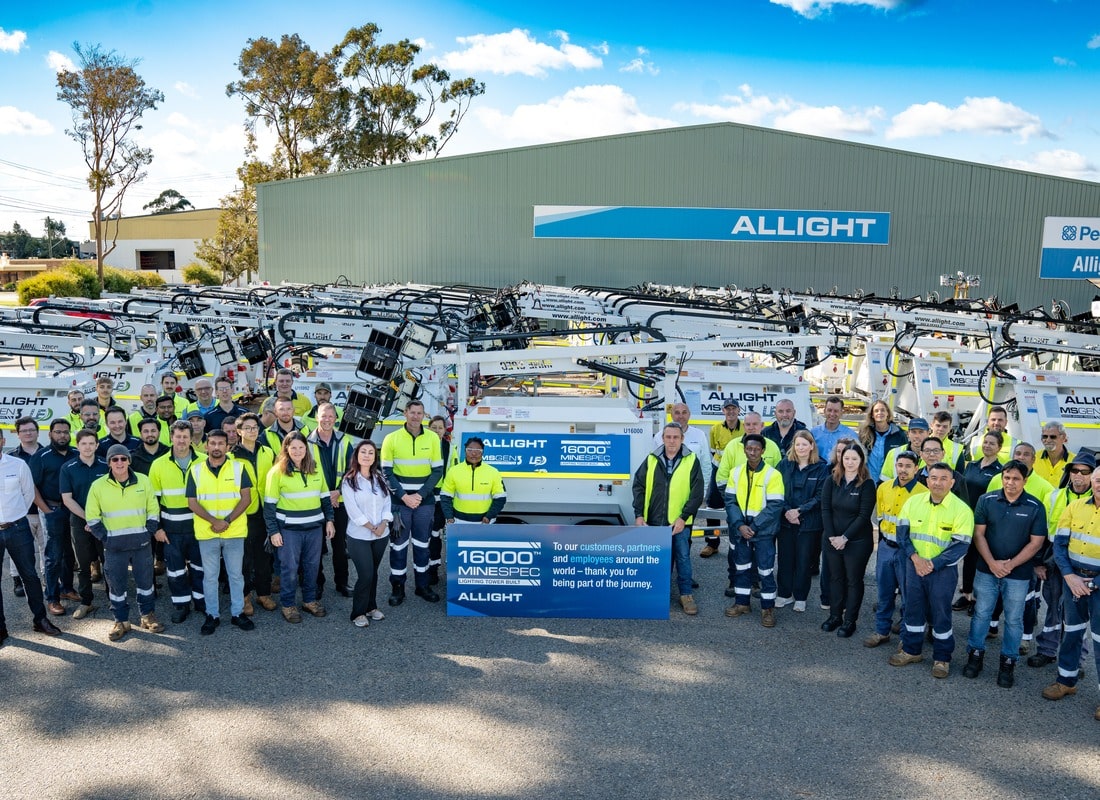
Allight has completed its 16,000th MineSpec lighting tower at its Landsdale manufacturing facility in Western Australia, marking sustained large-scale production of mobile mine lighting plant. The milestone unit is a MineSpec Gen3, designed and built in WA and supplied via Mantrac Delta to Engineers & Planners for use at a major Ghanaian mining operation. For site engineers, the volume and export of Gen3 units signals strong parts support and standardisation potential across African and Australian fleets.
Western Australian–listed companies lifted combined market capitalisation 36 per cent to a record $494 billion in FY25–26, with the Deloitte WA Index showing they materially outperformed the ASX All Ordinaries. The Diggers & Dealers 2026 edition attributes much of the gain to resource investment and strong commodity pricing, particularly gold’s continued safe‑haven performance. For miners and contractors, the data signals sustained capital access for WA projects and ongoing investor appetite for brownfield expansions and new resource developments.
Glencore is advancing large-scale rehabilitation at the Newlands coal complex in Queensland, 150km west of Mackay, following closure after producing about 229 million tonnes of thermal and metallurgical coal since 1983. Works include reshaping and capping open-cut voids, recontouring spoil dumps, and establishing long-term drainage and erosion controls to stabilise the post-mining landform. For geotechnical and civil contractors, the project signals multi-year demand for bulk earthworks, cover system design, and performance monitoring on one of Australia’s largest coal site closures.
US government officials have visited Brisbane to assess Queensland’s copper, zinc and cobalt potential, responding to a joint invitation from the Queensland Exploration Council and the American Chamber of Commerce. The delegation is examining projects that could feed US defence and battery supply chains, with a focus on new critical minerals corridors rather than traditional coal basins. For miners and explorers, the move signals stronger prospects for US offtake agreements, co‑funded feasibility work and midstream processing investment tied to US supply chain security rules.
Canada’s new national uranium strategy targets a doubling of exports by 2035, leveraging high‑grade Athabasca Basin assets such as Cameco’s McArthur River and Cigar Lake mines, Orano’s McClean Lake mill, and pipeline projects including NexGen’s Rook I and Denison’s Wheeler River. Marsh Canada’s Raul Munoz warns execution risk around 10–20‑year mine development timelines, permitting, capital availability and sustained uranium prices is the main constraint, not geology or technology. A key structural gap is the absence of domestic enrichment capacity for SMR‑grade fuel, despite Canada’s strong CANDU and SMR technology base.
UK energy transition projects face a growing risk from skills loss as experienced engineers in oil, gas and conventional power retire or exit faster than they are replaced. Design, construction and maintenance of offshore wind foundations, grid-scale battery systems and hydrogen-ready gas infrastructure depend heavily on legacy competencies in high-pressure pipelines, rotating machinery and grid stability analysis that are not being systematically transferred. For civil and geotechnical teams, this raises immediate resourcing and risk-management issues on complex assets such as subsea cables, converter stations and repurposed thermal power sites.
Major UK contractors and consultants have reshuffled senior leadership in July 2026, with several firms appointing new managing directors, technical directors and regional leads across transport, water and major projects. Moves include leadership changes on complex programmes such as multi‑billion‑pound rail upgrades, strategic highway corridors and large wastewater treatment expansions, where delivery hinges on geotechnical risk management and programme controls. For engineers, the appointments signal where key decision‑making power on procurement, digital design standards and ground engineering methodologies will sit over the next few framework cycles.
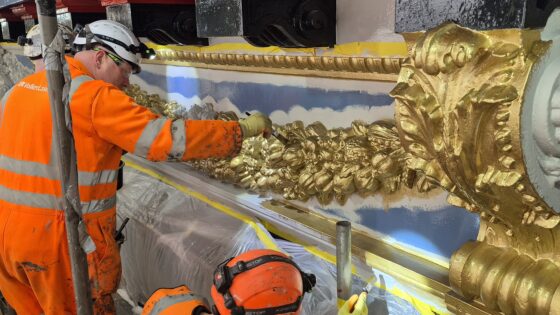
Edinburgh’s North Bridge has fully reopened to pedestrians and traffic after an eight‑year phased restoration that began in 2018, returning a key link between the Old and New Towns to full use. The Grade A‑listed, three‑span masonry and steel structure, originally completed in the 1890s, has undergone extensive deck, steelwork and waterproofing repairs along with stonework conservation and parapet upgrades. For civil and structural engineers, the project illustrates the complexity of maintaining traffic over a constrained urban site while refurbishing a heavily loaded historic bridge.
Greater Anglia faces accusations of ableism after a disabled passenger reported having to drag themselves up and down stairs at Stowmarket station because new lifts remain uncommissioned. The lifts, installed as part of an accessibility upgrade to the Network Rail-owned station, are physically in place but not yet operational pending final testing and approvals. The incident exposes a critical gap between completion of structural lift works and actual step-free access, with temporary arrangements evidently inadequate for mobility-impaired users.
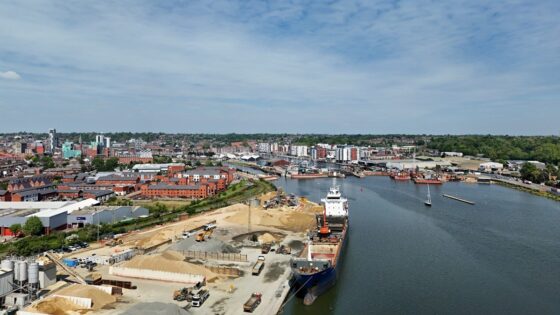
ABP, Brett and Tarmac are developing a tri-modal (road, rail and marine) logistics hub at the Port of Ipswich to feed construction materials to EDF’s Sizewell C nuclear project on the Suffolk coast. The hub will consolidate aggregates and cementitious materials for bulk shipment, reducing HGV movements on local roads by shifting high-volume loads to rail wagons and coastal vessels. For civil and materials teams on Sizewell C, this signals a tightly controlled supply chain with centralised quality control and stock management for concrete and backfill materials.
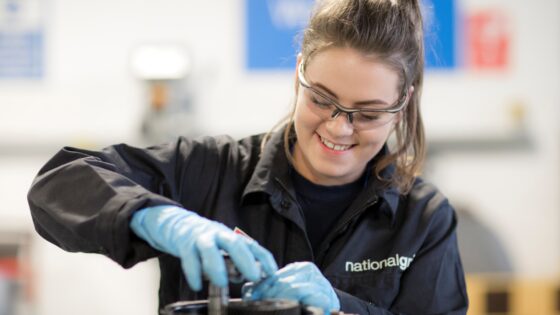
National Grid will invest £5M over five years to fund training and employment support for 5,000 young people, becoming one of the first major employers to back Prime Minister Andy Burnham’s overhaul of technical education. The programme is expected to target skills for power transmission, substation construction and grid connection projects, directly feeding labour into major UK infrastructure upgrades. For contractors and consultants, this signals a medium‑term pipeline of technician‑level talent aligned with emerging grid modernisation and decarbonisation workloads.