Tilbury Douglas robot on site: safety data and time‑saving lessons for engineers
Reviewed by Tom Sullivan
First reported on The Construction Index
30 Second Briefing
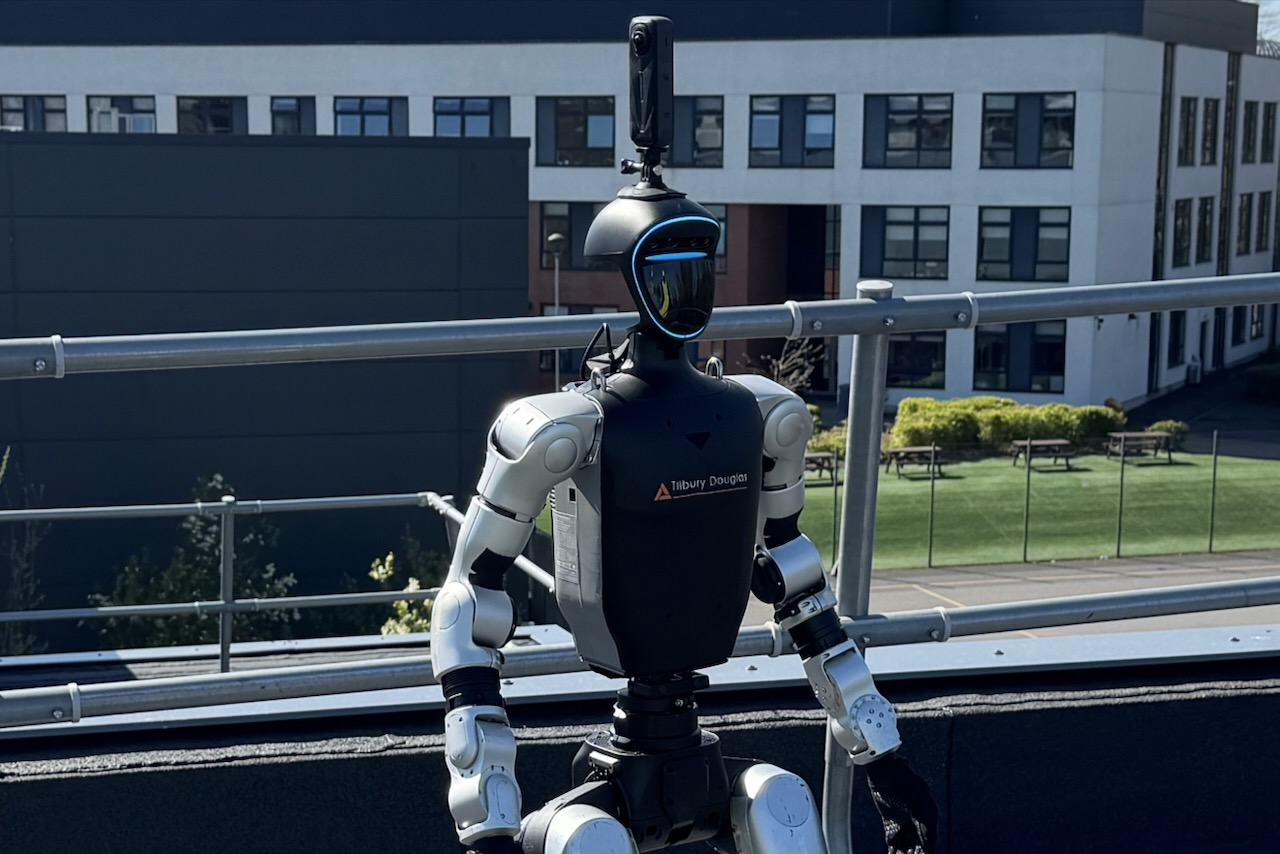
Tilbury Douglas has deployed a humanoid robot on live construction sites to autonomously navigate works, capture 360-degree imagery and generate detailed progress reports. The system feeds structured data into health and safety monitoring and reporting workflows, with the contractor estimating average time savings of around 40 hours per month. Technical director Mark Buckle positions the robot as a response to skills shortages, using automation to take over repetitive site-walk and documentation tasks so engineers can focus on higher-value design and coordination work.
Technical Brief
- Regular robotic traverses can standardise inspection frequency, reducing variability between different site managers’ walkdowns.
- Removing repetitive walkrounds from engineers’ duties frees competent staff for higher-risk method statement and design checks.
- Similar humanoid platforms could be integrated with BIM-based clash and safety hazard detection on complex infrastructure builds.
Our Take
Tilbury Douglas already features in our UK Infrastructure coverage for healthcare and fit-out work, so deploying a data-collection robot here suggests the firm is testing digital tools it can later roll out across its NHS and Paragon interior projects where access and safety constraints are tight.
A recurring theme in our 801 Infrastructure stories is that site digitisation only gains traction when it demonstrably frees up staff time; the quoted 40 hours per month saving gives Tilbury Douglas a concrete productivity metric it can use in bids and framework renewals with public-sector clients.
Full 360-degree imagery aligns with how other UK contractors are feeding reality-capture data into BIM and progress-tracking tools, so this move likely positions Tilbury Douglas to tighten programme control and claims documentation on complex refurbishments like the Coventry community diagnostic centre scheme noted in our related coverage.
Prepared by collating external sources, AI-assisted tools, and Geomechanics.io’s proprietary mining database, then reviewed for technical accuracy & edited by our geotechnical team.


