Geomechanics, Streamlined.
© 2026 Geomechanics.io. All rights reserved.
Sandvik has launched xCell Banshee and xCell Hydra digital ground support tools at the ACG Caving Conference 2026 in Ulaanbaatar, Mongolia, targeting real‑time insight into rock bolt performance and ground behaviour in cave and hard‑rock mines. The systems use instrumented bolts and connected sensors to capture load and deformation data, enabling engineers to track support performance over time rather than relying solely on periodic visual inspections. Sandvik positions the tools within its existing digital ground support portfolio, signalling further integration with mine monitoring and data platforms.
Endura Mining has awarded Macmahon Mining New Zealand a five-year underground mining contract at the Snowy River gold mine, valued at about A$406.2 million and scheduled to start in October 2026. Macmahon will take on core underground production activities under a single integrated scope, signalling a substantial re-entry into the New Zealand hard-rock sector for the contractor. The long-term, high-value package points to sustained demand for specialised underground fleet, ground support, and local workforce mobilisation in a relatively remote West Coast setting.
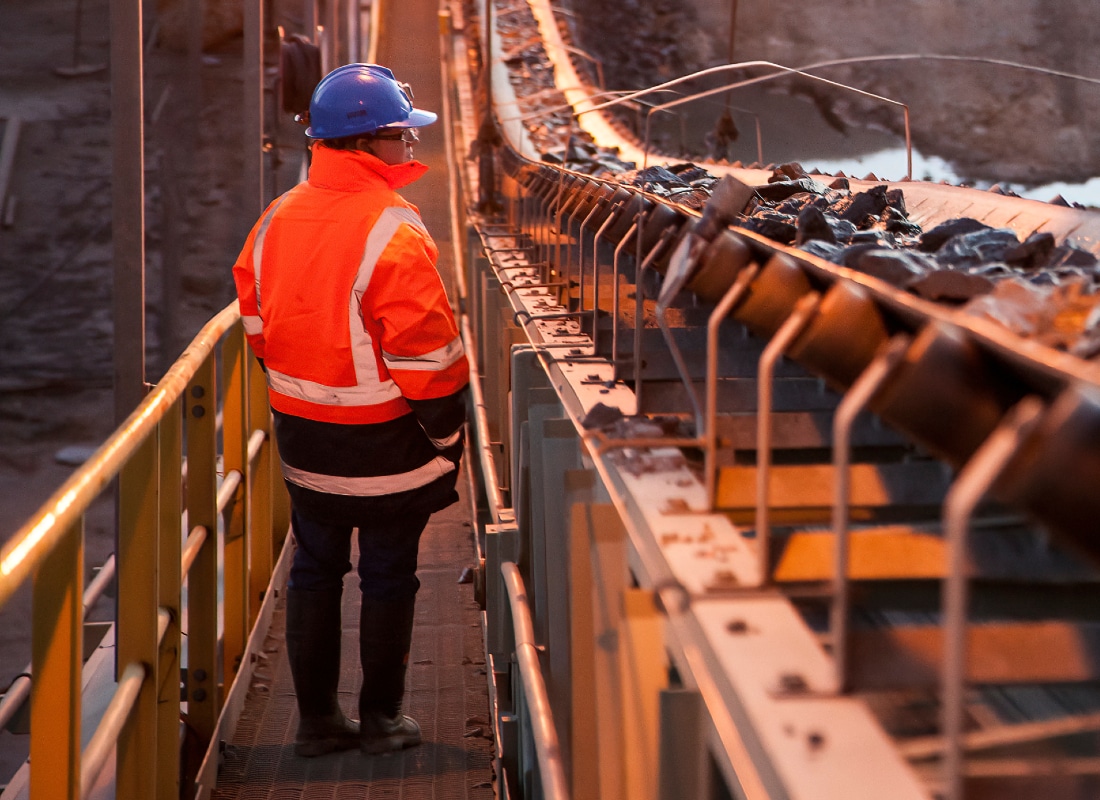
REMA TIP TOP has launched MCube RFP Mobile 2.0, an upgraded mobile condition monitoring system targeting conveyor rollers, where around 75% of mechanical faults on conveyor systems originate. The tool uses sensor-based roller measurements and structured inspection workflows to capture precise vibration and temperature data in the field, feeding it into a central MCube platform. For mine operators, this enables earlier detection of failing idlers, more targeted shutdown planning, and better prioritisation of belt walkdowns on long overland and plant conveyors.
Weir’s Head of Data and AI, Kenneth Ulrich, outlines how the company’s NEXT Intelligent Solutions platform uses machine-learning models to optimise mineral processing plant performance in real time. By combining sensor-rich equipment data from Weir comminution circuits with digital twins of crushers, screens and pumps, the system can predict wear, adjust operating setpoints and flag impending failures before they hit throughput. Ulrich points to continuous model retraining on live plant data as critical for coping with ore variability and changing operating conditions.
The first section of the new Marshalls Creek Bridge on the Sturt Highway at Wagga Wagga will open to traffic next week, marking the halfway point of the New South Wales Government’s $30 million upgrade. The project will extend the four-lane Sturt Highway corridor through Wagga Wagga to about 4.5 kilometres, with full completion targeted for mid-2027. For designers and contractors, the staged opening signals a shift in traffic loading and work sequencing on the remaining bridge structure and approach embankments.
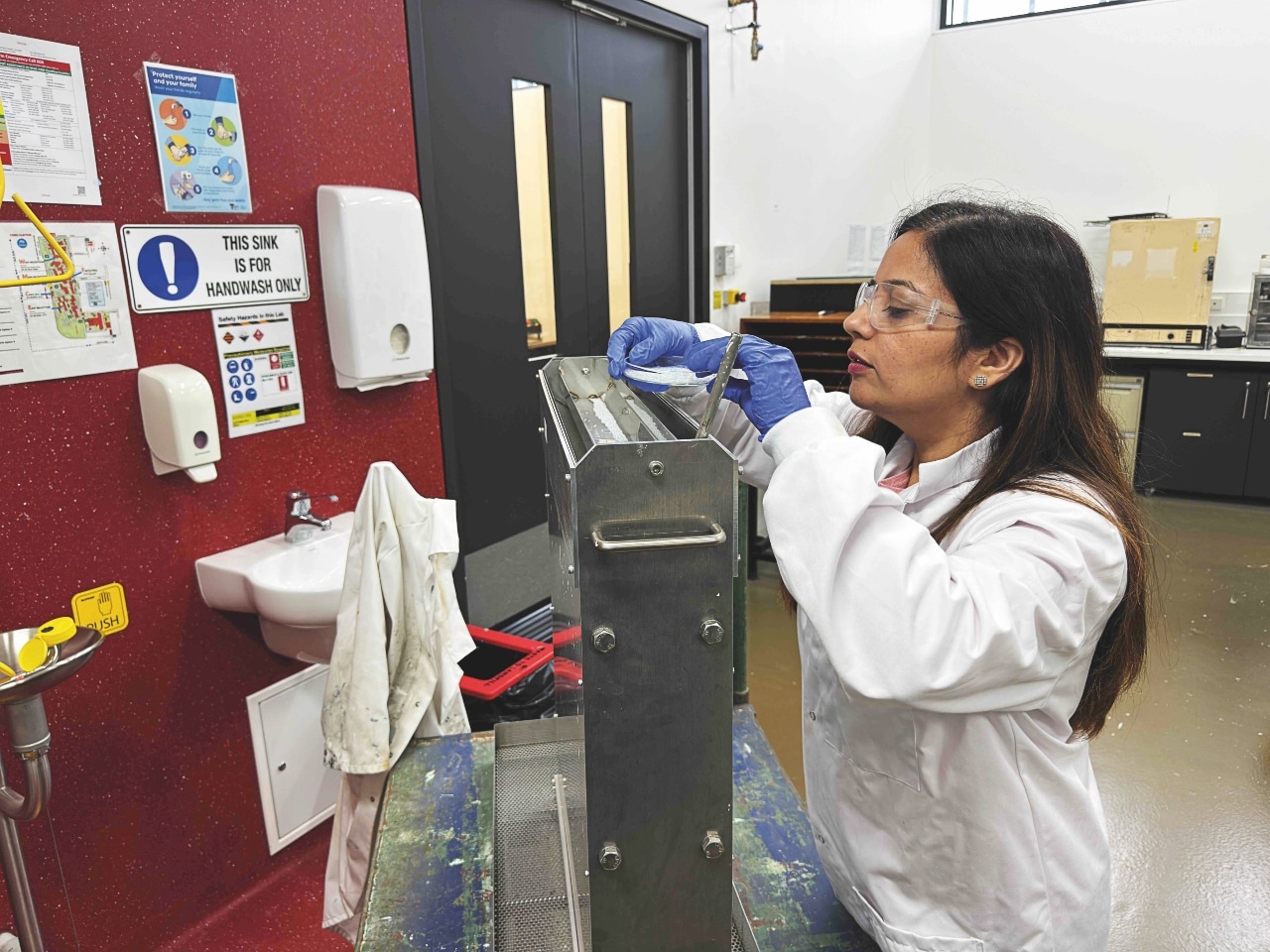
CSIRO is running independent testing and verification of materials used in Australian road line markings, focusing on retroreflective glass beads and binder systems to maintain night-time visibility and durability on high-speed motorways. Materials Performance team leader Money Arora oversees laboratory assessment of bead size distribution, refractive index and coating adhesion against strict specification criteria before products are approved for use. The work directly affects pavement marking design life, maintenance intervals and performance under heavy traffic loading and UV exposure, especially on multilane arterial and freight routes.
Safety upgrades on Queensland’s Mount Lindesay Highway at Palen Creek are now complete, targeting a previously high‑risk curved section on this key Scenic Rim freight route. The State Government works re‑profiled the curve and improved road geometry to cut crash risk and improve heavy vehicle stability and travel time reliability for freight operators and local businesses. For geotechnical and civil teams, the project signals continued focus on treating substandard horizontal alignment and sight distance on rural freight corridors rather than full greenfield realignments.
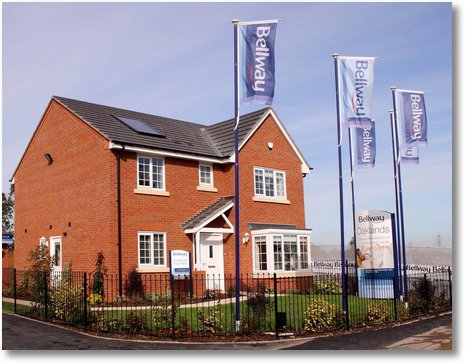
Bellway completed 9,695 homes in the first half of 2026, up 10.8% and ahead of its 9,300–9,500 forecast, driven by strong conversion from its bulk sales pipeline, while private units held at 79% of total completions. Housing revenue rose over 13% to £3.14bn and underlying operating profit is expected around £320m, but operating margin slipped to 10% from 10.9% due to a higher share of lower-margin bulk deals. Average selling prices increased slightly, mainly from geographic and product mix rather than market-wide price inflation.
Endurance Land, part of Nan Fung Group, has appointed Multiplex as main contractor for the 36-storey 99 City Road office tower in London, designed by Kohn Pedersen Fox Associates. Structural engineer AKT II will lead the primary frame and foundations, while Arup is responsible for MEP systems and sustainability strategy. The appointment signals progression to detailed construction planning on a high-rise commercial scheme where integrated structural–services coordination and façade performance will be critical to meeting London office loading, comfort and energy targets.
Kimpton has secured the mechanical and electrical engineering contract for The City of Liverpool College after a competitive tender, with its prior hosting of T-Level student placements cited as a contributing factor. The scope will cover full M&E systems installation and integration across the college estate, including building services needed to support modern technical teaching spaces. For contractors and consultants, the award signals growing weight being given to demonstrable skills pipelines and education partnerships in bid evaluations, alongside price and technical competence.
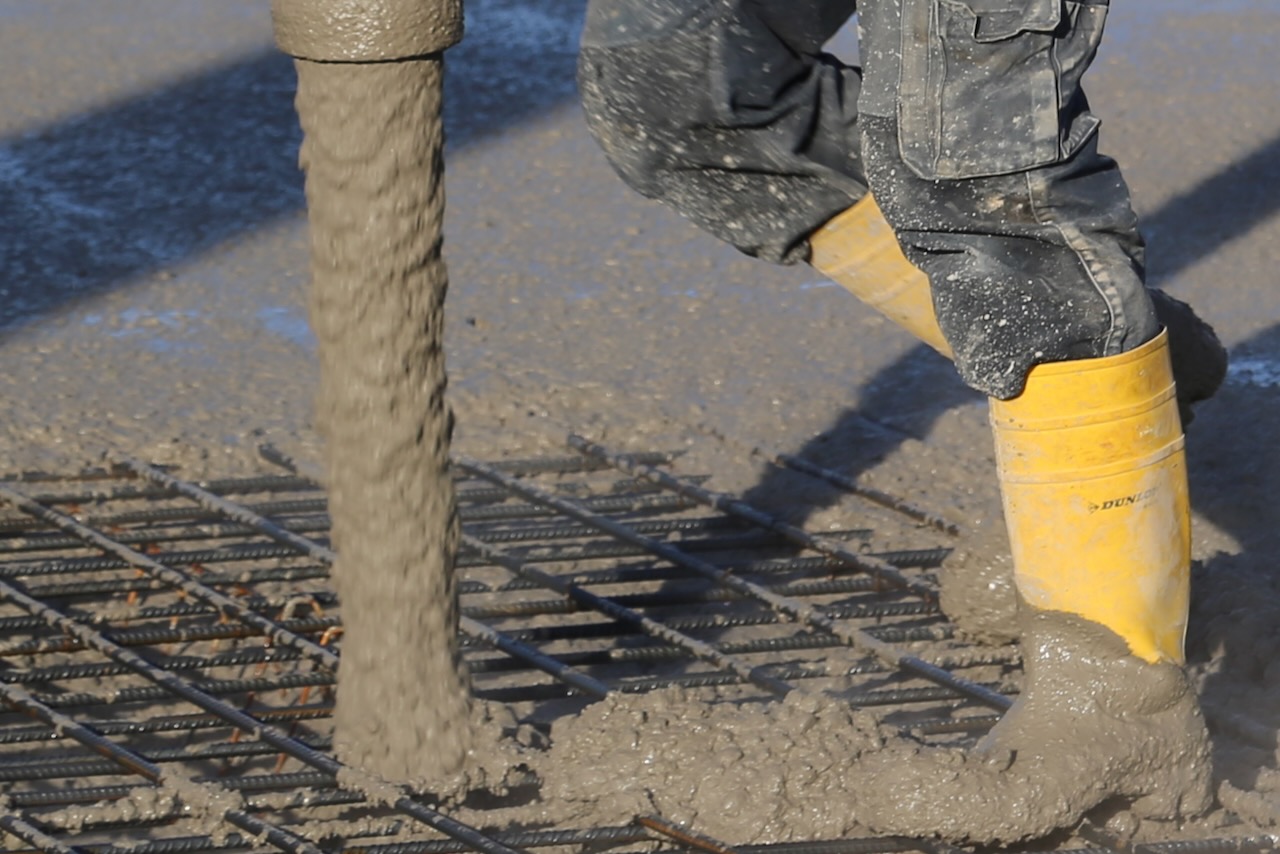
VDMA has issued Revision 21 of its safety manual for concrete delivery and placing machines, restructuring the long‑standing regulations and aligning them with current EU legislation and accident insurance requirements. The update integrates new processes and terminology, explicitly referencing European legal frameworks and the current state of the art in machine safety. Extensive feedback from operational practice has been incorporated, and the revised manual is available free of charge from VDMA, giving contractors, pump operators and OEMs an immediately usable reference for safe set‑up, operation and maintenance.
Northumberland contractor Len Smith & Son Building Contractors Limited has been fined £20,000 after a bricklayer fell approximately 2.4 m through a fragile roof onto concrete, sustaining two fractured vertebrae. HSE inspectors found there was no safe system of work, with no edge protection, staging, crawling boards or fall-arrest measures in place for accessing the fragile roof surface. The case signals continued regulatory focus on temporary works design and formal method statements for work on fragile roofing elements.
Vinci Construction UK has reported a 3.6% margin for 2025 on revenues of £2.7bn, signalling stronger profitability across its British infrastructure portfolio. Asphalt subsidiary Eurovia delivered the fastest growth, pointing to robust demand in road surfacing, maintenance and pavement materials. Civil engineering arm Taylor Woodrow also improved performance, suggesting a solid pipeline of major transport, utilities and public-sector projects requiring complex groundworks and reinforced concrete structures.
Austral Resources Australia has secured Hammer Metals with an $80.7 million all-scrip offer after Larvotto Resources declined to match, consolidating a large copper exploration package in Queensland’s Mount Isa district. The deal combines Hammer’s high-grade exploration ground with Austral’s existing Mt Kelly heap leach–SX/EW operation and Lady Annie processing infrastructure, creating a larger regional copper platform. For geologists and mine planners, the enlarged tenement position around Mount Isa increases optionality for satellite open pits, resource consolidation and potential expansions of existing leach and processing circuits.
Core Lithium has intersected a broad zone of high-grade spodumene beyond the current BP33 resource at its Finniss lithium operation in the Northern Territory, with the first diamond hole NMRD100 returning 34.08m at 2.09 per cent Li₂O from depth. The intercept lies outside the existing resource envelope, signalling potential for both down-dip and along-strike extensions to the BP33 orebody. For mine planners and geotechs, this could justify revised pit or underground designs and updated geotechnical domains as drilling tightens structural and grade continuity.
Australia’s energy resources sector generated $180 billion in export earnings in 2023–24, accounting for about 27 per cent of the country’s total exports, according to Geoscience Australia’s Australia’s Energy Commodity Resources (AECR) 2026 report. The data place Australia as the eighth‑largest primary energy producer globally in 2024, with coal, LNG and uranium remaining central to its export mix. For miners and project developers, the figures signal continued policy and infrastructure focus on large‑scale energy commodity production and associated port, rail and processing capacity.
PwC’s report “Can we get serious now? Securing Australia’s critical minerals future” maps 102 Australian critical minerals projects but finds only 13 at Definitive Feasibility Study stage and just 11 in construction or production. The pipeline is dominated by lithium, nickel, rare earths and graphite, yet most projects remain stuck in early scoping or PFS phases despite strong demand from battery and EV supply chains. PwC flags permitting timelines, capital intensity and offtake uncertainty as key constraints, signalling limited near‑term new supply without policy and financing shifts.
The Minerals Council of Australia is urging the Federal Government to extend the 50 per cent capital gains tax discount for individual investors in junior minerals explorers beyond its June 2027 expiry. Under the scheme, investors pay CGT on only half the profit from shares held for at least 12 months, a setting the MCA argues is critical for high‑risk greenfields exploration and early‑stage drilling campaigns. Any change to this tax treatment could materially affect capital flows to junior explorers, influencing pipeline projects for critical minerals and future mine development.
North Bridge at Junction 6 of the M42, closed to traffic since July, will be demolished after detailed inspections found significant concrete deterioration and embedded steel at risk of further corrosion. National Highways engineers judged that continued degradation of the reinforced concrete elements could not be managed through interim strengthening or load restrictions. The decision signals likely need for a full replacement structure at this key motorway junction, with geotechnical and traffic management planning now critical to minimise disruption during demolition and reconstruction.
Prime minister Andy Burnham must decide whether to approve continued oil and gas production from existing North Sea fields such as Rosebank and Cambo or honour Labour’s manifesto pledge to halt new extraction. Any phase-out would affect hundreds of existing offshore platforms, subsea pipelines and onshore terminals designed around long-term reservoir depletion schedules and decommissioning plans extending into the 2040s. The decision will directly shape future investment in offshore structural integrity work, well plugging and abandonment campaigns, and potential reuse of platforms and pipelines for CO₂ transport and storage.
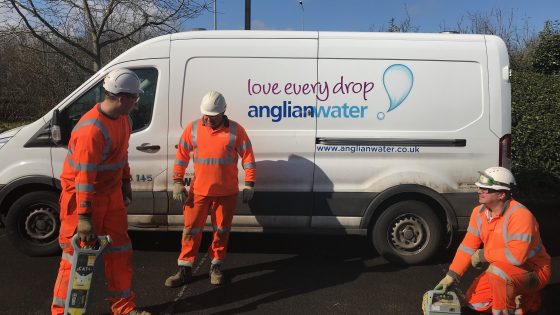
Construction is advancing on Anglian Water’s Middlegate Reservoir in Lincolnshire, a strategic asset intended to bolster potable water storage and supply resilience across the East of England’s drought‑prone network. The scheme forms part of Anglian’s long-term water resources investment programme, which includes new strategic pipelines and additional treated water storage to manage peak demand and climate-driven variability. Geotechnical and civil teams will be focused on embankment stability, seepage control and lining performance to protect groundwater and maintain long-term reservoir integrity.
Zijin Longking has launched the ZL230E, a 230 t class pure battery-electric mining truck (formerly LK350E) in Longyan, Fujian, claimed as the largest-tonnage pure electric unit currently available. The rollout coincided with an investment promotion event for the “Mining + Intelligent Manufacturing” cluster in Xinluo District, signalling intent to localise large-scale electric haulage manufacturing. Zijin Longking also signed an autonomy partnership with Chinese OEM-agnostic automation specialist EACON, paving the way for future driverless deployment of the ZL230E fleet.
Argentina’s Los Azules copper project in San Juan province is moving towards a final investment decision as McEwen Copper completes 27% of its FID work programme and targets construction from early 2027 and first cathode production in 2030. A 2025 feasibility study outlines average output of 205,000 tonnes of copper cathode per year for the first five years at cash costs of US$1.71/lb over an initial 22-year life, placing the project in the second-lowest global cost quartile. Current work covers processing plant engineering, mining fleet selection, power supply, access road and camp construction, with Société Générale advising on debt and an IPO under consideration.
Western efforts to reshore critical minerals risk stalling because the bottleneck is processing, not ore supply, with China still refining roughly 50% of global copper and about 90% of rare earths, mining lawyer Rebecca Seidl-Inglesby of Baker Botts warns. She notes a typical copper mine can take 17–30 years from discovery to US production, while new refineries face 18–24‑month product qualification lags, so governments are increasingly stepping in as commercial counterparties via price floors, 10‑year offtakes and equity, as seen in the Pentagon’s multi‑billion‑dollar MP Materials deal. Projects now win funding less on geology than on integrated routes from deposit to refinery and creditworthy offtaker, with capital structures clean enough to pass foreign‑investment scrutiny.