TerraPower Natrium plant in Wyoming: design and grid-integration notes for engineers
Reviewed by Joe Ashwell
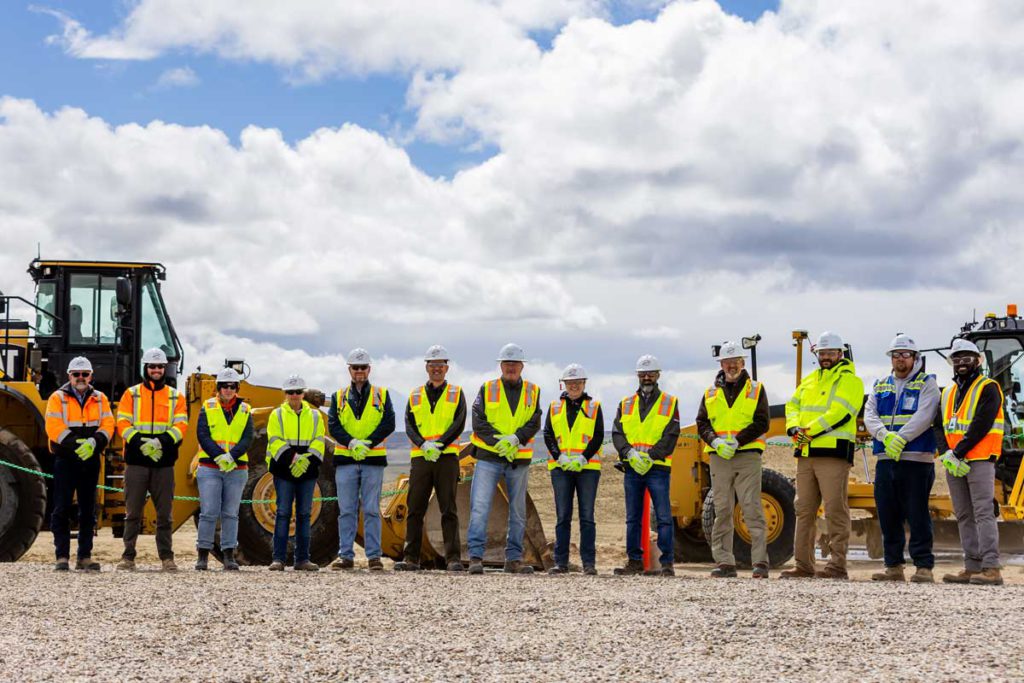
First reported on MINING.com
30 Second Briefing
TerraPower has begun construction of its flagship Natrium plant in Kemmerer, Wyoming, after securing a US Nuclear Regulatory Commission construction permit, building a 345 MW sodium‑cooled fast reactor with an integrated molten‑salt energy storage system capable of boosting output to 500 MW. The project, part of the US Department of Energy’s Advanced Reactor Demonstration Program, will mobilise about 1,600 workers and become Wyoming’s first commercial nuclear generating station. TerraPower has also signed an agreement with Meta for up to eight Natrium plants by 2035, signalling aggressive commercial rollout.
Technical Brief
- Ground was first broken on the greenfield Kemmerer site in June 2024 for non‑nuclear facilities.
- TerraPower reports “years” of disciplined site preparation, implying extensive early civils, utilities and earthworks already completed.
- Around 1,600 workers are being mobilised for the main build phase, indicating substantial parallel workfronts.
- Kemmerer Unit 1 is explicitly positioned as a commercial reference design for subsequent Natrium fleet replication.
- The project is delivered under the US DOE Advanced Reactor Demonstration Program, a structured public‑private cost‑sharing framework.
- Agreement with Meta for up to eight Natrium plants by 2035 signals a multi‑unit deployment pipeline influencing supply‑chain scaling.
Our Take
Meta’s deals with TerraPower, Vistra and Oklo for up to 6.6 GW of nuclear capacity by 2035 mean the 345 MW Natrium unit at Kemmerer is one of several advanced reactors now effectively underwritten by hyperscale data‑centre demand, which should de‑risk offtake for uranium suppliers such as Ur‑Energy’s Shirley Basin and Lost Creek operations.
With TerraPower’s Natrium design already submitted for UK Generic Design Assessment, the Kemmerer Unit 1 build in Wyoming becomes a de facto reference plant for potential export into the UK market, raising the strategic importance of on‑time delivery and operability data for regulators on both sides of the Atlantic.
Prepared by collating external sources, AI-assisted tools, and Geomechanics.io’s proprietary mining database, then reviewed for technical accuracy & edited by our geotechnical team.


