Geomechanics, Streamlined.
© 2026 Geomechanics.io. All rights reserved.
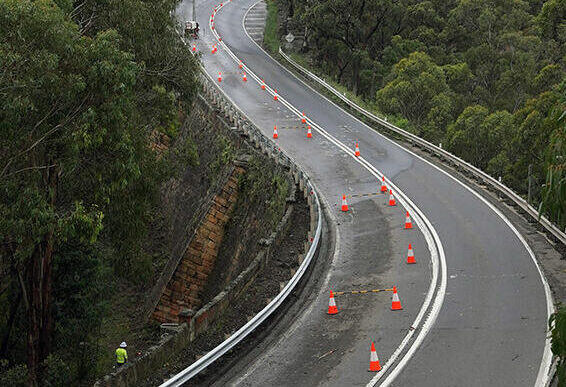
A joint $100 million commitment from the Federal and New South Wales Governments will fund rebuilding and “future‑proofing” of the Great Western Highway at Victoria Pass, where Mitchell’s Causeway and the pass have been closed since March due to serious cracking and ground movement. The package includes $50 million already announced for upgrading key detour routes, which have been carrying diverted heavy vehicles and commuter traffic. Transport for NSW has entered an alliance contract with engineering partners to design and deliver stabilisation and reconstruction works on this critical Blue Mountains freight and tourism corridor.
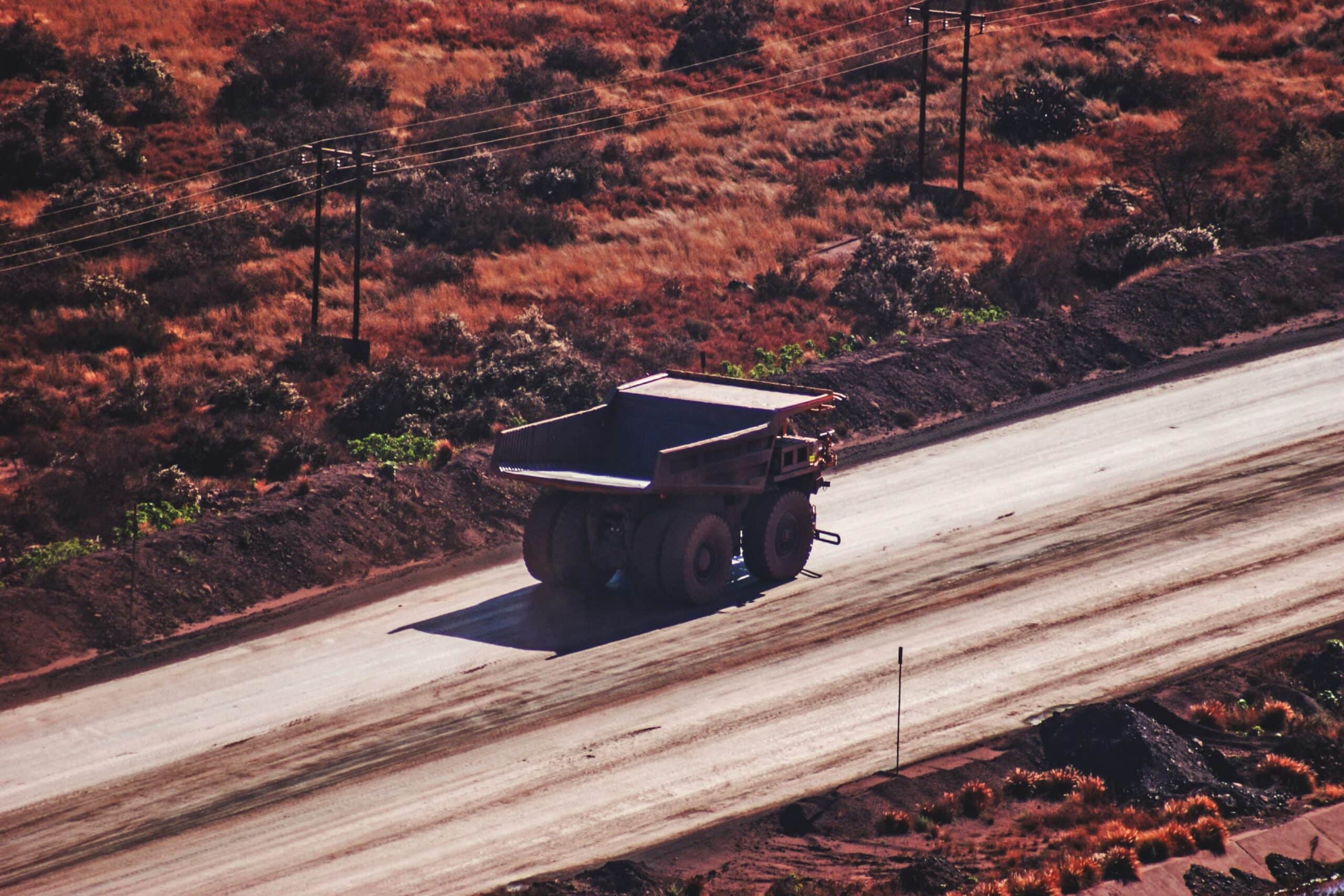
Dust-A-Side Australia, part of the Colas Group, is targeting poor haul road conditions in mining and resources operations by combining unsealed road design, surface treatment and ongoing road management to cut dust and improve running surfaces. Using site-specific blends of binders, stabilising agents and dust palliatives, the company aims to reduce water cart usage, grader passes and tyre wear while maintaining required friction and bearing capacity. For geotechnical and civil teams, the approach links traffic loading, material properties and moisture control directly to productivity and maintenance costs.
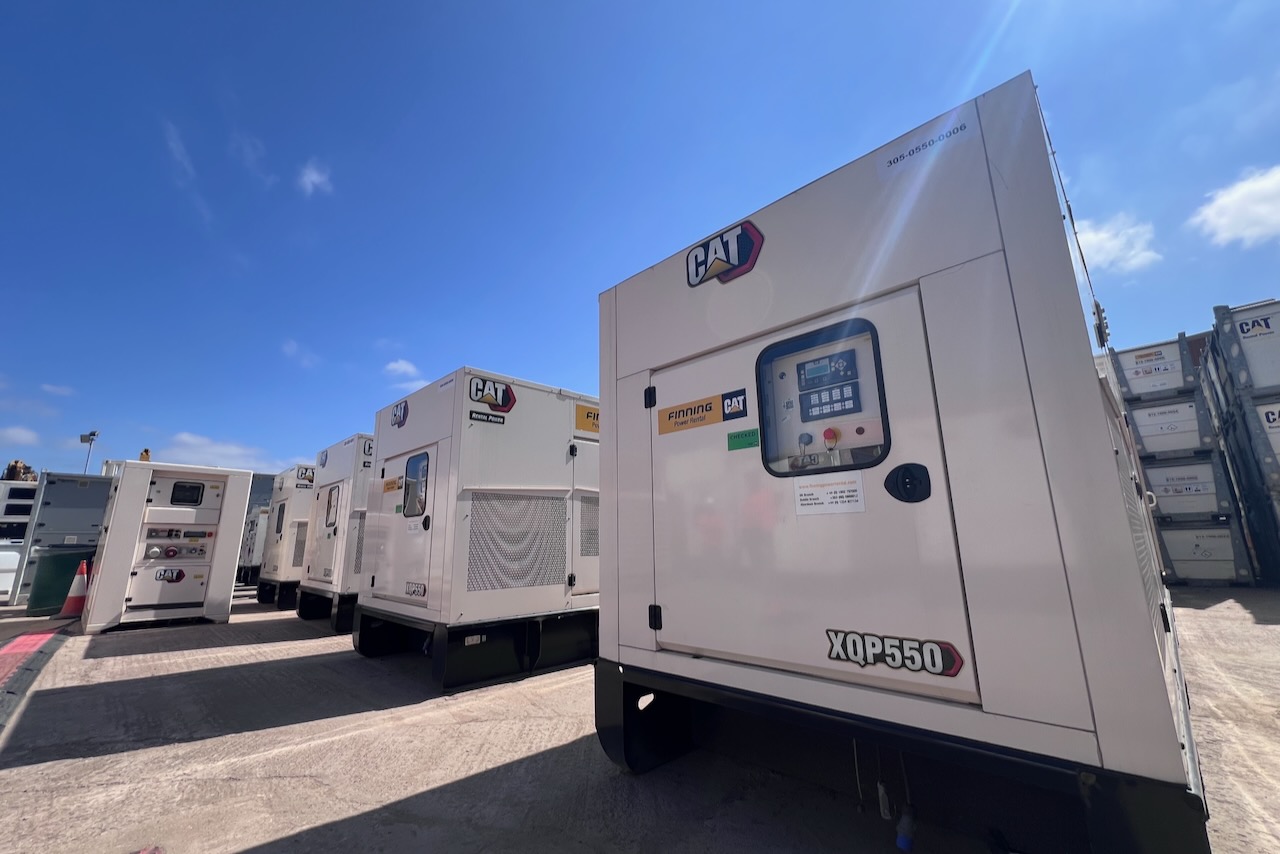
Finning Power has opened a new depot in Ashford, Kent, to provide Caterpillar power generation equipment and service support closer to London and South East infrastructure projects than is possible from its Cannock, Staffordshire, headquarters. The Ashford site will act as a regional hub for temporary and standby power, including diesel and gas generator sets, loadbanks and associated switchgear, reducing mobilisation times for construction, tunnelling and rail works. For contractors and plant hirers, nearer depot coverage should cut response times for breakdowns and planned maintenance on critical power systems.
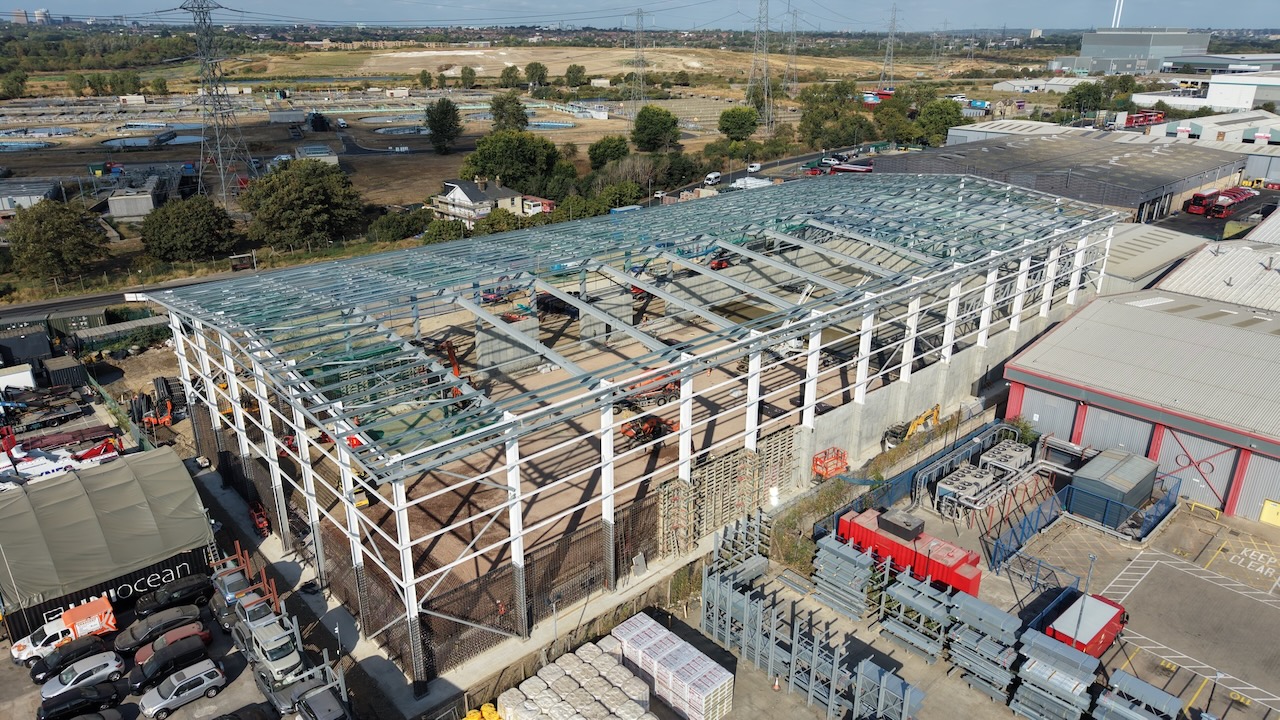
Structural steelwork is nearing completion on Powerday’s new Croydon materials recycling facility, which will be fitted out with processing equipment supplied by Turmec. The MRF is scheduled to open in April 2027, providing additional sorting and recovery capacity for construction and commercial waste in south London. For civil and structural teams, the programme suggests imminent transition from primary steel erection to cladding, services integration and installation of heavy mechanical plant.
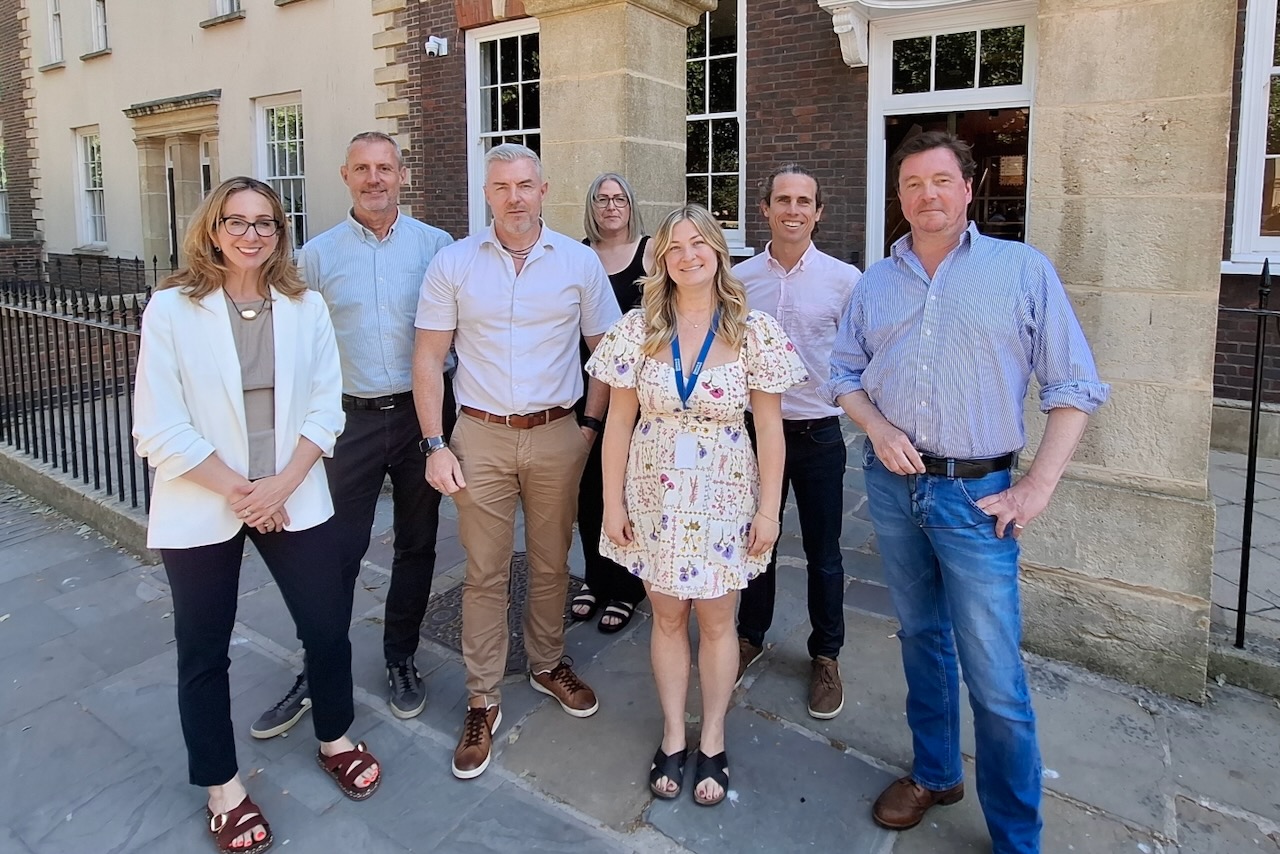
Drees & Sommer UK has opened a permanent office in Queen Square, Bristol, partnering with flexible workspace provider Runway East to anchor a growing local team. The Bristol office will deliver full consultancy services including project and cost management, technical due diligence, building surveying, digital/BIM advisory, sustainability consulting and Building Safety Act Principal Designer roles for both new-build and existing assets. The firm is targeting sectors prominent in the South West—advanced manufacturing, aerospace, defence, battery technology, life sciences, digital and clean tech—amid strong inward investment and a buoyant residential and mixed-use pipeline.
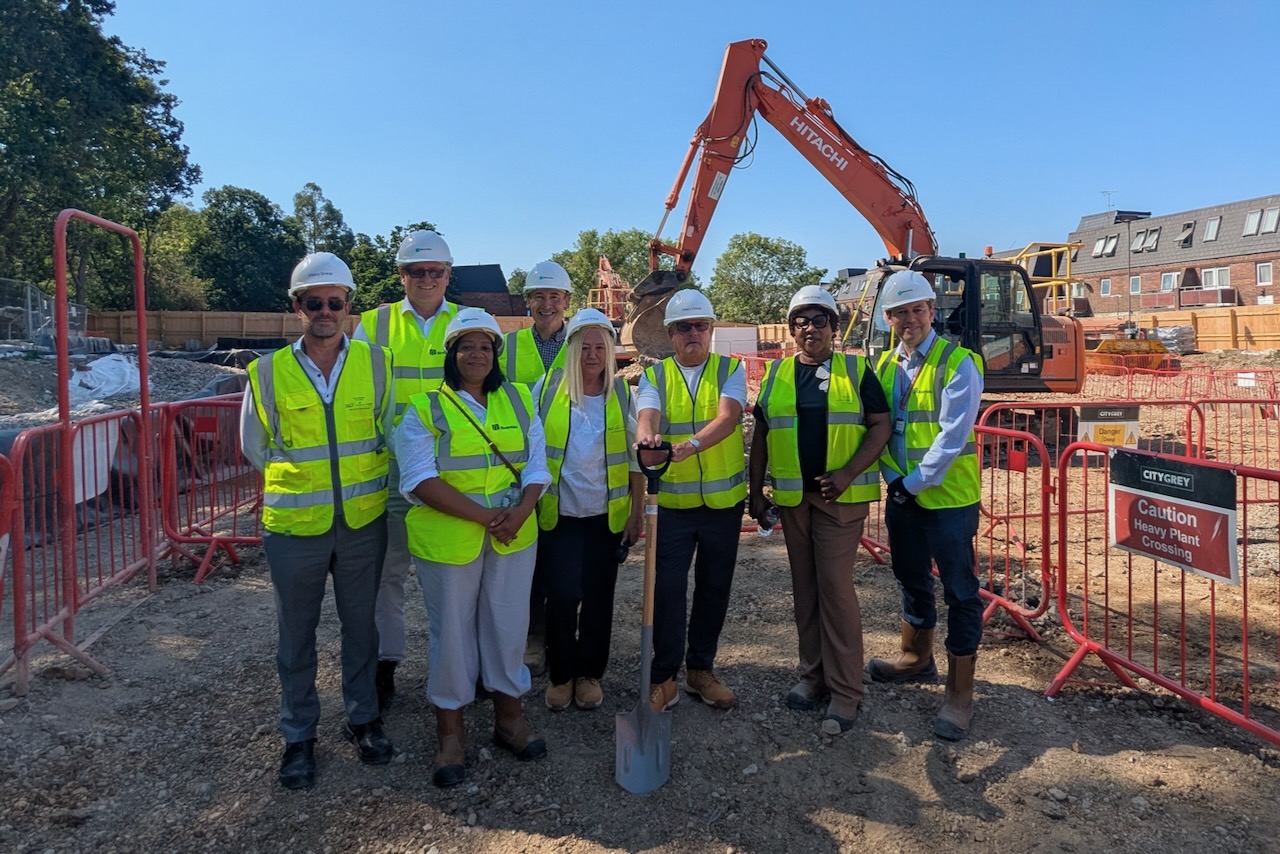
Vistry’s Riverside and Countryside Partnerships has broken ground on the second phase of a 275‑home mixed‑tenure scheme in Bromley, south‑east London. The phase includes 32 social rent homes, with existing tenants retained on the same rent levels and tenancy terms, avoiding decant to off‑site temporary accommodation. For project teams, the key delivery issue will be phasing construction and utilities around occupied units while maintaining access, safety zones and service continuity on a relatively dense urban housing site.
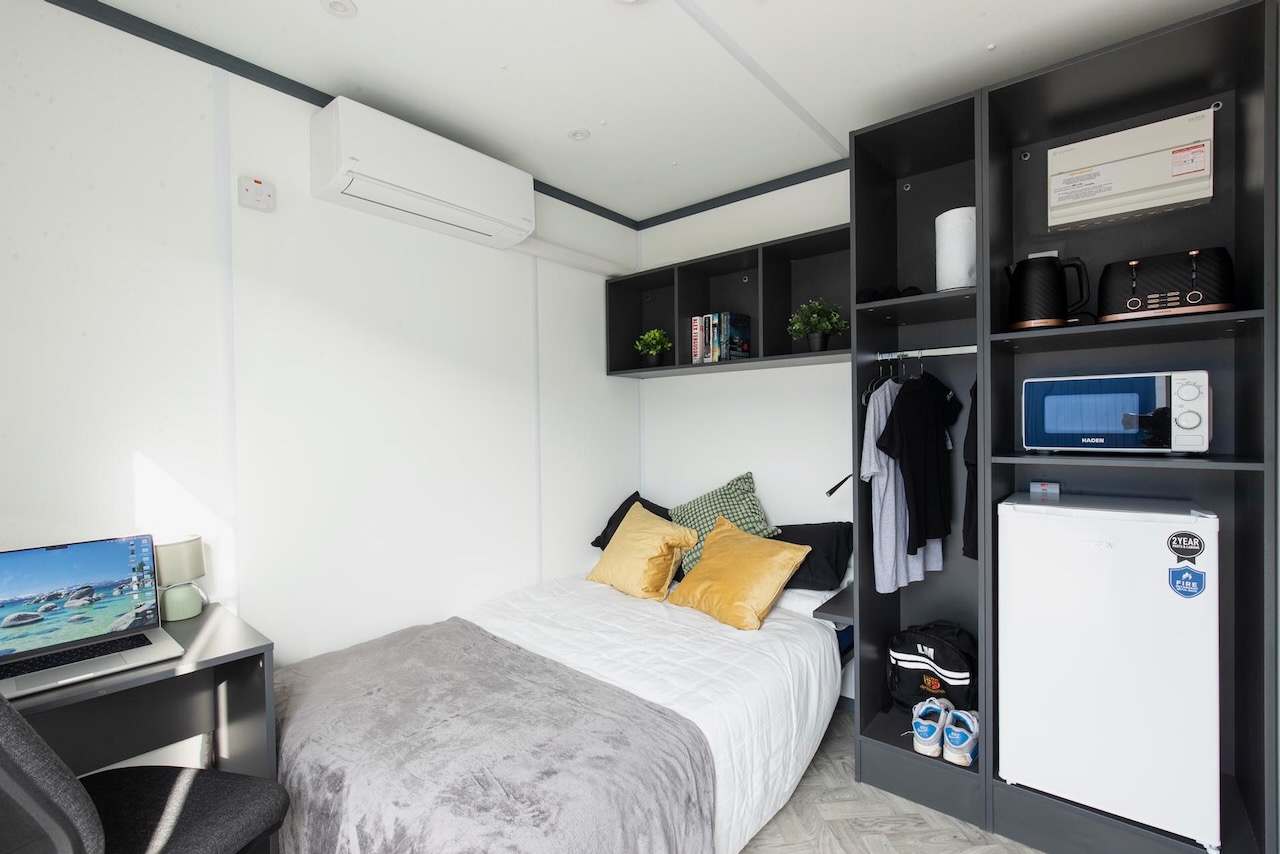
Wernick has launched its RestPod modular unit as an upgraded form of site accommodation, aimed at small teams working early-phase projects in remote or isolated locations. The RestPod is designed to provide home- or hotel-like comfort levels, going beyond basic welfare cabins typically used on UK construction and infrastructure sites. For geotechnical and civils contractors mobilising to greenfield or linear sites with limited local facilities, the units could reduce reliance on long daily commutes or temporary off-site lodging.
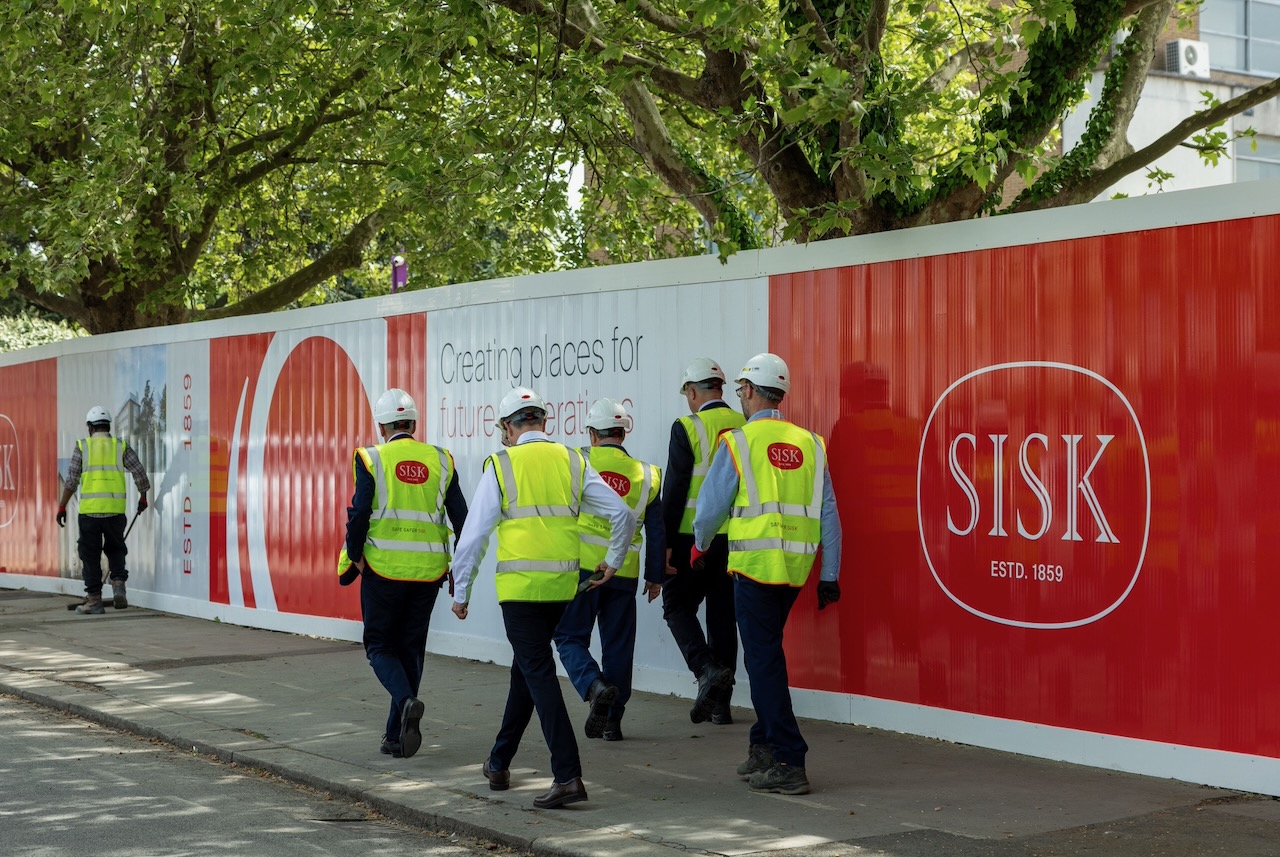
Sicon Limited, parent of John Sisk & Son’s construction businesses, reported 2025 profit before tax up 27.7% to €74.2m, with UK turnover growth offsetting declines in Ireland and Europe. The figures suggest stronger workload and margin resilience in the UK infrastructure and building markets, while continental operations remain under pressure. Contractors and consultants bidding with Sisk in the UK can expect continued capacity and competitive pricing, whereas Irish and European pipelines may tighten as the group rebalances its regional portfolio.
Kier Infrastructure’s managing director for rail and aviation, Mandy Duncan, and Arcadis’ senior account director for HS2, Jonathan Sharrock, have been appointed to the High Speed Rail Group board as the body sharpens its focus on practical delivery of UK high-speed schemes. Duncan brings cross-sector major project experience in rail, aviation, water and nuclear, including supply chain strengthening and long-term skills retention. Sharrock adds 13 years at the Department for Transport plus current responsibility for Britain’s largest infrastructure project, aimed at shaping “efficient and affordable” next‑generation rail investment beyond HS2.
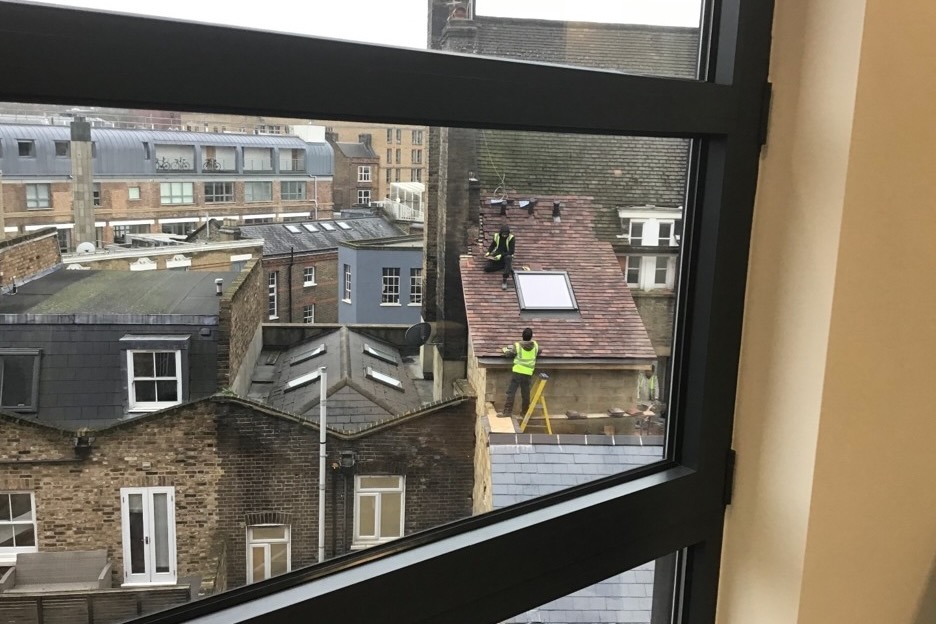
B&O Developments and director Sanjay Swaminaryan were fined at City of London Magistrates’ Court after members of the public reported unsafe roof work on a Kings Cross site to the Health and Safety Executive. The prosecution centred on workers operating at height without adequate edge protection or fall-arrest systems, breaching the Work at Height Regulations 2005. The case signals that HSE will act on public reports of poor temporary access, scaffolding and roof-work controls, with direct implications for contractors’ site supervision and CDM compliance.
Iluka Resources cut net debt to $12 million in the first half of 2026 as its mineral sands business generated $247 million in operating cash flow, while commissioning the Balranald critical minerals deposit in New South Wales. Construction of the Eneabba rare earths refinery in Western Australia reached 60 per cent completion, positioning the plant to process monazite and other concentrates from Iluka’s existing operations. The stronger balance sheet reduces funding risk for both projects, which target zircon, rutile and rare earth supply into high-specification industrial and magnet markets.
Forrestania Resources has lifted its relevant interest in Zenith Minerals to about 56.3 per cent, clearing the 50.1 per cent minimum acceptance condition on its off‑market takeover bid but leaving completion blocked by current Takeovers Panel orders. The Panel is reviewing earlier circumstances around Zenith’s capital raising and disclosure, so Forrestania cannot yet move to compulsory acquisition or integrate Zenith’s lithium and base metals assets into its portfolio. For mining investors and project developers, the delay prolongs uncertainty over future funding, exploration priorities and potential asset rationalisation across both companies’ WA tenements.
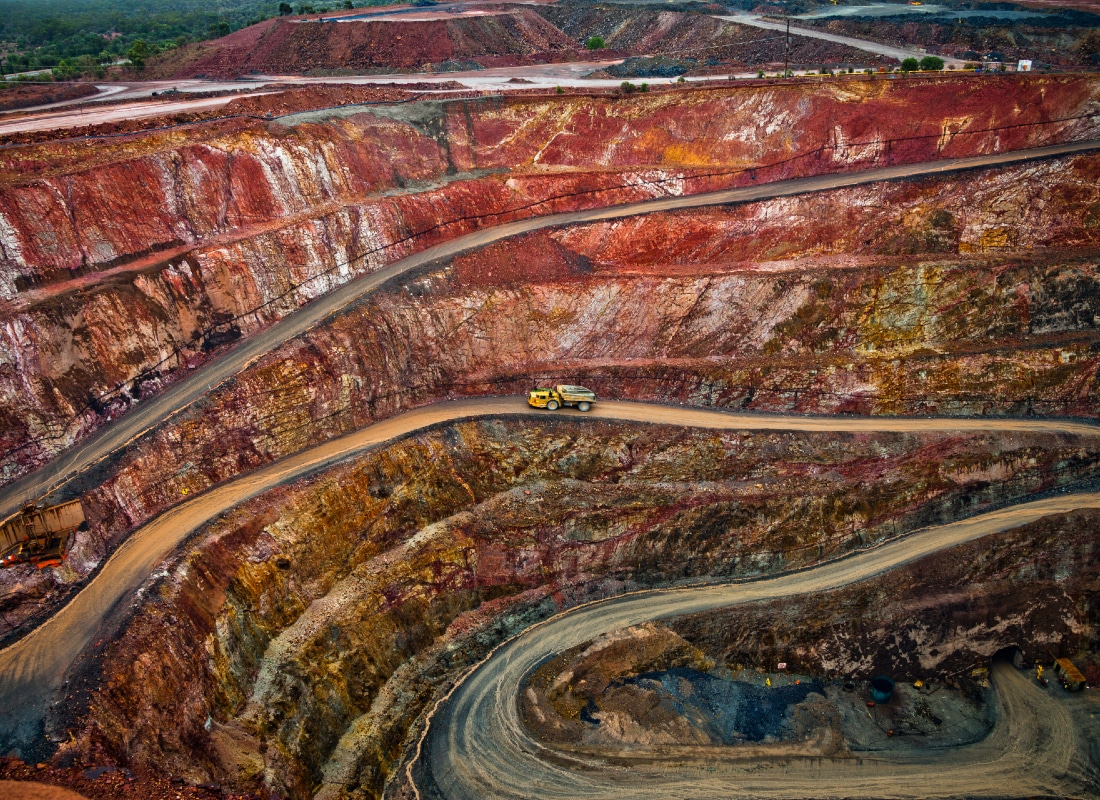
Evolution Mining’s expanded Mungari operation in Western Australia’s Goldfields has ramped up a new 4.2‑million‑tonne‑per‑annum processing plant, lifting gold output to a record 186,000 ounces in FY26 from 135,000 ounces in FY25 and driving record operating mine cash flow. The brownfield expansion centres on higher throughput rather than new orebody discovery, signalling continued focus on debottlenecking and plant optimisation. For mine planners and process engineers, the step change in tonnage and ounces validates incremental capacity upgrades as a viable path to stronger project economics in mature goldfields.
Victory Metals’ pre-feasibility study for the North Stanmore heavy rare earth project in Western Australia outlines a post-tax NPV of A$1.21 billion, underpinned by a 47Mt Probable Ore Reserve and an updated Mineral Resource Estimate. The PFS defines an initial 20-year development case focused on heavy rare earths, positioning North Stanmore as a long-life ion-adsorption clay–style operation in a Tier 1 jurisdiction. For geotechnical and mine planners, the long reserve life and clay-hosted mineralisation point to sustained pit optimisation, slope stability management and low-strip, near-surface mining methods.
Rox Resources has signed a binding Native Title Mining Agreement with the Badimia Barna Native Title Claim Applicant, securing consent for current and future mining tenure at the Youanmi gold project in Western Australia. The deal covers all existing leases and future applications across the defined Youanmi project area as Rox targets first gold production in mid-2027. With tenure risk reduced, project planning can now advance towards detailed mine design, permitting schedules and infrastructure upgrades around the existing Youanmi site.
Lundin Mining has cut 2026 copper guidance at its high‑altitude Caserones mine in Chile’s Atacama region to 120,000–130,000 tonnes, from 130,000–140,000 tonnes, after a second severe winter storm caused fresh power outages and infrastructure damage. The storm on 13–14 August brought heavy rain, strong winds and unusually heavy snow that damaged an already compromised transmission tower, extending downtime that began with a 12‑day outage in July and blocking access routes. Consolidated copper guidance is now 300,000–325,000 tonnes, with Caserones cash costs raised to $2.15–$2.35/lb and group costs to $1.95–$2.15/lb, underlining weather‑driven availability risk for Andean operations.
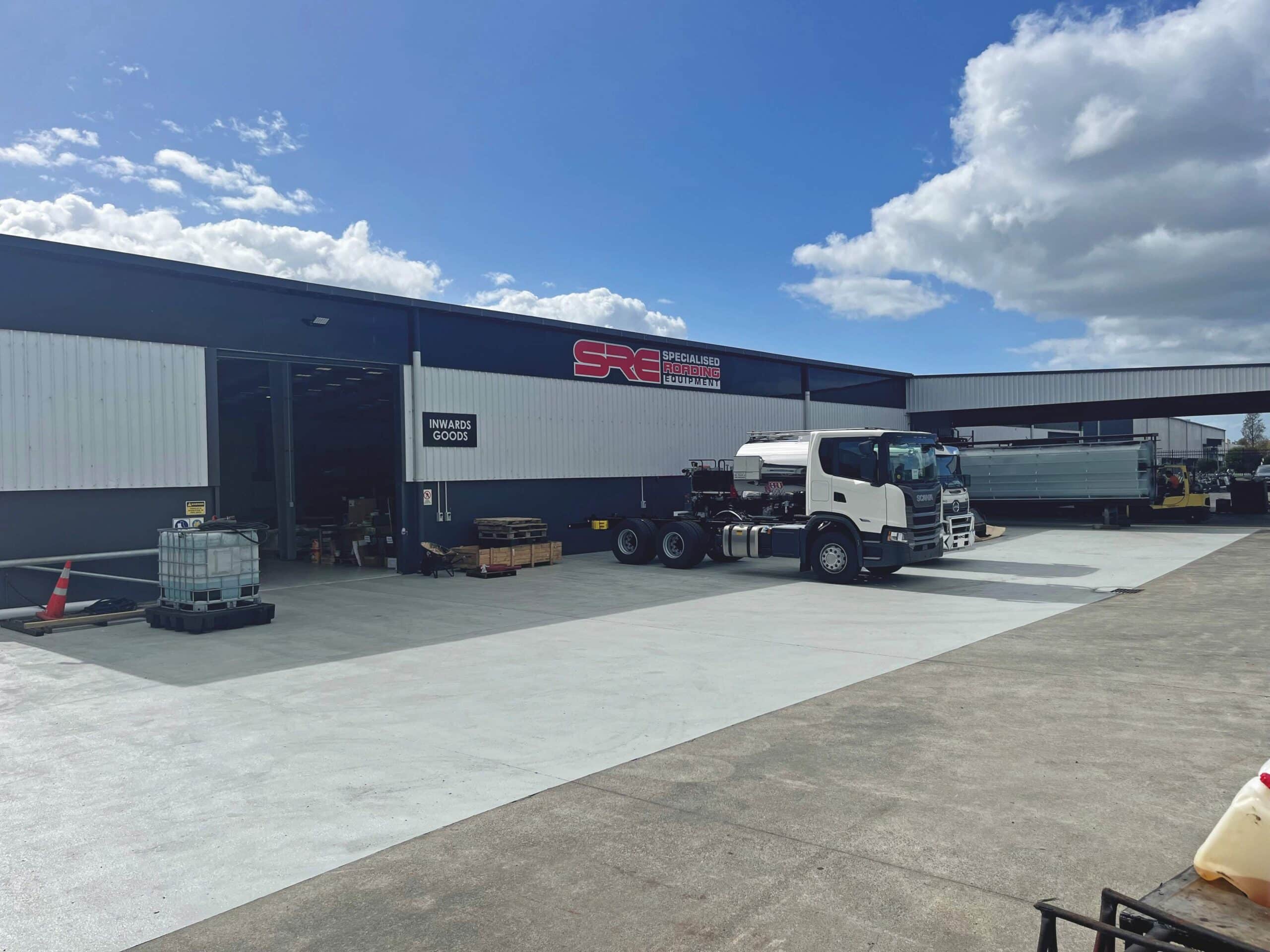
Specialised Roading Equipment (SRE) is repositioning from a niche road maintenance plant supplier to a broader industry player, using in-house design and fabrication of spray seal and stabilisation machinery tailored to local council and contractor needs. Two long-serving employees now lead product development and customer support, drawing on field experience with chip spreaders, bitumen sprayers and emulsion systems to refine equipment layout, control interfaces and maintenance access. The focus on locally staffed teams and long-term client relationships is shaping incremental design changes rather than wholesale platform overhauls.
A £202M government-backed guarantee from the UK’s National Wealth Fund will finance expansion of DataVita’s existing DV1 facility and construction of the new DV3 data centre in North Lanarkshire, targeting Tier III-level resilience and high-density compute loads. The investment is expected to support large-scale cloud and AI workloads, driving demand for high-capacity power connections, enhanced cooling infrastructure and resilient fibre links. For civil and geotechnical teams, the scheme signals continued growth of hyperscale-style data infrastructure in Scotland, with associated grid, foundation and thermal management challenges.
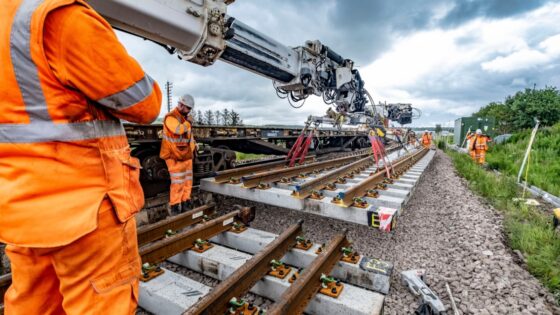
Network Rail will deliver a £7.1M upgrade package on the East Coast Main Line between Newcastle and Scotland over three weekend possessions, concentrating works into short blockades to avoid extended weekday disruption. The programme is expected to bundle track renewals, signalling adjustments and structures maintenance, allowing heavy plant access to constrained corridors while keeping long-distance passenger and freight paths largely available midweek. Contractors and designers should anticipate tight possession windows, intensive pre-fabrication and rigorous access planning around high-speed, mixed-traffic operations.
Holcim is expanding its electric mining equipment fleet at the 2 Mt/y Małogoszcz cement plant in Poland, backed by completion of the second stage of a dedicated charging station for its quarry vehicles. The large captive limestone quarry is being used as a testbed to run battery-electric mining units in a continuous production environment, with infrastructure scaled to support multiple heavy-duty machines. For geotechnical and quarry operators, the project offers an early full-scale reference for integrating high-capacity charging into hard rock extraction logistics.
Captura, a US electrochemical platform provider, and ElectraLith, a direct lithium extraction specialist, have formed a strategic partnership to commercialise ElectraLith’s DLE-R extraction-and-refining technology. The collaboration aims to deploy lower-impact, lower-cost lithium recovery using electrochemical processes rather than traditional evaporation ponds or hard‑rock routes. For project developers, the deal signals growing commercial backing for DLE flowsheets that can be integrated with brine operations to reduce surface footprint and potentially shorten time to first production.
Multi-million-dollar coal mining equipment from bankrupt US miner Clintwood JOD will be sold in a live webcast auction next month run by industrial asset specialist Maynards. The fleet includes heavy-duty units from leading OEMs such as Caterpillar, offering contractors, aggregate producers and civil construction firms access to late-model haulage, loading and support gear typically configured for Appalachian surface and highwall operations. Buyers can repurpose assets for overburden removal, quarrying or bulk earthworks, potentially securing large-capacity machines at distressed pricing.
BHP CEO Brandon Craig is doubling down on organic copper growth, targeting a capital intensity of US$16,000–30,000 per tonne versus roughly US$85,000 per tonne implied for listed pure-play copper peers, which would exceed US$100,000 per tonne once takeover premiums are included. Chief financial officer Vandita Pant says the build-first strategy, including the Jansen potash project now costed at US$6.9 billion for stage two and 84% complete, can be funded from an expected US$35 billion in attributable cash flow over five years. Craig reaffirmed commitment to metallurgical coal via BMA and to uranium by-product output at Olympic Dam, while signalling no rush into acquisitions such as NexGen Energy.
Lithium Chile’s C$175 million sale of its Argentum Lithium subsidiary and 29,245-hectare Salar de Arizaro interest to China Union Holdings now faces a potential national security review after Canada’s director of investments issued a Subsection 25.2(1) Investment Canada Act notice. The Arizaro prefeasibility study outlines 4.122 million tonnes of battery-grade lithium carbonate over a 20-year mine life, backed by an NI 43-101 resource and PEA, making the asset strategically significant. Lithium Chile disputes Ottawa’s jurisdiction over the Argentine vehicle, while China Union must also secure outbound investment approval from Beijing.