Derwent Dam construction 1916: archive images and design lessons for engineers
Reviewed by Joe Ashwell
First reported on New Civil Engineer
30 Second Briefing
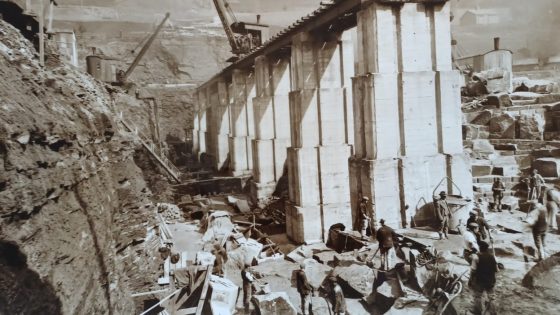
Newly released archive photographs show the construction of Derwent Dam in 1916, when the masonry gravity structure was built to secure a strategic upland water supply for the Derwent Valley. Severn Trent says the reservoir system now provides treated water to millions of people across Derbyshire, Leicestershire and Nottinghamshire, illustrating the long-term performance of early 20th‑century dam engineering. The images offer rare visual detail on historic construction methods, materials handling and workforce scale for a major UK water infrastructure asset.
Technical Brief
- Archive release by Severn Trent provides primary-source visual data for early 20th‑century dam construction.
- Imagery allows back‑analysis of original plant, cranage and temporary works used in the Derwent Valley.
- Photographs give rare evidence of quarrying, stone dressing and block placement logistics for a large UK masonry dam.
- Workforce scale and distribution visible in the images can inform historic productivity and labour‑intensive sequencing assumptions.
- Visual records of cofferdams, diversion works and foundation preparation can refine current understanding of as‑built conditions.
- For modern dam safety assessments, such archives help constrain unknowns in material provenance and construction quality.
- Release aligns with a small but growing set of UK dam projects where historic build records are being digitised.
Our Take
Severn Trent’s appearance here alongside recent coverage of its £45M Rugby Newbold sewage treatment upgrade signals that the utility is actively juxtaposing its early 20th‑century civil assets like Derwent Dam with a current wave of AMP8-driven modernisation work.
With Derwent Dam sitting in Derbyshire and Severn Trent’s current capital programme spread across the Midlands (including Rugby and multiple Environment Agency-linked schemes in Nottinghamshire and Leicestershire via NG Bailey’s ESG unit), the historic archive reinforces how long-lived these regional water assets are compared with today’s 25–40 year design horizons.
Prepared by collating external sources, AI-assisted tools, and Geomechanics.io’s proprietary mining database, then reviewed for technical accuracy & edited by our geotechnical team.
Related Articles


Related Industries & Products
Construction
Quality control software for construction companies with material testing, batch tracking, and compliance management.
Mining
Geotechnical software solutions for mining operations including CMRR analysis, hydrogeological testing, and data management.
QCDB-io
Comprehensive quality control database for manufacturing, tunnelling, and civil construction with UCS testing, PSD analysis, and grout mix design management.