Geomechanics, Streamlined.
© 2026 Geomechanics.io. All rights reserved.
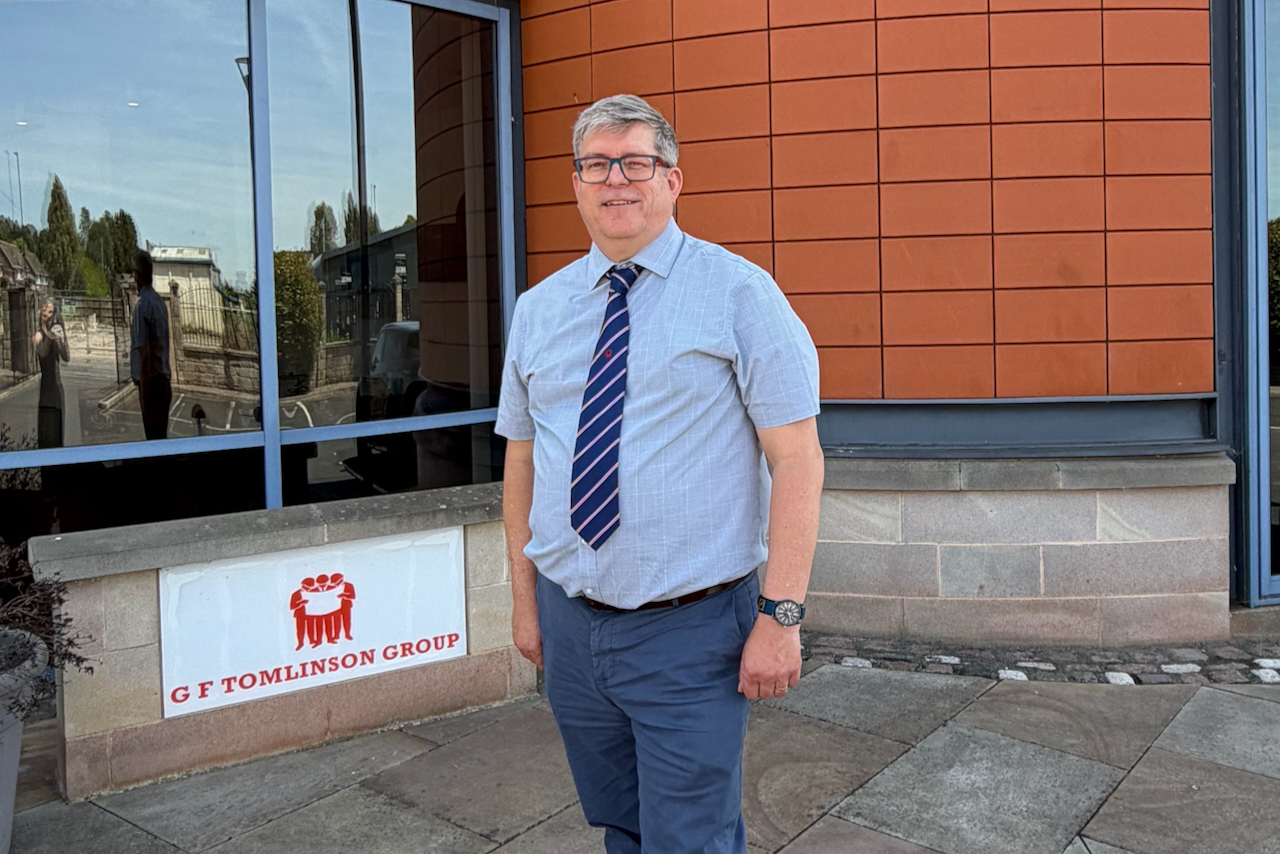
Midlands contractor G F Tomlinson has appointed Glenn Slater as business development manager to work alongside head of business development Les Needham on expanding its workload. The pair will target public sector frameworks, including regional construction alliances and local authority capital programmes, to secure longer-term pipelines. For consultants and subcontractors, the move signals potential growth in framework-led opportunities across education, health and civic projects in the Midlands.
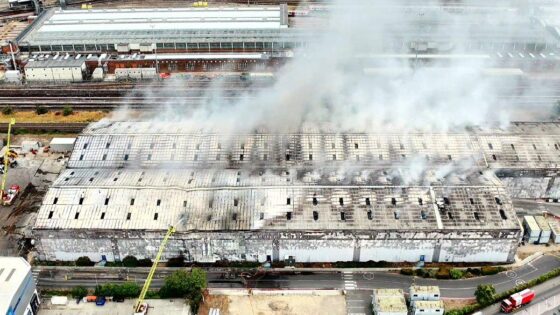
A major fire at LondonEnergy’s Wembley Waste Transfer Station on Hannah Close, Neasden, has required 20 fire engines and about 125 firefighters to bring the blaze under control. The incident at the enclosed waste-handling facility raises immediate concerns over structural integrity of steel frames, cladding performance under high thermal loads, and potential damage to concrete slabs from prolonged heating and quenching. Engineers will need rapid assessment of fire spread pathways through waste stockpiles and building services to inform repairs, resilience upgrades and future fire-separation design.
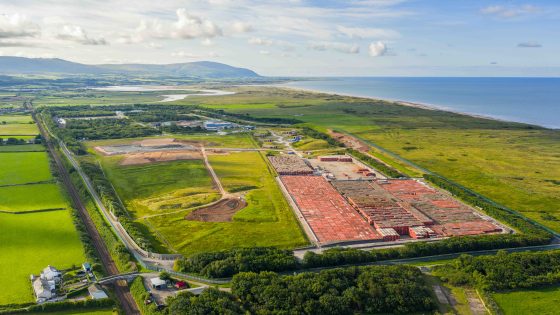
Plans for a 5m tall wildlife tower at Nuclear Waste Services’ Low Level Waste Repository (LLWR) in Cumbria set out a dedicated habitat structure within an active nuclear waste site, integrating ecological features into a highly regulated industrial landscape. The tower will be sited within the LLWR perimeter, requiring careful foundation design and construction sequencing around existing low-level waste vaults and engineered cap systems. For civil and geotechnical teams, the scheme signals growing expectations to incorporate biodiversity structures into nuclear and hazardous waste infrastructure without compromising containment performance.
Flash flooding in Birmingham on 27 August, triggered by intense short‑duration rainfall on parched, largely impermeable urban surfaces, overwhelmed a combined sewer network sized for historic return periods rather than today’s convective storm patterns. Drainage specialists are calling for a “surface‑first” strategy using blue‑green infrastructure such as swales, rain gardens and permeable paving to attenuate runoff before it reaches pipes. For designers, the event reinforces the need to prioritise exceedance routing, overland flow paths and retrofit SuDS over simply upsizing buried sewers.
Gold fell as much as 3.2% to $4,515/oz on Comex after Fed chair Kevin Warsh used his Jackson Hole debut to reaffirm a “firm and fixed” 2% inflation target and signal that short-term rates remain the “predominant tool”, keeping a September hike in play. Silver dropped 4.1% to $67.34/oz, but remains up 71% over 12 months, while gold is still about 11% higher for August and 16% below its January record. Precious metals equities slid 4–6% intraday, yet August gains remain extreme, with Eldorado Gold up 51%, Hecla 44%, Equinox 43% and Agnico Eagle 41%.
Ethiopia’s Afar Depression and surrounding Arabian-Nubian Shield are framed as a textbook SEDEX setting, combining evaporite-derived dense brines, Neoproterozoic volcano-sedimentary basement and overlying carbonate platforms and calcareous mudstones acting as reduction traps. Nicholas Vafeas points to En Kafala’s iron-manganese-barium exhalative sequence (basaltic basement, reef limestones, layered sulphides) as proof the hydrothermal “plumbing” works, yet notes current exploration remains focused on VMS and shear-hosted gold targets such as Sun Peak Metals’ Tigray projects and East Africa Metals’ Harvest. Any future large-scale copper-zinc discovery would be structurally tied to Chinese-backed infrastructure, notably the Chinese-financed Ethio-Djibouti Railway and Port of Doraleh export corridor.
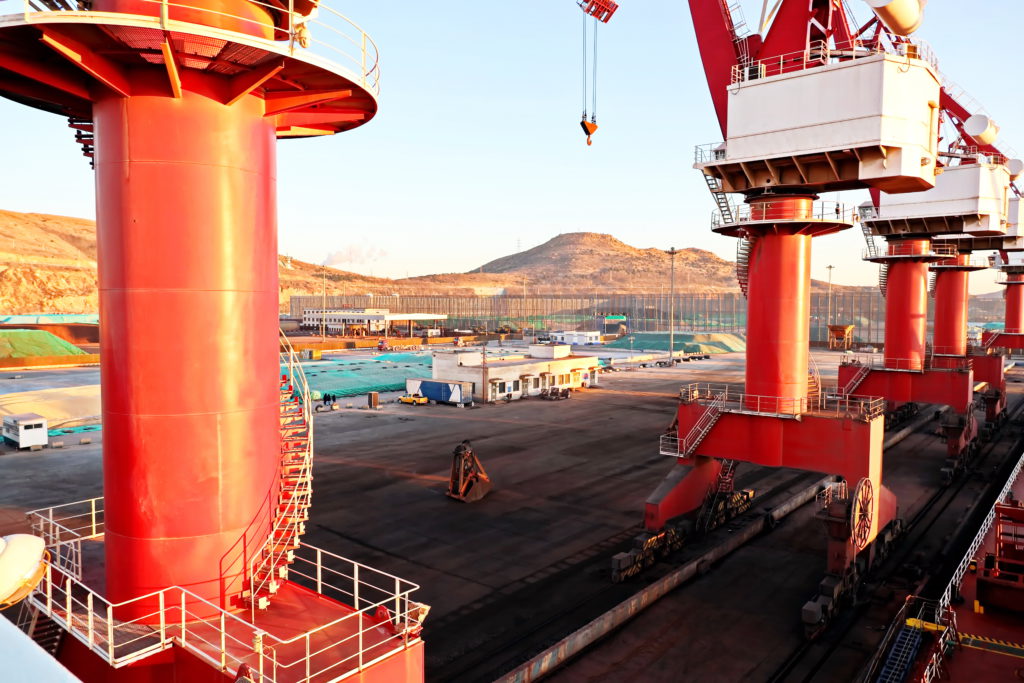
Radiant World, a major iron ore trader handling over 80 million tonnes a year, faces lawsuits from Mizuho Bank and invoice-financing platform Incomlend in Singapore over allegedly falsified documents, with Incomlend seeking more than $34 million from the company and founder Pinkesh Nahar. The case, filed as a “tort of deceit conspiracy by unlawful means”, has a hearing set for 29 September, while Singapore Police, the US Justice Department and the CFTC are conducting parallel probes. Vitol, Cargill and Glencore (with about $500 million exposure) have already halted new business, signalling heightened counterparty and trade-finance risk in bulk commodities.
Gold surged as much as 15.3% month-to-date in August 2026, breaking out of a multi‑month falling wedge, vaulting back above its 50‑day and 200‑day moving averages, and tracking as its sixth-strongest month since the US abandoned the gold standard in 1971. A 4.1% jump on 5 August, driven by 30.4k COMEX futures long contracts added in a single COT week, was followed by a further 3.9% spike after the US Treasury pledged to at least double longer‑dated bond buybacks to $4 billion per operation. Despite the speed of the move, gold is only about 3.5% above its 200‑day average—far from the 43.4% overextension seen in January’s blow‑off, suggesting less immediate downside risk for hedging and royalty strategies.
Anfield Energy has completed the first underground blast in nearly 40 years at the Velvet-Wood uranium-vanadium mine in San Juan County, Utah, after securing an ATF blast permit in June and rehabilitating the first 700 ft of decline. Ground support now includes rock bolts, wire mesh, new haul roads, mucking, and installation of a primary surface ventilation fan with ducting, air and water lines, power and communications. A water treatment plant and dewatering pump are almost complete, enabling dewatering of historic workings and further underground development targeting 4.6 million lb eU₃O₈ (measured and indicated).
Governments are moving from pure lenders to direct “deal participants” in critical minerals, with the US “Project Vault” creating a $12 billion strategic stockpile and helping drive roughly 160 minerals-related deals worth about $40 billion since January 2025. Washington is now combining EXIM, DFC and DOE funding with direct equity, price floors and long-term offtake and stockpiling agreements, while tightening defence sourcing rules to penalise use of restricted suppliers. For project developers, early binding offtake is becoming central to bankability, but Seidl Inglesby warns processing and manufacturing capacity still take years to build.
Fiona Adamson has been appointed Secretary of Victoria’s Department of Transport and Planning, after serving as Deputy Secretary of Transport Services overseeing public transport, road infrastructure and network operations. Her portfolio has included management of multimodal network performance and customer experience frameworks across heavy rail, tram, bus and arterial roads. The appointment signals continuity for major Victorian programs such as level crossing removals, freeway upgrades and integrated land-use and transport planning that depend on coordinated asset management and long-term network capacity modelling.
A CPB Contractors–McConnell Dowell consortium has secured a $700 million design and construction contract to upgrade more than 29 kilometres of Perth’s Kwinana Freeway between Roe Highway and Safety Bay Road, a corridor carrying over 100,000 vehicles on a typical weekday. Works will include additional lanes, interchange modifications and ramp upgrades to increase capacity and reduce bottlenecks on this north–south freight and commuter spine. The project also preserves corridor width and geometry to interface with the planned Westport freight precinct and associated port access links.
The Northern Territory Government has let a $1.81 million contract to local firm Diggamen Civil Contracting for safety upgrades at the Stuart Highway–Bees Creek Road intersection, a key access point to the Freds Pass Recreational Reserve and nearby schools, daycare facilities and community centres. Works are expected to focus on improving traffic control and separation between high-speed Stuart Highway movements and local access traffic on Bees Creek Road. For civil contractors and designers, the project signals continued NT investment in intersection treatments on rural arterial corridors with complex community access demands.
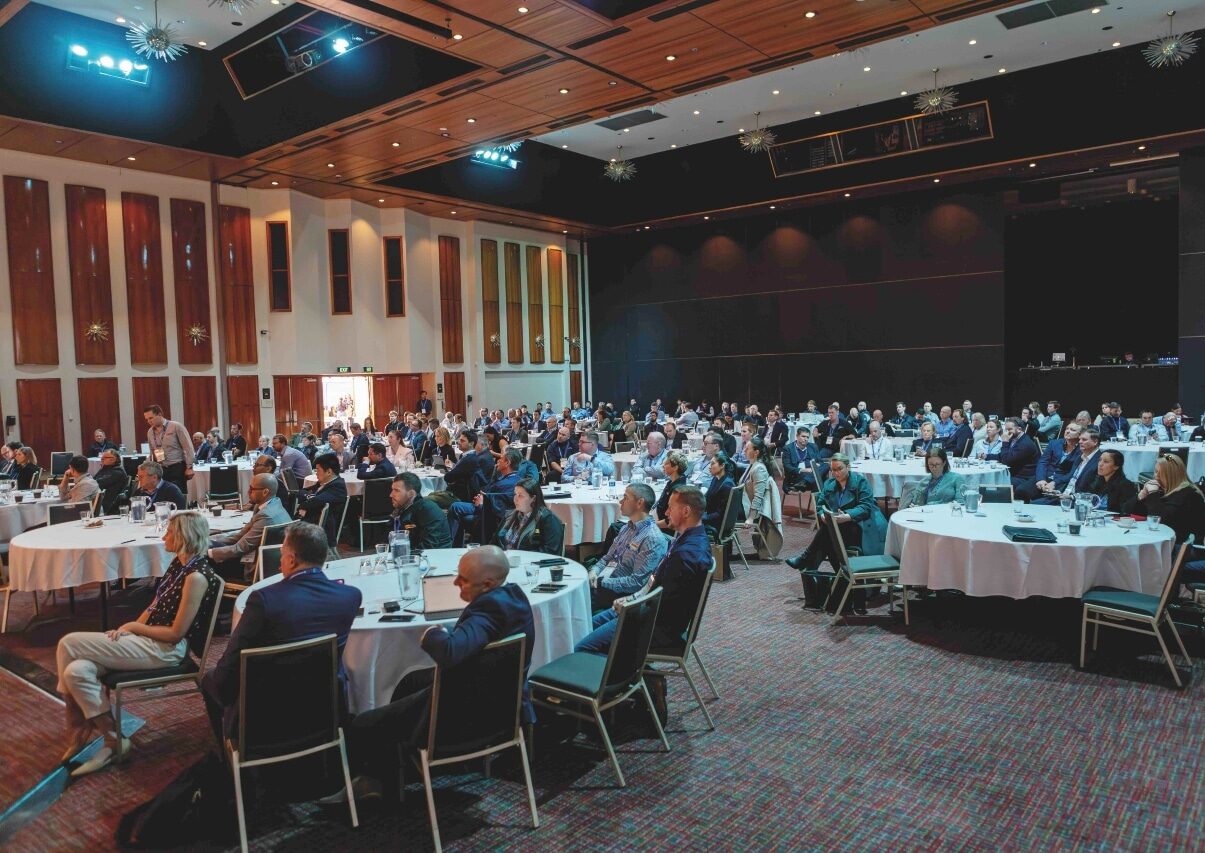
Expotrade is convening Tasmania’s Sixth Major Projects Conference as the State Government’s 10‑Year Infrastructure Pipeline has grown from $13 billion at inception to a substantially larger programme, signalling an intensified road, bridge and civil works workload. Senior government officials, contractors and consultants will dissect delivery risks around labour capacity, materials supply and procurement for multi‑year transport and energy corridors. For geotechnical and civil engineers, the event flags sustained demand for pavement rehabilitation, bridge strengthening and ground improvement design across a crowded project pipeline.
Early contractor involvement is being pushed by Balfour Beatty’s regional civils managing director as a key way for cash‑strapped UK local authorities to de‑risk highways, bridges and flood schemes before design freeze. By bringing Tier 1 contractors into option selection, ground investigation planning and buildability reviews, councils can refine earthworks strategies, utilities diversions and traffic management phasing while designs are still flexible. The approach aims to cut contingency, reduce change orders and avoid late-stage redesigns that typically drive programme overruns and claims.
The 14 August Greater Anglia derailment at Wickford, Essex occurred after the train driver reported a visible “kink” in the track, with on-board CCTV simultaneously capturing a clear lateral misalignment of the rail. The incident points to a localised geometry defect developing to the point of visible distortion between scheduled inspections, raising questions over the adequacy of current plain-line monitoring, patrol frequency and response times. For track engineers, the case will focus attention on integrating driver reports and CCTV evidence into real-time condition assessment and intervention protocols.
Modern highway construction is shifting towards low-carbon materials such as geopolymer concrete, high-recycled-content asphalt and bio-based binders to cut embodied CO₂ and improve performance under higher traffic loads and more intense rainfall. Designers are trialling warm-mix asphalt to reduce laying temperatures by 20–40°C and using secondary aggregates from construction and demolition waste to limit quarrying and landfill. Key challenges include variable material quality, limited long-term durability data, gaps in standards and specifications, and the need to adapt pavement design methods and site quality control.
Delivery partnerships between local authorities, combined authorities and private infrastructure providers are being promoted as a way to deliver UK regional development in a context of entrenched spatial inequality and frequent institutional restructuring. Models such as joint delivery boards and programme-wide frameworks are being used to coordinate multi-year transport, housing and public realm schemes, often bundling dozens of sub-£50M projects into single, region-wide investment pipelines. For engineers, this shifts emphasis towards portfolio-level design standards, shared data environments and early contractor involvement to manage interfaces, risk allocation and long-term asset performance.
East West Rail has begun using thermal-imaging drones in pre-construction ecological surveys to speed up vegetation clearance while locating protected species before archaeological trenching. Working with contractor Kier, the programme replaces or reduces manual ground searches, allowing faster sign-off of clearance areas and more targeted exclusion zones around detected animals or nests. For civil and geotechnical teams, this can shorten enabling-works programmes and reduce last-minute design or access changes driven by ecological constraints.
Manchester, Stansted and East Midlands airports, all operated by Manchester Airports Group, have suffered a cyber attack that compromised customers’ personal data held in back-office IT systems. Flight operations, airfield assets and terminal infrastructure remain unaffected, with no reported disruption to runway movements, baggage handling systems or air traffic control interfaces. For civil and airport engineers, the incident reinforces the need to segregate operational technology from corporate networks and to harden building management, SCADA and access-control systems against similar breaches.
Green Party leaders are calling for new data centres to lose their automatic “critical infrastructure” status and face stricter planning tests, citing risks to local electricity networks and potable water supplies. The move targets large hyperscale facilities with multi‑MW continuous loads and high cooling water demand, which can compete with housing and industrial users on constrained grids. For civil and infrastructure engineers, this signals potential for tougher connection agreements, more detailed impact assessments on water and power, and possible delays to new server-farm projects.
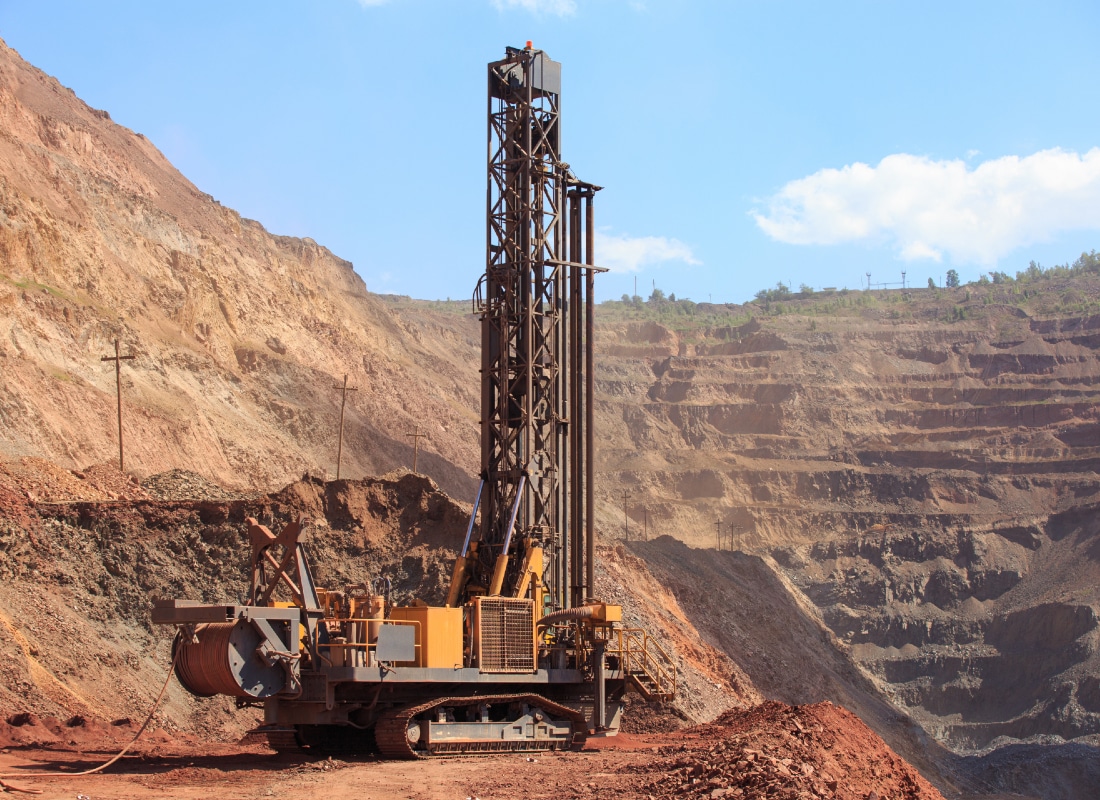
Forrestania Resources has awarded MEGA Resources a ~$145 million contract for a two-year open-pit mining campaign at the Johnson Range gold project in Western Australia. The scope covers end-to-end pit development, including production drilling and blasting, ore and waste haulage, and construction of haul roads and associated mining infrastructure. Contractors and suppliers can expect near-term demand for drill-and-blast services, mobile fleet, and road construction materials, with geotechnical design and pit slope performance critical over the compressed two-year schedule.
Develop Global’s latest underground drilling at the Woodlawn copper–zinc mine in New South Wales has returned intercepts grading up to 15.7 per cent copper equivalent (CuEq), supporting its Project DM15 plan to extend mine life from 10 to 15 years. The high-grade results, from step-out holes targeting depth extensions of existing lenses, suggest additional sulphide resources beyond the current reserve envelope. For mine planners and geotechs, this points to a longer stoping schedule, potential redesign of sequencing and backfill, and extended use of existing underground infrastructure.
Evolution Mining has become Carnaby Resources’ largest shareholder with a 13.7 per cent stake after acquiring the QIC Queensland Critical Minerals Fund’s ~37.9 million Carnaby shares as part of its proposed $213 million takeover. Evolution also issued about 2.6 million new shares to QIC, signalling continued use of scrip-based structures in Australian mid-tier M&A. For copper–gold project developers, the move points to stronger strategic interest from established producers in advanced exploration portfolios rather than greenfield assets.