Geomechanics, Streamlined.
© 2026 Geomechanics.io. All rights reserved.
Western Australia’s resources sector delivered $226 billion in mineral and petroleum sales in 2025, a decade-high investment year driven by record iron ore export volumes and all-time high gold revenue from operations such as the Super Pit. The sector supported more than 136,000 full-time equivalent on-site mining jobs, signalling sustained demand for mine development, brownfield expansions and associated infrastructure. Contractors can expect continued workload in pit optimisation, haul road upgrades and processing plant debottlenecking as operators push existing iron ore and gold assets harder.
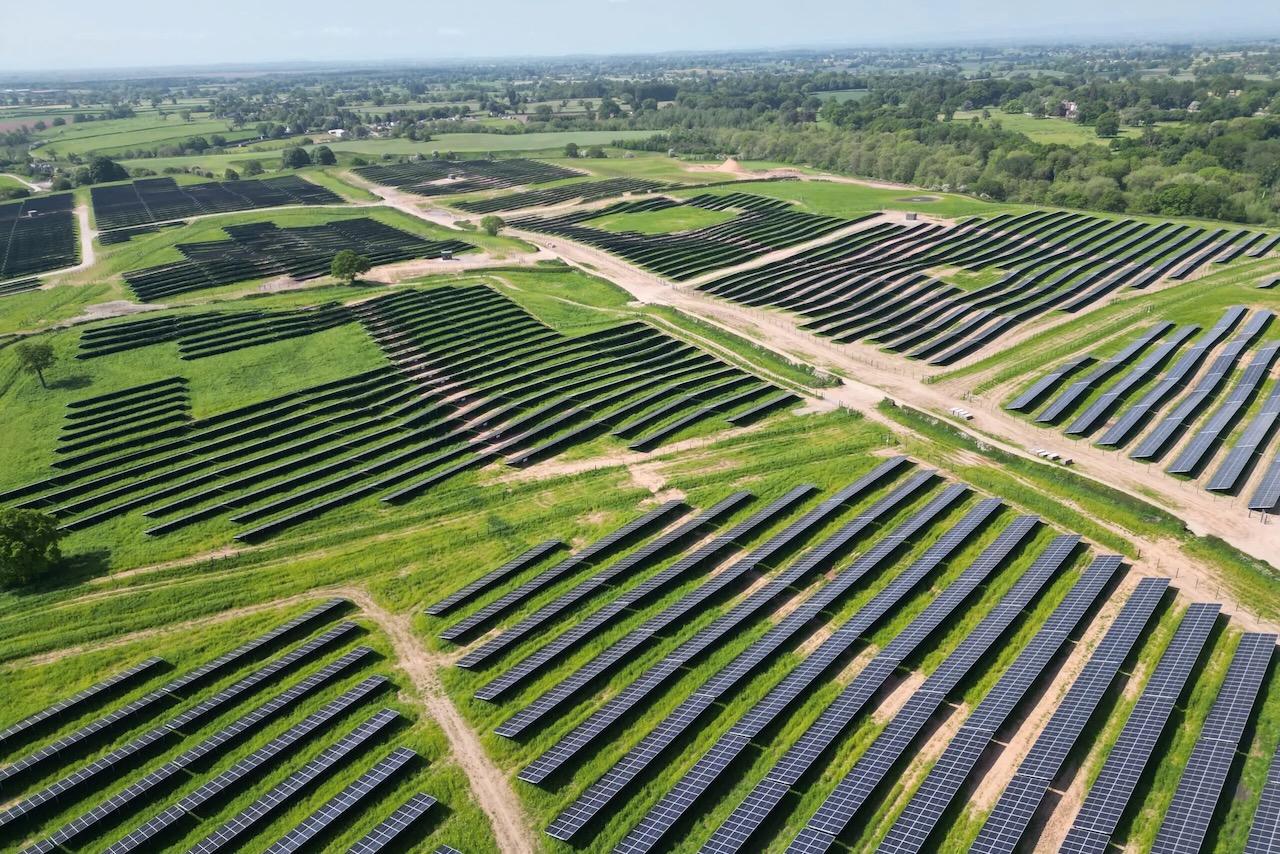
Construction has begun on European Energy’s 67.96MW solar farm with a 95MWh co-located battery energy storage system at Indian Queens, inland from Newquay in Cornwall, scheduled for completion in the first half of 2027 and expected to generate about 60GWh per year. The single grid connection for both generation and storage is intended to maximise use of existing grid infrastructure while enabling participation in ancillary services markets. Revenue is underpinned by a corporate PPA for the solar and a Capacity Market Contract for the BESS.
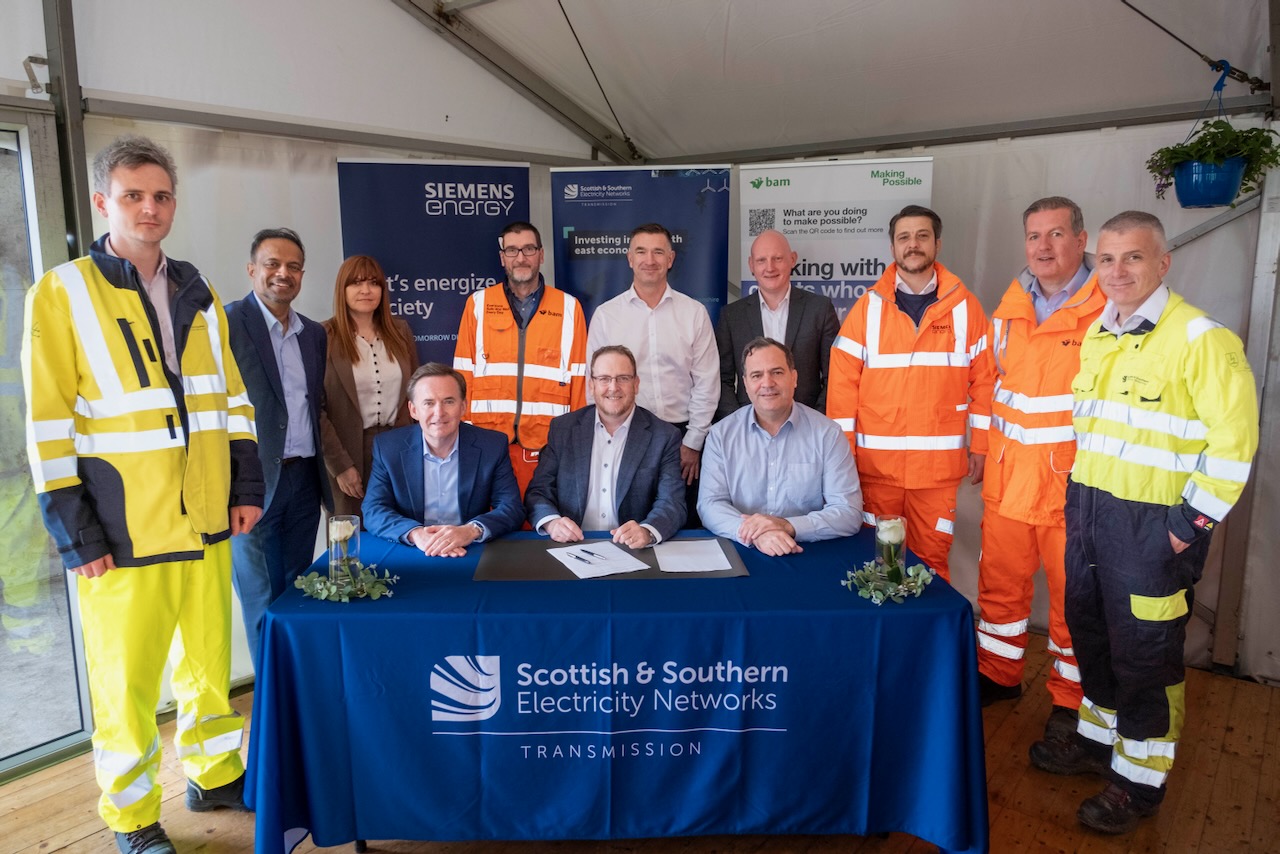
BAM UK & Ireland has secured its first contract under National Grid’s Accelerated Strategic Transmission Investment (ASTI) framework to deliver a new SSEN Transmission substation in Aberdeenshire in joint venture with Siemens Energy. The project will add high-voltage substation capacity to support grid reinforcement for North Sea renewables and wider Scottish transmission upgrades. Civil and geotechnical scope is expected to centre on heavy foundations, high-spec switchgear compounds and grid connection works under ASTI’s compressed delivery timelines.
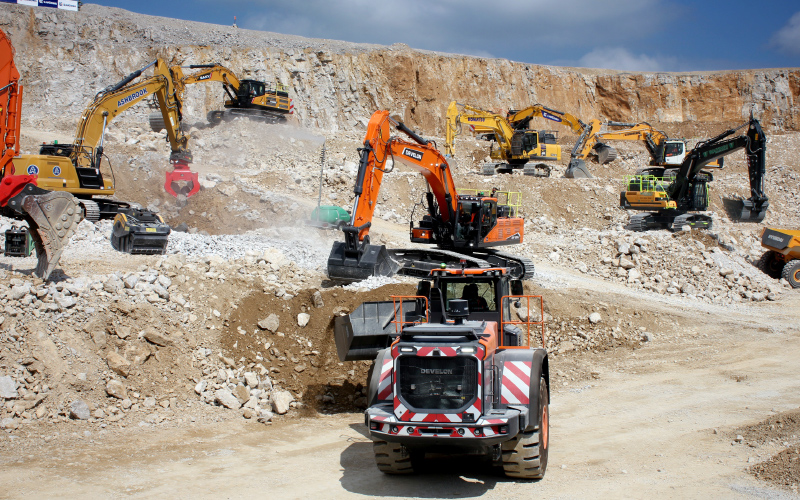
Hillhead 2026 at Hillhead Quarry, Buxton will run from 23–25 June with more than 620 exhibitors, four live demonstration areas and over 50 scheduled demos, including a curated Quarry Face programme hosted by broadcaster Nikki Dean and a fleet of 35+ machines working across three benches. Major OEMs such as Hyundai, CASE, JCB, Komatsu, Hitachi, DEVELON, Volvo CE, SBM, Wirtgen and Pilot Crushtec will run live trials of new kit including the TwisterTrac VS350E mobile VSI, REMAX 600/JAWMAX 450 plants and all‑electric Mobirex MR 100 NEOe. An AI planning tool powered by Exhibitly will generate personalised itineraries, helping visitors target specific technologies such as battery‑electric loaders and excavators, AI-based safety systems like Parksafe’s Zone AI, and intelligent tyre monitoring from Continental.
Reds10 has appointed former Wates Group executive committee member Steve Beechey as executive chair to drive its next phase of growth in industrialised, modular delivery. Beechey previously served as group investment director, group strategy director and most recently group public sector director at Wates, leading major defence, education and justice programmes and long-term public sector frameworks. His experience in complex programme delivery, PPPs and scaling high-growth businesses signals Reds10’s intent to push larger, multi-sector offsite projects and deepen public sector engagement.
Huws Gray has appointed former Brandon Hire Station national operations director Jon Mugridge as operations director for its plant and tool hire division, signalling a push to scale its hire operations alongside its builders’ merchant network. With a 30-year retail and hire background spanning B&Q, Homebase, B&M and WH Smith, Mugridge is tasked with tightening operational performance, colleague development and health and safety processes. For contractors, the move points to a more structured, centrally led hire offer, with potential for improved fleet availability and site support.
Willmott Dixon has begun construction on the £28m overhaul of Huddersfield Bus Station for West Yorkshire Combined Authority and Kirklees Council, delivering a modernised hub within the Weaver Network with a new entrance canopy, solar panels, green roof and expanded cycle parking. The scheme includes real-time integrated bus and rail information screens, upgraded security systems, improved shop fronts and external public realm, plus fully accessible toilets including a Changing Places facility. During delivery, the contractor targets 398 apprentice weeks, 31 weeks of work experience and 584 hours of employment support in the local area.
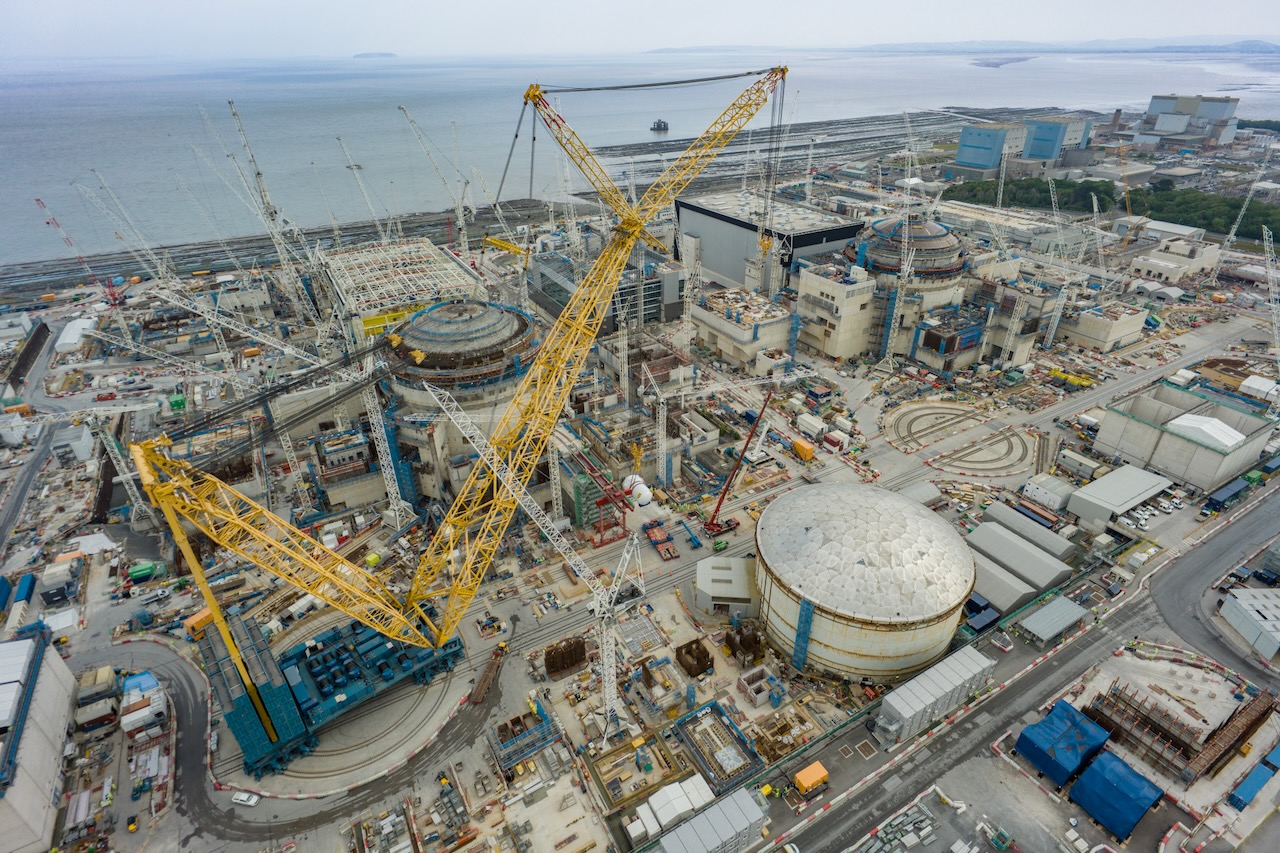
Sarens’ SGC-250 “Big Carl” land crane, rated at 250,000 tonne-metres, has lifted the 13-metre-long reactor pressure vessel for Hinkley Point C Unit 2 into the reactor building, where the internal polar crane rotated it vertical and set it onto a support ring with just 40mm lateral clearance. Unit 2 construction is reported to be 20–30% faster than Unit 1, with the outer containment, additional structural steelwork and three large heat exchangers already installed at this stage. EDF plans to transfer these build efficiencies directly to the Sizewell C gigawatt-scale project.
Plans for One London, a £1bn, 309.6‑metre tower at 1 Undershaft, set out a 1.2 million sq ft office‑led skyscraper that will be the City of London’s tallest building and joint‑tallest in Western Europe on completion in 2033. The scheme, by Aroland Holdings with Stanhope and Eric Parry Architects, is located at the junction of Leadenhall Street and St Mary Axe within a six‑minute walk of six Underground lines and the Elizabeth line. Deconstruction of St Helen’s Tower is under way, with a main contractor due to be appointed this year and construction targeted from 2028.
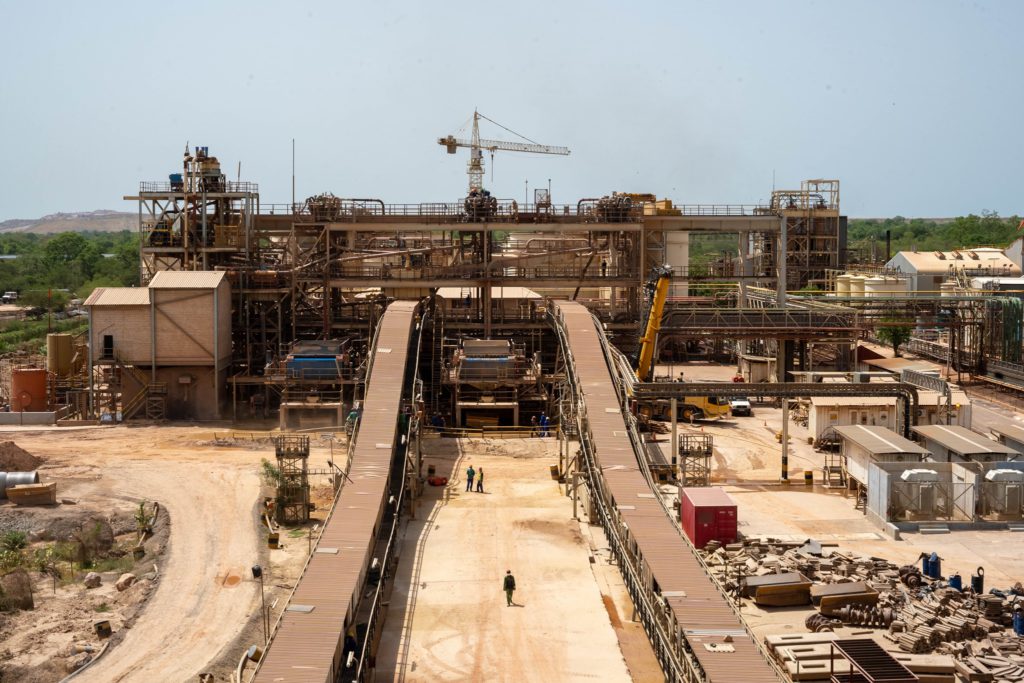
Zijin Gold’s proposed C$5.5 billion (about $4 billion) cash acquisition of Allied Gold is facing delays at China’s National Development and Reform Commission, which is questioning the roughly 5% premium and jurisdictional risks tied to Allied’s African assets. The deal would add the Sadiola mine in Mali, a large Côte d’Ivoire complex and the Kurmuk project in Ethiopia, with the first two delivering nearly 380,000 oz of gold in 2025 and Kurmuk due to pour first gold this year. Allied’s market value sits around C$4.4 billion and the outside closing date has been pushed to end-July.
Work is progressing on VolkerFitzpatrick’s £61M Sturry Link Road in Canterbury, Kent, a new highway connection intended to divert traffic from the A28 through Sturry and cut peak-hour congestion. The scheme includes a new link road and associated junction upgrades designed to improve journey times between Canterbury and the A299, following a recent funding boost that secured the remaining finance. For civil and geotechnical teams, key tasks will centre on highway earthworks, drainage, and tie-ins to existing strategic routes in constrained urban and floodplain conditions.
Carbon Capture, Usage and Storage (CCUS) is being positioned as a core element of UK decarbonisation strategy for gas-fired power and hard-to-abate materials such as cement and concrete, with Mitsubishi Heavy Industries promoting large-scale post-combustion capture units integrated with existing plants. Critics question lifecycle emissions, high energy penalties for solvent-based capture, and long-term integrity of offshore geological storage. For civil and materials engineers, the debate centres on retrofit feasibility at existing cement kilns, pipeline and compression infrastructure requirements, and whether CCUS investment may delay process changes or clinker substitution.
Thirteen contractors have been appointed to a £150M Lincolnshire County Council highways framework to deliver road maintenance, improvement and resurfacing schemes across the county through to January 2030. The long-term framework is expected to package multiple schemes for A-road strengthening, rural carriageway reconstruction and surface dressing, giving contractors continuity of work and scope to optimise plant utilisation and asphalt supply. For designers and geotechnical teams, the programme signals sustained demand for pavement condition surveys, overlay design, drainage upgrades and subgrade remediation on an asset base dominated by ageing flexible pavements.
National Grid is replacing overhead conductors on a 40km, 400kV transmission route between Mannington substation in East Dorset and Nursling substation in Southampton, with Balfour Beatty appointed as principal contractor. The works cover 115 lattice steel pylons and will require sequential wire replacement while maintaining network security on this key south coast corridor. Contractors will need to manage live-line safety constraints, temporary outages and access logistics along a mixed rural–urban alignment.
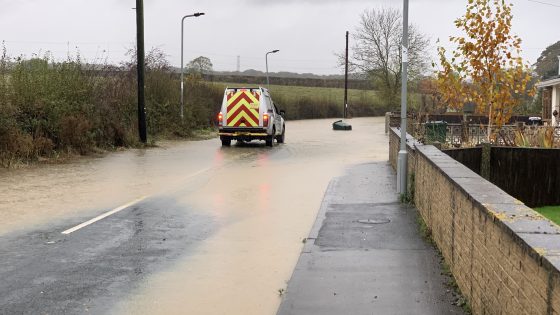
Esh Construction has secured a £3.1M contract from Rotherham Metropolitan Borough Council to deliver a flood alleviation scheme for the repeatedly flooded village of Whiston. Works are expected to focus on new and upgraded flood defences and drainage infrastructure along key flow paths, targeting a recurrence of the severe recent flood events. Geotechnical and civil design will need to address surcharge of existing culverts, overland flow routing and integration with the wider Rotherham flood risk management network.
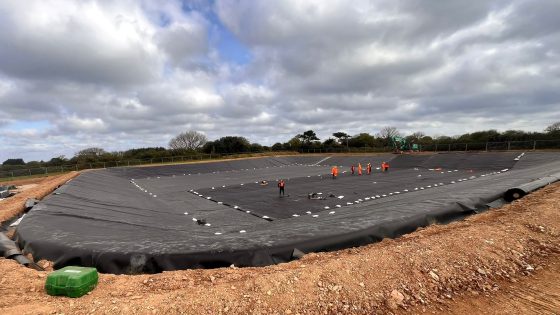
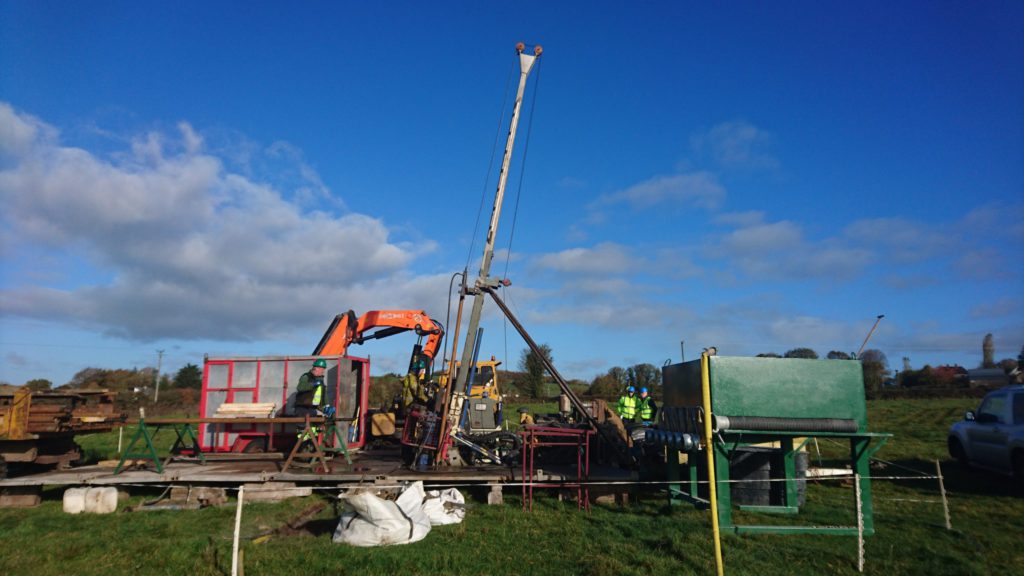
Sean Carr Lining Technology has completed construction of a lined storage lagoon for underground water from planned lithium exploration in Cornwall, a key enabling asset while the project awaits its Final Investment Decision. The lagoon is designed to hold pumped mine water prior to processing, allowing controlled management of flow rates and water quality during test and early-stage extraction. For geotechnical and civil teams, the milestone fixes the site’s hydraulic management concept and de-risks subsequent drilling, treatment plant foundations and environmental permitting.
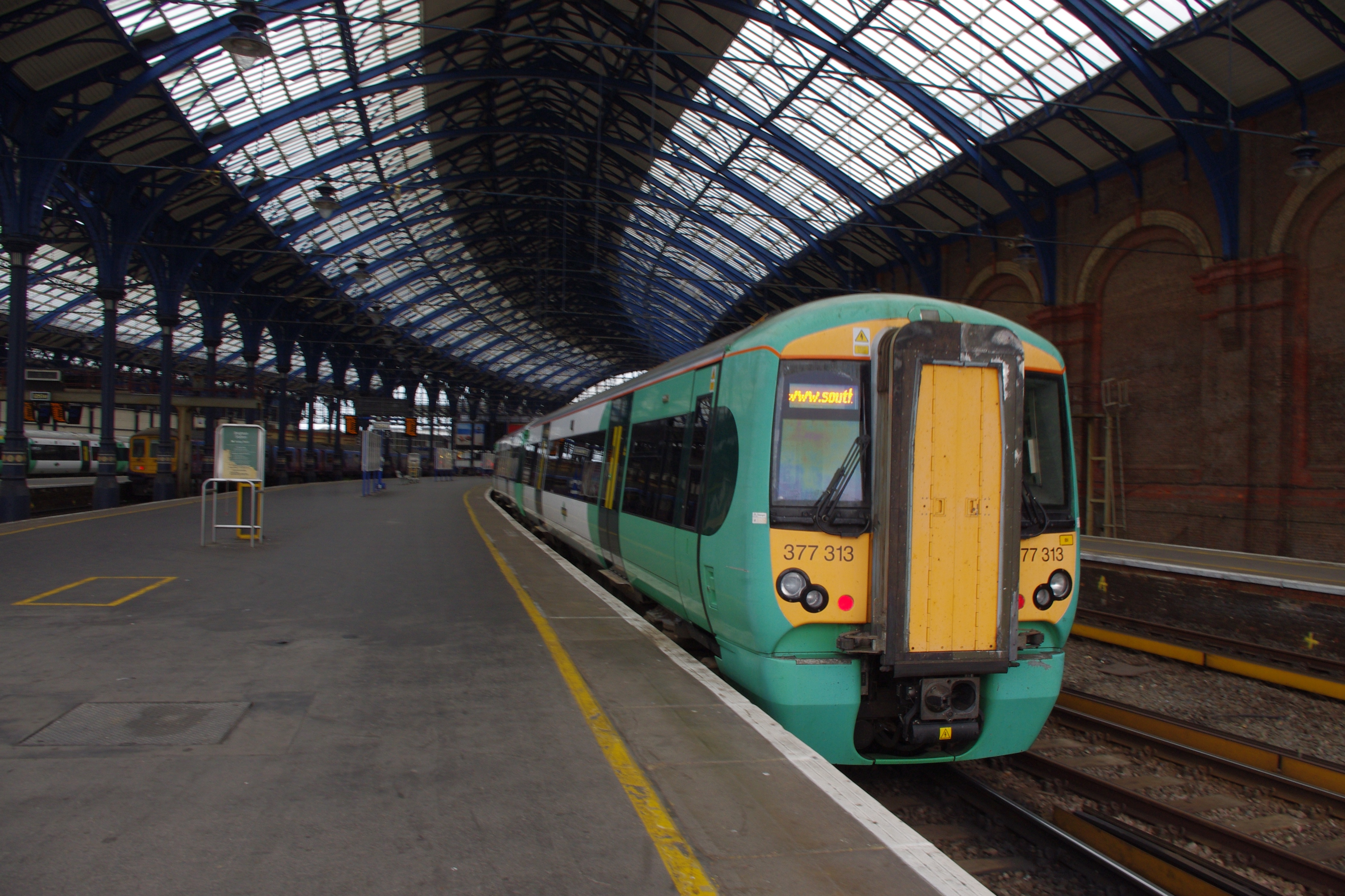
A lineside fire near Rustington in West Sussex forced the suspension of all Southern Railway services between Worthing and Littlehampton/Barnham, with Network Rail classing the incident as “major disruption”. Engineers were deployed to inspect and repair affected track, signalling cables and associated lineside equipment before services could be safely restored. The event underlines the vulnerability of coastal commuter corridors to relatively small infrastructure faults, with knock-on impacts for timetable resilience and maintenance planning.
A 750t all-terrain mobile crane has installed the nine prefabricated sections forming the staircases and bridge deck for the new footbridge at Bristol Brabazon station on the former Filton Airfield site over the Bank Holiday weekend. The modular lift sequence minimised disruption to adjacent rail infrastructure and surrounding development works, with all major elements placed within a short possession window. For contractors and designers, the operation reinforces the viability of heavy prefabricated bridge components and rapid craned installation on constrained brownfield transport hubs.
New drilling at Group Eleven Resources’ PG West project in Ireland has extended high-grade mineralisation at the Ballywire discovery, with hole 26-3552-57 cutting 62.5 m from 329 m depth grading 2.9% Zn, 2.7% Pb and 25 g/t Ag, including 11.8 m at 3.3% Zn, 10.1% Pb and 45 g/t Ag. Backed by C$12 million raised in March from investors including Glencore (13% stake) and Michael Gentile (14%), the company has expanded its PG West drilling campaign from 20,000 m to 67,000–75,000 m using four rigs. Mineralisation comprises sphalerite, galena and pyrite with local chalcopyrite and suspected tennantite-tetrahedrite, now traced along a ~1.5 km massive sulphide corridor.
America’s rapid “mineral awakening”, argued by Brian Paes‑Braga, CEO of The Metals Royalty Company (Nasdaq: TMCR), is driven by dependence on foreign processing, with China now handling roughly 70% of global energy‑related critical minerals and 98% of primary gallium. The US was fully import‑dependent for 16 non‑fuel minerals in 2025, while an F‑35 needs about 900 lb of rare earths and a hyperscale AI data centre can require up to 50,000 tonnes of copper, exposing defence and grid resilience to external chokepoints.
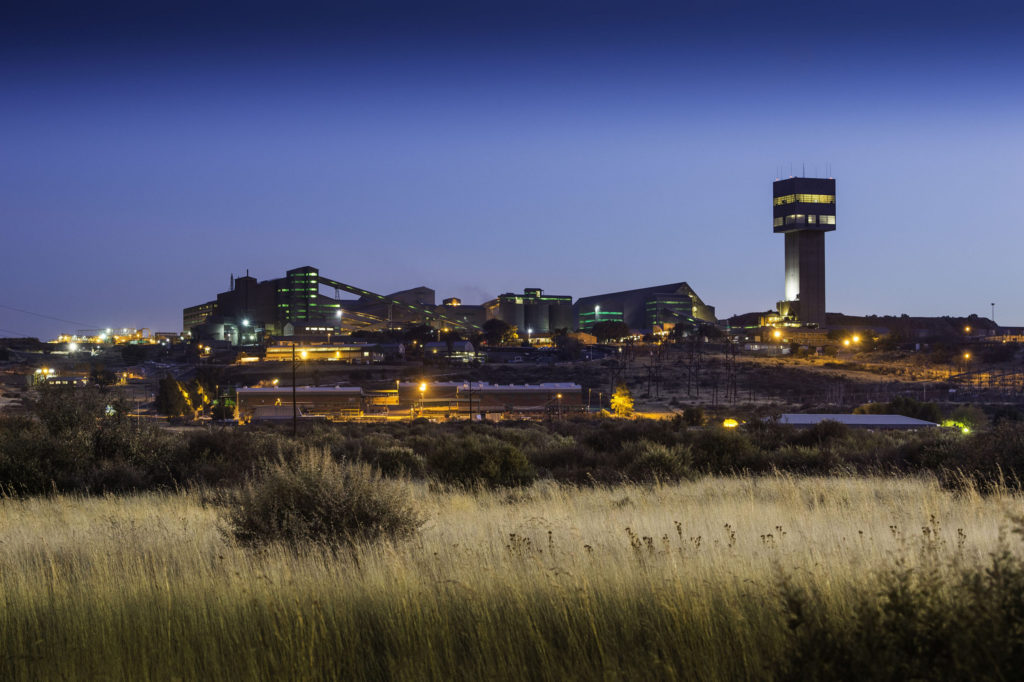
Petra Diamonds is placing its Finsch mine in South Africa into business rescue, suspending capital development and starting consultations on workforce reductions across operations as realised prices slump to about $47/ct at Finsch and $81/ct at Cullinan, down from $56/ct and $109/ct in Q3. Management cites a structural decline in prices for smaller stones (Finsch mainly produces ≤2 ct goods and contributed 34% of FY2025 revenue), growing lab-grown competition and a strong rand, and has withdrawn 2026–2030 production guidance while it reworks its plan around high-value Type II output at Cullinan. The company has secured lender consent to avoid covenant defaults but warned of possible liquidity breaches later in 2026, with Petra’s market capitalisation now about £42 million after the share price fell 17% to 11p.
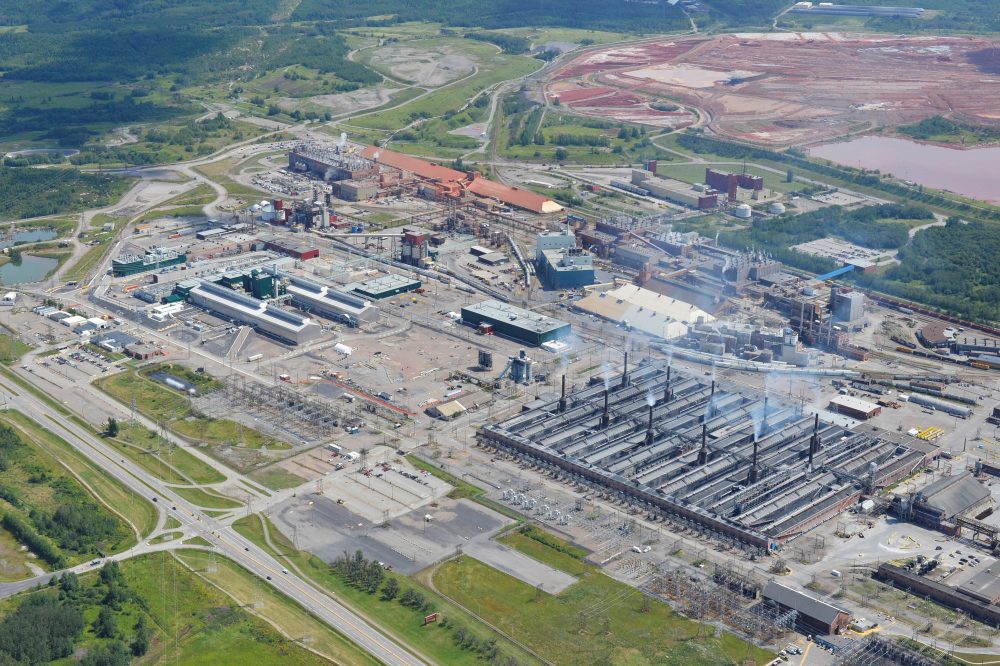
Rio Tinto has begun a $1.5 billion expansion of its AP60 low‑carbon aluminium smelter at Arvida, Quebec, adding 96 new AP60 pots to lift capacity to about 220,000 tonnes per year, a 160,000‑tonne increase. Powered by hydroelectricity, the AP60 process emits about one‑seventh of the global industry average and is expected to cut Rio’s carbon emissions by roughly 290,000 tonnes per year as older Arvida potlines are phased out by next month. The project, backed by up to $113 million from Quebec, has created more than 1,500 construction jobs and will employ about 100 permanent staff, with a nearby recycling facility planned to integrate post‑consumer aluminium.
Military Metals’ share price fell as much as 60% to C$0.16 after Slovakia’s Ministry of the Environment revoked its exploration licence for the Trojarova antimony-gold project near Bratislava, which the company says was cancelled “without appropriate justification”. Trojarova, interpreted as a continuation of the historic Pezinok mine, carries a Soviet-era resource of 415,000 tonnes grading 0.162% Sb and 1.148 g/t Au based on underground exploration. The licence had been within Slovakia’s designated exploration areas under the EU critical raw materials framework, raising questions over regulatory risk for antimony supply projects in the region.
Deep Sea Minerals (CSE: SEAS) has applied to uplist to the Nasdaq, which would make it the third seabed exploration company on the exchange alongside The Metals Company (Nasdaq: TMC) and Odyssey Marine Exploration (Nasdaq: OMEX), pushing its share price to a record C$1.79 and valuing it at just over C$80 million. The Vancouver-based firm currently has no active projects but is targeting polymetallic nodule concessions in the 4.5‑million‑sq‑km Clarion–Clipperton Zone (3,500–6,000 m water depth) and the Cook Islands EEZ, where nodules are estimated at 21 billion tonnes and 6.7 billion tonnes respectively. For mining strategists, the move signals another capital-markets vehicle positioning early for potential future access to large-scale subsea nickel, cobalt, copper and manganese resources pending regulatory pathways in the Pacific.